

Tabelog 100 #92
Our verdict
Kanazawa’s sweet shops carry a different weight from casual cafés: the city’s tea culture, confectionery craft and seasonal ingredients make wagashi part of the local grammar. Tsubomi sits in that tradition as a compact Japanese sweets café in Kakinokibatake, selected for Tabelog 100 Japanese traditional sweets / Japanese sweets cafe WEST 2023, with kakigori and café service at an accessible price tier.

Pearl is the En Primeur Club membership app, where members save venues, book tables and use the concierge.
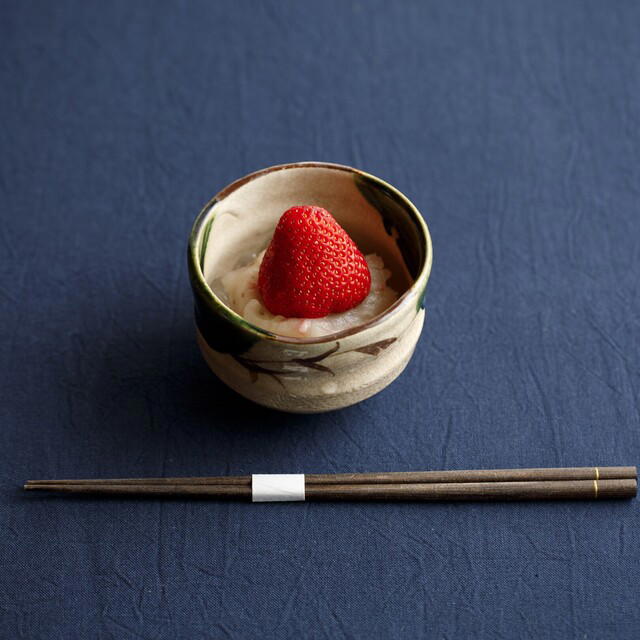
The menu
What to order
- Hon warabimochi with kinako and kuromitsu
- Hon kuzukiri with black syrup
- Tsubomi special matcha parfait
- Soft agar shiratama cream anmitsu
- Seasonal kakigori shaved ice
The appeal of Kanazawa sweets begins before the first order. Around Kanazawa, the city shifts between formal cultural habits and quieter lanes where tea culture feels lived-in rather than staged. Tsubomi fits this setting not as a dessert stop tacked onto sightseeing, but as part of Kanazawa’s older rhythm of Japanese sweets, seasonal expression and small-room hospitality.
Kanazawa has long treated sweets as cultural infrastructure. Its ties to tea practice, craft patronage and local confectionery give a sweet shop expectations beyond a standard café. Precision matters, but so does restraint: handling, texture discipline, and the ability of a small portion to mark the season without spectacle.
Kanazawa's wagashi culture gives the café format sharper stakes
Japanese sweets cafés in regional cities often sit between the formal wagashi shop, everyday kissaten and seasonal dessert counter. Kanazawa adds the layer of confectionery tied to tea practice and gift culture. A café featuring Japanese sweets and kakigori must therefore do more than serve sugar; it must understand proportion, temperature and the local appetite for clarity.
Tsubomi’s category explains its position: cafe featuring Japanese sweets, kakigori and café. That hybrid format is increasingly useful in Japan, where travelers want access to traditional confectionery without tea-room formality. It also explains the price. At JPY 1,000 to JPY 1,999, the experience sits in an accessible bracket for Kanazawa, especially when compared with fuller restaurant itineraries that might include Sarashina Fujii, Itaru Honten, Sushi Ikuta, é å± å½ä¸é or ビストロ高柳. The value is not luxury signaling, but reading the city through sweets.
Ingredient clarity is the key lens. Japanese sweets and kakigori rise or fall on basics that cannot hide: texture, sweetness, temperature and balance. Kanazawa’s broader food culture prizes seasonal awareness and a sharp sense of time, and sweets follow the same calendar logic. Even on a casual menu, the better regional cafés make the ingredient the argument, not decoration.
Recognition gives that argument weight. Selection for Tabelog Hyakumeiten in 2023 places Tsubomi inside a regional field, not a neighborhood-only conversation. Its Tabelog score of 3.66 is meaningful in a category where modest rooms and low average spend rarely rely on spectacle. This is a sweets address serious diners track, not just a pause between other city plans.
Why shaved ice and wagashi belong in the same Kanazawa itinerary
Kakigori can look simple, but in Japan it has become a precise dessert category with expectations around texture, sweetness and pacing. Paired with wagashi, the format becomes a bridge: refreshment and immediacy on one side; tea culture and seasonal forms on the other. For travelers, it is a compact way to understand how Kanazawa handles sweetness without committing to a formal multi-course meal.
The room’s scale matters. A focused café format keeps the experience closer to a specialty stop than a high-volume dining room. That changes the tempo: orders move through a compact setting, table turns can feel naturally slower, and small groups sit within the scene rather than as a separate demographic. The result reinforces its identity as a public sweets room rather than a secluded salon.
The geography also works. The address sits in Kanazawa, making it easy to fold into a day of city exploring rather than requiring a separate destination meal. For wider planning, Our full Kanazawa restaurants guide maps the city’s dining range, while Our full Kanazawa hotels guide, Our full Kanazawa bars guide, Our full Kanazawa wineries guide and Our full Kanazawa experiences guide help separate a sweets stop from a full-day itinerary.
Kanazawa’s range is broader than many first-time visitors expect. A day can move from sweets to other local dining without leaving the city’s rhythm. Readers building a longer eating map might compare this casual price bracket with local alternatives, including the comparisons set of Sarashina Fujii, Itaru Honten, Sushi Ikuta, é å± å½ä¸é and ビストロ高柳, or with other unnamed Kanazawa dining rooms. Outside Kanazawa, EP Club’s Japan coverage also follows the same broader question: how casual, ingredient-led stops can explain a place as clearly as destination restaurants.
The editorial read: come for ingredient clarity, not ceremony
The strongest reason to place Tsubomi on a Kanazawa itinerary is category fit. The city rewards travelers who leave room for sweets, because wagashi is not an afterthought to a larger meal; it is a parallel tradition with its own standards. A café in this price band, selected for Tabelog Hyakumeiten in 2023, offers a low-barrier entry point.
The practical trade-off is pacing. A compact sweets café favors flexible timing over rigid scheduling, especially when a modest price band and recognized category strength can draw steady interest. The lunch budget is listed at JPY 1,000 to JPY 1,999, so the visit works better as a small local stop than a fully managed restaurant booking. That informality is not a flaw; it is how many serious Japanese sweets rooms operate, especially outside heavily internationalized lanes.
For travelers who judge a city through ingredient culture, this is the useful kind of address. It will not explain Kanazawa through luxury cues or chef mythology. It explains the city through sweetness, seasonality, scale and the discipline of a small café format.
Frequently asked questions
What's the address for Tsubomi?
Kanazawa.
What's the price range at Tsubomi?
Pricing at Tsubomi is listed as JPY 1,000 - JPY 1,999.
Do I need a reservation for Tsubomi?
Plan Tsubomi as a flexible sweets stop in Kanazawa rather than a formal destination meal. It is listed in Tabelog Hyakumeiten 2023, which signals a steady draw, and lunch pricing is listed at JPY 1,000 - JPY 1,999.
What is Tsubomi known for?
Tsubomi is known as a cafe featuring Japanese sweets, kakigori and café in Kanazawa.
Quick Comparison
Comparable options at the same price tier.
| Venue | Cuisine | Price | Awards | Notes |
|---|---|---|---|---|
| TsubomiThis venue (the venue you are viewing) | Traditional Japanese sweets & kakigori cafe | $10–20 | Tabelog 100 #92 | Not listed |
| Menya Fukuza | Ramen shop | $10–20 | Tabelog 100 #24 | Kanazawa |
| Rakugan Moroeya Nishichaya Karyo Ajiwai | Traditional Japanese wagashi & kakigori cafe | $10–20 | Tabelog 100 #73 | Kanazawa |
| Kuroyuri (黒百合) | Traditional Kanazawa Oden Izakaya | $20–30 | Not listed | Kanazawa Station |
| 料理 小松 | Traditional Omakase Sushi | $200–300 | Tabelog Bronze #199 | Kanazawa |
| のとめぐり | Hokuriku Conveyor Belt Sushi | $20–30 | Not listed | Hirooka |
Recognition history
Dated appearances from independent guides and award organizations, with the underlying list record or original source where available.
Opinionated About Dining Top Restaurants in Japan Recommended
Opinionated About Dining
Tabelog 100 #92 · No. 92
Tabelog · Tabelog 100 - Japanese traditional sweets / Japanese sweets cafe - WEST - 2023
Continue exploring
More in Kanazawa
Restaurants in Kanazawa
All restaurants in Kanazawa →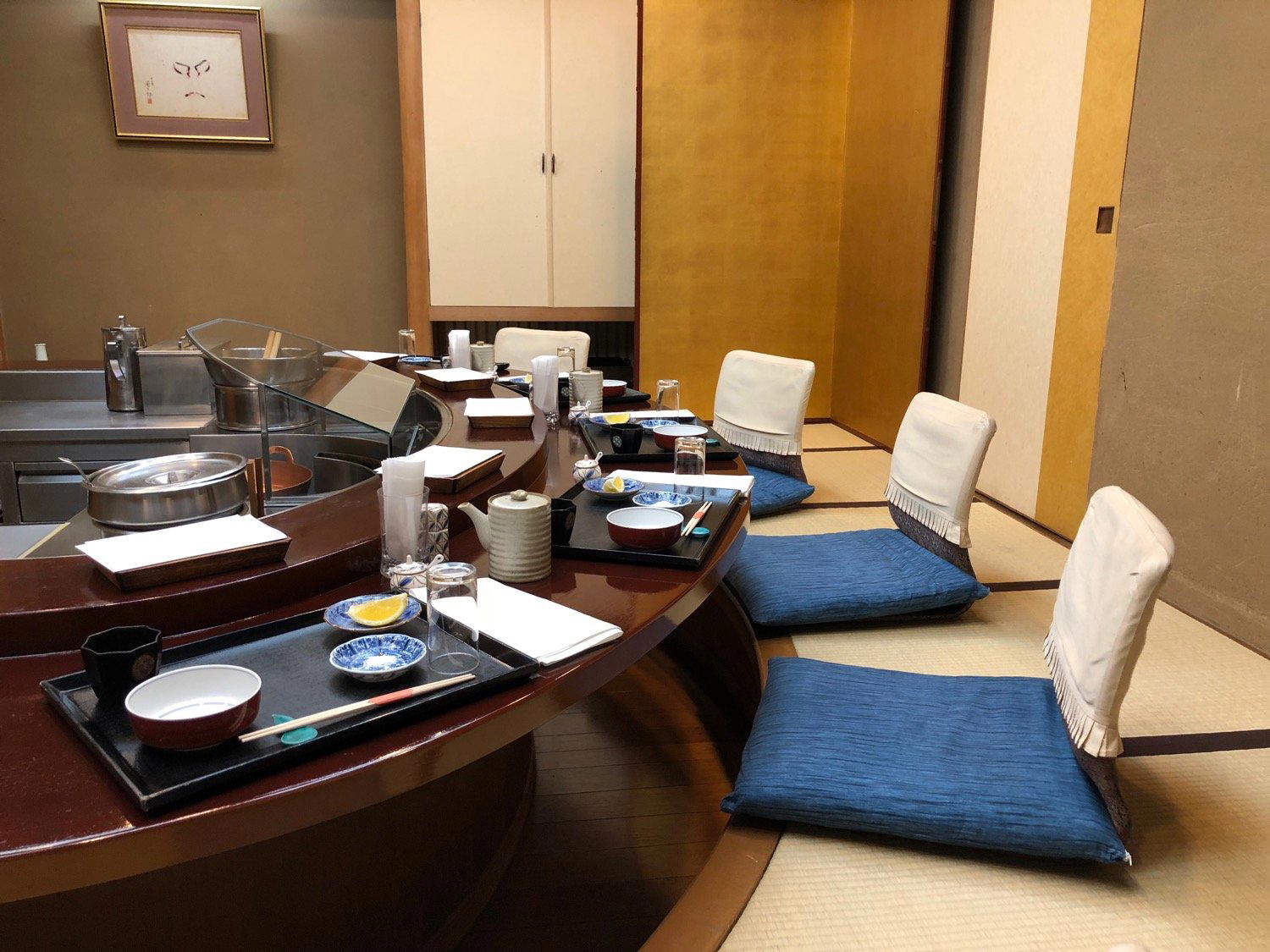
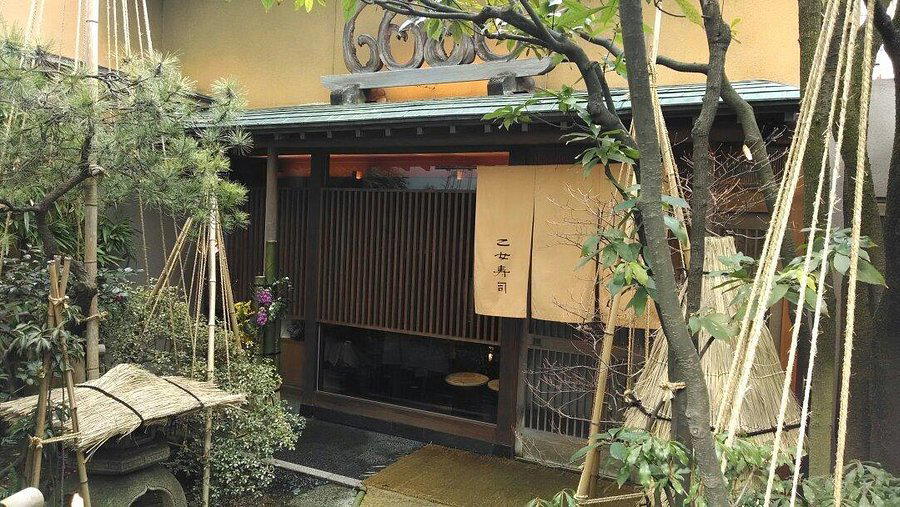
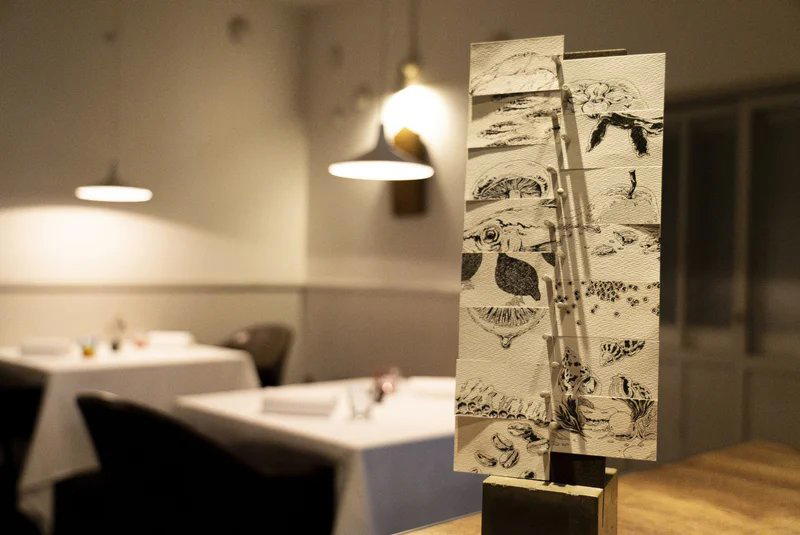
Hotels in Kanazawa
All hotels in Kanazawa →
Wineries in Kanazawa
Browse all →
Details
- Scenic
- Cozy
- Classic
- Intimate
- Solo
- Date Night
- Casual Hangout
- Garden
- Historic Building
- Standalone
- Local Sourcing
- Garden
- A La Carte
- Tea
Quiet and minimalist Japanese tea-house style, with a small, serene room overlooking a garden and the stone walls of Kanazawa Castle, where seasonal nature sounds and the flow of Tatsumi water create a calm, contemplative atmosphere.