tāst restaurant
Located on a quiet Malá Strana street at Šporkova 5, tāst restaurant sits in one of Prague's most historically layered neighbourhoods, where baroque architecture and slow pace define the setting. The address places it well outside the tourist density of the Old Town, making it a considered choice for travellers who know Prague's residential quarters. Check EP Club's full Prague guide for booking and context.
Pearl is the En Primeur Club membership app — saves, bookings, and concierge access live there. Same editors, same standards.
- Address
- Šporkova 521/5, 118 00 Malá Strana, Czechia
- Phone
- +420739794900
- Website
- tastrestaurant.cz
- Directions
- Get directions
 Saves & bookings on Pearl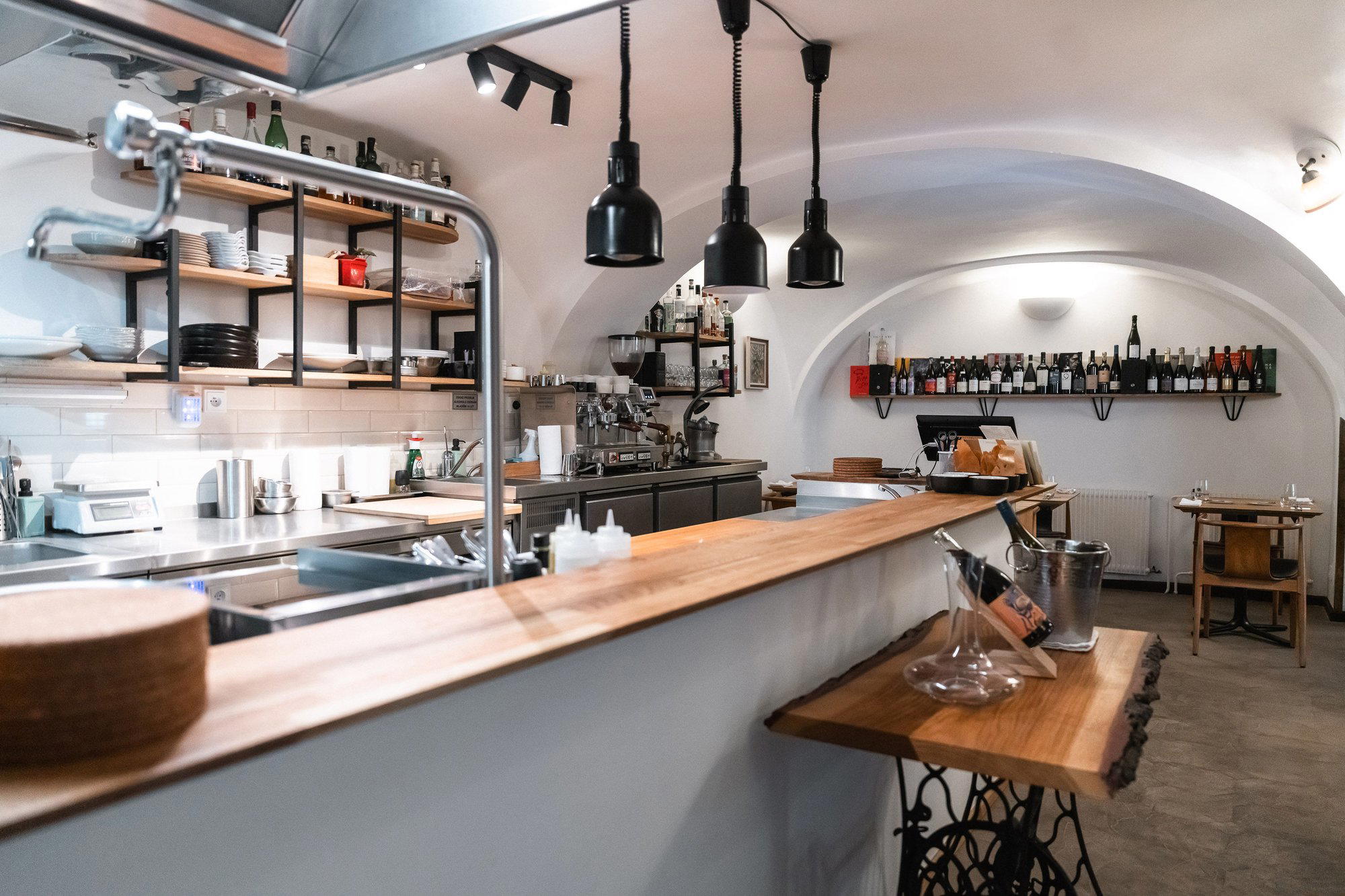
Malá Strana as a Dining Address
Prague's restaurant scene has been reorganising itself along a familiar axis: the Old Town and Josefov corridors absorb the highest volume of international visitors and command particularly recognisable names, while Malá Strana, on the left bank of the Vltava, holds a different kind of status. The neighbourhood's streets, many of them cobbled and steeply raked beneath the castle hill, have historically supported a quieter category of establishment, the kind that locals return to rather than venues that cycle through tourist traffic. Šporkova, a short street connecting Malá Strana's mid-level terraces, sits inside that logic. tāst restaurant occupies a building at number 5, and the address alone signals something about the likely register: not a high-volume operation, not a place optimised for walk-in foot traffic from Karlův Most.
That positioning matters in Prague more than in most Central European capitals. The city's fine dining tier has consolidated significantly since the mid-2010s, with venues like La Degustation Bohême Bourgeoise establishing a French-Czech idiom at the highest price point, and Alcron holding a Modern European position in the hotel corridor near Wenceslas Square. Malá Strana occupies a different register in that map, one where the neighbourhood itself functions as a filter, keeping the room quieter and the demographic more intentional.
What the Street Prepares You For
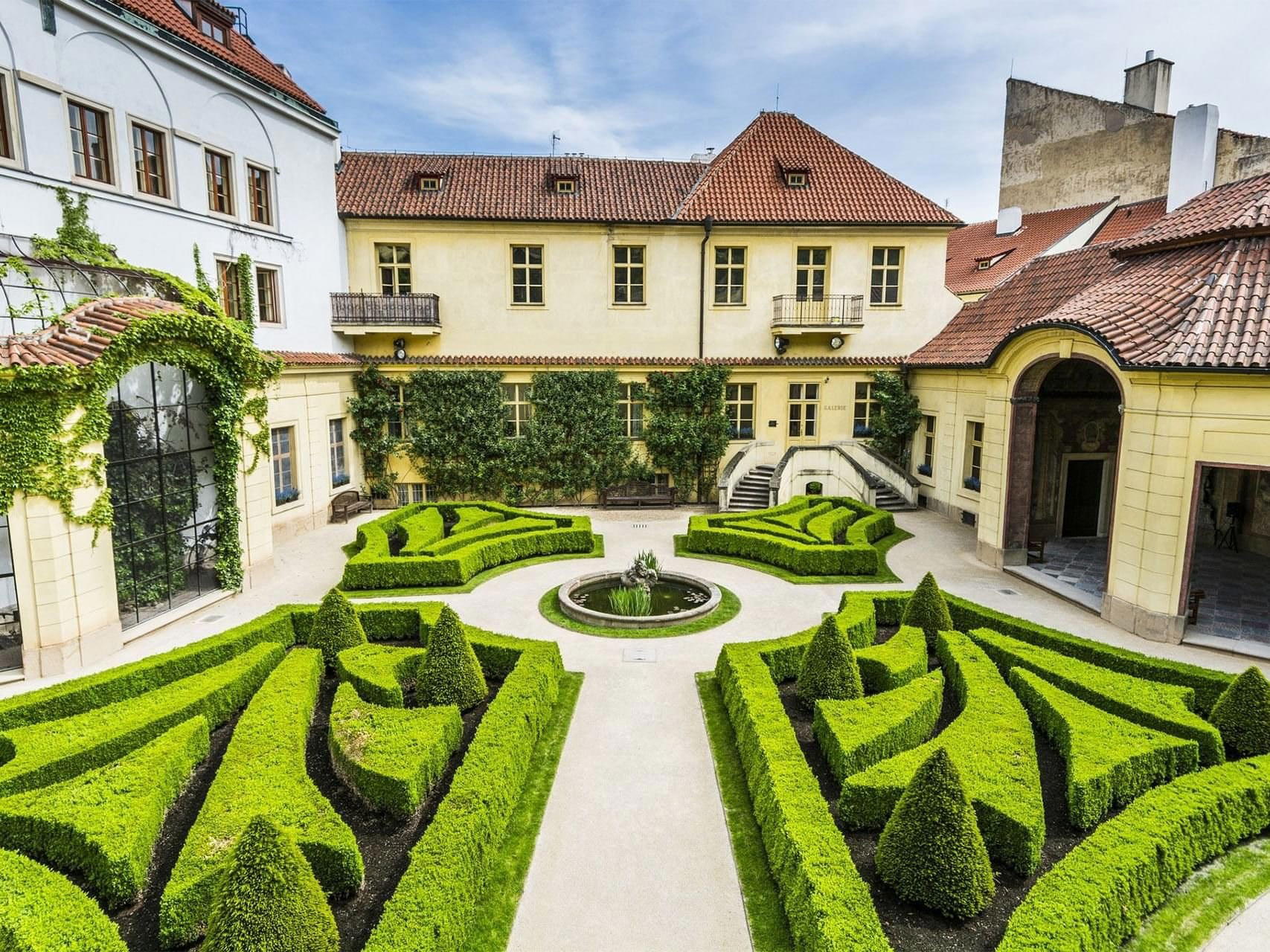
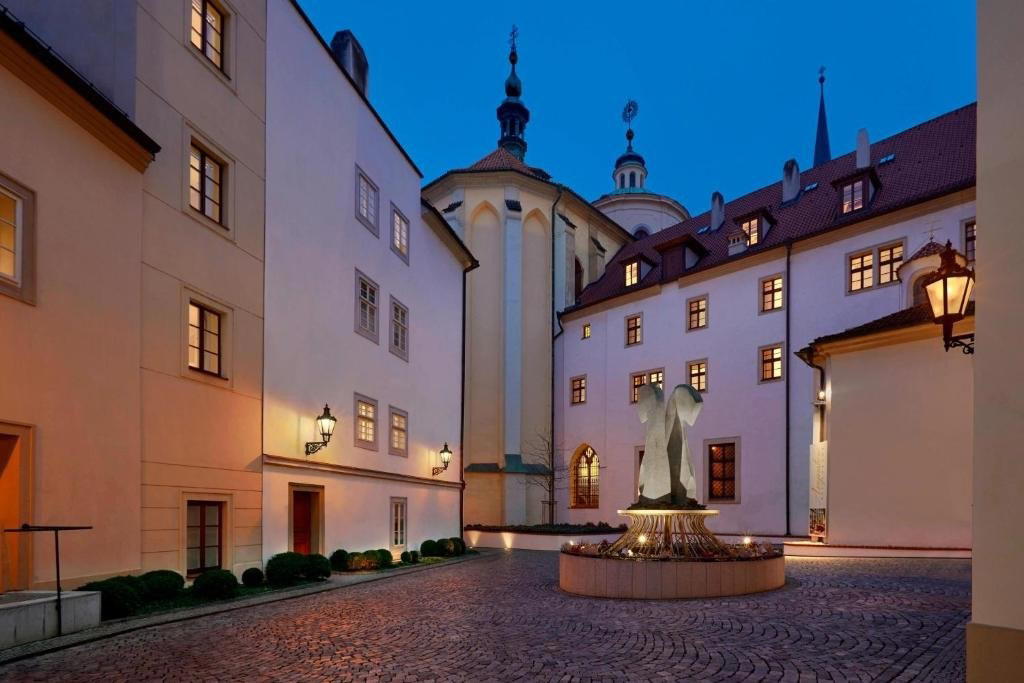
Approaching from Malostranské náměstí, Šporkova narrows and the ambient noise of trams and tourist groups falls away within a few minutes of walking. The baroque residential character of this part of Prague, some buildings here date to the seventeenth century, establishes a visual expectation before you arrive at the door. This is not accidental context. Restaurants that choose addresses like this one are typically making an argument about pace and atmosphere that they intend the room to continue. The physical environment functions as a first course: the walk in sets the tone for what follows.
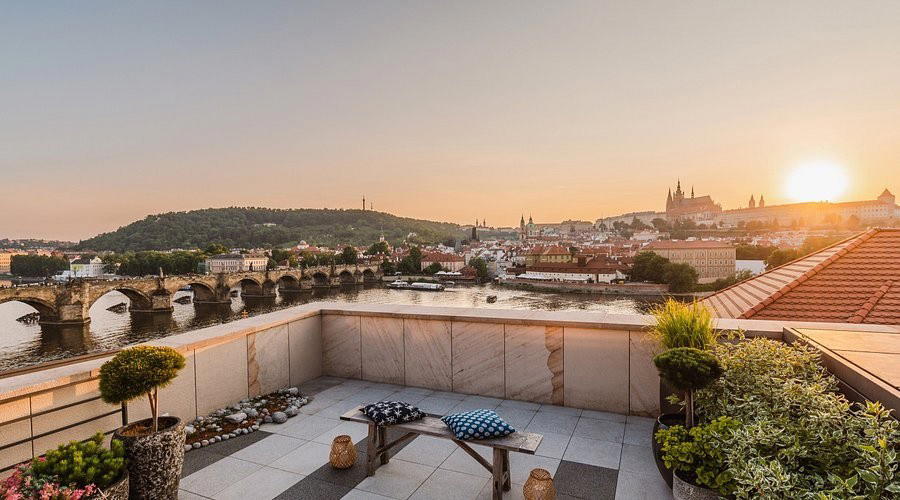
For travellers coming from other parts of the city, Malá Strana is reachable by tram from the Old Town in under ten minutes, or on foot across Charles Bridge in fifteen, depending on crowd density on the bridge itself. The neighbourhood lacks the metro access of Wenceslas Square or Náměstí Republiky, which means it rewards visitors who plan rather than those who arrive spontaneously. That self-selecting quality shapes who tends to be in these rooms.
Prague's Residential Dining Tier
To understand what tāst represents as an address, it helps to situate Malá Strana within Prague's broader dining geography. The city has developed a recognisable pattern: its highest-profile restaurants, those with international press attention and award recognition, concentrate around the Old Town and the hotel zones. Its most locally embedded dining, the places that sustain neighbourhood regulars across multiple years, tends to appear in residential quarters: Vinohrady, Žižkov, and to a lesser extent Malá Strana, which carries more tourist adjacency given its proximity to the castle but still retains a residential character on its quieter streets.
Venues in this tier generally compete less on spectacle and more on consistency. The comparison set for a Šporkova address is not the tasting-menu rooms at the summit of Prague's price ladder, but rather the mid-to-upper bracket of neighbourhood dining where the question is whether the kitchen and room deliver reliably over time. For context on how Prague's scene breaks down across price points and neighbourhoods, EP Club's full Prague restaurants guide maps the full range, from casual to formal.
It is worth noting how this dynamic compares elsewhere in the Czech Republic. The country's regional dining scene has been developing its own distinct voices: BRATRS in Brno and Bylo, nebylo in Liberec represent what is happening outside the capital, while Hello Vietnam in Karlovy Vary shows how smaller Czech cities are absorbing international influences on their own terms. Prague's Malá Strana operates at the opposite end of that spectrum, trading on proximity to one of Europe's best-preserved baroque districts rather than on regional novelty.
Within Prague's Competitive Set
Prague has a handful of restaurants that regularly draw comparison in the upper-middle bracket. Alma and Amano occupy positions in Prague's current editorial conversation around serious but not ceremonial dining. 420 Restaurant and Emperor Square in Prague 1 represent different approaches to the city-centre dining question. The Malá Strana address puts tāst in a different competitive frame from any of these: the neighbourhood imposes its own logic, and diners who choose it are typically making a decision based on where they want to be as much as what they want to eat.
That is a coherent position in a city where the leading meal is rarely one atmospheric one, and particularly atmospheric address does not always deliver the strongest kitchen. When the two align, it tends to be in precisely the kind of residential-quarter location that Šporkova represents.
For reference points outside Prague, the dynamic of a technically serious restaurant working within a heritage residential neighbourhood has parallels in cities with their own strong culinary identities. Le Bernardin in New York City demonstrates how a restaurant can hold a fixed culinary identity over decades regardless of neighbourhood change; Atomix in New York City shows what happens when a kitchen commits to a specific cultural idiom at the summit of its price tier. Neither maps directly onto a Malá Strana address, but both illustrate the range of what it means to choose a specific location as a signal of intent.
For dining in other parts of the Czech Republic, EP Club also covers Vinařství Gurdau in Kurdejov, La Chica in Plzen, U Lípy in Hrensko, Restaurace Dr. Grill in Havirov, ARRIGŌ in Děčín, and Gokana Japanese restaurant in Ostrava, which together show how the country's dining culture extends well beyond the capital's tourist corridor.
Planning a Visit
tāst restaurant is at Šporkova 521/5, 118 00 Malá Strana, Prague. The address is a ten-minute tram ride from Old Town Square (line 22 stops at Malostranské náměstí, a short walk from Šporkova) or reachable on foot across Charles Bridge. Given the neighbourhood's character, arriving by tram or on foot is the natural approach; driving into Malá Strana involves navigating significant parking constraints in a district with few dedicated spaces.
Pricing, Compared
Comparable venues nearby, for context on price, style, and recognition.
| Venue | Cuisine | Price | Notes |
|---|---|---|---|
| tāst restaurantThis venue — the venue you are viewing | Hradcany, Modern Czech | $$$ | Not listed |
| ZEM Restaurant | Not listed | $$$ | Praha 1, Avant-Garde Czech Bistronomy with Izakaya Influence |
| ZEM Prague | Not listed | $$$ | Josefov, Avant-garde Czech-Izakaya Fusion |
| Brasileiro Restaurant | Stare Mesto, Brazilian Churrascaria | $$$ | Not listed |
| Augustine Restaurant & Garden | Not listed | $$$ | Mala Strana, Creative French Fine Dining with International Influences |
| GamberoRosso | Josefov, Modern Italian Neapolitan Pizza | $$ | Not listed |
At a Glance
- Intimate
- Cozy
- Elegant
- Date Night
- Special Occasion
- Open Kitchen
- Extensive Wine List
Current opening hours
- Monday
- Closed
- Tuesday
- 5–10 PM
- Wednesday
- 5–10 PM
- Thursday
- 5–10 PM
- Friday
- 5–10 PM
- Saturday
- 5–10 PM
- Sunday
- Closed
Hours can change for holidays and private events. Last verified .
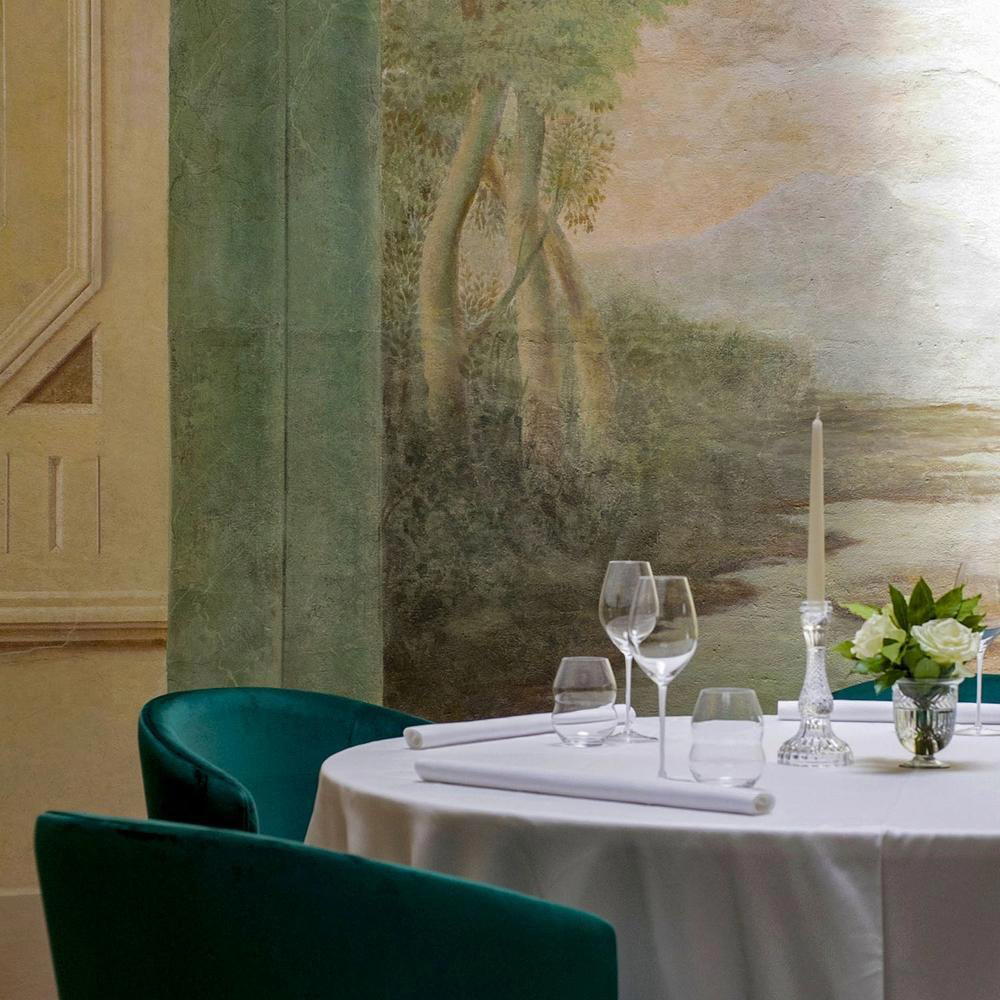
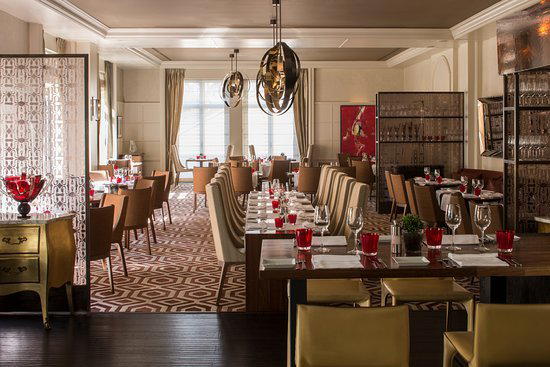
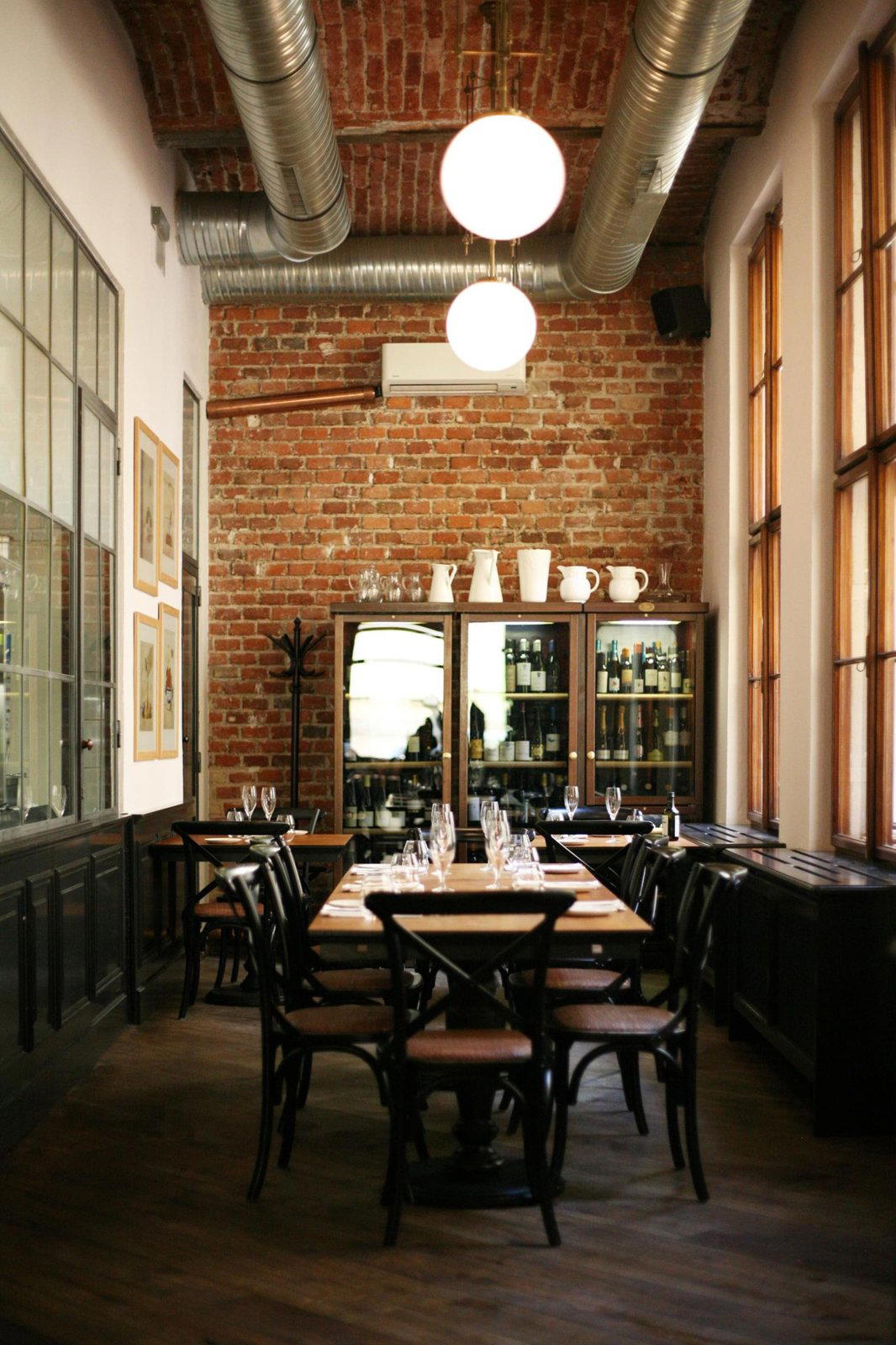
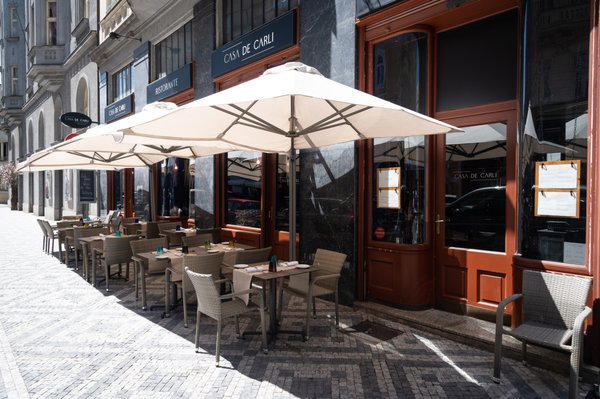
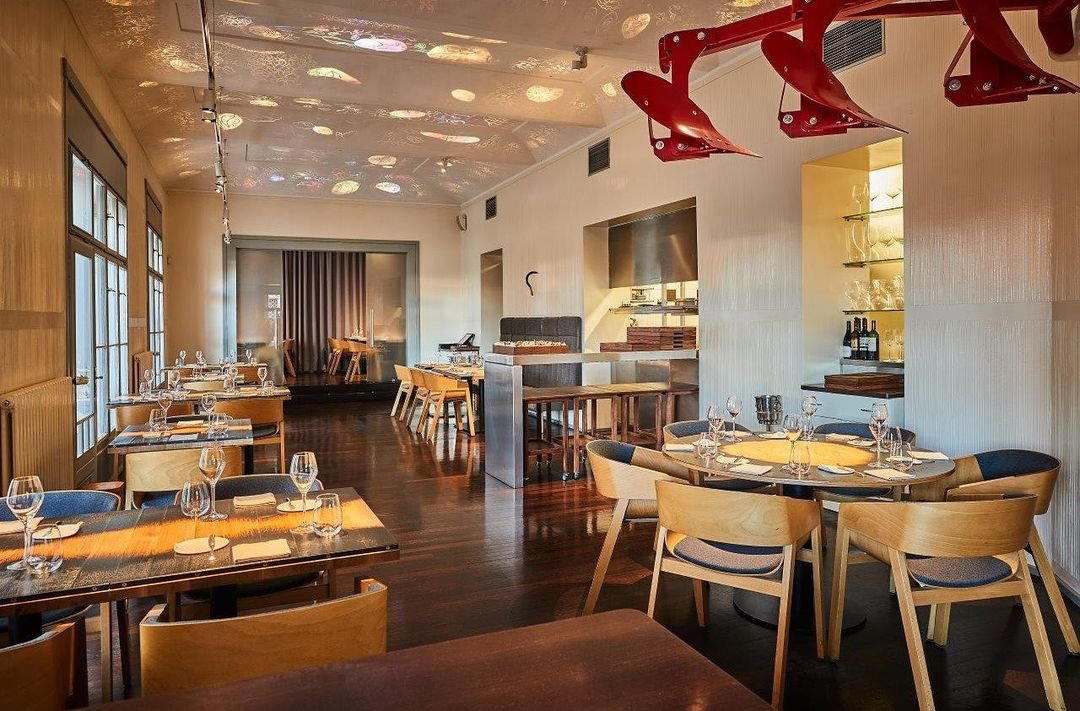
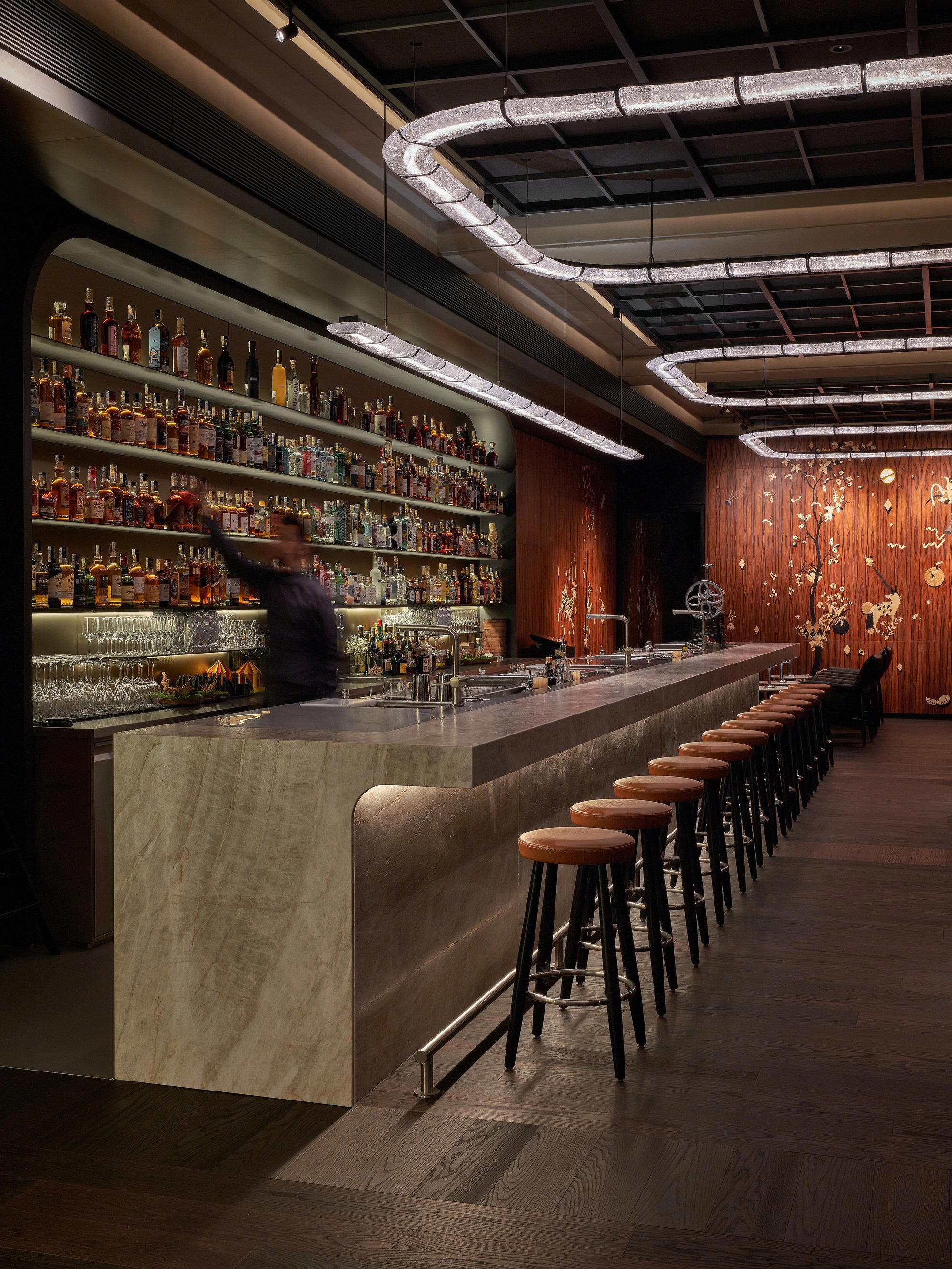
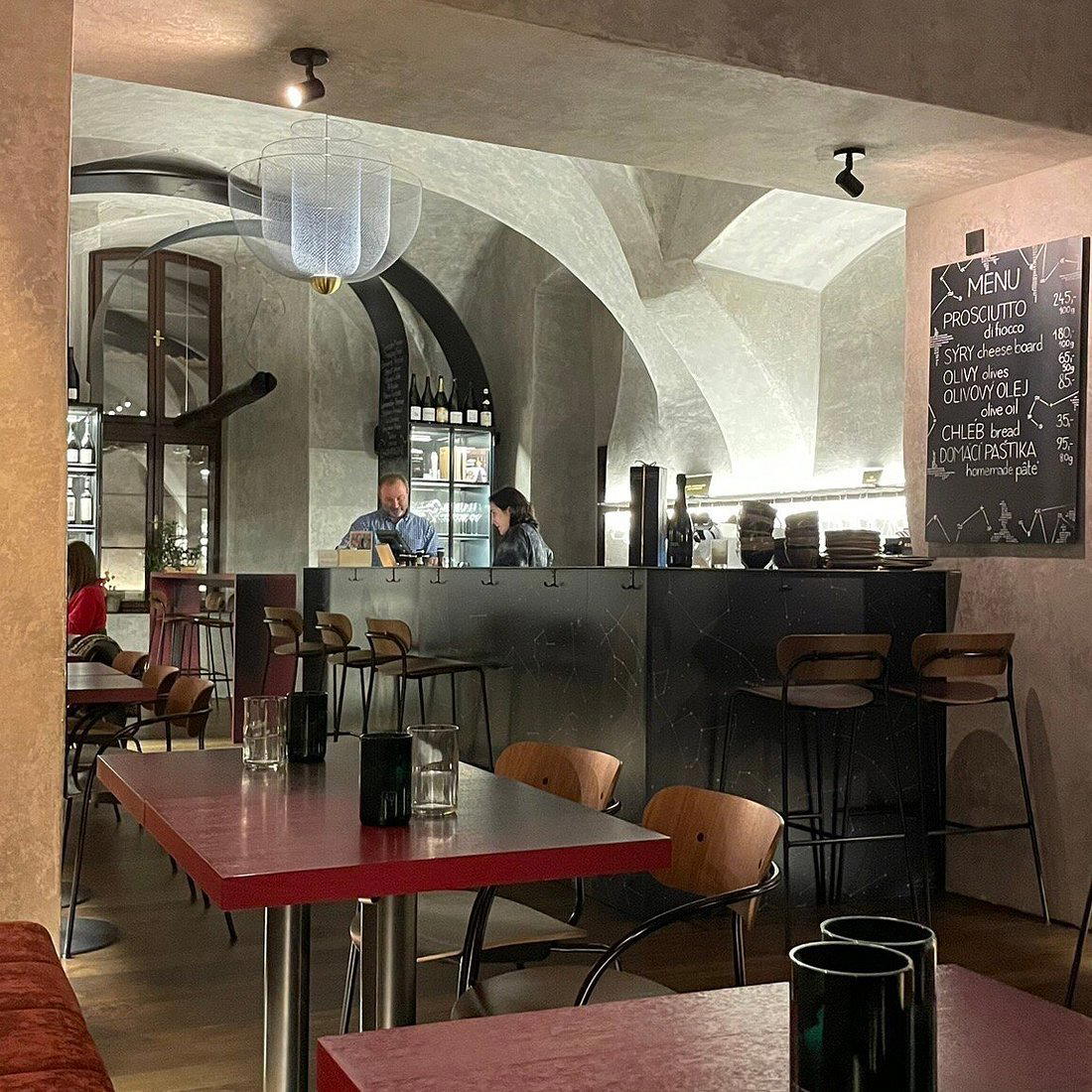
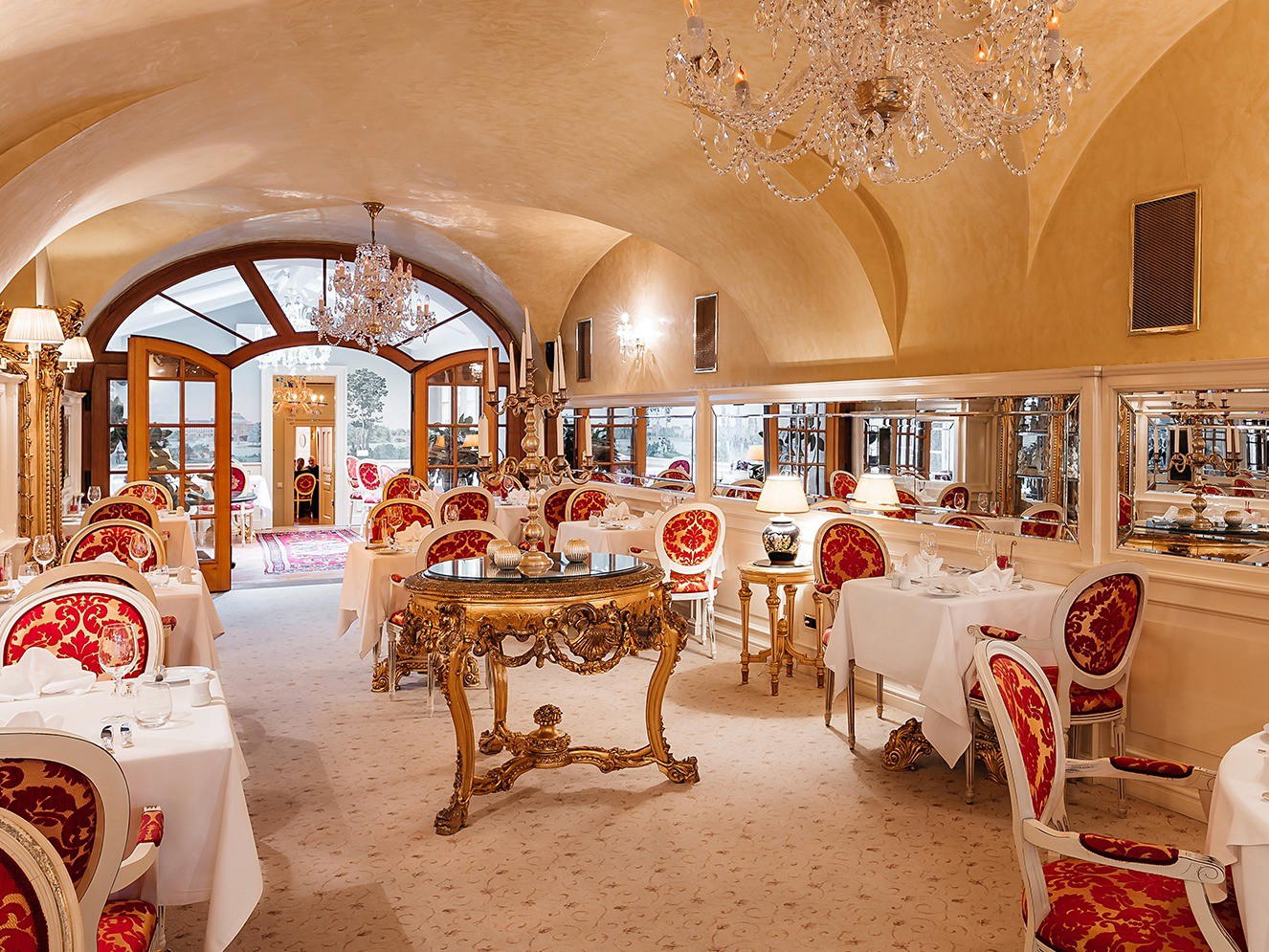
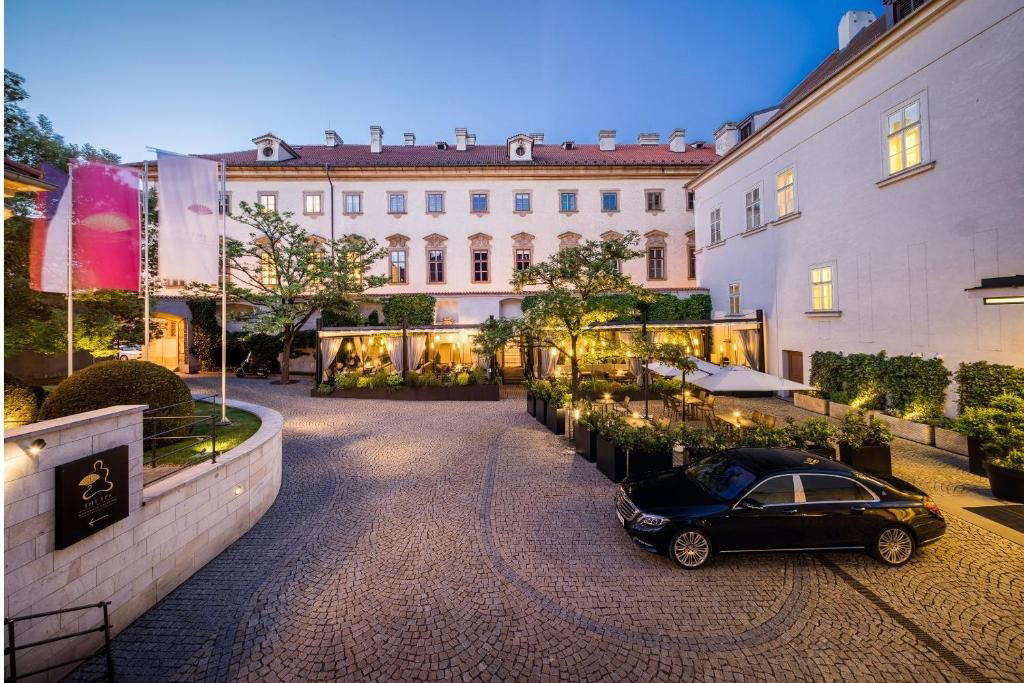
Cozy and intimate atmosphere with open kitchen, relaxed lighting, and welcoming courtyard seating.