ZEM Restaurant
ZEM Restaurant occupies a prominent address on Senovážné náměstí in Prague's New Town, positioning itself within the city's growing tier of serious dining rooms that compete on space and atmosphere as much as on the plate. The address places it steps from the historic postal museum quarter, in a district that has steadily absorbed Prague's more considered restaurant openings over the past decade.
Pearl is the En Primeur Club membership app — saves, bookings, and concierge access live there. Same editors, same standards.
- Address
- Senovážné nám. 976/31, 110 00 Praha
 Saves & bookings on Pearl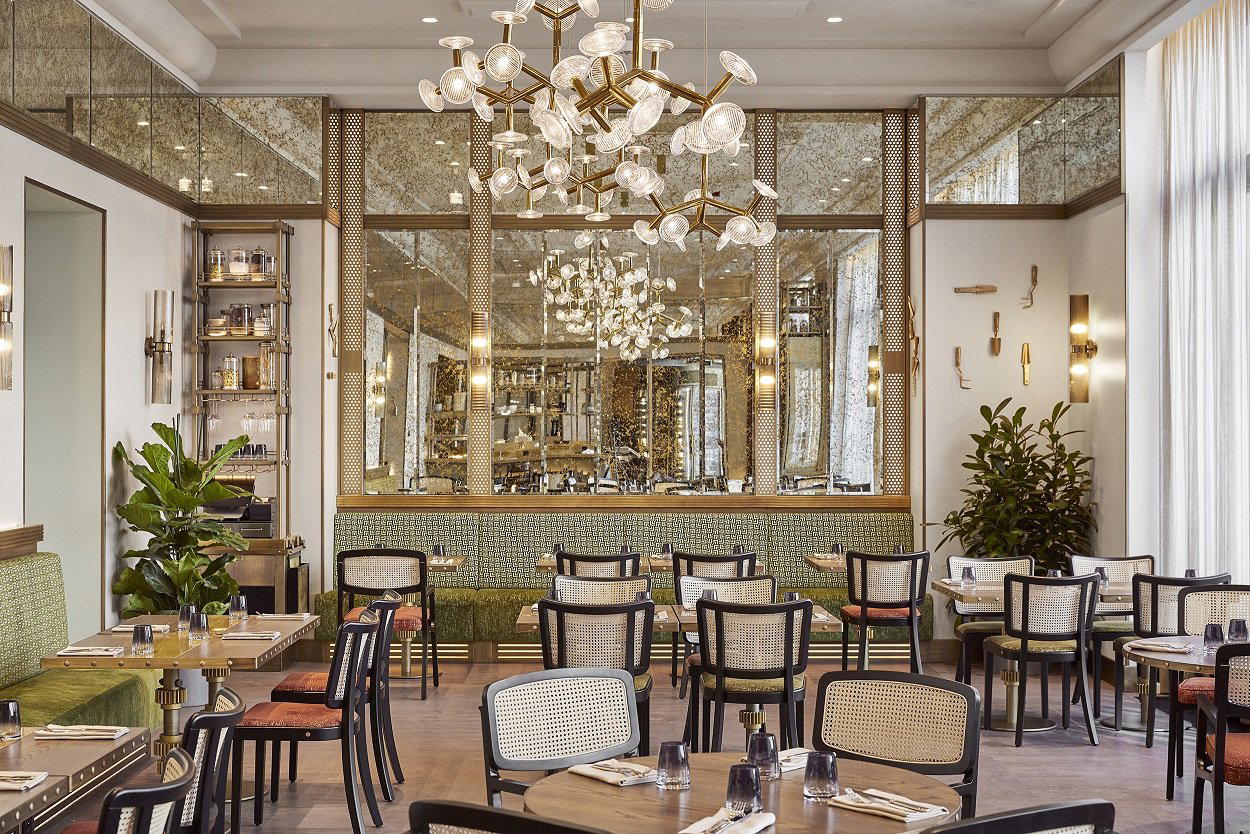
A Room That Makes a Claim
Senovážné náměstí is not the address most visitors associate with Prague's restaurant scene. The square sits in the New Town, a few blocks east of Wenceslas Square, in a district that functions more as a working city quarter than a tourist corridor. Restaurants that open here are making a deliberate spatial argument: they are betting that the room, the concept, and the cooking are sufficient reasons for a guest to cross the city. ZEM Restaurant, at number 31 on the square, occupies that kind of position.
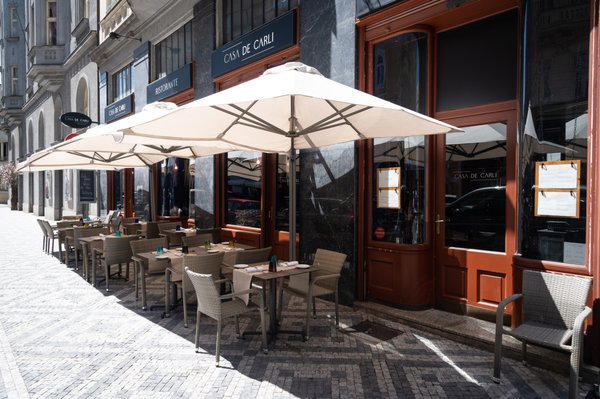
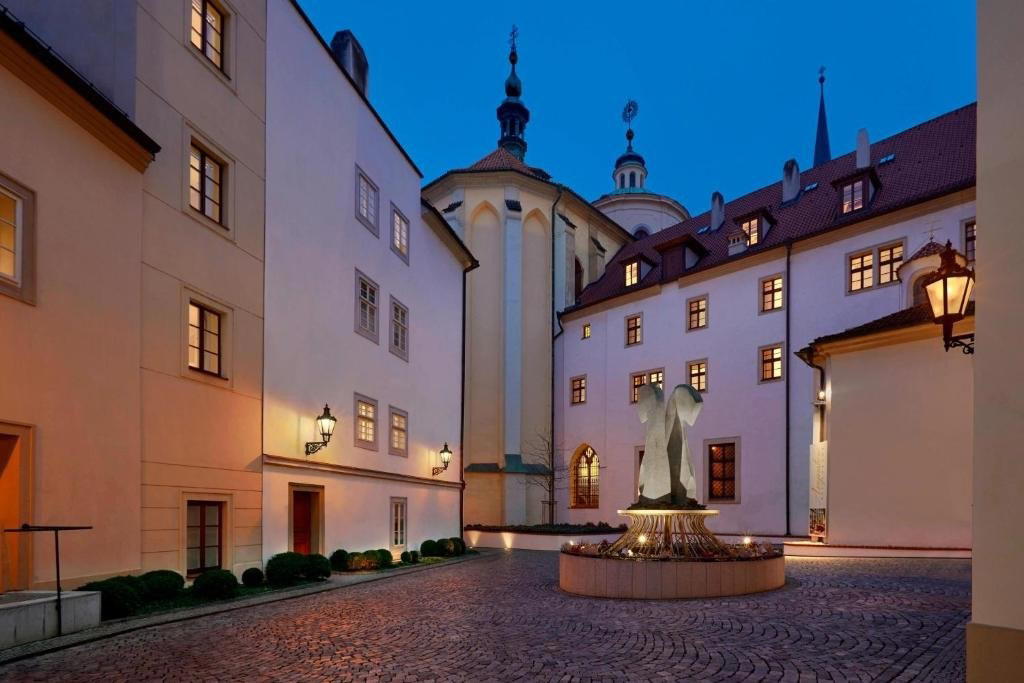
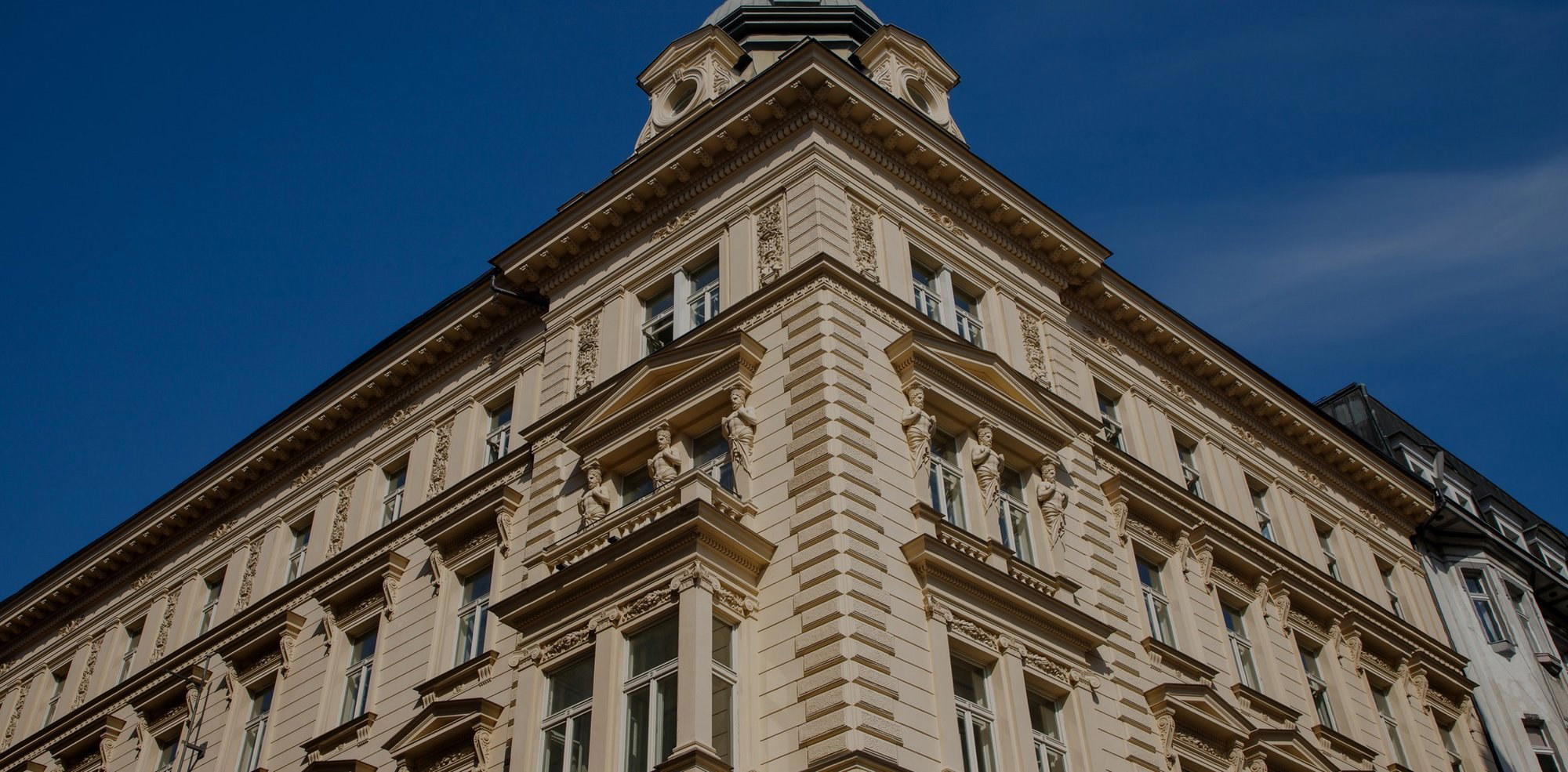
The address itself is architectural. Senovážné náměstí contains particularly coherent late-nineteenth and early-twentieth-century civic building stock in central Prague, the kind of streetscape where ground-floor tenants inherit high ceilings, wide windows, and a certain institutional weight. A restaurant working within that fabric has a physical head start, but it also carries a design obligation: the interior needs to answer the envelope rather than fight it.
The Space as Editorial Statement
Prague's restaurant interiors have moved through several distinct phases over the past two decades. The first post-communist wave produced a lot of exposed brick and medieval pastiche. A second phase brought imported Scandinavian minimalism, often applied without much consideration of the specific Czech context. The more considered openings of recent years have looked differently at the problem, treating the physical container as an argument in itself rather than a neutral backdrop. The better rooms in the city now work architecturally: Alcron in the Radisson draws on its original art deco bones, while La Degustation Bohême Bourgeoise uses a single long room to enforce its tasting-menu discipline.
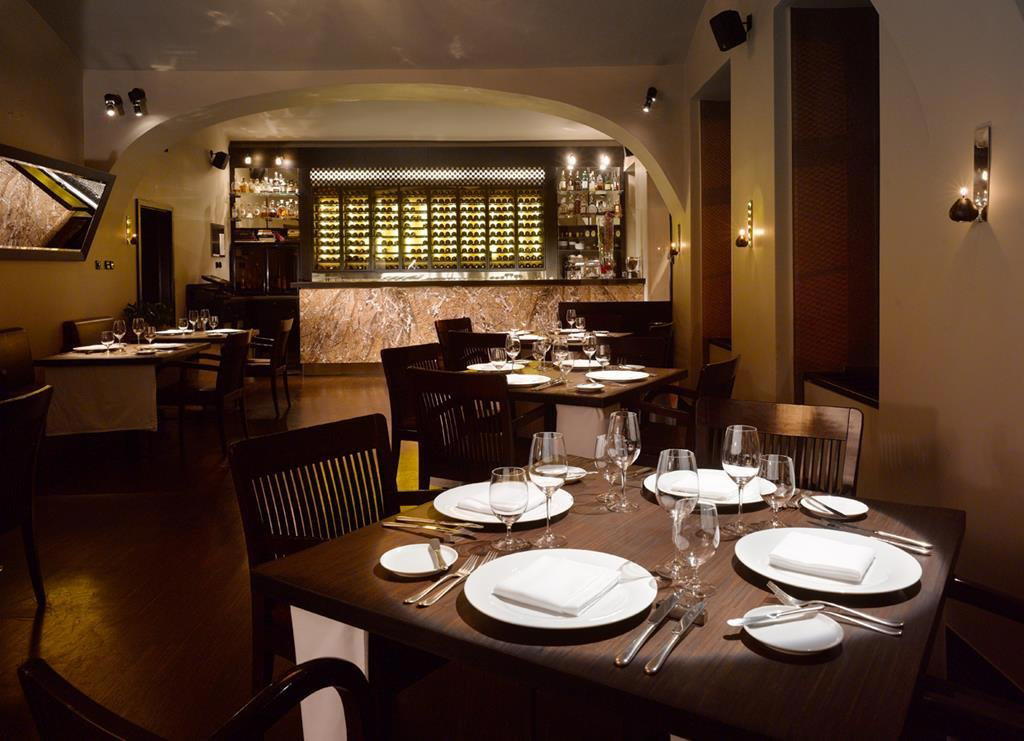
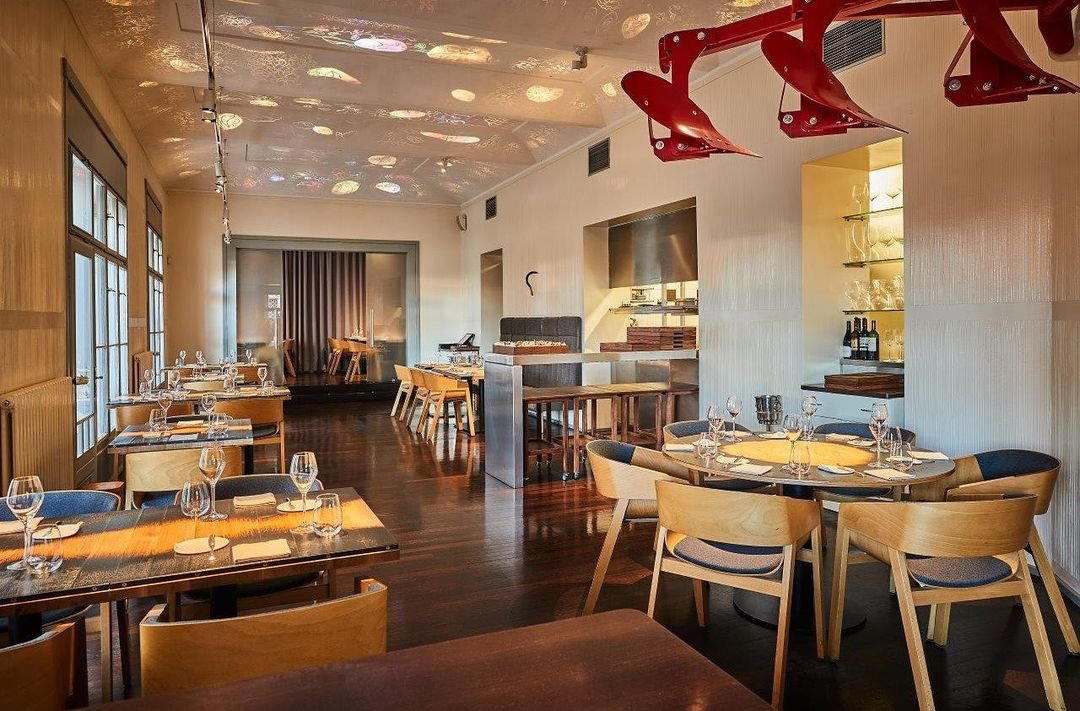
ZEM's placement in a building of genuine architectural character on Senovážné náměstí puts it in conversation with that pattern. Restaurants at this address are not working with a blank canvas. The physical vocabulary of the neighbourhood, its scale, its proportion, its materials, sets a register that the dining room either embraces or contradicts. How ZEM interprets that inheritance is a design decision with direct consequences for the experience at the table.
New Town as a Dining District
The New Town has quietly accumulated a more interesting restaurant population than its reputation suggests. It is neither the tourist-facing strip of the Old Town nor the self-consciously local character of Vinohrady or Žižkov. It is, instead, a district of working offices, transit links, and mixed-use buildings that happens to contain some of the city's more architecturally significant interior spaces. Emperor Square operates nearby in Prague 1, and the broader central zone has seen continued investment in serious restaurant formats over the past several years.
For a visitor planning across the city's tiers, the New Town's proximity to public transport and its relative distance from the Old Town's saturated restaurant market are practical advantages. A restaurant on Senovážné náměstí is accessible from most central hotels without requiring a taxi, and the neighbourhood's lower density of competing venues means the guest population tends toward intentional rather than passing trade.
Prague's Mid-to-Upper Dining Tier in Context
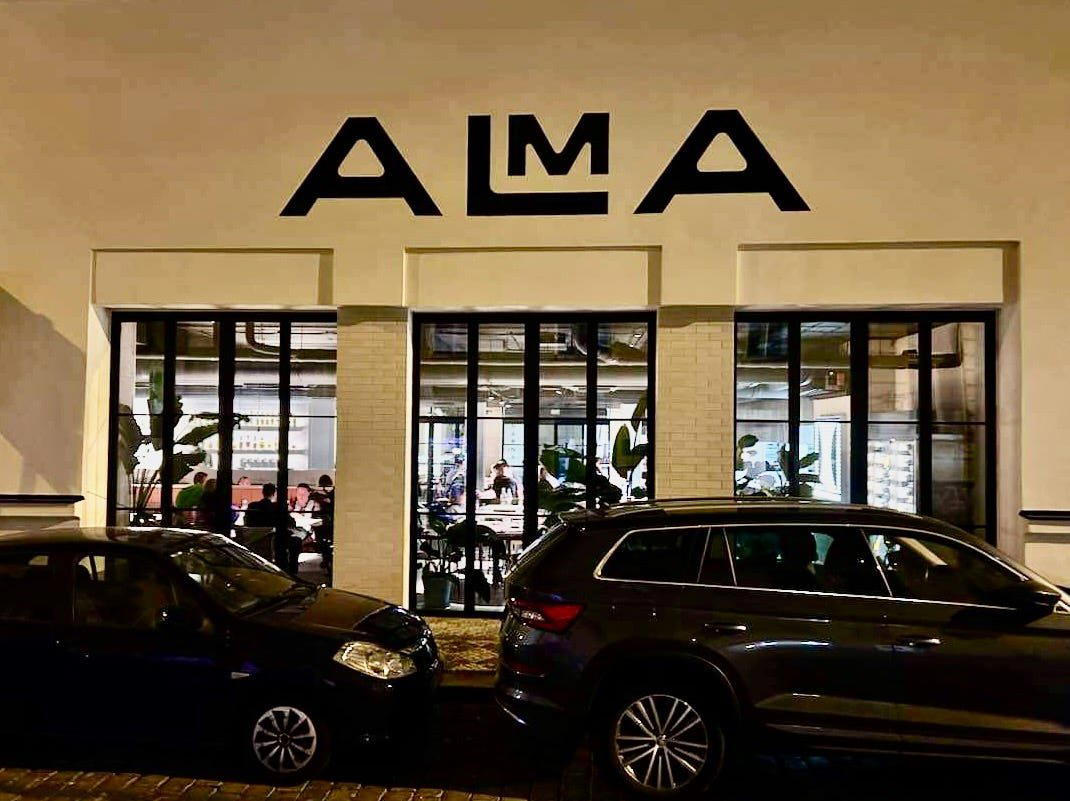
Prague's restaurant market has developed a clearer hierarchy over the past decade. At the leading sits a handful of tasting-menu rooms competing for recognition, with La Degustation Bohême Bourgeoise representing the city's most formally awarded position, holding a Michelin star and competing on French-Czech technique. Below that, a second tier of serious à la carte and mid-format restaurants has grown significantly, with 420 Restaurant, Alma, and Amano each representing different approaches to the contemporary Prague dining proposition.
ZEM sits within this second tier, competing on the strength of its space, its address, and whatever culinary identity it has established with its local guest base. In a market where the leading formal tier is small and the casual end is crowded, this mid-upper bracket is where most of the interesting differentiation is happening. The design-led rooms that can hold a guest's attention across a full evening, without requiring the ritual commitment of a long tasting menu, are the venues that have shown the consistent growth in Prague's restaurant culture.
The Broader Czech Dining Conversation
Prague does not exist in isolation. Serious restaurant development is underway across the Czech Republic, with venues in Brno, such as BRATRS, and regional towns building their own dining identities. In Liberec, Bylo, nebylo represents the kind of considered local operation that would not have existed at this standard a decade ago. In western Bohemia, La Chica in Plzen is part of a similar pattern of provincial city investment.
The context matters because it tells you something about Prague's position. The capital remains the reference point for Czech restaurant culture, the place where design ambition and culinary seriousness are most densely concentrated. A restaurant opening on Senovážné náměstí is entering that reference market, not a regional one. The competitive set is the full body of serious Prague dining rooms, not just the immediate neighbourhood.
For those interested in the full Czech wine and food picture, the country's Moravian wine producers, among them Vinařství Gurdau in Kurdejov, have developed a pairing culture that Prague's better restaurants are increasingly drawing on. Whether ZEM engages with Moravian producers or takes a different approach to its wine program is a detail worth investigating directly with the restaurant.
Planning Your Visit
Senovážné náměstí 31 is reachable on foot from Náměstí Republiky metro station in under ten minutes, or from Hlavní nádraží in a similar timeframe. The square is served by several tram lines.
- pork gyoza
- duck tsukune
- pork meatloaf with celeriac purée
- rib-eye steak
- rabbit Svičkova
- pork knuckle
- beef carpaccio
- tuna tataki
Booking and Cost Snapshot
Comparable venues nearby, for context on price, style, and recognition.
| Venue | Cuisine | Price | Notes |
|---|---|---|---|
| ZEM RestaurantThis venue — the venue you are viewing | Not listed | $$$ | Not listed |
| tāst restaurant | Hradcany, Modern Czech | $$$ | Not listed |
| BON | Not listed | $$ | Vinohrady, Authentic Japanese Ramen & Soba |
| Kantýna | Not listed | $$ | Praha 2, Traditional Czech Grillhouse |
| Pizza Nuova | Josefov, Authentic Neapolitan Pizza | $$ | Not listed |
| Krystal Bistro | Not listed | $$ | Karlin, Traditional Czech with French Charm |
At a Glance
- Modern
- Elegant
- Sophisticated
- Classic
- Date Night
- Business Dinner
- Special Occasion
- Celebration
- Hotel Restaurant
- Historic Building
- Design Destination
- Craft Cocktails
- Sommelier Led
- Local Sourcing
- Farm To Table
- Street Scene
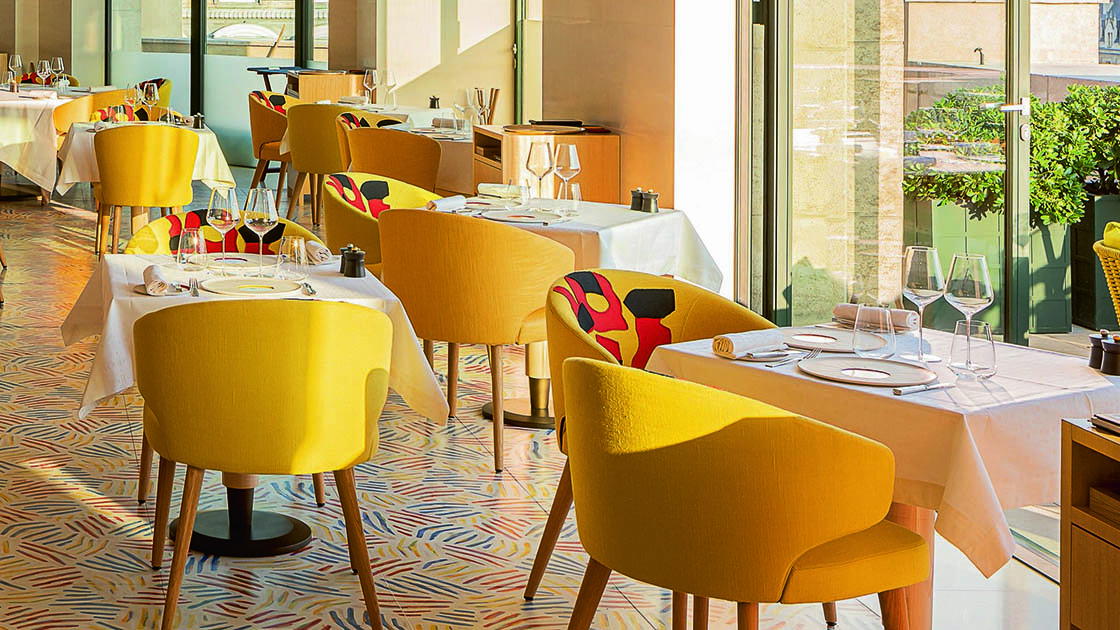
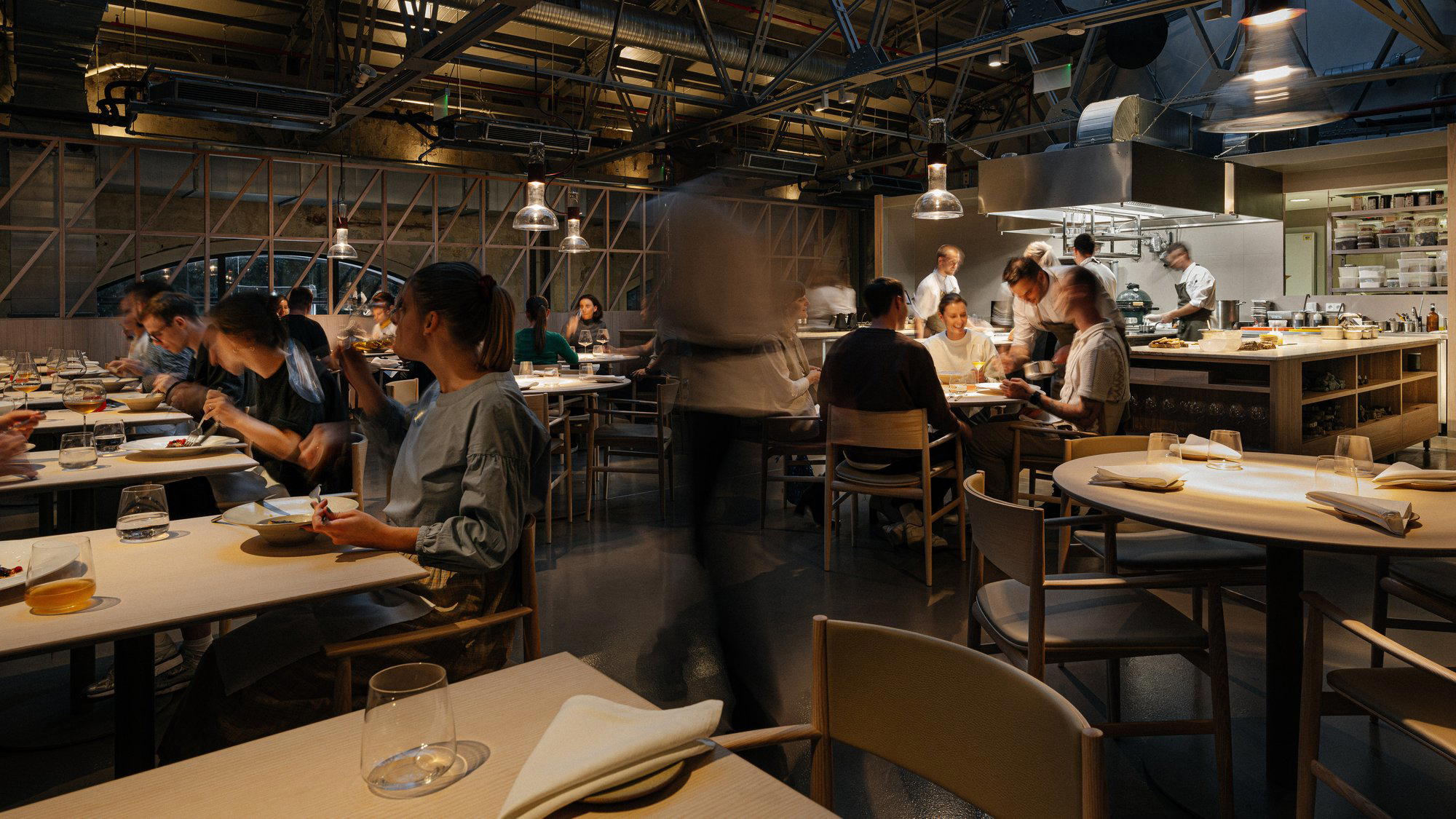
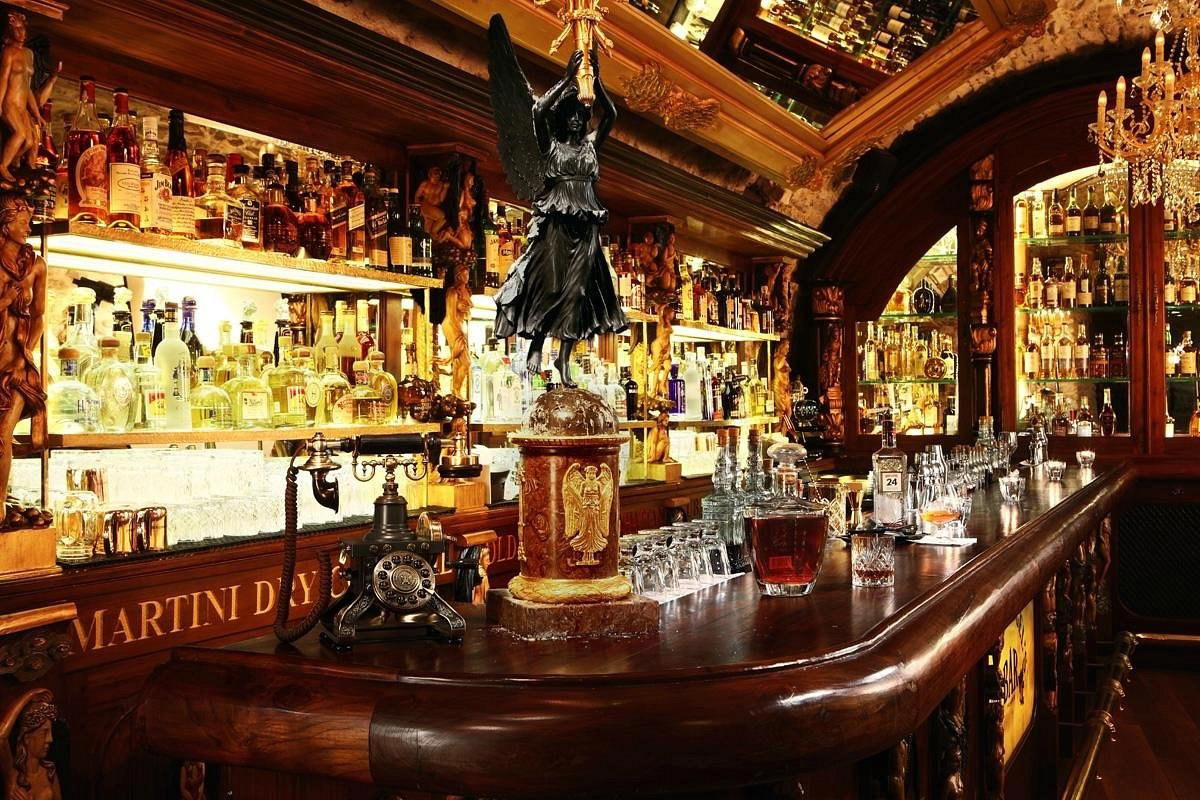
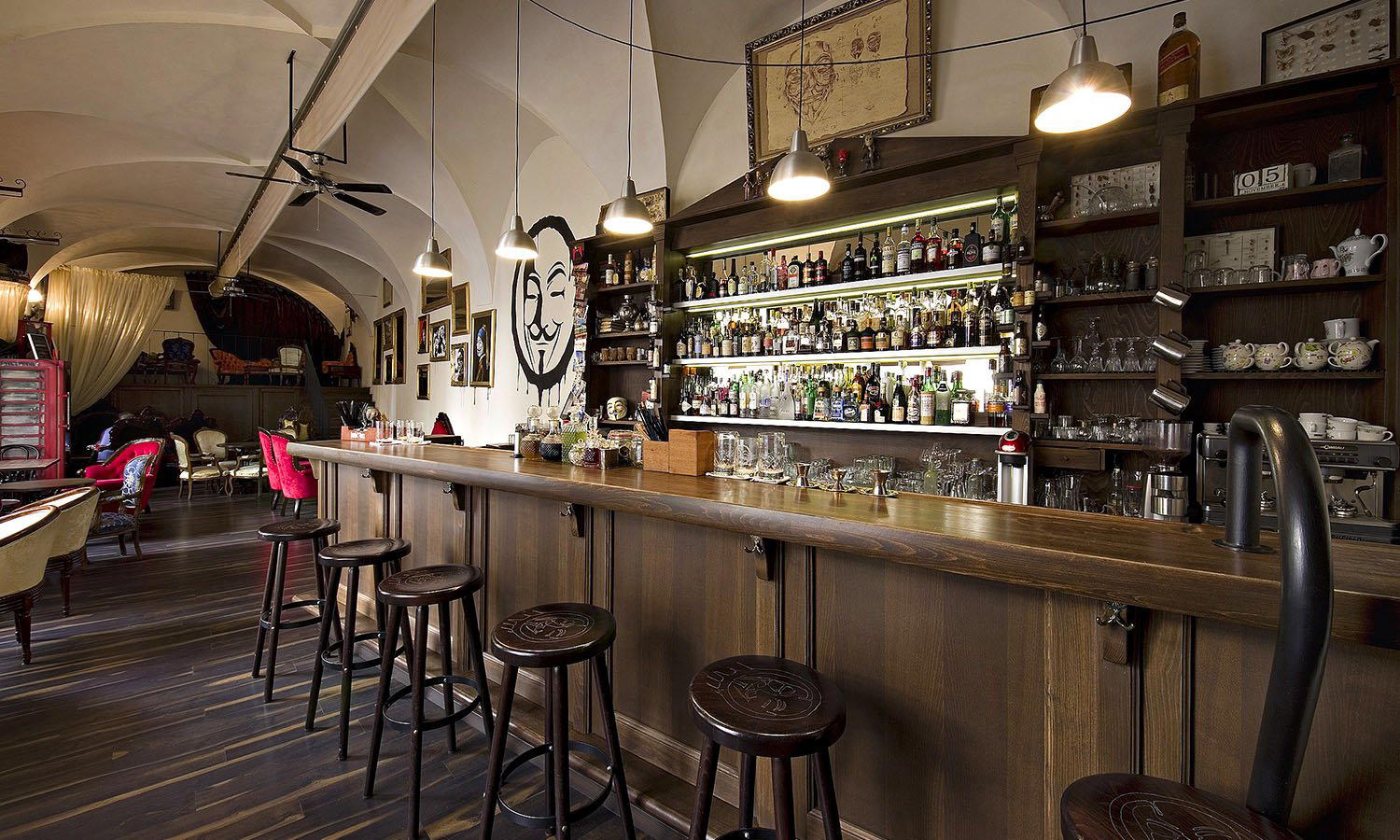
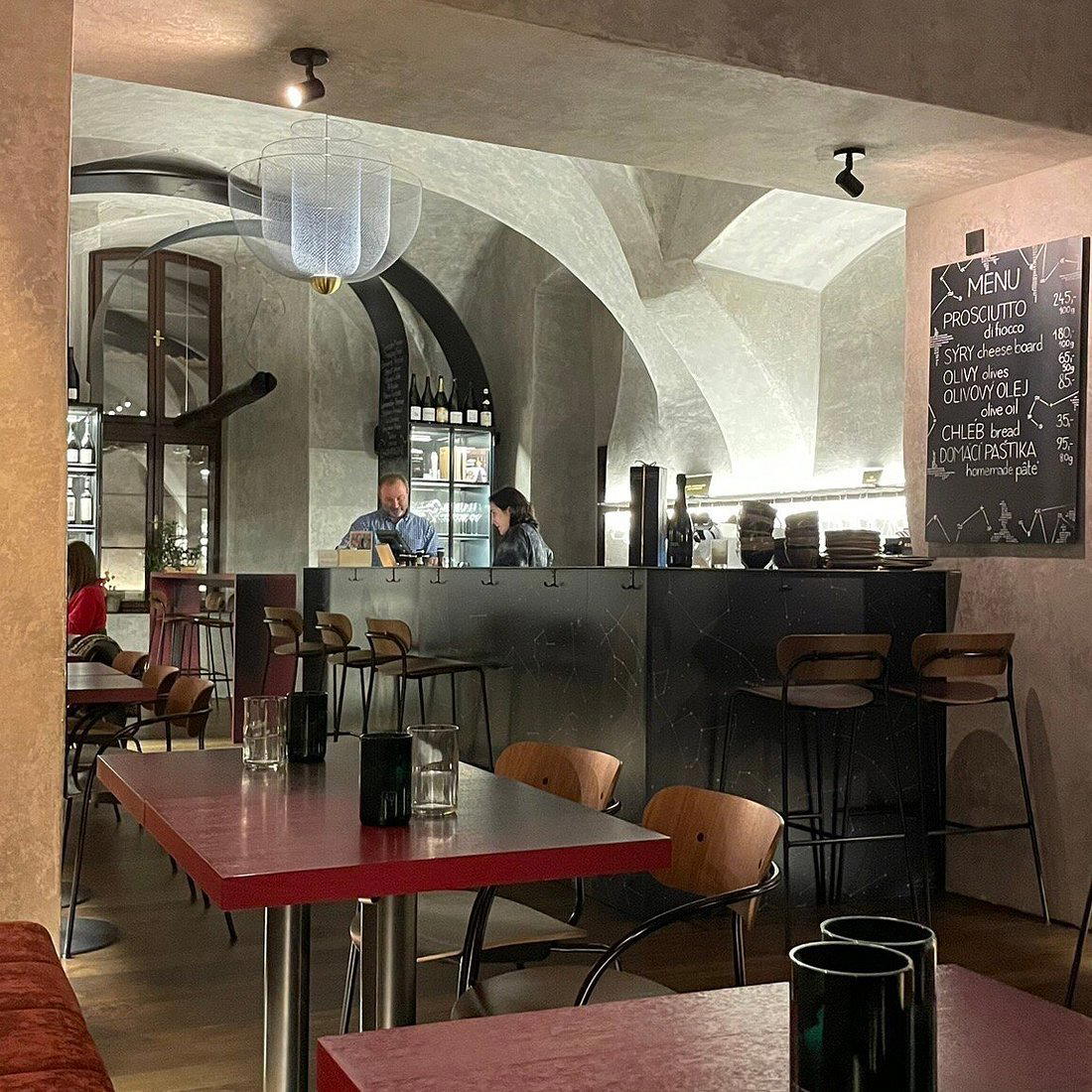
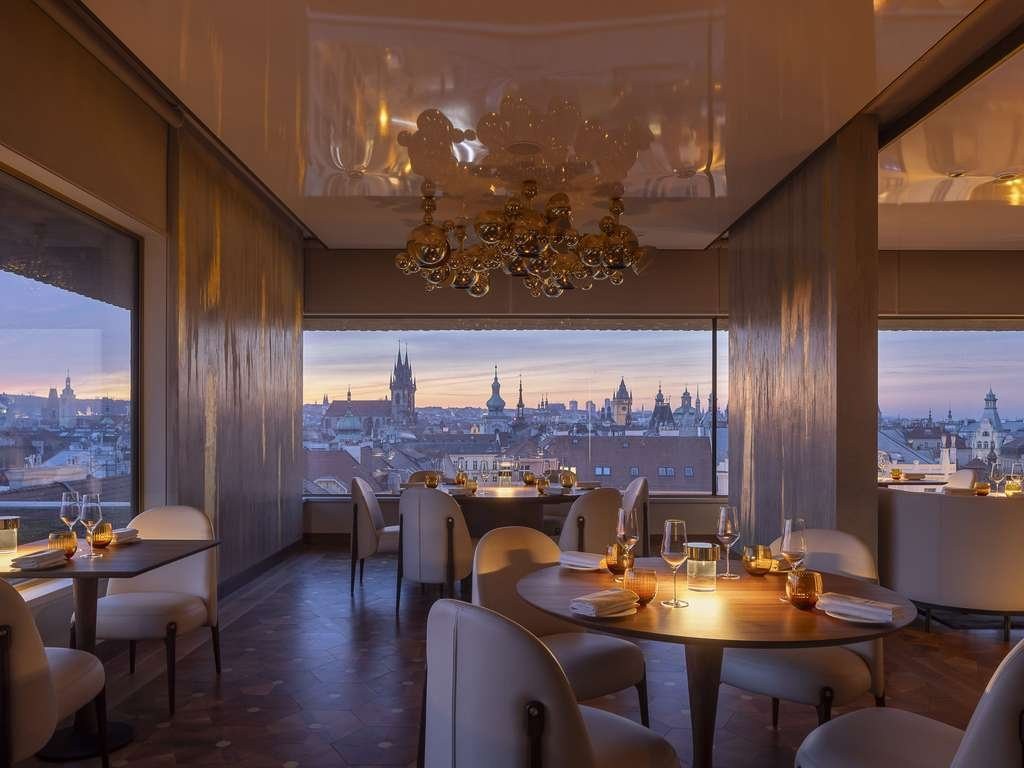
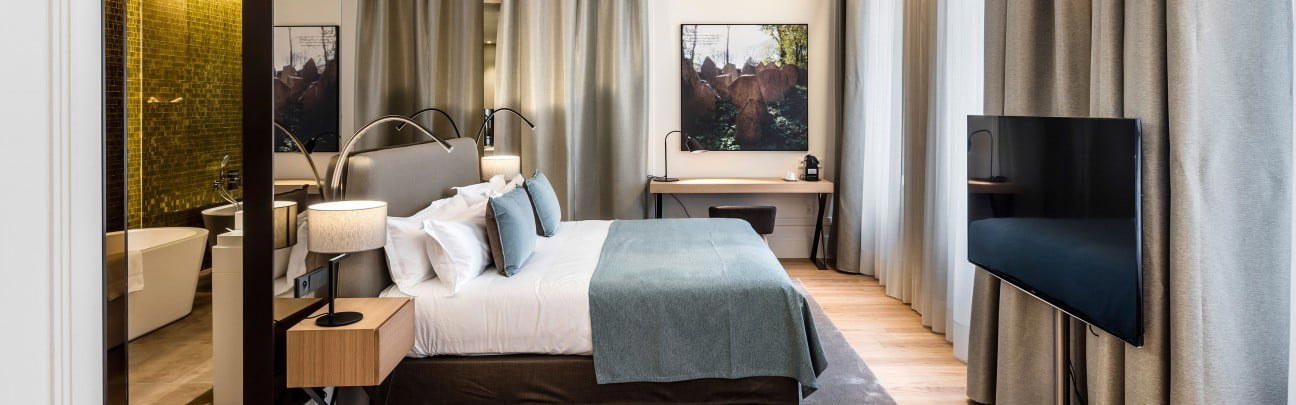
A polished heritage setting with traditional Prague coffee-house references, retro-futuristic Czech art and literature influences, and an upscale, conversational dining-room atmosphere.