Tru Jamaica Restaurant
Tru Jamaica Restaurant brings Caribbean cooking to Taylor Street in Waco's east side, where Jamaican culinary tradition finds a foothold in a city better known for its barbecue and Tex-Mex circuits. The address at 937 Taylor St places it within a neighbourhood that has steadily drawn independent operators away from Waco's more trafficked dining corridors. For context on how it fits the wider Waco dining map, see our full Waco restaurants guide.
Pearl is the En Primeur Club membership app — saves, bookings, and concierge access live there. Same editors, same standards.
- Address
- 937 Taylor St, Waco, TX 76704
- Phone
- +12543049288
- Website
- trujamaica.com
- Directions
- Get directions
 Saves & bookings on Pearl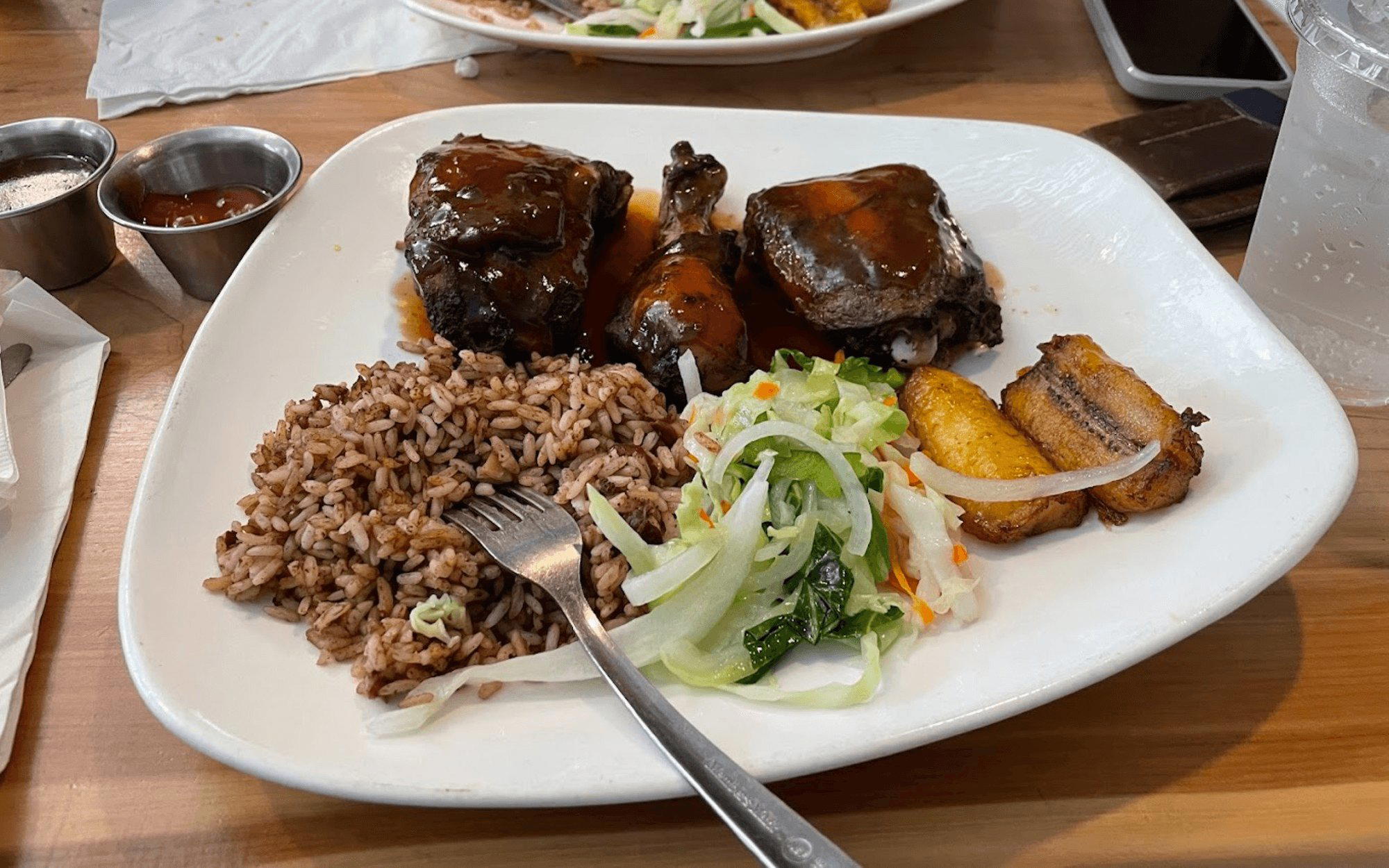
Caribbean Cooking in Central Texas: What Jamaican Cuisine Means Outside Its Home Context
Jamaican food has always travelled with its people, and the version that lands in inland Texas carries the full weight of that diaspora logic. The cuisine itself is not a gentle proposition: scotch bonnet heat, allspice-heavy marinades, slow-cooked proteins that require time and patience, and a spice vocabulary built over centuries of African, Indian, Chinese, and British colonial influence layered onto indigenous Taino foodways. When a Jamaican restaurant opens in a mid-sized American city like Waco, it is not simply adding another ethnic option to a restaurant row. It is importing a culinary tradition with its own internal hierarchy of technique, its own markers of authenticity, and its own deeply held opinions about what constitutes a proper jerk, a correct curry, or an acceptable oxtail.
Tru Jamaica Restaurant, at 937 Taylor St in Waco, TX 76704, occupies that role on the east side of a city whose dining identity has historically tilted toward barbecue pits, Tex-Mex counters, and the fast-casual corridors around Baylor University. The east side has attracted a growing cluster of independent operators in recent years, and a Jamaican restaurant at this address fits a broader pattern of community-anchored kitchens that serve a neighbourhood constituency first and a wider curious-diner audience second.
The Cultural Architecture of Jamaican Cooking
To understand what Tru Jamaica is likely putting on the table, it helps to understand where Jamaican cooking sits in the wider Caribbean spectrum. Unlike Haitian cuisine, which leans heavily on French technique and African root vegetable traditions, or Cuban food, which carries a pronounced Spanish colonial imprint, Jamaican cooking is defined by its layering of heat and sweetness, its commitment to long cooking times for tougher cuts, and its use of the pimento wood that gives authentic jerk its distinctive smoke profile. That wood is almost impossible to source outside Jamaica, which is why jerk chicken cooked in the United States always represents an adaptation, not a direct translation. The leading versions acknowledge that gap and compensate with attention to the spice paste, the marinating window, and the cooking temperature.
Curry goat and oxtail occupy a different register: these are patience dishes, the kind that announce a kitchen's seriousness more reliably than any flashier preparation. A properly executed oxtail requires hours of braising and a confident hand with scotch bonnet and allspice. Ackee and saltfish, Jamaica's national dish, presents its own set of sourcing challenges outside the Caribbean, since fresh ackee is regulated for import in the United States due to toxicity concerns when unripe. Restaurants serving it in the continental US typically work with canned ackee, which changes the texture profile considerably. These are the practical realities of running a Jamaican kitchen in central Texas, and they shape what any serious operator in this category can reasonably offer.
Where Tru Jamaica Sits in Waco's Dining Order
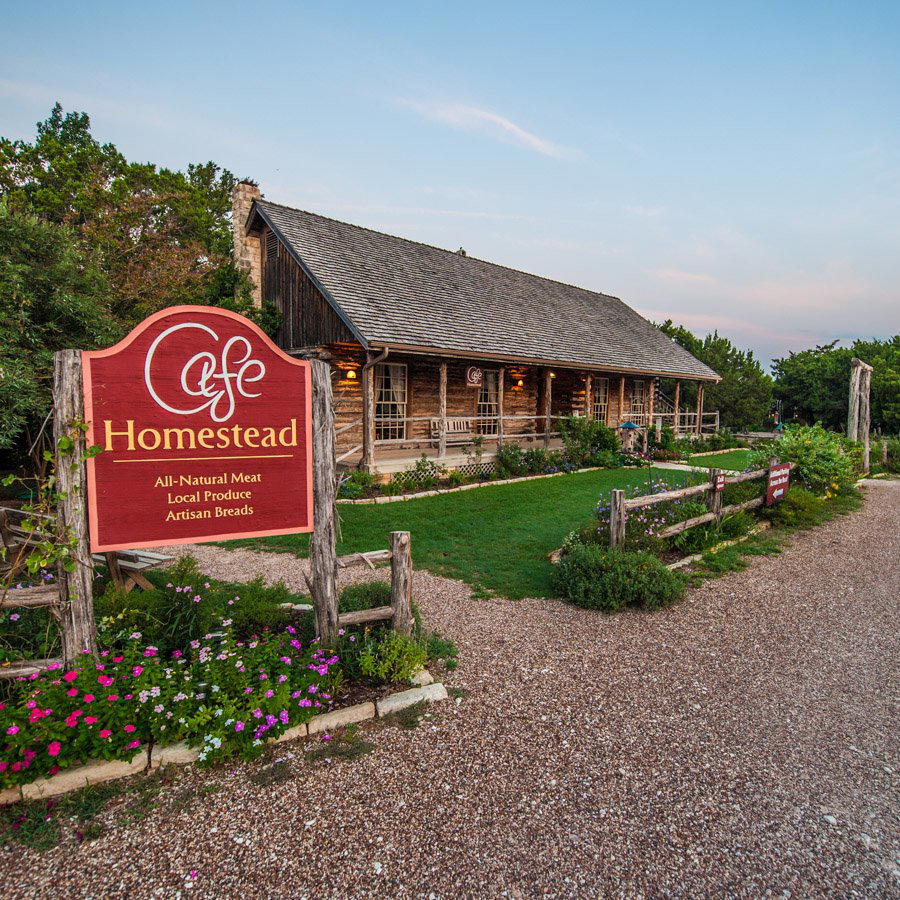
Waco's restaurant scene has expanded considerably in the last decade, partly on the back of tourism driven by the Magnolia network and partly through organic growth in its university population. The city now has a fuller range of independent operators than its size might suggest, from farm-forward spots like Cafe Homestead to breakfast-focused counters like Waco Waffle Co. Caribbean cooking, however, remains a thin category in the local market, which means Tru Jamaica occupies largely unchallenged terrain in its specific niche.
That positioning differs sharply from what Caribbean restaurants face in cities like Houston or Miami, where Jamaican, Trinidadian, and Haitian kitchens compete against each other and against a diaspora audience with direct experiential benchmarks. In Waco, the audience is more likely to be encountering Jamaican food with fewer preconceived reference points, which creates both an opportunity and a responsibility. The kitchen sets the terms of what Jamaican cooking means to this particular community, and that carries a certain cultural weight that a similar restaurant in Flatbush or Little Haiti would not need to think about in the same way.
For readers tracking how American regional cities are building out their dining breadth, Waco fits a recognisable pattern. The concentration of critical mass and culinary ambition at the top of the American fine dining tier, represented by places like Le Bernardin in New York City, Lazy Bear in San Francisco, or Alinea in Chicago, pulls attention and resources toward major metros. What gets built in cities like Waco tends to be community-anchored, filling gaps rather than competing for recognition. That is not a lesser category of restaurant. It is a different one, with different accountability structures and a different kind of importance.
The same dynamic plays out across the country. Whether it is Bacchanalia in Atlanta anchoring a regional fine dining identity or Brutø in Denver pushing a mountain-city tasting menu format, American cities outside the coastal tier are building their own reference points. Tru Jamaica operates in a more foundational register, but the cultural function is comparable: it extends the range of what a city can offer its residents.
Planning a Visit: What to Know Before You Go
937 Taylor St sits on Waco's east side, away from the Magnolia-adjacent tourist corridor that has concentrated foot traffic in the downtown area. No current website or phone number is available in public records, which makes confirming hours, current menu, and seating arrangements difficult without a direct visit or local inquiry. For the most current operational information, checking local Waco dining groups or Google Maps listings before making a trip is advisable, particularly if travelling from outside the city. Those building a broader Waco itinerary can cross-reference options through our full Waco restaurants guide.
Readers who use Tru Jamaica as a starting point and want to trace Caribbean and diaspora cooking across the American dining map will find useful comparison points at Emeril's in New Orleans, which has long engaged the intersection of Creole and Caribbean flavour traditions, and at Causa in Washington, D.C., which approaches Latin American diaspora cooking from a Peruvian angle. For the extreme end of the American fine dining spectrum, The French Laundry in Napa, Single Thread Farm in Healdsburg, Providence in Los Angeles, Addison in San Diego, Blue Hill at Stone Barns in Tarrytown, The Inn at Little Washington, and Atomix in New York City each represent a point on the map where regional or ethnic cooking traditions get refined into a formalised tasting format. 8 1/2 Otto e Mezzo Bombana in Hong Kong shows how that process plays out when Italian cooking travels into an entirely different cultural context, a useful mirror for thinking about what Jamaican cooking does when it sets up on Taylor Street in Waco.
How Tru Jamaica Restaurant Waco compares with similar nearby venues.
| Venue | Cuisine |
|---|---|
| Louie Mueller BBQ | Barbecue |
Continue exploring
More in Waco
Restaurants in Waco
Browse all →
At a Glance
- Lively
- Cozy
- Casual Hangout
- Family
- Standalone
Current opening hours
- Monday
- 11 AM–8 PM
- Tuesday
- 11 AM–8 PM
- Wednesday
- 11 AM–8 PM
- Thursday
- 11 AM–9 PM
- Friday
- 11 AM–8 PM
- Saturday
- 12–8 PM
- Sunday
- Closed
Hours can change for holidays and private events. Last verified .
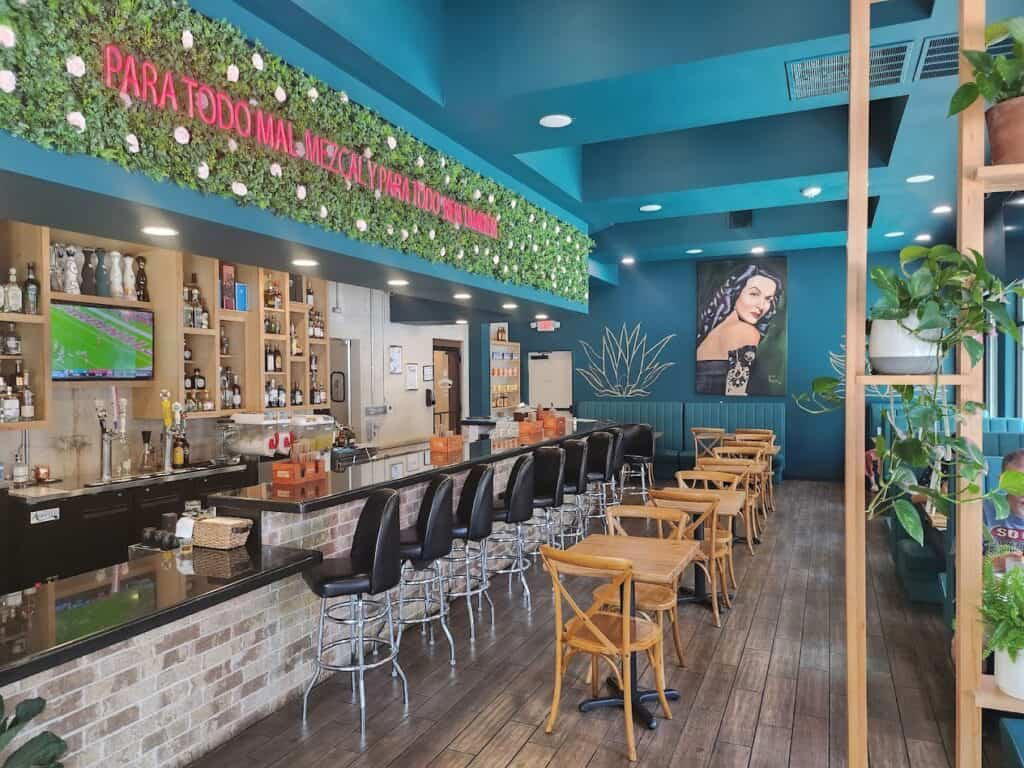
Welcoming atmosphere with good vibes, fresh meals, and a casual, friendly setting as described by guests.
Know Before You Go
- Getting there
- 937 Taylor St, Waco, TX 76704