Cafe Homestead
Cafe Homestead sits on Dry Creek Road on Waco's eastern edge, operating in the farm-adjacent tradition that has gained ground across Central Texas over the past decade. The address alone signals an ethos: this is not downtown dining. For visitors cross-referencing against our full Waco restaurants guide, it occupies a distinct niche in a city whose food scene has expanded well beyond its Magnolia-era reputation.
Pearl is the En Primeur Club membership app — saves, bookings, and concierge access live there. Same editors, same standards.
- Address
- 608 Dry Creek Rd, Waco, TX 76705
- Phone
- +12547549604
- Website
- cafehomestead.com
- Directions
- Get directions
 Saves & bookings on Pearl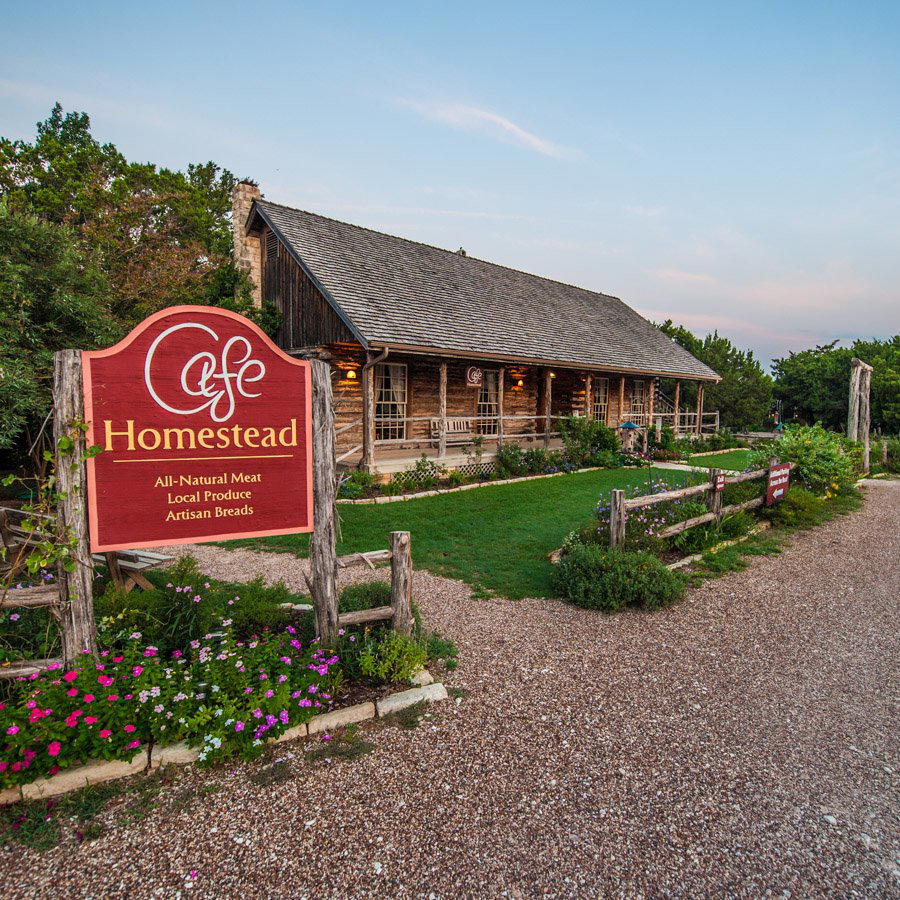
Out on Dry Creek Road: What the Address Tells You
There is a moment, common to farm-adjacent restaurants across the American South and Midwest, when the road narrows and the signage disappears and you realize the destination is the point. Cafe Homestead, at 608 Dry Creek Road on Waco's eastern fringe, occupies exactly that kind of position. The surrounding terrain is agricultural Texas: wide sky, modest topography, the kind of land that has fed Central Texas families for generations before the phrase "farm-to-table" was coined as a marketing category. Getting there requires intention, which is itself a filtering mechanism. The guests who arrive have already committed to something other than convenience.
That physical remove matters in the context of ingredient sourcing, which is the editorial lens worth applying here. Across American dining, the distance between a kitchen and its raw materials has become a proxy for philosophy. At the fine-dining end of that spectrum, operations like Blue Hill at Stone Barns in Tarrytown and Single Thread Farm in Healdsburg have built internationally recognized programs around on-site or tightly controlled agriculture. The sourcing logic at those properties is documented, awarded, and institutionalized. Cafe Homestead operates in a different register entirely, closer to the community-rooted, rurally situated tradition of homestead cooking that predates the fine-dining farm movement by several decades.
The Sourcing Tradition Behind Homestead Cooking in Central Texas
Central Texas has a particular relationship with land and food that differs from the coastal farm-to-table conversation. In the Hill Country and Blackland Prairie belt, small-scale producers, cattle ranchers, and market gardeners have long supplied local households and institutions outside the visibility of national food media. The homestead model, in which a property grows, raises, or forages a meaningful share of what it serves, belongs to this older, less curated tradition. It is worth distinguishing from the Michelin-grade agricultural programs at places like Smyth in Chicago or The French Laundry in Napa, where sourcing is both a culinary argument and a credentialing mechanism. In the homestead tradition, sourcing is structural rather than performative: it reflects what is available on or near the land, and the menu follows.
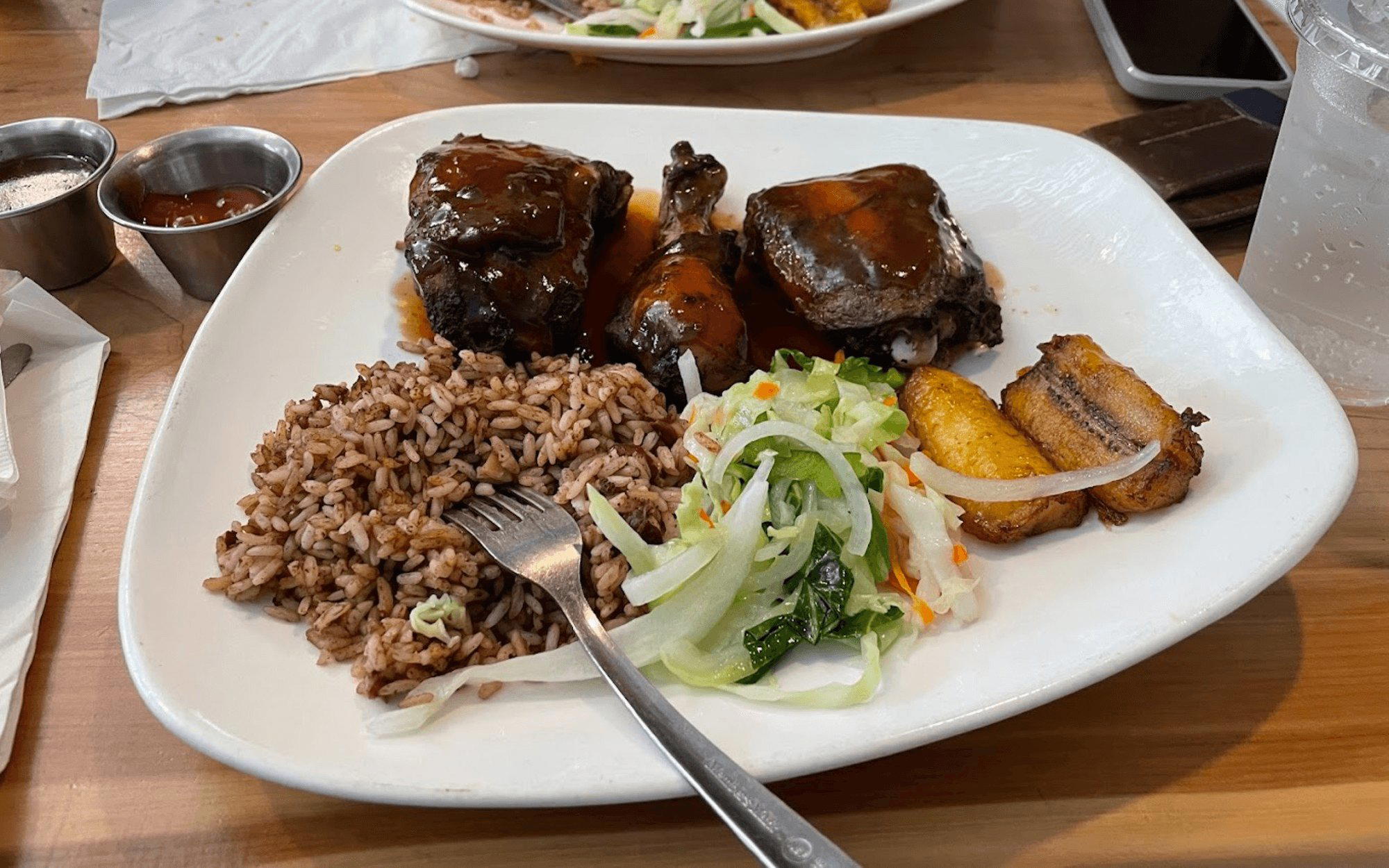
Waco's dining scene has shifted meaningfully over the past decade. What was once a mid-sized Texas city with limited dining ambition has developed a range of options that now include internationally influenced kitchens alongside deeply regional ones. Tru Jamaica Restaurant and Waco Waffle Co represent different ends of that expansion. Cafe Homestead, by contrast, sits outside the downtown development corridor entirely, which places it in a separate conversation about what Waco's food culture looks like beyond its recent renovation and tourism narrative.
What the Rural Format Signals About the Experience
Restaurants situated on working or semi-working land tend to organize around a different set of priorities than urban venues. The physical setting shapes the pace. Outdoor or semi-outdoor seating is common. Menus tend to shift with the season or the week's harvest rather than being engineered for consistency across hundreds of covers. The trade-off is predictability: guests accustomed to the operational precision of, say, Addison in San Diego or Providence in Los Angeles will encounter a different contract here. Spontaneity and seasonal variability are features of this format, not failures.
That variability also defines the competitive set. Cafe Homestead does not belong in the same tier as The Inn at Little Washington or Le Bernardin in New York City, where sourcing is layered with formal technique, tasting menu architecture, and award recognition. It operates in a category where the value proposition is rooted experience over refined execution, and where the atmosphere of the land itself is part of what is being offered. That is a legitimate and distinct category, and it has a sizable audience among travelers who find the controlled theatrics of high-end tasting menus less compelling than genuine agricultural context.
For travelers comparing notes with other American properties that have built sourcing-led identities, references like Lazy Bear in San Francisco, Frasca Food and Wine in Boulder, or The Wolf's Tailor in Denver show how the spectrum between casual and formal operates across the country. Cafe Homestead sits at the informal end of that range, where the sourcing argument is embedded in location rather than tasting notes. Internationally, the closest philosophical parallel might be Atelier Moessmer Norbert Niederkofler in Brunico, which has built a Michelin-starred argument around strict regional sourcing, though the two properties operate in entirely different contexts of formality and credential.
Planning a Visit: What to Know Before You Go
The address at 608 Dry Creek Road, Waco, TX 76705 is the primary logistical anchor. The property sits outside Waco's central grid, which means arriving by car is the practical default. No website or phone contact appears in current public records, which means walk-in or word-of-mouth inquiry remains the most reliable approach to confirming hours and availability. That kind of operational informality is consistent with the homestead format: the venue is not optimizing for discoverability, and the experience it offers does not require that infrastructure. Travelers accustomed to online reservation systems and confirmed booking windows should factor in the uncertainty. Those who find that friction worthwhile will find a dining context that has no close equivalent in the Waco city center. Our full Waco restaurants guide maps this property against the broader range of options across the city, from downtown kitchens to outlying independents.
For travelers who have been tracking the farm-adjacent dining conversation through properties like Emeril's in New Orleans, ITAMAE in Miami, or Atomix in New York City, Cafe Homestead represents something structurally different: a rurally situated, community-scaled operation where the land precedes the concept rather than the concept preceding the land. That distinction is worth making explicitly, because it changes what a visit reasonably delivers.
In Context: Similar Options
| Venue | Cuisine | Price | Awards |
|---|---|---|---|
| Cafe HomesteadThis venue — the venue you are viewing | This venue | Not listed | Not listed |
| Le Bernardin | French, Seafood | $$$$ | Michelin 3 Star |
| Lazy Bear | Progressive American, Contemporary | $$$$ | Michelin 2 Star |
| Atomix | Modern Korean, Korean | $$$$ | Michelin 2 Star |
| Per Se | French, Contemporary | $$$$ | Michelin 3 Star |
| Masa | Sushi, Japanese | $$$$ | Michelin 3 Star |
Continue exploring
More in Waco
Restaurants in Waco
Browse all →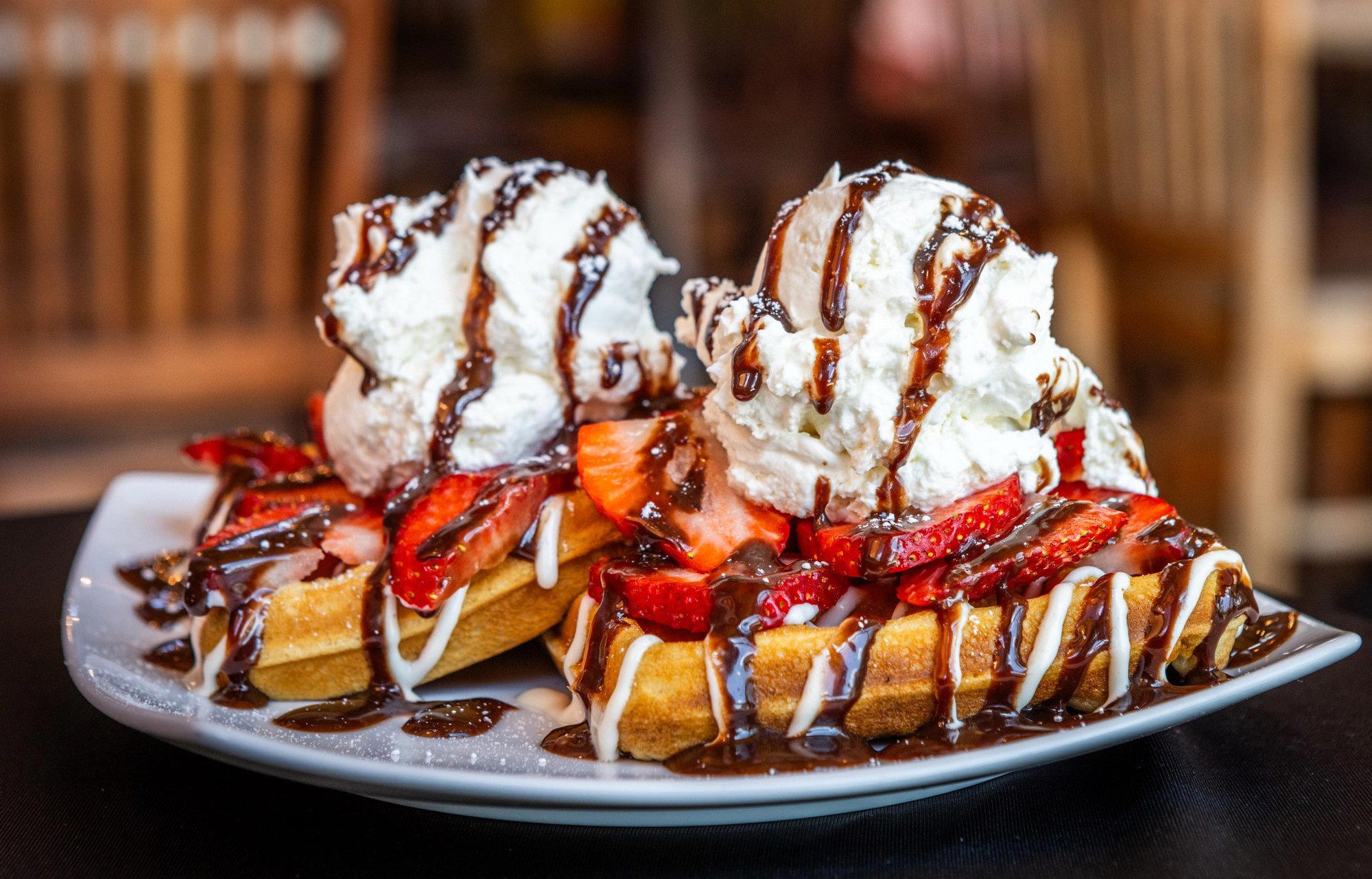

At a Glance
- Rustic
- Cozy
- Classic
- Family
- Casual Hangout
- Historic Building
- Farm To Table
- Local Sourcing
Current opening hours
- Monday
- 11 AM–3 PM
- Tuesday
- 11 AM–3 PM
- Wednesday
- 11 AM–3 PM
- Thursday
- 11 AM–3 PM, 5–8 PM
- Friday
- 11 AM–3 PM, 5–8 PM
- Saturday
- 11 AM–3 PM, 5–8 PM
- Sunday
- Closed
Hours can change for holidays and private events. Last verified .
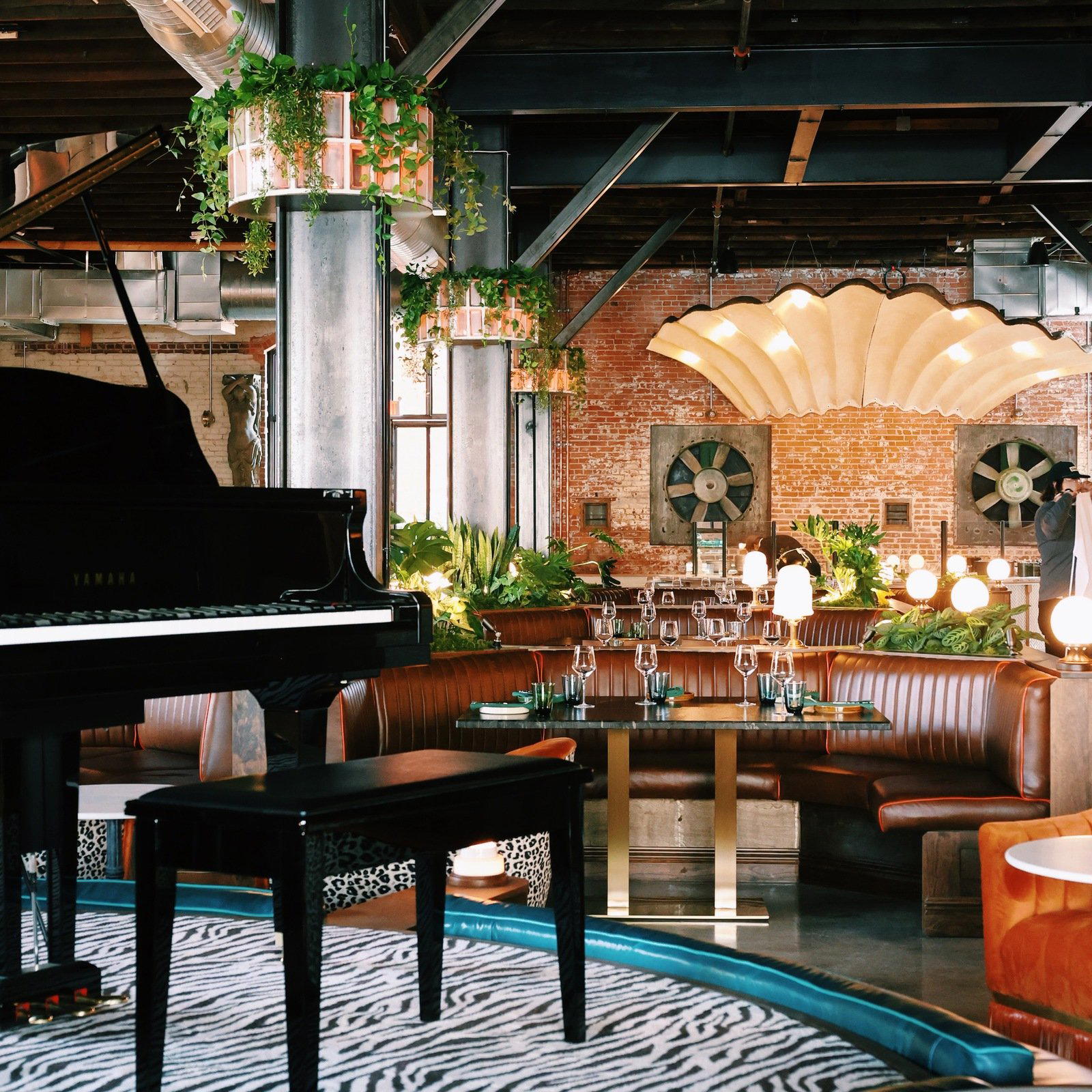
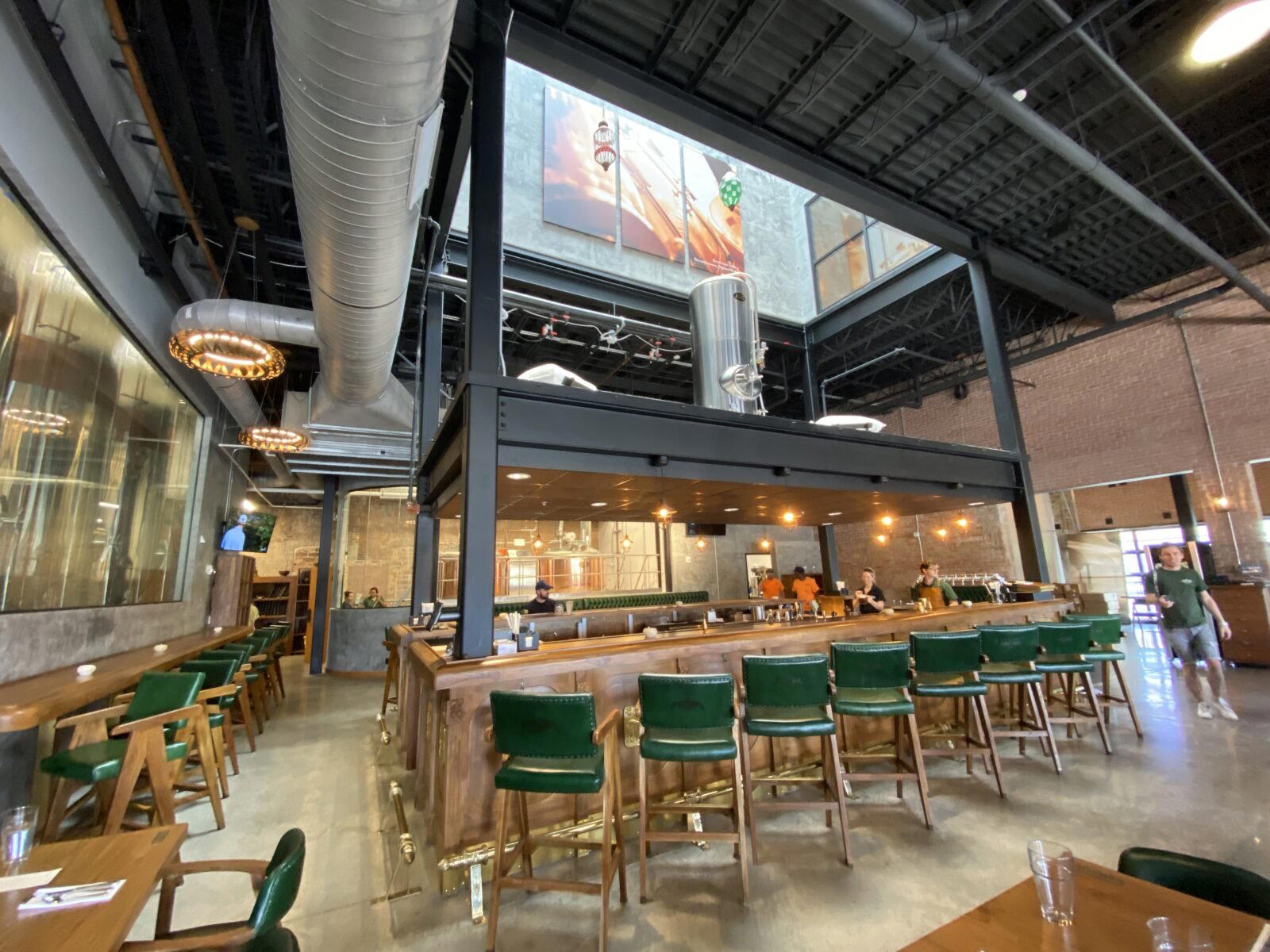
Welcoming, homey atmosphere in hand-built sunny rooms with beautiful artwork and comfortable seating.
Know Before You Go
- Getting there
- 608 Dry Creek Rd, Waco, TX 76705