Lychees occupies a central Warsaw address at Bielańska 1, placing it in the orbit of the city's Old Town and a dining corridor that has grown increasingly competitive. Warsaw's Asian-influenced restaurant tier has expanded significantly over the past decade, and venues at this address bracket attract both local regulars and visitors cross-referencing the city's broader creative dining scene.
Pearl is the En Primeur Club membership app — saves, bookings, and concierge access live there. Same editors, same standards.
- Address
- Bielańska 1, 00-086 Warszawa, Poland
- Phone
- +48792611190
- Website
- facebook.com
- Directions
- Get directions
 Saves & bookings on Pearl
Where Warsaw's Dining Ambition Meets an Address That Demands Attention
Old Town Warsaw and the streets immediately adjacent to it occupy a specific position in the city's dining map. Bielańska, the address where Lychees sits, is close enough to the historic centre to benefit from visitor foot traffic but far enough from the overtly tourist-facing stretch to attract a clientele that is actually choosing the restaurant rather than defaulting to it. That distinction matters in a city where the gap between destination dining and convenience dining has widened sharply over the past decade.
Warsaw's restaurant scene has undergone a structural change since roughly 2015. The city moved from a market dominated by traditional Polish cooking and international hotel restaurants toward a more differentiated tier system. Today, you find modern Polish tasting menus at places like NUTA (Creative), contemporary European formats at Rozbrat 20, and wine-forward neighbourhood dining at alewino. Lychees, operating under a name that signals Asian influence rather than Central European tradition, occupies a different lane within that expanded field.
Reading a Name as a Signal
Restaurant naming in Warsaw has become more intentional. A venue calling itself Lychees is making a positioning statement: it is not trying to fit inside the modern Polish revival that has defined much of the city's critical conversation, nor is it aligning itself with the bistro-and-wine format that venues like Baken have developed. The lychee as an ingredient is associated with Southeast and East Asian cuisines, where it appears in everything from Cantonese dim sum preparations to Vietnamese desserts and Thai salads. A restaurant built around that reference, or at least named to invoke it, is positioning itself in a niche that Warsaw has historically underserved relative to cities like Berlin, Vienna, or Amsterdam.
Warsaw's Asian dining segment has grown, but it remains less developed than its Western European counterparts. The city has sushi counters, pan-Asian formats, and some serious Japanese-influenced cooking, but the mid-to-upper tier of this segment is thinner than in capitals with larger Asian diaspora communities. That structural gap is part of what makes any serious entrant into the space worth tracking. For a parallel in terms of how a city's Asian dining tier relates to its broader fine dining conversation, it is useful to look at how Hashi Sushi in Gdansk has carved out a position in a similarly undersupplied market.
The Booking Question: What You Need to Know Before You Go
Because verified booking data for Lychees is not publicly indexed at the time of writing, the practical guidance here has to be framed around what is known about similarly positioned Warsaw venues. Restaurants at a central address like Bielańska 1, operating in a niche segment with a defined concept, tend to fill on weekend evenings without much lead time required by international standards. Warsaw does not yet have the booking scarcity that characterises the top tier in cities like New York, where venues like Atomix operate on months-long waitlists, or the structured omakase counters that require planning well in advance.
The absence of a published website or phone number in current directories does not necessarily indicate that the restaurant is closed or difficult to reach; it more often reflects the lag between a venue's operational presence and its indexing across booking platforms. Direct social media contact or a visit to the physical address at Bielańska 1 in central Warsaw remains a reliable first step. For comparison, hub.praga, another Warsaw restaurant with a defined modern cuisine identity, rewards advance planning in the same way.
Warsaw in a Wider Polish Context
Understanding Lychees requires understanding where Warsaw sits within the broader Polish restaurant geography. The country's most decorated fine dining is currently centred on Kraków, where Bottiglieria 1881 holds Michelin recognition, and it extends to Gdańsk through venues like Arco by Paco Pérez. Warsaw's dining identity is different: larger, more commercially varied, and less defined by a single culinary moment. That breadth makes the city harder to read for first-time visitors but creates more room for specialist concepts to find an audience.
The country's regional dining scene is genuinely diverse. From Muga in Poznań to Kwestia Czasu in Białystok and Giewont in Kościelisko, Polish dining outside the three main cities has developed its own character, often rooted in regional produce and local tradition. Warsaw, by contrast, tends toward internationalism. A restaurant named Lychees fits that pattern: it is a Warsaw concept, not a Polish one, and it is addressing a Warsaw appetite for formats and flavours that sit outside the domestic culinary canon.
Planning a Visit
Lychees is located at Bielańska 1, 00-086 Warsaw, in the central district close to the Old Town. The area is accessible by public transport from most parts of the city, and the address places it within walking distance of Warsaw's main tourist and business corridors. For visitors building a broader Warsaw dining itinerary, the surrounding neighbourhood pairs well with venues across different formats: the modern European cooking at Rozbrat 20, the creative tasting menu at NUTA, or the more casual wine-driven approach at alewino all represent different angles on what Warsaw is doing with contemporary dining.
Visitors planning time across multiple Polish cities should note that the country's regional dining destinations are more spread out than in comparable European markets. Hattori Hanzo in Czestochowa, Cudne Manowce in Olsztyn, Górnik in Krakow, and Włoska Restauracja Bellanuna in Rzeszow each reward the kind of trip planning that treats Poland as a multi-city destination rather than a Warsaw-only stop. Our full Warsaw restaurants guide covers the city's broader dining tiers and neighbourhoods in more detail.
How It Stacks Up
Comparable venues nearby, for context on price, style, and recognition.
| Venue | Cuisine | Price | Notes |
|---|---|---|---|
| LycheesThis venue — the venue you are viewing | Creative Vegan Fusion | $$ | Not listed |
| Eden | Creative Vegan Fusion | $$ | Saska Kępa |
| Veganda | Vegan Fusion | $$ | Ujazdow |
| GOŚCINIEC Polskie Pierogi | Traditional Polish Pierogi | $$ | Mariensztat |
| Nonna Pizzeria | Neapolitan Pizza | $$ | Srodmiescie |
| Trân Trân | Traditional Vietnamese | $$ | Ujazdow |
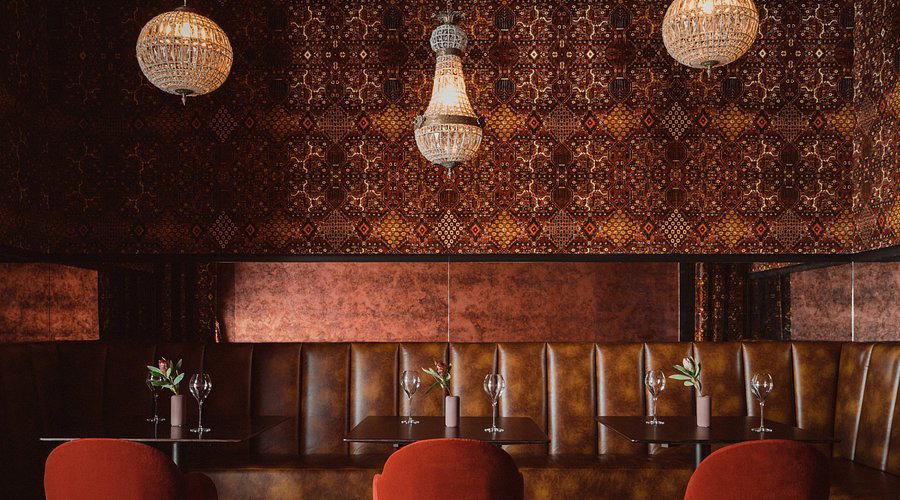
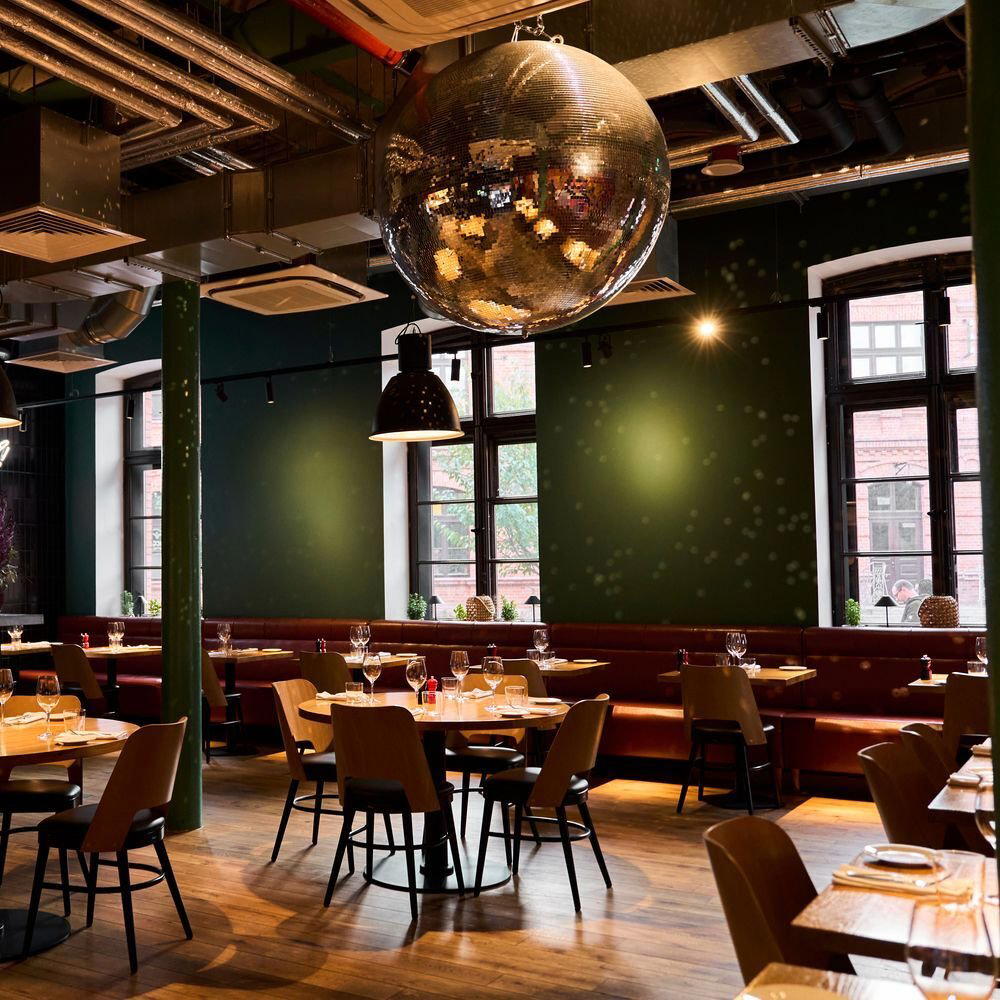
At a Glance
- Trendy
- Cozy
- Modern
- Brunch
- Casual Hangout
- Group Dining
- Open Kitchen
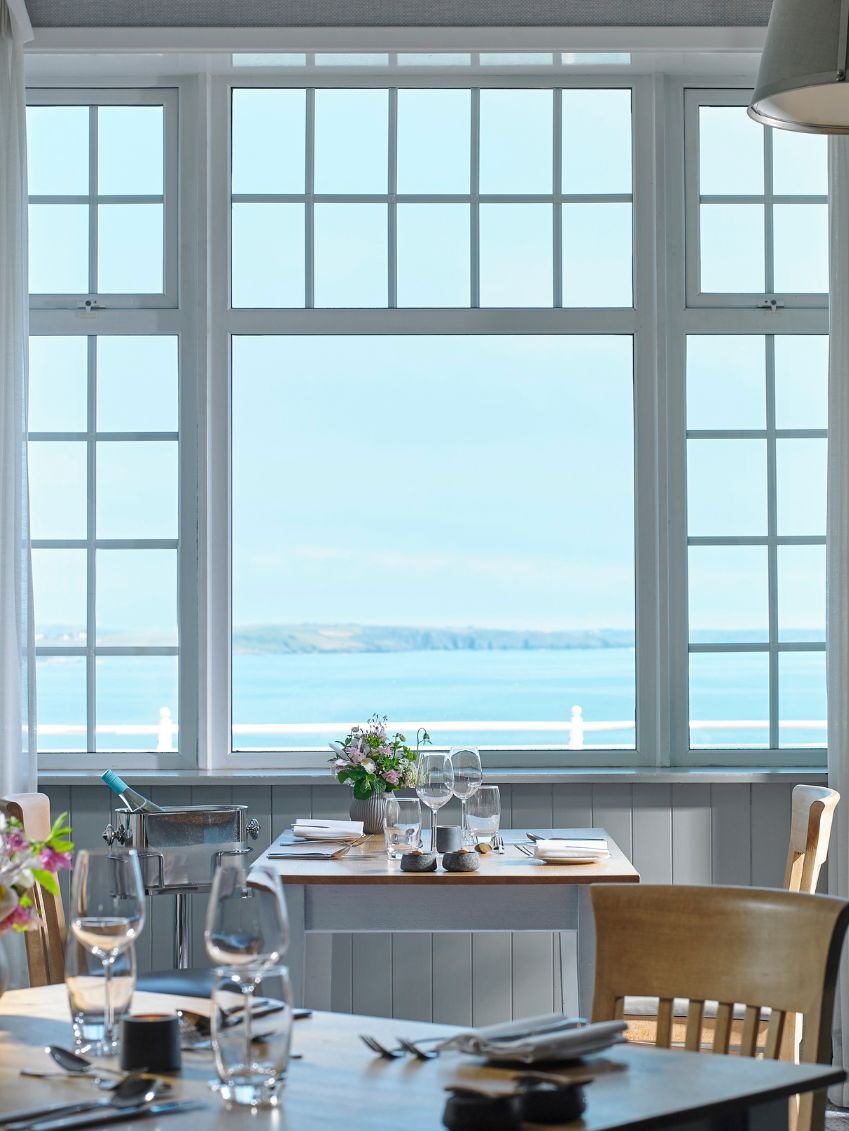
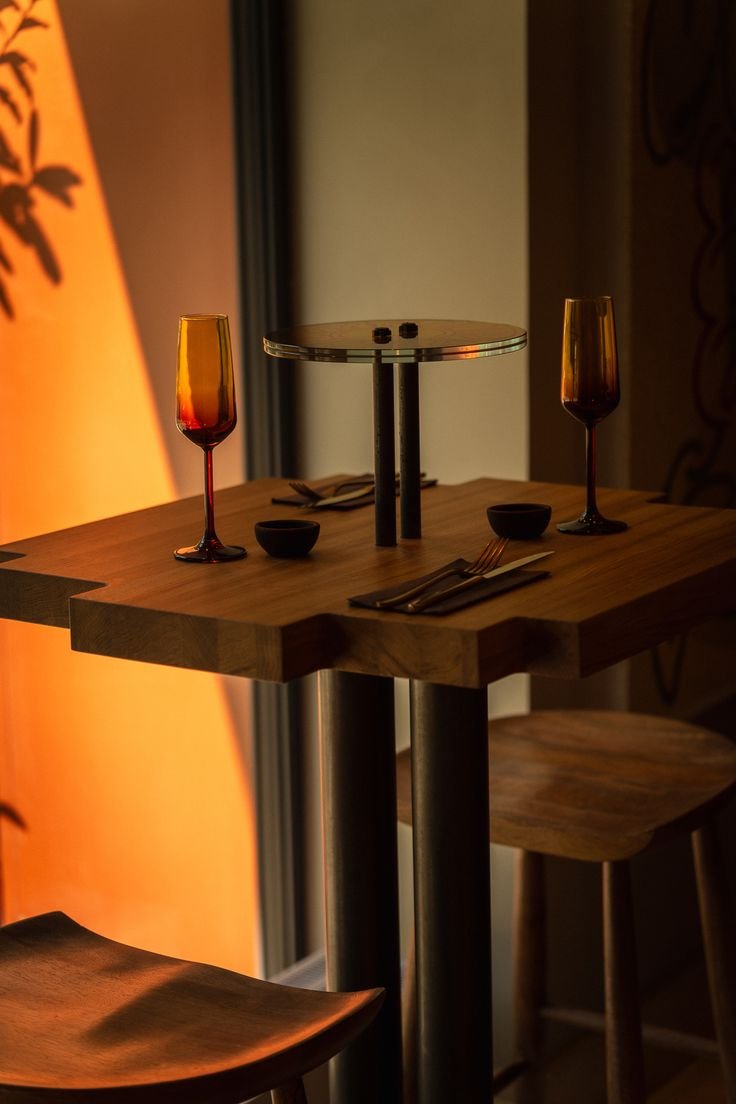
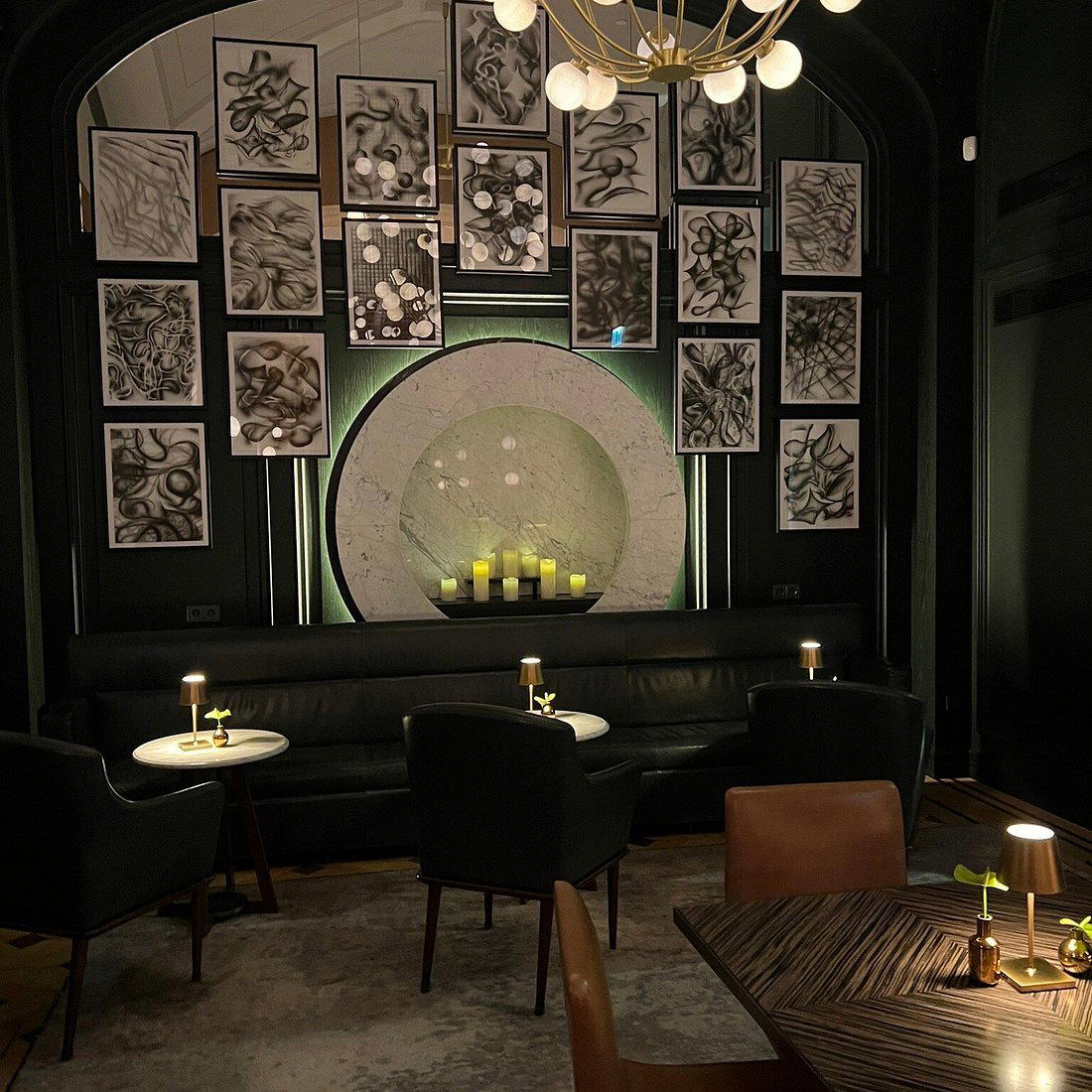
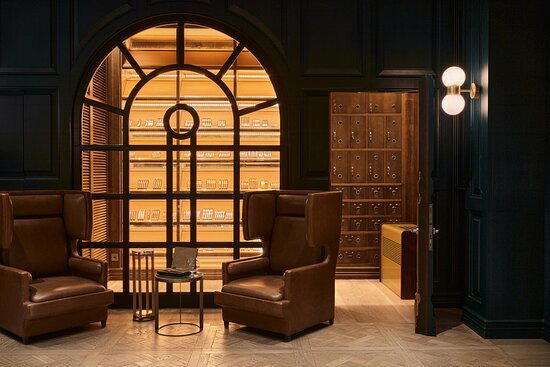
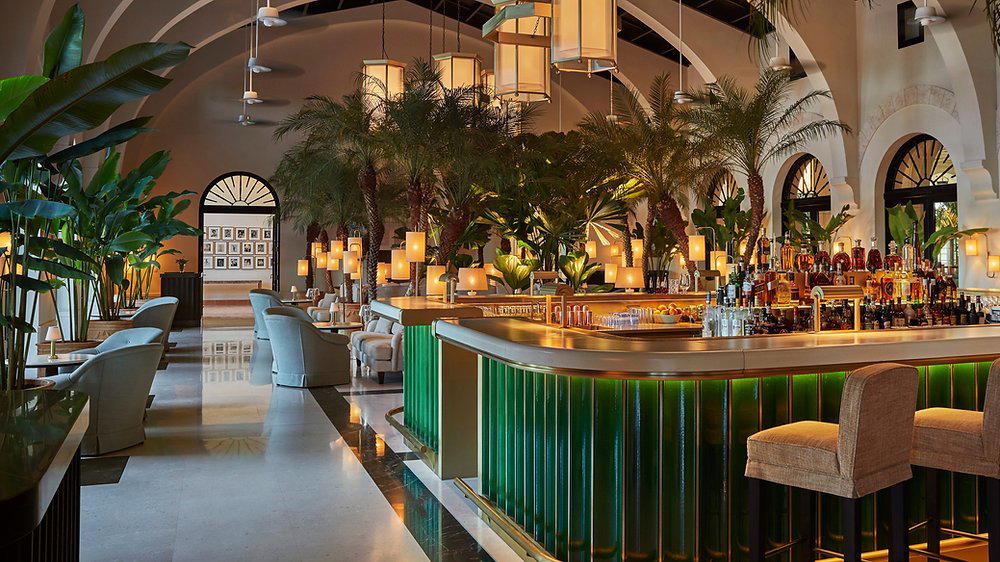
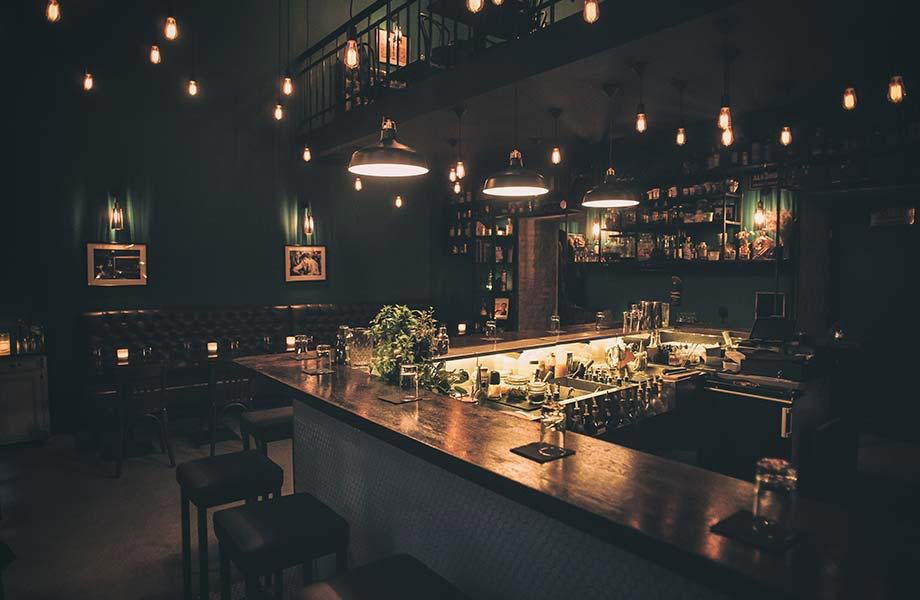
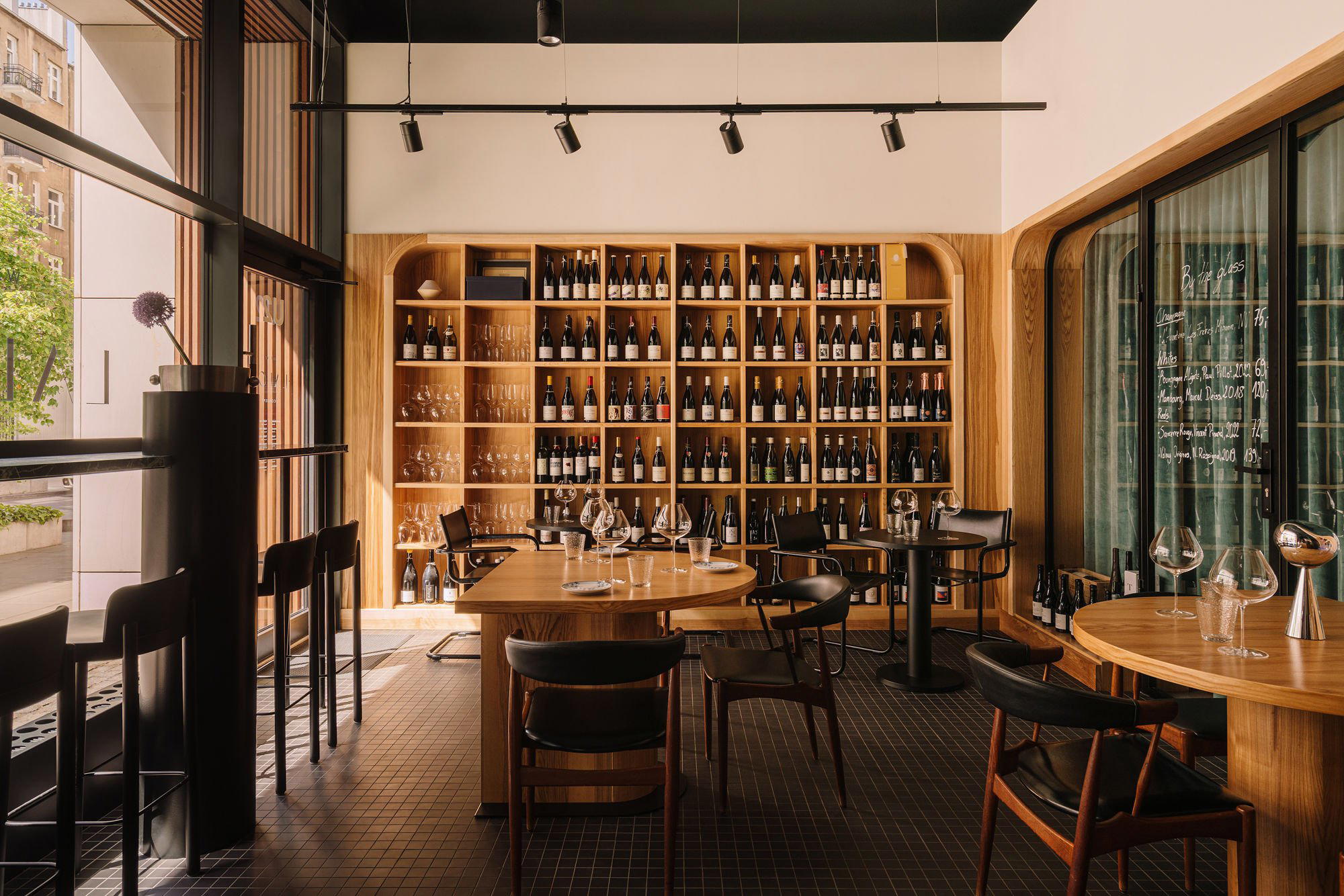
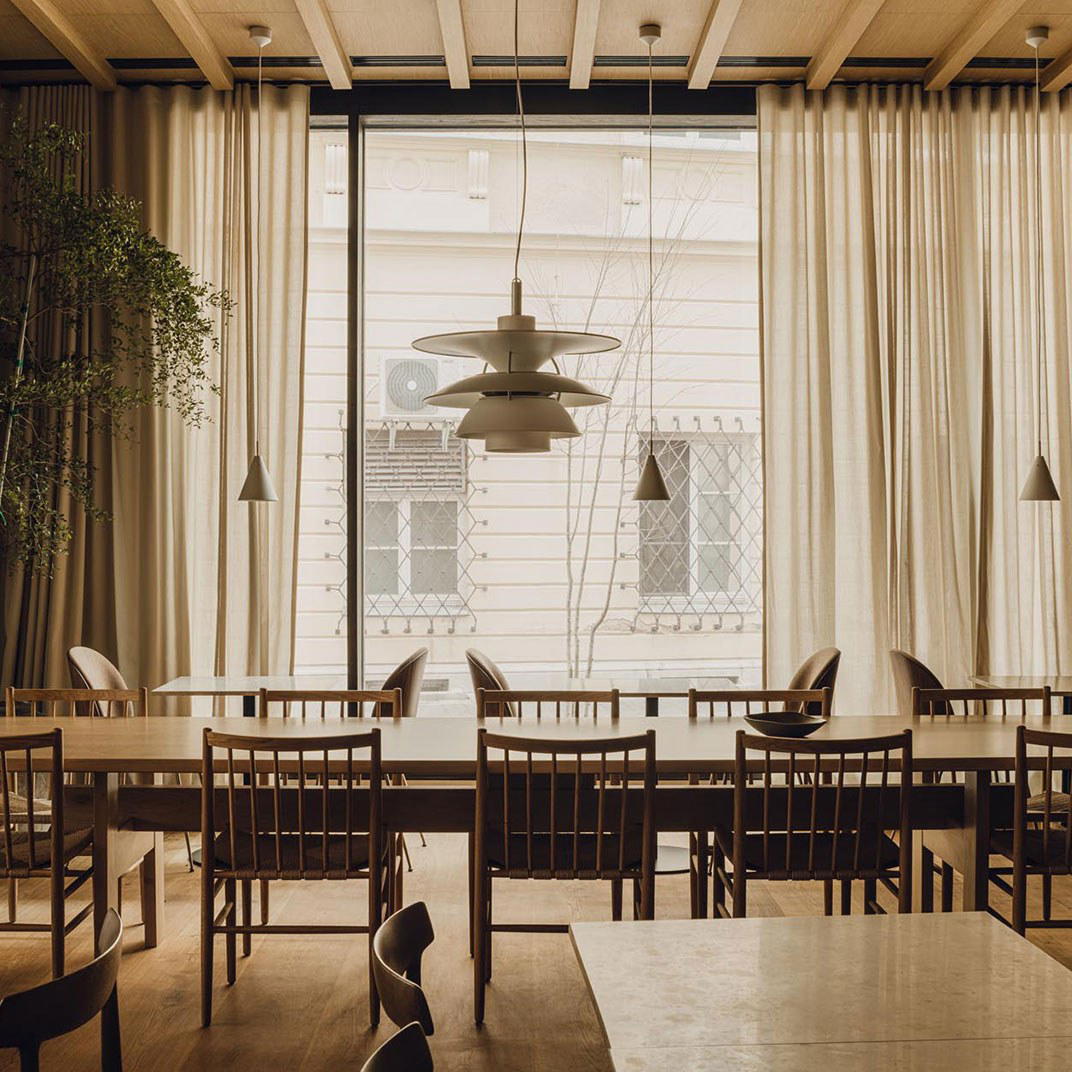
Cute, cozy interior with a lively bar atmosphere, friendly staff, and alternative vibe.