Trinciti Roti Shop

Our verdict
Trinciti Roti Shop on Lefferts Boulevard has anchored South Ozone Park's Trinidadian dining scene for years, drawing a loyal following for its doubles, aloo pie, and curry goat.

Pearl is the En Primeur Club membership app, where members save venues, book tables and use the concierge.
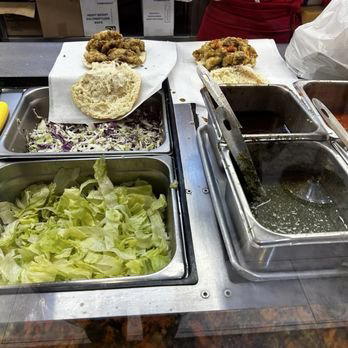
The menu
What to order
- Shrimp doubles
- Chicken roti
- Bake and shark
- Aloo pie
If You Land at JFK, Skip the Terminal Food
The argument for routing straight from John F. Kennedy Airport to South Ozone Park rather than midtown is not sentimental. It is strategic. Fifteen minutes by cab from JFK, Trinciti Roti Shop on Lefferts Boulevard sits at the centre of one of New York City's most concentrated Caribbean dining corridors, and it offers something that Le Bernardin, Atomix, or Masa cannot: the specific, immediate pleasure of Trinidadian street food prepared for a neighbourhood that demands accuracy. It is sustained by regulars who know exactly what they are eating and keep returning anyway.
South Ozone Park and the Borough's Caribbean Corridor
Queens has functioned as New York's primary landing zone for Caribbean immigrants since the 1970s, and the stretch of South Ozone Park around Lefferts Boulevard reflects several decades of that settlement. The neighbourhood sits between Richmond Hill, where Indo-Caribbean communities established some of the city's densest concentrations of roti shops and sweet centers, and Jamaica, a commercial hub with its own Caribbean retail presence. Eating along this corridor is not a detour from New York dining; it is an encounter with one of the city's defining food geographies, the kind that rarely appears in the same conversation as Eleven Madison Park but operates with no less institutional weight inside the communities it serves.
Trinidadian food in particular occupies a distinct position within the Caribbean diaspora kitchen. It draws simultaneously from South Asian indentured labour traditions (the roti wrapper itself, the curried fillings, the use of geera and amchar masala), West African cooking lineages, and Creole synthesis. A doubles, two bara flatbreads sandwiching curried chana, topped with tamarind, cucumber chutney, and pepper sauce, is not a simple snack. It is the product of a culinary negotiation that took generations to stabilise into something this specific. Trinciti is one of the places in New York where that form is maintained with enough fidelity to make the dish legible on its own terms.
The Format and What It Has Remained
The editorial angle on Trinciti involves understanding what has and has not changed as the surrounding food culture shifted around it. New York spent much of the 2010s in a period of aggressive dining reinvention: tasting menus lengthened, open kitchens became de rigueur, and the language of fine dining filtered into casual formats in ways that produced a certain homogeneity. The counter-service roti shop, by contrast, evolved differently. Its value proposition never depended on chef celebrity or format theatre. What changed at shops like Trinciti was subtler: the gradual widening of who eats there, as food media attention turned toward Queens and Brooklyn Caribbean enclaves, and as JFK-adjacent dining became a talking point in travel writing that previously would not have acknowledged a counter shop on Lefferts Boulevard at all.
That shift in visibility did not transform the shop's operational logic. The format remains counter service, the menu anchored by the dishes that defined it from the outset: doubles, aloo pie, and curry goat. The counter staff, described in the venue's own editorial documentation as charming, represents a continuity of hospitality that does not require a reservation system or a dress code to function. What Trinciti has done, across whatever arc of years it has operated, is hold its position as a reference-point institution in a neighbourhood where the standards for Trinidadian cooking are set by a customer base that knows the cuisine from home rather than from a menu description.
For comparison, consider what the dining dollar buys at the opposite end of the New York spectrum. The prix-fixe commitments at Le Bernardin or the omakase counter at Masa deliver precision and occasion. Trinciti delivers something structurally different: food that functions as a daily necessity for one community and as a calibration point for anyone who wants to understand what Queens actually eats. Neither category cancels the other out, but conflating them misreads what each is doing. The same logic applies to regional American institutions like Emeril's in New Orleans or destination tasting rooms like Lazy Bear in San Francisco, format and context determine what a place is for.
The Doubles Question, and What to Order
Within the Trinidadian diaspora eating circuit in New York, the doubles debate runs parallel to the city's broader arguments about pizza or bagels: who has the leading bara texture, whose chana has the right degree of spice absorption, whose pepper sauce reads as authentically hot rather than performatively so. Trinciti sits in this conversation alongside A&A; Bake and Doubles, one of the other consistently cited names in the Queens circuit. These two operate as the most frequently referenced anchors in the borough's Trinidadian counter-service tier, each with a loyal following that will argue the comparison at length.
The aloo pie, a fried pastry filled with spiced potato, functions as a secondary order that rewards attention. Curry goat, the third pillar of Trinciti's documented menu, belongs to the broader Caribbean goat-cooking tradition that runs from Jamaican curry goat to Trinidadian variations with a heavier use of cumin and shadow beni. These are not dishes that need editorial embellishment. They exist within a tradition that predates the venue, and the venue's role is to execute them correctly for a neighbourhood that will notice immediately when they do not.
Planning a Visit
Trinciti Roti Shop at 111-03 Lefferts Boulevard in South Ozone Park is most efficiently reached from JFK by cab or rideshare, a journey of roughly fifteen minutes depending on traffic. The A train on the subway stops at Lefferts Boulevard, placing the shop within the city's transit network for those coming from Manhattan or other boroughs. No booking is required or possible for counter-service format; timing around lunch or early afternoon tends to align with peak preparation, though hours are not formally published and a quick call ahead is sensible for anyone making a specific trip. Given its proximity to the airport and the neighbourhood's overall character as a working residential corridor rather than a dining destination, the shop rewards spontaneity and punishes over-planning. Bring cash as a precaution, as counter shops in this corridor frequently operate cash-primary or cash-only.
For a fuller picture of where Trinciti fits within the city's broader dining geography, our full New York City restaurants guide maps the range from Queens counter shops to Manhattan tasting menus. Additional resources for planning a stay include our New York City hotels guide, bars guide, wineries guide, and experiences guide.
Frequently asked questions
Where is Trinciti Roti Shop located?
Trinciti Roti Shop is located at 111-03 Lefferts Blvd, South Ozone Park, NY 11420, New York City.
What distinctions does Trinciti Roti Shop have?
Trinciti Roti Shop has received recognition including: Here’s a power move for anyone arriving at Kennedy Airport. Take the 15-minute cab ride to Trinciti Roti Shop, order a few doubles, an aloo pie and the curry goat from the charming staff behind the counter. Eat your doubles in the shop, let….
What's the must-try dish at Trinciti Roti Shop?
Order the doubles first. The combination of bara, chana, and pepper sauce is the benchmark dish of the Trinidadian street food tradition, and Trinciti's version is routinely cited within the Queens diaspora eating circuit as a reference point. The curry goat and aloo pie round out any serious order.
How far ahead should I plan for Trinciti Roti Shop?
No advance reservation is needed. Trinciti at 111-03 Lefferts Boulevard operates as a counter-service shop, so walk-in is the format. The most practical approach is to time a visit around an arrival or departure at JFK, roughly fifteen minutes away by cab or rideshare.
What is Trinciti Roti Shop known for?
Trinciti is a Trinidadian institution in South Ozone Park, the Caribbean corridor of Queens that has anchored the borough's West Indian community since the 1970s. It is known specifically for its doubles, curry goat, and aloo pie, served from a counter format that has remained consistent as the surrounding food culture shifted considerably around it.
Peers You’d Cross-Shop
Comparable venues nearby, for context on price, style, and recognition.
| Venue | Cuisine | Price | Notes |
|---|---|---|---|
| Trinciti Roti ShopThis venue (the venue you are viewing) | Trinidadian Roti Shop | $10–20 | Not listed |
| Madera | Cuban Steakhouse & Grill | $30–50 | Long Island City-Hunters Point |
| The Door | Authentic Jamaican | $20–30 | Baisley Park |
| Good Taste | Authentic Haitian | Not listed | Crown Heights (North) |
| Rebel | Authentic Haitian Caribbean | Not listed | Lower East Side |
| Jasmine's Caribbean Cuisine | Authentic Caribbean Cuisine | $30–50 | Hell's Kitchen |
Recognition history
Dated appearances from independent guides and award organizations, with the underlying list record or original source where available.
New York Times Best Restaurants in New York City #88
New York Times
Full recognition history (2 entries)
New York Times Best Restaurants in New York City
New York Times
Continue exploring
More in New York City
Restaurants in New York City
All restaurants in New York City →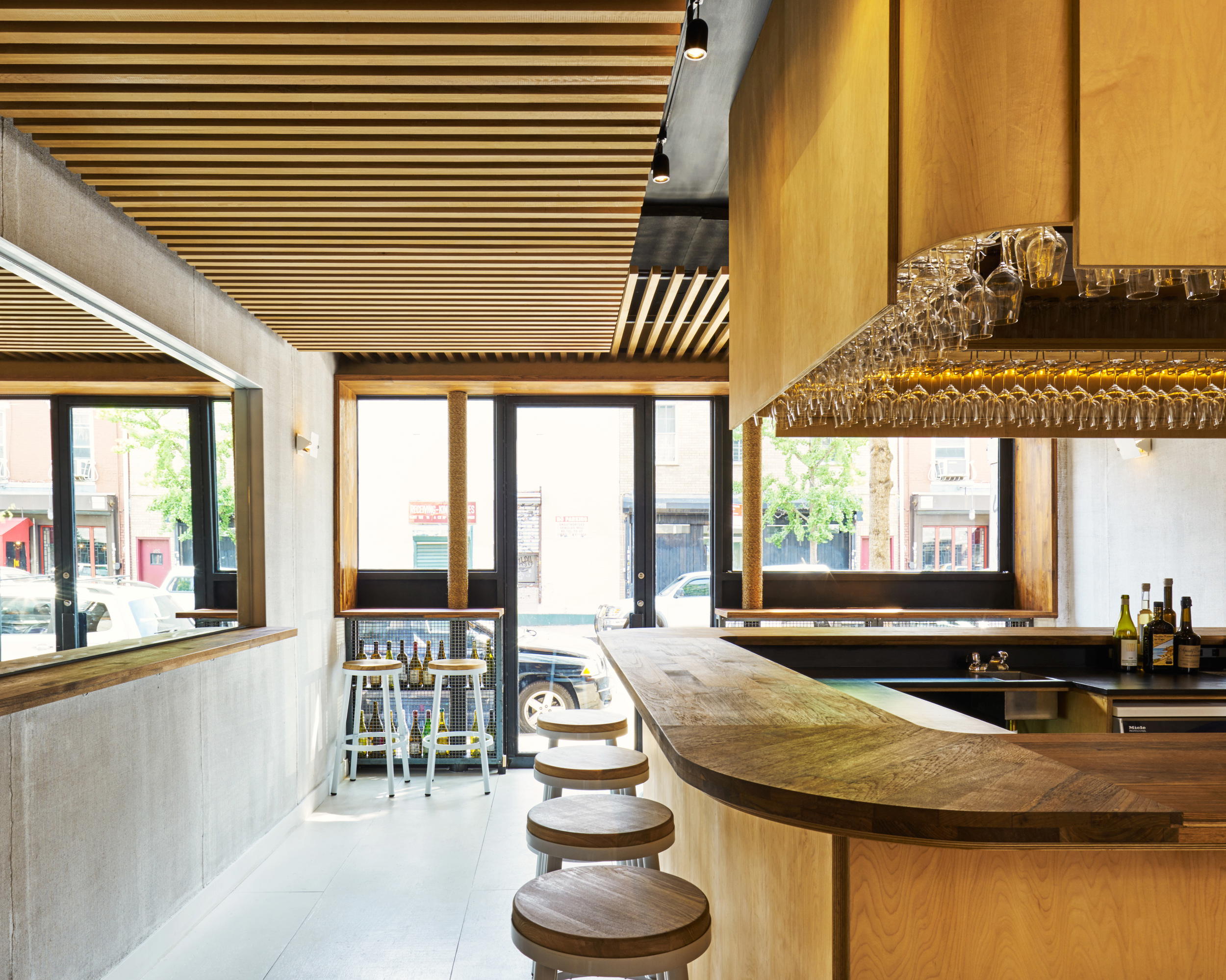
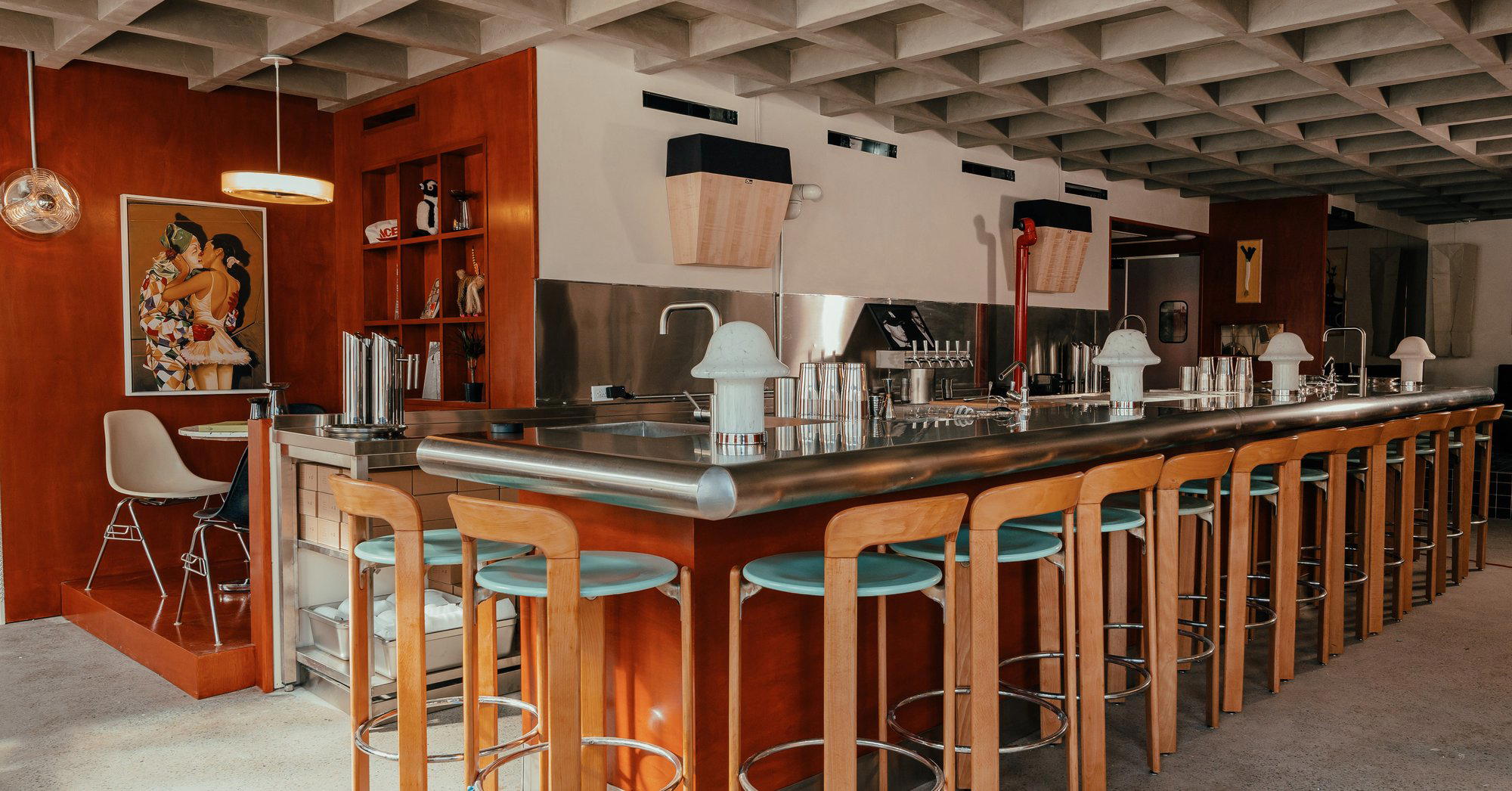
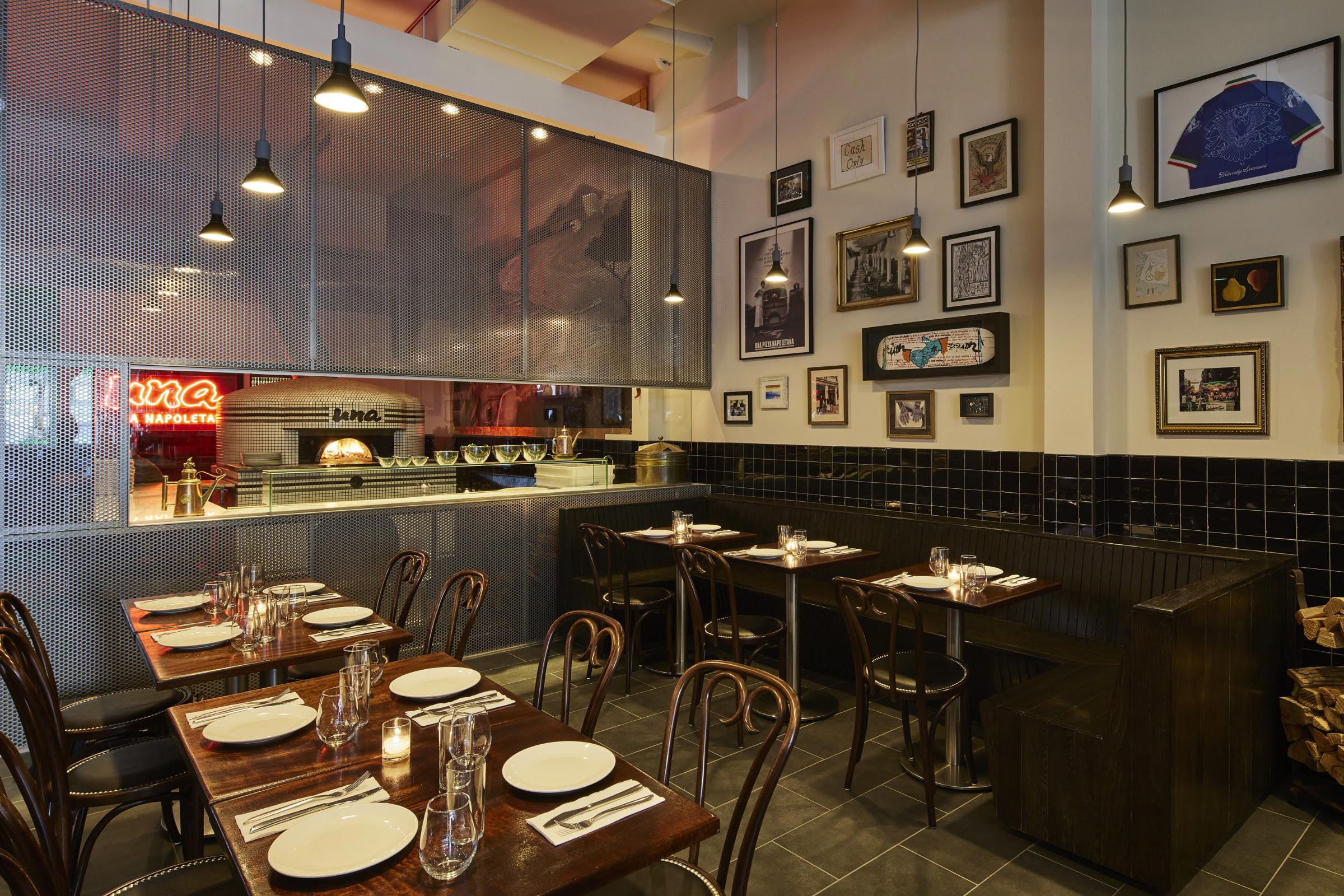
Bars in New York City
All bars in New York City →






Details
- Lively
- Cozy
- Casual Hangout
- Family
- A La Carte
- Vegetarian Friendly
Current opening hours
- Monday
- Closed
- Tuesday
- 6 AM–9 PM
- Wednesday
- 6 AM–9 PM
- Thursday
- 6 AM–9 PM
- Friday
- 6 AM–9 PM
- Saturday
- 6 AM–9 PM
- Sunday
- 6 AM–9 PM
Hours can change for holidays and private events. Hours as of .
Busy counter-service spot with efficient lines, friendly staff, and a lively neighborhood vibe focused on takeout.