Our verdict
Passage Brady has been Paris's subcontinental corridor since the 1970s, and Tresor De Kashmir occupies a well-worn place inside that covered arcade at 6 Passage Brady in the 10th arrondissement. The address draws a loyal repeat clientele who treat it as a neighbourhood fixture rather than a discovery, returning for the consistency that defines the passage's long-standing Indian and Pakistani kitchens rather than for novelty.

Pearl is the En Primeur Club membership app, where members save venues, book tables and use the concierge.
The menu
What to order
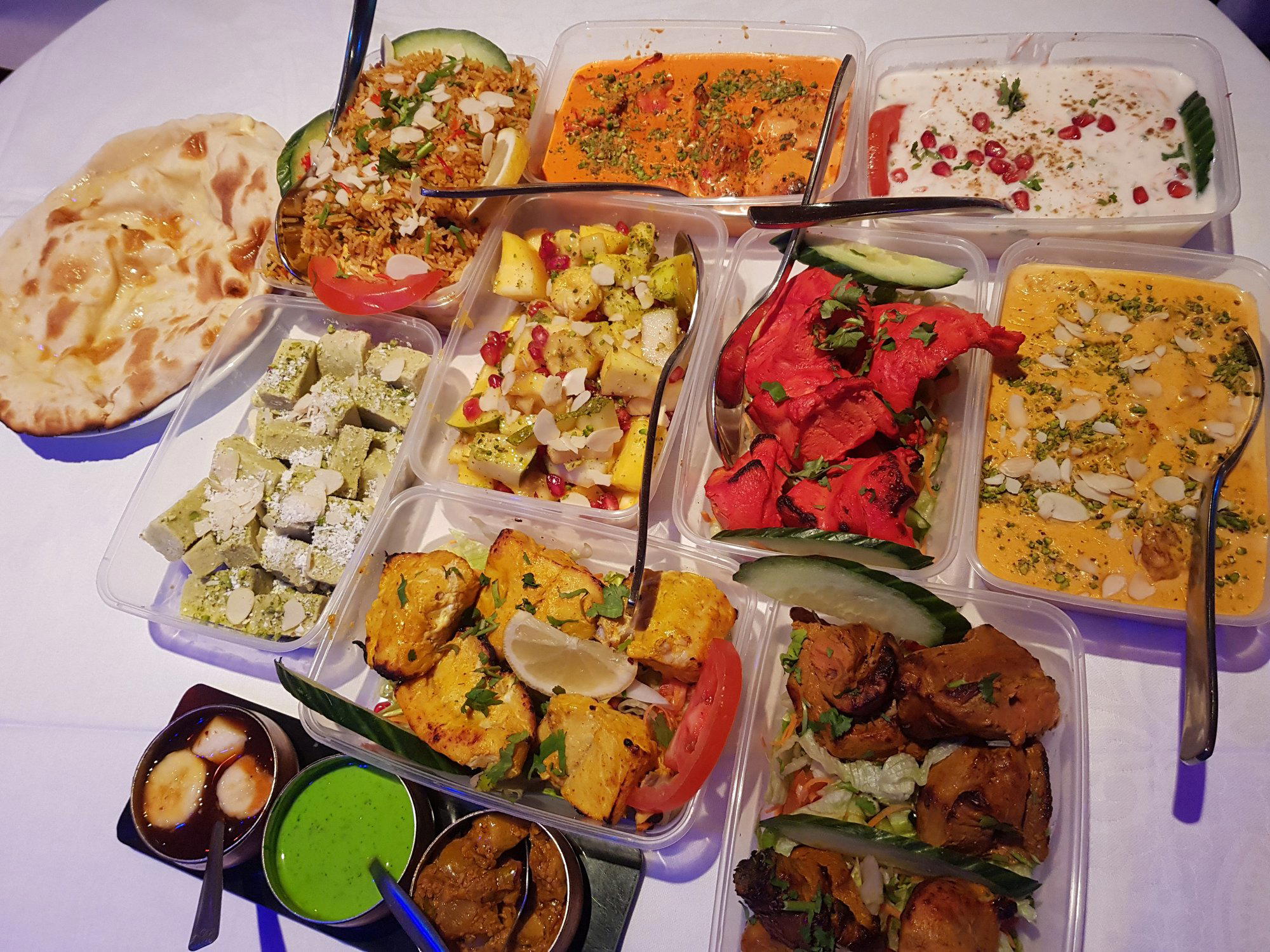
- Thali
- Lamb Biryani
- Tandoori Chicken
- Naan
Passage Brady and the Logic of the Loyal Return
Paris's relationship with South Asian cuisine has a fixed address: Passage Brady, a glass-roofed arcade in the 10th arrondissement that has operated as an informal subcontinental quarter since the 1970s and 1980s. The covered passageway connects Rue du Faubourg Saint-Denis to Boulevard de Strasbourg, and it concentrates more Indian, Pakistani, and Sri Lankan restaurants per linear metre than any other stretch of the city. Tresor De Kashmir, at number 6, sits at the Faubourg Saint-Denis end of the arcade, positioned where foot traffic from the street feeds directly into the passage's rhythm of small dining rooms and spice-forward cooking.
The regulars who keep these passage restaurants in business are not chasing press coverage or Michelin validation of the kind that defines the city's higher-priced tiers, from L'Ambroisie on the Place des Vosges through to Alléno Paris au Pavillon Ledoyen and Le Cinq at the Four Seasons George V. They are returning because Passage Brady delivers something those rooms do not attempt: direct, affordable, spice-forward subcontinental cooking in an unhurried covered-arcade setting that belongs to a distinctly Parisian urban tradition.
What the Passage Teaches About Repeat Custom
Arcade dining in Paris operates on different rules from the city's formal restaurant culture. The passages couverts, a collection of 19th-century covered walkways that survive in pockets across the 2nd and 10th arrondissements, historically housed small traders and affordable eateries that built clientele through consistency rather than occasion dining. Passage Brady is the one arcade that converted almost entirely to South Asian food service, giving it a coherence that distinguishes it from the more eclectic Galerie Vivienne or the tourist-facing Passage des Princes.
In that context, the restaurants that earn repeat visitors are those that hold a stable register: a readable menu, reliable spicing, and prices that allow the same table to return weekly rather than quarterly. Tresor De Kashmir fits that pattern. Its name signals Kashmiri heritage, a regional identity within South Asian cooking that carries specific associations: aromatic rather than fiercely hot preparations, rice-forward service traditions, and dishes such as rogan josh and dum-cooked preparations that distinguish the northern mountain cuisine from the Tamil or Punjabi registers found elsewhere in the passage.
Evaluating Tresor De Kashmir in isolation misses the point. The relevant comparison is horizontal, across the other kitchens in the same arcade, rather than vertical against the city's starred rooms. Paris's South Asian dining scene does not have the Michelin infrastructure that Japanese cooking has built through restaurants like Kei, which bridges Japanese technique and French classical form and earned Michelin recognition in the process. South Asian cooking in Paris has instead consolidated around neighbourhood density and community fidelity rather than trophy validation.
That is not a limitation. It is a different market logic. The regulars at Passage Brady restaurants are making a different calculation from the diners booking three months ahead for a counter at a starred address. Consistency, value, and familiarity with the kitchen's habits matter more than seasonal tasting menus or wine pairings. Tresor De Kashmir's position at the passage entrance gives it visibility for first-time visitors while its longevity in the arcade indicates it has retained enough of the corridor's habitués to sustain itself in a competitive micro-geography.
Kashmiri Cooking in a French City
Kashmiri cuisine occupies a particular place in the South Asian culinary register that makes it legible to French palates in ways that hotter regional styles sometimes are not. The aromatic base of Kashmiri cooking, built from whole spices, yoghurt marinades, and slow-cooked proteins, shares structural logic with the French braise tradition, even if the spice vocabulary is entirely different. Fennel seed, dried ginger, and cardamom-forward preparations land differently from mustard-seed-heavy Tamil cooking or the tomatoey Punjabi register that dominates many European curry houses.
That distinction matters when reading the returning clientele. Passage Brady regulars who seek out a Kashmiri-named kitchen are often making a deliberate choice about register, selecting the aromatic and comparatively restrained northern style over the hotter or more pungent alternatives a few doors down. The name Tresor De Kashmir, whatever its origins, signals a positioning claim within the passage's internal taxonomy.
For reference on what distinguished regional French cooking can achieve at the other end of the ambition scale, Bras in Laguiole and Auberge du Vieux Puits in Fontjoncouse represent what happens when terroir-specific identity is taken to its furthest point. Tresor De Kashmir operates in an entirely different register but makes a comparable claim: that a named regional identity, taken seriously, delivers something a generic version of the same cuisine does not.
Planning Your Visit
Passage Brady is accessible from the Strasbourg-Saint-Denis metro station on lines 4, 8, and 9, which places the arcade within a short walk of the northern grands boulevards. The passage itself is covered and walkable year-round, with the glass roof maintaining a sheltered corridor regardless of weather. Lunch service at passage restaurants typically draws a mix of neighbourhood workers and visitors crossing between the 9th and 10th arrondissements, while evenings skew toward longer tables and group meals.
Address: 6 Passage Brady, 75010 Paris. Getting there: Metro Strasbourg-Saint-Denis (lines 4, 8, 9) or Château d'Eau (line 4). Reservations: Dress: Casual. Budget: Context: For the city's full dining range, see our full Paris restaurants guide.
Readers building a broader French itinerary can cross-reference the regional picture through Mirazur in Menton, Flocons de Sel in Megève, Assiette Champenoise in Reims, Au Crocodile in Strasbourg, Auberge de l'Ill in Illhaeusern, Troisgros in Ouches, AM par Alexandre Mazzia in Marseille, and Paul Bocuse in Collonges-au-Mont-d'Or. For international reference points, Le Bernardin in New York and Atomix in New York represent how immigrant culinary traditions and European-trained technique intersect at the highest level. And Arpège in the 7th remains the reference point for how a Paris address built on a strong regional philosophy can hold its identity across decades, which is ultimately what the leading Passage Brady kitchens attempt at a fraction of the price.
Frequently asked questions
Is Tresor De Kashmir child-friendly?
Passage Brady's arcade format, covered, pedestrianised, and compact, makes it physically manageable with children. The setting at 6 Passage Brady is informal rather than ceremonial, which generally suits families better than white-tablecloth dining. Noise levels in the arcade tend to absorb some of the chaos that formal Paris restaurants cannot.
What's the overall feel of Tresor De Kashmir?
The experience is rooted in the character of Passage Brady itself: a 19th-century glass-roofed arcade that functions as Paris's most concentrated address for South Asian kitchens. Dining here feels like a neighbourhood institution rather than a destination restaurant. The 10th arrondissement location keeps the atmosphere grounded and unpretentious.
How does Tresor De Kashmir compare to other restaurants on Passage Brady?
The relevant comparison at Passage Brady is lateral: a dozen or so South Asian kitchens operating within the same arcade at 75010 Paris, competing primarily on consistency and repeat custom rather than on formal accolades.
What's the signature dish at Tresor De Kashmir?
Kashmiri cooking as a regional tradition leans on slow-cooked meat preparations, aromatic spice blending distinct from Punjabi or South Indian styles, and techniques that translate well to French palates accustomed to braise-forward cooking. Visiting with that culinary register in mind is a reasonable guide.
Booking and Cost Snapshot
Comparable venues nearby, for context on price, style, and recognition.
| Venue | Cuisine | Price | Awards | Notes |
|---|---|---|---|---|
| Tresor De KashmirThis venue (the venue you are viewing) | Authentic Kashmiri Indian | $20–30 | Not listed | Not listed |
| SEEKLO | Modern Indian Grill | $30–50 | Not listed | Oberkampf, Modern Indian Grill |
| Le Brady | Authentic Indian Street Food | $10–20 | Not listed | 10th arrondissement, Authentic Indian Street Food |
| Restaurant 52 | Modern French Neo-Bistro with Asian Influences | $30–50 | Michelin Plate | 10th Arr. - Entrepôt, Modern French Bistro with Asian Flavors |
| Brasserie Flo | Classic French Brasserie with Alsatian Specialties | $30–50 | Not listed | 10th arrondissement, Classic French Alsatian Brasserie |
| Nessia | Modern Global Fusion with French Technique | $50–100 | Not listed | Marais (3rd arrondissement), Modern Global Fusion with French Technique |