
Star Wine List
Our verdict
A rural Gasthaus in the Styrian village of Geistthal, Trautentalwirt Gasthaus Rainer earned recognition on Star Wine List in September 2022 with a White Star distinction, a signal that its wine program punches above what the setting might suggest. For those tracing Austria's serious regional dining culture beyond the urban circuit, it represents a considered stop in the western Styrian hills.

Pearl is the En Primeur Club membership app, where members save venues, book tables and use the concierge.
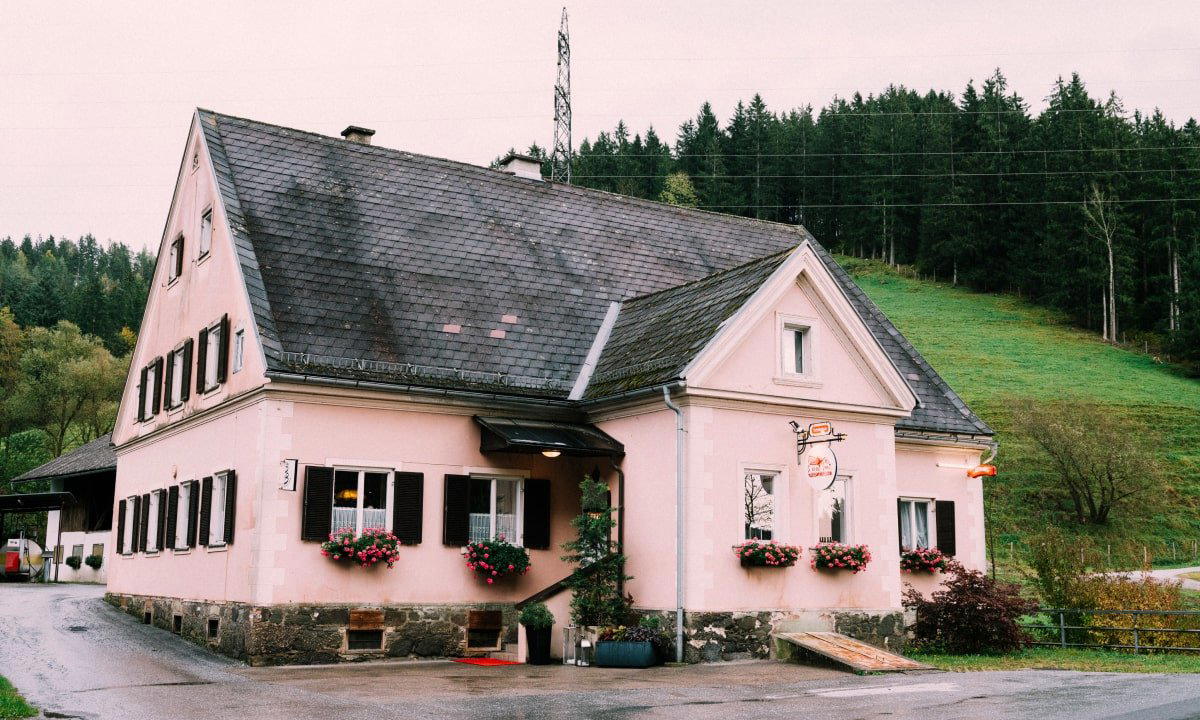
Where Styrian Farm Country Meets a Serious Wine List
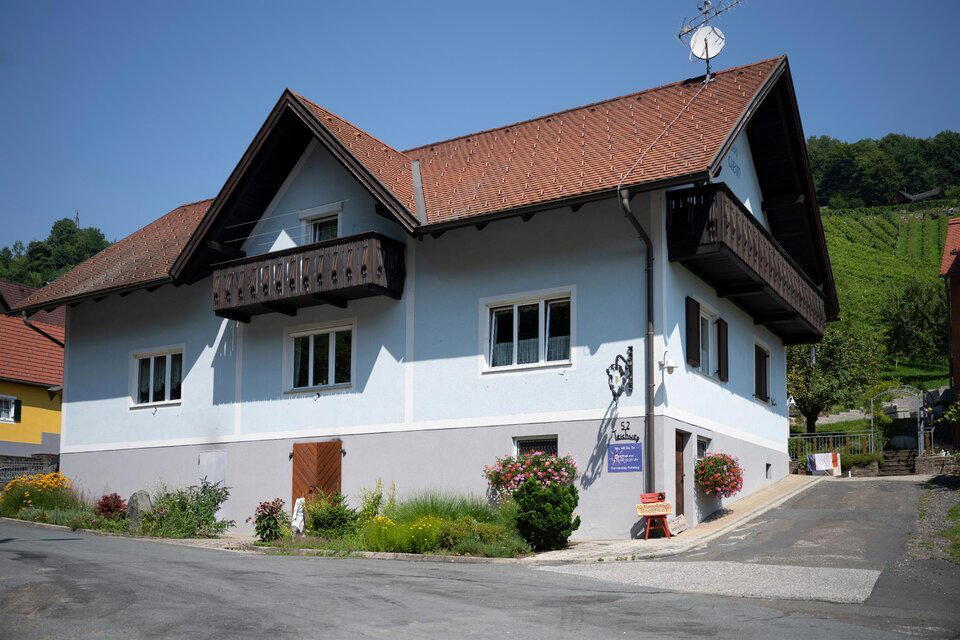
The road into Geistthal, a quiet settlement in the low hills of western Styria, offers little in the way of signage or anticipation. Austria's rural Gasthaus tradition runs deep in areas like this, buildings that have absorbed generations of farmers, hunters, and village regulars, where the kitchen draws on whatever the surrounding land and season provide. Trautentalwirt Gasthaus Rainer, at address Geistthal 15, sits inside that tradition. What separates it from the unremarkable end of that category is the recognition it carries: a White Star from Star Wine List, awarded in September 2022, which signals a wine program of documented quality in a setting where most visitors might not expect to find one.
The country's most decorated restaurants Steirereck im Stadtpark in Vienna, Ikarus in Salzburg, Landhaus Bacher in Mautern an der Donau, operate at a price tier and formality level that places them in a different conversation. The Gasthaus format, by contrast, is where Austria's ingredient culture is often most legible: sourcing from nearby farms, kitchens built around what the land yields, and a directness that urban fine dining sometimes papers over with technique.
Ingredient Culture in the Styrian Hills
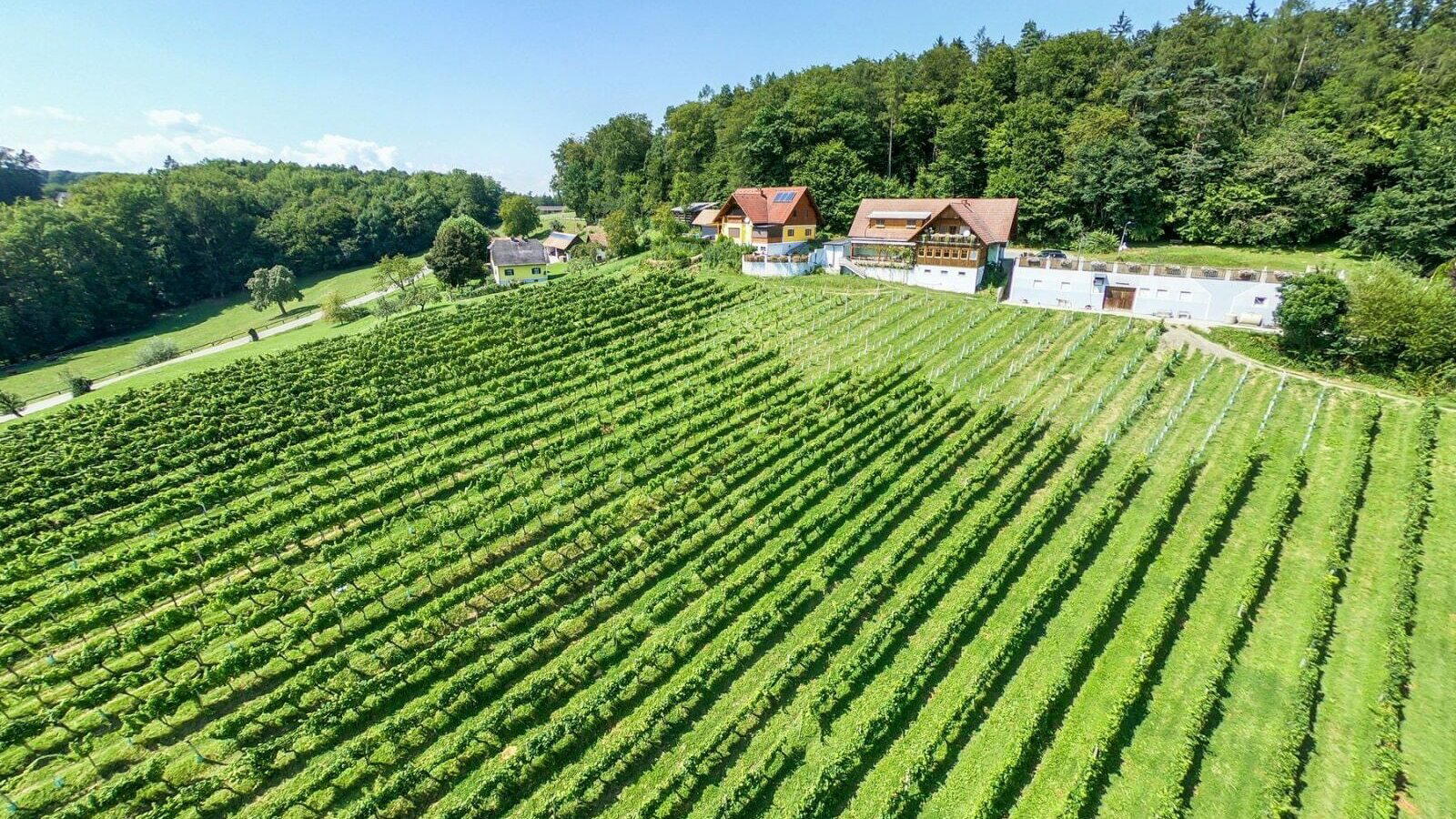
Styria occupies a specific and productive position in Austrian food geography. The region supplies pumpkin seed oil, free-range pork, freshwater fish from cold-running streams, and a range of cultivated and foraged vegetables that the Viennese restaurant scene imports at considerable cost. A Gasthaus operating within that supply chain, rather than importing ingredients back from the capital, holds a structural sourcing advantage that is worth understanding clearly. The kitchen at a rural Styrian establishment of this type draws on proximity: shorter distances from farm to table, relationships with local producers built across years rather than seasons, and a menu rhythm dictated by what is actually available rather than what a glossy seasonal rotation demands.
This framing matters because it repositions what the White Star recognition signals. Star Wine List's assessment framework rewards wine lists that show genuine selection depth, regional literacy, and curation above what the format might suggest is necessary. Styria's wine identity is primarily associated with its white wine production in the south, Sauvignon Blanc and Gelber Muskateller from the Südsteiermark, but the regional wine culture extends well into the western hills, and a house list that earns external recognition here is likely drawing on that broader regional knowledge rather than defaulting to a handful of national brands.
Comparable establishments earning this tier of wine recognition in rural Austria tend to keep their lists tightly regional, favouring producers within driving distance and updating selections with the kind of frequency that only close supplier relationships allow. That approach connects the wine program to the same sourcing logic that governs the kitchen: local, specific, and earned through familiarity rather than catalogue procurement. For context on the range of serious Austrian wine programs operating at the restaurant level, see venues like Obauer in Werfen and Kräuterreich by Vitus Winkler in Sankt Veit im Pongau, both of which demonstrate how deeply the regional ingredient and wine culture runs outside Vienna.
The Gasthaus Format as a Critical Category
Austria's Gasthaus tradition is not a lesser version of its fine dining tradition. It is a parallel one, operating under different rules and serving a different but equally important function. Where the country's celebrated tasting-menu restaurants, among them Gourmetrestaurant Tannenhof in Sankt Anton am Arlberg, Griggeler Stuba in Lech, and Stüva in Ischgl, demand advance planning and significant spend, the Gasthaus operates as a daily institution, absorbing local life and anchoring village culture in a way that a destination restaurant cannot. The physical environment reflects that function: interiors typically run to wood panelling, tiled stoves or open hearths, long communal tables, and the specific low-frequency hum of a room used every day by people who know each other.
Trautentalwirt Gasthaus Rainer fits that model at its address in Geistthal, and the White Star recognition adds a layer of specificity that lifts it above the general category without transforming it into something it is not. It remains a Gasthaus in a small Styrian village. What the award implies is that the wine selection has been assembled with more intention than the format typically demands.
Planning Your Visit
Geistthal sits in Styria's western reaches, accessible by road from Graz, which is the region's primary transport hub. For those building a broader Styrian or Austrian itinerary, the village's position makes it a natural stop on a route through the region rather than a standalone destination, particularly for travellers already exploring the area's food and wine culture. Our full Geistthal restaurants guide covers the wider dining picture in the area, and our guides to hotels, bars, wineries, and experiences in Geistthal provide broader regional context for planning. For those calibrating expectations against Austria's wider dining spectrum, references such as Schwarzer Adler in Hall in Tirol, Ois in Neufelden, and Restaurant 141 by Joachim Jaud in Mieming illustrate the range of formats and price points across the country's non-urban restaurant culture.
Frequently asked questions
Is Trautentalwirt Gasthaus Rainer good for families?
The Gasthaus format in Austria has historically served as the communal dining room of rural communities, accommodating farmers, travellers, and local families at the same tables. A roadside address in Geistthal, a quiet Styrian settlement, places this squarely in that tradition.
How would you describe the vibe at Trautentalwirt Gasthaus Rainer?
Geistthal sits in the low hills of western Styria, away from tourist circuits, and the address at Geistthal 15 signals a working rural Gasthaus rather than a polished destination restaurant. Star Wine List recognised it in September 2022 with a White Star, which points to a wine program serious enough to attract attention beyond the immediate neighbourhood. Expect the functional warmth of a place that serves the surrounding community first.
Has Trautentalwirt Gasthaus Rainer won any awards?
Trautentalwirt Gasthaus Rainer has received recognition including: Trautentalwirt Gasthaus Rainer is a restaurant in Geistthal, Austria. It was published on Star Wine List on September 1, 2022 and is a White Star.
What's the best thing to order at Trautentalwirt Gasthaus Rainer?
Styria supplies some of Austria's most distinctive larder ingredients, including pumpkin seed oil, free-range pork, and freshwater fish, which inform the menus of Gasthaus kitchens throughout the region. The White Star recognition on Star Wine List suggests the wine list merits as much attention as the food.
Where is Trautentalwirt Gasthaus Rainer in Geistthal?
Trautentalwirt Gasthaus Rainer is located at Geistthal 15, 8153 Geistthal, Austria, Geistthal.
Can I walk in to Trautentalwirt Gasthaus Rainer?
Rural Gasthaus kitchens in Styria often operate on limited days or seasonal hours, so arriving without advance confirmation carries real risk, particularly if travelling from Graz, the nearest regional hub. Checking locally before making the drive is advisable.
What makes Trautentalwirt Gasthaus Rainer worth seeking out?
Star Wine List awarded Trautentalwirt Gasthaus Rainer a White Star in September 2022, a credential that places its wine program in named editorial company across Austria. That recognition attached to a rural Gasthaus in Geistthal, rather than a Graz city address, is the specific point of interest: a serious list operating outside the obvious fine dining circuits of western Styria.
A Quick Peer Check
Comparable venues nearby, for context on price, style, and recognition.
| Venue | Cuisine | Price | Awards | Notes |
|---|---|---|---|---|
| Trautentalwirt Gasthaus RainerThis venue (the venue you are viewing) | Traditional Austrian Gasthaus | Not listed | Star Wine List | Not listed |
| Oskar Schauer Haus/Sattelhaus | Traditional Styrian Alpine Hut Cuisine | $20–30 | Not listed | Terenbachalm |
| Kirchenwirt Hofer | Traditional Styrian | Not listed | Not listed | Puch bei Weiz |
| Almhütte Plotscherbauer | Austrian Regional Almhütte | Not listed | Not listed | Übelbach |
| Stöcklhütte | Traditional Austrian Alpine | $10–20 | Not listed | Haus im Ennstal |
| Krummholzhütte | Styrian Gourmet Hut | $20–30 | Not listed | Haus im Ennstal |
Recognition history
Dated appearances from independent guides and award organizations, with the underlying list record or original source where available.
Star Wine List
Star Wine List
Continue exploring
More in Geistthal
Restaurants in Geistthal
All restaurants in Geistthal →
Bars in Geistthal
Browse all →
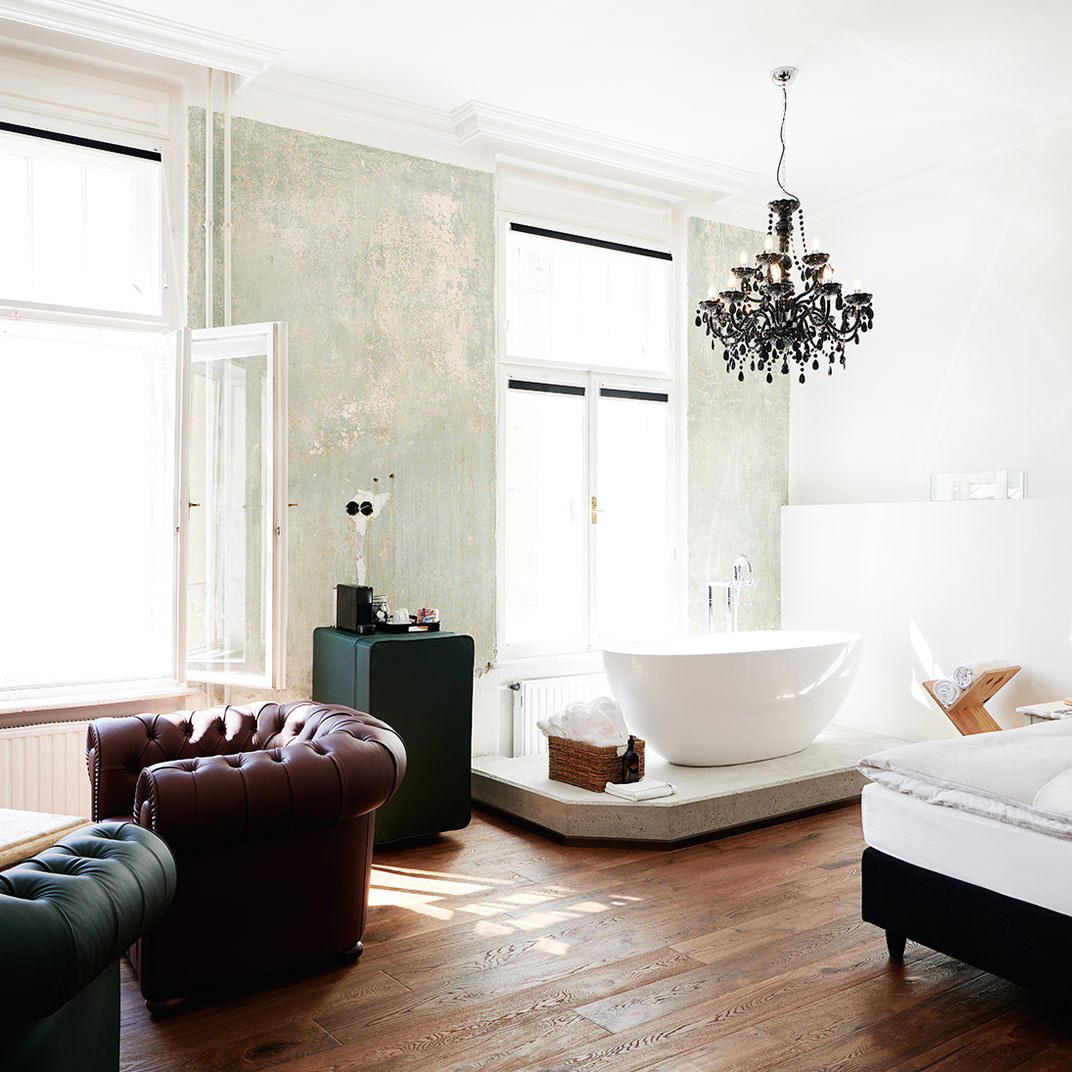
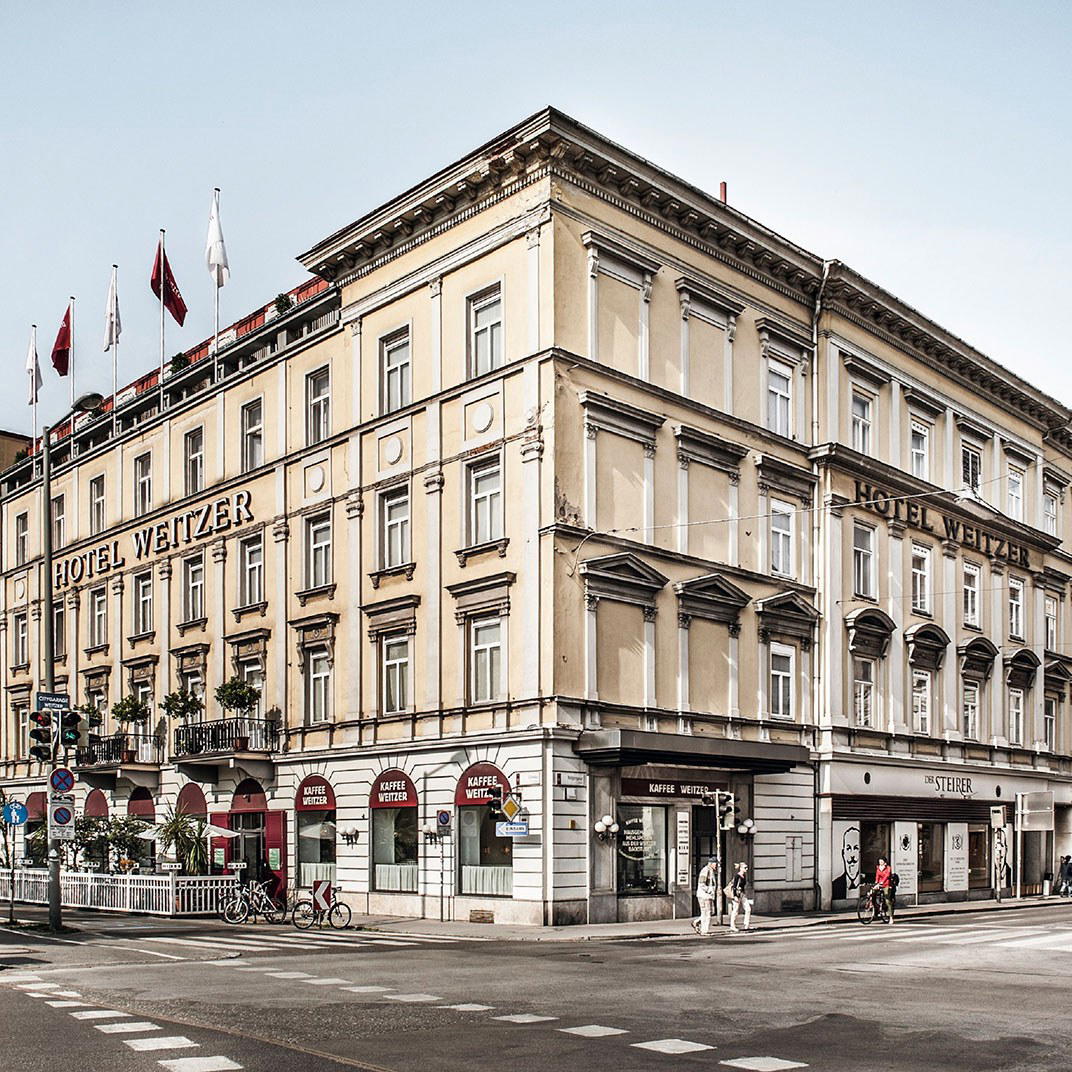
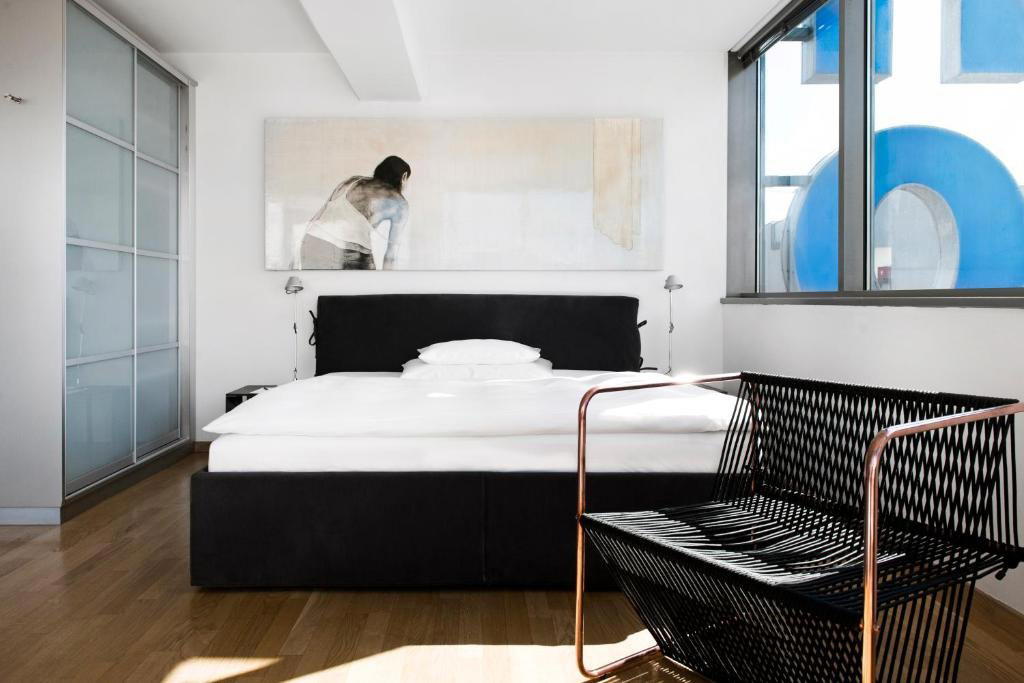


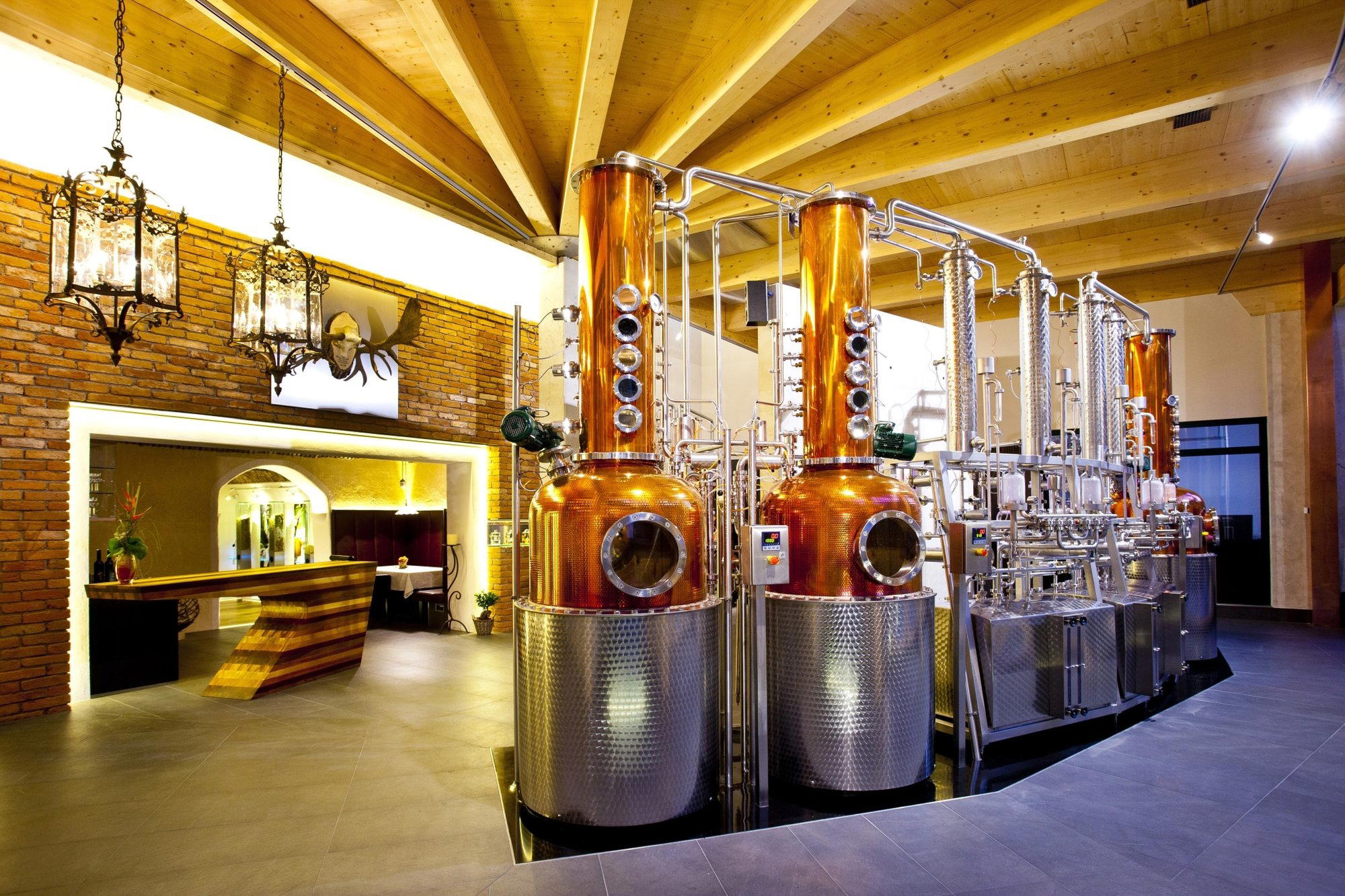
Trautentalwirt Gasthaus Rainer
The wine
- Extensive wine list
- Natural wine
Details
- Rustic
- Cozy
- Classic
- Family
- Group Dining
- Casual Hangout
- Historic Building
- Extensive Wine List
- Natural Wine
- Local Sourcing
- A La Carte
- Wine
- Beer
- Organic Focus
Current opening hours
- Monday
- 4–9 PM
- Tuesday
- Closed
- Wednesday
- Closed
- Thursday
- Closed
- Friday
- 11:30 AM–9 PM
- Saturday
- 11:30 AM–9 PM
- Sunday
- 9 AM–5 PM
Hours can change for holidays and private events. Hours as of .
Cozy rustic setting with traditional décor, quiet pleasant atmosphere, and invitingly set tables.