Trattoria Sofia
Trattoria Sofia occupies a quietly significant address in Houston's Heights neighborhood, where the city's appetite for Italian has shifted from red-sauce standards toward something more considered. The trattoria format, regional, unfussy, wine-forward, sits at the center of that evolution, placing Sofia in a conversation about what Italian dining in Houston now means at the mid-to-upper tier.
Pearl is the En Primeur Club membership app — saves, bookings, and concierge access live there. Same editors, same standards.
- Address
- 911 W 11th St, Houston, TX 77008
- Phone
- +17138040429
- Website
- trattoriasofia.com
- Directions
- Get directions
 Saves & bookings on Pearl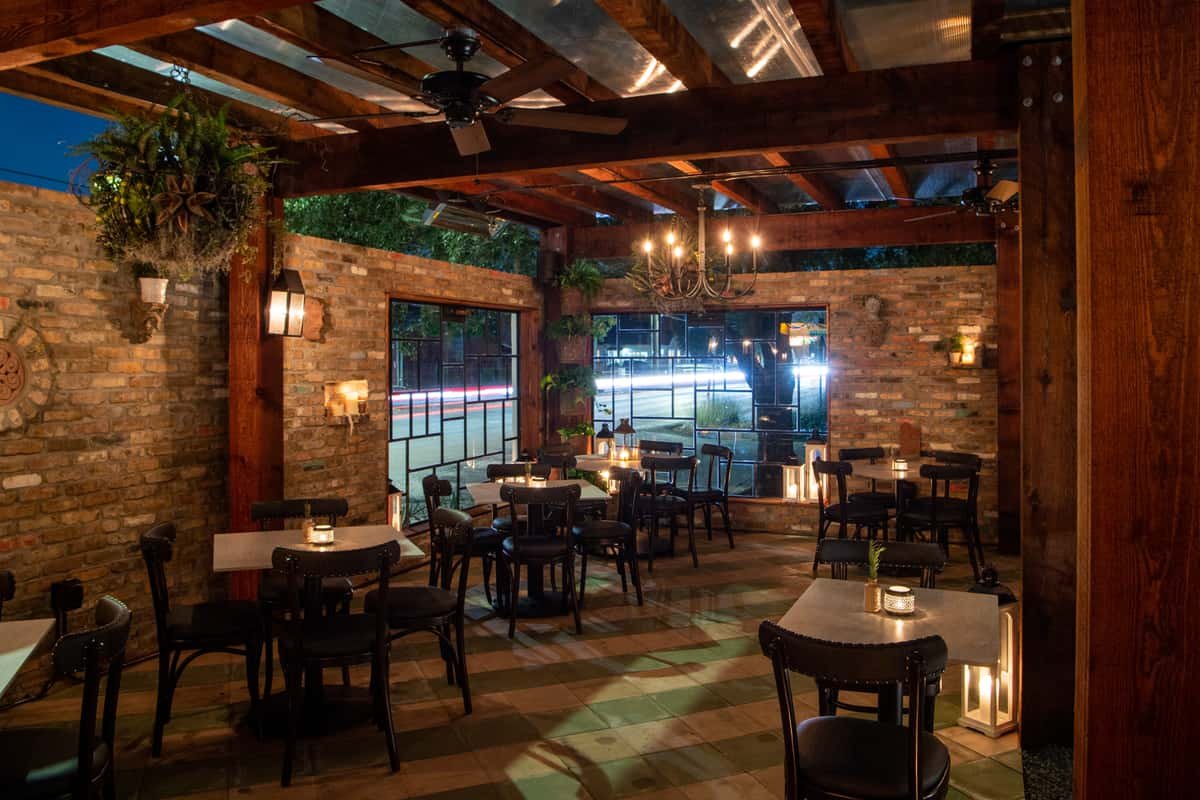
The Heights and the Trattoria Tradition
Houston's Heights neighborhood has undergone a sustained reshaping over the past decade, moving from a mix of bungalows and local diners toward a denser restaurant corridor with genuine culinary ambition. The stretch around 11th Street, where Trattoria Sofia sits at 911 W 11th St, reflects that transition: the block feels residential at street level, but the dining options within walking distance now draw from across the city. In that context, the trattoria format carries specific meaning. Unlike the fine-dining Italian model that defined Houston's earlier upscale Italian scene, the trattoria occupies a middle register: more relaxed than a ristorante, more committed than a casual pasta joint, and typically anchored by regional Italian cooking traditions rather than a fusion or contemporary reinterpretation.
That positioning matters in Houston, where Italian dining has fragmented into distinct tiers. At the leading, places like March operate in a Venetian-influenced fine-dining mode at a $$$$ price point, with the kind of format discipline and tasting structure that places them alongside national-tier venues such as The French Laundry in Napa or Alinea in Chicago. Below that, Houston's mid-range dining scene is active and competitive, with Tatemó and others demonstrating that serious technique no longer requires a tasting menu price tag. Trattoria Sofia operates in a register that sits between those poles: a neighborhood destination with the kind of consistency that generates regulars rather than one-time visitors.
Evolution at 11th Street
The trattoria category in American cities has itself evolved considerably. Through the 1990s and 2000s, the label often served as cover for Americanized Italian, heavy on cream and low on regional specificity. The shift that accelerated in the 2010s, driven partly by increased travel to Italy and partly by a generation of cooks trained in Italian regional kitchens, pushed trattoria formats toward something more grounded: shorter menus, producer-focused wine lists, and a preference for technique that honors rather than obscures the ingredient. Houston followed that national arc, and the Heights in particular became a testing ground for operators who wanted to pursue that more disciplined approach without the overhead of a downtown fine-dining address.
For Trattoria Sofia, the address on W 11th St places it within a neighborhood that has itself shifted its expectations. The Heights clientele now includes a significant number of regular diners who have eaten widely, traveled to Italy, and can distinguish between a carbonara made with guanciale and one assembled with approximations. That audience changes what a trattoria can and should do. It raises the stakes on sourcing, on pasta texture, and on the wine list's relationship to region. Venues that have tracked this shift in peer cities, Lazy Bear in San Francisco, for instance, illustrates how neighborhood-rooted formats can develop genuine critical standing without abandoning their local character, demonstrate that the neighborhood restaurant is not a lesser category but a different discipline.
Where Sofia Sits in Houston's Italian Scene
Houston's Italian dining options have expanded and stratified. At the formal end, the city's fine-dining Italian addresses compete for the same reservation-forward, occasion-dining customer. At the casual end, the pasta bar format has proliferated. The trattoria occupies a position that requires a different kind of trust: customers return regularly, which means the kitchen cannot rely on novelty. The comparison set for the restaurant is not March or the city's special-occasion Italian rooms, but rather the smaller, wine-forward neighborhood operators that have built loyalty through repetition and craft rather than spectacle.
That comparison is useful for understanding what Houston's Italian scene now asks of its mid-tier operators. Spanish cooking in the city, as seen at BCN Taste and Tradition, and Indian cuisine at Musaafer, have both demonstrated that Houston diners will commit to cuisines presented with regional seriousness. French fine dining, represented by Le Jardinier Houston, has similarly shown that the city sustains interest in European culinary traditions when executed with rigor. Italian at the trattoria level has its own version of that argument to make, and the venues that make it most convincingly are the ones that resist the temptation to expand the menu beyond what the kitchen can execute consistently.
Internationally, the trattoria benchmark remains high. In Hong Kong, 8 1/2 Otto e Mezzo Bombana has shown how Italian dining can achieve formal recognition outside Italy while maintaining regional integrity. In New Orleans, Emeril's illustrates the long-arc commitment required to maintain neighborhood institution status over decades. The restaurant's position in the Heights puts it in conversation with those questions, even at a smaller scale: what does it mean to run an Italian restaurant in an American city with enough discipline and longevity to matter beyond the opening year?
The Neighborhood as Context
The Heights, as a dining destination, rewards consistency over novelty. Unlike Houston's Midtown or Montrose, where higher foot traffic supports more experimental or high-turnover formats, the Heights restaurant economy depends on repeat visits from a relatively defined residential catchment. That dynamic suits the trattoria model: lower seat pressure per evening, longer relationships between kitchen and customer, and a wine list that can evolve through conversation rather than marketing. Venues that have succeeded in comparable American urban neighborhoods, from the farm-to-table formats that defined Brooklyn's restaurant corridor to the low-intervention wine bars of East Austin, share a commitment to the regular over the destination diner.
For diners considering the restaurant in the context of Houston's broader dining scene, the full picture is available in the Houston restaurants guide, which maps the city's dining neighborhoods and price tiers. For those tracking the national Italian conversation, venues like Providence in Los Angeles, Blue Hill at Stone Barns in Tarrytown, Addison in San Diego, The Inn at Little Washington, Atomix in New York City, and Le Bernardin in New York City anchor the high end of American fine dining, against which neighborhood trattoria formats define their own, distinct value proposition. Single Thread Farm in Healdsburg similarly demonstrates how regionality and sourcing discipline can anchor a restaurant's identity at any price point.
At-a-Glance Comparison
Comparable venues nearby, for context on price, style, and recognition.
| Venue | Cuisine | Price | Notes |
|---|---|---|---|
| Trattoria SofiaThis venue — the venue you are viewing | Rustic Italian Trattoria | $$$ | Not listed |
| Osso & Kristalla | Modern Italian Trattoria | $$$ | Downtown |
| Sorrento | Modern Creative Italian | $$$ | Montrose |
| Del Vista | Italian-Spanish Neighborhood Grill | $$$ | Briarmeadow |
| Warehouse 72 | Contemporary Italian & Mediterranean Bistro | $$$ | Spring Branch East |
| il Bracco | Modern Italian | $$$ | Galleria |
Continue exploring
More in Houston
Restaurants in Houston
Browse all →
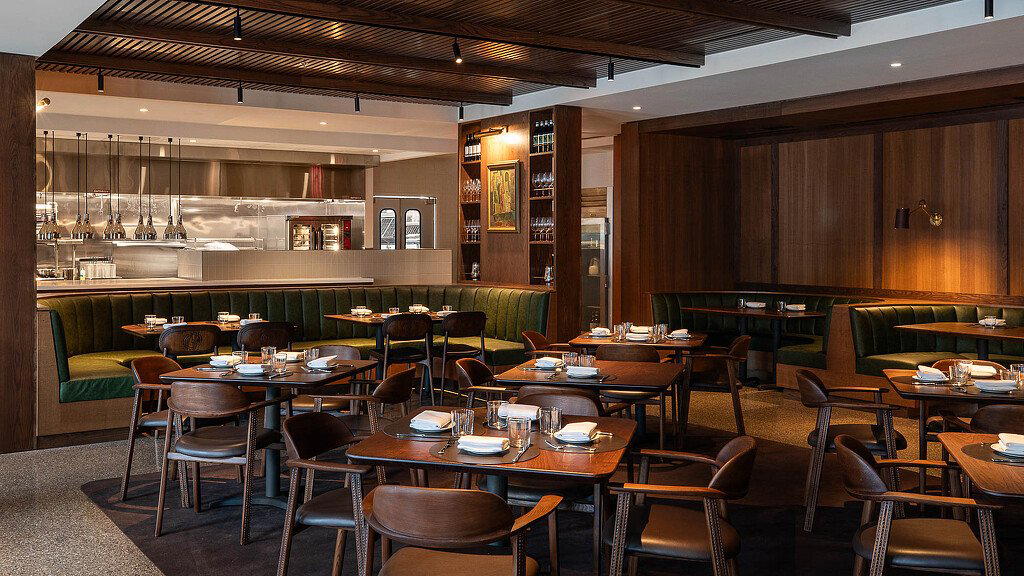
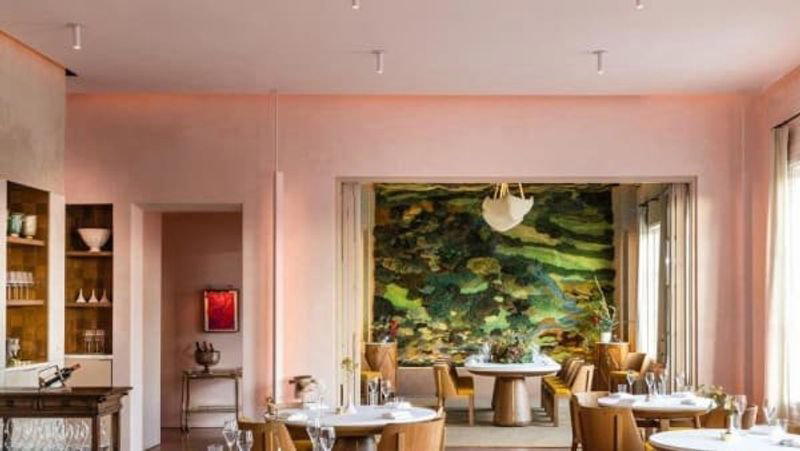
Bars in Houston
Browse all →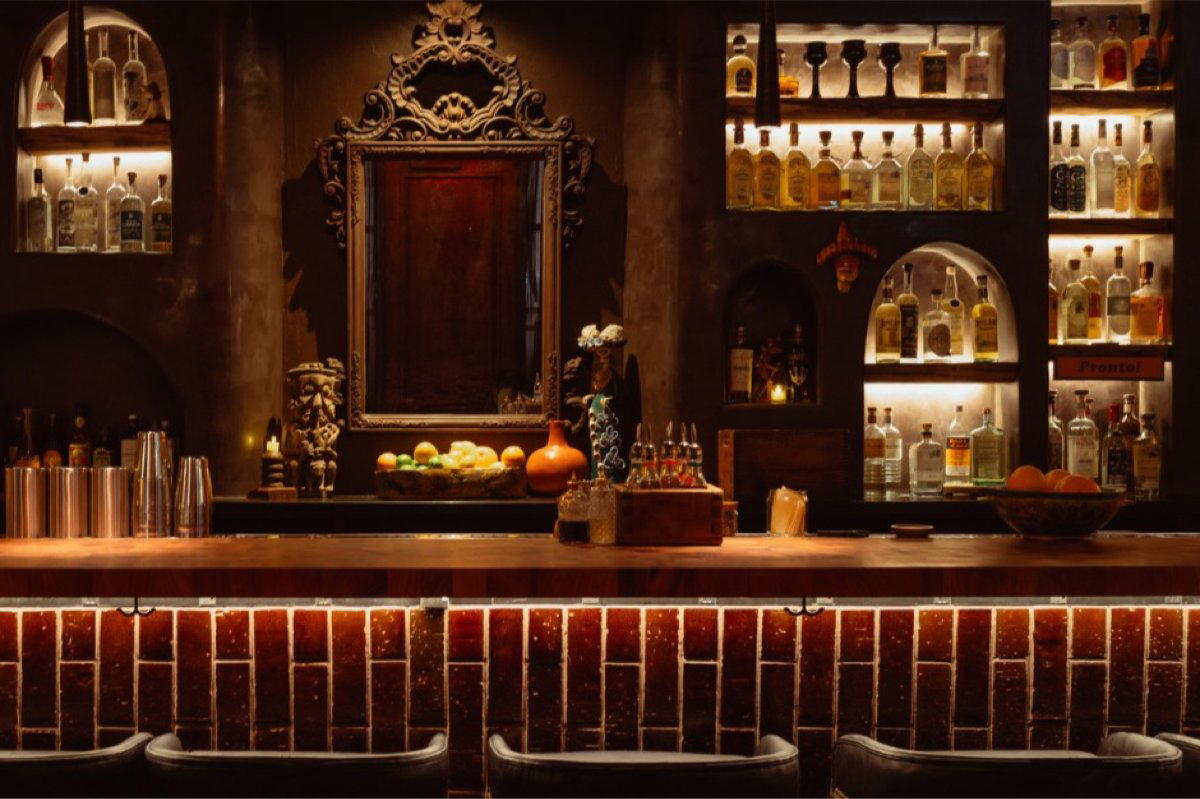
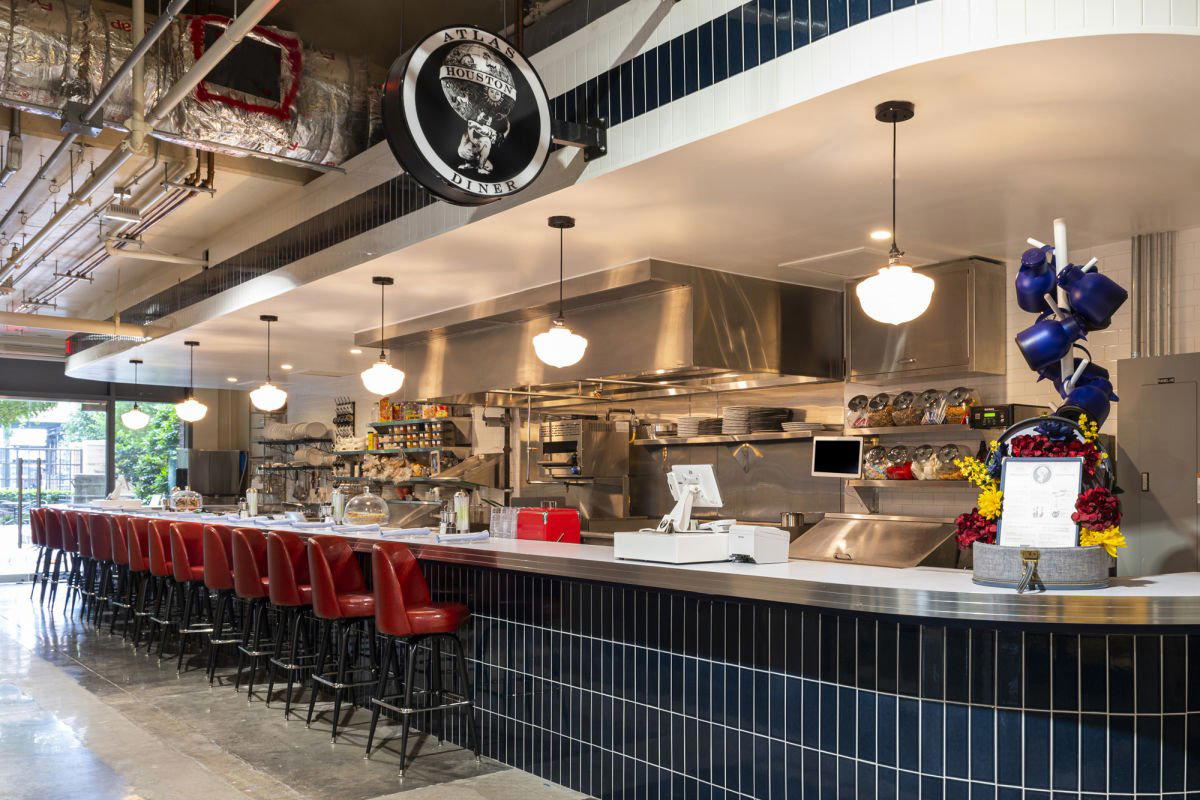
Hotels in Houston
Browse all →
At a Glance
- Romantic
- Intimate
- Cozy
- Rustic
- Elegant
- Date Night
- Special Occasion
- Terrace
- Extensive Wine List
Current opening hours
- Monday
- 4–9 PM
- Tuesday
- 4–9 PM
- Wednesday
- 4–9 PM
- Thursday
- 4–9 PM
- Friday
- 4–10 PM
- Saturday
- 4–10 PM
- Sunday
- 4–9 PM
Hours can change for holidays and private events. Last verified .
Charming dining room with a covered, climate-controlled terrace like a secret garden, offering a romantic and relaxing atmosphere with gentle fans.