Agnes and Sherman




Michelin Plate · James Beard Award Semi Finalist · Bon Appétit Best New Restaurant
Our verdict
Agnes and Sherman holds a 2025 Michelin Plate recognition for its Modern Asian American Diner format on Houston's 19th Street. The menu fuses Asian American and classic diner traditions into something the city's dining scene has few direct equivalents for: food that is simultaneously familiar and genre-resistant, grounded in an expansive vision of what American cuisine can be.

Pearl is the En Primeur Club membership app, where members save venues, book tables and use the concierge.
The menu
What to order
- Scallion waffles
- Salt and pepper chicken
- Taiwanese disco fries
Where the Diner Format Gets Rewritten
Houston's Heights neighbourhood moves at a different pace from the downtown dining corridor. West 19th Street, in particular, has developed a commercial strip character that rewards slower, repeat-visit dining rather than destination spectacles. It's the kind of block where a restaurant can build a neighbourhood following before the wider city catches up. Agnes and Sherman occupies that position, sitting at 250 W 19th St in a format that reads as approachable from the outside but reveals considerably more complexity once you're inside.
The concept belongs to a specific and growing current in American dining: the serious re-examination of the diner as a cultural form. Where much of Houston's Michelin-recognised dining, including March and Musaafer, operates at the formal end of the price and ceremony spectrum, Agnes and Sherman pitches itself at something more deliberately democratic. The 2025 Michelin Plate recognition signals that the quality is there without requiring the full formal apparatus that a star implies.
Asian American and Diner: Two Traditions, One Menu
The editorial framing of Agnes and Sherman's food matters here. This is not fusion in the apologetic, mid-2000s sense, where two cuisines negotiate an uneasy truce on a plate. The approach is more confident than that: it treats Asian American cooking and the American diner as parallel cultural forms that share more DNA than either usually acknowledges. Both emerged from immigrant practicality, both developed comfort-food vocabularies around affordable proteins and carbohydrate-rich sides, and both became embedded in local identity in ways that outlasted their origins.
What Agnes and Sherman does, by holding those two traditions in the same frame, is ask a reasonable question that most American dining sidesteps: if the diner is an American institution, and Asian American cooking is an American cooking tradition, why have they operated in separate categories for so long? Restaurants doing similar conceptual work, like Lazy Bear in San Francisco or Atomix in New York, approach the genre-expansion question from different angles but share the same underlying ambition: to reframe what American dining means rather than simply executing within existing parameters.
The Sourcing Question in a Diner Context
The ingredient sourcing question becomes interesting when applied to a diner-format restaurant. Classic American diner cooking was never precious about provenance: the point was volume, reliability, and speed, not single-origin anything. What happens when a kitchen takes diner food seriously enough to ask where its ingredients come from?
Houston's food-sourcing infrastructure is better placed to answer that question than most American cities. The Gulf Coast supply chain gives local kitchens access to shellfish, finfish, and crustaceans with short transit times and genuine seasonal variation. Texas's farming corridor, particularly for pork, beef, and vegetables, has developed a regional identity that more explicitly fine-dining restaurants like Le Jardinier Houston and BCN Taste & Tradition draw on regularly. A kitchen operating in the diner idiom can access the same regional supply chain, and when it does, the results pull the format into sharper focus: familiar structures built on better material.
Agnes and Sherman's menu description as "whimsical, nostalgic, and genre-defying" maps onto a sourcing sensibility that values the emotional resonance of comfort food while taking the ingredients seriously. The nostalgic dimension of diner food depends heavily on flavour memory, which in turn depends on ingredient quality. A properly sourced protein or a vegetable harvested at the right moment produces the sensory recognition that makes comfort food work. Cutting corners there produces food that looks familiar but tastes like an approximation. The Michelin Plate suggests the kitchen is not cutting corners.
Houston's Broader Argument About American Food
Agnes and Sherman's premise connects to a larger argument that Houston's dining scene has been making for some time. The city's demographic profile, with large Vietnamese, Chinese, Indian, and Central American communities all maintaining active food cultures, means that "American food" here has always been more plural than the national shorthand suggests. Tatemó's masa-focused Mexican, Musaafer's regional Indian cooking, and now Agnes and Sherman's Asian American diner format all pull in the same direction: toward a definition of American cuisine that reflects who actually lives here and what they have actually cooked.
This places Agnes and Sherman in interesting company nationally. Restaurants like Le Bernardin in New York or The French Laundry in Napa have spent decades arguing for European-rooted fine dining as the standard of American restaurant ambition. Agnes and Sherman is part of a different cohort that sees that as a narrowing rather than a standard. The comparison is not about prestige tiers; it's about the question each restaurant is trying to answer. Agnes and Sherman's answer is that American food is as plural as its population, and that a Michelin-recognised diner can be part of that argument.
Planning Your Visit
Agnes and Sherman sits in Houston's Heights, a neighbourhood with enough dining density that an evening can start or end elsewhere without much effort. The address on West 19th Street is accessible by car, and street parking in the Heights tends to be easier than in Montrose or Midtown. For a broader picture of where Agnes and Sherman sits in the city's dining sequence, the full Houston restaurants guide maps the scene by cuisine type and price tier. If you're building a longer stay, the Houston hotels guide, bars guide, wineries guide, and experiences guide cover the surrounding programme.
Contact the restaurant directly via their current listings for up-to-date availability. Given the Michelin Plate recognition in 2025 and the format's neighbourhood following, advance planning is advisable, particularly for weekend evenings.
Frequently asked questions
Has Agnes and Sherman won any awards?
Agnes and Sherman has received recognition including: Michelin Plate (2025); Agnes and Sherman is a Modern Asian American Diner in Houston, Texas, weaving together Asian American and Diner food genres into a menu that is whimsical, nostalgic, and genre-defying. It aims to deliver an inclusive ….
What part of town is Agnes and Sherman in?
Agnes and Sherman is located at 250 W 19th St A, Houston, TX 77008, Houston.
What's the best thing to order at Agnes and Sherman?
The menu operates in the space between classic American diner cooking and Asian American culinary reference points, so the most instructive approach is to order across both registers. The kitchen earned a 2025 Michelin Plate for its whimsical, genre-defying execution, which signals that dishes likely reward curiosity over comfort-ordering. Ask your server what bridges the two traditions most directly on the current menu.
Do I need a reservation for Agnes and Sherman?
Reservation policy isn't publicly confirmed, but a Michelin Plate recognition in 2025 tends to compress walk-in availability, particularly on weekend evenings in a neighbourhood as active as Houston's Heights. Contacting the restaurant directly at 250 W 19th St A before your visit is the safest approach.
At-a-Glance Comparison
| Venue | Cuisine | Price | Awards | Notes |
|---|---|---|---|---|
| Agnes and ShermanThis venue (the venue you are viewing) | Modern Asian American | $30–50 | Michelin Plate · James Beard Award Semi Finalist | Not listed |
| March | Modern Mediterranean Tasting | $200–300 | 1 Michelin Star · Star Wine List | Venetian |
| Musaafer | Modern Indian Fine Dining | $100–150 | 1 Michelin Star | Indian |
| Nancy's Hustle | Modern American Bistro | $50–100 | Michelin Bib Gourmand | Not listed |
| Hidden Omakase | Modern Japanese Omakase | $150–200 | Michelin Plate | Not listed |
| Theodore Rex | Modern American Small Plates | $50–100 | Michelin Bib Gourmand · Resy Best of the Hit List | Not listed |
Recognition history
Dated appearances from independent guides and award organizations, with the underlying list record or original source where available.
Michelin Plate
Michelin
James Beard Award Semi Finalist
James Beard Award
Bon Appétit Best New Restaurant
Bon Appétit
Eater Best New Restaurants
Eater
Full recognition history (5 entries)
James Beard Award Nominee
James Beard Award
Continue exploring
More in Houston
Restaurants in Houston
All restaurants in Houston →
Bars in Houston
All bars in Houston →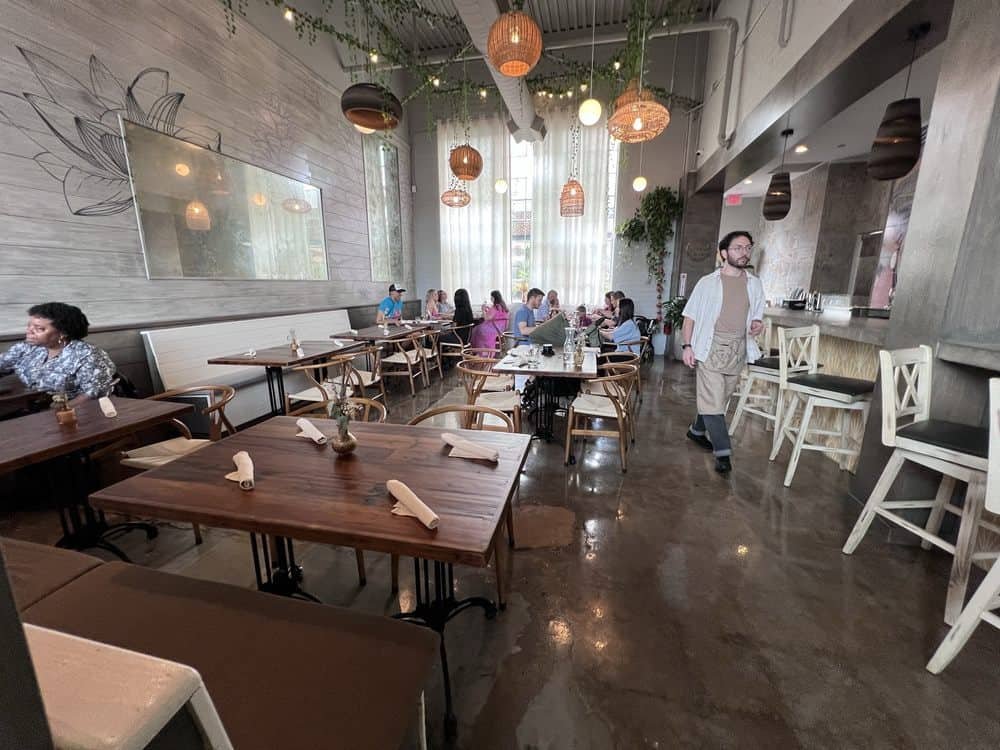

Details
- Cozy
- Modern
- Whimsical
- Lively
- Trendy
- Date Night
- Group Dining
- Family
- Brunch
- Casual Hangout
- Open Kitchen
- Craft Cocktails
- Zero Proof
- A La Carte
- Small Plates
- Family Style
- Cocktails
- Zero Proof
- Gluten Free Options
Current opening hours
- Monday
- Closed
- Tuesday
- Closed
- Wednesday
- 10:30 AM–2 PM, 5–10 PM
- Thursday
- 10:30 AM–2 PM, 5–10 PM
- Friday
- 10:30 AM–2 PM, 5–10 PM
- Saturday
- 10 AM–2 PM, 5–10 PM
- Sunday
- 10 AM–2 PM, 5–9 PM
Hours can change for holidays and private events. Hours as of .
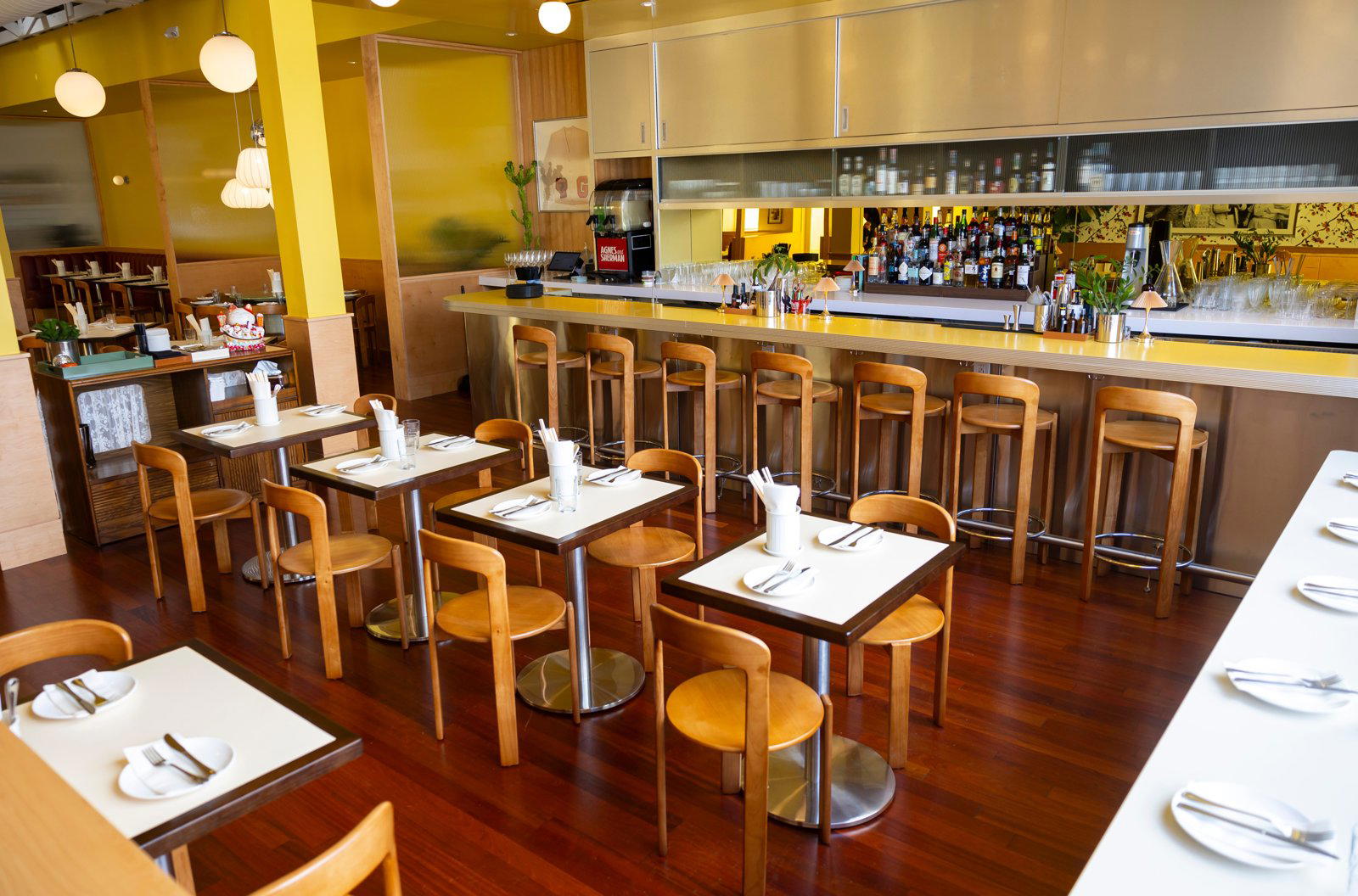
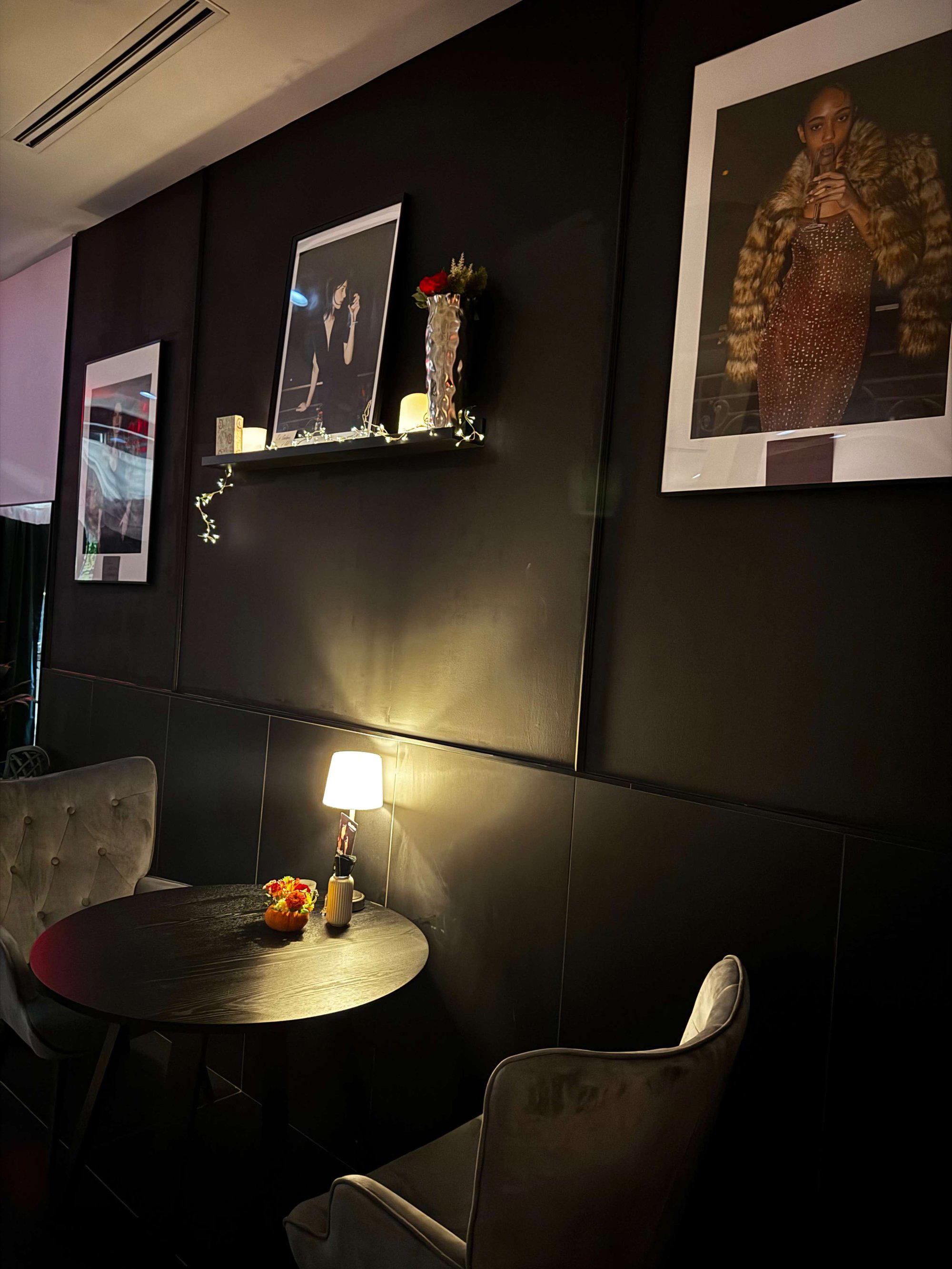
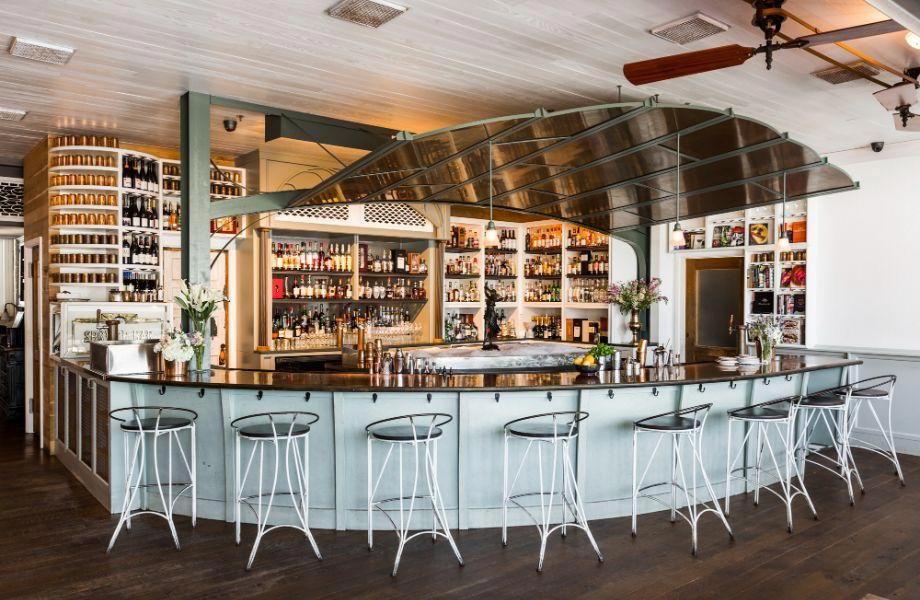
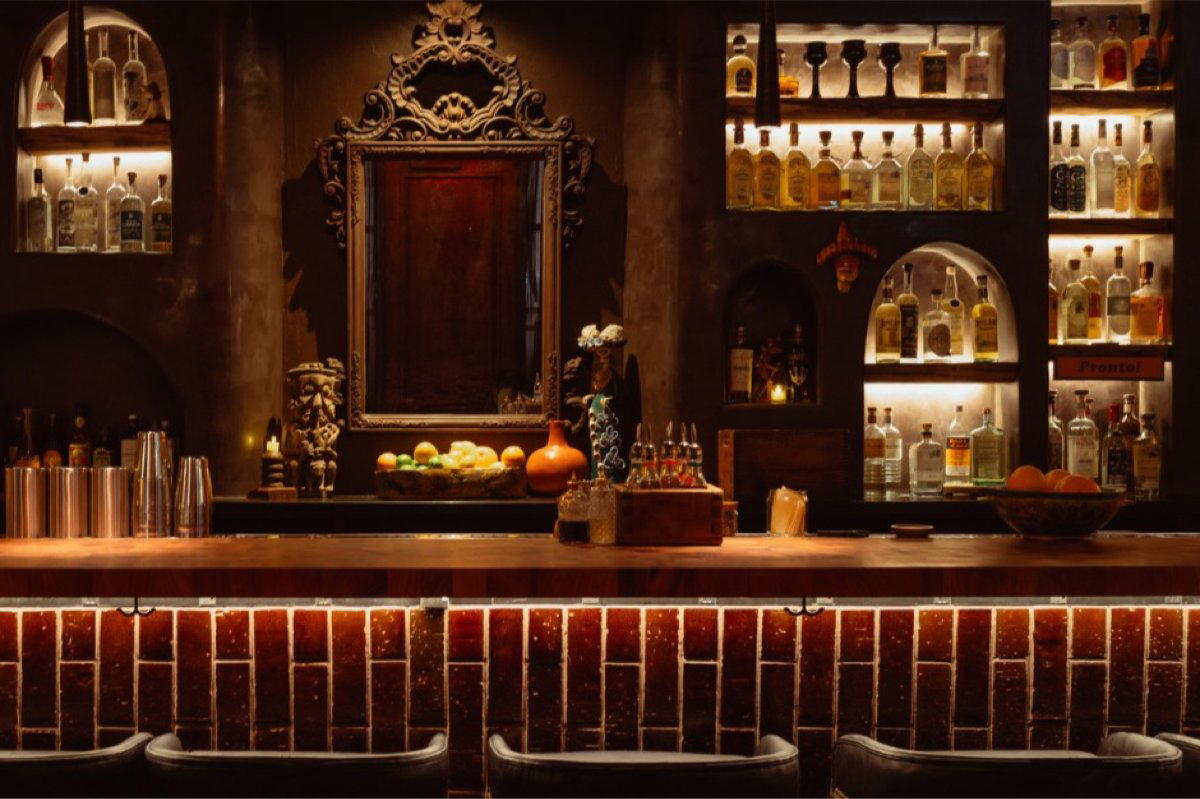
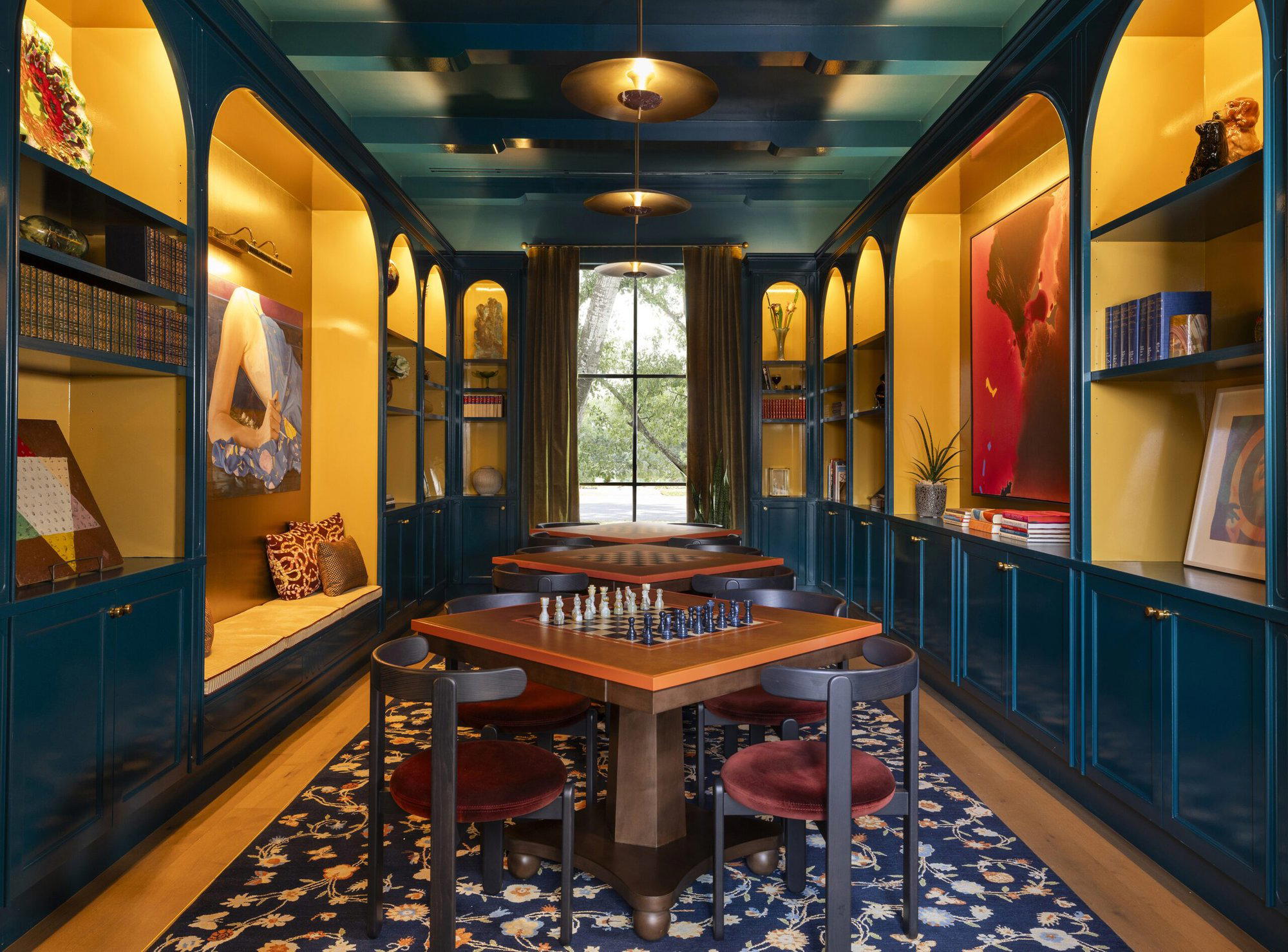
Modern cozy setting with cheerful lemon yellow high-ceilinged room, lively energy, and welcoming atmosphere.