Bungalow
At 407 Main St in downtown Houston, Bungalow occupies a corner of the city's bar scene that rewards those paying attention to where Downtown's drinking culture is heading. The address alone places it inside a neighborhood undergoing steady redevelopment, and the venue's positioning within that shift gives it a relevance that extends beyond a single visit.

Pearl is the En Primeur Club membership app — saves, bookings, and concierge access live there. Same editors, same standards.
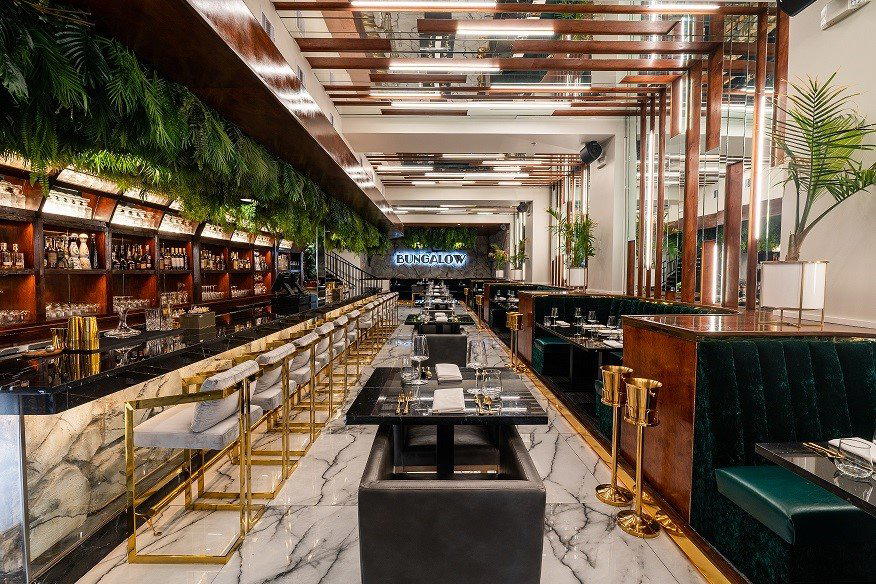
Downtown Houston's Bar Scene, and Where Bungalow Fits
Downtown Houston has spent the better part of a decade sorting itself out. The blocks around Main Street have cycled through phases: the early light-rail optimism, the mid-decade office boom, the pandemic-era contraction, and now a quieter, more considered resurgence anchored by residents rather than office commuters. The bars that have found traction in this environment tend to share a common trait: they don't rely on foot traffic from a passing crowd. They build a reason to travel to them.
Bungalow is a bar at 407 Main St in Houston, and it sits inside that dynamic. The address is not incidental. Main Street in the 77002 zip code runs through the heart of the Theater District and the outer edge of the Historic District, two zones that generate foot traffic in concentrated bursts rather than steady flows. A venue at this address has to earn its audience on its own terms rather than borrowing energy from a perpetually busy street.
For context on how Houston's better bars position themselves, consider that Julep built its following in the Heights on a clear spirits program and a defined point of view on Southern drinking culture. Bandista carved out a different niche on the edge of Midtown. Neither succeeded by being convenient. Both succeeded by being specific. Downtown entrants face the same test, and the bars that pass it tend to have something to say about what they serve and why.
The Physical Address as Editorial Statement
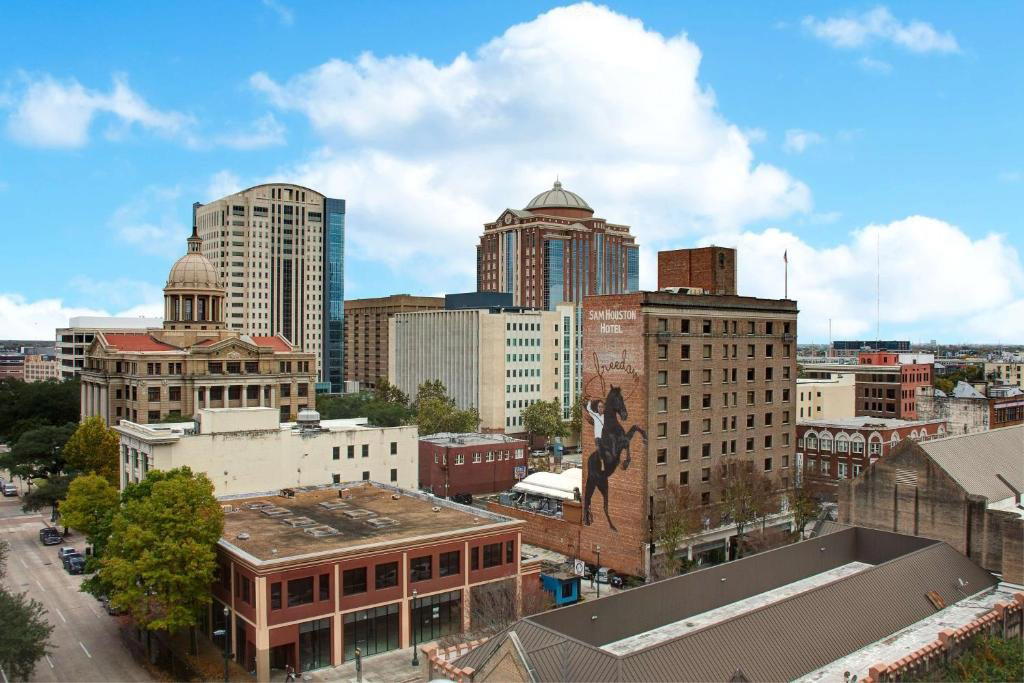
Walking toward a venue on Main Street in this corridor, the surrounding architecture does some of the storytelling for you. The blocks between the Theater District and the older commercial buildings along lower Main carry a particular weight: ornate facades from the 1920s and 1930s standing alongside parking structures and ground-floor retail that has changed tenants multiple times in the past decade. It is a neighborhood that is legible as a neighborhood, with enough history visible in the streetscape that a bar choosing to open here is implicitly in conversation with that context.
The leading bars in this kind of environment tend to acknowledge the setting rather than ignore it. Across American cities, the most durable downtown bar concepts have learned that the physical environment is part of the offer. Jewel of the South in New Orleans leans into its French Quarter address as an argument for classical cocktail craft. Allegory in Washington, D.C. uses its hotel lobby position to frame an elaborate narrative program. The address is never neutral.
Ingredient Sourcing as a Signal of Seriousness
Across the broader American craft bar movement, the shift toward ingredient transparency has become one of the more reliable ways to distinguish programs that are genuinely considered from those that are surface-level. Bars that name their citrus source, specify their ice program, or rotate their fresh herb suppliers according to season are making an argument about what the drink actually is. It is not a marketing position; it is a production decision with taste consequences.
Houston's geographic position gives any serious bar program an unusual set of options. The Gulf Coast proximity means access to a citrus-growing belt that includes Texas Ruby Red grapefruit from the Rio Grande Valley, one of the few PDO-adjacent fruit designations in American agriculture. The Hill Country, three hours west, produces honey, herbs, and increasingly, spirits. The vegetable farms in the surrounding counties supply Houston's restaurant scene with ingredients that, when they make their way into a bar's fresh-juice or shrub program, carry a provenance that matters to the drink's outcome.
Bars operating in this tier nationally, from Kumiko in Chicago to ABV in San Francisco, have demonstrated that a sourcing-led approach to a bar menu is not a niche affectation. It is a program decision that affects balance, seasonality, and the reason a menu changes. When Bar Leather Apron in Honolulu or Superbueno in New York City builds around local and regional sourcing, the drinks that result are not interchangeable with the same cocktail made from shelf-stable mixers. The ingredient is the argument.
Houston's bar scene has generally trailed its restaurant scene in making this argument explicit. The city's food culture, shaped by its size, its immigrant communities, and its proximity to both the Gulf and the border, has long prioritized freshness as a baseline rather than a selling point. The better bars are beginning to apply the same logic to their programs, and the addresses along Main Street and the surrounding blocks are where that shift is most visible.
Within Houston's downtown drinking options, the competitive reference points are worth mapping. 1100 Westheimer Rd operates in Montrose, a neighborhood with a denser residential base and a bar scene that runs deeper. 13 Celsius has built a specific identity around wine and a slower pace that suits its address. These are bars with defined positions in Houston's drinking map. Downtown operates with a different set of constraints: more variable foot traffic, a customer base that skews toward people who have chosen to be in the area rather than people who live nearby.
The bars that work in this environment tend to offer something that justifies the decision to go downtown specifically. That is a higher bar than it sounds. Houston's sprawl means that a resident choosing between a neighborhood bar and a downtown option is making a genuine calculation about drive time, parking, and purpose. The venues that win that calculation consistently are the ones with a clear offer: a program, a room, an atmosphere that cannot be replicated in a strip mall three miles away.
Internationally, the pattern holds. The Parlour in Frankfurt on the Main operates in a city-center context where the venue's specificity is what makes it worth the trip. The logic transfers directly to Houston's downtown, where the distance-to-purpose ratio is steeper but the reward for a bar that gets it right is a loyal audience that travels to it.
Planning a Visit
Bungalow is located at 407 Main St in downtown Houston, accessible via the METRORail Red Line with a stop on Main Street within walking distance of the address. Downtown Houston parking is available in several structures along Main and adjacent streets, with rates that vary by time of day.
At-a-Glance Comparison
Comparable venues nearby, for context on price, style, and recognition.
| Venue | Cuisine | Price | Notes |
|---|---|---|---|
| BungalowThis venue — the venue you are viewing | cocktail_bar | $50–100 | Not listed |
| Hotel Granduca | hotel_bar | Not listed | Afton Oaks |
| Bar Buena | mezcaleria | $30–50 | Neartown |
| La Fisheria | cocktail_bar | $30–50 | Downtown |
| Oporto Fooding House & Wine | wine_bar | $30–50 | Midtown |
| Houston Watch Company | cocktail_bar | $30–50 | Downtown |
Continue exploring
More in Houston
Bars in Houston
All bars in Houston →
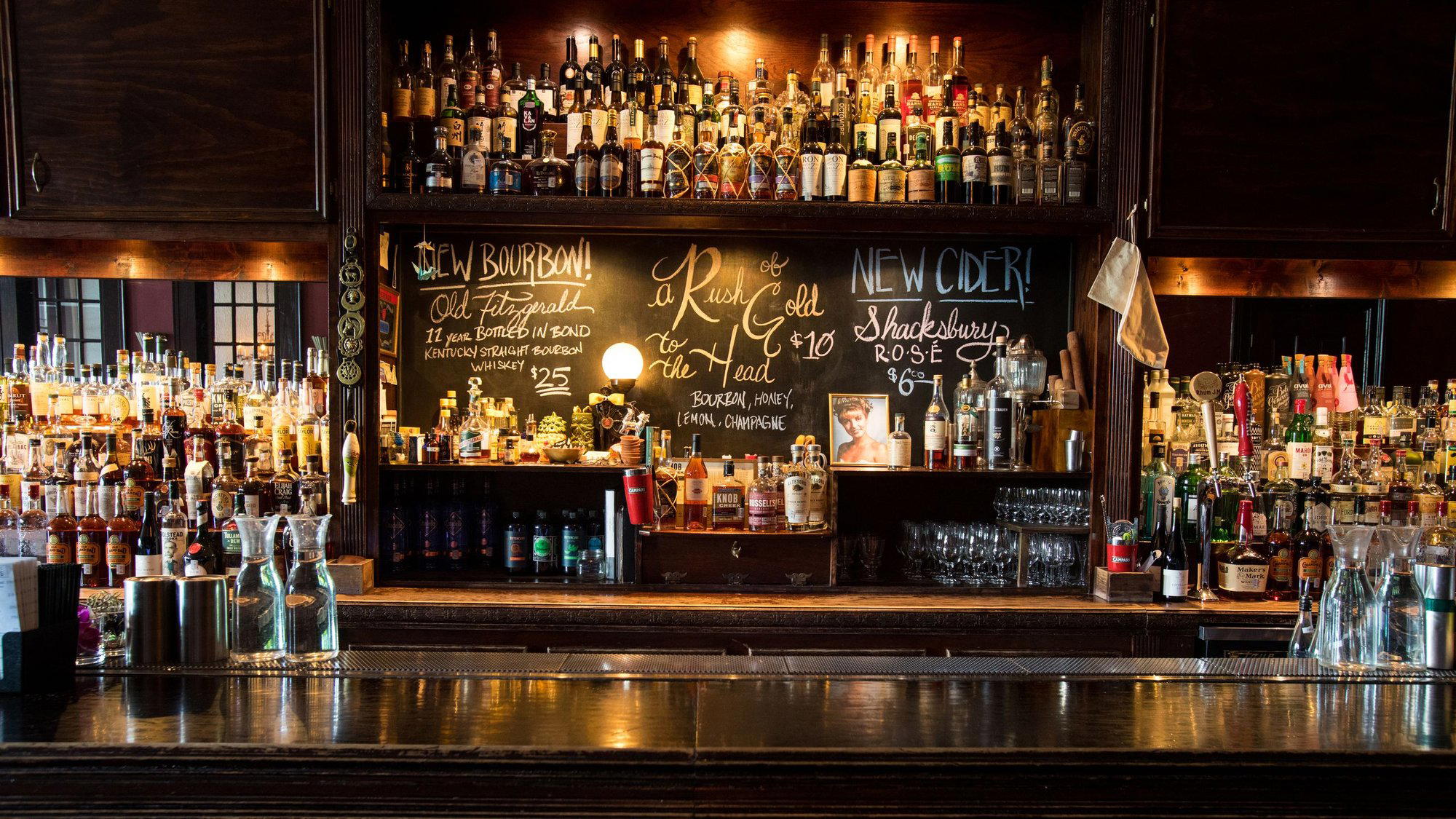
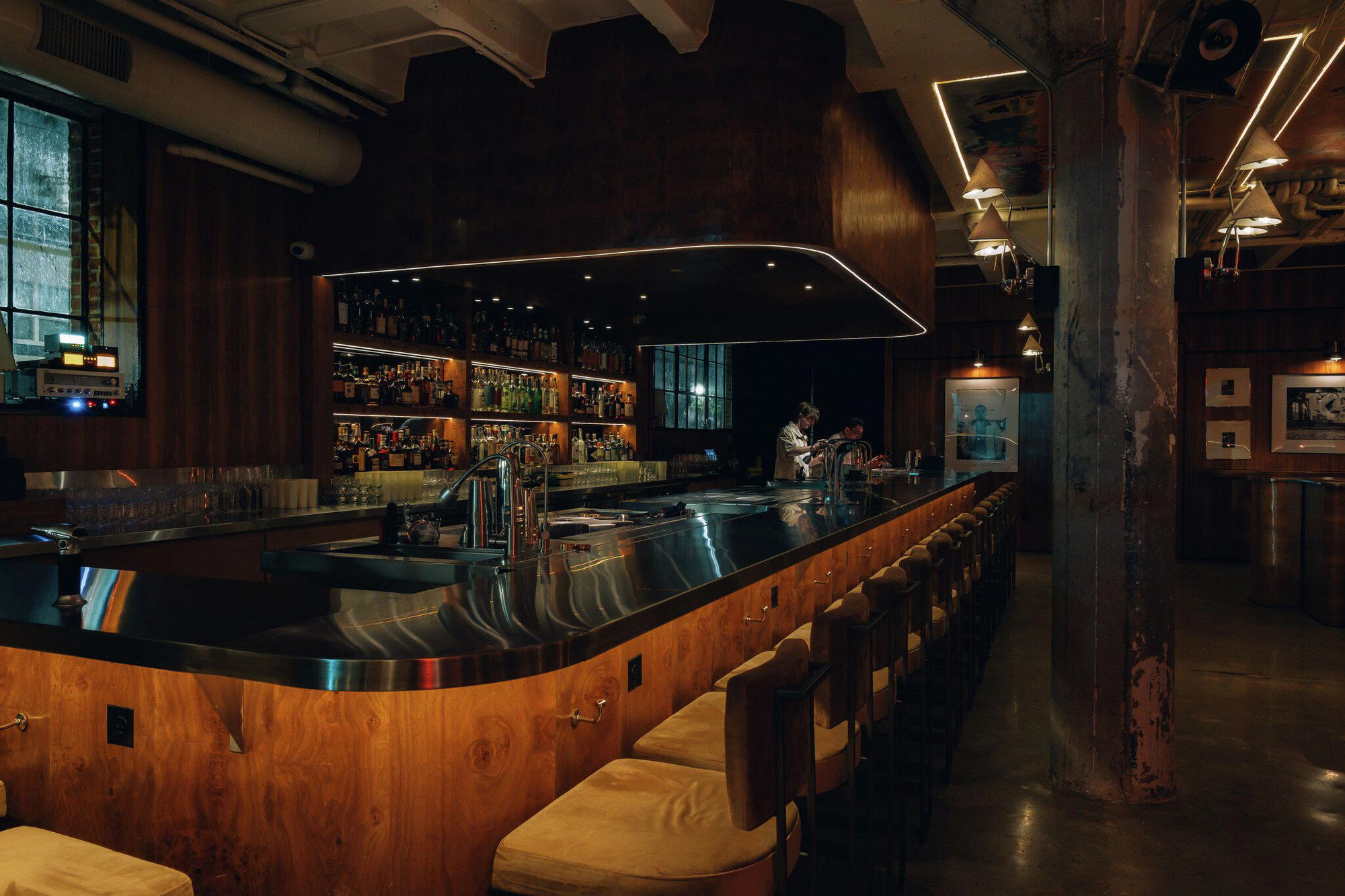
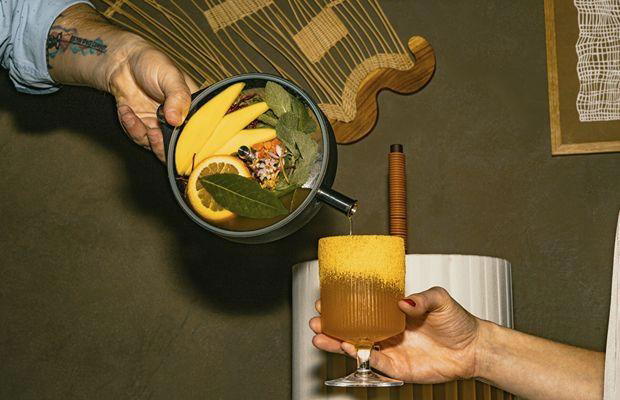
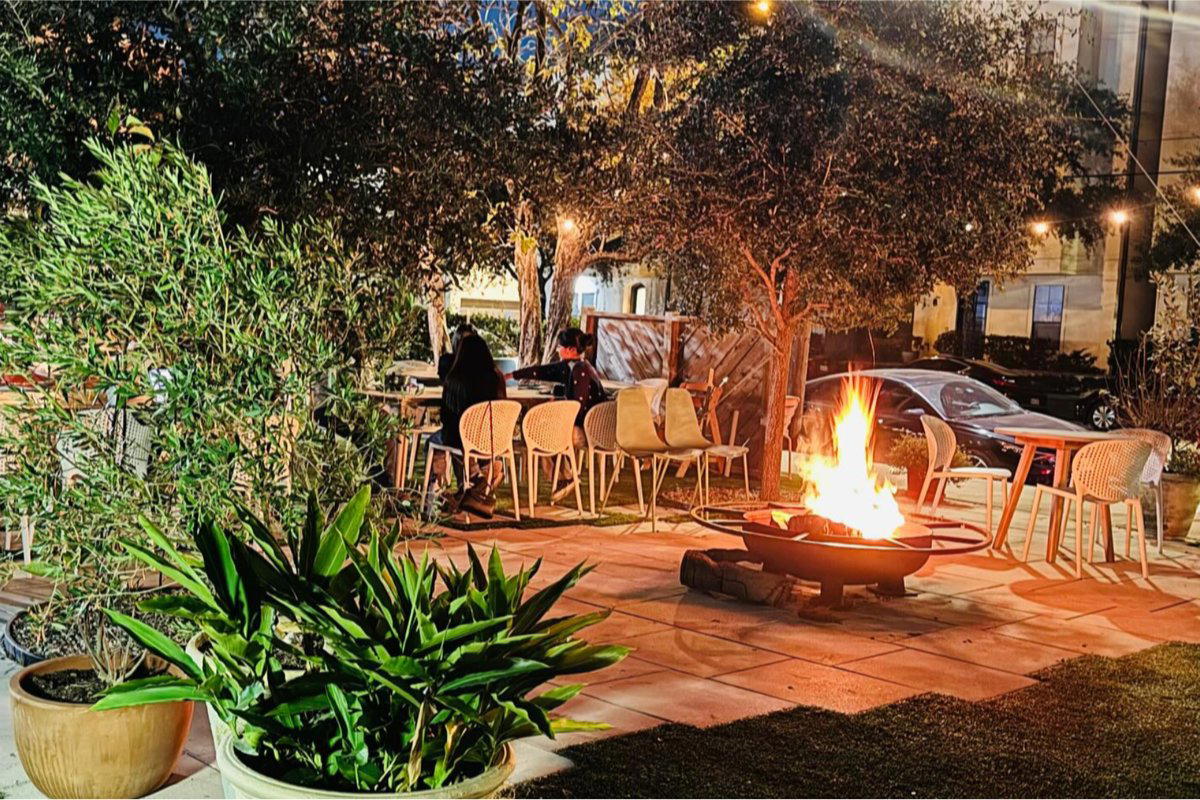
Restaurants in Houston
All restaurants in Houston →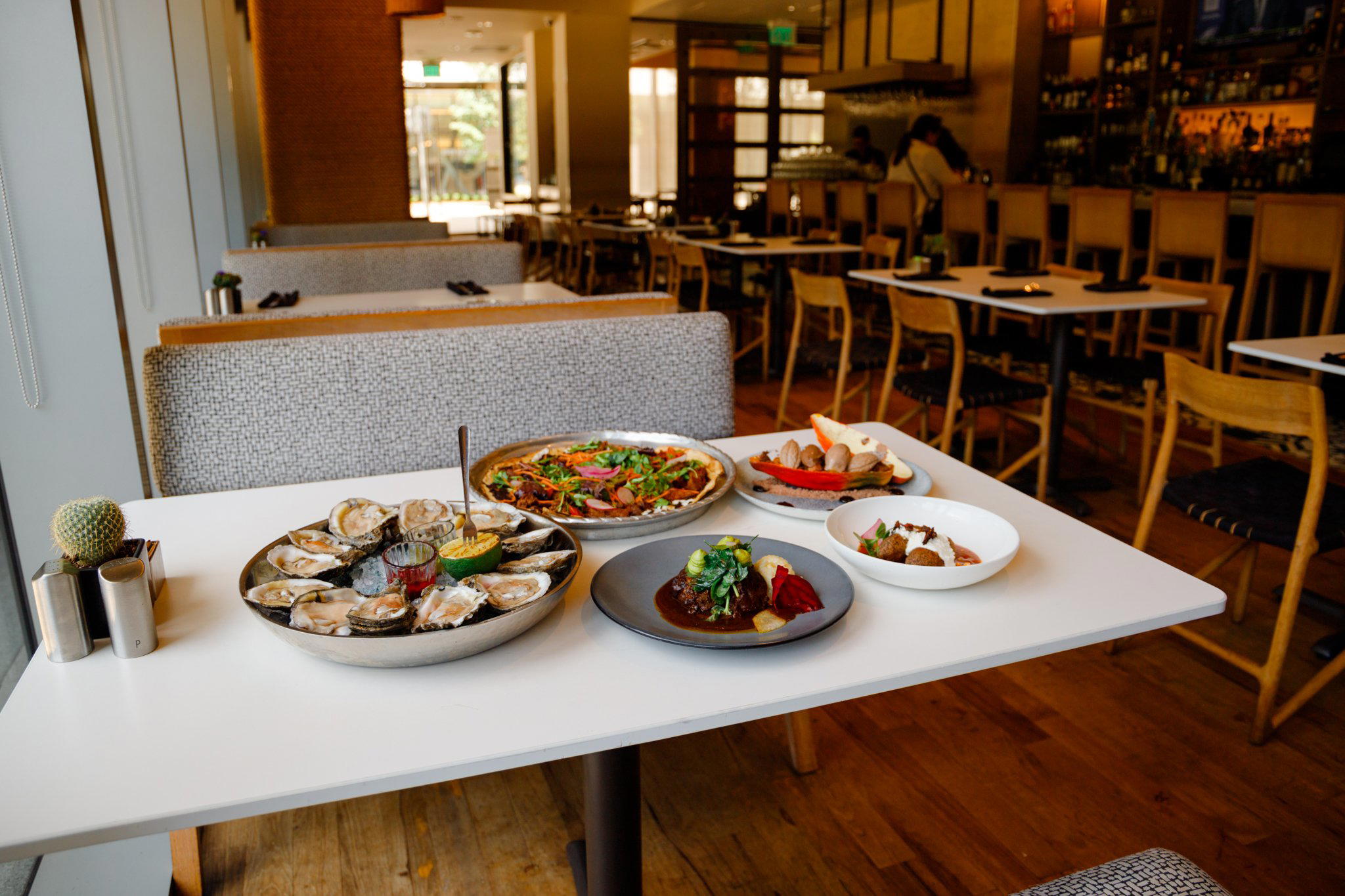
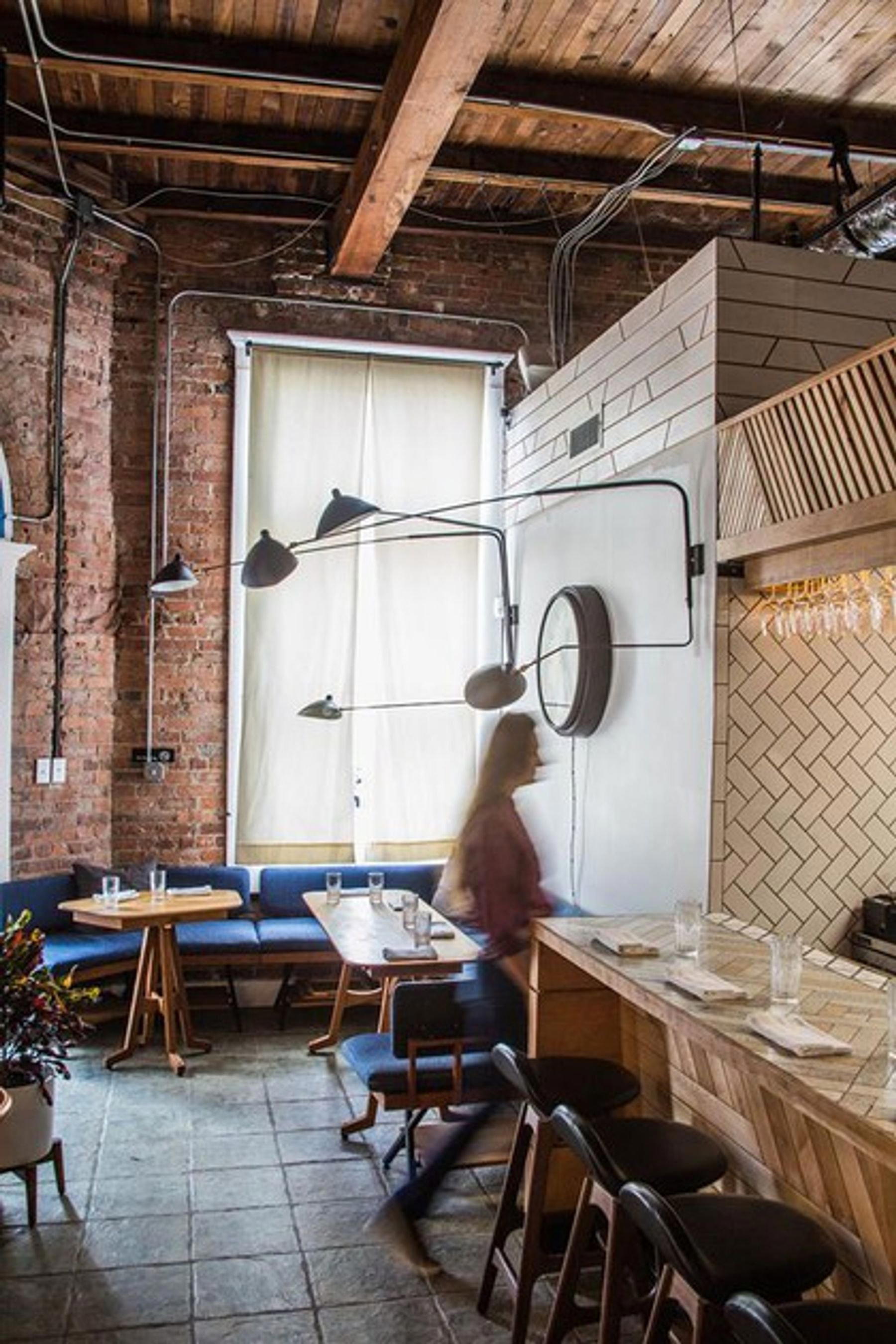
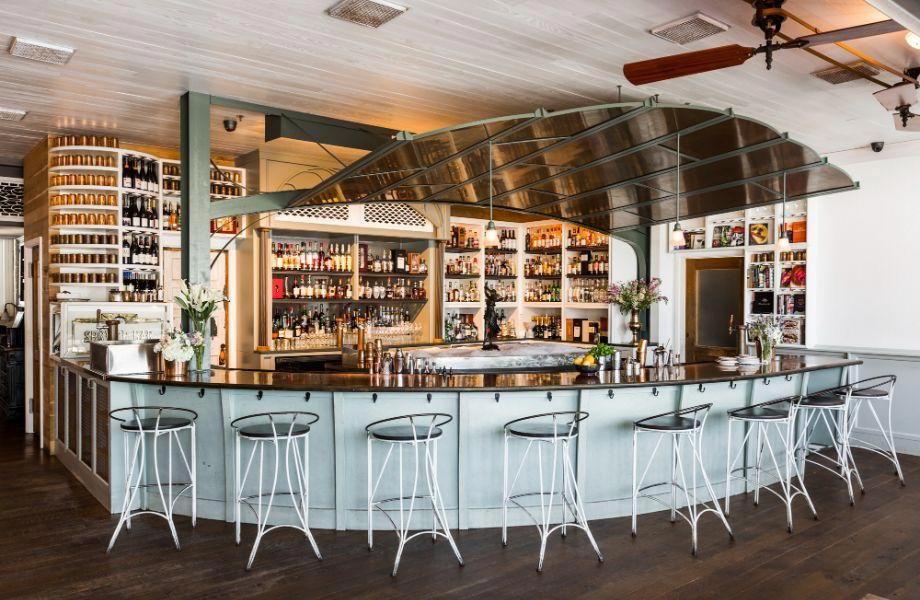
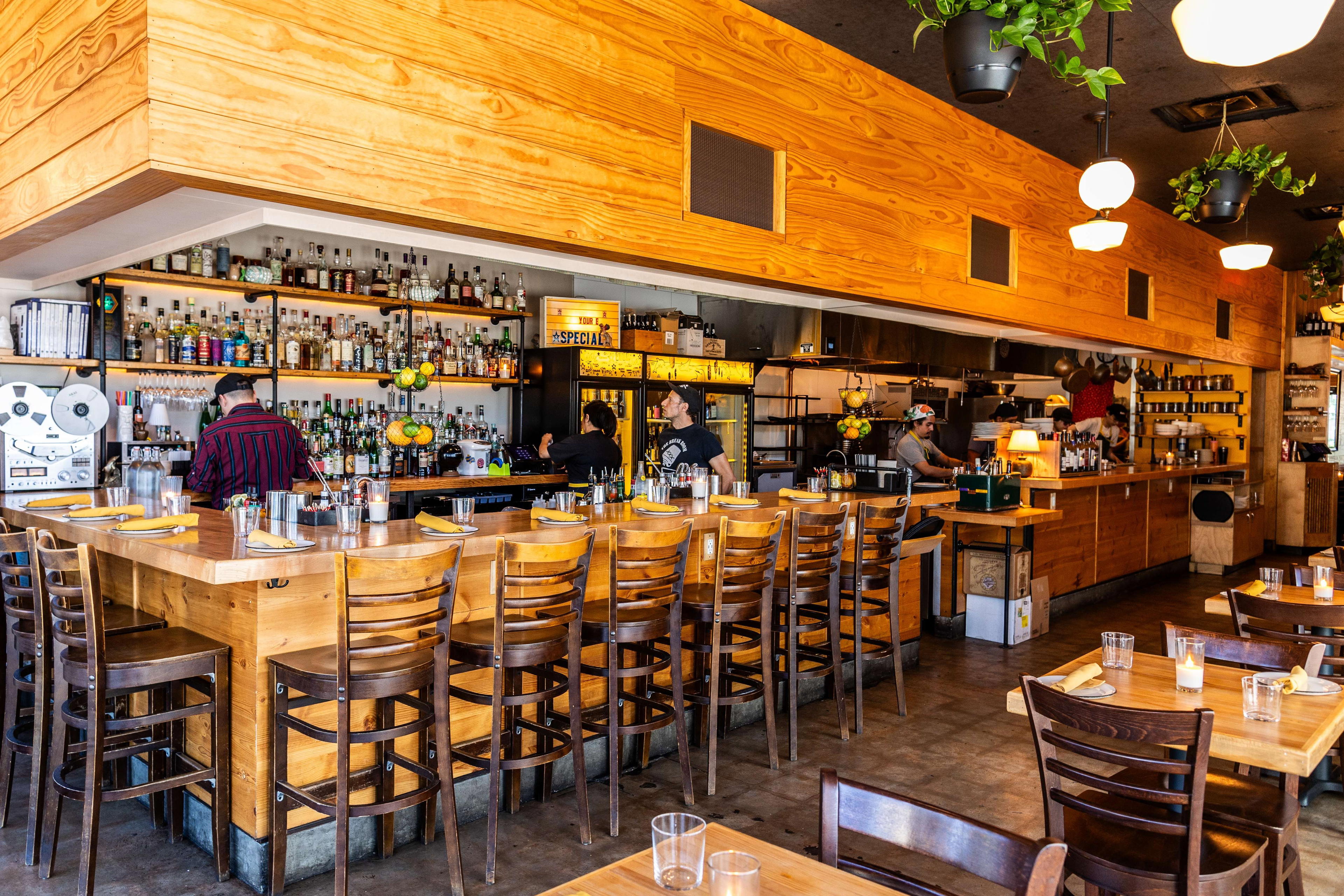
Bungalow
The wine
- Wine program
- Curated wine list
- Craft cocktails
- Classic cocktails
Signature drinks: Blackberry Bramble, Lemon Drop, Margarita, Side Car, Old Fashioned.
Details
- Elegant
- Energetic
- Sophisticated
- Ornate
- Date Night
- Celebration
- Special Occasion
- Group Outing
- After Work
- Rooftop
- Panoramic View
- Design Destination
- Seated Bar
- Booth Seating
- Private Rooms
- Outdoor Terrace
- Lounge Seating
- Craft Cocktails
- Classic Cocktails
- Conventional Wine
- Skyline
Current opening hours
- Monday
- 4–11 PM
- Tuesday
- 4–11 PM
- Wednesday
- 4–11 PM
- Thursday
- 4–11 PM
- Friday
- 4 PM–12 AM
- Saturday
- 11 AM–12 AM
- Sunday
- 11 AM–11 PM
Hours can change for holidays and private events. Last verified .
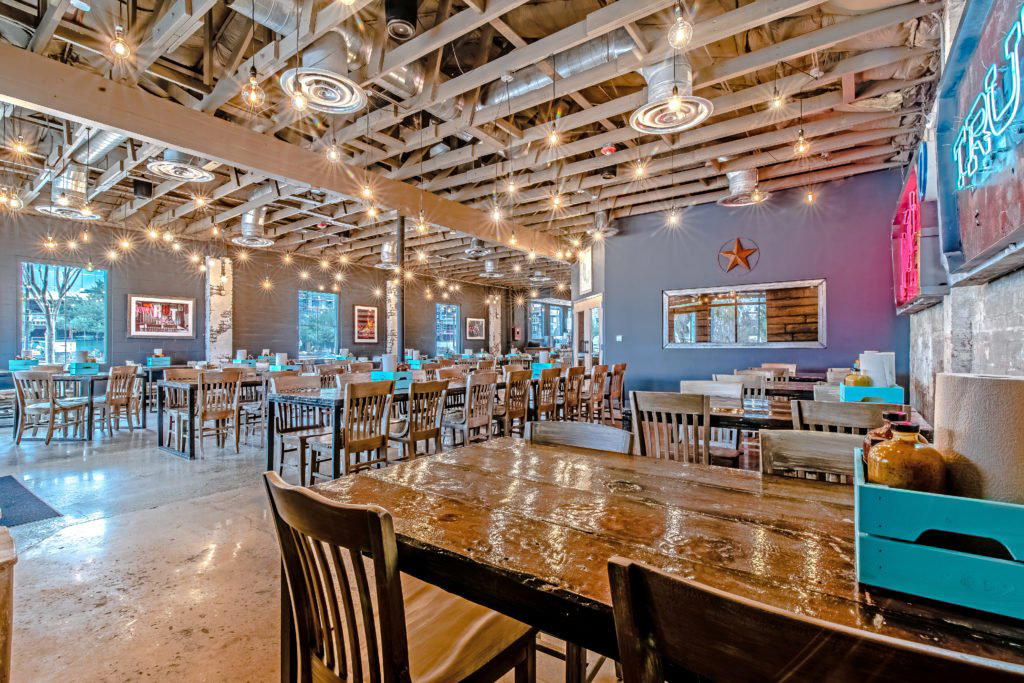
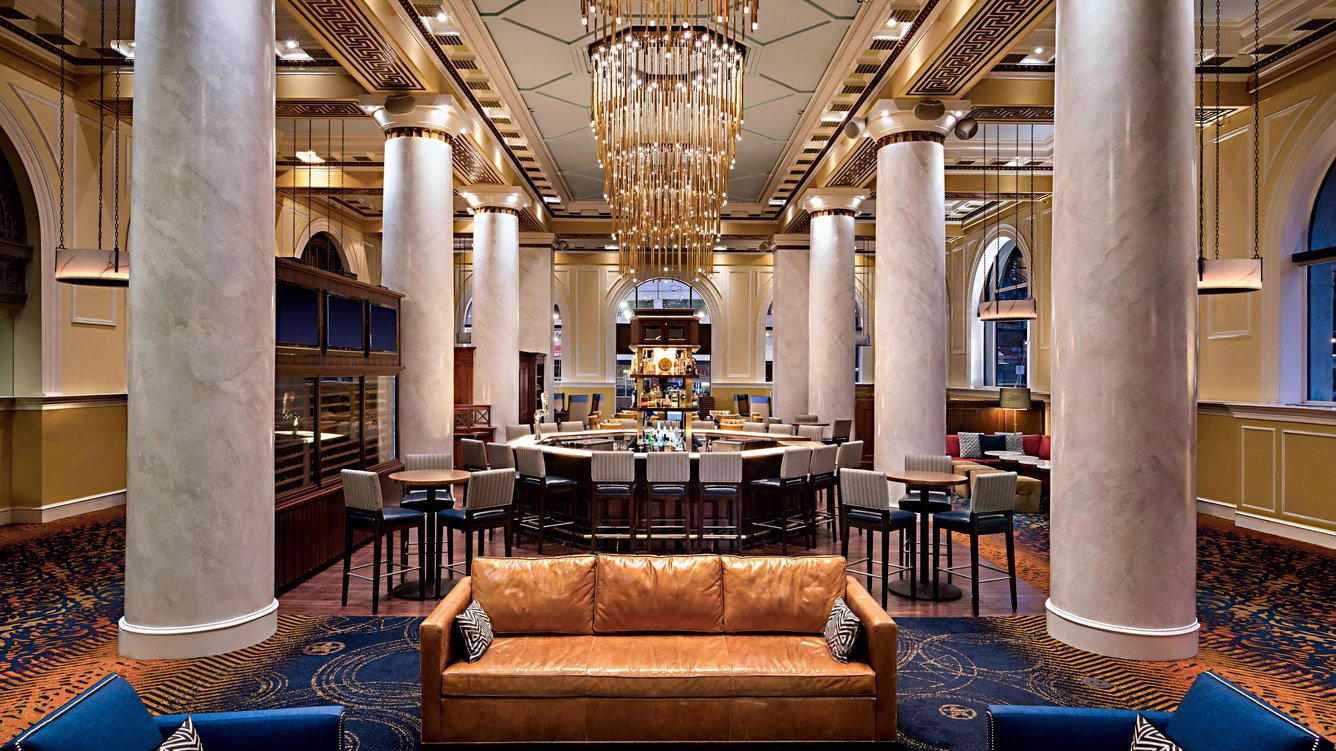
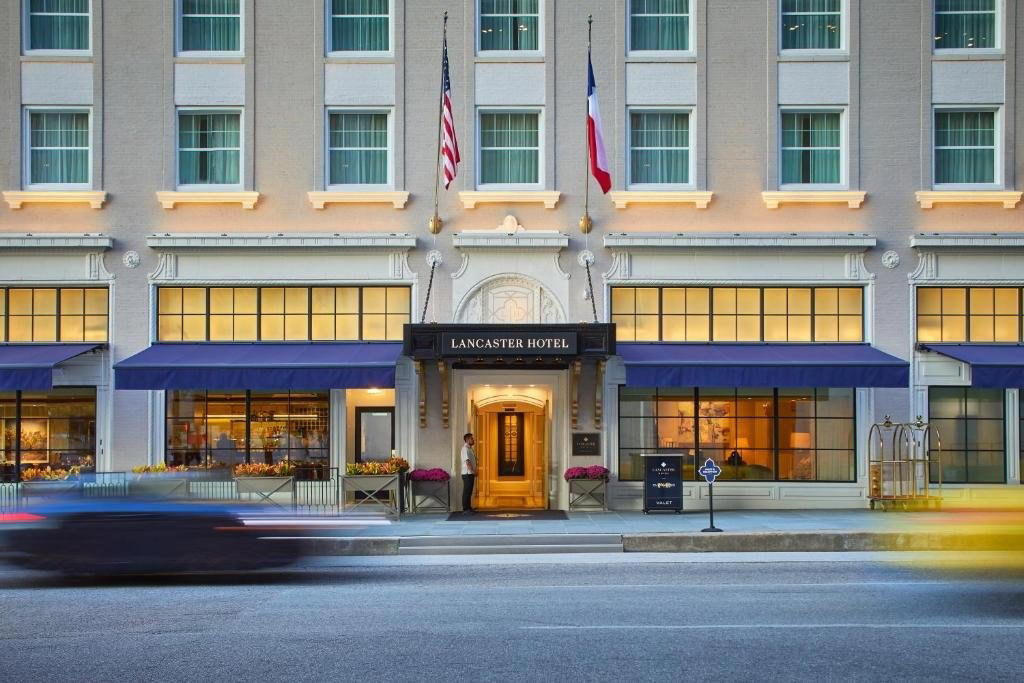
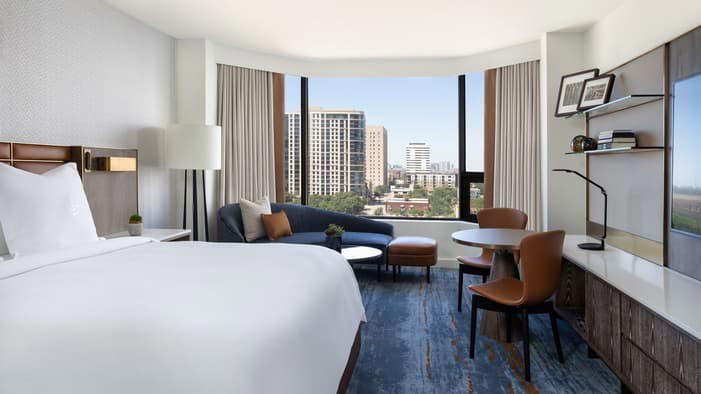
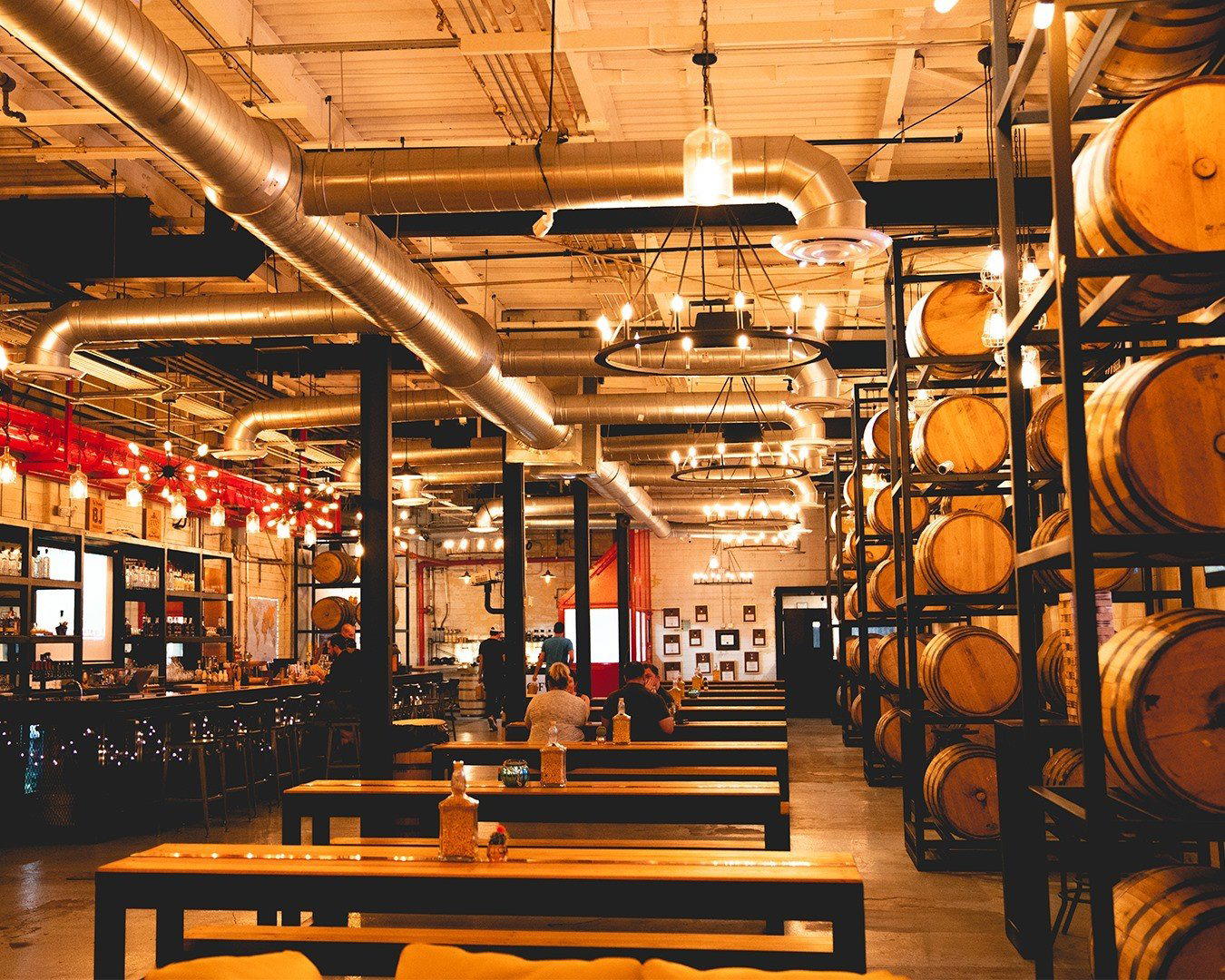
Luxurious and refined with marble-tiled lobby, velvet booths, and high-energy bar atmosphere; sophisticated yet lively with multiple intimate spaces designed for polished dining experiences.