il Bracco
Our verdict
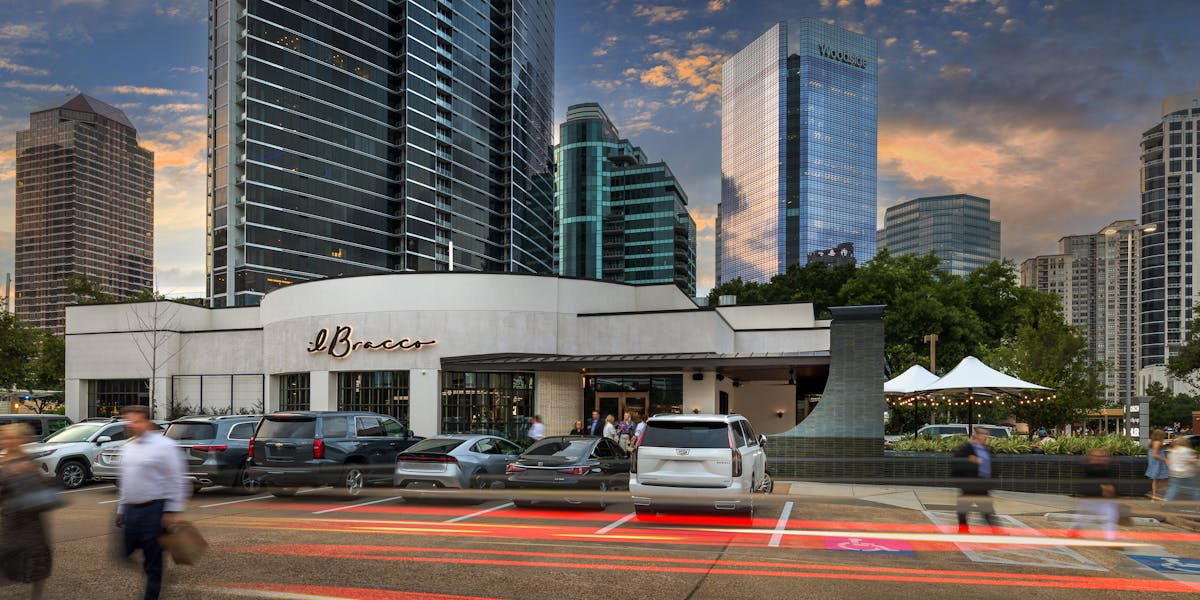
il Bracco occupies a Post Oak Boulevard address that places it squarely inside Houston's premium dining corridor, where Italian cooking traditions meet the city's appetite for ingredient-led cuisine. The restaurant draws from a neighborhood known for serious culinary ambition, sitting among peers that treat sourcing and technique as the opening argument for any meal. For visitors planning around Houston's dining scene, il Bracco represents an Italian option worth building an itinerary around.

Pearl is the En Primeur Club membership app — saves, bookings, and concierge access live there. Same editors, same standards.
- Address
- 1705-A Post Oak Blvd, Houston, TX 77056
- Phone
- (713) 532-9950
- Hours
- Mon–Thu 11 AM–10 PMFri–Sat 11 AM–11 PMSun 11 AM–10 PM
- Website
- ilbraccorestaurant.com
- Directions
- Get directions
- Booking
- Book on OpenTable
The menu
What to order
- Cacio e Pepe
- Chicken Piccata
- Eggplant Parm
Post Oak and the Case for Italian Seriousness in Houston
Post Oak Boulevard has quietly become the axis around which Houston's premium restaurant tier rotates. The address at 1705-A places il Bracco inside a corridor where dining expectations run high and casual pretense is thin on the ground. Italian cooking in American cities tends to split into two camps: the red-sauce comfort category that trades on nostalgia, and the ingredient-disciplined category that aligns itself more closely with what serious French or contemporary American kitchens are doing. The latter camp is the more interesting one, and it is where il Bracco positions itself.
Houston's dining scene has developed a particular fluency with ingredient-sourcing as an editorial argument. Restaurants across the city's upper tier, from the Venetian-focused March to the Indian cooking at Musaafer, have built their identities around where food comes from as much as what technique is applied to it. That broader pattern shapes what diners in this city expect when they walk into a serious Italian room: they arrive already primed to ask questions about provenance.
What the Room Signals Before the Food Arrives
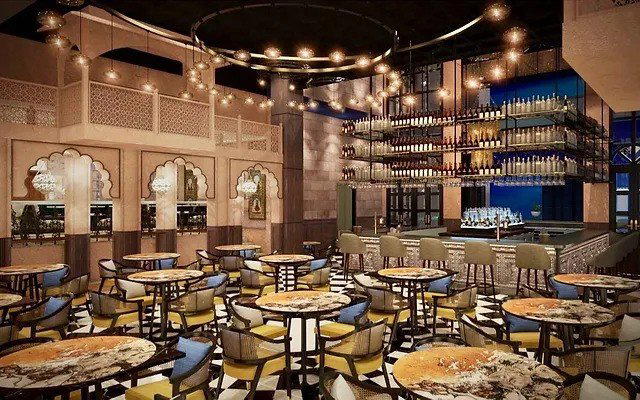
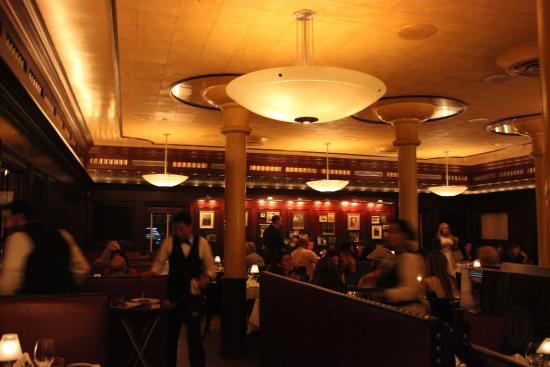
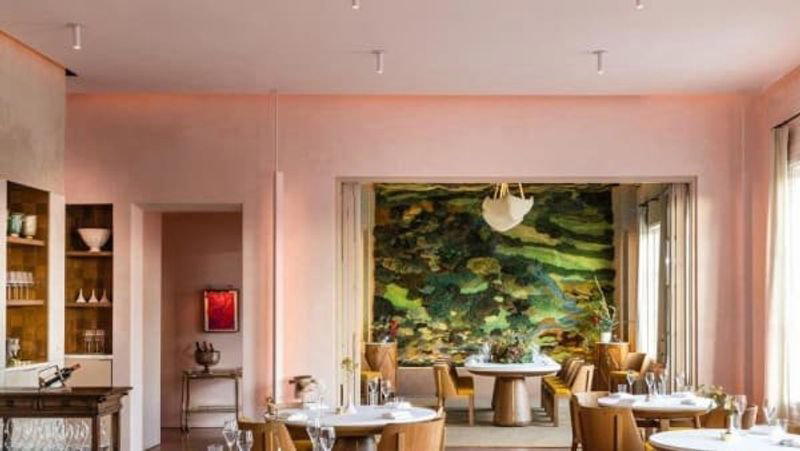
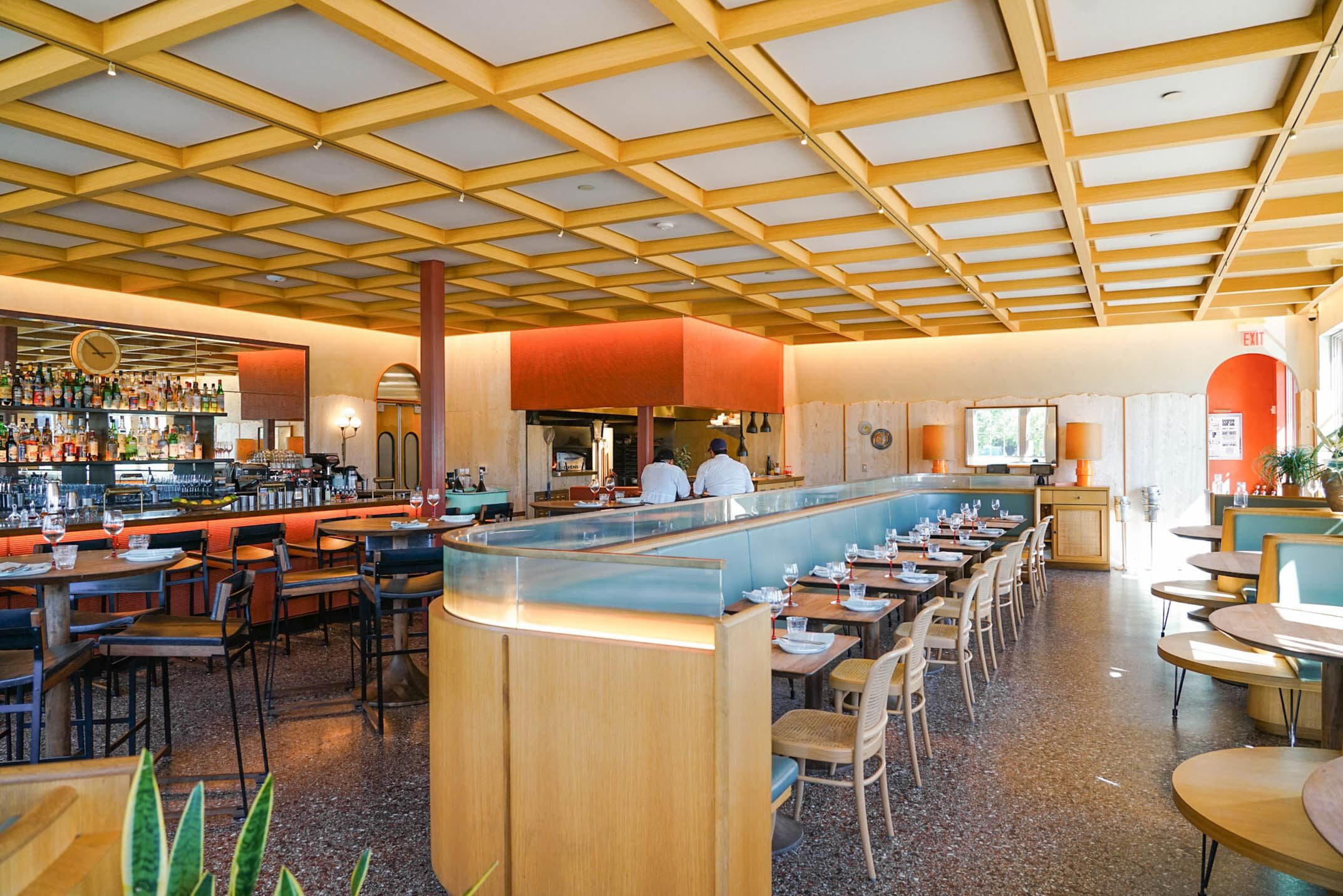
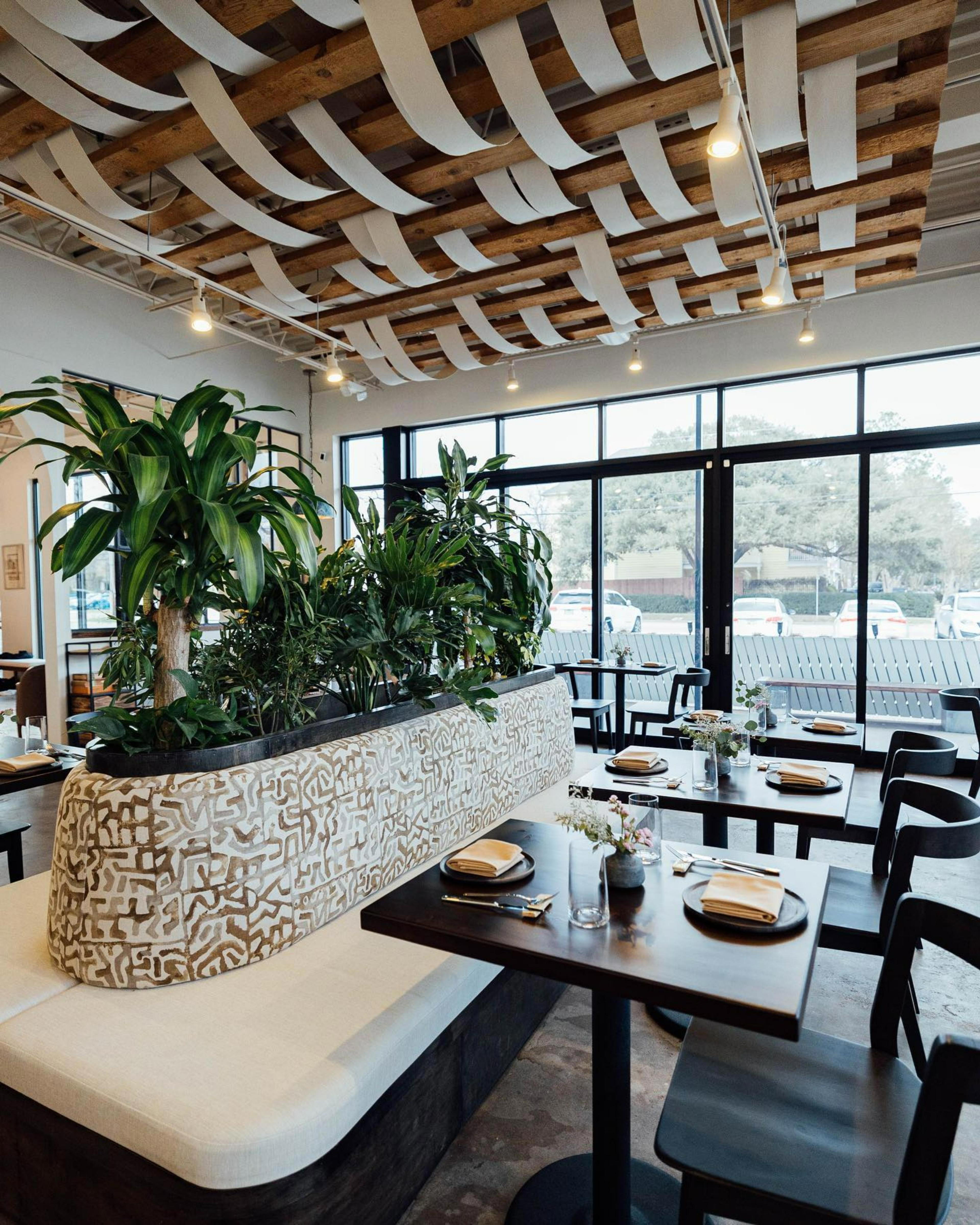
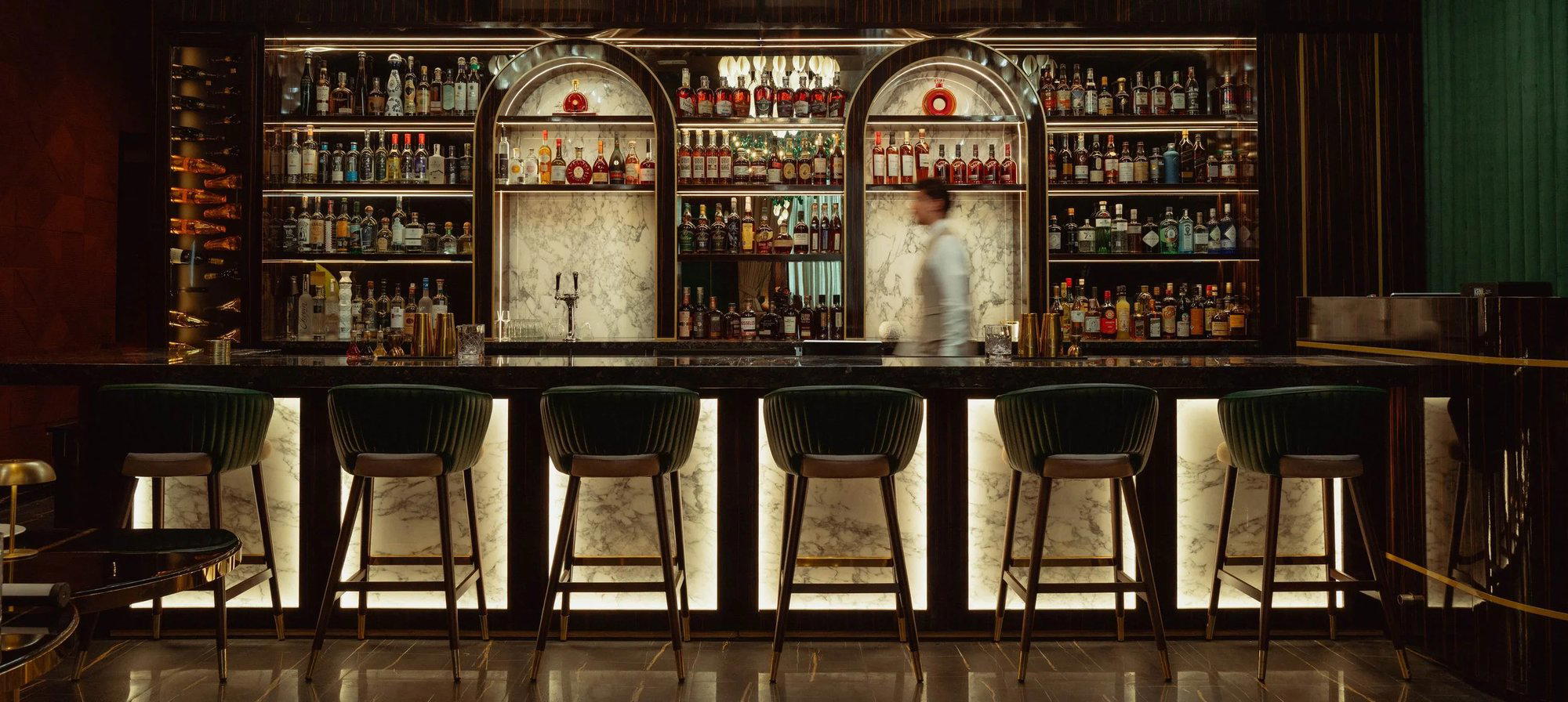
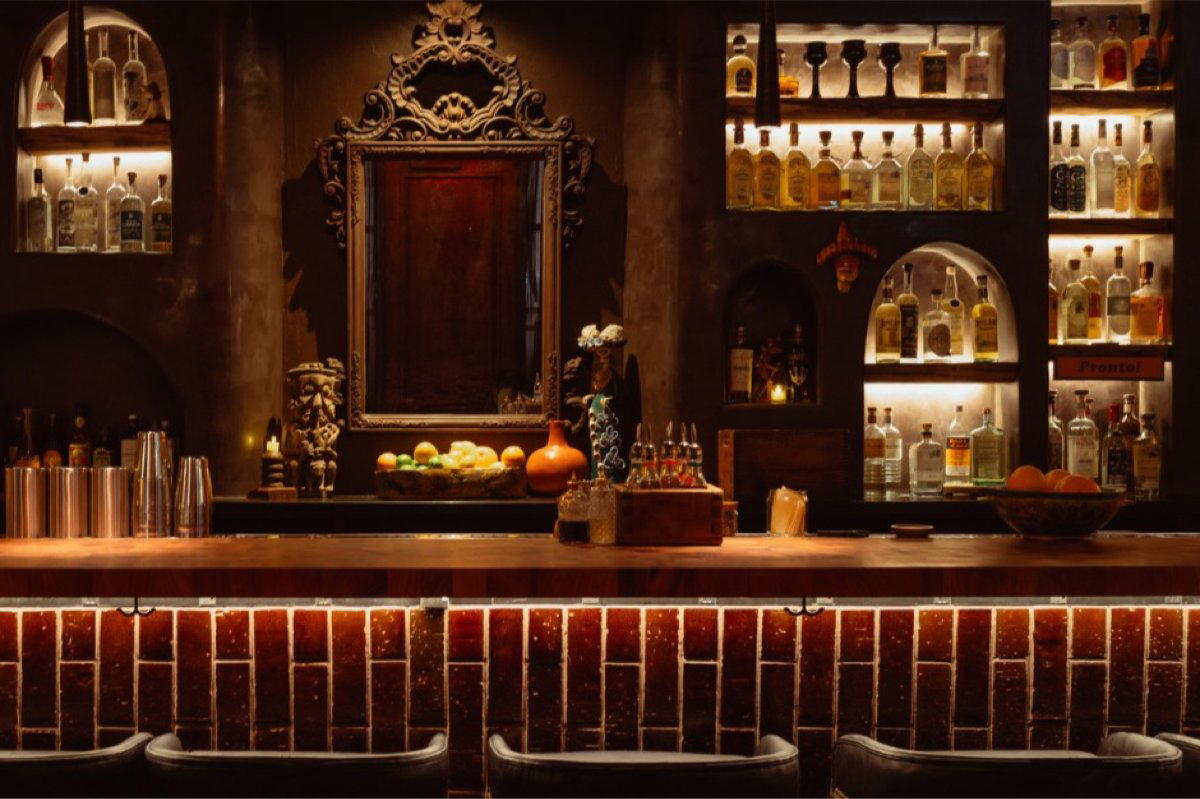
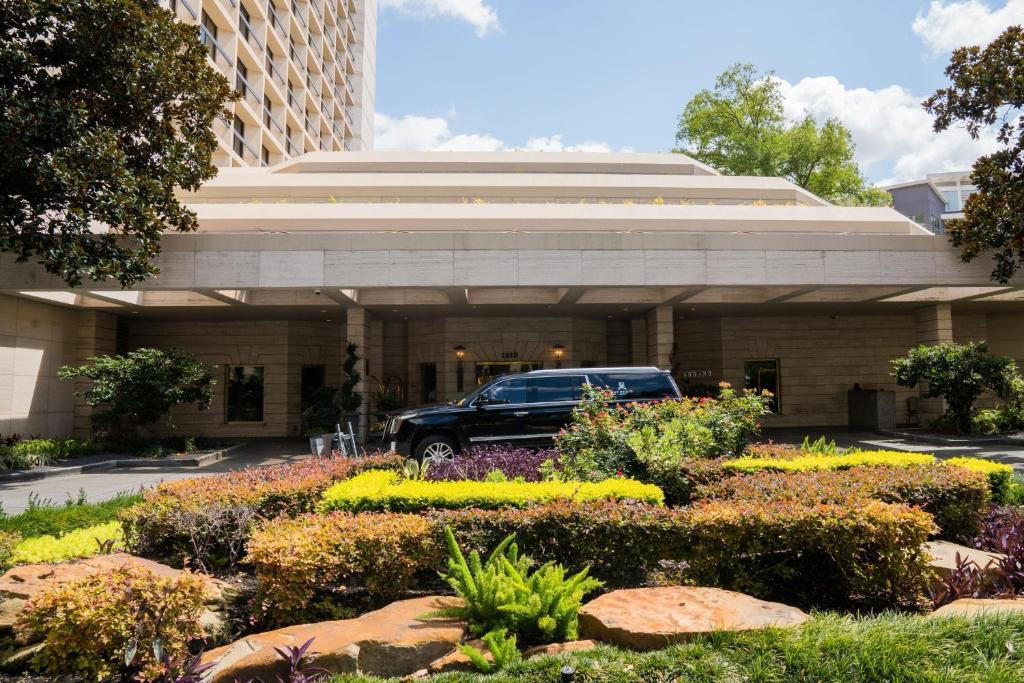
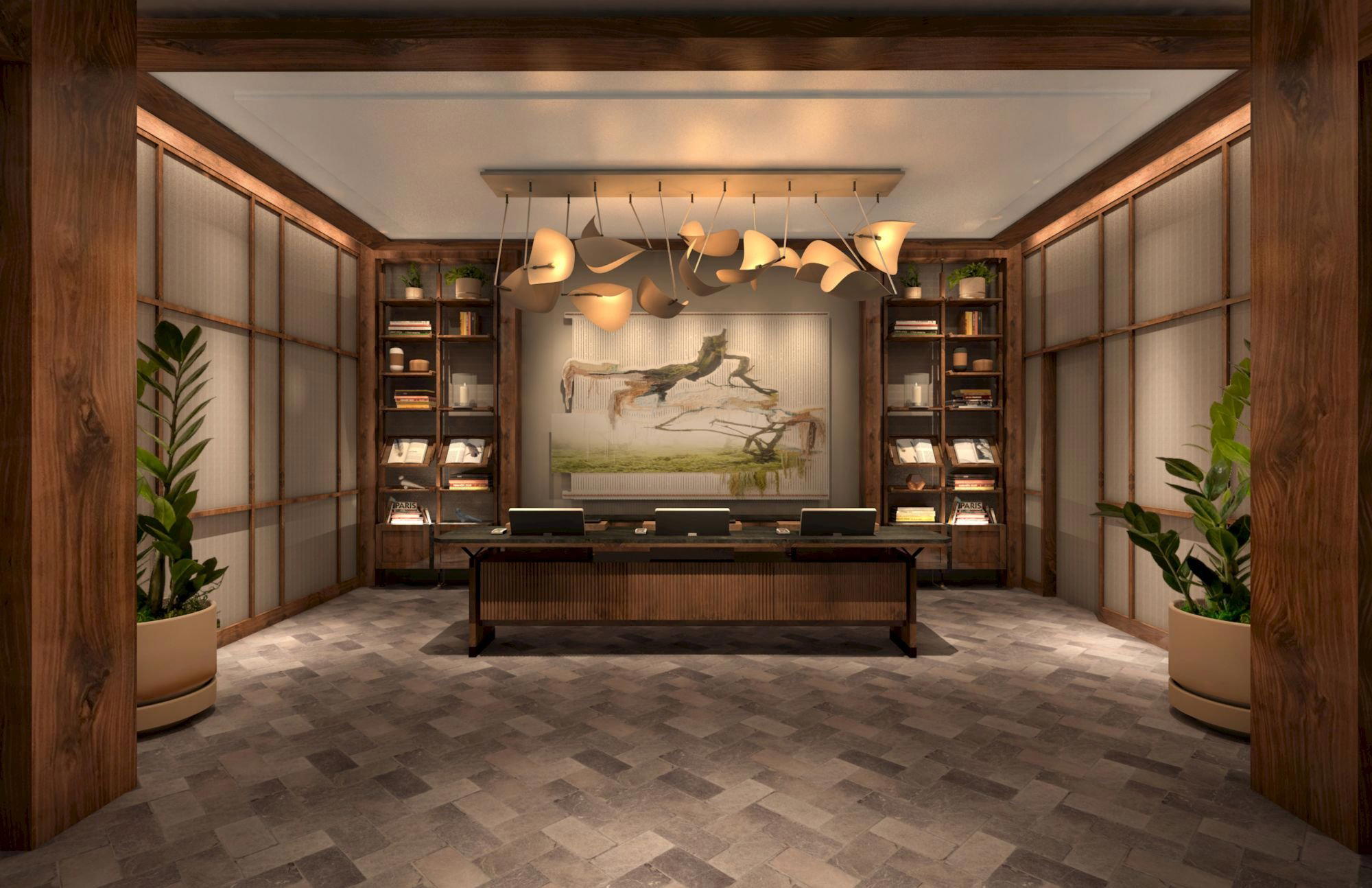
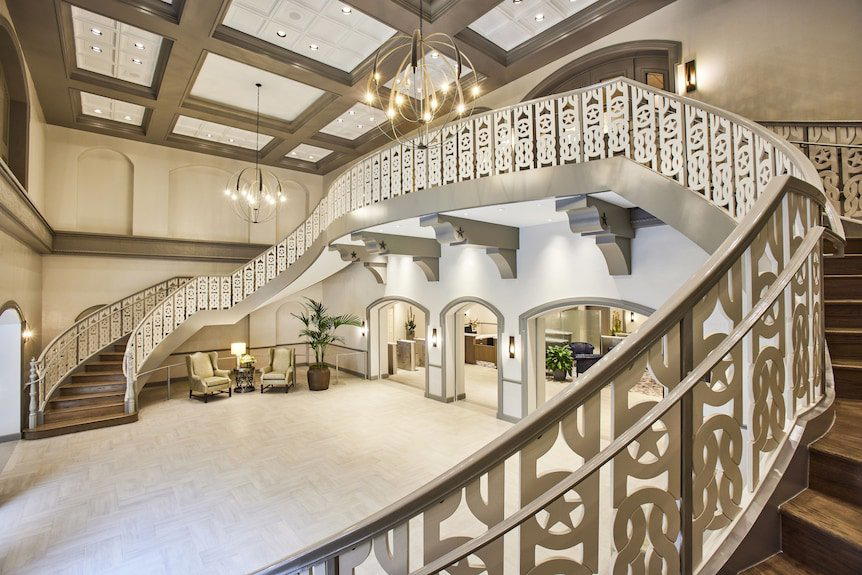
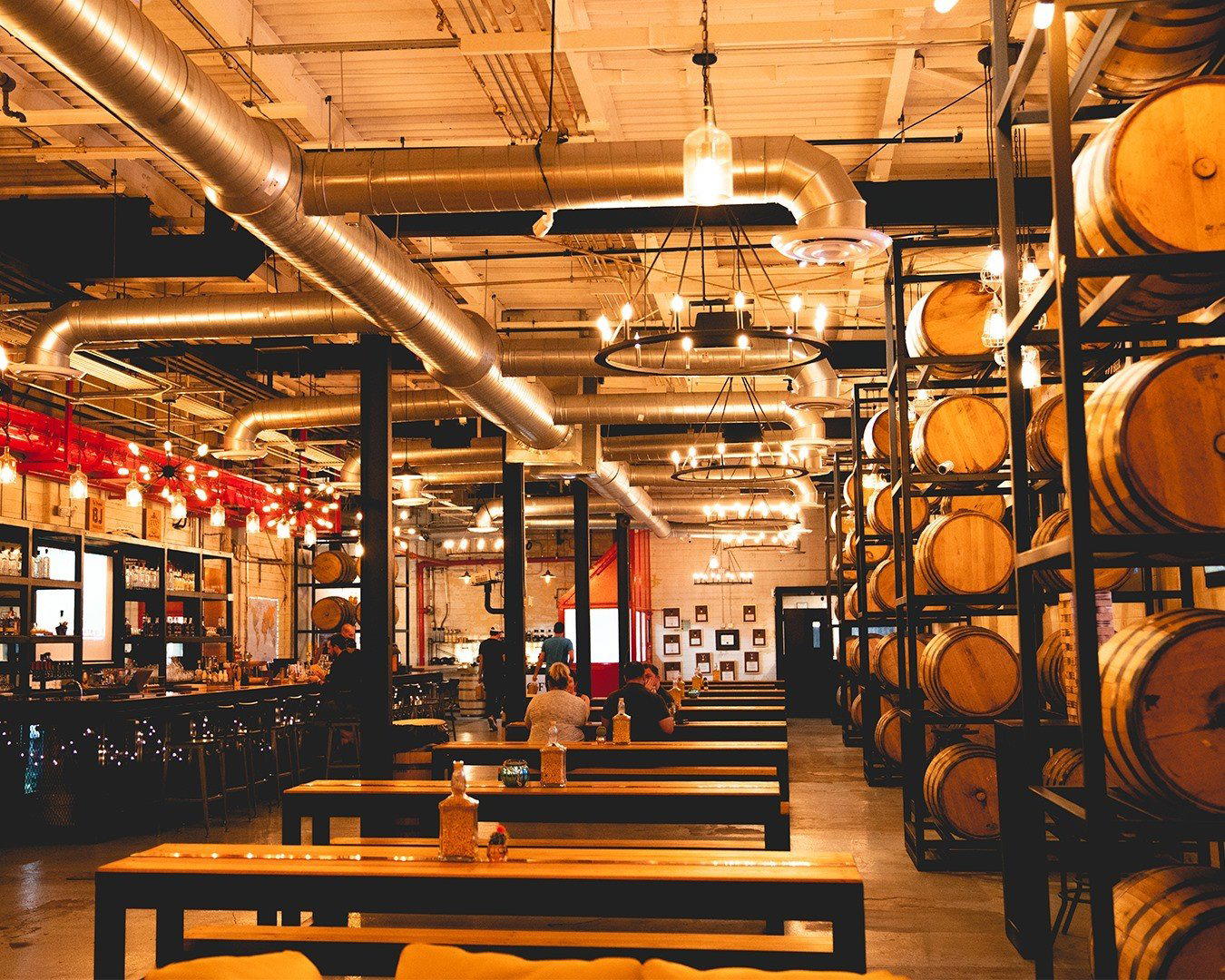
The physical environment on Post Oak communicates something before a dish lands on the table. Italian restaurants that invest in atmosphere as part of the dining argument tend to operate on the premise that the room should do productive work during the intervals between courses. Stone, warm timber, soft light, and a degree of acoustic control are the standard grammar of that approach. At il Bracco, the Post Oak address and its positioning within Houston's premium corridor suggest a room that takes those signals seriously, though the specific details of the interior are leading discovered in person rather than anticipated from a distance.
What is knowable from the outside is the neighborhood context. Post Oak sits adjacent to the Galleria, which means foot traffic is cosmopolitan and the dining room draws a mix of Houston residents and out-of-town visitors who already know how to read a wine list. That audience demographic shapes what a restaurant has to do to hold the room's attention, and it raises the bar for sourcing specificity.
The Ingredient Argument in Italian Cooking
Italian cuisine, more than almost any other European tradition, stakes its authority on provenance. The argument is structural: a pasta made from heritage wheat flour, finished with aged Parmigiano-Reggiano and a specific regional olive oil, is making a different claim than the same pasta made from commodity ingredients. The dish looks identical to a diner who is not paying attention, but the kitchen knows the difference, and so does the plate.
Across the American dining scene, the restaurants that have moved Italian cooking into serious critical conversation share this sourcing discipline. 8 1/2 Otto e Mezzo Bombana in Hong Kong built a three-Michelin-star Italian program partly on the back of ingredient relationships that stretched across continents. Domestically, the farm-linked model championed by places like Blue Hill at Stone Barns in Tarrytown has influenced how premium Italian kitchens in American cities think about the gap between what is available and what is worth sourcing. The lesson is consistent: the restaurants that earn sustained attention are the ones where sourcing decisions are treated as non-negotiable rather than aspirational.
Houston's geography gives Italian kitchens here a specific set of advantages and constraints. Gulf Coast seafood, Texas-raised proteins, and the agricultural output of the Hill Country and Rio Grande Valley create a local sourcing base that does not map neatly onto the Northern Italian or Roman ingredient logic. The interesting editorial question for any Italian restaurant in this city is how it negotiates that gap: whether it imports extensively to maintain Italian authenticity, sources locally and adapts the cooking to reflect Texas produce cycles, or finds a third path that mixes both strategies.
Where il Bracco Sits in Houston's Italian Conversation
Le Jardinier Houston operates in the French vegetable-forward lane. BCN Taste & Tradition holds the Spanish contemporary position. March has made a persuasive case for Venetian cooking as a fine-dining proposition. il Bracco occupies a position in that conversation where Italian cooking — with its deep structural reliance on ingredient quality — competes for the same dinner decision that sends some diners to a tasting menu format and others toward à la carte European cooking.
The comparison set nationally is instructive for calibrating expectations. Le Bernardin in New York City demonstrated decades ago that European cooking traditions transplanted to American cities can build a durable critical identity when the kitchen does not compromise on sourcing standards. The French Laundry in Napa and Providence in Los Angeles have made analogous arguments in their respective ingredient traditions. The restaurants that succeed in this tier share a common characteristic: the sourcing story is never a marketing gloss over an ordinary supply chain. It is the actual operational foundation.
Planning a Visit to il Bracco
The Post Oak address puts il Bracco within easy reach of Houston's Galleria district, which concentrates hotel supply for out-of-town visitors and connects readily to the broader Uptown area. For visitors building a multi-restaurant itinerary in Houston, il Bracco makes sense as part of a sequence that might also include Tatemó for masa-focused Mexican cooking or Musaafer for Indian cuisine at the premium tier. Houston's dining scene rewards itinerary planning, and the city's spread means that grouping restaurants by neighborhood is a more efficient strategy than crossing the city for individual meals.
For fuller context on how il Bracco fits into the wider Houston picture, the full Houston restaurants guide maps the city's current dining tier across cuisine categories. Diners comparing Italian-tradition cooking in Houston to what the format looks like nationally can use Alinea in Chicago, Lazy Bear in San Francisco, Single Thread Farm in Healdsburg, Addison in San Diego, The Inn at Little Washington, Atomix in New York City, and Emeril's in New Orleans as reference points for understanding how sourcing-led kitchens perform across the American premium dining spectrum.
Frequently asked questions
What's il Bracco's location?
il Bracco is located at 1705-A Post Oak Blvd, Houston, TX 77056, Houston.
How does il Bracco fit into Houston's broader Italian dining scene, and who is it for?
Houston carries a more serious Italian dining conversation than its reputation outside Texas suggests, with a cluster of European-tradition restaurants along and near Post Oak Blvd capable of sustaining critical comparison. il Bracco at 1705-A Post Oak positions itself within that tier rather than chasing the casual red-sauce category. It is a natural choice for diners who measure an Italian meal by the provenance argument on the plate rather than portion size or novelty.
What should I eat at il Bracco?
Because the kitchen at 1705-A Post Oak Blvd operates within the Italian tradition of provenance-led cooking, pasta and ingredient-forward dishes are the natural focus. Italian restaurants working in this mode typically build menus around what sourcing allows rather than fixed signatures, so the strongest choices tend to shift with availability. Ask the front-of-house what is driving the kitchen on the night you visit.
How far ahead should I plan for il Bracco?
Post Oak Boulevard has become a concentration point for Houston's premium restaurant tier, and il Bracco sits inside that competitive address. Demand at restaurants of this type in the Galleria corridor routinely outpaces walk-in availability, particularly on Thursday through Saturday evenings. Booking at least one to two weeks ahead is a reasonable baseline; weekend tables may require more lead time during peak dining seasons.
What's the standout thing about il Bracco?
What separates Italian restaurants working at this level is a commitment to provenance as a structural argument rather than a marketing posture — the quality of base ingredients is treated as non-negotiable. That orientation is the through-line of the kitchen's identity here.
Do they accommodate allergies at il Bracco?
Allergy policies at il Bracco are best confirmed directly with the venue at 1705-A Post Oak Blvd, Houston, TX 77056. Italian kitchens built around ingredient-led cooking typically have enough flexibility in technique to work around common dietary restrictions, but gluten and dairy are embedded in many classical preparations and require advance notice to manage well. Flag requirements clearly when booking and confirm again on arrival.
Is il Bracco overpriced or worth every penny?
Without published pricing, the value question depends on what the kitchen is actually delivering on a given visit. Italian restaurants at the premium end of the Post Oak corridor generally price in line with the sourcing demands the cuisine places on them — quality imported ingredients carry cost.
Peers in This Market
Comparable venues nearby, for context on price, style, and recognition.
| Venue | Cuisine | Price | Awards | Notes |
|---|---|---|---|---|
| il BraccoThis venue — the venue you are viewing | Modern Italian | $50–100 | Not listed | Not listed |
| Anthony’s New York Italian | Upscale Italian-American with Prime Steaks & Seafood | $50–100 | Not listed | River Oaks |
| Milton's | Italian-American Trattoria | $30–50 | James Beard Award Semi Finalist · Wine Spectator Award of Excellence | Pemberton |
| BARI RISTORANTE | Classic Italian with Seasonal Ingredients | $50–100 | Not listed | Galleria |
| Roma | Authentic Roman Italian | $30–50 | Not listed | Virginia Court |
| Casa Carlo | Modern Italian Fine Dining | Not listed | Not listed | Harrisburg |