Trace
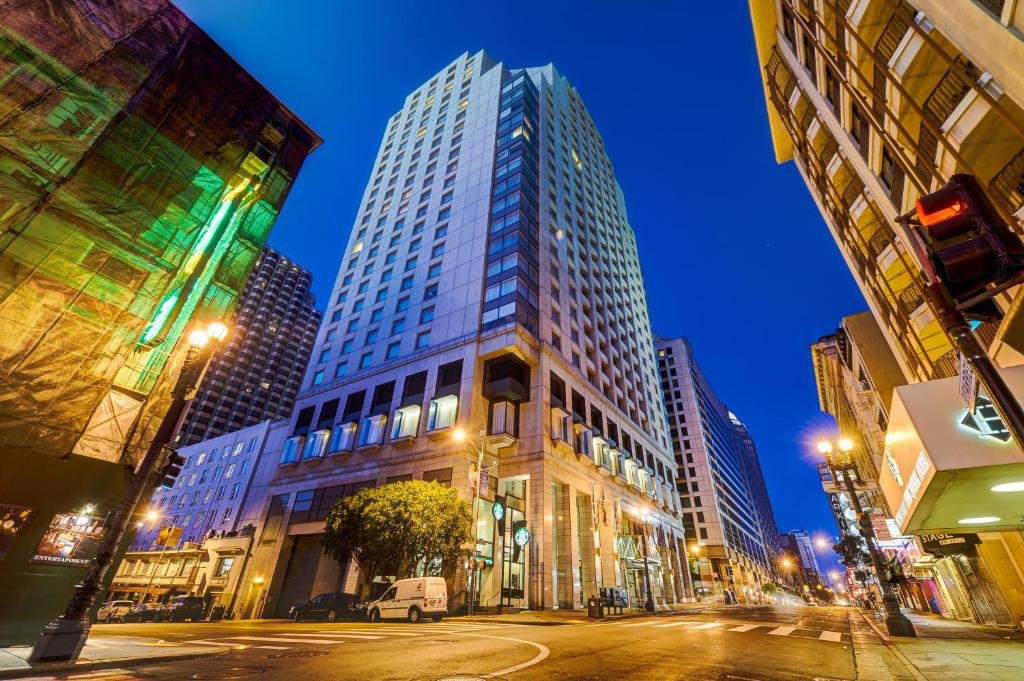
Trace occupies a considered position in San Francisco's SoMa dining corridor at 181 3rd Street, operating within a city where farm-to-table ideology and California produce culture have long shaped how restaurants define themselves. The address places it close to the Moscone Center and the cultural institutions that anchor this part of the city, making it a practical option for visitors navigating the broader downtown circuit.
Pearl is the En Primeur Club membership app — saves, bookings, and concierge access live there. Same editors, same standards.
- Address
- 181 3rd St, San Francisco, CA 94105
- Phone
- (415) 817-7836
- Website
- trace-sf.com
- Directions
- Get directions
 Saves & bookings on Pearl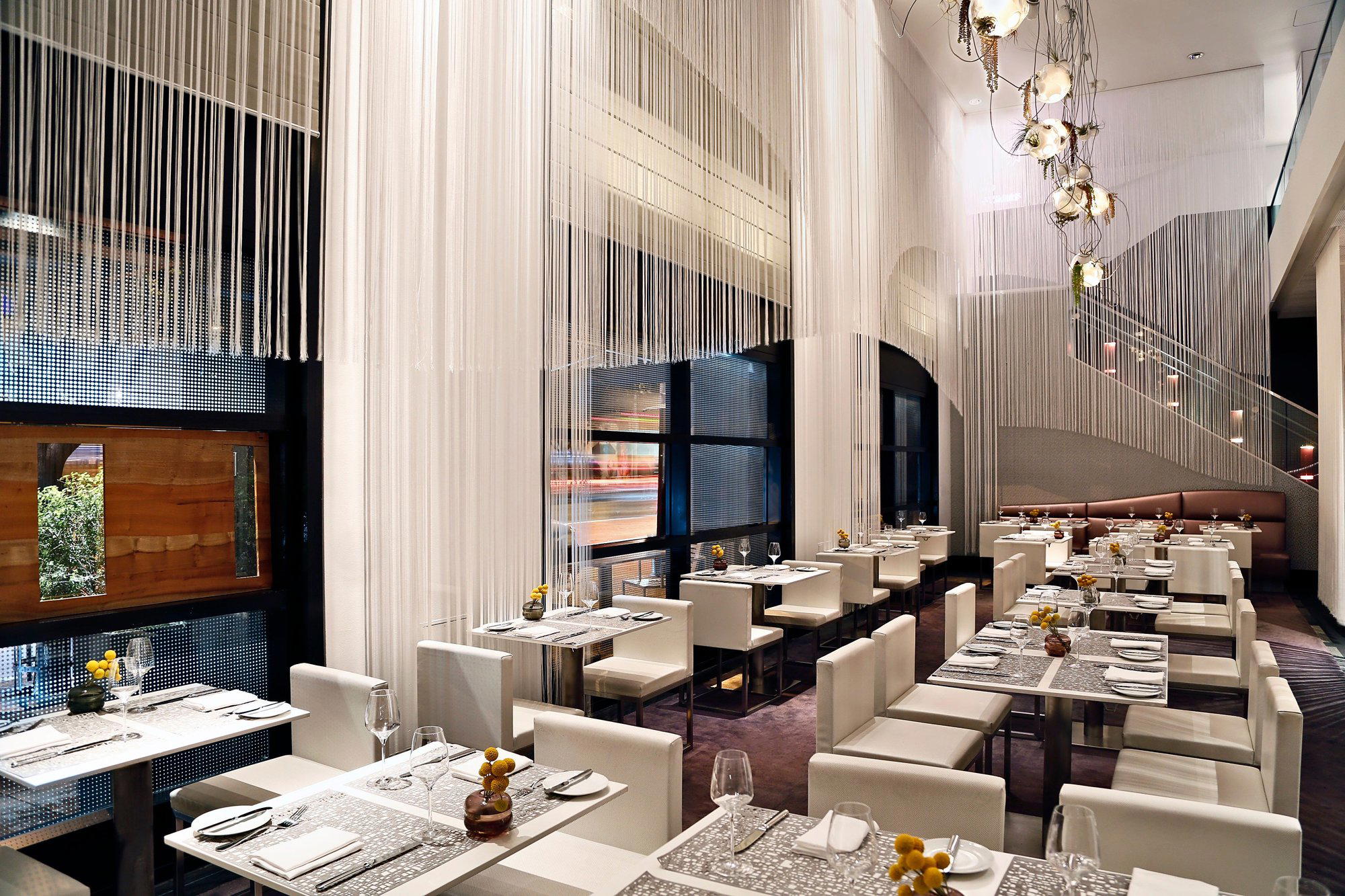
SoMa's Dining Identity and Where Trace Sits Within It
San Francisco's SoMa district has spent the better part of two decades oscillating between tech-campus cafeteria culture and serious restaurant ambition. The corridor running along 3rd Street, from the Yerba Buena Gardens down toward the ballpark, now contains a more settled tier of hotel dining and standalone destination restaurants than it did in the early 2000s, when the neighborhood was still finding its post-dot-com identity. Trace, at 181 3rd Street, sits inside that matured version of SoMa.
California dining's defining argument, that the ingredient rather than the technique should anchor the plate, took hold most visibly in the Bay Area. That argument was made formally through institutions like The French Laundry in Napa and has since filtered down into mid-range and hotel dining in ways that have genuinely changed what guests expect from a restaurant at this address type. SoMa restaurants operate in the shadow of that influence whether they acknowledge it directly or not. The expectation is seasonal produce, supplier relationships worth naming, and a menu that shifts when the Northern California harvest dictates rather than when the reprint schedule allows.
The California Table: Cultural Roots of the Cuisine
The cultural context for any restaurant positioned within the California or Progressive American register runs deeper than local sourcing as a marketing stance. The movement that produced Alice Waters's Chez Panisse in Berkeley in 1971 was partly a political act, a rejection of industrialized food and French haute cuisine's distance from place. That founding logic has been absorbed, debated, and sometimes diluted across five decades, but its structural influence on Bay Area restaurant culture remains measurable. Restaurants across the price spectrum in San Francisco are still evaluated, consciously or not, against how well they translate Northern California agriculture into a coherent dining proposition.
The upper tier of that conversation in San Francisco currently runs through addresses like Saison, which built its Progressive American identity around wood-fire cooking and hyper-seasonal supply chains, and Lazy Bear, which operates a ticketed communal format that places the tasting menu inside a convivial rather than ceremonial frame. At the more formal end, Atelier Crenn and Benu both hold Michelin recognition and represent how European and Asian culinary frameworks have layered onto that California foundation. Quince applies Italian structure to the same Northern California produce logic. These restaurants define the competitive ceiling; hotel restaurants and neighborhood spots in SoMa position relative to that ceiling rather than against each other.
Nationally, the farm-to-table ethos that defines Bay Area cooking has parallels in formats like Blue Hill at Stone Barns in Tarrytown, which runs its own farm, and Single Thread Farm in Healdsburg, which applies Japanese kaiseki precision to Sonoma County agriculture. The common thread across these properties is that the sourcing relationship is not decorative; it structures the menu and the guest narrative around it. In cities where that expectation has taken hold, restaurants that cannot substantiate the claim tend to be read as performing rather than practicing it.
SoMa in the Broader San Francisco Dining Map
Understanding Trace's position requires understanding what SoMa is not. It is not the Mission, where decades of Latin American community cooking produced a restaurant culture that has since attracted some of the city's most interesting chefs. It is not Hayes Valley, which developed its own compact cluster of serious restaurants partly as a function of pre-theater demand from the performing arts venues nearby. SoMa's restaurant identity is more diffuse, anchored partly by large-footprint hotel dining, partly by lunch-focused spots serving the tech and convention crowds, and partly by a handful of destination addresses that operate independently of the foot traffic logic.
For visitors building a San Francisco itinerary around food, the 3rd Street corridor is most practically approached as a base of operations rather than a dining destination in itself. The broader city offers more concentrated culinary density in other neighborhoods, and the full picture of what San Francisco's restaurant culture has produced is worth mapping across multiple areas.
The reference points for ambitious American dining extend well beyond California, of course. Alinea in Chicago occupies the molecular-progressive end of the national conversation. Le Bernardin in New York City holds the French-technique standard at the summit of the market. Atomix in New York City and 8½ Otto e Mezzo Bombana in Hong Kong represent how the fine dining conversation has internationalized. In the South and Southeast, Emeril's in New Orleans, Bacchanalia in Atlanta, and Providence in Los Angeles each represent how regional American identities produce distinct fine dining registers. Addison in San Diego and The Inn at Little Washington anchor the East Coast and Southern California ends of that national spread.
Planning a Visit
Trace is located at 181 3rd Street in San Francisco's SoMa district, a direct walk from Moscone Center and a short distance from the Powell Street and Montgomery Street BART stations, making it accessible from most parts of the city without a car. The address sits within a dense cluster of hotels, which means the surrounding block tends to be active across lunch and dinner service, and walk-in availability will vary significantly depending on day of week and conference calendar. Convention weeks in particular compress availability across the entire SoMa corridor.
What It’s Closest To
Comparable venues nearby, for context on price, style, and recognition.
| Venue | Cuisine | Price | Notes |
|---|---|---|---|
| TraceThis venue — the venue you are viewing | Modern American with Asian Influences | $$$ | Not listed |
| The FreshMarket at Neiman Marcus | American Café | $$$ | Financial District/South Beach |
| Curio | Modern American Gastropub | $$$ | Mission |
| Pied Piper | Classic California Contemporary American | $$$ | Financial District/South Beach |
| 25 Lusk | Contemporary California New American with Wood-Fired Oven | $$$ | South of Market |
| Bluestem Brasserie | Seasonal American Brasserie | $$ | Financial District/South Beach |
Continue exploring
More in San Francisco
Restaurants in San Francisco
Browse all →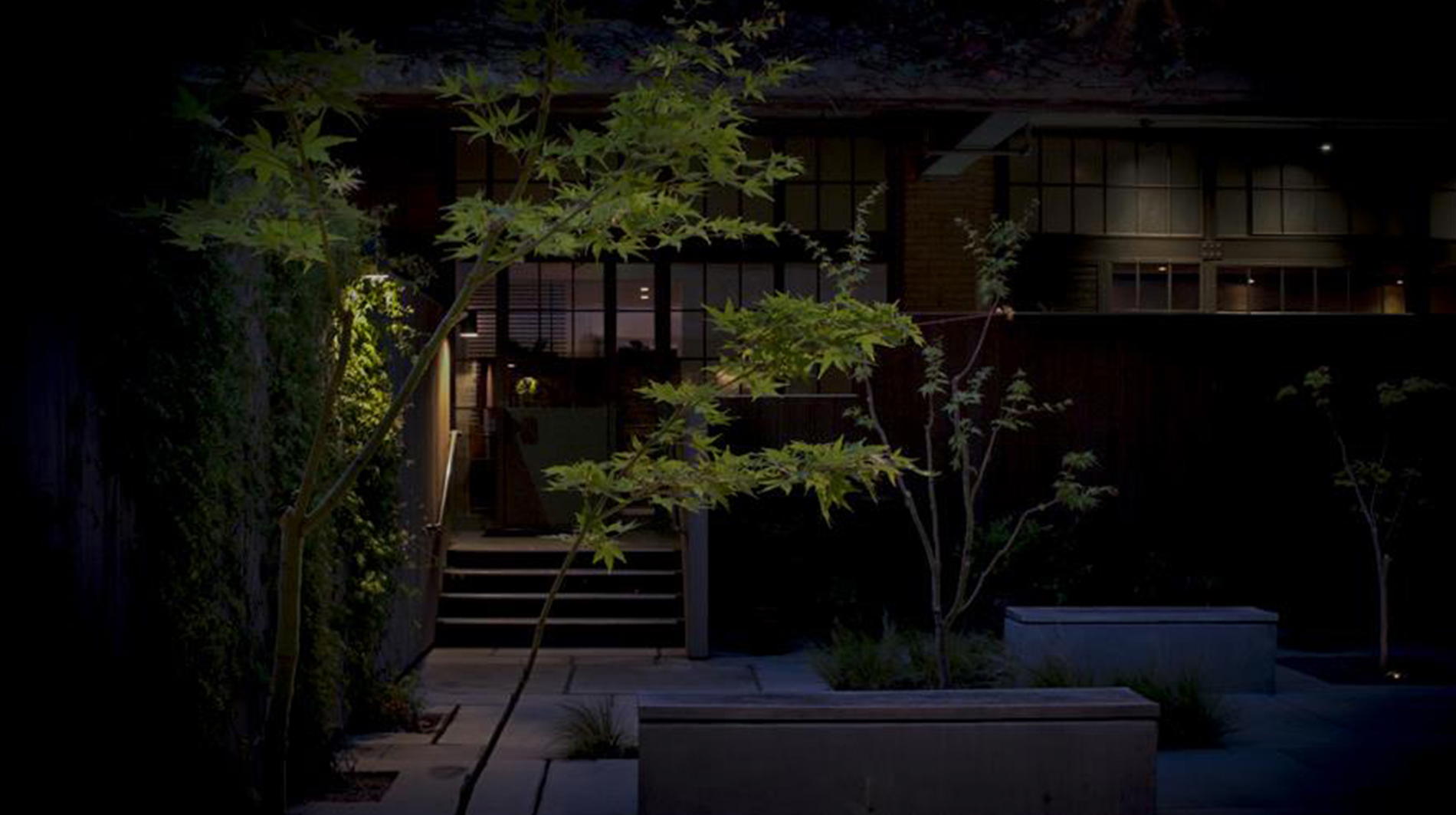
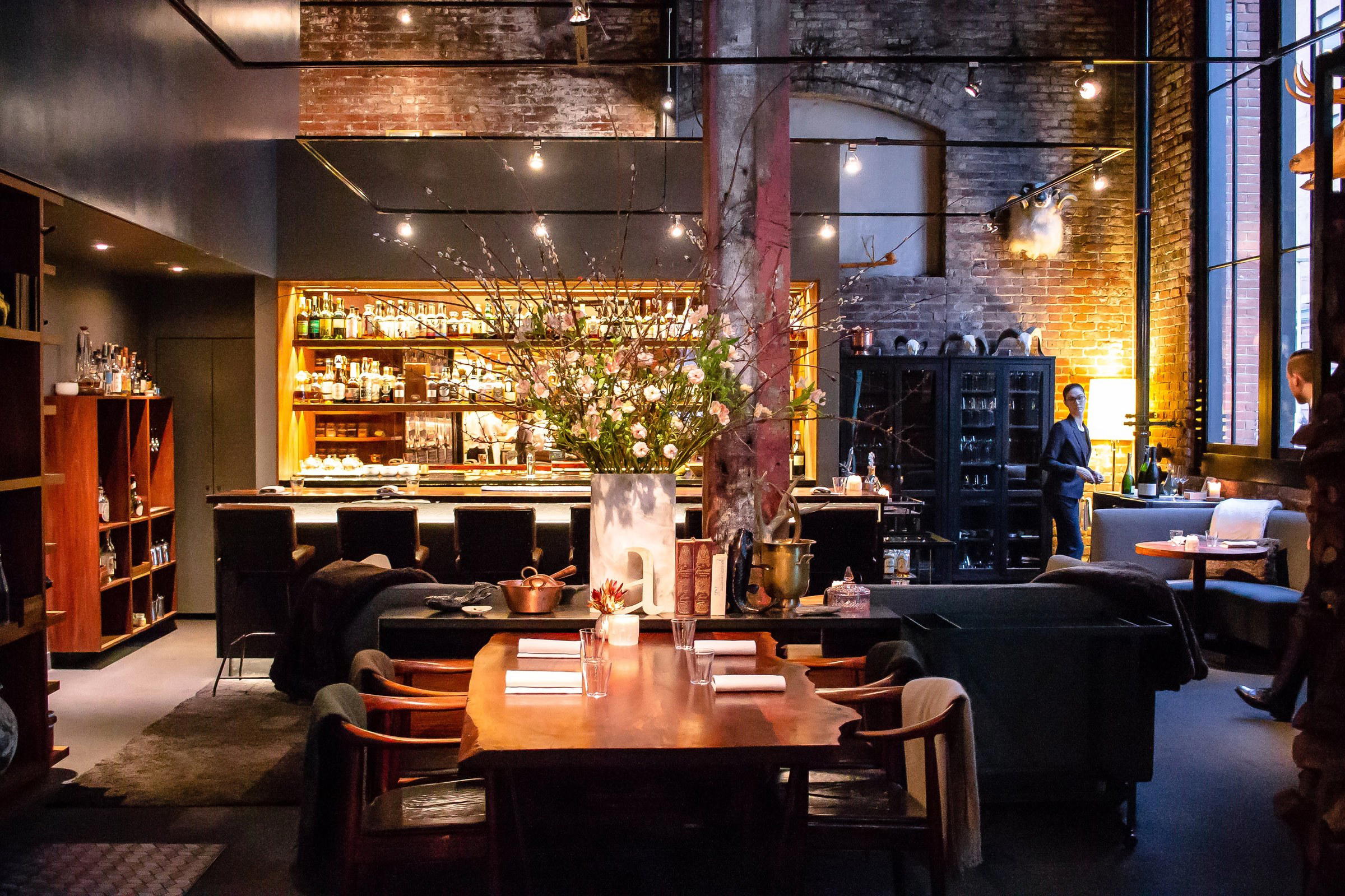
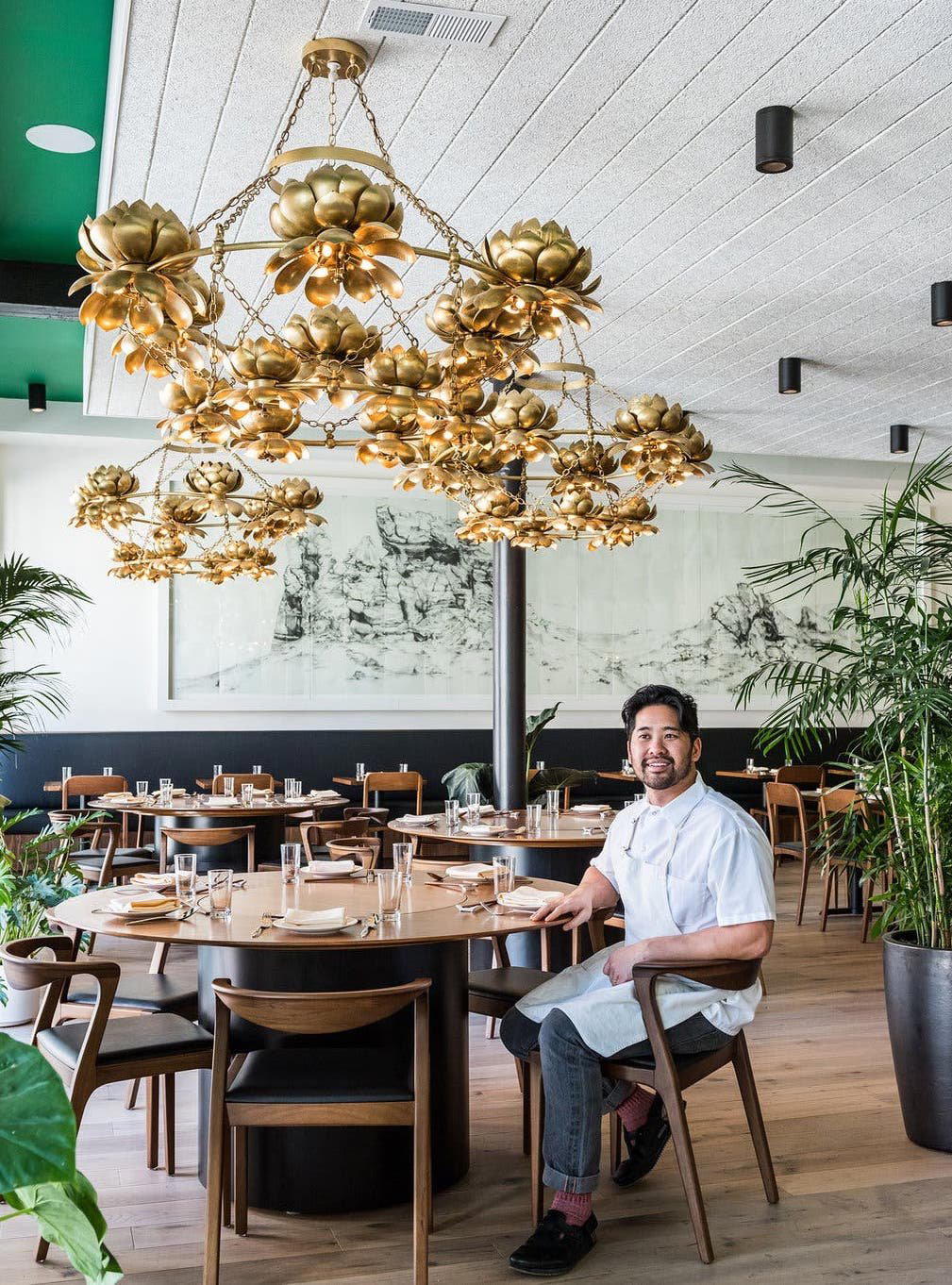
Bars in San Francisco
Browse all →
Hotels in San Francisco
Browse all →
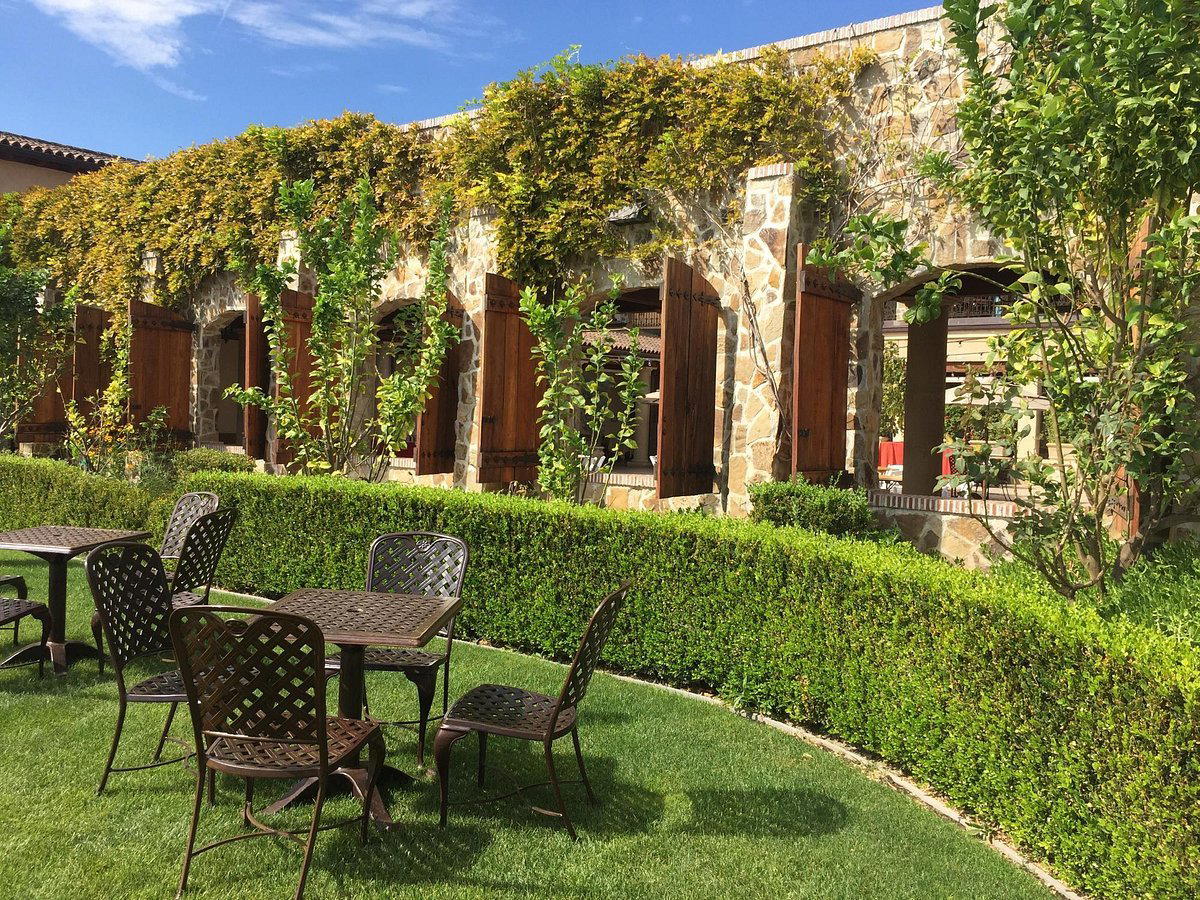
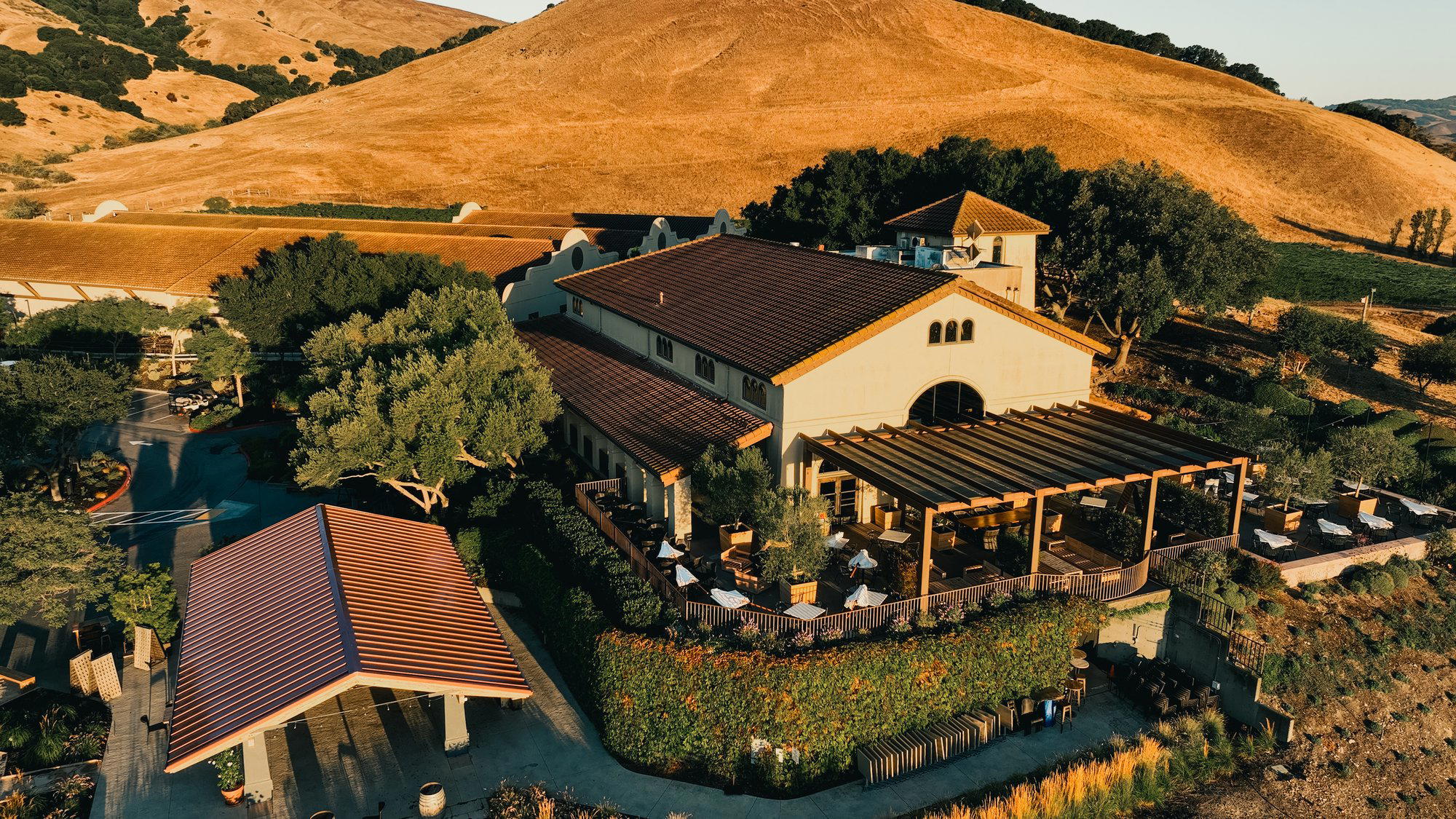
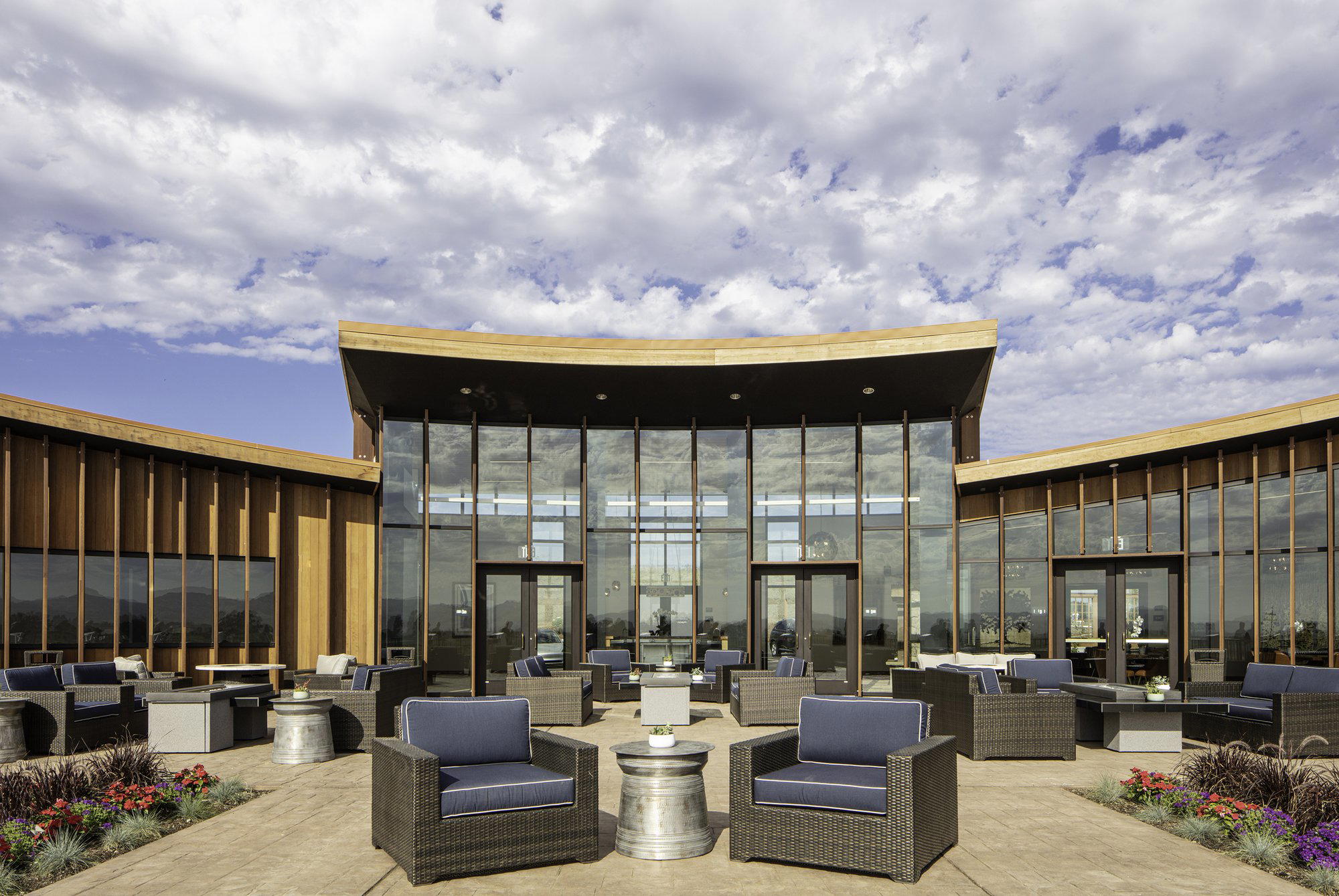
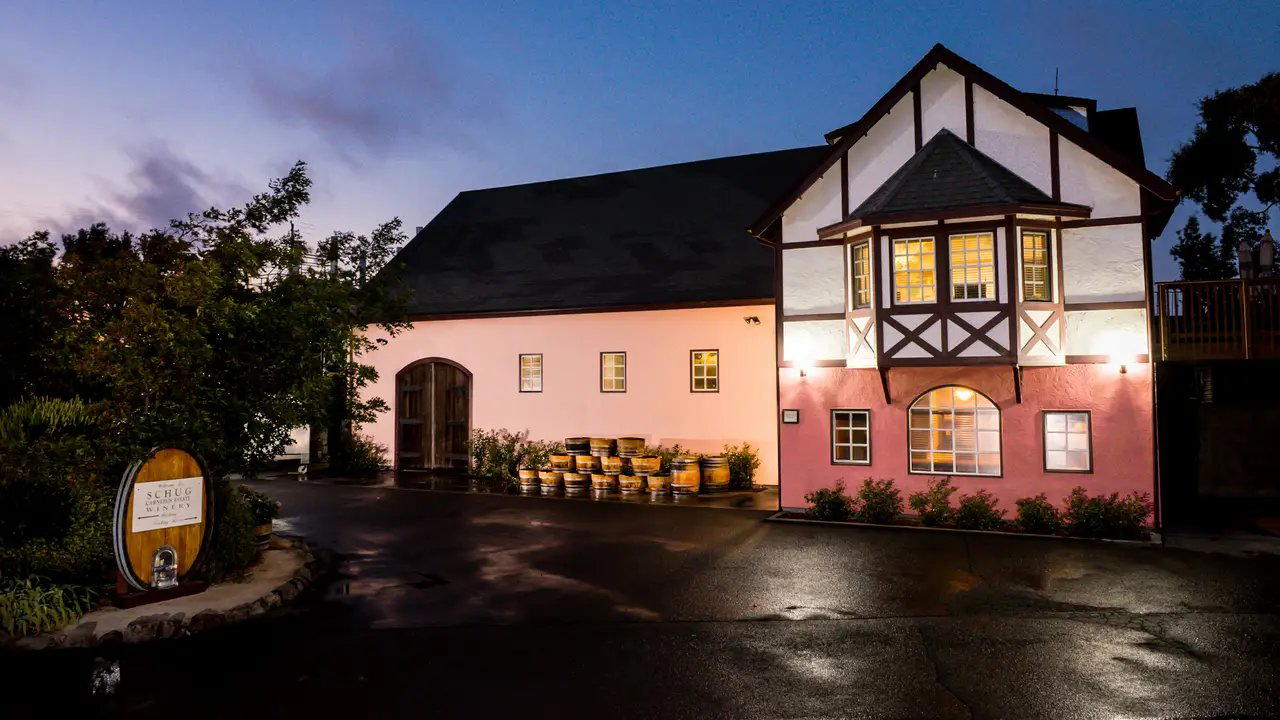
At a Glance
- Modern
- Elegant
- Sophisticated
- Business Dinner
- Brunch
- Date Night
- Hotel Restaurant
- Open Kitchen
- Extensive Wine List
- Craft Cocktails
- Farm To Table
- Local Sourcing
Current opening hours
- Monday
- 6:30 AM–2 PM
- Tuesday
- 6:30 AM–2 PM
- Wednesday
- 6:30 AM–2 PM
- Thursday
- 6:30 AM–2 PM
- Friday
- 6:30 AM–2 PM
- Saturday
- 7 AM–2 PM
- Sunday
- 7 AM–2 PM
Hours can change for holidays and private events. Last verified .
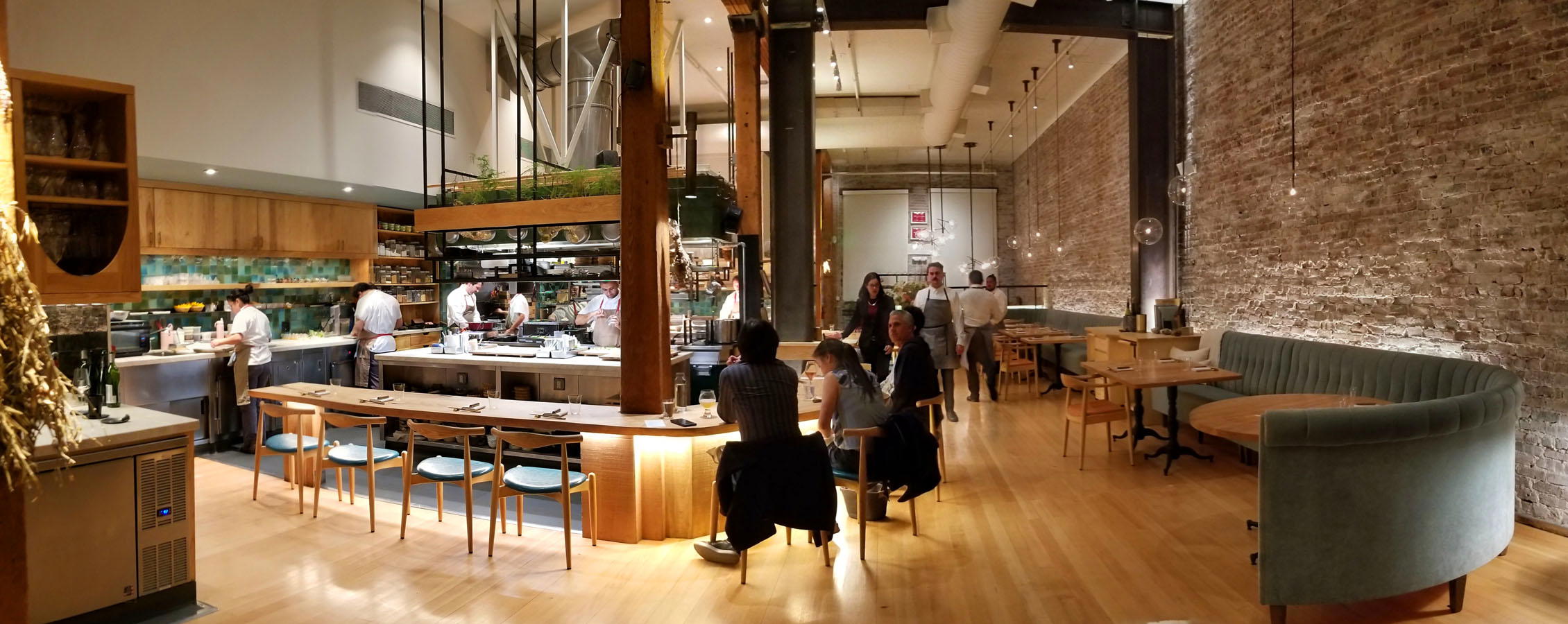
Modern, sleek atmosphere with wooden lattice screens mimicking the city grid, fog-inspired window treatments, and iridescent drapes creating intimate, stylish spaces.