
Tabelog 100 #94
Our verdict
Toyonaka Mente Tsu belongs to Osaka’s serious ramen conversation rather than its tourist shorthand. The draw is a compact counter format, a long-running presence in Toyonaka, and repeated selection for Tabelog Ramen Hyakumeiten lists, placing it among the city’s more closely watched noodle shops without shifting into luxury-restaurant territory.

Pearl is the En Primeur Club membership app, where members save venues, book tables and use the concierge.
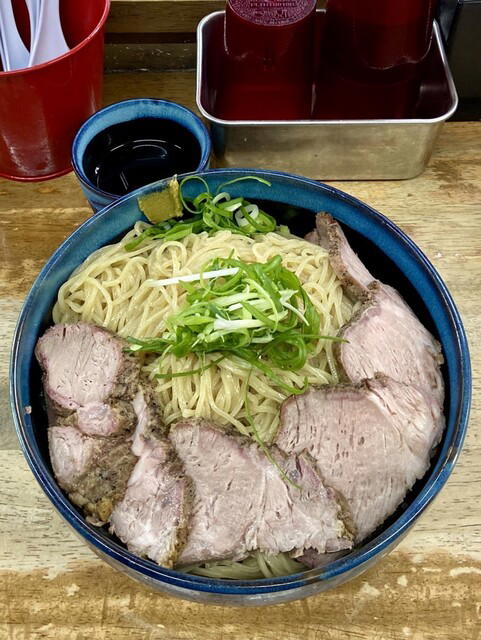
Approaching a ramen shop in Osaka has a different rhythm from the most crowded dining circuits. The cues are smaller: repeat custom, quick decision-making, and a meal format built for speed, focus, and everyday use. Toyonaka Mente Tsu reads less as destination spectacle than as part of the Osaka ramen habit: a category-specific stop where diners are likely to judge the bowl, the value, and the consistency rather than special-occasion theatre.
Osaka is often reduced to takoyaki, okonomiyaki, and late-night drinking, yet its ramen culture is increasingly competitive. Serious noodle shops now sit beside udon counters, bakery queues, yoshoku holdovers, coffee specialists, and small-format sweets shops in a dining scene that rewards focus over breadth. That frames this Osaka address. Tabelog Hyakumeiten recognition in 2025 signals a ramen shop operating in a crowded local field where consistency matters more than novelty.
A ramen shop in Osaka's everyday dining grammar
Ramen’s cultural force in Japan comes from its tension between informality and obsession. It is casual food, not careless food. The category rewards shops that refine broth, noodles, seasoning, and service flow until the experience feels compressed and exact. Toyonaka Mente Tsu fits that grammar through category focus: the bowl sits at the centre, and the meal’s energy is shaped by the direct, efficient habits of ramen dining. For solo diners, that can be a strength. For groups, it asks for patience and a willingness to eat in the shop’s cadence.
Recognition matters in a city where ramen reputations are constantly challenged by new specialists. A documented 2025 Hyakumeiten listing does not need to be over-read as luxury status; it is more useful as evidence that the shop has stood out within its category. The point is sustained relevance in a regional ramen conversation, not only a passing local mention.
That distinction helps when comparing it with other Osaka casual-dining formats. Soratobu Udon Yamabuki Ya occupies a similar everyday register through udon, Mori no Ohagi works in a sweets register, and Lime Light sits in a cafe mode. Nick&Renée Toyonaka honten moves in burger-led casual dining. Kodou points to a different restaurant economy. Ramen at this level is not lavish spending; it is whether a focused shop can compete in a city rich in low-cost, high-repeat eating.
Why Osaka matters beyond the usual central dining map
Osaka’s geography changes the reading. Travellers often judge the city’s dining through its busiest central circuits, but the food culture spreads across everyday routes and regular eating patterns as much as famous entertainment zones. A ramen shop in Osaka belongs to that distributed map. The pattern is practical: people eat before heading home, after errands, or as a focused detour rather than as part of a staged evening.
That makes the shop a corrective to the idea that Osaka dining is only loud, crowded, and performative. Kansai noodle culture includes udon traditions, ramen lineages, and countless independent shops where the menu can be concise and the value direct. Toyonaka Mente Tsu’s recognition comes from that world. Its appeal is not luxury-service theatre, but the discipline of a ramen shop that has earned category attention.
For travellers building a broader Osaka food map, the contrast matters. Other bakeries, pork-bun shops, neighbourhood cafes, casual specialists, and Italian-leaning rooms show different sides of the city’s appetite. Add more unnamed Osaka dining rooms to the comparison, and the point sharpens: Osaka’s everyday dining is not a single-cuisine story. It is a network of specialized rooms, each with its own rules of timing, queue tolerance, and value.
How to read the recognition without over-reading it
Tabelog’s Hyakumeiten selections are useful because they separate category specialists from general popularity. For ramen, the signal is especially relevant: Japan’s noodle shops can be intensely local, and Osaka-level recognition identifies restaurants that have moved beyond immediate familiarity. Toyonaka Mente Tsu also carries a Tabelog score of 3.69, best read within Japanese rating culture, where scores cluster tightly and modest-looking decimals can indicate serious approval.
The practical interpretation is simple. This is a ramen stop for diners who want Osaka beyond the obvious circuit and value a focused format with a documented 2025 track record. It is less suited to travellers seeking a long meal or a broad, flexible restaurant setting. The decision depends on timing and tolerance: a popular ramen shop can sharpen demand, and the experience works well as a focused meal rather than a lingering appointment.
Cash planning and timing are sensible habits for Japanese ramen shops, but diners should confirm current payment and service details before going. The confirmed budget sits in the everyday range: dinner and lunch are both listed at JPY 1,000 - JPY 1,999. That price frame further defines the operating logic. This is casual dining with a clear ramen identity, not a flexible hospitality container.
Within EP Club’s wider Osaka coverage, the shop is a specialist stop rather than an all-purpose recommendation. Use Our full Osaka restaurants guide for the broader eating map, then cross-check surrounding categories through Our full Osaka hotels guide, Our full Osaka bars guide, Our full Osaka wineries guide, and Our full Osaka experiences guide. For readers comparing Japanese dining formats outside Osaka, related references can be kept generic: other noodle counters, casual Japanese rooms, sake bars, curry specialists, and quick-service rice shops help show how compact formats travel across cities.
The Quick Read
Nearby venues at a similar price tier for orientation.
| Venue | Cuisine | Price | Awards | Notes |
|---|---|---|---|---|
| Toyonaka Mente TsuThis venue (the venue you are viewing) | Classic Japanese Ramen Shop | $10–20 | Tabelog 100 #94 | Not listed |
| Soratobu Udon Yamabuki Ya | Japanese Udon | $10–20 | Tabelog 100 #55 | JPY 1,000 - JPY 1,999 JPY 1,000 - JPY 1,999 View spending breakdown |
| Kodou | Soba, duck and fermented Japanese dishes | $30–50 | Tabelog 100 #18 | JPY 6,000 - JPY 7,999 JPY 1,000 - JPY 1,999 |
| Lime Light | Modern Chinese and wine bar | Not listed | Tabelog 100 #9 | JPY 1,000 - JPY 1,999 - JPY 999 |
| Mori no Ohagi | Creative Japanese ohagi & wagashi shop | $1–10 | Tabelog 100 #67 | JPY 999 - JPY 999 View spending breakdown |
| Nick&Renée Toyonaka honten | Gourmet Burgers | $10–20 | Tabelog 100 #44 | JPY 2,000 - JPY 2,999 JPY 2,000 - JPY 2,999 View spending breakdown |
Recognition history
Dated appearances from independent guides and award organizations, with the underlying list record or original source where available.
Tabelog 100 #94 · No. 94
Tabelog · Tabelog 100 - Ramen - OSAKA - 2025
Continue exploring
More in Osaka
Restaurants in Osaka
All restaurants in Osaka →




Bars in Osaka
All bars in Osaka →




Hotels in Osaka
All hotels in Osaka →



Wineries in Osaka
Browse all →
Details
- Lively
- Classic
- Solo
- Casual Hangout
- After Work
- Family
- Chefs Counter
- Standalone
- Local Sourcing
- A La Carte
- Counter Dining
- Sake Program
Current opening hours
- Monday
- Closed
- Tuesday
- 11:30 AM–2:30 PM, 6–10 PM
- Wednesday
- 11:30 AM–2:30 PM, 6–10 PM
- Thursday
- 11:30 AM–2:30 PM, 6–10 PM
- Friday
- 11:30 AM–2:30 PM, 6–10 PM
- Saturday
- 12–3 PM, 6–9 PM
- Sunday
- 12–3 PM, 6–9 PM
Hours can change for holidays and private events. Hours as of .
A compact, counter-only space with a direct, no-frills interior focused on the open preparation of ramen, creating a bustling yet relaxed atmosphere typical of classic neighborhood ramen-ya.