Orchard Tavern
Our verdict
Orchard Tavern occupies a low-key address on North 12th Street in Phoenix, sitting in a part of the city where neighborhood bars and casual dining rooms have carved out a quieter alternative to the downtown restaurant corridor. The space rewards those who look past the building's exterior, offering a setting that speaks to how Phoenix's tavern culture has evolved alongside its dining scene.

Pearl is the En Primeur Club membership app — saves, bookings, and concierge access live there. Same editors, same standards.
- Address
- 7100 N 12th St Building One, Phoenix, AZ 85020
- Phone
- (602) 633-2600
- Hours
- Mon ClosedTue–Fri 3–10 PMSat 10:30 AM–10 PMSun 10:30 AM–8 PM
- Website
- opentable.com
- Directions
- Get directions
- Booking
- Book on OpenTable
The menu
What to order
- Chipotle Chicken Cheddar Biscuit Pot Pie
- Figgy Piggy Burger
- Mob Ties Pizza
- Steak Frites
- Fish and Chips
North Phoenix's Tavern Tradition, From the Outside In
Phoenix's dining geography has never been purely downtown-driven. The corridors along North 12th Street and the neighborhoods spreading north toward the Phoenix Mountains have accumulated their own character over decades, built from neighborhood institutions rather than destination restaurants chasing national press. Orchard Tavern sits at 7100 N 12th Street, Building One, in exactly that register: a Phoenix address that signals local familiarity over tourist traffic, and a physical setting shaped as much by the people who return regularly as by any formal design concept.
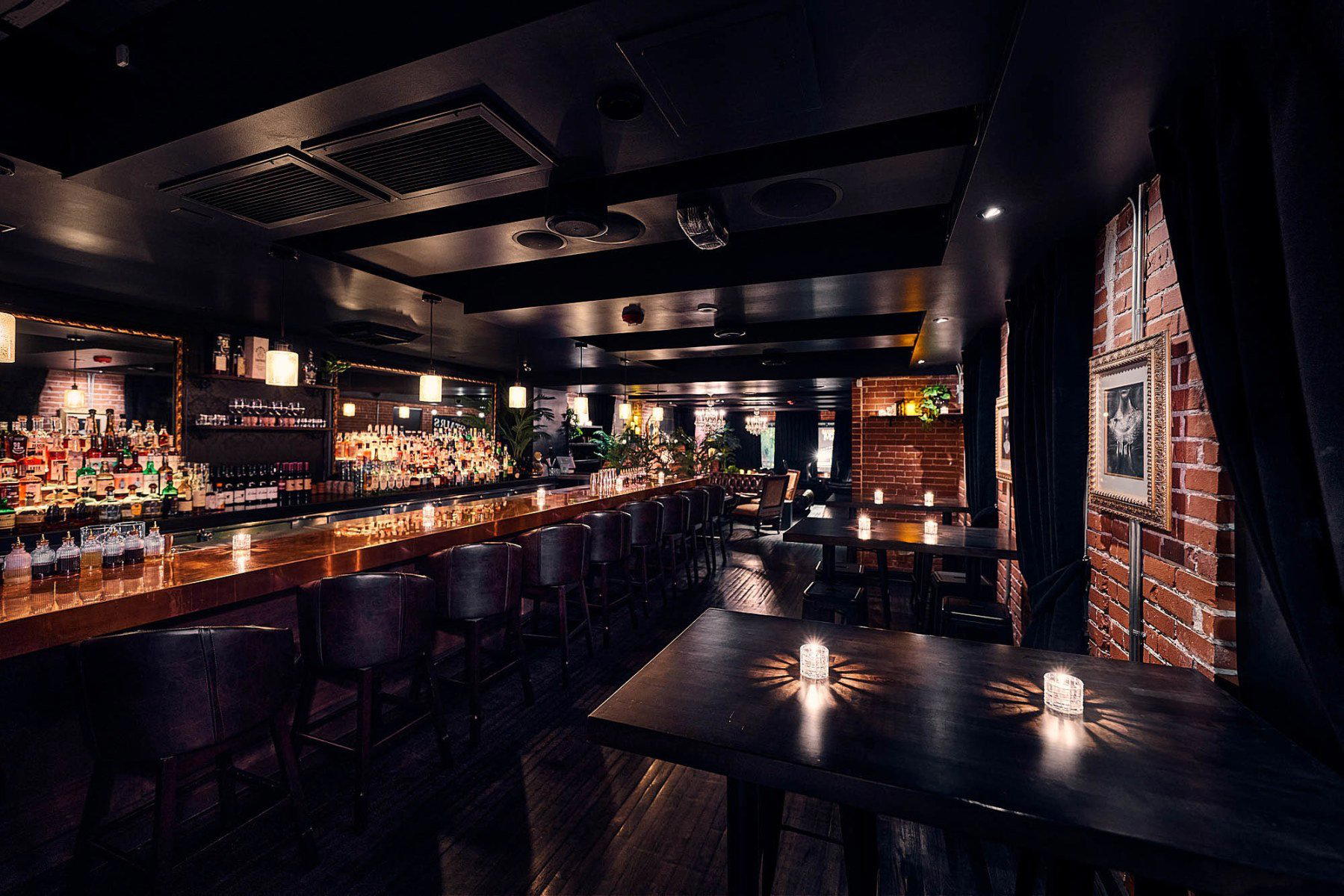
That distinction matters when reading the city's broader bar and tavern scene. Phoenix has split, as most American Sun Belt cities have, between high-design cocktail bars with Instagrammable interiors and older neighborhood taverns whose spatial logic follows function rather than fashion. The latter category tends to produce rooms that feel genuinely inhabited: the wear on a bar leading, the acoustic softness of a room that absorbs conversation rather than amplifying it, the sense that the furniture was chosen for comfort over photography. Orchard Tavern occupies that second category, and the space communicates it without effort.
What the Room Tells You
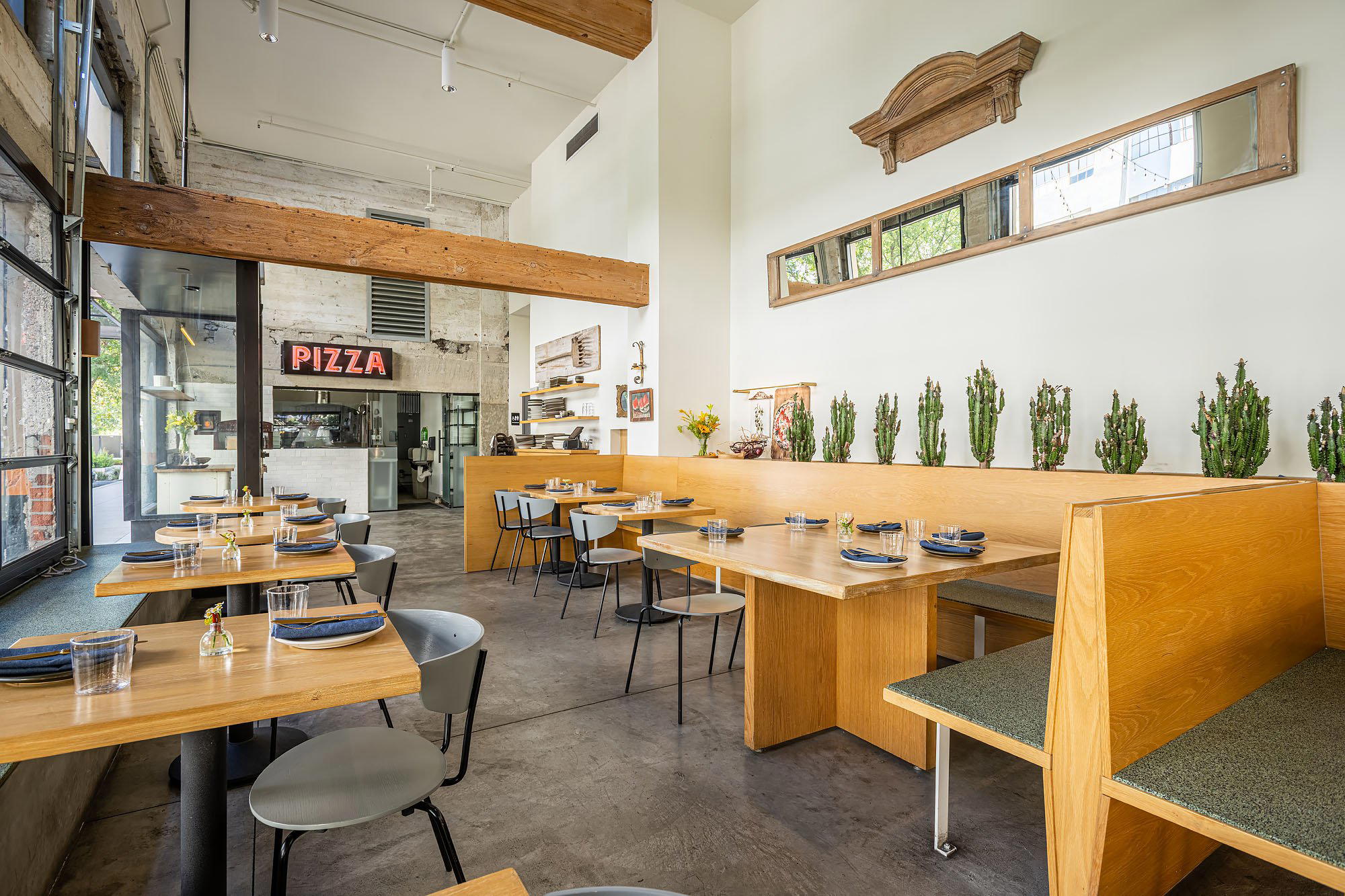
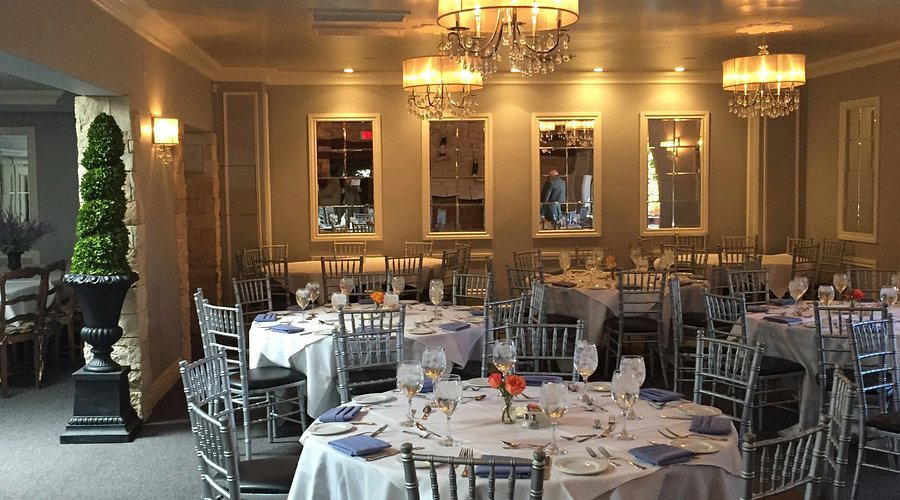
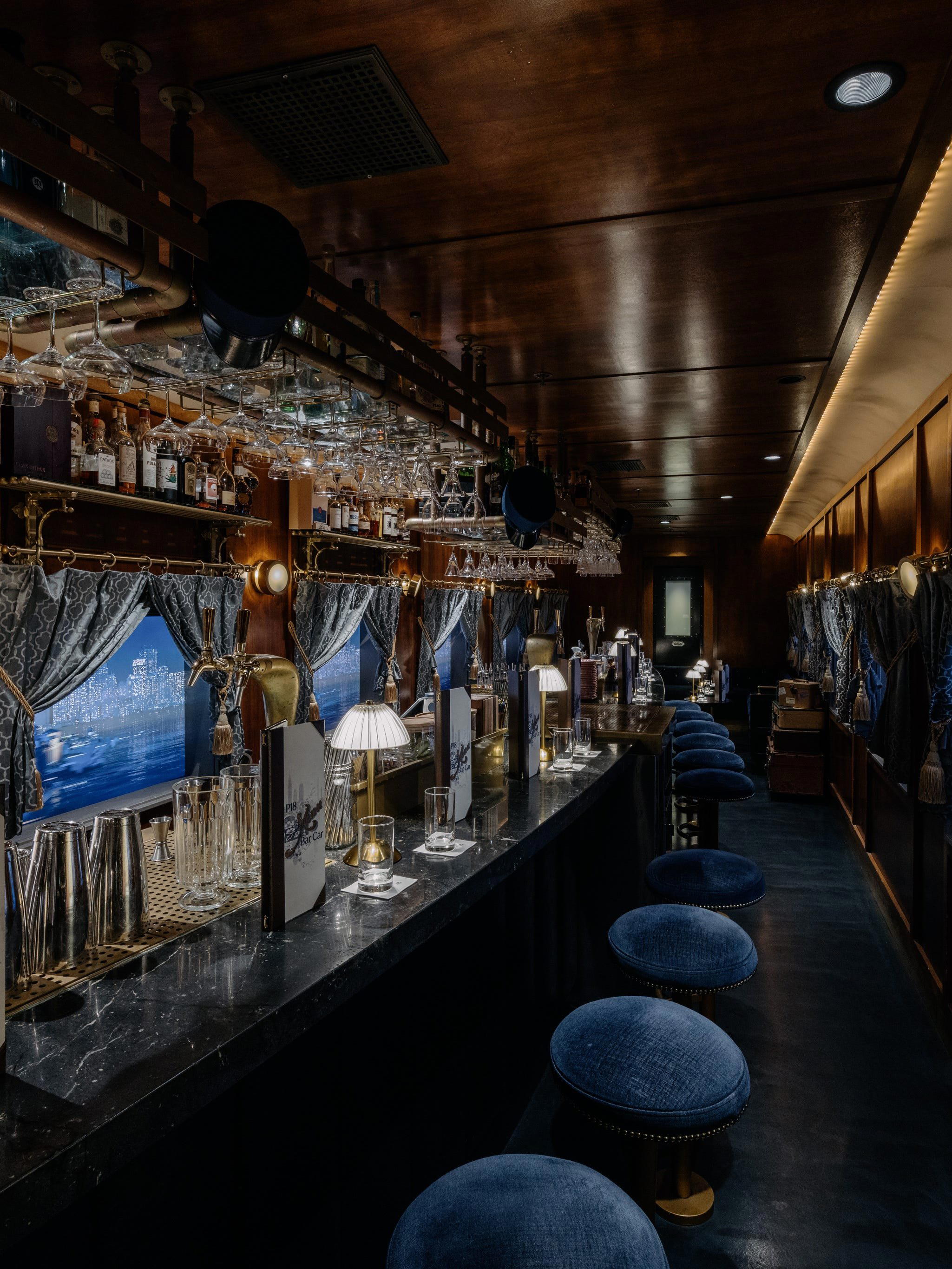
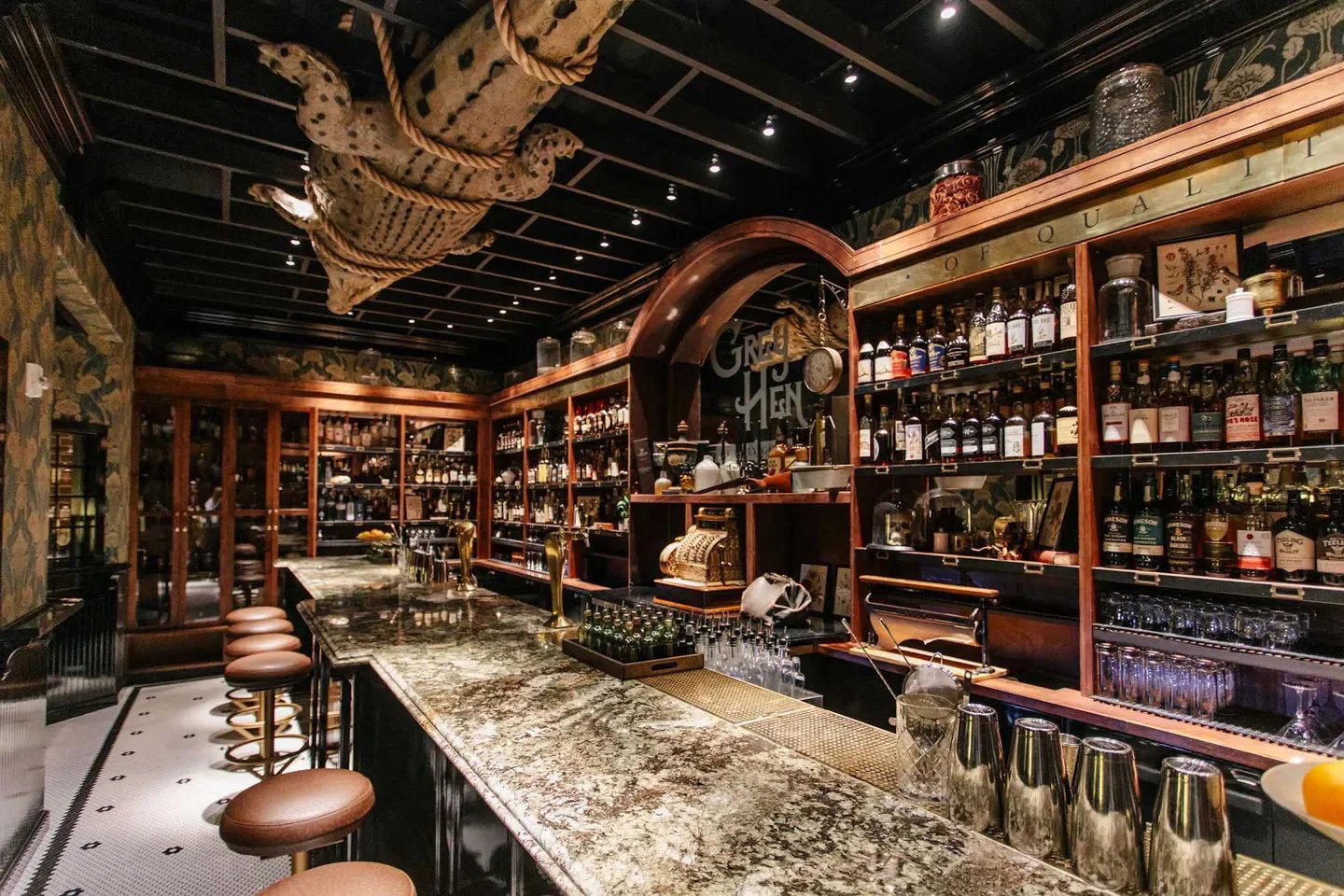
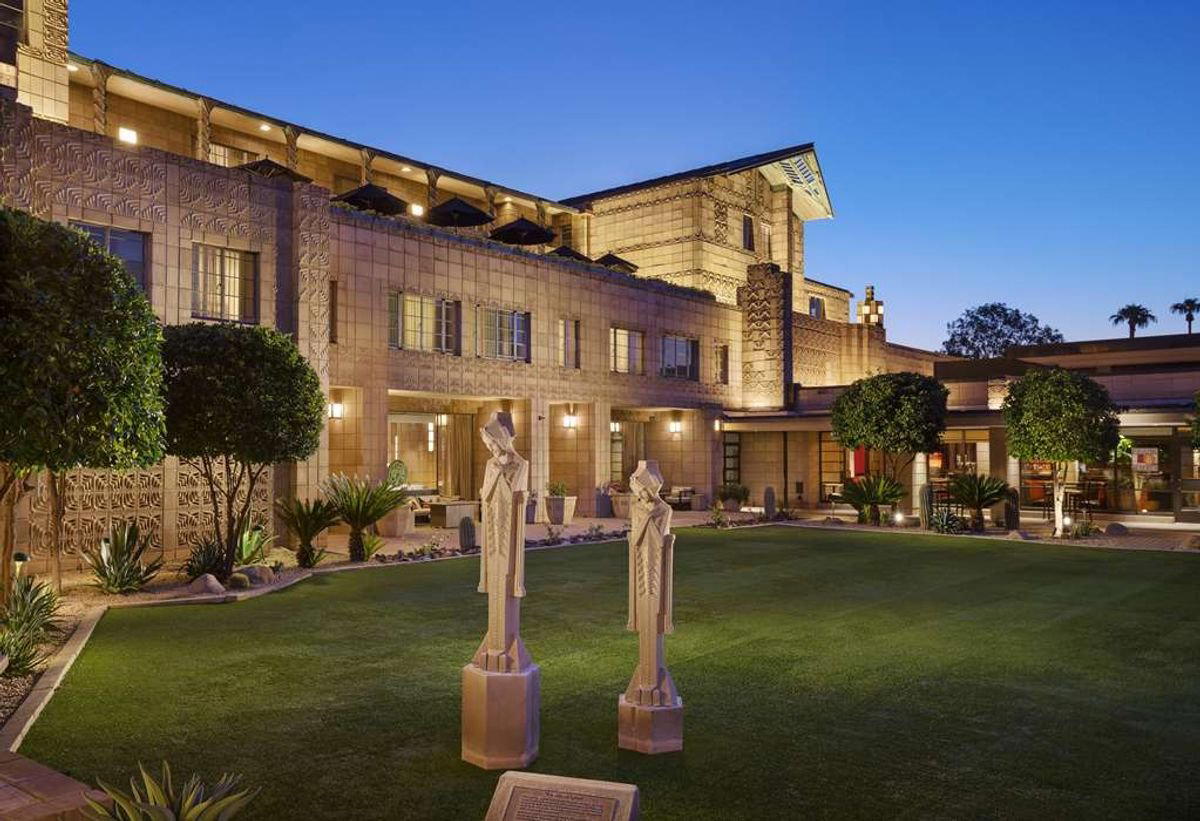
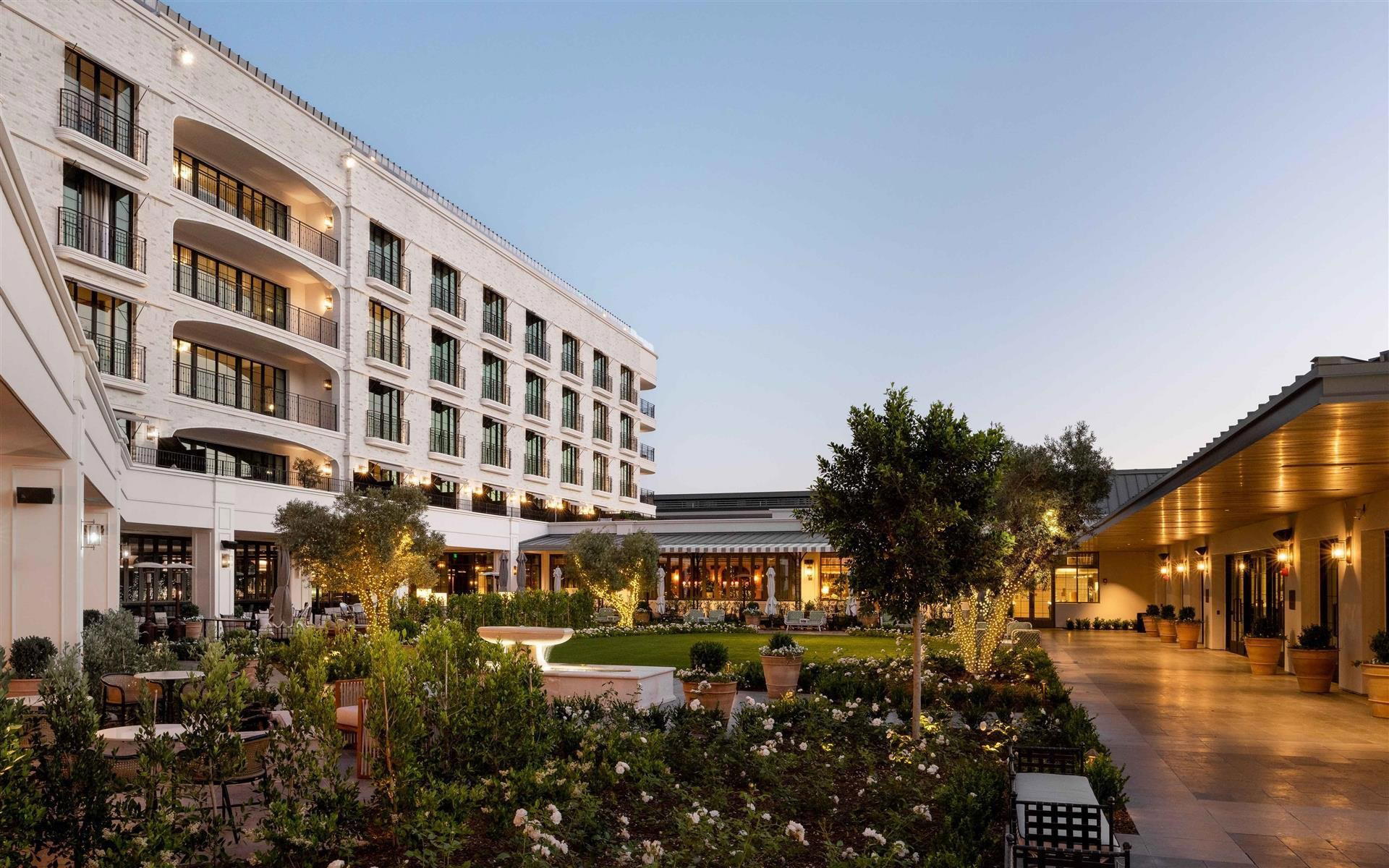
The editorial angle that matters here is architectural disposition rather than decor. Phoenix taverns built around neighborhood use tend toward a particular spatial grammar: an elongated bar as the room's spine, seating arranged to facilitate both solo drinking and group conversation, and enough visual breathing room that the space doesn't feel staged. The building envelope at 7100 N 12th, a low-rise commercial structure set back from the street, reinforces that grammar before a guest even crosses the threshold.
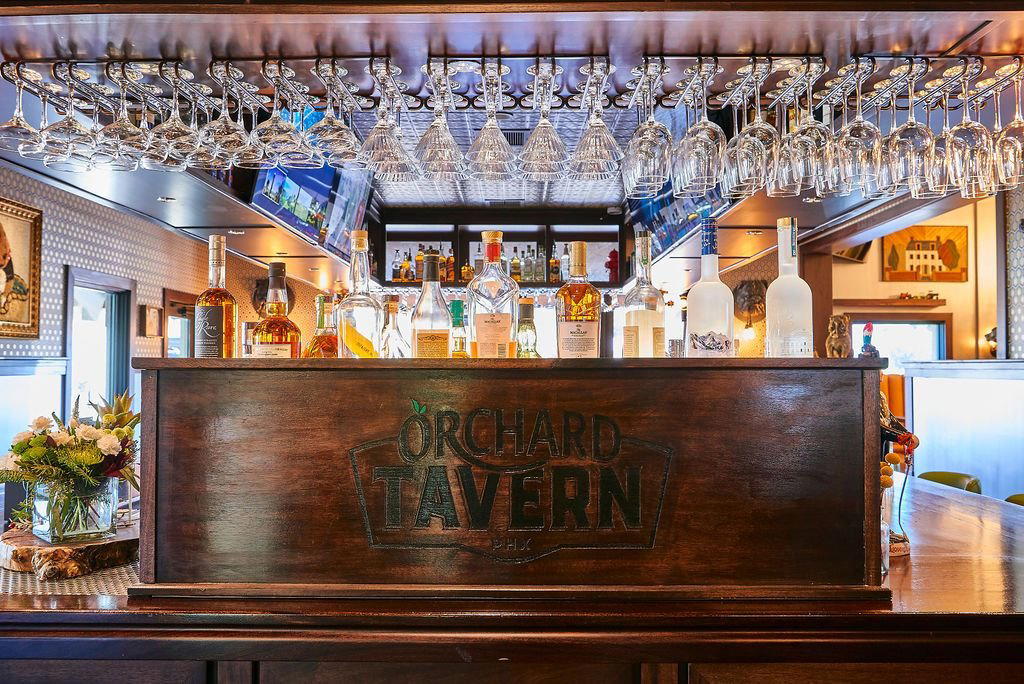
Inside, the emphasis is on the bar as social infrastructure rather than as performance space. This puts Orchard Tavern in a different conversation from the high-ceilinged cocktail rooms that have opened across Phoenix's midtown and downtown corridors over the past decade. Where those spaces use vertical volume and curated lighting to signal premium intent, a tavern format privileges horizontal intimacy: the proximity of bar stools to one another, the sight lines that let a regular track who's just walked in, the surface area that accommodates a beer and a plate without ceremony. These are design choices, even when they don't announce themselves as such.
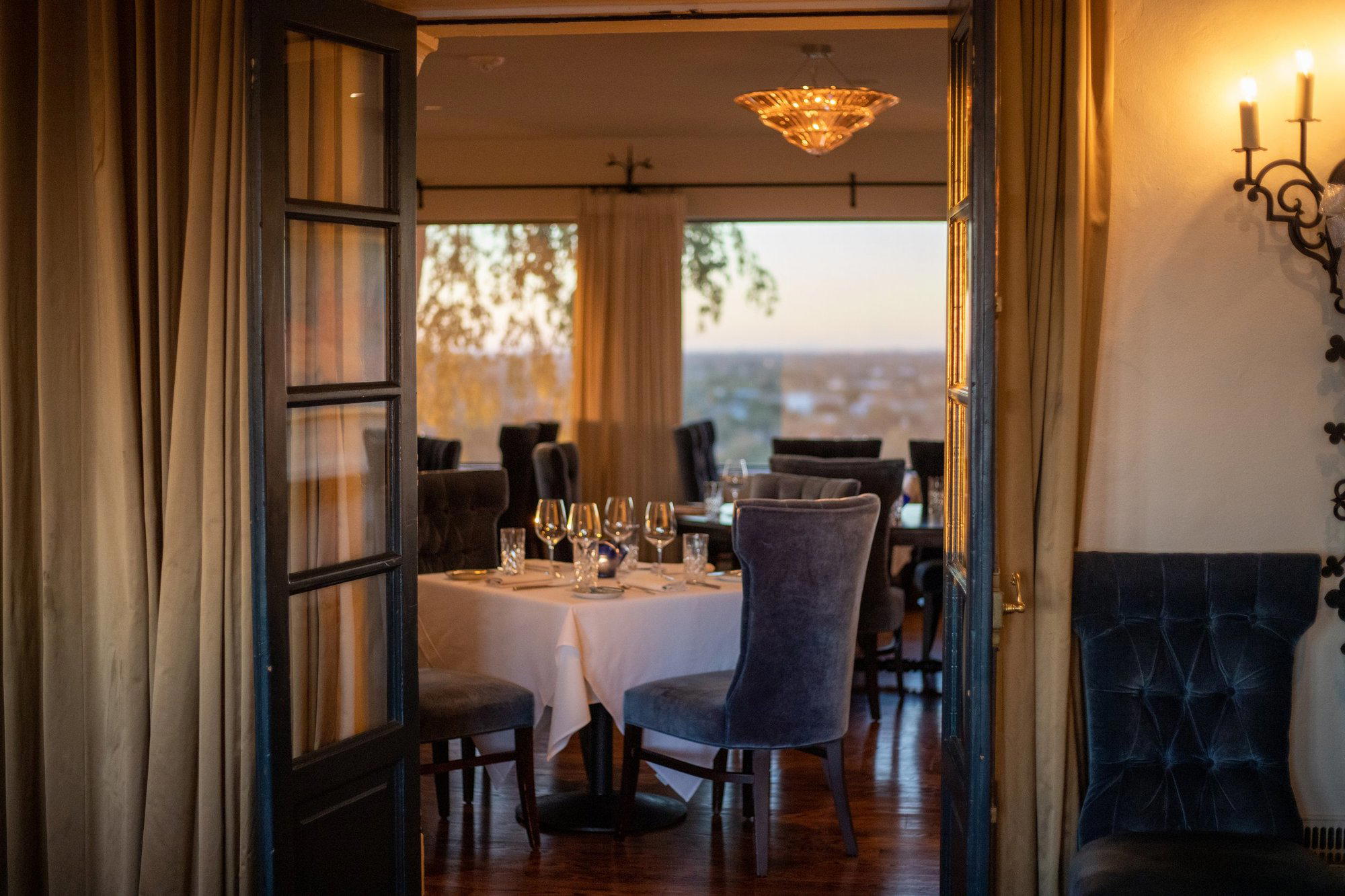
For context on how Phoenix's dining and drinking scene stratifies by space type, the contrast with something like Vincent Guerithault on Camelback (French Southwestern) is instructive. Guerithault's room codes as destination dining, with a formality of arrangement that signals a specific transactional relationship between guest and kitchen. A tavern inverts that relationship: the room says the guest is already at home, the kitchen or bar follows rather than leads.
Phoenix's Neighborhood Dining Fabric
Understanding Orchard Tavern requires understanding where it sits within Phoenix's layered food and drink geography. The city's restaurant and bar scene has matured considerably since the early 2010s, but the maturation has been uneven. The high-visibility tier, anchored by nationally reviewed kitchens and hotel bar programs, has attracted the most coverage. The neighborhood tier has received less press attention even as it has remained more durable and, for locals, more relevant to daily life.
That neighborhood tier includes spots like Bacanora (Mexican Sonoran), which has built a following around Sonoran cooking traditions rather than trend-chasing, and Pane Bianco (Sandwiches), a long-running operation from Chris Bianco that demonstrates how a simple format, executed with discipline, sustains loyalty over years. Lom Wong (Thai) represents a different strand of the same pattern, building credibility through culinary specificity rather than broad appeal. And then there are legacy casual formats like 5 & Diner, which have anchored the city's retro-American comfort category for decades.
Orchard Tavern belongs to this fabric rather than to the destination-dining tier. That isn't a limitation; it's a function. For anyone spending time in the North 12th Street corridor, it provides the kind of grounding that neighborhood taverns have always provided: a room that absorbs the rhythms of the surrounding area rather than trying to redirect them.
How Tavern Spaces Function as Community Infrastructure
The sociological argument for the neighborhood tavern as a spatial form has been well-documented in urban studies, though it rarely makes it into dining criticism. A room designed around repeated, casual use creates different social dynamics than one optimized for occasion dining. Bar stools placed for proximity rather than privacy encourage the kind of lateral conversation that doesn't happen at tables arranged for contained groups. A bar that's the room's visual and functional center creates a shared focal point that subtly levels the social register of the space.
This is a category of design intelligence that doesn't photograph well and doesn't generate award citations, which is partly why the nationally recognized dining rooms at places like Lazy Bear in San Francisco, Alinea in Chicago, or Blue Hill at Stone Barns in Tarrytown receive so much more coverage than the tavern format. The tasting-menu rooms referenced in those guides, alongside destination kitchens like The French Laundry in Napa, Le Bernardin in New York City, Providence in Los Angeles, Addison in San Diego, Single Thread Farm in Healdsburg, Atomix in New York City, The Inn at Little Washington, Emeril's in New Orleans, and 8 1/2 Otto e Mezzo Bombana in Hong Kong, are all optimized for the dining occasion as event. Orchard Tavern is optimized for the evening as part of a regular week, and those are genuinely different design briefs.
Planning a Visit
Orchard Tavern is located at 7100 N 12th Street, Building One, Phoenix, AZ 85020, in the North Mountain Village area of Phoenix. The address sits north of the downtown core, accessible by car and positioned within a low-density commercial corridor that isn't served by the light rail network. Visitors relying on public transit should plan accordingly. Phoenix's broader dining scene, including the full range of neighborhood and destination options across the city, is covered in our full Phoenix restaurants guide.
Frequently asked questions
What part of town is Orchard Tavern in?
Orchard Tavern is located at 7100 N 12th St Building One, Phoenix, AZ 85020, Phoenix.
What neighborhood is Orchard Tavern in, and what does that mean for the surrounding area?
Orchard Tavern sits in North Mountain Village, one of Phoenix's established residential corridors running north along 12th Street toward the mountain preserve boundaries. That placement puts it outside the dense downtown and Midtown dining clusters, functioning instead as a local anchor for the surrounding residential blocks. For visitors staying in North Phoenix or passing through on the way to North Mountain Park, the location makes it a practical stop without requiring a detour into central Phoenix traffic.
What's the signature dish at Orchard Tavern?
The focus at 7100 N 12th Street, Building One sits squarely on the tavern format itself rather than a single marquee plate. For current menu details, contacting the venue directly before visiting is advisable.
Can I walk in to Orchard Tavern?
Orchard Tavern operates in the neighborhood tavern tradition, where walk-in access is typically the norm rather than the exception. The North Mountain Village address at 7100 N 12th Street, Building One is accessible by car with parking available in the surrounding lot. No reservation policy is publicly documented, so arriving without a booking should not present an obstacle for most visits.
Cuisine Lens
Comparable venues nearby, for context on price, style, and recognition.
| Venue | Cuisine | Price | Notes |
|---|---|---|---|
| Orchard TavernThis venue — the venue you are viewing | Upscale American Tavern with Wood-Fired Pizzas | $30–50 | Not listed |
| The Gladly | New American | $50–100 | Colony Biltmore Iv |
| Gertrude's - Phoenix | Modern Arizona Contemporary American | $30–50 | Minnesota Court |
| Jacy & Dakota's | Modern American | Not listed | Copper Square |
| The Arrogant Butcher | Modern American Steakhouse & Grill | $30–50 | Copper Square |
| The Collins Small Batch Kitchen | Contemporary American | Not listed | Village on the Lakes |