Toscano
Our verdict
Toscano brings Italian-rooted cooking to Bordentown's Farnsworth Avenue, a street that has quietly become one of central New Jersey's more interesting dining corridors. The kitchen draws on ingredient-focused traditions common to the Italian regional table, where sourcing decisions carry as much weight as technique. For a town of Bordentown's size, the address punches into a category that rewards repeat visits.

Pearl is the En Primeur Club membership app, where members save venues, book tables and use the concierge.
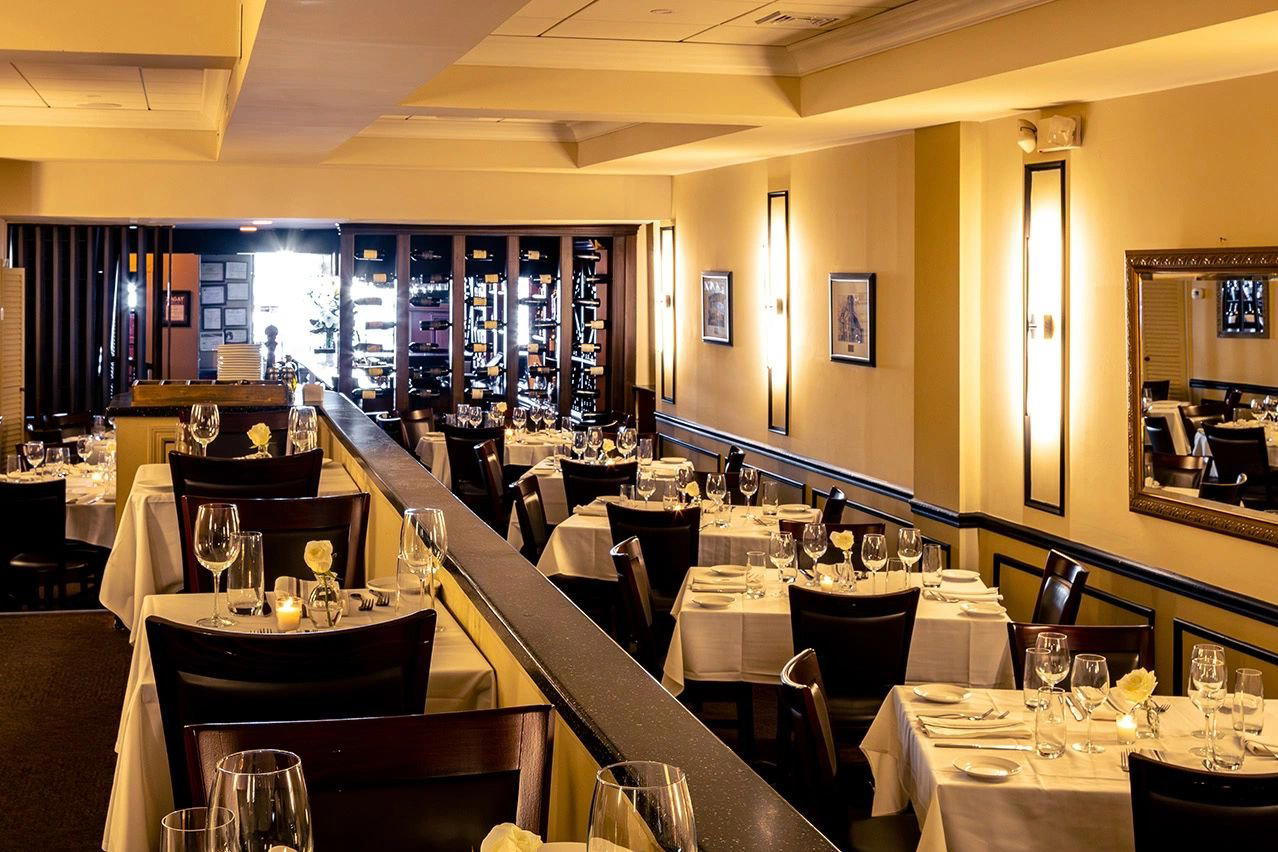
Farnsworth Avenue and the Italian Table in Small-City New Jersey
There is a version of Italian-American dining that never really left the tablecloth-and-chianti-bottle era, and there is another version that has spent the last two decades quietly catching up to how Italy actually eats. The gap between those two traditions is where a restaurant like Toscano, at 136 Farnsworth Ave in Bordentown, NJ, finds its most interesting footing. Bordentown is not a city that generates national dining coverage, but Farnsworth Avenue has accumulated enough independent operators to make it worth treating as a genuine dining street rather than a convenience stop. Toscano sits within that corridor, and its name signals an orientation toward Tuscan culinary logic: restraint, seasonal produce, and the kind of ingredient relationships that make simplicity feel intentional rather than lazy.
What Tuscan-Rooted Sourcing Actually Means at the Table
The Tuscan table is, at its structural core, an argument about ingredients. The region's cooking does not rely on complexity of technique to carry a dish; it relies on the quality of what enters the kitchen. That philosophical position has real consequences for how a restaurant with Tuscan orientation should operate. Olive oil, dried legumes, heritage grains, aged cheeses, and heritage-breed pork are not decorative details in this tradition; they are load-bearing elements. A bistecca is only as good as the animal it came from. A ribollita is only as good as the beans and the bread.
For a restaurant operating in central New Jersey, that sourcing orientation is actually an advantage rather than a constraint. The mid-Atlantic region has developed a dense network of small farms, heritage-breed livestock producers, and specialty grain growers over the past fifteen years. Restaurants further up the prestige ladder, like Blue Hill at Stone Barns in Tarrytown or Single Thread Farm in Healdsburg, have made farm-to-kitchen sourcing a formal programmatic commitment. At a neighborhood scale, the same principles apply without requiring the institutional apparatus: a kitchen that knows which farms are producing well in a given season, and that adjusts its menu accordingly, is practicing the same discipline at a smaller radius.
That connection between regional agriculture and plate is not simply a marketing posture. It is the reason why Tuscan cooking, when done with fidelity to its origins, travels well to places like New Jersey. The produce calendar in the mid-Atlantic is not dramatically different from that of central Italy in structural terms: warm summers, cool falls, and winters that force a shift toward preserved and cured goods. A kitchen that respects that seasonal rhythm will produce food that feels coherent rather than arbitrary.
Bordentown as a Dining Context
Understanding Toscano requires understanding Bordentown's position in the regional dining map. This is not a resort town or a destination city; it sits between Trenton and Burlington along the Delaware River, with a historic district that gives Farnsworth Avenue a pedestrian character unusual for a town of its population. That character matters because it creates the conditions for the kind of restaurant that depends on neighborhood loyalty and repeat visits rather than tourist traffic or expense-account dinners.
The restaurants that thrive in towns like Bordentown tend to share a few traits: a focused menu that can be executed consistently with a smaller kitchen brigade, a wine list that reflects genuine knowledge rather than markup strategy, and a room that feels like it belongs to the town rather than imported from somewhere else. For context on how ingredient-driven Italian cooking operates at higher price points and larger platforms, Frasca Food and Wine in Boulder and Addison in San Diego both demonstrate how regional-rooted sourcing and Italian-adjacent wine programs can anchor a serious dining identity. Toscano operates at a different scale, but the underlying logic of place-rooted cooking applies across all of them.
For a broader map of where Toscano fits within the area's dining options, our full Bordentown restaurants guide covers the Farnsworth Avenue corridor in more detail and positions the street's independent operators against each other.
Planning Your Visit
Toscano is located at 136 Farnsworth Ave in Bordentown's historic district, walkable from the main street parking areas that serve the corridor. The restaurant's address positions it within easy reach of both Burlington County and the Trenton metro, making it a practical option for diners coming from either direction along Route 130 or the New Jersey Turnpike corridor.
For those building a wider itinerary around serious Italian cooking in the United States, the range runs from neighborhood-scale operators like Toscano up through destination-level addresses: Le Bernardin in New York City anchors the technical end of the East Coast spectrum, while The French Laundry in Napa and Lazy Bear in San Francisco show how ingredient sourcing becomes a defining identity at the highest tier. On the Italian-specific register, 8 1/2 Otto e Mezzo Bombana in Hong Kong demonstrates how Tuscan-influenced fine dining travels internationally. Closer to home, Bacchanalia in Atlanta and The Inn at Little Washington both illustrate how regional sourcing commitments build long-term restaurant identities in mid-sized American markets. Causa in Washington D.C., ITAMAE in Miami, Atomix in New York City, Providence in Los Angeles, Brutø in Denver, Emeril's in New Orleans, and Alinea in Chicago each show different expressions of how a sourcing identity can define a restaurant's place in its city's dining conversation.
Frequently asked questions
Does Toscano work for a family meal?
Toscano's address on Farnsworth Avenue in Bordentown's historic district puts it in a walkable, low-pressure setting that suits relaxed group dining. The Tuscan-rooted approach to the menu, built around ingredient-led dishes rather than elaborate tasting formats, tends to translate well across a table with varied preferences. It is not a loud, high-turnover operation, which works in a family group's favour.
Is Toscano better for a quiet night or a lively one?
Bordentown is not a nightlife corridor, and Toscano reflects that. The Farnsworth Avenue location sits within a historic district context that runs quieter than a city centre strip, making it a stronger fit for conversation-forward dinners than for high-energy evenings. That is a feature, not a limitation, depending on what you are after.
Is Toscano in Bordentown a good option for Italian dining near Burlington County, NJ?
For Burlington County residents or visitors passing through central New Jersey, Toscano on Farnsworth Ave represents one of the more considered Italian tables in the area, operating within a Tuscan-influenced cooking framework that prioritises ingredient quality over elaborate presentation. It sits in Bordentown's historic district, accessible from the main street parking corridor. EP Club does not currently hold award or chef credentials on file for this location, but its positioning within the regional dining map is as a substantive alternative to the chain and casual Italian options that dominate the broader county.
What do people recommend at Toscano?
What the editorial framing of this restaurant consistently points toward is its Tuscan-rooted sourcing philosophy, which positions ingredients above technique complexity, suggesting that straightforward, produce-led preparations are the kitchen's signature mode.
Where exactly is Toscano?
Toscano is located at 136 Farnsworth Ave, Bordentown, NJ 08505, Bordentown.
How hard is it to get a table at Toscano?
Bordentown draws from a regional dining audience rather than a tourist flow, which means Toscano operates in a different demand environment than comparable Italian kitchens in Philadelphia or Princeton.
How It Stacks Up
Comparable venues nearby, for context on price, style, and recognition.
| Venue | Cuisine | Price | Notes |
|---|---|---|---|
| ToscanoThis venue (the venue you are viewing) | Italian Steakhouse | $50–100 | Not listed |
| Bareli's | Creative Italian / Continental | $50–100 | Secaucus |
| LaScala's FIRE | Italian-American Wood-Fired Pizza & Sushi | $20–30 | Rowan University area |
| Taormina Restaurant | Authentic Sicilian Italian | Not listed | Kenilworth |
| Del Porto Ristorante | Modern Italian | $30–50 | Union |
| Eccola | Classic Italian American | Not listed | Parsippany |
Continue exploring
More in Bordentown
Restaurants in Bordentown
All restaurants in Bordentown →
Bars in Bordentown
Browse all →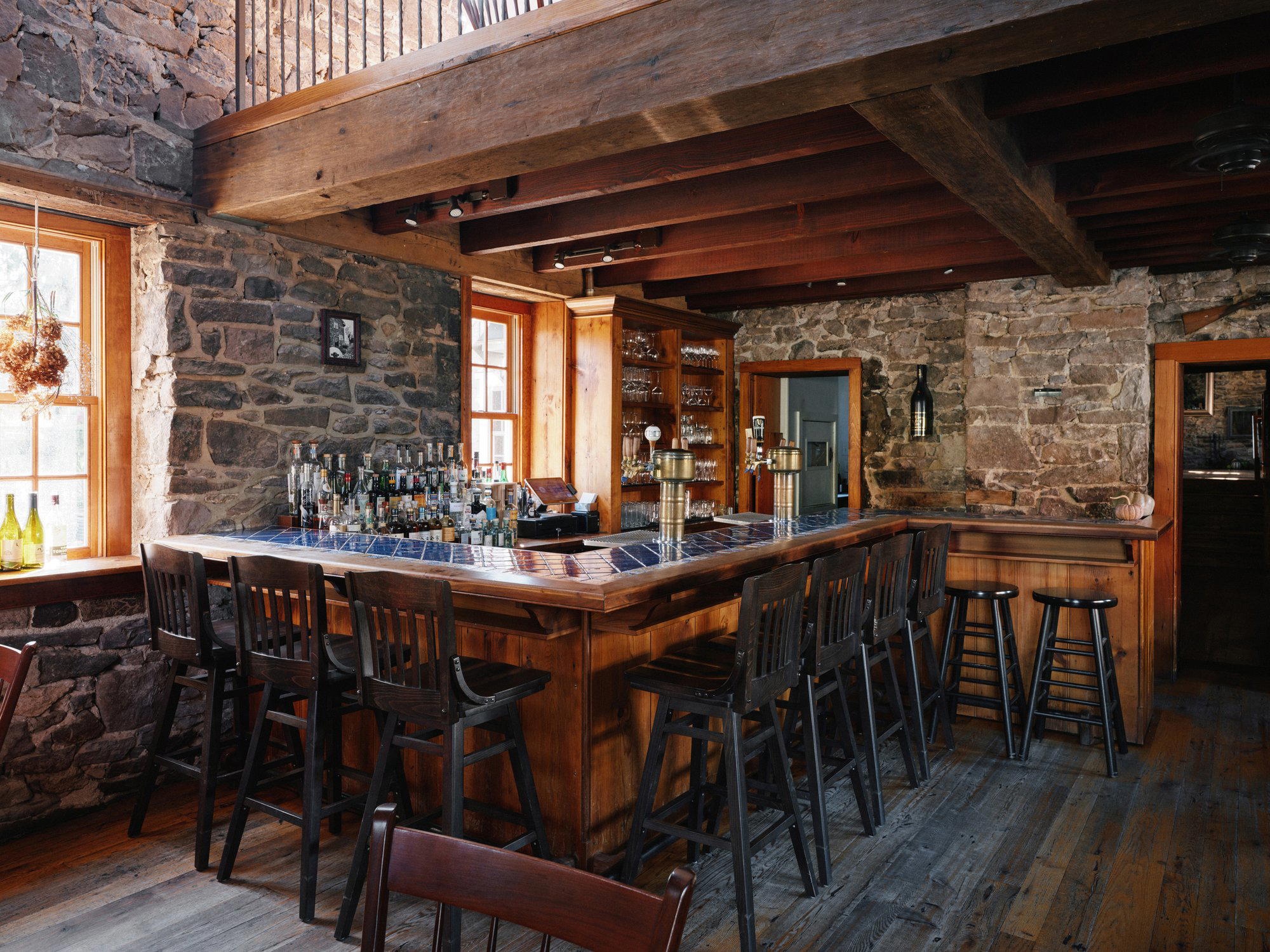
Hotels in Bordentown
Browse all →
Wineries in Bordentown
Browse all →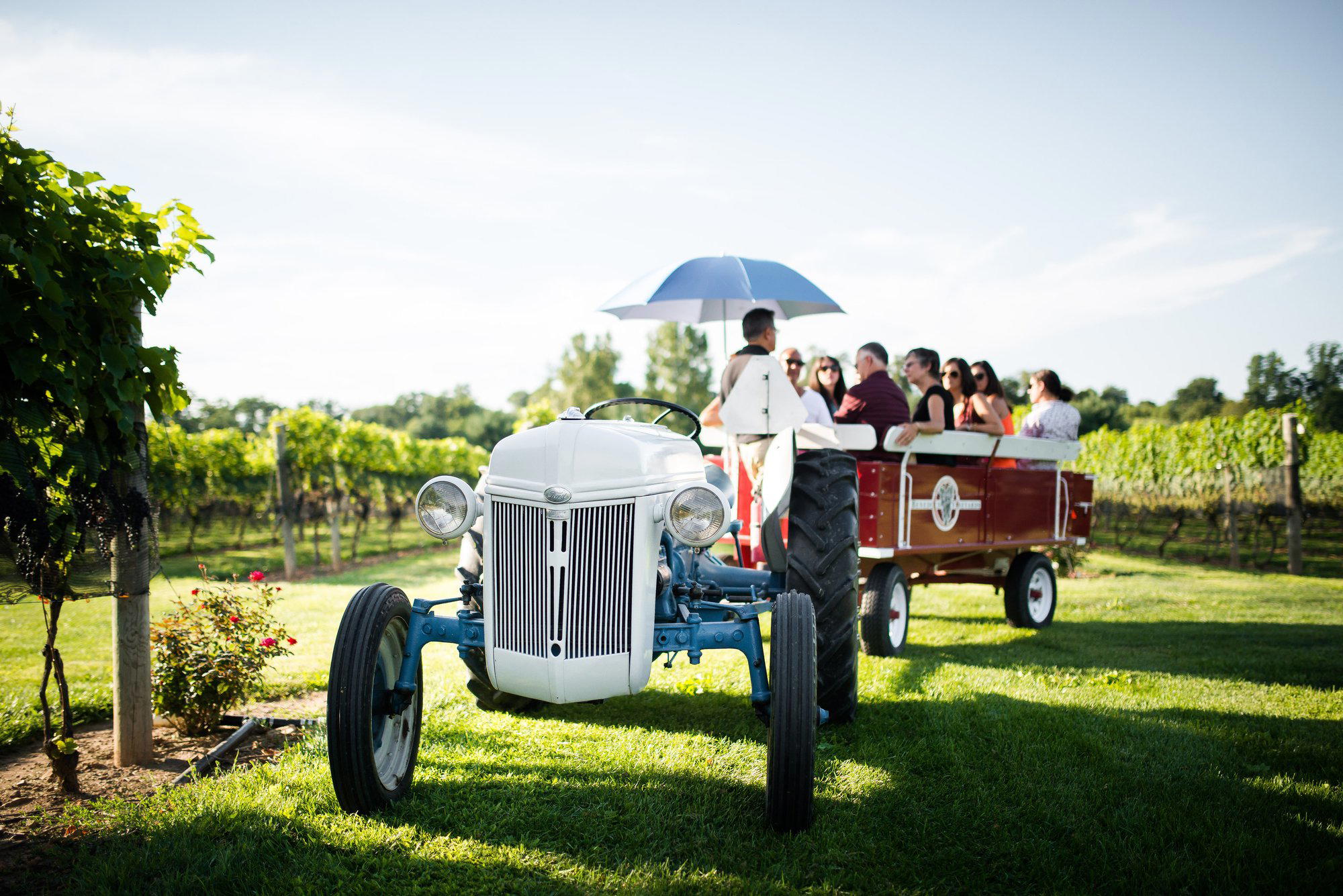
Details
- Cozy
- Classic
- Elegant
- Date Night
- Business Dinner
- Special Occasion
- Private Dining
- Extensive Wine List
- A La Carte
- Vegetarian Friendly
- Vegan Options
- Gluten Free Options
Current opening hours
- Monday
- 4–8:30 PM
- Tuesday
- 11:30 AM–2:30 PM, 4–9 PM
- Wednesday
- 11:30 AM–2:30 PM, 4–9 PM
- Thursday
- 11:30 AM–2:30 PM, 4–9 PM
- Friday
- 11:30 AM–2:30 PM, 4–9 PM
- Saturday
- 11:30 AM–2:30 PM, 4–9 PM
- Sunday
- 11:30 AM–9 PM
Hours can change for holidays and private events. Hours as of .
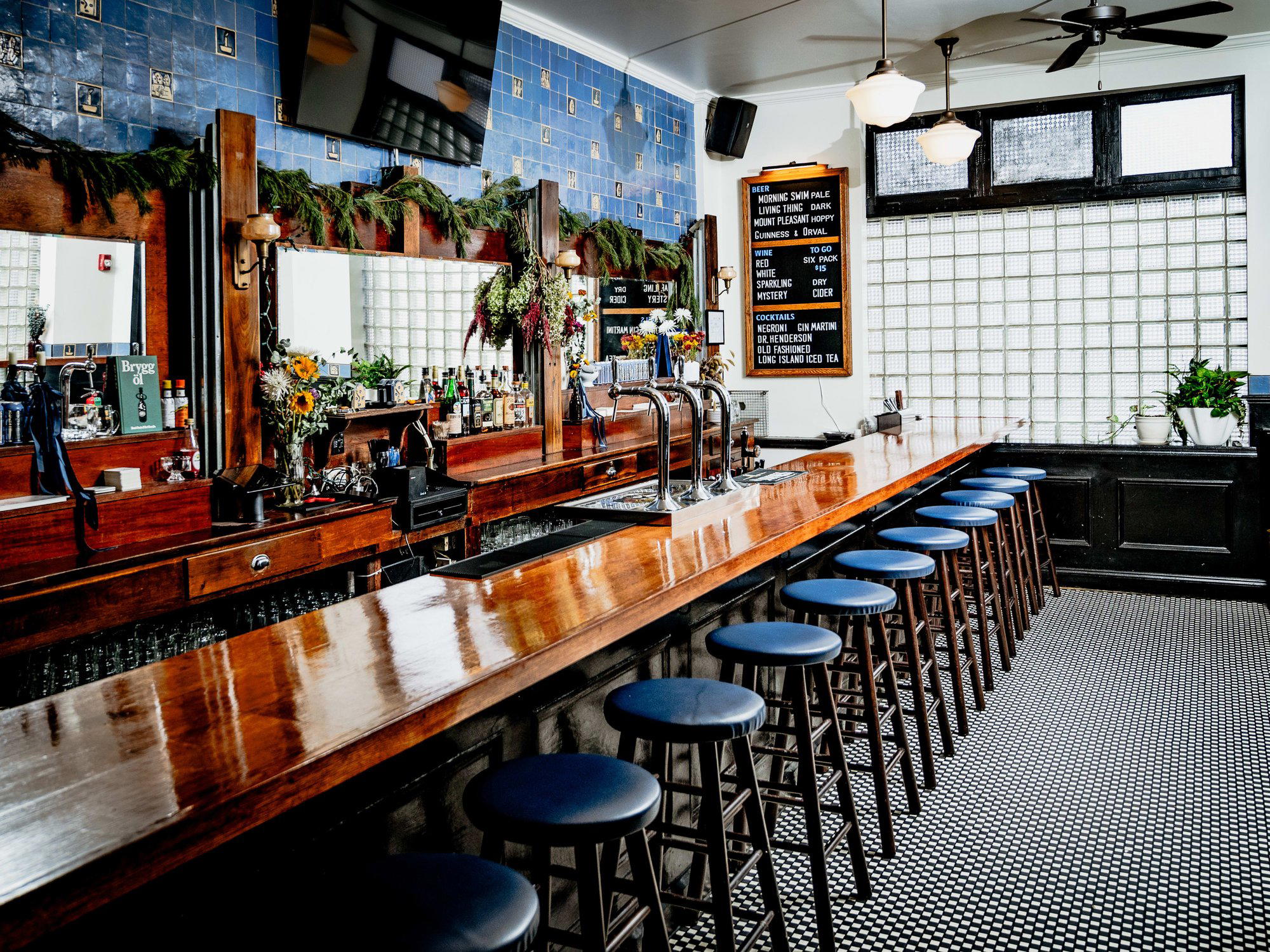
Cozy bar area with friendly, comfortable atmosphere