Stockton Inn Boutique Hotel


Michelin Guide New Hotels New Hotel · Michelin Selected · Mr & Mrs Smith Seal of Approval
The Stockton Inn occupies a mid-eighteenth-century stone building at the corner of Main Street in the Delaware River village of Stockton, New Jersey. The property sits within the broader Delaware Valley corridor that connects New Hope, Pennsylvania to Lambertville, a stretch that has drawn weekend visitors from New York and Philadelphia for decades. Its address alone positions it as one of the few lodging options within walking distance of both the river and the region's antique and gallery circuit.

Pearl is the En Primeur Club membership app — saves, bookings, and concierge access live there. Same editors, same standards.
- Address
- 1 S Main St, Stockton, NJ 08559
- Phone
- (609) 460-4209
- Website
- stocktoninn.com
- Directions
- Get directions
A Colonial Landmark on the Delaware
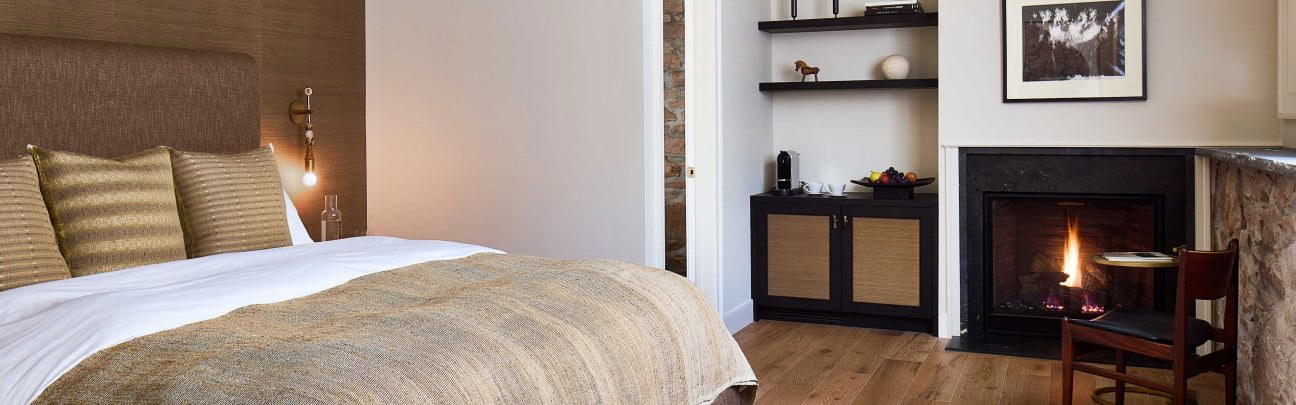
The stretch of the Delaware River that runs through western New Jersey has long attracted a particular kind of traveler: one drawn less by spectacle than by accumulated character. Stockton, a village of roughly 500 residents, sits at the intersection of New Jersey Route 29 and the river itself, and its built environment reflects centuries of continuous habitation rather than a single moment of development. The Stockton Inn at 1 South Main Street occupies that context in the most literal sense, operating from a building whose stone and timber construction anchors the streetscape in a way that newer boutique properties in the region simply cannot replicate. Where properties like Troutbeck in Amenia draw on estate-house heritage across the border in New York, the Stockton Inn draws on the specific vernacular of Delaware River Valley colonial architecture, a tradition defined by fieldstone construction, low ceilings, and rooms that accumulate meaning through use rather than renovation.
Boutique hospitality in the northeastern United States has increasingly split between two camps: properties that pursue a design-forward identity built around contemporary interiors, and those that foreground genuine historical fabric. The Stockton Inn belongs to the latter. The building's exterior, with its stone facade fronting directly onto Main Street, reads as a civic artifact as much as a hospitality property, the kind of structure that defines a village rather than merely existing within it. This places the Stockton Inn in a specific competitive niche, closer in sensibility to Blackberry Farm in Walland or SingleThread Farm Inn in Healdsburg than to the large-footprint resort category.
Architecture as the Primary Amenity
In the Delaware River Valley, the stone inn is not a decorative concept but a structural reality. The material palette of the region, fieldstone pulled from local riverbeds and forests, determined how buildings were built for two centuries, and the Stockton Inn's physical form reflects that tradition without approximation. The building has functioned continuously as a hospitality venue across different eras, which means its interior carries the accumulation of successive generations of use rather than the studied reconstruction that characterizes many so-called historic properties. That distinction matters to a specific kind of guest: one who can read the difference between original fabric and reproduction.
Boutique properties that trade on historical architecture face a consistent challenge: the physical authenticity that draws guests also limits the interventions available to operators. Room configurations in buildings of this era tend toward the irregular, with ceiling heights, window placements, and floor plans that resist standardization. This is, for the right traveler, precisely the point. Properties like Chicago Athletic Association in Chicago demonstrate how adaptive reuse of significant buildings can produce a hospitality product that no new construction could replicate; the Stockton Inn operates on a considerably smaller scale but within the same logic. The building's constraints are its character.
Stockton in the Delaware River Valley Context
The Delaware River Valley between Stockton and New Hope, Pennsylvania, across the river, has functioned as a weekend destination for Philadelphia and New York travelers for well over a century. The geography is specific: the river narrows here, the towpath runs along the New Jersey bank, and the surrounding Hunterdon County farmland provides the kind of agricultural density that supports a serious food culture without urban infrastructure. This is a region where farm-to-table is a supply chain reality rather than a menu concept, and where the inn tradition predates the contemporary boutique hotel category by generations.
For travelers routing between New York and Philadelphia, Stockton sits roughly equidistant from both cities, accessible by car in under two hours from Manhattan. The village's position on the river means it draws from both urban markets without being absorbed by either, which has historically allowed it to maintain a scale and character distinct from more developed tourist corridors. This is materially different from the situation facing properties in better-known destinations: the Stockton Inn operates in a context where the surrounding environment, rather than competing amenities, is the primary draw. Travelers who seek the same combination of historical fabric and landscape immersion at a different scale might compare properties like Amangiri in Canyon Point or Ambiente in Sedona, where the building-landscape relationship is the central proposition.
For a fuller picture of what the region offers beyond the inn itself, our full Stockton restaurants guide covers the surrounding dining options across Hunterdon County.
How It Sits in the Broader Boutique Market
The American boutique hotel market has produced a range of property types that trade on authenticity signals, from the Fifth Avenue Hotel in New York City with its landmark Manhattan address to the Post Ranch Inn in Big Sur where the architecture responds directly to dramatic coastal terrain. The Stockton Inn operates in a quieter register than either, defined by village scale and regional specificity rather than destination drama. It competes, in the loosest sense, with other small historic inns in the Delaware Valley corridor, but its Main Street position and building age place it in a category that has few true comparators at this scale.
Properties like Bernardus Lodge in Carmel Valley or Auberge du Soleil in Napa demonstrate how wine-country settings command a particular hospitality format, typically higher capacity with significant food and beverage programming. The Stockton Inn's context is agricultural rather than viticultural, and the scale is considerably more intimate. For travelers accustomed to properties like Raffles Boston or Aman New York, the adjustment is substantial: this is a village inn where the absence of large-format amenities is a feature of the proposition rather than a gap in the offer.
Planning a Stay
Stockton and the surrounding Delaware River Valley draw most heavily in spring and fall, when the river corridor and Hunterdon County farmland are at their most photogenic and temperatures support walking the towpath or cycling the river road. Summer weekends book early given the proximity to both New York and Philadelphia, and the village's small accommodation supply means that spontaneous bookings are rarely viable for peak periods. Travelers planning visits around specific events in the New Hope-Lambertville corridor, the adjacent arts and restaurant district across the Pennsylvania border, should plan considerably further ahead. For practical access, the inn's address at 1 South Main Street, Stockton, NJ 08559 is the navigation anchor; public transit options to this part of Hunterdon County are limited, and a car is effectively required for most visitors arriving from outside the immediate region.
For travelers weighing similar property types in other rural American contexts, comparisons worth examining include Sage Lodge in Pray, Alpine Falls Ranch in Superior, and Amangani in Jackson Hole, each of which illustrates how landscape-integrated boutique properties calibrate their offer to place rather than category convention.
In Context: Similar Options
| Venue | Price | Awards |
|---|---|---|
| Stockton Inn Boutique HotelThis venue — the venue you are viewing | Not listed | Michelin Guide New Hotels New Hotel · Michelin Selected |
| Aman New York | Not listed | 3 Michelin Keys · World's 50 Best #87 |
| Amangiri | $1,000–1,500 | 3 Michelin Keys · World's 50 Best #45 |
| Hotel Bel-Air | $750–1,000 | 3 Michelin Keys · World's 50 Best #57 |
| The Beverly Hills Hotel | Not listed | 3 Michelin Keys · World's 50 Best #65 |
| The Carlyle, A Rosewood Hotel | $1,500–2,500 | 2 Michelin Keys · World's 50 Best #64 |
Recognition history
Dated appearances from independent guides and award organizations, with the underlying list record or original source where available.
Michelin Guide New Hotels New Hotel
Michelin Guide New Hotels
Michelin Selected
Michelin
Mr & Mrs Smith Seal of Approval
Mr & Mrs Smith
Continue exploring
More in Stockton
Hotels in Stockton
Browse all →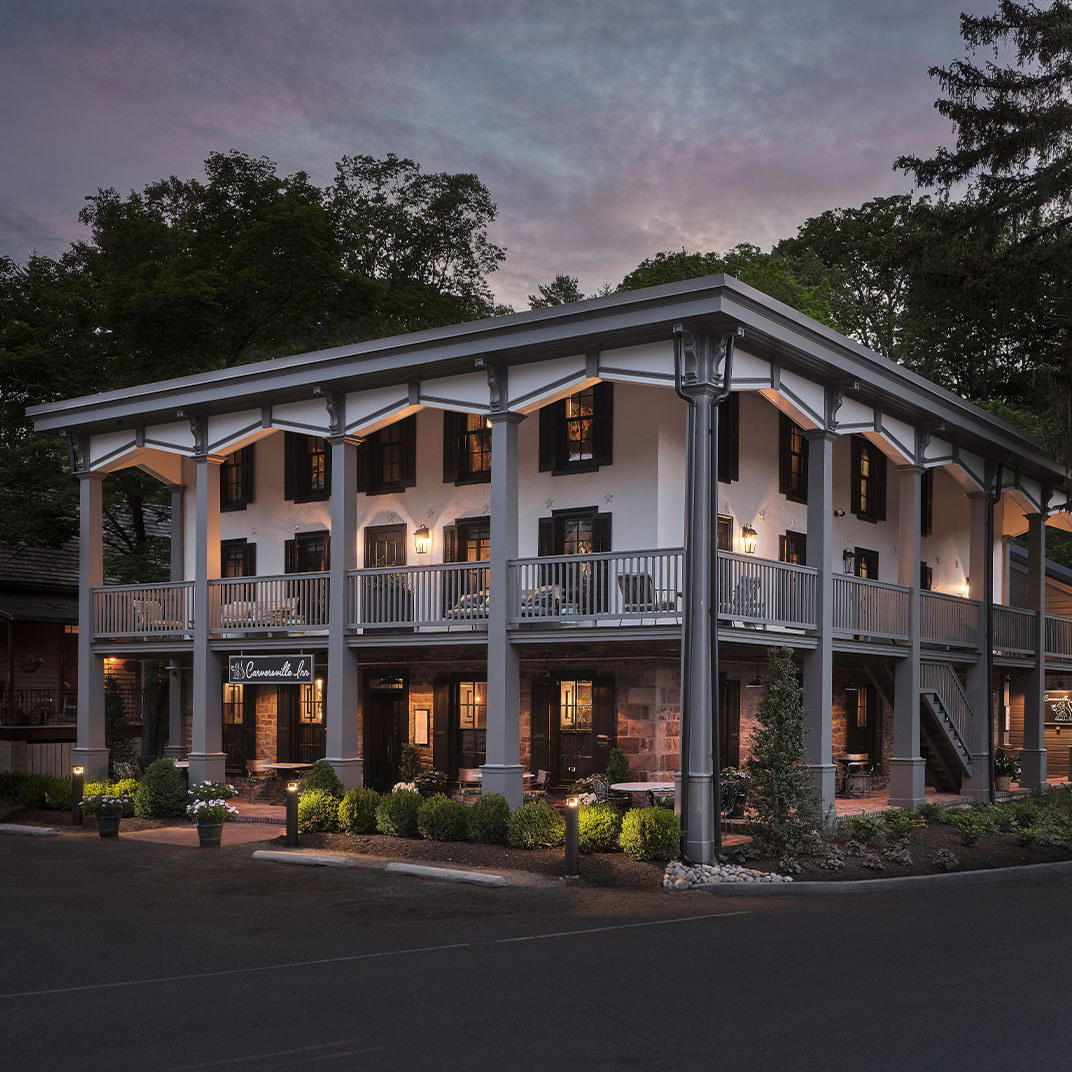
Bars in Stockton
Browse all →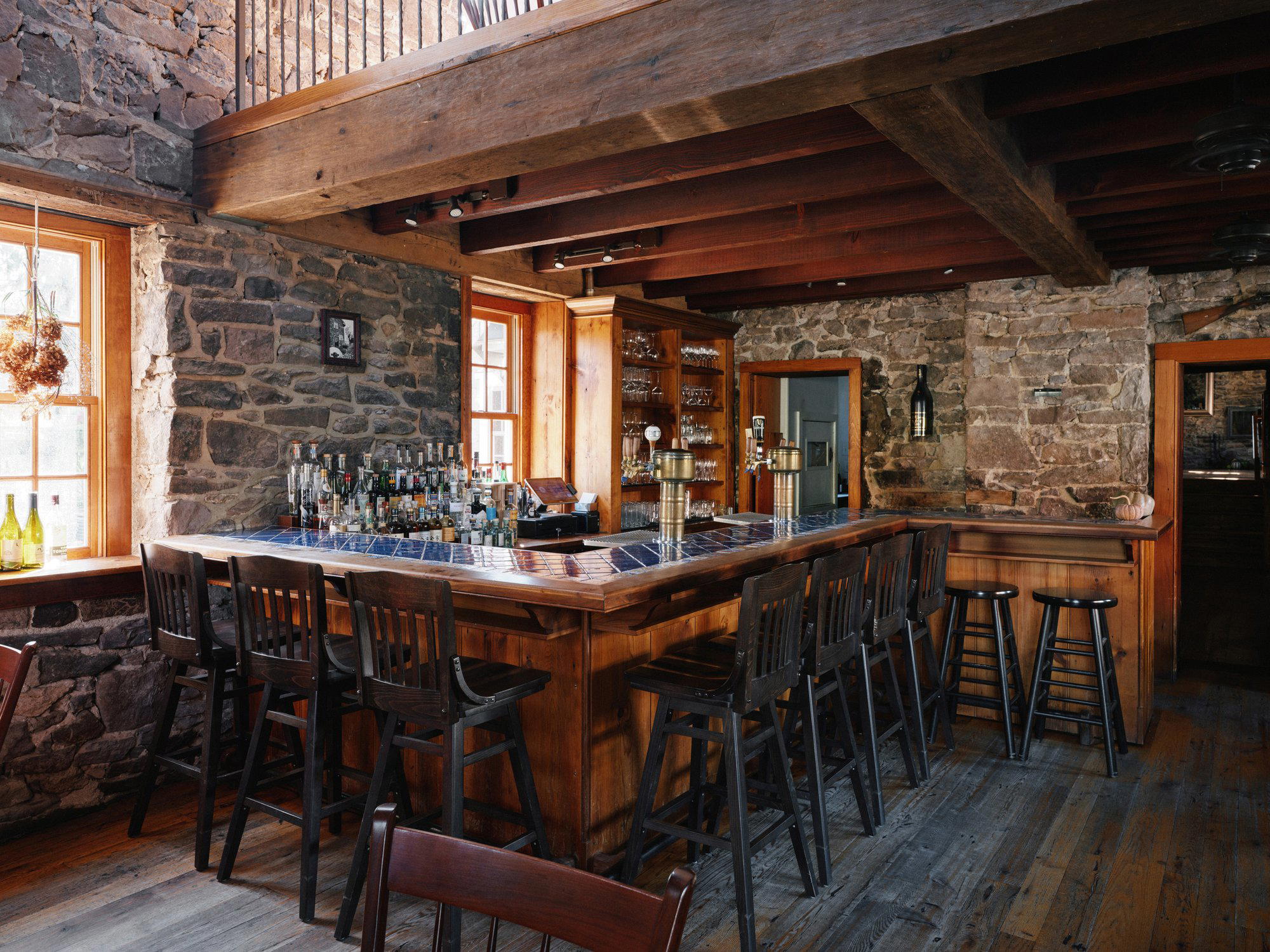
Restaurants in Stockton
Browse all →
Wineries in Stockton
Browse all →
Details
- Romantic
- Cozy
- Elegant
- Rustic
- Historic
- Intimate
- Scenic
- Romantic Getaway
- Anniversary
- Weekend Escape
- Historic Building
- Garden
- Wi Fi
- Concierge
- Wheelchair Accessible
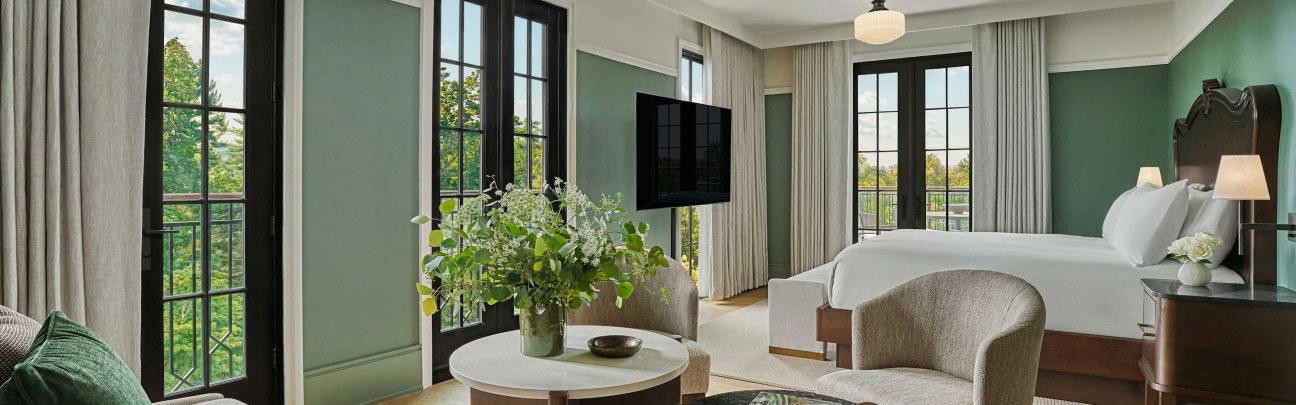
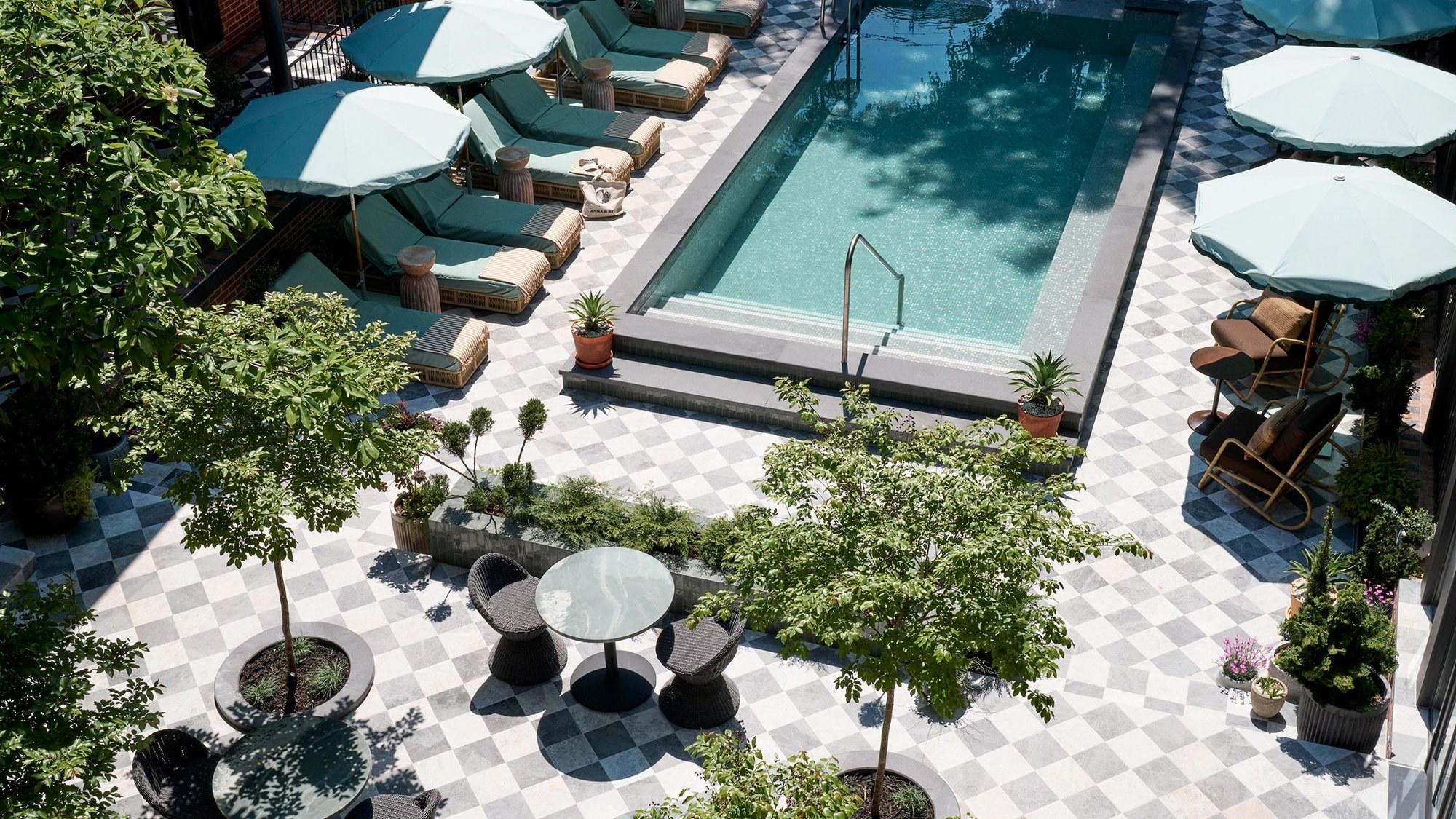
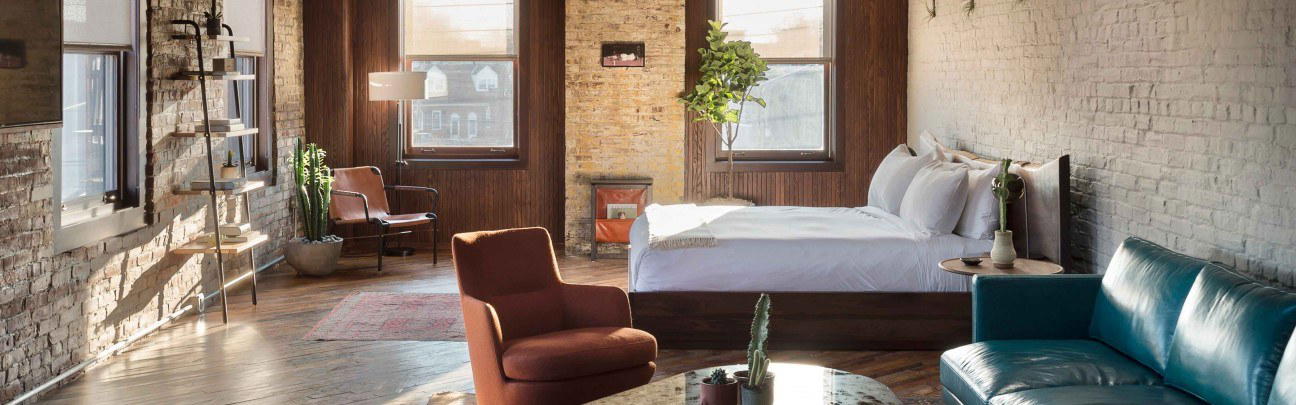
Serene and sophisticated with soft lighting from glowing sconces, airy tones in main inn rooms, rustic textures in carriage houses, and quiet outdoor corners with fireplaces and waterfalls.