Torigoya

Our verdict
Torigoya is a yakitori counter in Little Tokyo, Los Angeles, where Chef Tomoki Sugaya applies the Japanese discipline of charcoal-grilled chicken skewers with ingredient-led precision. Ranked #340 in Opinionated About Dining's Casual North America list for 2025, the restaurant has climbed steadily since its first OAD recognition in 2023. It operates six evenings a week, closing Sundays, with a focused 6–10 pm service window.

Pearl is the En Primeur Club membership app, where members save venues, book tables and use the concierge.
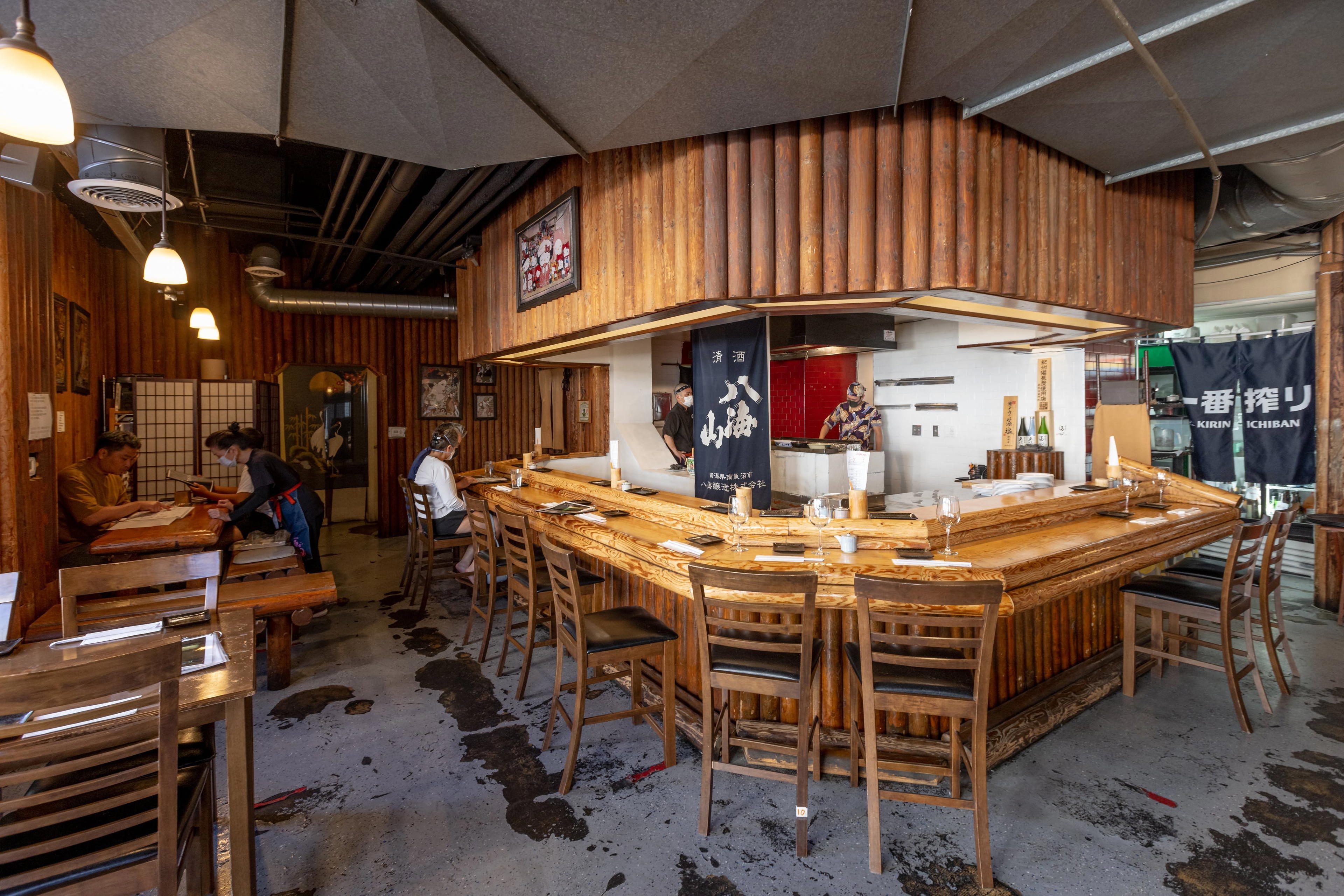
Yakitori in Los Angeles: A Tradition That Demands Good Sourcing
Yakitori is, at its core, an argument about the chicken. Every element of the format, the binchōtan charcoal, the tare built over months or years, the precise skewering by part, exists to express what the bird itself brings to the grill. In Tokyo, the leading yakitori-ya source from specific prefectural farms, selecting breeds for fat distribution and texture. That same logic has crossed the Pacific into Los Angeles, where a small tier of practitioners treats the format as seriously as any omakase counter. Torigoya, operating out of a compact second-floor space on Onizuka Street in Little Tokyo, sits in that tier.
Little Tokyo provides appropriate context. The neighbourhood has long functioned as Los Angeles's most concentrated zone of Japanese food culture, ramen, izakaya, sushi, confectionery, but the yakitori offering there occupies a more selective register. The format's requirements (live-fire control, exact sourcing, the patience to cook through a dozen or more distinct cuts) mean that credible yakitori-ya are fewer and harder to sustain than a ramen shop or a casual donburi counter.
Ingredient Primacy: Why the Sourcing Question Matters Here
Yakitori's ingredient logic differs from most grilled-meat formats because almost nothing is obscured. There is no sauce-heavy braise, no heavy rub, no slow cook that papers over the quality of the base ingredient. The bird is salted or tare-glazed, skewered by specific anatomical cut, and cooked over high heat for a matter of minutes. The result is a direct signal of what the ingredient was. Liver with any compromise in freshness announces itself immediately. Neck meat with poor fat development tastes flat regardless of technique. The grill is as much a quality diagnostic as it is a cooking method.
This is the reason that the better yakitori-ya in Japan, counters like Ichimatsu in Osaka or Torisaki in Kyoto, are known as much for their procurement relationships as for their grillwork. California's agricultural infrastructure makes serious sourcing possible for Los Angeles operators: the state's poultry farming includes heritage and pasture-raised programs, and proximity to Japanese-American food networks gives chefs access to produce and condiment supply chains unavailable in most American cities. Chef Tomoki Sugaya's work at Torigoya operates within that supply context, and the restaurant's consistent upward movement in OAD rankings since 2023, from Recommended to #415 in 2024 to #340 in 2025, suggests the sourcing decisions are landing.
The Counter Format and Its Demands
Good yakitori is a counter format almost by necessity. The gap between skewer off the grill and skewer in the mouth should be measured in seconds. Extended plating, covered service, or large room logistics all work against the format. The intimacy of a counter also lets the cook read the pace of the meal, how quickly guests are eating, whether to extend or compress, when to introduce offal cuts that require a certain appetite progression to land correctly. This is why the serious yakitori-ya in Japan are almost always small, and why the format translates better to focused counter operations than to large dining rooms.
Torigoya's location on the second floor of a building on Onizuka Street puts it physically apart from the street-level foot traffic of Little Tokyo, a configuration that tends to filter for intentional diners rather than walk-ins. The service runs from 6 pm to 10 pm, six nights a week, with Sundays closed. That four-hour window matches the rhythm of a serious yakitori service, where the meal moves through cuts in a considered sequence rather than allowing open-ended ordering across a long evening.
Where Torigoya Sits in Los Angeles's Broader Dining Map
Los Angeles's high-end dining tier is anchored by tasting-menu restaurants drawing on European and Japanese fine-dining conventions: Providence for contemporary seafood, Kato for New Taiwanese, Somni for molecular-progressive work. Torigoya does not compete in that tier; it competes in the more specific zone of serious Japanese casual dining where format discipline and sourcing matter more than room scale or tasting-menu architecture.
Within the yakitori category specifically, the Los Angeles scene is thinner than Tokyo or Osaka, which makes the few credible operators more visible. Nanbankan is the other significant name in the Los Angeles yakitori conversation. The OAD recognition Torigoya has received positions it alongside operators in cities with more established yakitori cultures, a useful credential in a format where recognition often moves slowly. For comparison, nationally recognised serious casual restaurants like Lazy Bear in San Francisco or precision-driven operations like Single Thread Farm in Healdsburg have built their reputations in part through exactly this kind of specialist trade recognition over multiple consecutive years.
The restaurant's consistent rise through OAD's Casual North America rankings over three consecutive years is a credible signal of programme stability. OAD's methodology aggregates opinions from a food-literate community with high global exposure; a jump from Recommended to #340 over two cycles is not incidental. It suggests a kitchen that has sharpened rather than plateaued.
For visitors building a Los Angeles dining itinerary with range, Torigoya occupies a register that differs from the destination fine-dining of Osteria Mozza or the internationally benchmarked ambition of restaurants like Alinea in Chicago or Le Bernardin in New York City. It also sits in a different category from steakhouse-adjacent formats: the chicken-focused, cut-specific discipline of yakitori shares almost nothing with the beef-forward approach of a place like Emeril's in New Orleans or The French Laundry in Napa.
For a complete picture of what Los Angeles offers beyond yakitori, see our full Los Angeles restaurants guide, along with our guides to hotels, bars, wineries, and experiences in the city.
Know Before You Go
- Address: 123 Astronaut Ellison S Onizuka St #203, Los Angeles, CA 90012 (second floor, Little Tokyo)
- Hours: Monday through Saturday, 6–10 pm. Closed Sunday.
- Recognition: Opinionated About Dining Casual North America, Recommended (2023), #415 (2024), #340 (2025)
- Chef: Tomoki Sugaya
- Cuisine: Yakitori
- Booking: Booking method, check directly or via third-party reservation platforms
- Price:, contact the restaurant directly
Frequently asked questions
What dish is Torigoya famous for?
Yakitori's format distributes attention across multiple cuts rather than concentrating it on a single signature dish. The discipline of the format, and the one that separates a serious yakitori-ya from a casual grill, is the handling of the whole bird: cartilage, liver, thigh, neck, skin, and the oyster cut each cooked to its own specification. Chef Tomoki Sugaya's consistent OAD recognition across three years suggests the programme holds across that full range, not just on the easier popular cuts. No specific signature dishes are listed in available venue data.
What should I expect atmosphere-wise at Torigoya?
Little Tokyo's dining rooms tend toward the focused and unfussy, and a second-floor yakitori counter fits that pattern. The format itself sets the atmosphere: live-fire cooking, smoke from the binchōtan, a steady pace of skewers arriving in sequence. This is not a large-room experience built around spectacle. At Los Angeles prices and in a city with no shortage of theatrical dining (see Vespertine or Somni for that register), Torigoya's appeal is the opposite, attention directed at the grill and the ingredient rather than the room. The OAD Casual North America ranking places it in a category defined by substance over staging.
Can I bring kids to Torigoya?
No formal policy is confirmed in available venue data. Practically, an evening-only counter format running 6–10 pm, six nights a week, in a second-floor space is structured around adult dining rather than family meals. The format's pace and the late hours make it better suited to adults with a specific interest in yakitori. If dining with children is a consideration for your Los Angeles trip, the broader range of options in Little Tokyo and across the city offers more adaptable formats at various price points.
Budget Reality Check
A compact comparison to help you place this venue among nearby peers.
| Venue | Cuisine | Price | Awards | Notes |
|---|---|---|---|---|
| TorigoyaThis venue (the venue you are viewing) | Authentic Japanese Yakitori | Not listed | Not listed | Not listed |
| Kato | Modern Taiwanese Fine Dining | $300–500 | 2 Michelin Stars · World's 50 Best #49 | New Taiwanese, Asian |
| Hayato | Traditional Japanese Kaiseki | $300–500 | 2 Michelin Stars · La Liste Top Restaurants | Japanese |
| Vespertine | Avant-Garde Tasting Menu | $200–300 | 2 Michelin Stars · La Liste Top Restaurants | Progressive, Contemporary |
| Camphor | Modern French with Southeast Asian influences | $150–200 | Michelin Plate · World Best Burgers World's 101 Best Burgers #15 | French-Asian, French |
| Gwen | Contemporary American Steakhouse | $50–100 | Michelin Plate · Wine Spectator Best of Award of Excellence | New American, Steakhouse |
Recognition history
Dated appearances from independent guides and award organizations, with the underlying list record or original source where available.
Opinionated About Dining Casual in North America Recommended
Opinionated About Dining
Full recognition history (4 entries)
Opinionated About Dining Casual in North America Ranked #340
Opinionated About Dining
Opinionated About Dining Casual in North America Ranked #415
Opinionated About Dining
Opinionated About Dining Casual in North America Recommended
Opinionated About Dining
Continue exploring
More in Los Angeles
Restaurants in Los Angeles
All restaurants in Los Angeles →
Bars in Los Angeles
All bars in Los Angeles →

Hotels in Los Angeles
All hotels in Los Angeles →




Wineries in Los Angeles
All wineries in Los Angeles →
Details
- Cozy
- Intimate
- Classic
- Casual Hangout
- After Work
- Date Night
- Open Kitchen
- Sake Program
- Organic
- Local Sourcing
- A La Carte
- Small Plates
Current opening hours
- Monday
- 6–10 PM
- Tuesday
- 6–10 PM
- Wednesday
- 6–10 PM
- Thursday
- 6–10 PM
- Friday
- 6–10 PM
- Saturday
- 6–10 PM
- Sunday
- Closed
Hours can change for holidays and private events. Hours as of .
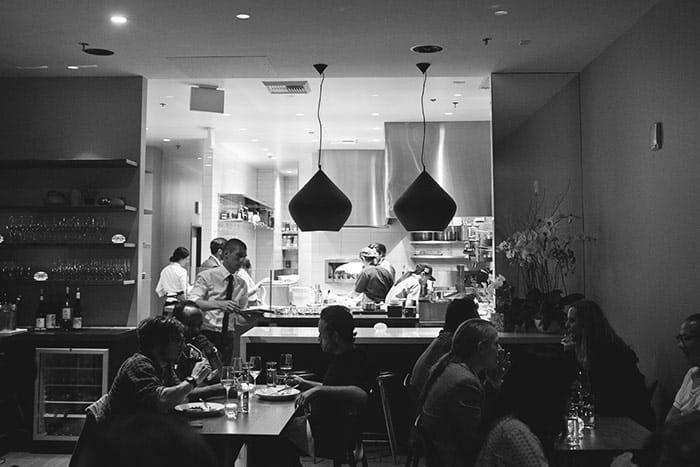
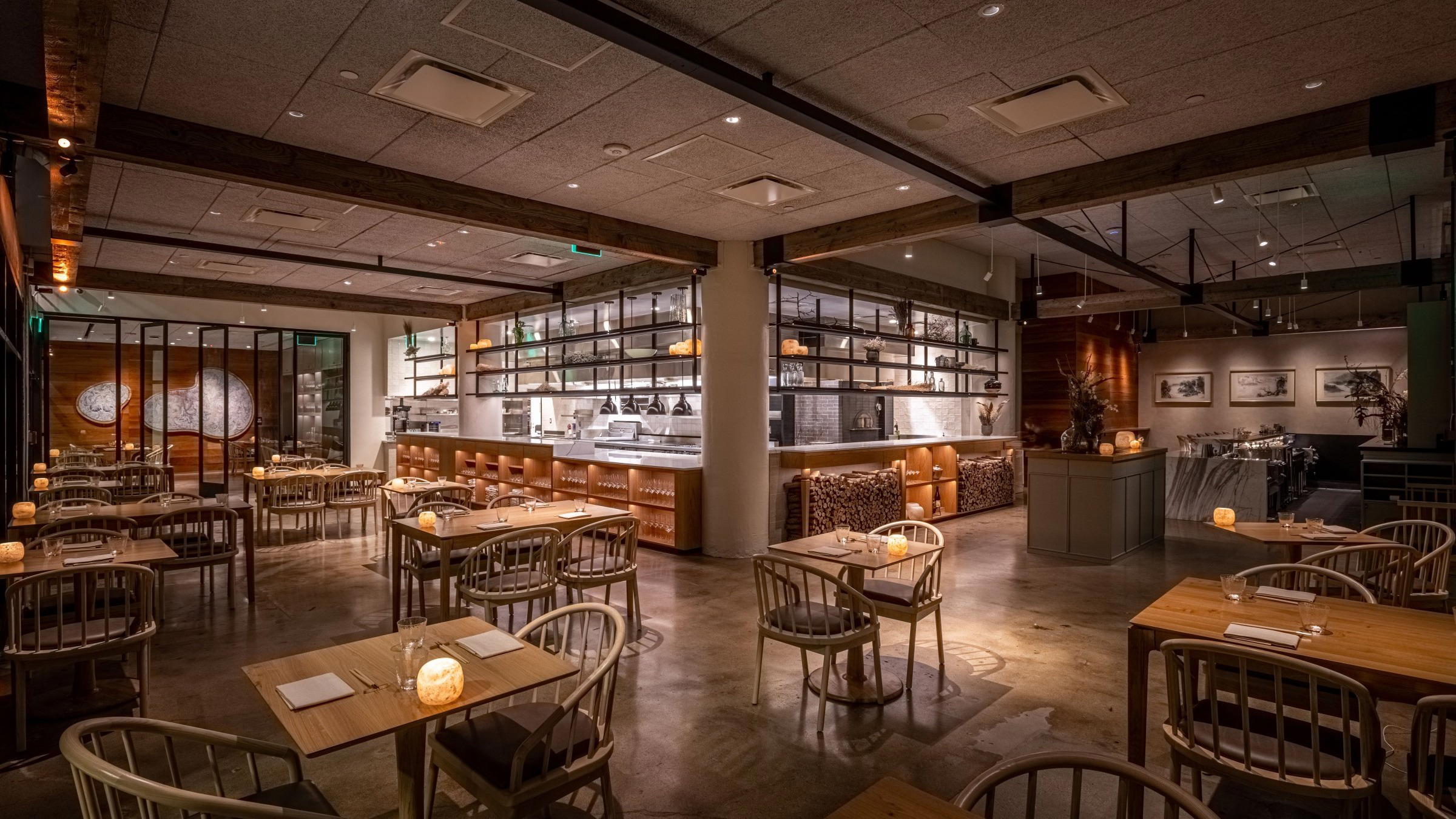
Cozy wood-paneled space with charming wooden decor from its predecessor, featuring a casual laid-back atmosphere.