
Tonkatsu Hisago puts Kashiwa’s everyday fried-pork culture into sharper focus: small room, modest pricing, and recognition on Tabelog’s Tonkatsu 100 for 2026, with earlier selections across multiple years. The draw is not luxury theatre but ingredient-led tonkatsu and curry in a station-area setting where sourcing, frying discipline, and turnover matter more than ceremony.
Pearl is the En Primeur Club membership app — saves, bookings, and concierge access live there. Same editors, same standards.
- Address
- 千葉県柏市旭町2-2-2 第一松崎ビル 1F
- Website
- tabelog.com
- Directions
- Get directions
 Saves & bookings on Pearl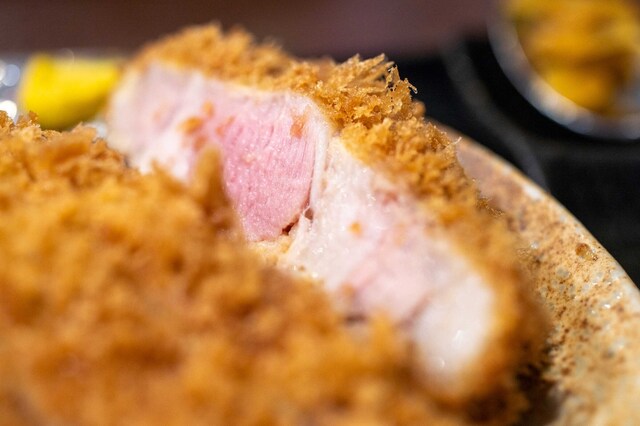
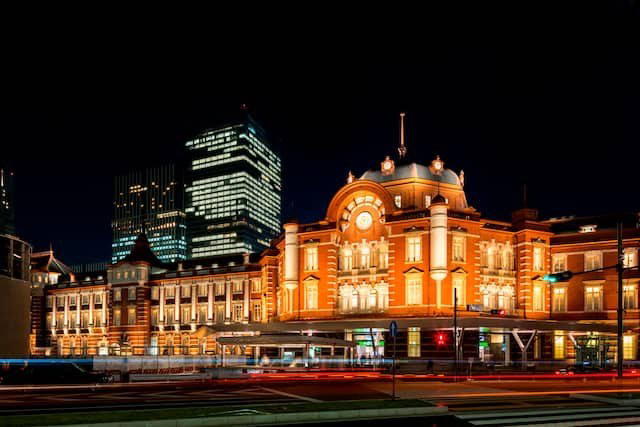
Approaching the south side of Kashiwa Station, the mood is closer to commuter Chiba than polished dining district: tracks nearby, compact buildings, practical storefronts, and a lunch-and-dinner rhythm built around people who know exactly what they came for. In that setting, tonkatsu has a particular logic. It is not a genre that needs a long tasting-menu preamble; it depends on pork quality, breading, oil management, rice, cabbage, sauce, and timing. Tonkatsu Hisago belongs to that direct tradition, where the value of the plate is tested in minutes rather than explained over courses.
Kashiwa’s dining scene rewards this kind of specialization. The city sits far enough from central Tokyo to have its own regulars-first habits, yet close enough to the capital’s food culture that narrow categories are judged seriously. Tonkatsu, ramen, curry, bakeries, and casual counter cooking form much of the area’s useful eating map. For a wider read on the city’s range, start with Our full Kashiwa restaurants guide; nearby references such as 66, Anbai, Bakery Feve, Bunsai Ka, and AYUBOWAN show how Kashiwa’s stronger addresses tend to sit in tight, category-specific lanes rather than broad luxury formats.
Pork cutlet as ingredient judgment, not dining theatre
Good tonkatsu is often misread as a simple question of crunch. The better way to judge the category is by balance: how the pork’s fat behaves under heat, how the crumb protects rather than buries the meat, and how the set meal holds together with rice, cabbage, pickles, soup, and sauce. Hisago’s recognition on Tabelog’s Tonkatsu 100 in 2026 places it inside a national conversation about specialist pork-cutlet shops, not merely within Kashiwa’s local comfort-food circuit. Earlier selections in 2017, 2018, 2019, 2021, and 2022 give the listing more weight than a single-year appearance.
The ingredient-sourcing point matters because tonkatsu has little room to hide weak inputs. Unlike sauced stews or heavily spiced dishes, the core plate exposes pork texture, frying temperature, and freshness immediately. Curry appears in the category mix as well, which places the shop in a familiar Japanese casual-dining overlap: fried cutlet culture and curry-rice culture feeding the same appetite for crisp coating, warm starch, and quick satisfaction. That overlap is common across Japan, but serious tonkatsu shops separate themselves by treating the cutlet as the anchor rather than as a topping.
At this price tier, Kashiwa becomes a useful comparison point. Anbai moves slightly higher at dinner, while 66 and Bakery Feve sit in a similar everyday-spend bracket. That makes Tonkatsu Hisago’s national category recognition more interesting: the appeal is not that it escapes the casual price band, but that it performs within it. In Japan, some of the country’s most disciplined cooking happens in rooms built around a single repeatable act. Tonkatsu is one of the clearest examples.
A compact Kashiwa room built for turnover and regulars
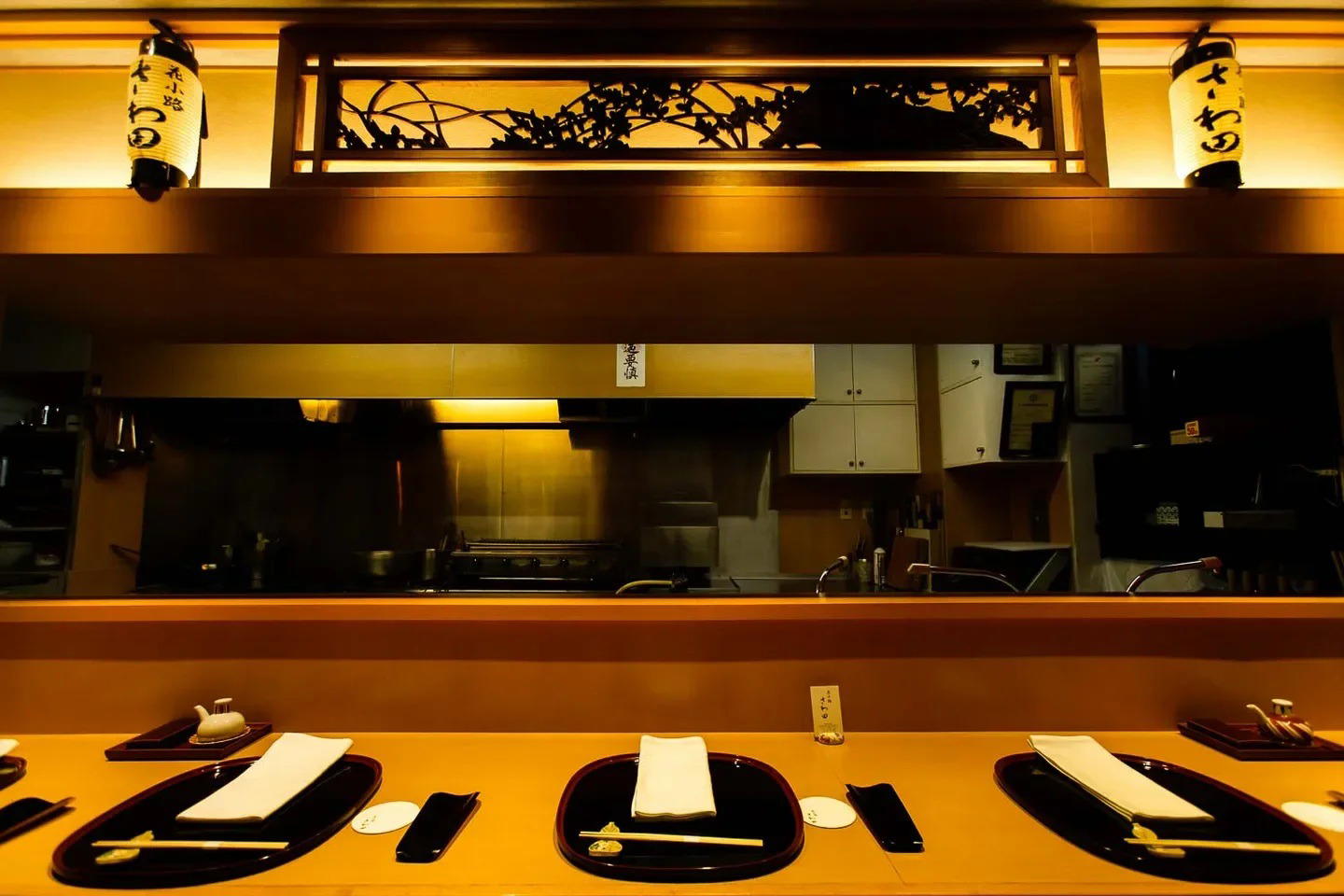
The room is small, with 24 seats divided between four counter seats and table seating. That format shapes the meal as much as the cooking does. Counter seats make sense for solo diners and quick pairs; tables keep the restaurant usable for families and small groups. The house rules reinforce a practical local rhythm: parties need to be complete before seating, and meal tickets come before lining up outside. This is not inhospitable; it is how a compact, popular shop keeps the fryer, seats, and queue moving in sync.
The no-reservations format also changes the reader’s decision. This is a restaurant for diners willing to accept the Japanese queue system as part of the category, not for anyone trying to schedule a long evening around a fixed table time. The setting is non-smoking, private rooms are not part of the format, and payment is cash-oriented rather than card-led. Those details put it firmly in the specialist neighborhood-restaurant class: efficient, low-friction once seated, and more concerned with execution than amenities.
For travelers, Kashiwa is not only a restaurant stop. The city works as a practical base on the JR Joban Line and Tobu Urban Park Line, with a dining scene that is easier to read through categories than grand addresses.
Where it fits in Japan's specialist casual dining culture
Tonkatsu Hisago is strongest as an argument for Japan’s middle register: not luxury dining, not convenience eating, but disciplined casual specialization. The Tabelog score of 3.67 and Tonkatsu 100 selection signal a shop that category-focused diners have taken seriously. The price band keeps the decision casual, yet the repeated recognition pulls it above the level of a generic station meal.
That is the useful editorial distinction. A diner looking for ceremony should look elsewhere; a diner interested in how Japan turns everyday formats into exacting craft will understand the point quickly. Kashiwa’s better casual addresses tend to be narrow, practical, and specific, and Hisago fits that pattern cleanly. It is a pork-cutlet stop for readers who care about sourcing and frying discipline more than room design, service choreography, or a chef narrative.
For cross-category context, EP Club’s Japan and casual-dining coverage stretches well beyond Chiba: -Grilled beef Sukiyaki- KAMAKURA TANUKIAN 鎌倉 たぬき庵 in Kamakura. 鮪と炭火焼き うお炭 秋葉原店 in Tokyo.cafe in Osaka.know in Kumamoto, (Shoku) Vietnam in Kawasaki, and [Curry Senmon Ten] Maruyama Kyoju. in Sapporo show how category discipline can matter as much as city prestige. Outside Japan, casual Japanese formats translate differently at places such as Jōdo Saké Bar in Los Angeles and Onigiri Time in Pasadena, where the context shifts but the same question remains: does the format respect its core ingredient?
In Context: Similar Options
Comparable venues by cuisine and price in the same metro.
| Venue | Cuisine | Price | Notes |
|---|---|---|---|
| Tonkatsu HisagoThis venue — the venue you are viewing | Tonkatsu & Japanese Curry | $$ | Not listed |
| Mendokoro Nishio | Ramen & Tsukemen Counter | $ | Kashiwa |
| Tonkotsu Shoyu Ramen Oudouya Kashiwa ten | Iekei-style tonkotsu shoyu ramen | $ | Kashiwa |
| Chuka Soba Sakaeda | Japanese Ramen | $$ | Kashiwa |
| Bakery Feve | Bakery & sandwich shop | $ | Izumi-cho |
| Anbai | Tonkatsu & Beefsteak | $$ | Kashiwa |
Recognition history
Dated appearances from independent guides and award organizations, with the underlying list record or original source where available.
Tabelog 100 #59 · No. 59
Tabelog · Tabelog 100 - Tonkatsu - 2026








At a Glance
- Cozy
- Lively
- Classic
- Family
- Casual Hangout
- Solo
- Group Dining
- After Work
- Standalone
- Sake Program
- Beer Program
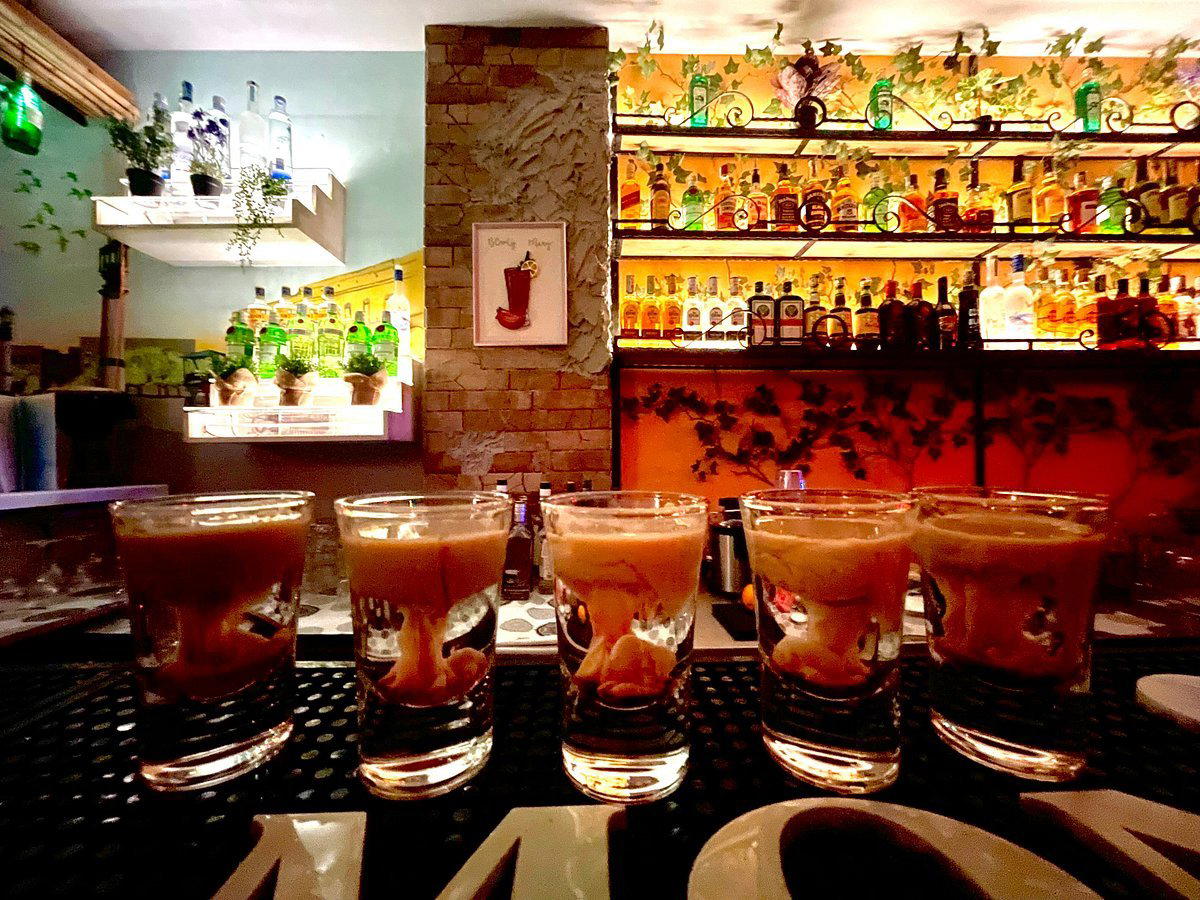
Small, relaxed tonkatsu shop with counter and table seating, a simple, classic interior and a cozy, bustling atmosphere driven by steady local crowds.