Tabelog 100 #24
Our verdict
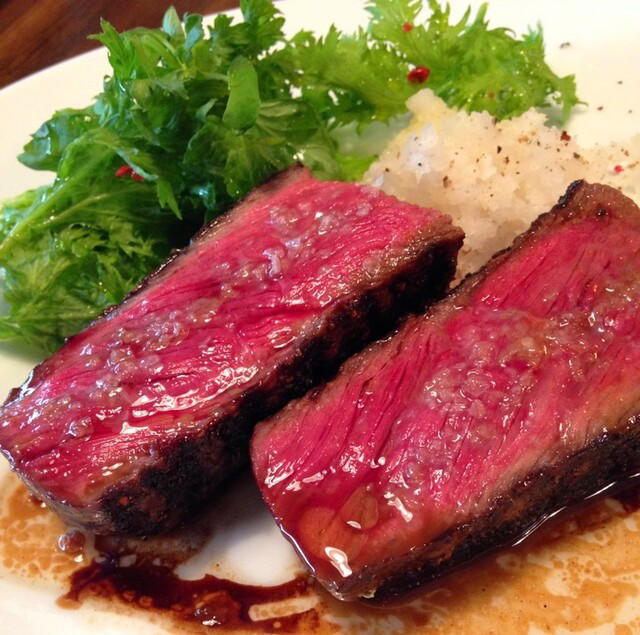
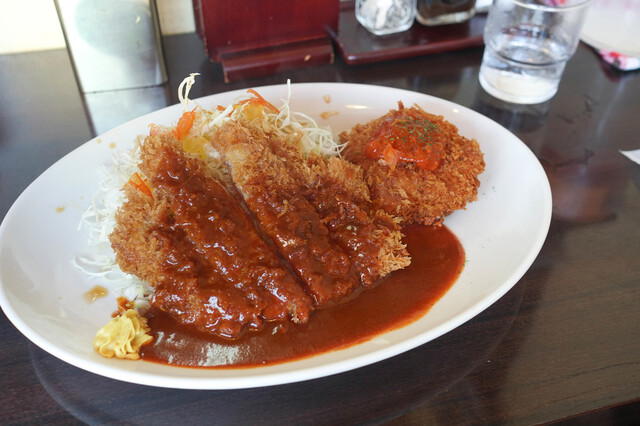
Tonkatsu Hiroki Tokuan honten belongs to Osaka’s serious everyday-dining tier: low-price, high-discipline cooking with enough local traction to earn repeated Tabelog 100 recognition across tonkatsu and diner categories. The menu architecture matters here, because pork cutlet, croquette, and cafeteria-style set meals place it closer to neighborhood shokudo culture than luxury katsu theater.

Pearl is the En Primeur Club membership app, where members save venues, book tables and use the concierge.
The menu
What to order
- Tonkatsu (pork cutlet) set
- Fried shrimp
- Croquettes
- Beef cutlet
Approaching Tonkatsu Hiroki Tokuan honten changes the register of Osaka dining. The city’s central areas tend to compress attention around neon, queues, and station-building food halls; Osaka also works at a different pitch, where the meal is judged by frying discipline, portion logic, and whether a set meal feels complete without turning into spectacle. Tonkatsu Hiroki Tokuan honten sits squarely in that grammar: a casual room and the kind of menu that treats pork cutlet, croquette, and cafeteria staples as a coherent language rather than separate categories.
That matters because tonkatsu in Japan has split into several visible tiers. At one end are polished specialist counters built around premium cues and controlled pacing. At the other are everyday shokudo rooms where the measure is consistency, value, and the ability to make fried food read as a full meal. This Osaka address belongs to the second camp, but its recognition complicates the usual hierarchy. Its Tabelog Hyakumeiten recognition for 2026, alongside a public score of 3.65, puts it in a group where casual format and serious reputation overlap.
Fried food as shokudo structure, not luxury katsu theater
The revealing detail is the category spread: cafeteria, croquette, and tonkatsu. In Osaka, that combination points away from a narrow specialist script and toward the set-meal tradition, where rice, cabbage, sauce, soup, and fried centerpieces form the argument. Croquette is not a side note in this context; it signals a kitchen comfortable with the broader yoshoku-influenced grammar of Japanese dining, where Western-derived frying techniques were absorbed into routine meals long before they became destination fare.
The house’s public positioning within a low-spend bracket also places it in a specific Osaka register. The city has a long tolerance for unpretentious rooms that deliver technical competence without luxury cues. A cutlet shop can earn loyalty through frying control and set composition rather than ceremony. The menu’s center of gravity, pork cutlet alongside croquette, keeps the experience grounded in lunch-and-dinner utility: a meal built to satisfy appetite first, with recognition following from execution rather than theatrical service.
Compared with other Osaka names in the same broad dining economy, the distinction is format. Chotakasui Jun Teuchi Men Nishimura and Menya Jikon Daitou honten sit closer to a noodle-counter idea, where broth, dough, and turnover define the visit. Gokuju Bimen umami speaks through ramen architecture rather than fried set meals. Taishu Chuuyuuka Shokudo Hakkai shares the everyday-diner lane more closely, while Toriyaki Shogun Eiwa points to another side of Osaka’s informal eating map. Tonkatsu Hiroki Tokuan honten is useful precisely because it shows how much range Osaka’s casual dining tier contains.
Why Tokuan changes the reading of an Osaka meal
Location is part of the editorial point. This is Osaka rather than a generic landmark dining room folded into a shopping itinerary, and that shifts expectations. The reward is an Osaka meal where the city’s appetite for value, volume, and repeatable craft becomes easier to read. For travelers who usually treat Osaka as a central-city eating sprint, this address offers a corrective: local dining culture is not only takoyaki, kushikatsu, and late-night counters. It also lives in casual rooms where a set meal can carry the weight of a local reputation.
The straightforward format sharpens that effect. The restaurant should be approached as a casual dining room rather than as a place built around excess slack or ceremony. That does not make the experience precious; it makes timing and expectations matter. This is not the place to project fine-dining pacing onto tonkatsu. It is better read as a disciplined local restaurant whose recognition has outgrown its simple format, and whose appeal depends on the friction between everyday structure and national-list attention.
Osaka’s casual dining scene is often flattened into abundance, as if every good meal were interchangeable because the city eats well at every price. The stronger reading is more specific. Bakeries, kissaten-like cafes, pork-bun counters, Italian rooms, and fried-food specialists each occupy different daily-use roles. For a broader map of that range, see Our full Osaka restaurants guide, alongside other Osaka dining rooms and informal addresses across the city.
The planning case for a serious casual table
The practical decision is simple: treat this as a locally weighted meal rather than a flexible drop-in between central Osaka appointments. The Osaka setting and casual format reward diners who plan around the meal instead of treating it as an incidental stop. Details such as timing, payment, and availability should be checked close to the visit, because this is the kind of everyday restaurant where the experience is strongest when expectations match the room.
The value proposition is unusually clear in 2026: a low-spend tonkatsu, croquette, and cafeteria address with a Tabelog score of 3.65 and Tabelog Hyakumeiten recognition. The listed budget is Dinner: JPY 1,000 - JPY 1,999; Lunch: JPY 1,000 - JPY 1,999. That combination explains why it belongs in a premium editorial context despite the casual format. Luxury travelers often over-index on expensive counters in Japan; the sharper move in Osaka is to make room for addresses where everyday categories receive serious scrutiny.
For a fuller Osaka itinerary, food should not sit in isolation. Pair the restaurant map with Our full Osaka hotels guide, Our full Osaka bars guide, Our full Osaka wineries guide, and Our full Osaka experiences guide. Readers comparing Japanese casual formats beyond Osaka can also look more generally at everyday dining rooms in other cities, while keeping Tonkatsu Hiroki Tokuan honten in mind as a specifically Osaka example of low-spend food with recognized execution.
Frequently asked questions
What's the address for Tonkatsu Hiroki Tokuan honten?
Osaka.
Is Tonkatsu Hiroki Tokuan honten more mid-range or high-end?
Pricing at Tonkatsu Hiroki Tokuan honten is listed as JPY 1,000 - JPY 1,999 JPY 1,000 - JPY 1,999 View spending breakdown.
How far ahead should I plan for Tonkatsu Hiroki Tokuan honten?
Planning ahead is sensible for a recognized casual Osaka restaurant, especially with Tabelog Hyakumeiten 2026 recognition. Check current opening, availability, and visit details close to the date rather than assuming a flexible drop-in.
What is Tonkatsu Hiroki Tokuan honten known for?
Tonkatsu Hiroki Tokuan honten is known for cafeteria, croquette, and tonkatsu in Osaka, with a Tabelog score of 3.65 and 2026 recognition from Tabelog Hyakumeiten.
Quick Comparison
Comparable venues side-by-side for orientation.
| Venue | Cuisine | Price | Awards | Notes |
|---|---|---|---|---|
| Tonkatsu Hiroki Tokuan hontenThis venue (the venue you are viewing) | Casual Tonkatsu & Deep-Fried Diner | $10–20 | Tabelog 100 #24 | Not listed |
| Umaiya Takoyaki | Traditional Osaka Takoyaki | $1–10 | Not listed | Tenma |
| Gunjo | Tsukemen and ramen noodle bar | $10–20 | Tabelog 100 #87 | Kita |
| Madam Curry | Japanese Curry | Not listed | Tabelog 100 #86 | Chūō |
| Osaka Naniwaya | Japanese taiyaki & kakigori sweets shop | $10–20 | Tabelog 100 #34 | Kita |
| Sanuki Tachigui Udon Kirin Ya Honmachi honten | Standing Sanuki Udon | $1–10 | Tabelog 100 #80 | Chūō |
Recognition history
Dated appearances from independent guides and award organizations, with the underlying list record or original source where available.
Tabelog 100 #24 · No. 24
Tabelog · Tabelog 100 - Diner - 2026