
Tabelog 100 #67
Our verdict
Tokuyama belongs to Nishiazabu’s quieter strain of Tokyo dining: basement-level, counter-led Japanese cooking with fugu in the mix and fish as the governing discipline. Its Tabelog Japanese cuisine TOKYO 100 selection for 2025, 16-seat room, and counter-heavy layout place it in the serious neighbourhood-dining tier rather than the spectacle end of the city’s restaurant scene.

Pearl is the En Primeur Club membership app, where members save venues, book tables and use the concierge.
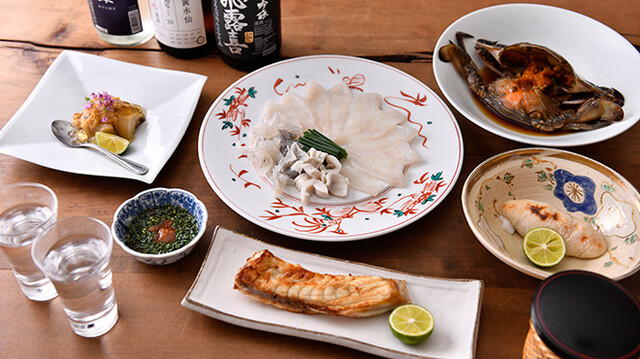
Tokyo changes tone after dark. Across the city, premium dining can move from polished hotel rooms to small counters and regulars who know the night they want. Tokuyama fits that broader geography. Its Tokyo setting suits a Japanese restaurant listed for Japanese cuisine and fugu rather than theatrical dining-room choreography.
Tokyo's fugu-focused Japanese dining, without unnecessary theatre
Fugu holds a special place in Japanese dining because it is seasonal in cultural memory and tightly regulated in professional practice. In Tokyo, fugu restaurants can tilt formal, nostalgic, or specialist. The more interesting contemporary version treats fugu not as a stunt ingredient but as one element within Japanese cooking. Tokuyama is listed under Japanese cuisine and fugu, placing it in a narrower lane than broad city dining and a more traditional one than purely experimental counter tasting menus.
The 2025 selection for Tabelog Japanese cuisine TOKYO 100 gives the restaurant a meaningful local signal. Tabelog’s Japanese lists are especially useful in Tokyo because they capture domestic dining attention across genres Michelin-style categories do not always parse neatly. Tokuyama’s listed score of 3.98 and dinner budget of JPY 20,000 - JPY 29,999 add practical context. The point is not trophy counting; it is current recognition in a city where new openings often absorb the oxygen.
That recognition shapes how to read the room. A focused Japanese format narrows the distance between restaurant and diner, but reduces tolerance for indecision. This better suits diners who want Japanese cooking as a composed evening rather than an à la carte grazing stop. The fugu category reinforces the profile, while the broader Japanese cuisine listing keeps the restaurant from being read as a single-note specialist.
The restaurant is the experience, and Tokyo explains it
Tokyo has long benefited from density without needing every serious restaurant to feel like a hotel dining room. Its better restaurants often feel found by pattern rather than signage: discreet entrances, compact rooms, and a clientele spanning business dinners, local regulars, and destination eaters. That gives Tokuyama a different pressure from the city’s most ceremonial dining. Some rooms announce hierarchy through polish and price; others carry seriousness through product focus and service rhythm.
Within Tokyo’s comparable dining spectrum, Tokuyama sits above casual Japanese dining and below the most formal ceremonial peak. KIBUN, EUREKA! Towa, FORNO, and Otani No Sushi help mark how varied the city’s premium restaurant field can feel from one booking to the next. These contrasts matter because Tokyo has no single premium restaurant ladder. It has parallel ladders, and this one is rooted in Japanese cuisine, fugu, and a controlled dinner proposition.
The practical implication is simple: this is not the place to chase novelty for its own sake. Choose it when the priority is a measured Japanese dinner with fugu in the restaurant’s vocabulary. The absence of unnecessary drama also matters editorially. In Tokyo, some premium meals lean toward corporate insulation or high-design performance; a focused restaurant keeps the evening tied to the kitchen’s pace and the room’s shared concentration.
How to place it in a Tokyo itinerary
For travellers building a serious Tokyo dining week, this belongs on a different night from sushi, tempura, or high-form kaiseki. It suits the evening when a dinner-first route in Tokyo is the plan, followed by a bar or a quiet continuation rather than a long checklist of stops. The listed dinner budget of JPY 20,000 - JPY 29,999 makes it a premium booking without placing it automatically at the city’s most rarefied price tier.
Tokyo rewards diners who organise meals by mood and format rather than cuisine checklist alone. A Japanese restaurant with fugu in its category line reads differently from the city’s many other unnamed dining rooms. For broader planning, use Our full Tokyo restaurants guide alongside adjacent city guides for Our full Tokyo hotels guide, Our full Tokyo bars guide, Our full Tokyo wineries guide, and Our full Tokyo experiences guide.
Other Tokyo dining entries help map the range around it, from contemporary counters and specialist Japanese rooms to casual neighbourhood meals and destination dinners. The point is not to build a list by name-dropping every possible stop, but to understand where Tokuyama sits: a Tokyo restaurant with Japanese cuisine and fugu in its category line, recognised in the 2025 Tabelog Japanese cuisine TOKYO 100, and priced for a considered dinner.
The editorial case for Tokuyama is strongest when framed through place. Tokyo does not need every restaurant to shout, and Japanese fugu dining does not benefit from unnecessary drama. Tabelog 100 recognition in 2025, a 3.98 listed score, a JPY 20,000 - JPY 29,999 dinner budget, and a Japanese cuisine and fugu category line define the proposition. Choose it for a measured Tokyo dinner where restraint is part of the meal’s logic.
Frequently asked questions
What should I budget for a meal at Tokuyama?
Pricing at Tokuyama is listed as JPY 20,000 - JPY 29,999.
What's Tokuyama's location?
Tokyo.
When can I go to Tokuyama?
Current opening hours are not provided in the available venue information; confirm directly with Tokuyama before planning a visit.
What is Tokuyama known for?
Tokuyama is listed for Japanese cuisine and fugu in Tokyo, with 2025 Tabelog Japanese cuisine TOKYO 100 recognition.
At-a-Glance Comparison
Comparable venues for orientation by cuisine and category.
| Venue | Cuisine | Price | Awards | Notes |
|---|---|---|---|---|
| TokuyamaThis venue (the venue you are viewing) | Traditional Fugu & Seasonal Japanese Kaiseki | $150–200 | Tabelog 100 #67 | Not listed |
| Sushi Sho | Traditional Edomae Sushi Omakase | $300–500 | Not listed | Nishiazabu |
| Inoue (井上) | Modern Yakiniku | $150–200 | Not listed | Ginza |
| おにく 花柳 | Michelin-starred Wagyu kaiseki / meat kappo | $200–300 | Black Pearl 1 Diamond | Ginza |
| 精进料理 醍醐 | Shojin Ryori Kaiseki | $150–200 | 1 Michelin Star · La Liste Top Restaurants | Minato (Atago) |
| 分とく山 | Seasonal Omakase Kaiseki | $150–200 | 1 Michelin Star | Minato |
Recognition history
Dated appearances from independent guides and award organizations, with the underlying list record or original source where available.
Tabelog 100 #67 · No. 67
Tabelog · Tabelog 100 - Japanese cuisine - TOKYO - 2025
Continue exploring
More in Tokyo
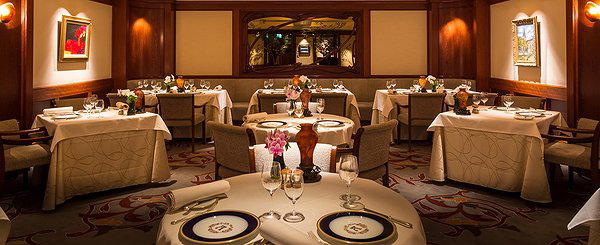
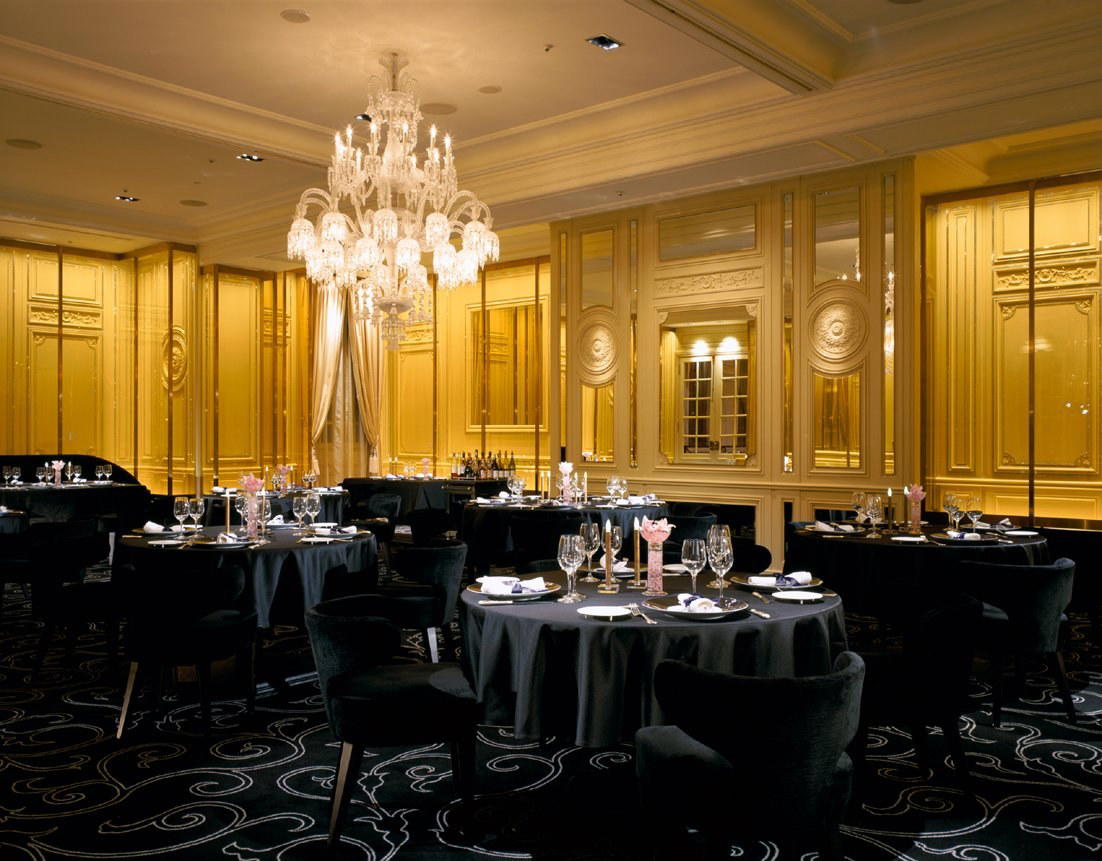
Restaurants in Tokyo
All restaurants in Tokyo →


Bars in Tokyo
All bars in Tokyo →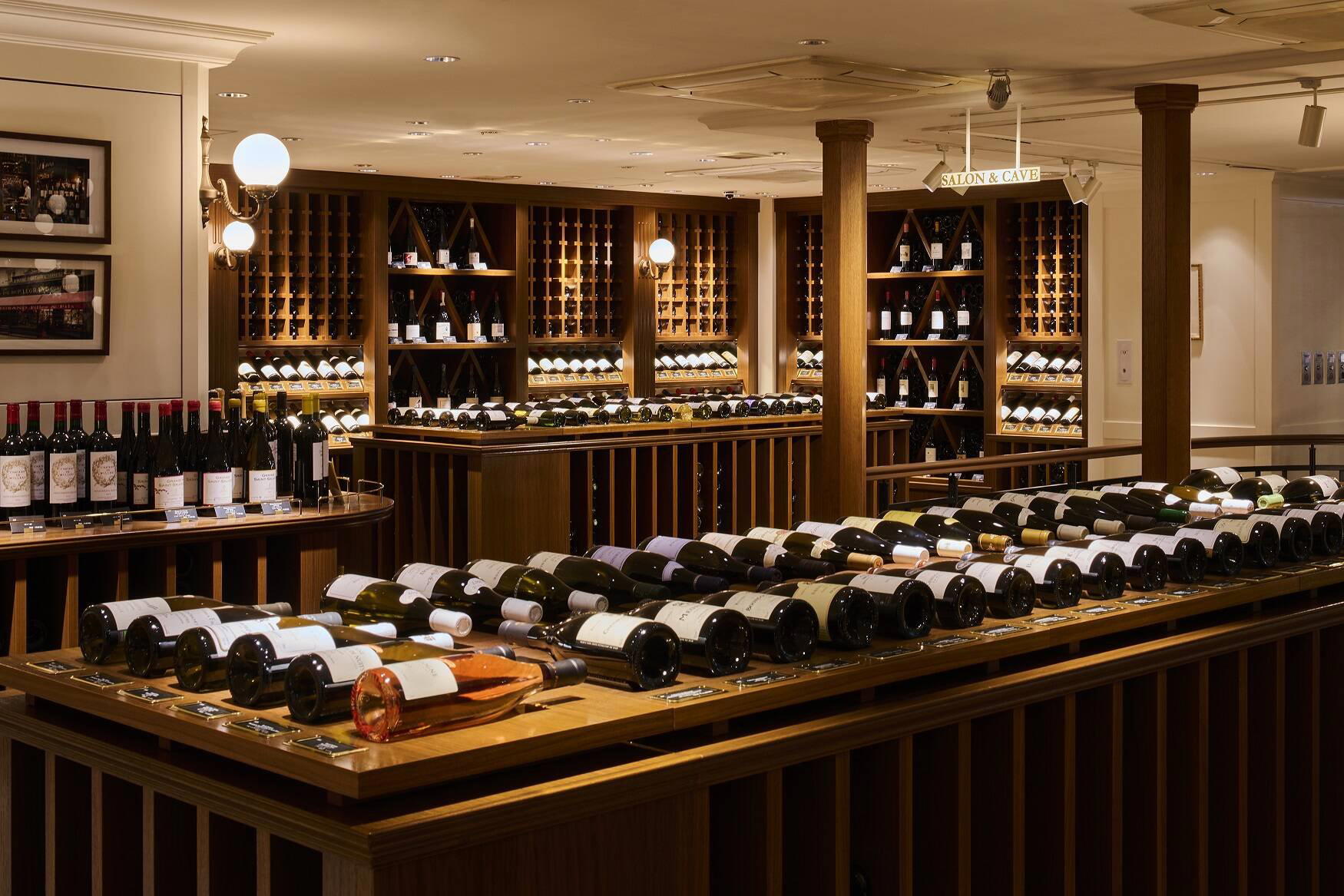






Details
- Cozy
- Intimate
- Classic
- Date Night
- Special Occasion
- Business Dinner
- Solo
- Chefs Counter
- Standalone
- Sake Program
- Sustainable Seafood
- Local Sourcing
- Omakase
- Set Menu
- Counter Dining
- Sake
- Beer
- Wine
- Pescatarian Friendly
Current opening hours
- Monday
- Closed
- Tuesday
- 5–10 PM
- Wednesday
- 5–10 PM
- Thursday
- 5–10 PM
- Friday
- 5–10 PM
- Saturday
- 5–10 PM
- Sunday
- 5–10 PM
Hours can change for holidays and private events. Hours as of .
Cozy and quietly elegant, with a small counter and a few seats creating a private, hideaway feel where the chef prepares an omakase of fugu and seasonal dishes directly in front of guests.