
TOKU-TOKU places Yachiyo’s ramen scene in the serious, low-friction counter tradition: compact room, short daytime service, and a dried-ingredient soup style that rewards attention rather than spectacle. Its repeated Tabelog Ramen EAST “Tabelog 100” selections from 2020 through 2025 make it a notable Chiba address for travellers tracking ramen outside central Tokyo.
Pearl is the En Primeur Club membership app — saves, bookings, and concierge access live there. Same editors, same standards.
- Address
- Japan, 〒276-0023 Chiba, Yachiyo, Katsutadai, 1 Chome−5−27
- Website
- twitter.com
- Directions
- Get directions
 Saves & bookings on Pearl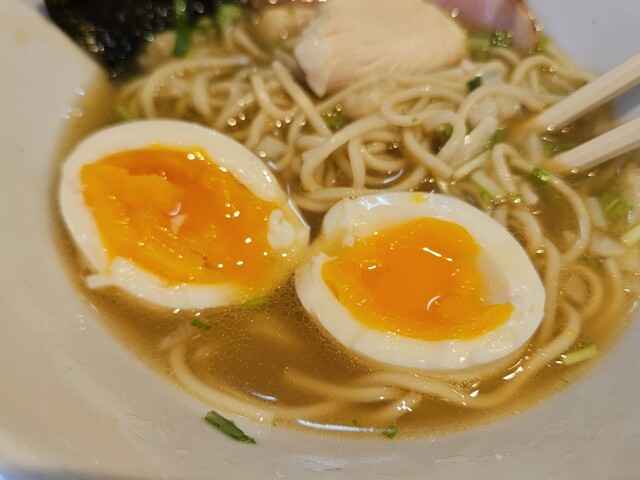
Approaching a small ramen counter in suburban Chiba changes the pace of the meal before the bowl arrives. Katsutadai is not Ginza, Shinjuku, or a station-mall food floor; the rhythm is local, compact, and daytime-led. That matters for ramen. Away from central Tokyo’s high-turnover clusters, a ten-seat room can operate with a narrower focus, less theatre, and a clearer relationship between broth, noodles, and the people willing to queue for them.
TOKU-TOKU belongs to that category: a local ramen shop with national recognition inside a format that remains modest by design. The kitchen’s public identity is built around soup made solely from dried ingredients, a detail that places it in a different conversation from the heavier animal-fat or blended-stock styles that dominate much of Japan’s ramen tourism. Dried seafood, kelp, mushrooms, and related pantry materials have long shaped Japanese soup-making because they deliver depth without weight. In ramen, that approach asks for precision rather than volume.
Dried-ingredient ramen, without the central Tokyo performance layer
Japan’s ramen culture is often discussed through regional labels, but the more useful distinction here is extraction. Animal broths tend to announce themselves with texture and fat; dried-ingredient soups rely on layering, timing, and restraint. A bowl built this way can read lighter while carrying a firm savoury core, which explains why specialist shops using dried materials often attract diners who pay close attention to balance rather than excess.
The recognition is not casual. TOKU-TOKU was selected for Tabelog Ramen EAST “Tabelog 100” in 2020, 2021, 2022, 2023, 2024, and 2025, with a Tabelog score of 3.76 attached to the 2025 listing. For a small Yachiyo ramen counter, that run signals consistency across years, not a single viral season. It also places the shop within the eastern Japan ramen conversation, where Tokyo addresses often dominate attention and Chiba’s stronger specialists have to earn travel on merit.
That distinction is useful for readers comparing Yachiyo options. hana, also in Yachiyo, sits in a similar everyday spending band, but the editorial question is not which name is louder. It is whether the meal should be built around ramen as a narrow craft, or around a broader local restaurant stop. For a ramen-focused itinerary, the dried-stock identity gives this counter a more specific reason to detour.
A ten-seat room changes how the meal behaves
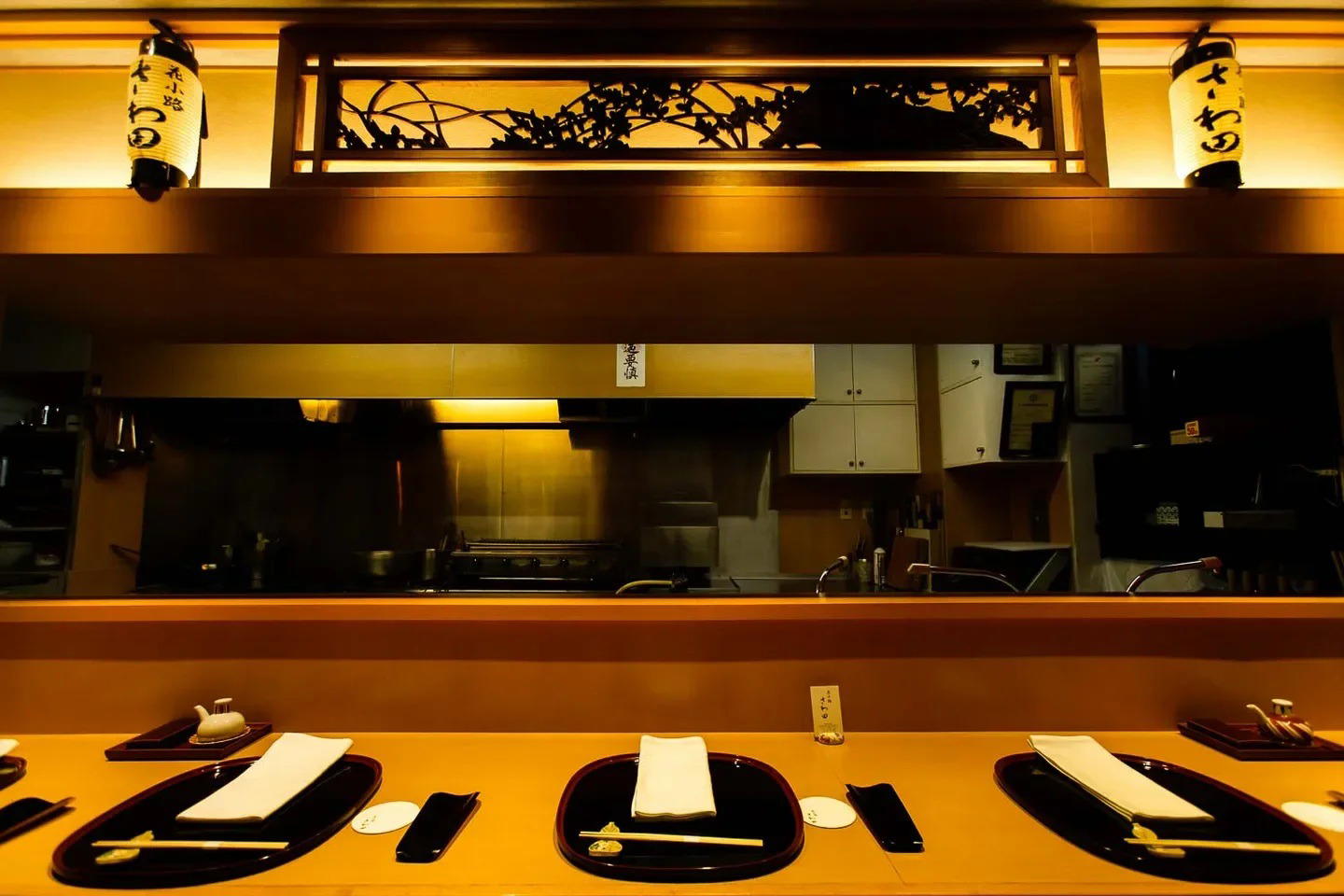
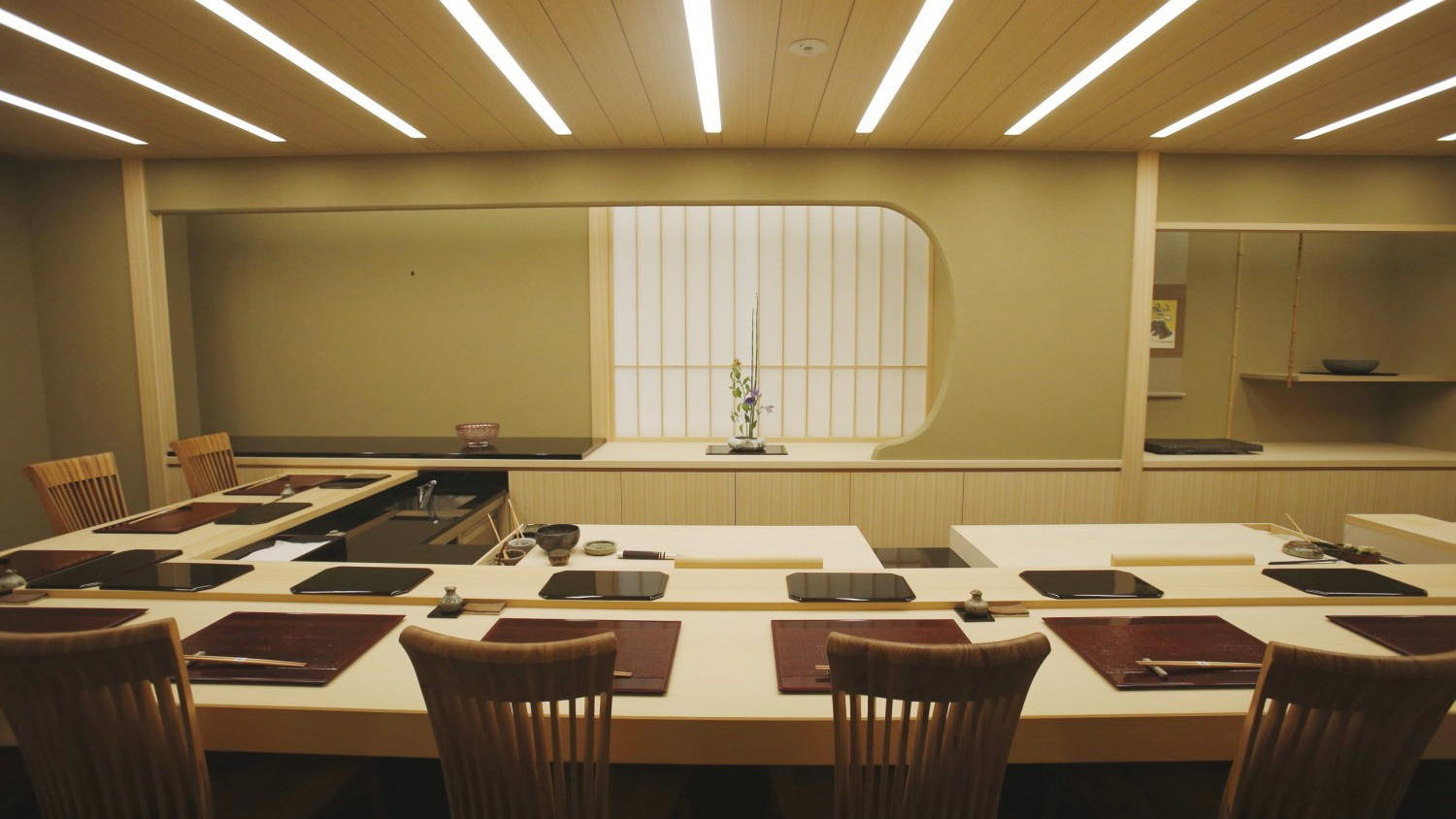
Small ramen shops are not just smaller restaurants. The format changes the social contract. With six counter seats and one four-seat table, the room favours quick ordering, solo diners, and pairs who understand that the meal is about the bowl rather than lingering. Counter seating also keeps the experience close to the kitchen’s pace, a key part of why specialist ramen can feel more exacting than its price category suggests.
The practical texture is disciplined. The shop is non-smoking, private rooms are not part of the format, private use is unavailable, and take-out is listed. Food photography is allowed, while photos of other customers, the kitchen, and staff are not; video recording and live streaming are prohibited. Those rules say plenty about the room. This is a local counter protecting turnover, privacy, and concentration, not a stage set for content production.
Payment also keeps the experience old-school: credit cards, electronic money, and QR code payments are not accepted. In Japan, that is not unusual for small ramen counters, but travellers used to urban cashless dining should treat it as part of the planning rather than an inconvenience discovered at the register. Coin parking is available nearby, though the restaurant itself does not provide parking.
Where it fits in a Yachiyo food day
Yachiyo rewards a different kind of appetite from central Tokyo dining. The city’s stronger food stops are often practical, residential, and station-linked, which means the value is in timing and specificity rather than a stacked itinerary of tasting menus and cocktail rooms. For a ramen stop, Katsutadai’s rail access makes sense: the shop is listed as a short walk from Katsutadai Station on the Keisei Main Line and Toyo-Katsutadai Station on the Toyo Rapid Line.
The meal works well when treated as a focused lunch rather than a flexible all-day option. The public schedule is daytime only, with closures at the beginning of the week, and the waiting-board system begins early on the day of visit. The order written on the board does not determine seating order, so punctuality and patience matter more than trying to game the list. In a ten-seat room, the queue is part of the format.
For broader planning around the area, use Our full Yachiyo restaurants guide alongside the city’s adjacent travel rails: Our full Yachiyo hotels guide, Our full Yachiyo bars guide, Our full Yachiyo wineries guide, and Our full Yachiyo experiences guide. Readers building a wider Japan food map can also compare how specialist formats travel across categories, from -Grilled beef Sukiyaki- KAMAKURA TANUKIAN 鎌倉 たぬき庵 in Kamakura and . 鮪と炭火焼き うお炭 秋葉原店 in Tokyo to .cafe in Osaka.know in Kumamoto, (Shoku) Vietnam in Kawasaki, [Curry Senmon Ten] Maruyama Kyoju. in Sapporo, [ki:] in Kyoto, #肉といえば松田 奈良本店 in Kashihara, 1/3 HAMBURGER FACTORY in Kanazawa, 1000 in Yokohama, Jōdo Saké Bar in Los Angeles, and Onigiri Time in Pasadena.
The editorial case is clear: this is ramen for travellers who value ingredient logic, small-room discipline, and repeated recognition over central-city convenience. The dried-ingredient soup style gives the meal its reason; the Chiba setting gives it context; the counter format keeps the experience honest.
Fast Comparison
Comparable venues by cuisine and price in the same metro.
| Venue | Cuisine | Price | Notes |
|---|---|---|---|
| TOKU-TOKUThis venue — the venue you are viewing | Niboshi-focused ramen shop | $ | Not listed |
| hana | South Indian Home-Style Cuisine | $$ | Yachiyo |
| Akasaka Ajiichi | Classic niboshi ramen shop | $ | / Funabashi |
| Menya Ittou | Modern Tokyo tsukemen & ramen | $ | Katsushika |
| 旭がのぼるまで | Miso Ramen | $ | Susukino |
| 利尻富士町レストハウス | Japanese Lakeside Seafood | $ | 利尻富士町 |
Recognition history
Dated appearances from independent guides and award organizations, with the underlying list record or original source where available.
Tabelog 100 #57 · No. 57
Tabelog · Tabelog 100 - Ramen - EAST - 2025









At a Glance
- Cozy
- Intimate
- Solo
- Casual Hangout
- After Work
- Chefs Counter
- Standalone
Current opening hours
- Monday
- Closed
- Tuesday
- Closed
- Wednesday
- 11 AM–2:30 PM
- Thursday
- 11 AM–2:30 PM
- Friday
- 11 AM–2:30 PM
- Saturday
- 11 AM–2:30 PM
- Sunday
- 11 AM–3 PM
Hours can change for holidays and private events. Last verified .