
Tabelog 100 #66
Our verdict
hana places South Indian home cooking in suburban Yachiyo rather than a Tokyo dining district, with vegetables, medicinal-food thinking, and low-oil cooking doing the heavy lifting. Its Tabelog 100 selections across curry and Asian-ethnic categories give the room a stronger critical signal than its modest price band suggests.

Pearl is the En Primeur Club membership app, where members save venues, book tables and use the concierge.
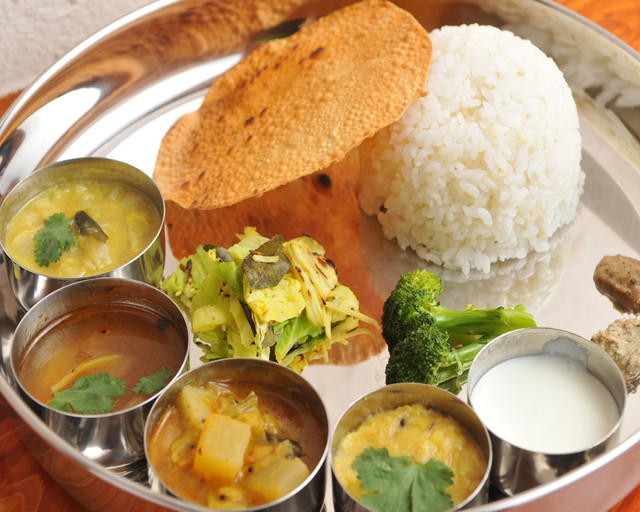
Approaching hana in Yachiyo, the cue is restraint rather than luxury theatre. Indian cooking in Japan is often flattened into curry-house shorthand; here the focus can be read through the restaurant’s listed categories: Indian, Indian curry, and medicinal. That makes hana useful for understanding how specialist Indian dining has entered Japan’s everyday food culture without needing a formal fine-dining frame.
Yachiyo is not where travellers usually start a Chiba food itinerary, which is why this restaurant matters. Outside Tokyo’s restaurant glare, the meal reads less like destination concept dining than neighbourhood-scale cooking with enough critical recognition to draw diners who follow specialist lists. Its Tabelog Hyakumeiten recognition in 2024 places it in a tighter field than its casual price bracket suggests.
Indian cooking with a medicinal-food identity, interpreted through a Japanese neighbourhood lens
The strongest editorial angle is focus and restraint. The restaurant is listed in Indian, Indian curry, and medicinal categories, giving it a clearer lane than a generic curry stop. In Japan, where Indian restaurants are often judged by set meals and familiar curry formats, that distinction matters. The point is not luxury staging, but a meal structure where spice, balance, and everyday usefulness carry much of the interest.
That also explains the broader appeal of the restaurant’s positioning. Rather than reading as a high-ceremony room, hana sits in a category where accessible pricing and a specific culinary identity can coexist. The medicinal-food language gives the restaurant a health-conscious frame without requiring grand claims about technique, sourcing, or chef biography.
For travellers used to Tokyo’s Michelin-facing counters, this is another kind of seriousness. The evidence is not a long tasting menu or named chef biography, but category recognition and a clear culinary lane. Tabelog’s 3.60 score and 2024 Hyakumeiten recognition point to meaningful local and regional attention, not just a casual listing. Within Yachiyo, the direct comparison is TOKU-TOKU, in the same modest price band; hana’s differentiator is its Indian, Indian-curry, and medicinal-food identity rather than a broader casual-dining format.
A casual room where the value sits in discipline, not ceremony
The appeal belongs to the small-restaurant category rather than banquet or hotel dining. That scale suits the food. Cooking built around curry, spice, and a medicinal-food identity depends less on spectacle than on consistency and balance. The experience is best understood as neighbourhood dining with enough recognition to interest diners who track specialist Japanese restaurant lists.
The JPY 1,000 to JPY 1,999 lunch-and-dinner price band is part of the story. Japan’s regional dining scene often hides serious cooking in low-to-mid price formats, especially outside central Tokyo. Here, award signal and price signal pull in opposite directions: recognition suggests specialist interest, while spend remains closer to an everyday meal. That gap is the appeal. It does not imitate a luxury Indian restaurant; it gives a specific style enough structure to be legible and enough informality to stay useful.
The more interesting question is whether the restaurant keeps a clear internal logic. With Indian, Indian curry, and medicinal categories as the stated anchors, hana’s identity is specific without being overcomplicated. It reads as a Japanese neighbourhood interpretation of Indian dining rather than a room trying to borrow prestige from fine-dining ceremony.
How to read hana in a wider Yachiyo itinerary
For a traveller building a day around Yachiyo rather than passing through Chiba by accident, this restaurant gives the city a sharper food identity. The nearby dining field is not dominated by luxury formats; value, specialist comfort food, and small independent rooms matter more. That makes hana a strong anchor for readers using Our full Yachiyo restaurants guide, especially if the goal is cooking with a clear point of view rather than a generic meal.
Its usefulness depends on expectations. Diners seeking high-ceremony service, private rooms, or a chef-led tasting narrative are in the wrong category. The better comparison is Japan’s serious casual rooms: places where a tightly defined cuisine, modest ticket, and list recognition create authority without polish. Within that frame, Indian curry and medicinal-food language give the restaurant a more specific identity than many casual dining addresses in the same price tier.
Planning around the wider city is simple. Pair the meal with broader EP Club Yachiyo coverage rather than treating it as an isolated stop: Our full Yachiyo hotels guide, Our full Yachiyo bars guide, Our full Yachiyo wineries guide, and Our full Yachiyo experiences guide help place the meal inside the city rather than treating Yachiyo as a single-purpose detour.
Readers comparing Japanese dining styles beyond Yachiyo can use it against broader formats across Japan: beef-focused rooms, charcoal-grill dining, café culture, curry specialists, hamburger counters, and casual international restaurants all show how modest formats can still carry a strong point of view. For overseas Japanese-adjacent drinking and casual food references, generic sake bars and onigiri shops widen the comparison without pretending they occupy the same dining lane.
Frequently asked questions
Is hana child-friendly?
hana is a casual Indian and Indian-curry restaurant in Yachiyo; families should confirm current seating and service details directly before visiting.
How would you describe the vibe at hana?
The setting reads as relaxed rather than formal, with the 2024 Tabelog Hyakumeiten recognition carrying the clearest trust signal.
Is hana expensive?
Pricing at hana is listed as JPY 1,000 - JPY 1,999 for dinner and JPY 1,000 - JPY 1,999 for lunch.
What part of town is hana in?
Yachiyo.
Can I walk in to hana?
Walk-ins may be possible, but availability can vary. Planning ahead helps, especially around lunch and dinner in Yachiyo.
Side-by-Side Snapshot
Comparable venues by cuisine and price in the same metro.
| Venue | Cuisine | Price | Awards | Notes |
|---|---|---|---|---|
| hanaThis venue (the venue you are viewing) | South Indian Home-Style Cuisine | Not listed | Tabelog 100 #66 | Not listed |
| TOKU-TOKU | Niboshi-focused ramen shop | $10–20 | Tabelog 100 #57 | Katsutadai |
| Budouya | Indian curry & Izakaya | $30–50 | Tabelog 100 #9 | Chiyoda |
| Spicy Curry House Hangetsu | Indian Curry | Not listed | Tabelog 100 #63 | Shinjuku |
| Avatar Indian Restaurant (アブタール 別府鉄輪店) | Authentic Indian Curry | Not listed | Not listed | Kannawa |
| スパイス厨房来風 | Handmade Ōmi Beef Curry | Not listed | Not listed | Takashima, Shiga Prefecture |
Recognition history
Dated appearances from independent guides and award organizations, with the underlying list record or original source where available.
Tabelog 100 #66 · No. 66
Tabelog · Tabelog 100 - Asian cuisine / Ethnic cuisine - EAST - 2024
Continue exploring
More in Yachiyo
Restaurants in Yachiyo
All restaurants in Yachiyo →







Details
- Cozy
- Casual Hangout
- Solo
- Family
- Group Dining
- Standalone
- A La Carte
- Vegetarian Friendly
Current opening hours
- Monday
- 11:30 AM–2 PM, 6–9 PM
- Tuesday
- 11:30 AM–2 PM, 6–9 PM
- Wednesday
- Closed
- Thursday
- 11:30 AM–2 PM, 6–9 PM
- Friday
- 11:30 AM–2 PM, 6–9 PM
- Saturday
- 11:30 AM–2 PM, 6–9 PM
- Sunday
- 11:30 AM–2 PM, 6–8 PM
Hours can change for holidays and private events. Hours as of .
Simple, relaxed dining room with a modest, homely feel, focused more on serving hearty Indian food than on elaborate decor or formality.