
Michelin Plate
Our verdict
Nobu Budapest occupies Erzsébet tér at the €€€€ tier, bringing the global chain's Japanese-Peruvian framework to a city where premium dining has historically meant Hungarian and Central European traditions. Two consecutive Michelin Plate recognitions (2024 and 2025) confirm it holds a position within Budapest's fine-dining conversation, even as local competitors continue to develop their own distinct culinary identities.

Pearl is the En Primeur Club membership app, where members save venues, book tables and use the concierge.
The menu
What to order
- Black_cod_miso
- Yellowtail_jalapeno
- New_style_wagyu
Where Erzsébet tér Meets a Global Kitchen
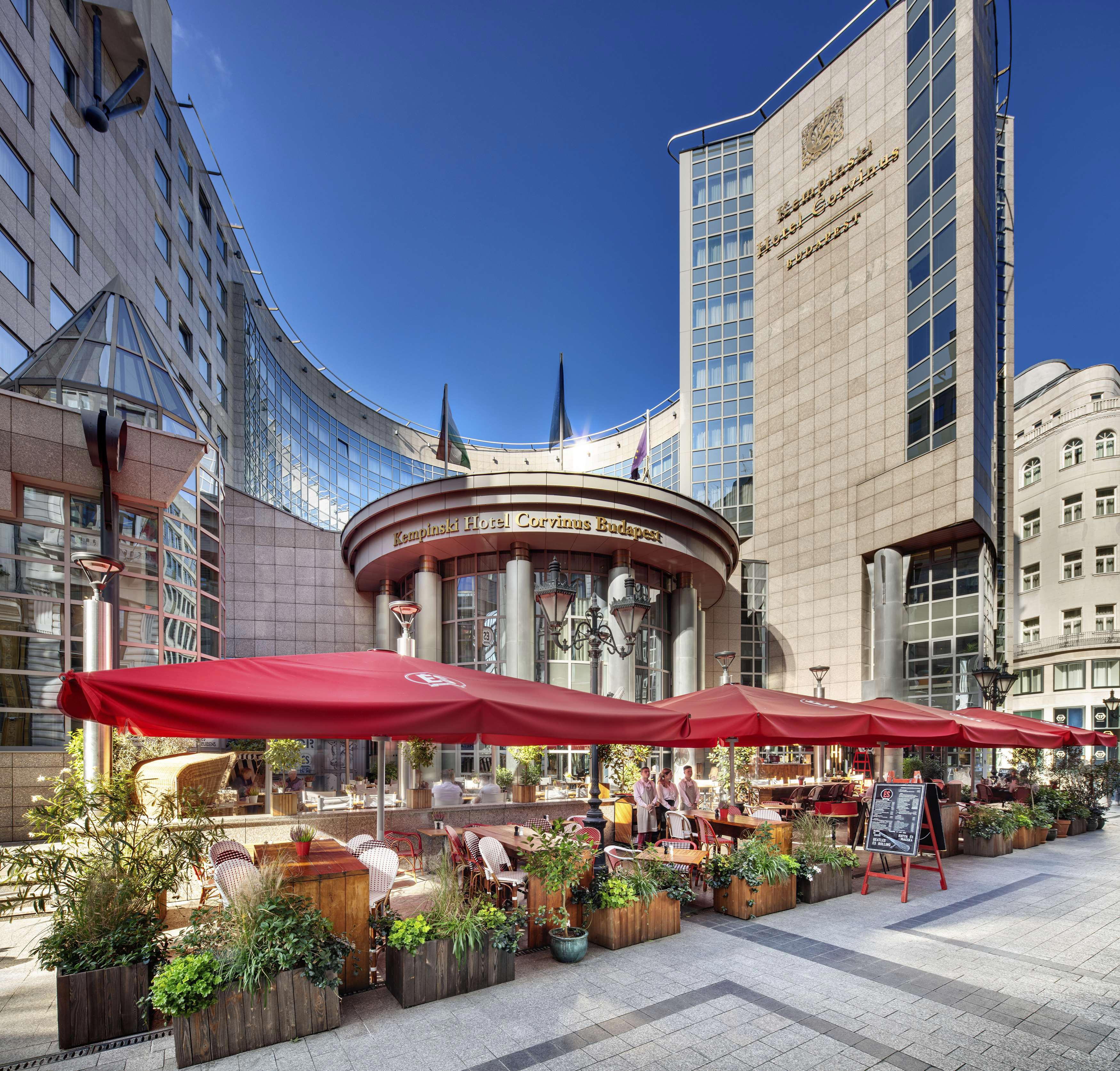
Erzsébet tér sits at the compressed centre of Budapest's Inner City, a square that functions as both transit hub and social anchor between the Danube embankment and the eastern shopping corridors of Deák Ferenc utca. The address at number 7-8 places Nobu Budapest within immediate reach of the grand hotel belt that lines this stretch of the city, a neighbourhood where the ambient register is international in a way that few other Budapest postcodes replicate. Walking toward the entrance, the glass and stone geometry of the building signals the global brand architecture that Nobu properties share across cities, a visual grammar that reads the same whether you are arriving from the Ritz-Carlton next door or stepping off the 47 tram. That consistency is both the point and the tension, Budapest's most discussed dining addresses in recent years have moved in the opposite direction, toward deep local specificity, and this property arrives from a different logic entirely.
Japanese-Peruvian in a Central European Capital
The Nobu format, now replicated across dozens of cities, built its global footprint on the fusion of Japanese technique with Peruvian ingredients and acidity, a combination developed in New York in the 1990s that proved transferable across continents. In Budapest, that framework lands against a local fine-dining scene that has spent the last decade developing a more introspective identity. Properties like Babel (€€€€ · Modern Cuisine) and Stand (€€€€ · Modern Cuisine) have built their reputations on Hungarian produce and Central European culinary memory. Costes (€€€€ · Modern Cuisine) and essência (€€€€ · Modern Cuisine) represent the city's appetite for technically rigorous international frameworks applied to local material. Nobu operates on different terms: the sourcing philosophy and menu architecture are globally standardised, and the Budapest kitchen works within that framework rather than departing from it.
That distinction matters for how to read Nobu's Michelin Plate in 2024 and again in 2025. A Plate denotes cooking that is good without reaching the Star tier, it is Michelin's signal that a kitchen is producing food worth noting in the context of the city's assessed restaurants. At the €€€€ price point, it places Nobu in competition with Budapest's most serious local addresses, and the Plate recognition without a Star is a reasonable summary of where the format sits: competent and consistent within its global template, without the particular ambition that Budapest's locally focused €€€€ kitchens have been developing.
The Drinks Program and Its Budapest Context
The editorial angle most worth interrogating at a Nobu property in a wine-serious city is the drinks list. Budapest sits within reach of Hungary's most consequential wine regions, Tokaj to the northeast, Eger to the east, Villány and Szekszárd to the south, and the city's better restaurants have responded by building cellars that treat Hungarian wine as a serious category rather than a local curiosity. Borkonyha Winekitchen (€€€ · Modern Cuisine), whose name translates literally as wine kitchen, has built its entire identity around this proposition and holds Michelin recognition partly on the strength of its wine program.
Nobu's global beverage architecture leans toward sake, Japanese whisky, and cocktails calibrated to the menu's citrus and umami register. These are sensible pairings for the food, the acidity in yuzu-based preparations reads against clean sake in a way that few Hungarian white wines would replicate, but the result is a drinks list that sits somewhat outside the local conversation. A guest arriving with expectations shaped by Budapest's wine-forward dining culture will find a program operating on different coordinates. That is not a flaw in execution so much as a reflection of what a global template optimised for Tokyo, Los Angeles, and London looks like when transplanted to the Carpathian Basin. Visitors specifically interested in Hungarian wine pairings at the €€€€ level will find more dedicated depth at Borkonyha or at the wine-integrated menus of the locally anchored fine-dining addresses.
Where Nobu's list earns genuine attention is in its sake depth and Japanese spirit selection, categories that receive minimal coverage across Budapest's otherwise competitive drinks scene. For a guest whose reference point is Japanese dining in Amsterdam or Madrid, the drinks program at Nobu Budapest compares reasonably with what European Nobu properties offer, benchmarked against addresses like Yamazato (€€€€ · Japanese) in Amsterdam or Toki (€€€€ · Japanese) in Madrid rather than against Budapest's domestic cellar leaders.
Positioning Within Budapest's Fine-Dining Tier
It is a different measure from the critical acclaim that drives bookings at Budapest's locally rooted addresses, but it serves a specific function: visitors who have eaten at Nobu properties in other cities arrive with a calibrated expectation, and the Budapest kitchen appears to meet it.
For context on what else operates at this price tier and with comparable recognition in the city, the locally focused €€€€ addresses carry a different critical weight. Those planning a broader Budapest dining itinerary should also consider what the city's regions offer beyond the capital: Platán Gourmet in Tata, 42 Restaurant in Esztergom, and Pajta in Őriszentpéter represent a strain of Hungarian fine dining rooted in local ingredients that operates at considerable distance from the Nobu framework. Further afield, Alkimista Kulináris Műhely in Szeged, 67 Sigma in Székesfehérvár, and A Konyhám Stúdió 365 in Fonyód extend the picture of where Hungarian cooking is developing outside the capital.
Planning a Visit
Nobu Budapest is located at Erzsébet tér 7-8 in the 1051 postal district, a central address that is walkable from the major metro interchange at Deák Ferenc tér and within a short distance of the main hotel corridors along the Inner City ring. The price tier (€€€€) aligns with Budapest's top-end restaurant category, and prospective visitors should approach it as they would a Nobu property in any major European city: consistent format, reliable execution, a drinks program weighted toward Japanese spirits and sake rather than local wine. Broader city planning is supported by our full Budapest hotels guide, our full Budapest bars guide, our full Budapest wineries guide, and our full Budapest experiences guide.
Frequently asked questions
Where is Nobu Budapest in Budapest?
Nobu Budapest is located at Budapest, Erzsébet tér 7-8, 1051 Hungary, Budapest.
What's the price range at Nobu Budapest?
Pricing at Nobu Budapest is listed as €€€€.
What's Nobu Budapest known for in terms of accolades?
Nobu Budapest has received recognition including: Michelin Plate (2025); Michelin Plate (2024).
What do people recommend at Nobu Budapest?
Nobu's global kitchen template centres on cold dishes (ceviches, tiraditos, sashimi preparations) and hot dishes built around Japanese technique with Peruvian seasoning, the combinations that put the brand on the map across its international network. At the €€€€ price tier, the expectation is the full range of that format: signature black cod preparations, rock shrimp, and the Nikkei-inflected cold courses. With a 4.2 Google aggregate across over 1,000 reviews, the kitchen holds consistency across a high volume of covers, which points to the core menu rather than specials as the reliable choice.
A quick peer check to anchor this venue’s price and recognition.
| Venue | Cuisine | Price | Awards | Notes |
|---|---|---|---|---|
| Nobu BudapestThis venue (the venue you are viewing) | Japanese-Peruvian Fusion | $50–100 | Michelin Plate | Not listed |
| Babel | Modern Hungarian Fine Dining | Not listed | 1 Michelin Star · La Liste Top Restaurants | Modern Cuisine |
| Borkonyha Winekitchen | Modern Hungarian-Inspired Bistro | $30–50 | 1 Michelin Star · La Liste Top Restaurants | Modern Cuisine |
| Rumour by Rácz Jenő | Modern Fusion Tasting Menu | $100–150 | 1 Michelin Star · La Liste Top Restaurants | Not listed |
| Stand25 Bisztró | Modern Hungarian Bistro | $50–100 | Michelin Plate | Not listed |
| Bilanx | Modern Hungarian Contemporary | $50–100 | Michelin Plate | Not listed |
Recognition history
Dated appearances from independent guides and award organizations, with the underlying list record or original source where available.
Michelin Plate
Michelin
Full recognition history (2 entries)
Michelin Plate
Michelin
Continue exploring
More in Budapest
Restaurants in Budapest
All restaurants in Budapest →
Bars in Budapest
All bars in Budapest →

Details
- Modern
- Elegant
- Sophisticated
- Date Night
- Special Occasion
- Business Dinner
- Hotel Restaurant
- Sake Program
- Extensive Wine List
- A La Carte
- Small Plates
- Sake
- Wine
- Vegetarian Friendly
Current opening hours
- Monday
- 12–11 PM
- Tuesday
- 12–11 PM
- Wednesday
- 12–11 PM
- Thursday
- 12–11 PM
- Friday
- 12–11:45 PM
- Saturday
- 12–11:45 PM
- Sunday
- 12–11 PM
Hours can change for holidays and private events. Hours as of .
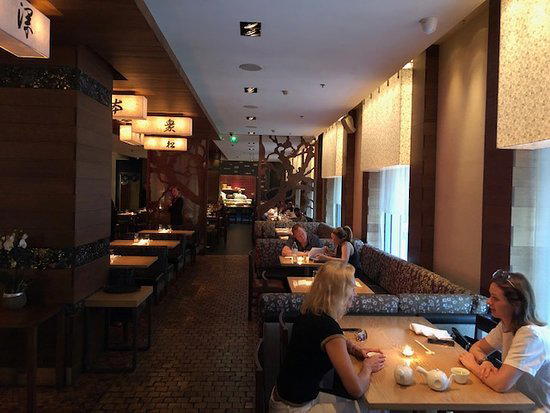
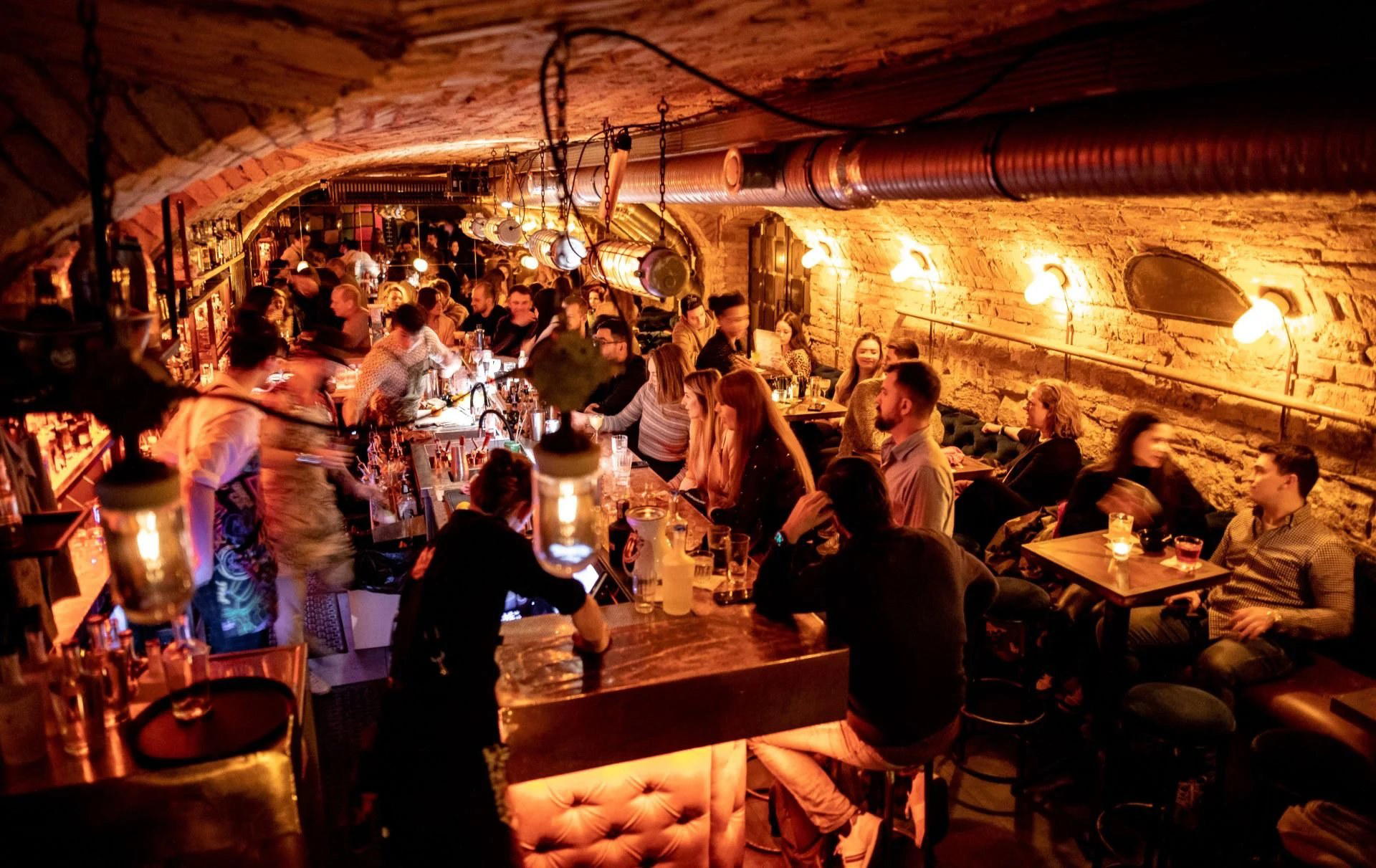
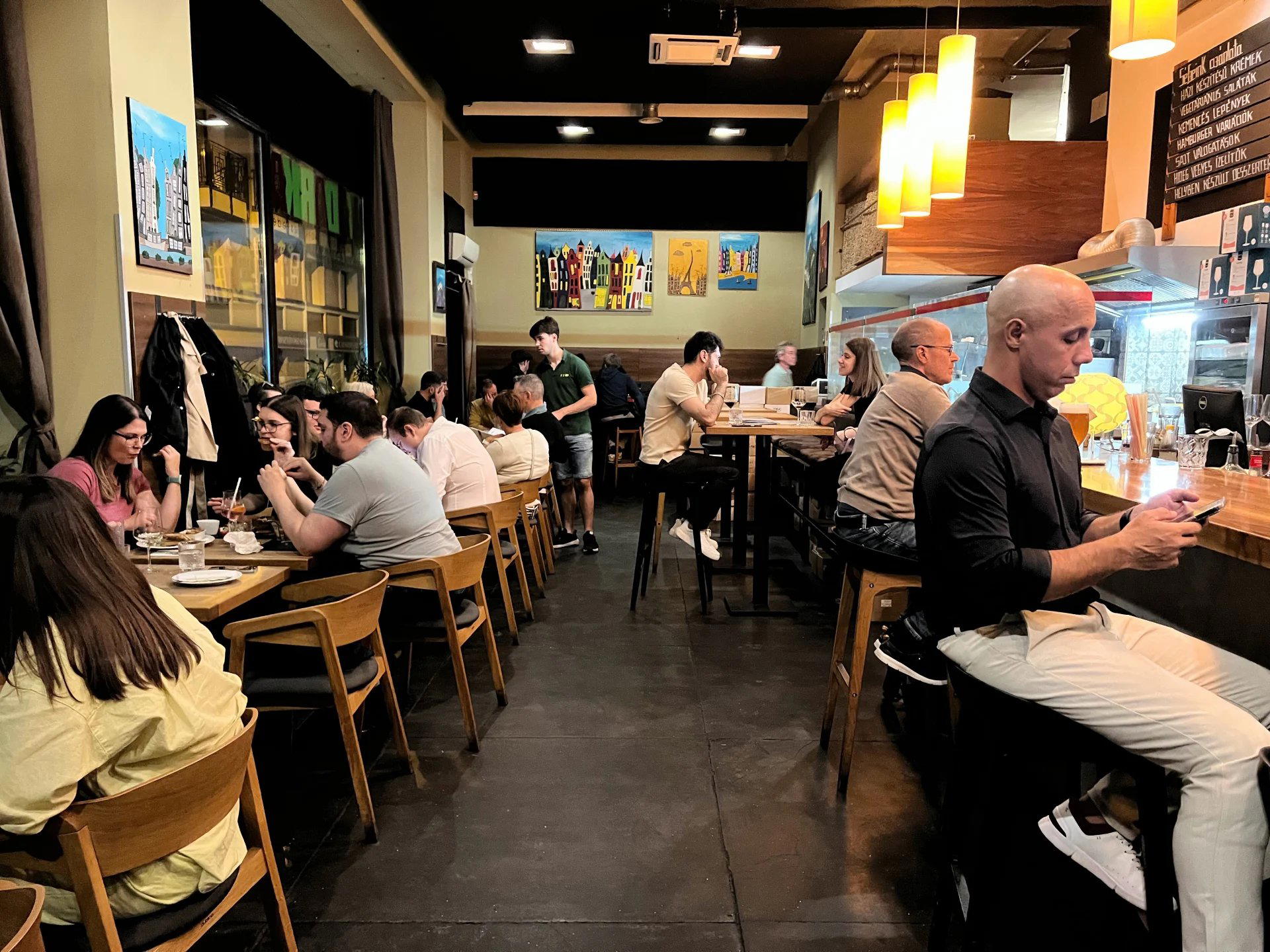
Understated decor with oriental touches, often described as lacking intimacy, with loud music, poor acoustics, and dim lighting.