Tocaya Modern Mexican
Our verdict
Tocaya Modern Mexican operates at the intersection of California produce culture and Mexican culinary tradition, making its downtown Los Angeles address on S Olive Street a useful point of reference for the city's fast-casual Mexican segment. The format prioritises accessible price points and plant-inclusive menus over tasting-counter formality, positioning it against neighbourhood peers rather than the city's fine-dining bracket.

Pearl is the En Primeur Club membership app — saves, bookings, and concierge access live there. Same editors, same standards.
- Address
- 801 S Olive St B, Los Angeles, CA 90014
- Phone
- (213) 262-1805
- Hours
- Daily 10:30 AM–9 PM
- Website
- tocaya.com
- Directions
- Get directions
The menu
What to order
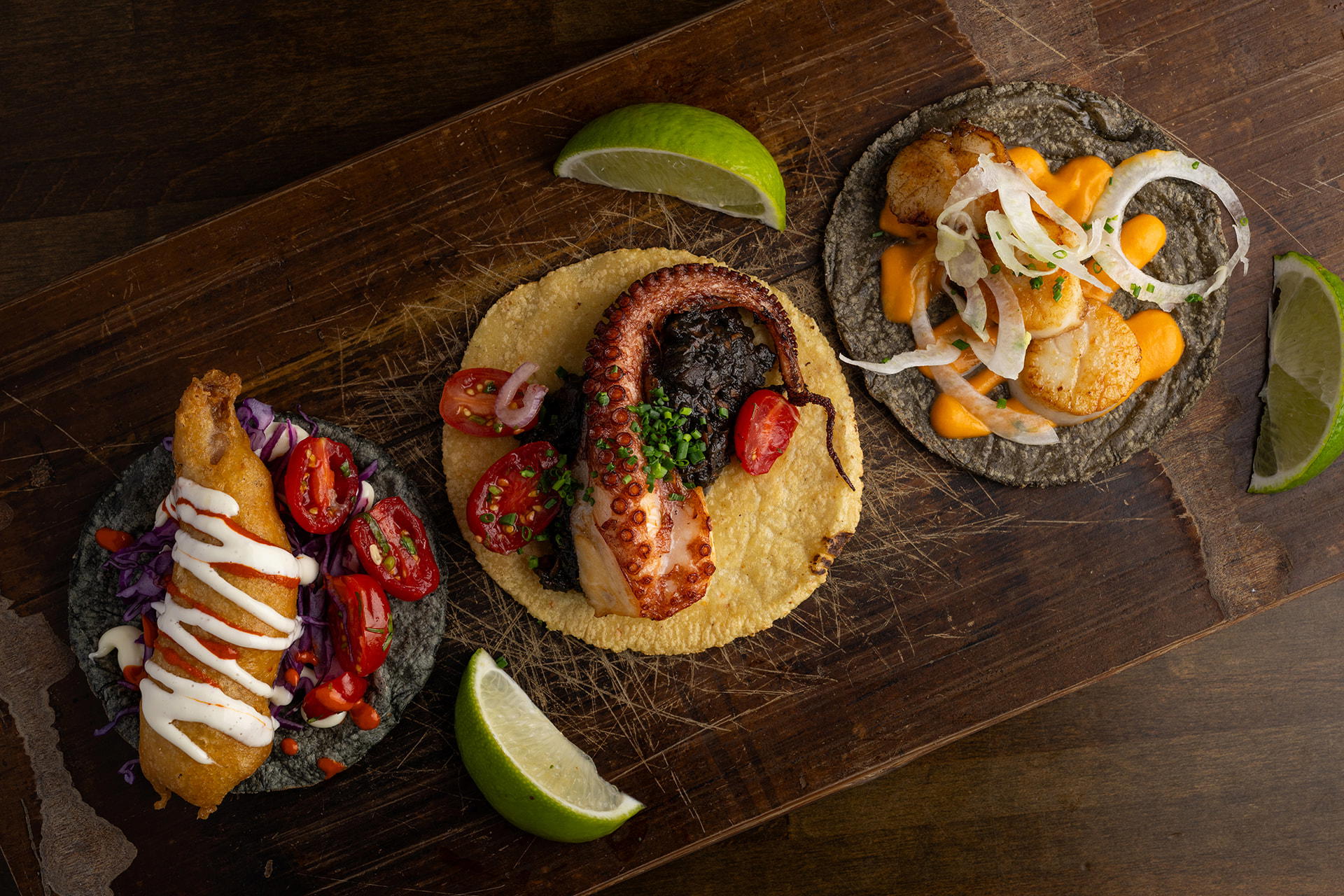
- Vegan Tacos
- Chili Lime Cauliflower
- Street Corn En Fuego
Downtown Los Angeles and the Modern Mexican Question
South Olive Street in downtown Los Angeles sits inside a corridor that has absorbed a decade of residential and commercial development, pulling with it a range of dining formats aimed at the weekday lunch crowd and post-work dinner set. The block around 801 S Olive reflects that shift: counter-service operations alongside sit-down rooms, price points calibrated to office workers rather than expense accounts. Tocaya Modern Mexican occupies that context deliberately, positioning itself within the accessible tier of the city's Mexican dining spectrum rather than the fine-dining bracket occupied by places like Holbox or the tasting-menu format that defines much of the city's prestige dining scene.
Los Angeles has one of the most layered Mexican food cultures of any American city, running from century-old family taquerias in Boyle Heights through to the refined coastal Mexican cooking emerging in mid-market restaurant groups. The modern Mexican casual segment, which Tocaya represents, sits in the middle of that spectrum: more ingredient-conscious than fast food, less ceremony-driven than the chef-led rooms downtown. Understanding where that tier fits tells you more about the city's dining evolution than any single venue profile could.
Local Ingredients, Global Technique: The Defining Logic of Modern Mexican in California
The phrase "modern Mexican" functions as shorthand for a specific culinary negotiation that California restaurant groups have been conducting for roughly fifteen years. The underlying premise is that Mexican flavour architecture, built around chiles, alliums, citrus, and masa, is compatible with the sourcing ethics and preparation disciplines imported from fine-dining culture: dry-aged proteins, fermentation programs, house-made condiments, seasonal produce rotations tied to local farms.
California is an unusually productive site for this negotiation. The state grows a significant proportion of the country's commercial vegetable output, and proximity to Mexico's northern agricultural regions means that ingredients like Baja-grown tomatoes, Sonoran wheat for flour tortillas, and regional chile varieties arrive with shorter supply chains than they would in, say, Chicago or New York. At the same time, Los Angeles has absorbed waves of culinary training from French, Japanese, and New American kitchens, producing a generation of cooks fluent in techniques that translate readily onto Mexican base ingredients.
This intersection is visible across the city's mid-market Mexican dining scene, from the grilled-fish tacos that borrow from Japanese yakimono grilling logic to the house-made masa programs that apply the same sourcing rigour you find at grain-focused American restaurants like Blue Hill at Stone Barns or Single Thread Farm in Healdsburg. Tocaya operates within that broader current, applying contemporary California ingredient consciousness to a menu format that keeps the price accessible.
The plant-forward emphasis that runs through menus in this category also reflects a broader shift in how Los Angeles diners engage with Mexican food. Vegetarian and vegan adaptations of traditionally meat-centred dishes, from carnitas to carne asada bowls, have moved from afterthought to structural menu element in most modern Mexican operations, a change driven partly by the city's wellness culture and partly by the genuinely strong vegetable and legume traditions within Mexican regional cooking.
Where Tocaya Sits in the Los Angeles Dining Spectrum
Mapping Tocaya against the city's Mexican dining options clarifies its competitive position. The best of the market runs through destinations like Hayato and Kato, both of which represent the tasting-counter format at its most demanding in price and booking lead time. The city's broader fine-dining circuit, anchored by Providence, Osteria Mozza, and Somni, operates at a different register entirely, with prix-fixe commitments and multi-month booking windows.
In this tier, the differentiator is usually the sourcing story and the vegetable program rather than the chef's tasting menu credentials. That's a different kind of ambition than what drives The French Laundry or Le Bernardin, but it reflects a genuinely distinct approach to democratising ingredient quality in a high-cost city.
| Venue | Price Tier | Format | Primary Distinction |
|---|---|---|---|
| Tocaya Modern Mexican | $-$$ | Fast-casual counter | Plant-inclusive modern Mexican, downtown location |
| Holbox | $$ | Counter, market-adjacent | Oaxacan-inflected seafood, Mercado La Paloma |
| Kato | $$$$ | Tasting counter | New Taiwanese fine dining, Michelin-recognised |
| Hayato | $$$$ | Omakase | Japanese kaiseki, multi-month booking window |
Planning a Visit
The downtown Los Angeles address at 801 S Olive Street places Tocaya within walking distance of Pershing Square Metro station on the B and D lines, making it reachable from Hollywood, Koreatown, and the Westside without a car. Parking in this part of downtown requires either street parking (metered, competitive during lunch hours) or one of several nearby structures. The format lends itself to weekday lunches and early dinners rather than late-night sittings.
For visitors building a broader Los Angeles dining itinerary, Tocaya works as an accessible, lower-commitment meal that preserves budget for the city's more demanding reservations. Those planning to explore the city's full dining range should consult our full Los Angeles restaurants guide for context across all price tiers and neighbourhoods. Comparable modern-technique, ingredient-driven restaurant programs in other cities include Smyth in Chicago, Addison in San Diego, and Frasca Food and Wine in Boulder for their respective regional ingredient focus, though each operates in a different price and format category.
Booking is walk-in friendly given the counter-service model, though peak lunch hours in the financial district corridor can drive wait times. Early evening, particularly mid-week, tends to offer the most direct access.
Frequently asked questions
What part of town is Tocaya Modern Mexican in?
Tocaya Modern Mexican is located at 801 S Olive St B, Los Angeles, CA 90014, Los Angeles.
How does Tocaya Modern Mexican compare to other fast-casual Mexican options near downtown Los Angeles?
Within the downtown Los Angeles fast-casual Mexican category, Tocaya occupies a specific position: it applies California sourcing standards and a plant-forward menu architecture to a format that competes on speed and price rather than the tasting-menu ambition of destinations like Hayato or the traditional authority of older East LA institutions. The 801 S Olive Street address places it inside a development corridor that has attracted similar concepts, but Tocaya's vegetable-centric menu logic gives it a distinguishable identity in that set.
What should I order at Tocaya Modern Mexican?
Tocaya's menu is built around modern Mexican formats — bowls, burritos, and tacos constructed with California-sourced produce and plant-forward protein options. The downtown Los Angeles location at 801 S Olive St draws a mixed lunch and dinner crowd from the surrounding residential and office corridor, so the quicker-assembly items move fastest. Check the current menu on arrival, as seasonal ingredient rotations are part of the kitchen's operating logic.
What's the best way to book Tocaya Modern Mexican?
Tocaya operates as a fast-casual concept, which means reservations are not typically part of the format — walk-ins are the standard approach at the 801 S Olive Street downtown Los Angeles address. The Pershing Square Metro stop on the B and D lines is within walking distance, making midday visits from elsewhere in the city straightforward. Peak lunch hours in the South Olive Street corridor tend to compress seating, so off-peak timing is worth considering.
What's the defining dish or idea at Tocaya Modern Mexican?
The defining logic at Tocaya is a California interpretation of Mexican cuisine that treats plant-based proteins and local produce as primary rather than supplementary. This positions the restaurant within a broader movement of Los Angeles restaurant groups renegotiating Mexican food's relationship to sourcing and technique. The result is a menu that reads as Mexican in structure but Californian in ingredient philosophy.
Is Tocaya Modern Mexican good for vegetarians?
Tocaya is one of the more deliberately vegetarian-accommodating operations in the downtown Los Angeles fast-casual Mexican category, with plant-forward proteins integrated across the core menu rather than siloed into a separate section. The California-Mexican framework the restaurant works within treats vegetable-centric building blocks as a baseline, not an afterthought. Groups with mixed dietary preferences will find the 801 S Olive Street location easier to work with than many comparable concepts in the DTLA corridor.
Same-City Peers
| Venue | Cuisine | Price | Awards | Notes |
|---|---|---|---|---|
| Tocaya Modern MexicanThis venue — the venue you are viewing | Modern Mexican | $20–30 | Not listed | Not listed |
| Kato | Modern Taiwanese Fine Dining | $300–500 | 2 Michelin Stars · World's 50 Best #49 | New Taiwanese, Asian |
| Hayato | Traditional Japanese Kaiseki | $300–500 | 2 Michelin Stars · La Liste Top Restaurants | Japanese |
| Vespertine | Avant-Garde Tasting Menu | $200–300 | 2 Michelin Stars · La Liste Top Restaurants | Progressive, Contemporary |
| Holbox | Modern Mexican Seafood | $30–50 | 1 Michelin Star · World's 50 Best #26 | Mexican Seafood, Mexican |
| Sushi Kaneyoshi | Edomae Omakase | $300–500 | 1 Michelin Star · LA Times 101 Best Restaurants #24 | Sushi, Japanese |
Continue exploring
More in Los Angeles
Restaurants in Los Angeles
Browse all →
Bars in Los Angeles
Browse all →

Hotels in Los Angeles
Browse all →

Wineries in Los Angeles
Browse all →
Details
- Modern
- Trendy
- Lively
- Casual Hangout
- Family
- Group Dining
- Brunch
- Open Kitchen
- Craft Cocktails
- Local Sourcing
- Organic
- A La Carte
- Small Plates
- Vegetarian Friendly
- Vegan Options
- Gluten Free Options
Current opening hours
- Monday
- 10:30 AM–9 PM
- Tuesday
- 10:30 AM–9 PM
- Wednesday
- 10:30 AM–9 PM
- Thursday
- 10:30 AM–9 PM
- Friday
- 10:30 AM–9 PM
- Saturday
- 10:30 AM–9 PM
- Sunday
- 10:30 AM–9 PM
Hours can change for holidays and private events. Last verified .
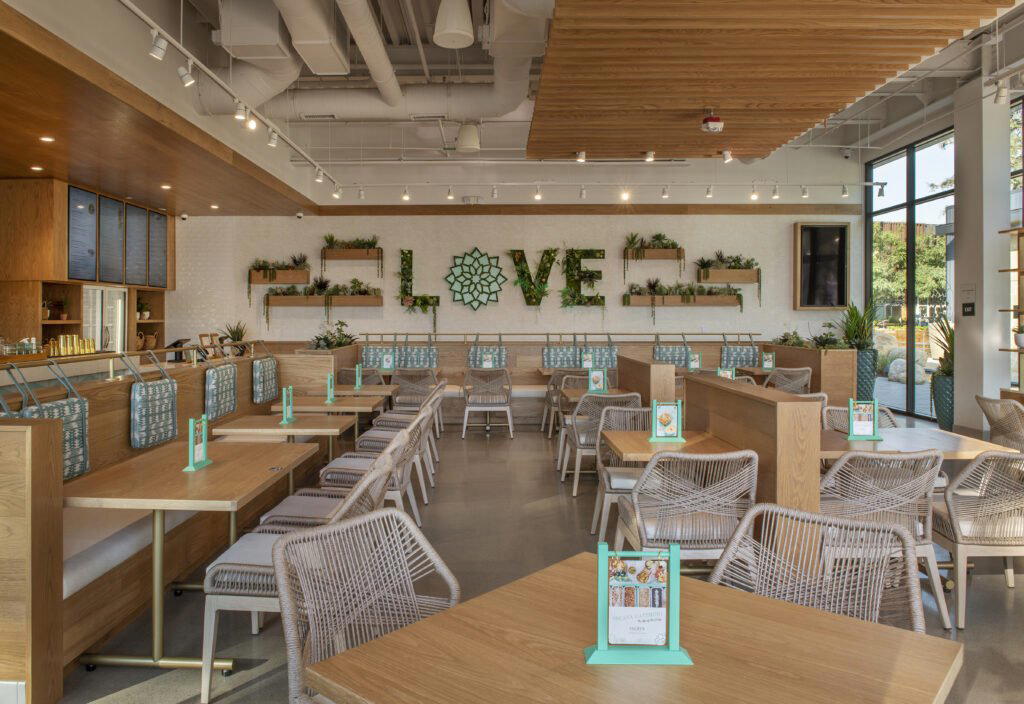
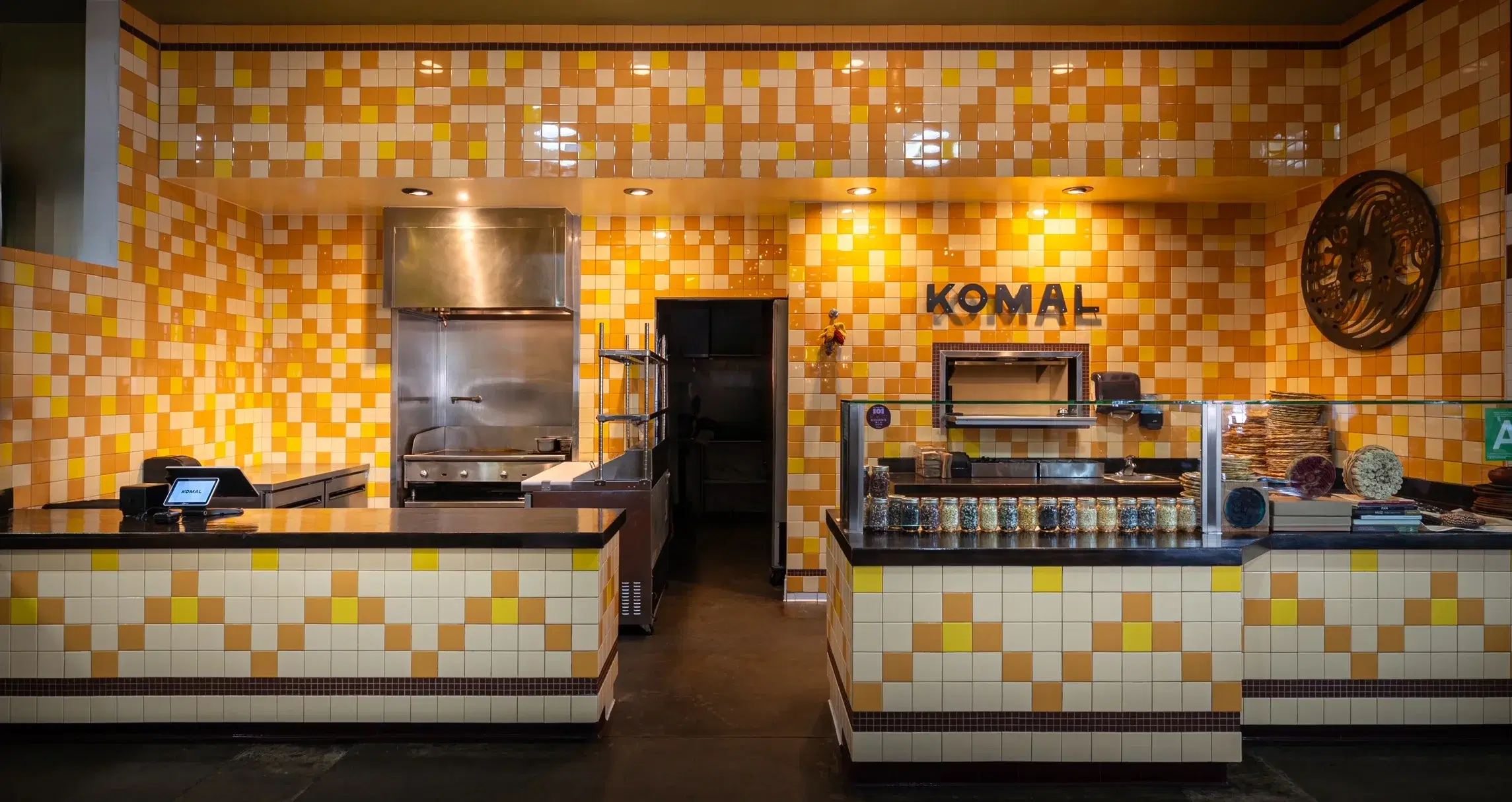
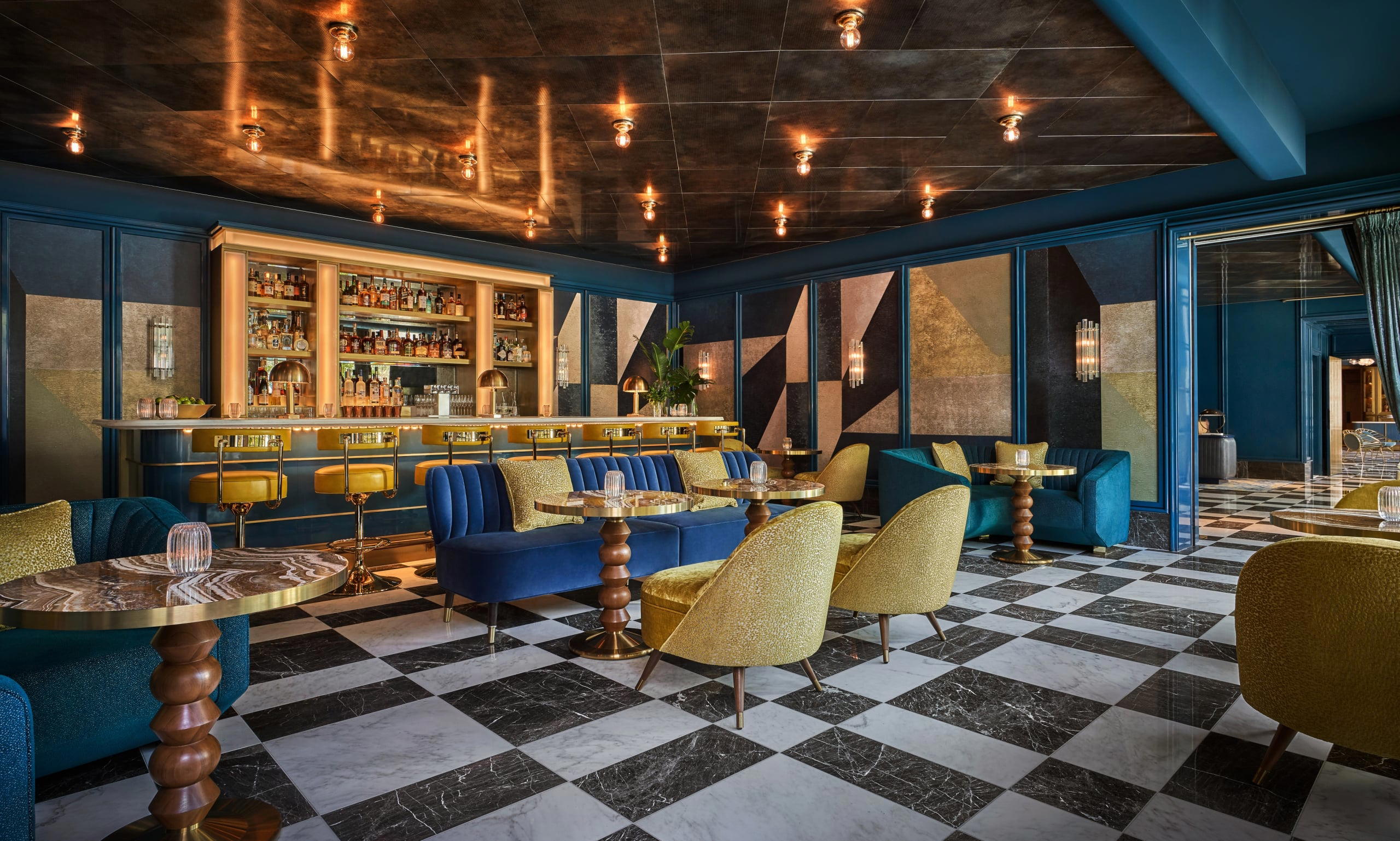
Fresh, bright, modern decor featuring teal and gold accents, lots of greenery, light-filled spaces creating a welcoming and lively atmosphere.