El Granjero Cantina
Our verdict
El Granjero Cantina operates out of the Farmers Market at 6333 W 3rd St, one of Los Angeles's most historically layered eating destinations. The cantina format sits within a broader wave of Mexican-rooted casual dining that has reshaped how Angelenos engage with regional cuisine, moving away from Tex-Mex shorthand toward something more grounded in the ranching and agricultural traditions the name invokes. It occupies a mid-market position in a city where the distance between a taco stand and a fine-dining tasting menu has never been more deliberately navigated.

Pearl is the En Primeur Club membership app — saves, bookings, and concierge access live there. Same editors, same standards.
- Address
- 6333 W 3rd St, Los Angeles, CA 90036
- Phone
- (323) 879-9324
- Hours
- Daily 11 AM–9 PM
- Website
- cantinala.com
- Directions
- Get directions
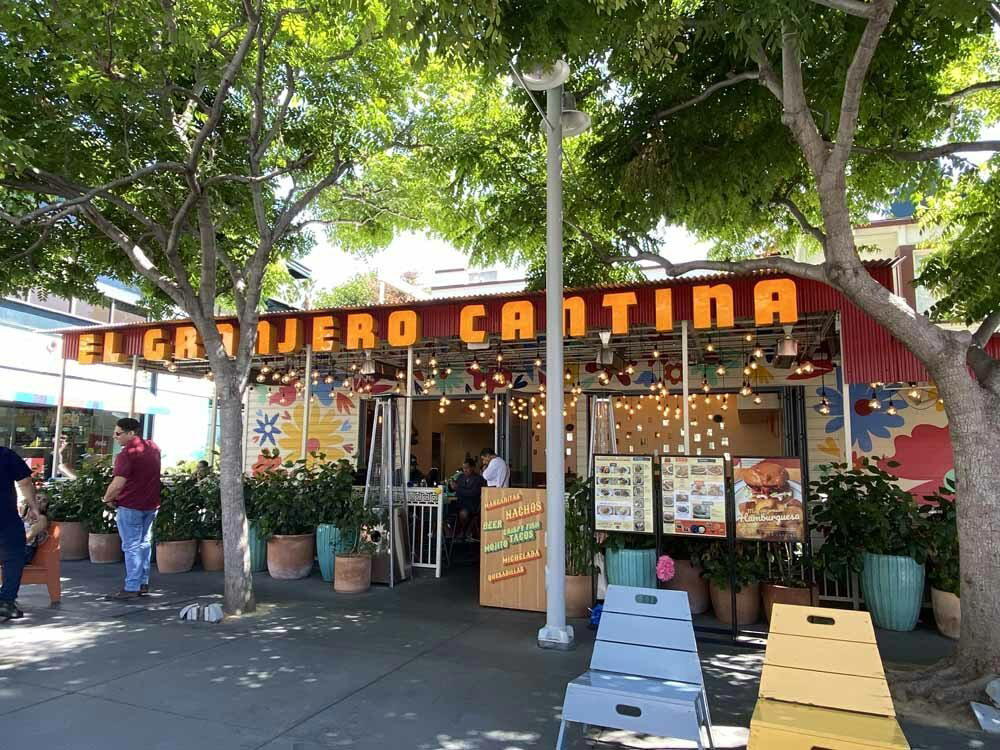
Where the Farmers Market Meets the Mexican Ranching Table
The Original Farmers Market at Third and Fairfax has been a fixed point in Los Angeles's food life since 1934. It has survived the rise of the supermarket, the food hall boom, and the persistent expansion of The Grove next door, and it remains a place where the eating is shaped by stall culture rather than any single kitchen's ambition. Within that context, El Granjero Cantina occupies a specific niche: a cantina format that draws its identity from the granjero tradition, the Mexican farming and ranching table, rather than from the coastal or street-food registers that tend to dominate Los Angeles's Mexican dining conversation.
That distinction matters more than it might first appear. Los Angeles has one of the most geographically and culturally diverse Mexican food scenes of any city outside Mexico itself, covering everything from Oaxacan tlayudas in Koreatown to Michoacán-style carnitas in Boyle Heights, from high-concept Mexican tasting menus to $2 tacos with decades of neighborhood loyalty behind them. The cantina register, rooted in interior Mexico's ranching culture, occupies a different register from the seafood-forward Baja tradition or the mole-heavy Oaxacan influence. It is a cuisine of slow-cooked meats, dried chiles, beans, and the kind of food that was built for working land rather than impressing visitors.
The Cultural Roots Behind the Cantina Format
The word cantina carries a specific set of associations in Mexican food culture: a place where food and drink are intertwined, where the menu skews toward hearty, long-cooked preparations, and where the social function of the space is as important as what arrives on the plate. In the United States, that format has historically been diluted into something closer to a bar with nachos. The current generation of Mexican restaurants in Los Angeles has been quietly correcting that flattening, and El Granjero's positioning within the Farmers Market suggests an attempt to anchor the cantina concept to a more specific culinary identity.
The granjero reference itself is worth unpacking. Granjero translates as farmer or rancher, and the cuisine that emerges from that tradition in central and northern Mexico is distinct from the coastal or tropical food that tends to travel most successfully across the border. It is a cuisine built on beef, pork, goat, and corn, on slow braises and dried chile preparations, on the kind of cooking that feeds people who work outside. Placing that tradition inside a historic market environment in Los Angeles creates an interesting set of cultural tensions and conversations, particularly given the Farmers Market's own agricultural origins.
Los Angeles and the Evolving Mexican Dining Tier
Mexican food scene in Los Angeles has split into increasingly defined tiers over the past decade. At the accessible end, taco trucks and family-run taquerias continue to anchor communities across the city, operating with the kind of specificity and consistency that makes them genuine reference points for a cuisine. At the other extreme, restaurants like Kato and Hayato demonstrate what happens when a cuisine's techniques and ingredients are treated with the same seriousness applied to Japanese or Taiwanese fine dining. The mid-market cantina format sits between those poles, and it is a space that has historically been underserved in Los Angeles relative to the city's Mexican population and culinary tradition.
That gap has begun to close. The Farmers Market location gives El Granjero Cantina access to a visitor base that spans tourists, local regulars, and the kind of curious eater who uses a market visit as an opportunity for discovery rather than a planned dining destination. That foot-traffic dynamic is different from the reservations-driven model that structures restaurants like Providence or Somni, and it places the cantina format in conversation with a broader, more casual public rather than a self-selected dining audience.
The market context also connects El Granjero to a longer Los Angeles tradition of ethnic food finding its footing in shared public eating spaces before migrating to dedicated restaurant formats. The Farmers Market has historically been a place where cuisines establish themselves, where a stall or counter earns credibility through repetition and word of mouth rather than through critical attention or awards cycles. That is a different kind of legitimacy, and in many ways a more durable one.
Positioning Within the City's Wider Dining Conversation
Los Angeles's restaurant culture in 2024 and 2025 has been shaped by the same forces affecting dining cities across the United States: rising operating costs, post-pandemic shifts in how people book and spend, and a growing critical interest in cuisines that were previously treated as peripheral to the fine-dining conversation. Osteria Mozza occupies one end of the Italian-American spectrum; the Farmers Market stalls occupy a very different register of the casual end. El Granjero sits closer to the latter, and in a city that increasingly values that kind of direct, specific eating, that is not a disadvantage.
Nationally, the pressure on mid-market independent dining has been significant. Restaurants like Smyth in Chicago and Lazy Bear in San Francisco have anchored themselves at the tasting-menu end. Farm-to-table destinations like Blue Hill at Stone Barns or Single Thread Farm have made agricultural sourcing central to their identity. The cantina format operates on a different axis entirely: it is not about sourcing theatre or tasting-menu ambition, but about the functional tradition of cooking that fed a specific culture over generations. That is a quieter claim, but a legitimate one.
For the reader considering where El Granjero fits within a Los Angeles visit, the relevant comparison set is not The French Laundry or Addison, nor even the city's acclaimed Mexican fine-dining experiments. It is the broader category of market eating: food that earns its place through consistency and cultural specificity rather than through critical apparatus. The Farmers Market has been delivering that since 1934, and El Granjero Cantina works within that framework.
Planning Your Visit
El Granjero Cantina is located at 6333 W 3rd St within the Original Farmers Market, a short distance from The Grove shopping complex in the Fairfax district. The Farmers Market itself operates across regular daytime hours and draws a broad cross-section of visitors, making it accessible without advance planning in the way that reservation-heavy restaurants across the city are not. The Fairfax district has enough surrounding interest, from the Farmer's Market's own stalls to the mid-century architecture of the neighborhood, to anchor a longer visit. For readers building a Los Angeles itinerary, the full Los Angeles restaurants guide covers the wider range of the city's dining options.
Quick Reference: El Granjero Cantina, 6333 W 3rd St, Los Angeles, CA 90036, within the Original Farmers Market, Fairfax district. No reservation required for market-format dining.
Frequently asked questions
What's the signature dish at El Granjero Cantina?
The cantina format at El Granjero draws on the granjero tradition of interior Mexico, which centers slow-cooked meats, dried chile preparations, and corn-based dishes rather than the coastal or street-food registers more common in Los Angeles. Specific current menu details are best confirmed directly with the venue, as market-format menus tend to shift with season and supply. The broader cuisine type aligns with the ranching and farming traditions of central Mexico.
Is El Granjero Cantina reservation-only?
The Farmers Market format at 6333 W 3rd St operates as a walk-in, counter-service environment rather than a traditional reservations-driven restaurant. Los Angeles's most decorated tasting-menu venues, such as Providence and Somni, operate on advance booking cycles of weeks or months, but market stalls and cantina-format counters in the same city function on foot traffic and daily volume instead. Visiting during off-peak hours on weekday mornings or early afternoons typically means shorter waits at the market.
What has El Granjero Cantina built its reputation on?
El Granjero has built its presence on the specific cultural reference embedded in its name: the granjero, or farming and ranching tradition of interior Mexico, rather than the taco-and-margarita shorthand that defined American-Mexican dining for decades. Its location within the Original Farmers Market, itself a Los Angeles institution with roots going back to 1934, positions it within a longer civic and culinary history. That combination of cultural specificity and historic location context gives it a different kind of credibility from venues driven by awards or critical recognition.
How does El Granjero Cantina fit into the Fairfax district's food scene?
The Fairfax district around the Original Farmers Market has historically functioned as one of Los Angeles's most culturally layered eating areas, drawing on Jewish deli traditions, produce market culture, and now a broader range of cuisines reflecting the city's demographic changes. El Granjero Cantina sits within that mix as a representative of the Mexican ranching table tradition, a cuisine rooted in central Mexico's agricultural interior rather than in the border-adjacent or coastal preparations that often receive more attention in American dining coverage. For visitors covering the area, the Farmers Market format makes El Granjero a natural stop within a broader Fairfax exploration rather than a standalone dining destination requiring dedicated planning.
Comparable Options
Comparable venues nearby, for context on price, style, and recognition.
| Venue | Cuisine | Price | Awards | Notes |
|---|---|---|---|---|
| El Granjero CantinaThis venue — the venue you are viewing | Authentic Mexican Cantina | $20–30 | Not listed | Not listed |
| Cerveteca Culver City | Baja-Style Mexican Taqueria | $10–20 | Not listed | Palms |
| Tocaya Organica | Modern Organic Mexican | $20–30 | Not listed | Century City |
| Mr. Tempo Cantina | Latin Fusion with Global Influences | $30–50 | Not listed | Yucca Corridor |
| El Coyote | Traditional Mexican | $20–30 | Not listed | Fairfax |
| Gloria's Cafe | Salvadoran-Mexican Fusion | $20–30 | Diners, Drive-Ins and Dives Featured Restaurant | Palms |
Continue exploring
More in Los Angeles
Restaurants in Los Angeles
Browse all →
Bars in Los Angeles
Browse all →
Hotels in Los Angeles
Browse all →


Wineries in Los Angeles
Browse all →
Details
- Lively
- Energetic
- Casual Hangout
- Group Dining
- Terrace
- Craft Cocktails
- Street Scene
- A La Carte
- Small Plates
- Margaritas
- Tequila
- Mezcal
- Vegetarian Friendly
Current opening hours
- Monday
- 11 AM–9 PM
- Tuesday
- 11 AM–9 PM
- Wednesday
- 11 AM–9 PM
- Thursday
- 11 AM–9 PM
- Friday
- 11 AM–9 PM
- Saturday
- 11 AM–9 PM
- Sunday
- 11 AM–9 PM
Hours can change for holidays and private events. Last verified .
Lively, bright, and inviting with lively indoor-outdoor seating and colorful decor.