

Tabelog 100 #43
Our verdict
Kanazawa’s sushi culture draws force from the Sea of Japan, where ingredient sourcing matters as much as counter technique. Tobi sits in that serious local bracket: sushi-led, fish-focused, sake-aware, and recognised by Tabelog Sushi WEST “Tabelog 100” 2025 and Opinionated About Dining’s 2026 Japan Recommended list.

Pearl is the En Primeur Club membership app, where members save venues, book tables and use the concierge.
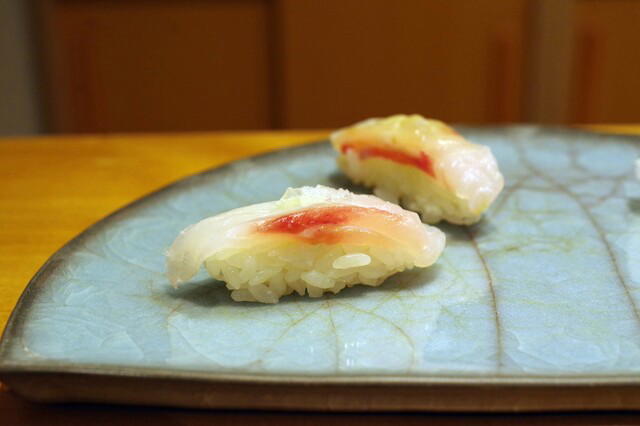
Kanazawa places a diner inside a city whose food culture is shaped by working routines as much as by travel imagery. Offices, small restaurants, confectioners and late-opening counters share the city’s compact rhythm. Here, a sushi restaurant must do more than echo bigger-city manners at smaller-city volume; it must answer a local question: what does a Kanazawa meal communicate when seafood is treated as the main event?
That is the useful way to read Tobi. Its public signals point clearly to sushi rather than to a broad washoku house using sushi as ornament. Tabelog Hyakumeiten recognition for 2025, a listed score of 3.91, and published budget bands for lunch and dinner place it inside a serious Kanazawa sushi conversation rather than general good local dining. For Kanazawa, that matters. The city has long sold seafood access, but sharper restaurants convert proximity into selection, pacing and restraint.
Sea of Japan sushi, judged by sourcing rather than theatre
Kanazawa’s advantage is geographical before stylistic. Ishikawa faces fishing grounds that feed city markets with cold-water species, seasonal shellfish and regional catch, giving Hokuriku sushi a register distinct from broader national sushi narratives. A serious sushi restaurant here persuades less by imitating elsewhere than by treating local supply as its organising principle.
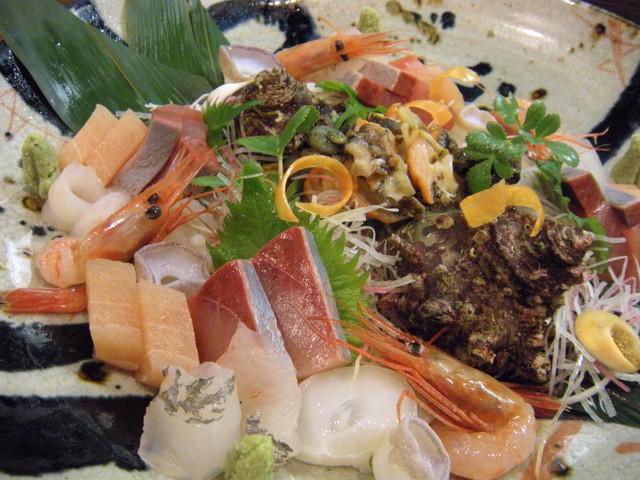
Tobi’s category is simply sushi, and that plainness helps. No sprawling multi-cuisine claim blurs the proposition. The clearest public marker is the restaurant’s sushi identity, supported by recognition from Tabelog Hyakumeiten in 2025. In Kanazawa, where seafood sweetness, fat and salinity can shift sharply by season, the value of a focused sushi meal lies in sequence, restraint and attention rather than in an expansive menu promise.
The larger point is not biography. The credential fits a wider pattern: Kanazawa’s better sushi restaurants tend to be ingredient-led and less theatrical than destination dining built around global tourism. Tabelog’s recognition reinforces that frame by placing the restaurant in a curated sushi context, not as a novelty for visitors passing through.
For travellers comparing city categories, the distinction is clear. Kanazawa can do casual daytime eating, sweets, bakeries, grills and izakaya-style drinking with ease; there are plenty of other Kanazawa dining rooms for those moods. Sushi at this level is a narrower decision: spend a meal on the city’s fish culture and the discipline required to serve it cleanly.
A focused sushi format for a deliberate meal
The strongest Japanese sushi restaurants often ask diners to accept a controlled format: a narrow rhythm, close attention and little interest in every social use. Tobi should be read through that lens. It is not a catch-all restaurant for every occasion; it is a sushi address whose appeal depends on whether the diner wants focus rather than breadth.
That focus changes the decision. A solo diner can treat the meal as a dedicated sushi sitting rather than a social compromise. A pair can make it a centrepiece meal without drifting into a hotel-restaurant mood. A small group can stay within sushi while avoiding the noise and looseness of a general izakaya. The practical point is simple: choose Tobi when the meal itself, not the surrounding occasion, is meant to carry the evening or lunch.
Price clarifies the tier. Lunch is listed at JPY 15,000 to JPY 19,999, dinner at JPY 20,000 to JPY 29,999. In Kanazawa, that sits above casual seafood meals and below the psychological ceiling of Japan’s rarefied destination sushi dining. The value question is not whether it is cheap, but whether a visitor wants one serious sushi allocation in a city where fish is central to local food identity. For that purpose, the Tabelog Hyakumeiten 2025 recognition and sushi-first positioning make a coherent case.
Build the wider itinerary around contrast, not repetition. Use the full Kanazawa restaurants guide for the city’s dining range, then separate sleep, drinks and cultural time through the full Kanazawa hotels guide, the full Kanazawa bars guide, the full Kanazawa wineries guide and the full Kanazawa experiences guide. Beyond Ishikawa, the same editorial logic applies: choose category specialists over generic convenience, and within Kanazawa compare Tobi with other local dining options such as HIRAMIPAN, Marais D'or, Tobi, ちくわ, イオマレ and 京祇園ねぎ焼 粉.
Where it fits in a Kanazawa trip
Kanazawa rewards diners who avoid compressing the city into a single seafood lunch. The stronger plan gives sushi its own slot, then leaves room for confectionery, casual grills, bread, bars and slower cultural circuits around gardens, craft and museums. Tobi works as the focused sushi meal in that structure: formal enough for a trip-defining dinner, contained enough for lunch if the day is built around Kanazawa.
Its Tabelog Hyakumeiten 2025 recognition is the relevant trust signal, alongside the published 3.91 score and the listed lunch and dinner budgets. Those facts do not make the meal self-explanatory; they show the restaurant has been noticed within a competitive sushi category. In a city where visitors can be seduced by seafood volume, the sharper choice is a restaurant that treats sushi as discipline rather than as a broad seafood sampler.
Frequently asked questions
Where do I go for Tobi?
Kanazawa.
What's the pricing like at Tobi?
Pricing at Tobi is listed as Dinner: JPY 20,000 - JPY 29,999; Lunch: JPY 15,000 - JPY 19,999.
Is Tobi open every day?
Current opening days and hours are not provided here. Check the venue directly for the latest schedule.
What's the signature at Tobi?
Tobi does not name a single signature dish in the public record provided here. The clearest anchors are its sushi focus and its Tabelog Hyakumeiten recognition in 2025. Check the venue's official channels for the latest details.
Can Tobi handle vegetarian requests?
Tobi is listed in the sushi category, so vegetarian dining may be limited by format.
Is Tobi child-friendly?
Tobi is a sushi restaurant in Kanazawa with dinner listed at JPY 20,000 - JPY 29,999 and lunch at JPY 15,000 - JPY 19,999.
Comparable Spots, Quickly
Side-by-side context: comparable cuisine and price.
| Venue | Cuisine | Price | Awards | Notes |
|---|---|---|---|---|
| TobiThis venue (the venue you are viewing) | High-end Kanazawa Sushi Omakase | $100–150 | Tabelog 100 #43 | Not listed |
| Sushi Hachiya | Kanazawa Seasonal Sushi | $100–150 | Not listed | Shimeno Nakamachi |
| 貴船 | Traditional Kaga Kaiseki | $150–200 | Not listed | Kanazawa |
| Teppanyaki 「Icho」 | Teppanyaki | $100–150 | Not listed | Kanazawa |
| Sakai | Japanese Kaiseki | $50–100 | Not listed | Kanazawa |
| さかい | Japanese Kaiseki | $50–100 | Not listed | Kiguramachi |
Recognition history
Dated appearances from independent guides and award organizations, with the underlying list record or original source where available.
Opinionated About Dining Top Restaurants in Japan Recommended
Opinionated About Dining
Tabelog 100 #43 · No. 43
Tabelog · Tabelog 100 - Sushi - WEST - 2025
Continue exploring
More in Kanazawa
Restaurants in Kanazawa
All restaurants in Kanazawa →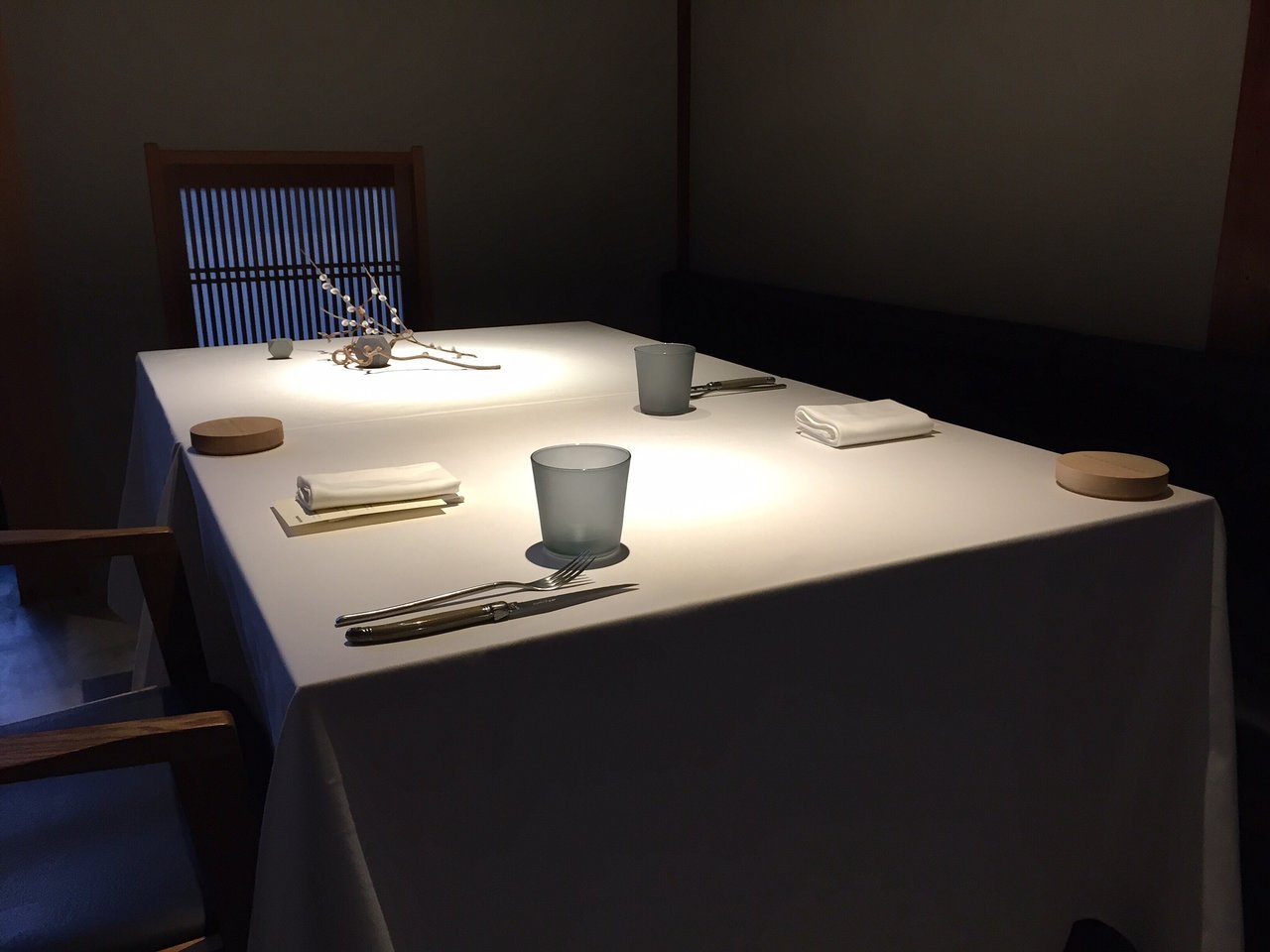
Hotels in Kanazawa
All hotels in Kanazawa →
Wineries in Kanazawa
Browse all →
Details
- Intimate
- Cozy
- Classic
- Date Night
- Special Occasion
- Solo
- Business Dinner
- Chefs Counter
- Private Dining
- Standalone
- Sake Program
- Local Sourcing
- Sustainable Seafood
- Omakase
- Counter Dining
- Tasting Menu
- Sake
- Beer
- Tea
- Pescatarian Friendly
Current opening hours
- Monday
- 12–2 PM, 6–10 PM
- Tuesday
- 12–2 PM, 6–10 PM
- Wednesday
- Closed
- Thursday
- Closed
- Friday
- 12–2 PM, 6–10 PM
- Saturday
- 12–2 PM, 6–10 PM
- Sunday
- 12–2 PM, 6–10 PM
Hours can change for holidays and private events. Hours as of .
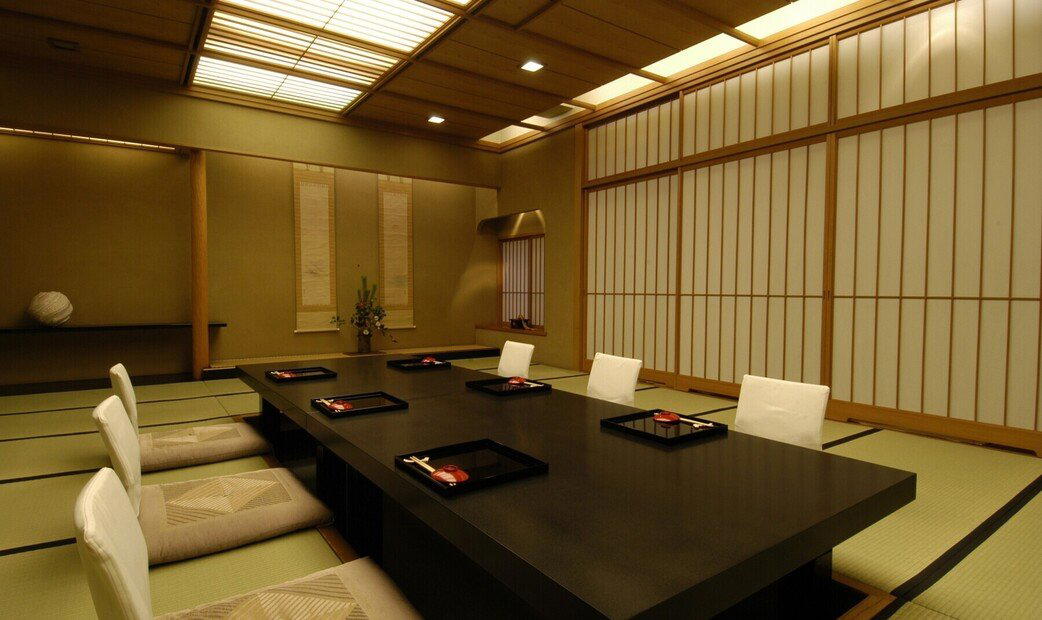
A small, quiet counter-only space with a relaxed, refined atmosphere that emphasizes close interaction with the chef, unhurried dining, and a focus on the craftsmanship of each piece of sushi rather than flashy decor.