Tio Pepe occupies a quietly serious address on Witteringstraße in Essen's Rüttenscheid quarter, a neighbourhood that has developed one of the Ruhr's more concentrated pockets of considered dining. The restaurant's Spanish-inflected name places it in a city where international reference points have long sat comfortably alongside German culinary ambition, making it a distinctive presence in a competitive local field.
Pearl is the En Primeur Club membership app — saves, bookings, and concierge access live there. Same editors, same standards.
- Address
- Witteringstraße 92, 45130 Essen, Germany
- Phone
- +4920187898415
- Website
- tio-pepe-essen.de
- Directions
- Get directions
 Saves & bookings on Pearl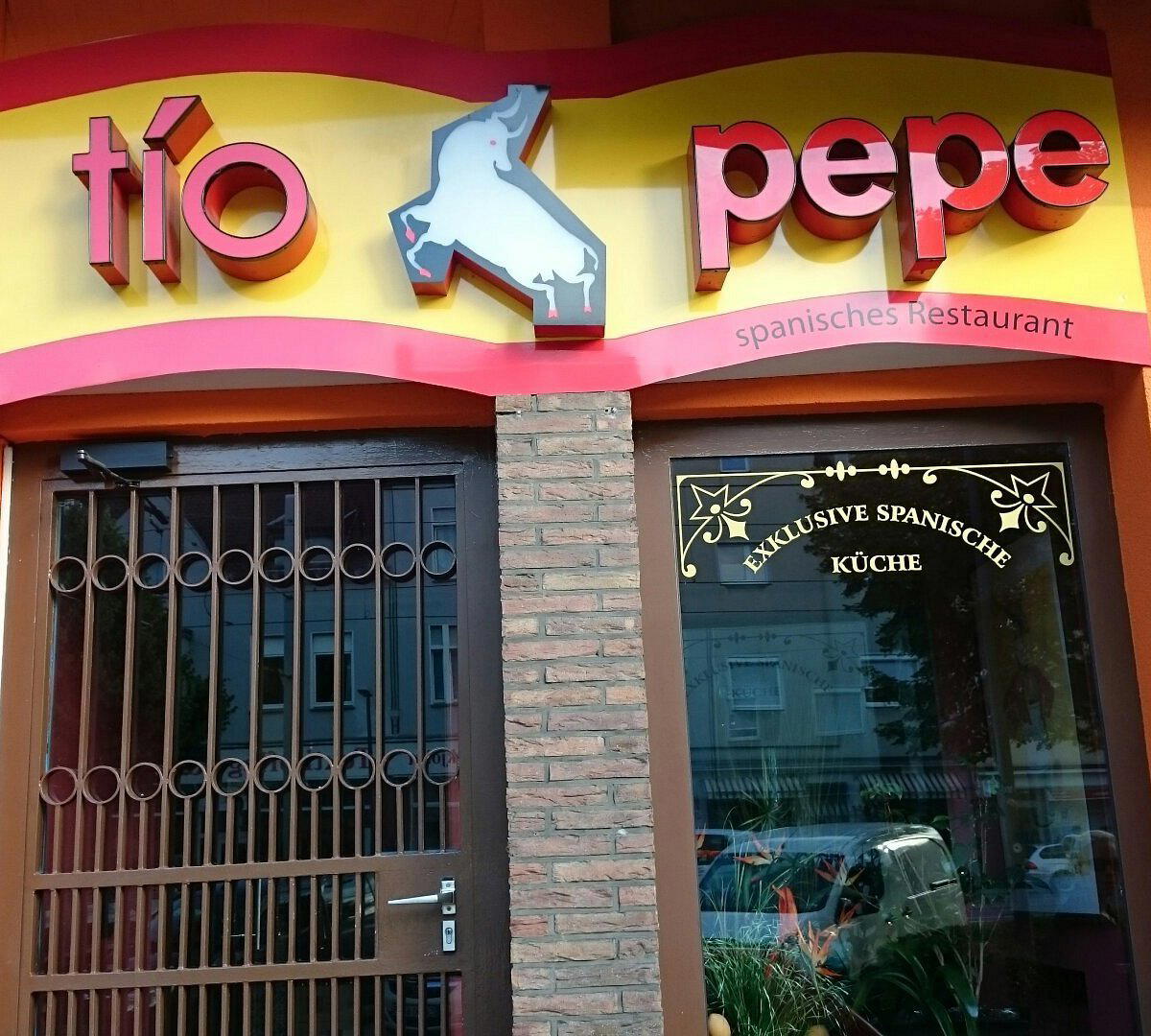
Rüttenscheid and the Question of Where Essen Eats Well
Essen's reputation as a dining city tends to get buried under the Ruhr's industrial past, but the Rüttenscheid district has spent the better part of two decades quietly disproving that narrative. The stretch of streets around Rüttenscheider Straße and its residential tributaries now holds one of the most concentrated restaurant corridors in western Germany outside Düsseldorf or Cologne, with independent operators rather than chain formats doing the most interesting work. Witteringstraße 92 is an address that sits inside this pocket, placing Tio Pepe in a neighbourhood where local diners have raised their expectations consistently and where the competition for repeat custom is real.
The broader context matters here: Essen is a city that earned a Michelin presence before many commentators gave it credit, and the tier of restaurants operating just below formal starred recognition has grown in quality alongside the decorated names. For a city of around 580,000 people, the density of serious independent restaurants in Rüttenscheid is notable. Venues like Hannappel (Modern Cuisine) and Anneliese anchor the upper end of that local competitive set, while Bliss and Kettner's Kamota (Creative) have attracted their own followings. Tio Pepe's Spanish-inflected name signals a different cultural reference point from those peers, and in a neighbourhood that rewards specificity, that positioning carries weight.
The Scene at Witteringstraße
The residential character of Witteringstraße means arriving at Tio Pepe involves the particular texture of a neighbourhood restaurant rather than a destination address surrounded by other hospitality businesses. Streets like this one, close enough to the Rüttenscheid axis to draw its foot traffic but set back from it, tend to produce a specific dining atmosphere: local regulars who have walked rather than driven, tables that turn slower because the room isn't performing for tourists, and a service dynamic that reflects long-standing relationships between the front-of-house team and the people sitting in front of them. That rhythm is difficult to manufacture and easy to lose, which is why it carries editorial weight when it exists.
In the broader German dining context, this kind of address, a mid-sized city's residential neighbourhood with a self-sustaining restaurant culture, has become more rather than less interesting as Berlin and Munich absorb the majority of international food press attention. Venues operating in cities like Essen sit in a different competitive logic: they cannot rely on tourist volume or a media cycle that refreshes itself seasonally, so the quality of the team dynamic, the coherence between kitchen and floor, and the depth of local loyalty become the primary survival mechanisms. Those same mechanisms tend to produce restaurants that feel more settled and less performative than many of their higher-profile counterparts in larger cities.
Where Tio Pepe Sits in the Essen Hierarchy
Essen's decorated restaurants set a high reference ceiling. Chefs Atelier (Creative, €€€€) represents the city's most formally ambitious tier, while the broader field of serious independents operates across a range of price points and ambitions. Tio Pepe's Spanish name connects it to a culinary tradition, Iberian cooking in various registers, that has found durable audiences across Germany's major cities. That tradition encompasses everything from tapas-format casual dining to more structured Basque and Castilian approaches, and the name itself, shared with one of the most recognized fino sherries in the world, carries a specific cultural signal about orientation and sensibility.
At the national level, Germany's fine dining circuit produces consistent benchmark references: Aqua in Wolfsburg, Vendôme in Bergisch Gladbach, and Waldhotel Sonnora in Dreis define what formal ambition looks like at the top of the German system. Schwarzwaldstube in Baiersbronn and Victor's Fine Dining by Christian Bau in Perl occupy similar refined territory. Tio Pepe does not compete in that formal tier, nor does it appear to position itself there. Its address and neighbourhood character suggest a more intimate scale, one that operates within Rüttenscheid's residential dining ecosystem rather than against the country's most decorated rooms. That is a deliberate competitive choice, not an absence of ambition.
Restaurants that function within neighbourhood ecosystems rather than destination circuits often develop the kind of team coherence that formal fine dining requires but cannot always sustain. The front-of-house and kitchen collaboration at smaller independent venues tends to be more legible to the diner: fewer layers of hierarchy between the table and the people responsible for the food and wine, and a service pace that reflects how the team actually works rather than a protocol built for high-volume covers. Internationally, this dynamic appears at very different price points, from the collaborative precision of Atomix in New York City to the classical rigour of Le Bernardin in New York City, but the underlying logic, that kitchen and floor must operate as a single unit rather than parallel systems, applies regardless of scale.
Planning a Visit
Tio Pepe's address at Witteringstraße 92 in the 45130 postcode places it in the southern part of Rüttenscheid, walkable from the Rüttenscheid-Mitte U-Bahn station and accessible by tram from central Essen. The neighbourhood's residential character means street parking is generally available on evenings, though Rüttenscheid draws enough foot traffic from the surrounding streets that the area stays active during dinner service. For a broader picture of what the city's dining scene currently looks like across price points and formats, the EP Club full Essen restaurants guide maps the field in detail.
Comparable German independent restaurants operating outside the major media centres, such as Schanz in Piesport, ES:SENZ in Grassau, and Restaurant Haerlin in Hamburg, illustrate the range of what serious independent dining looks like across the country. JAN in Munich and CODA Dessert Dining in Berlin represent city-specific formats with distinct competitive logic. Tio Pepe, positioned in Rüttenscheid's residential dining corridor, fits a different model: not destination-driven, but sustained by the consistency that neighbourhood loyalty demands.
How Tio Pepe Essen compares with similar nearby venues.
| Venue | Cuisine | Price |
|---|---|---|
| Müllers auf der Rü | Seasonal Cuisine | €€€ |
Continue exploring
More in Essen
Restaurants in Essen
Browse all →
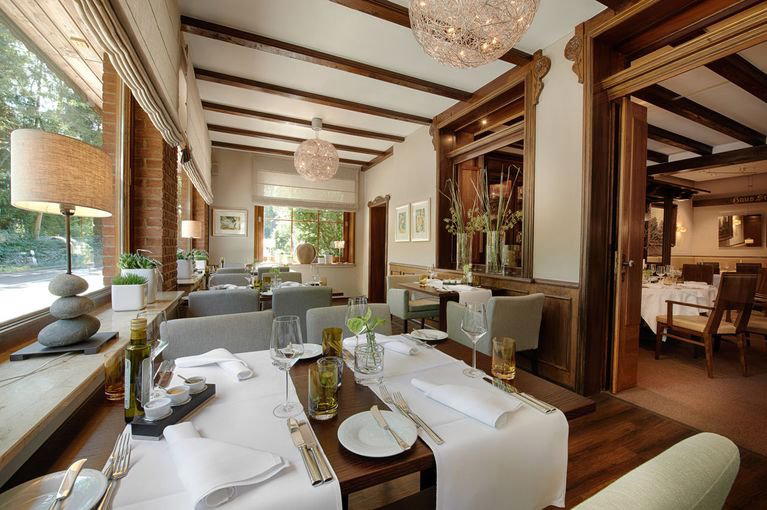
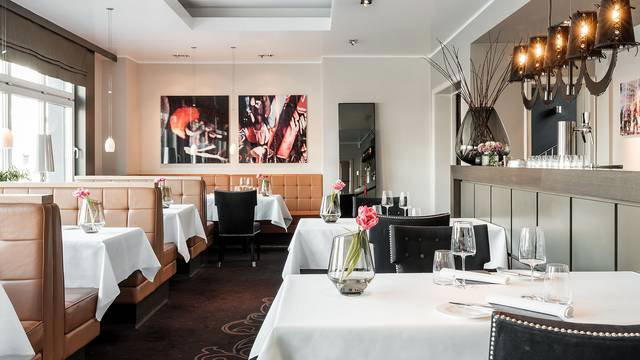
Bars in Essen
Browse all →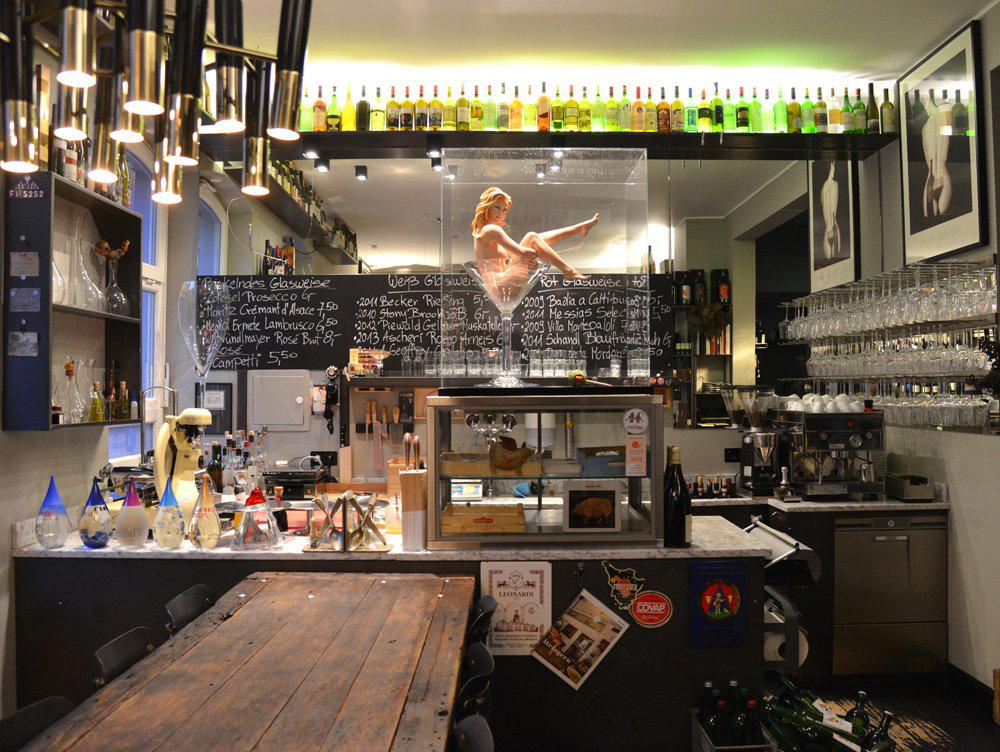
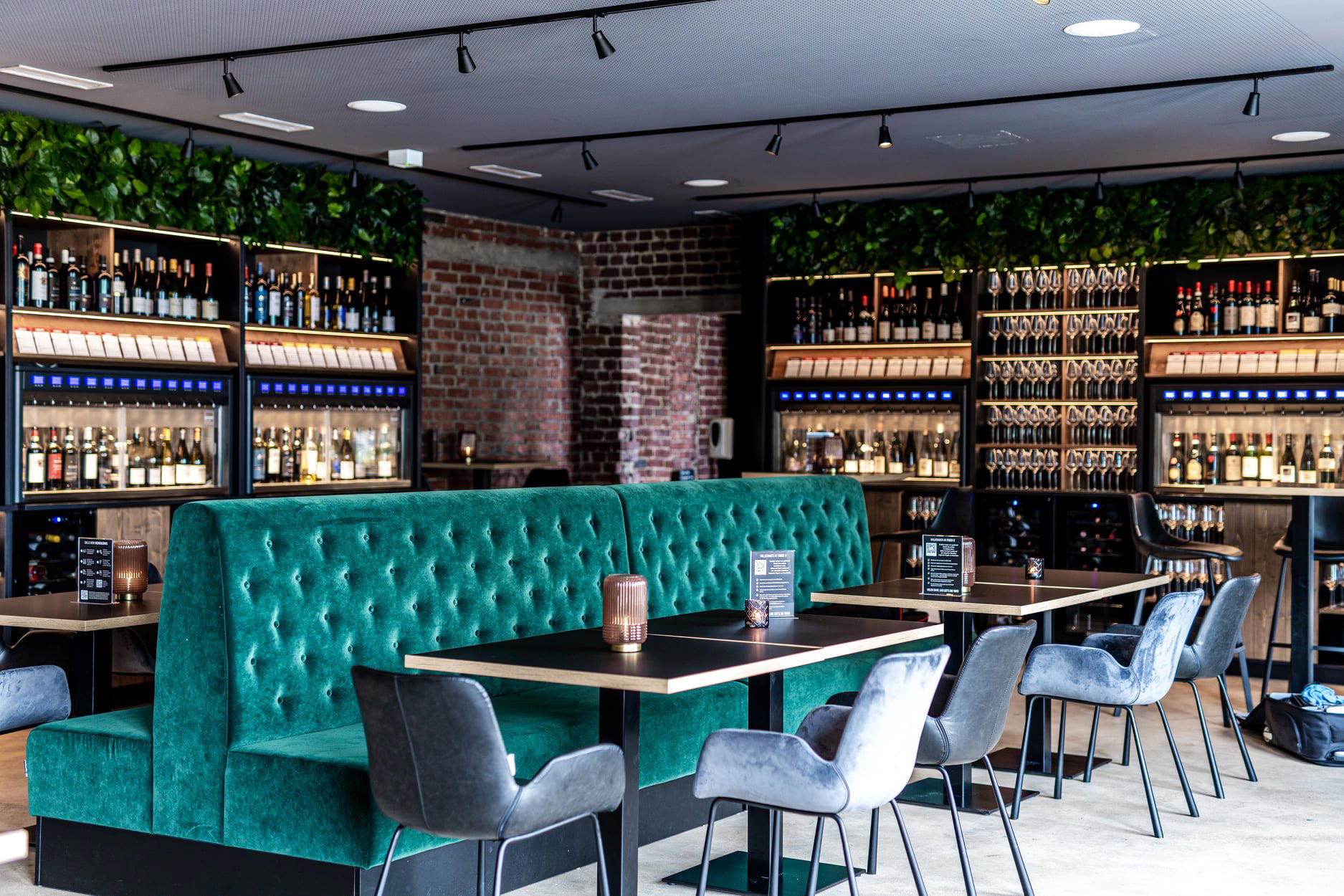
Hotels in Essen
Browse all →

Wineries in Essen
Browse all →
At a Glance
- Lively
- Cozy
- Date Night
- Group Dining
- Casual Hangout
- Open Kitchen
- Extensive Wine List
Current opening hours
- Monday
- 6–11 PM
- Tuesday
- 6–11 PM
- Wednesday
- 6–11 PM
- Thursday
- 6–11 PM
- Friday
- 6–11 PM
- Saturday
- 6–11 PM
- Sunday
- Closed
Hours can change for holidays and private events. Last verified .
Lovely and friendly with attentive staff.
Know Before You Go
- Getting there
- Witteringstraße 92, 45130 Essen, Germany