Our verdict
Located on Rüttenscheider Strasse in Essen's most restaurant-dense corridor, Bliss occupies a position within the city's serious dining tier alongside Michelin-recognised neighbours.

Pearl is the En Primeur Club membership app, where members save venues, book tables and use the concierge.

Rüttenscheider Strasse and the Essen Dining Shift
There is a version of Essen that most visitors from outside the Ruhr still carry in their heads: heavy industry, coal dust, the exhausted infrastructure of a post-war economy. The city has spent two decades correcting that picture, and few streets make the case more clearly than Rüttenscheider Strasse. This south-facing corridor, running through the Rüttenscheid district, has become the most concentrated address for serious restaurants in the entire Ruhr metropolitan area. The density is not accidental. Rüttenscheid has the income profile and the cultural appetite to support restaurants that would struggle to fill seats in less food-focused German mid-sized cities. Bliss, at number 237 on that same street, sits inside this ecosystem rather than at its edge.
The broader German fine dining scene has reorganised itself over the past decade around a recognisable split: on one side, the grand hotel dining rooms and destination restaurants that draw national press attention (think Schwarzwaldstube in Baiersbronn or Aqua in Wolfsburg); on the other, a newer cohort of neighbourhood-anchored restaurants in secondary cities that have built loyal local followings without relying on destination traffic. Rüttenscheid's better tables fall squarely in this second group, and Bliss is part of that pattern.
The Street as Context
Walking Rüttenscheider Strasse toward number 237, the urban texture shifts in the way it does when a neighbourhood has genuinely committed to food as part of its identity rather than simply acquired a cluster of restaurants by chance. The peer venues on and around this stretch include Hannappel, operating at the €€€€ tier with a modern cuisine format, and Chefs Atelier, which brings a creative format to the same price bracket. These are not casual neighbourhood spots. They represent a genuine concentration of serious cooking that has developed organically from local demand rather than from a top-down urban regeneration brief.
Further down the register, Kettner's Kamota adds a creative dimension at a competitive price, while Anneliese and CoCoLÁ fill out a range of formats and price points that give the district genuine breadth. The cumulative effect is a dining corridor that functions as a destination for Essen residents and increasingly for visitors arriving specifically to eat, in the same way that certain Hamburg or Munich streets have trained visiting diners to expect genuine quality. For a broader orientation, the full Essen restaurants guide maps this in detail.
German Fine Dining and the Regional Question
Germany's Michelin-starred restaurant count is among the highest in Europe, but distribution matters as much as the total. The recognised addresses in the country skew heavily toward Baden-Württemberg, Bavaria, and the Rhineland, with major destination restaurants like Vendôme in Bergisch Gladbach or Victor's Fine Dining by Christian Bau in Perl drawing national attention. The Ruhr, by contrast, has historically been underrepresented in the conversation about German serious dining, despite the economic weight and population density of the region. That gap is narrowing, and the Rüttenscheid cluster is one of the more visible data points in that correction.
This context matters when placing Bliss. A restaurant on this street is not choosing an obscure or accidental location. It is positioning itself within a district that has developed a specific reputation for food, drawing comparisons not just within Essen but within a national conversation about where German dining outside the headline cities is heading. Other German restaurants that have built strong identities away from the major metropolitan centres include JAN in Munich, ES:SENZ in Grassau, and Schanz in Piesport, each of which has used a degree of geographic remove from the major cities to develop a focused identity rather than competing on footfall.
Format and Atmosphere on the Rü
The restaurants that have gained traction on Rüttenscheider Strasse tend to share certain structural characteristics: relatively contained dining rooms, format-conscious menus, and a service approach that treats the neighbourhood audience as sophisticated rather than as an audience to be educated. This is not the theatrical fine dining model of a large German city hotel restaurant, which tends to project formality outward and justify it through ceremony. The Rüttenscheid model is closer to what has worked in comparable European cities where serious food and an accessible neighbourhood atmosphere have been allowed to coexist without forcing diners to choose between them.
Internationally, the format that has proved most durable for restaurants in this position sits between the grand tasting menu experience and the casual neighbourhood bistro, creating space for a style of cooking that can be taken seriously without requiring the full apparatus of destination dining. Restaurants like Waldhotel Sonnora in Dreis or Restaurant Haerlin in Hamburg demonstrate how different German operators have handled this balance at different scales. Further afield, the format conversation connects to operations like Lazy Bear in San Francisco and Le Bernardin in New York City, which have each found ways to establish a strong format identity that outlasts any single menu cycle. CODA Dessert Dining in Berlin represents a further example of format specificity driving recognition, where a clear concept generates critical attention independent of scale.
Planning Your Visit
Bliss is located at Rüttenscheider Str. 237, 45131 Essen, accessible by U-Bahn via the Rüttenscheider Stern stop on lines U11 and U17, which connects the district directly to Essen central station in under ten minutes. Given the concentration of serious restaurants in the area, the Rüttenscheid stretch rewards a visit structured around the neighbourhood rather than a single address: arrive early enough to walk the street before your reservation.
Frequently asked questions
Where do I go for Bliss?
Bliss is located at Rüttenscheider Str. 237, 45131 Essen, Germany, Essen.
Is Bliss in Essen easy to reach by public transport?
Bliss is located at Rüttenscheider Str. 237 in Essen's Rüttenscheid district, served by the Rüttenscheider Stern U-Bahn stop on lines U11 and U17, both of which connect directly to Essen Hauptbahnhof. That makes it one of the more accessible dinner destinations in the Ruhr for visitors arriving by rail from Düsseldorf, Dortmund, or Bochum.
What's the best thing to order at Bliss?
Menu specifics for Bliss are not published in advance, which is consistent with how the sharper restaurants on Rüttenscheider Strasse tend to operate, the kitchen leads, not the printed card. Arriving without fixed expectations and working with the service team at Rüttenscheider Str. 237 is the more productive approach.
Do I need a reservation for Bliss?
Restaurants in the Rüttenscheider Strasse corridor that have earned a following in Essen's post-industrial dining revival tend to fill their rooms on weekend evenings without walk-ins. Contacting Bliss directly before arrival is the safer route, particularly for Friday and Saturday service.
What has Bliss built its reputation on?
Bliss sits on one of the most dining-dense stretches in the Ruhr, at Rüttenscheider Str. 237 in Essen, a street that has drawn the kind of sustained local commitment that outlasts trend cycles. Its standing in that context is built on consistency within a neighbourhood that now draws comparisons to recognized dining districts in Düsseldorf and Cologne.
What if I have allergies at Bliss?
Allergy and dietary accommodation policies are best confirmed directly with the restaurant before booking, as no published menu is available. Raising requirements at the time of reservation rather than on arrival gives any kitchen the clearest window to respond properly.
Price and Positioning
| Venue | Cuisine | Price | Awards | Notes |
|---|---|---|---|---|
| BlissThis venue (the venue you are viewing) | Asian-Mediterranean Fusion | Not listed | Not listed | Not listed |
| Hannappel | Modern Seasonal Cuisine | Not listed | 1 Michelin Star | Modern Cuisine |
| Chefs Atelier | Modern French Fine Dining | $100–150 | 1 Michelin Star | Creative |
| Müllers auf der Rü | German Brasserie | $50–100 | Michelin Plate | Not listed |
| Lucente | Modern Italian Fine Dining | $50–100 | Michelin Plate | Not listed |
| Pierburg - Erika Bergheim | Seasonal International Farm-to-Table | $100–150 | Michelin Plate | Not listed |
Continue exploring
More in Essen
Restaurants in Essen
All restaurants in Essen →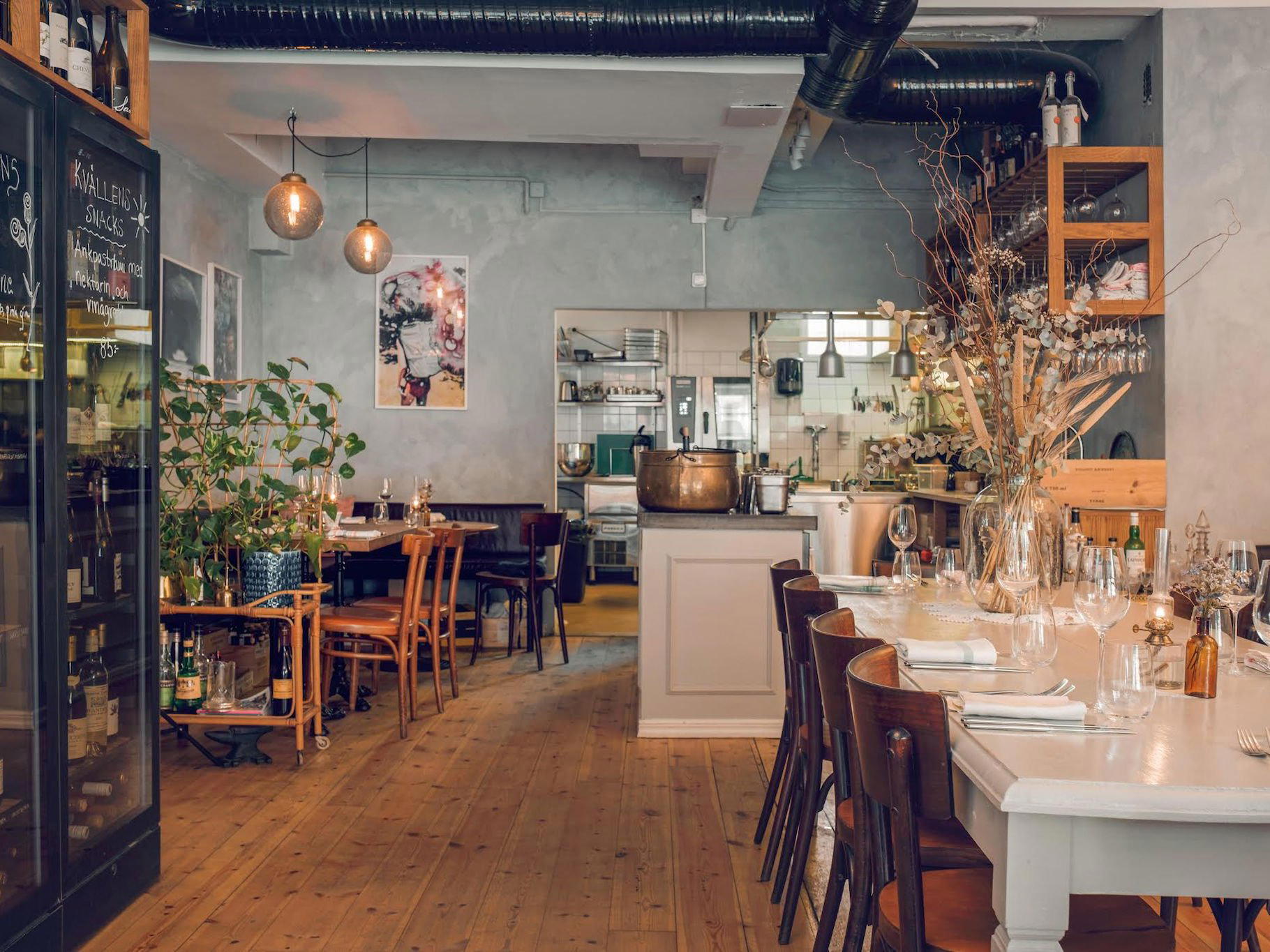
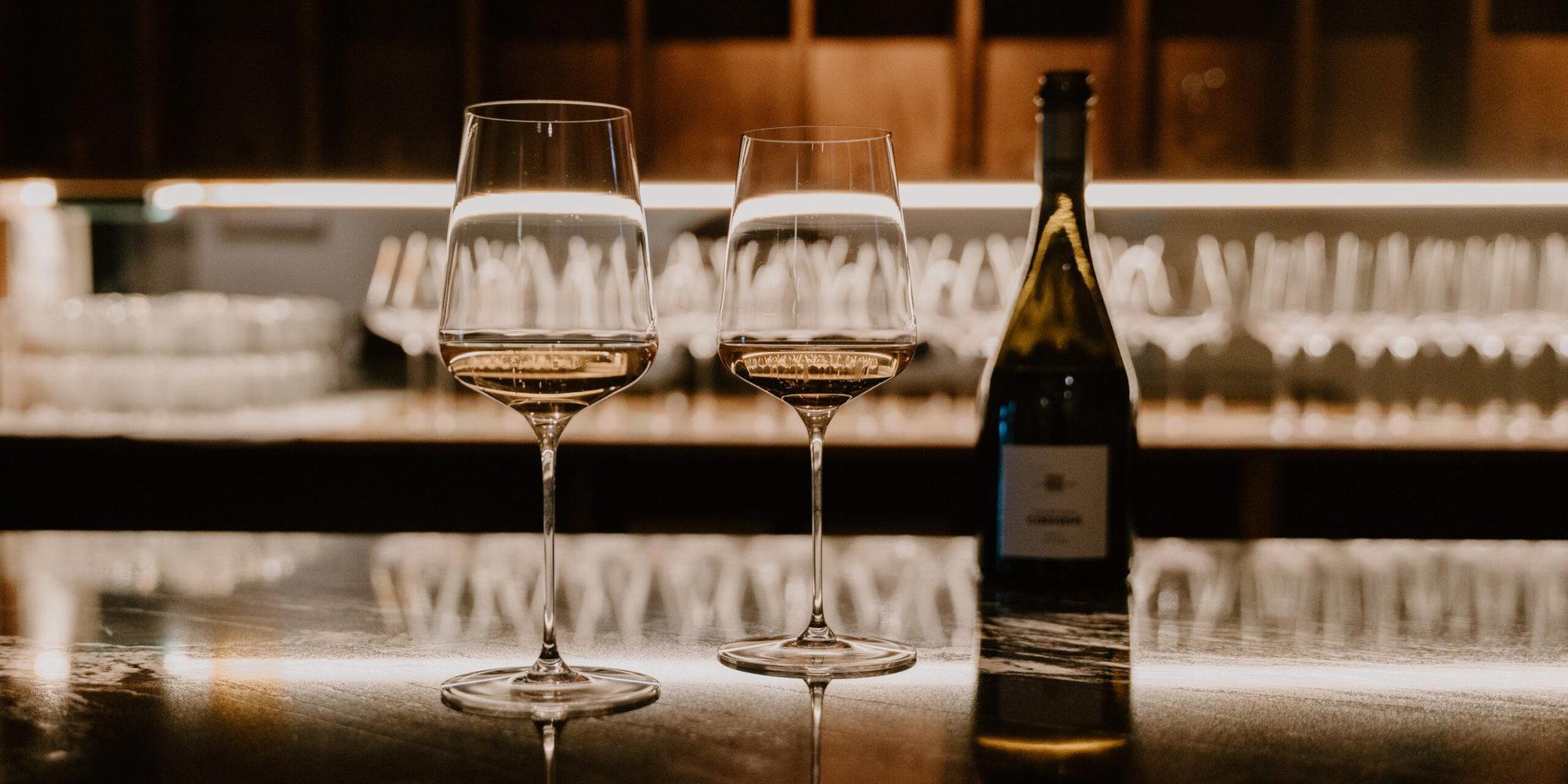
Bars in Essen
Browse all →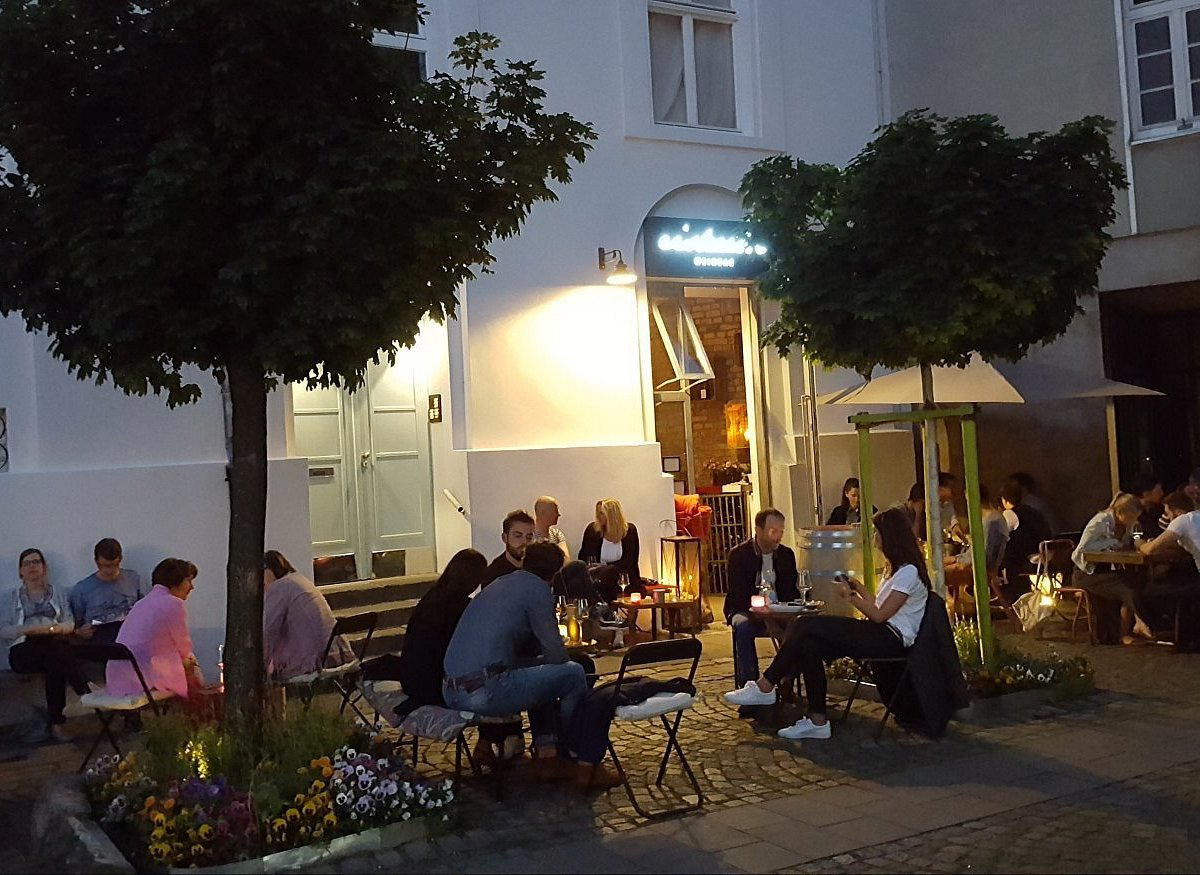
Hotels in Essen
All hotels in Essen →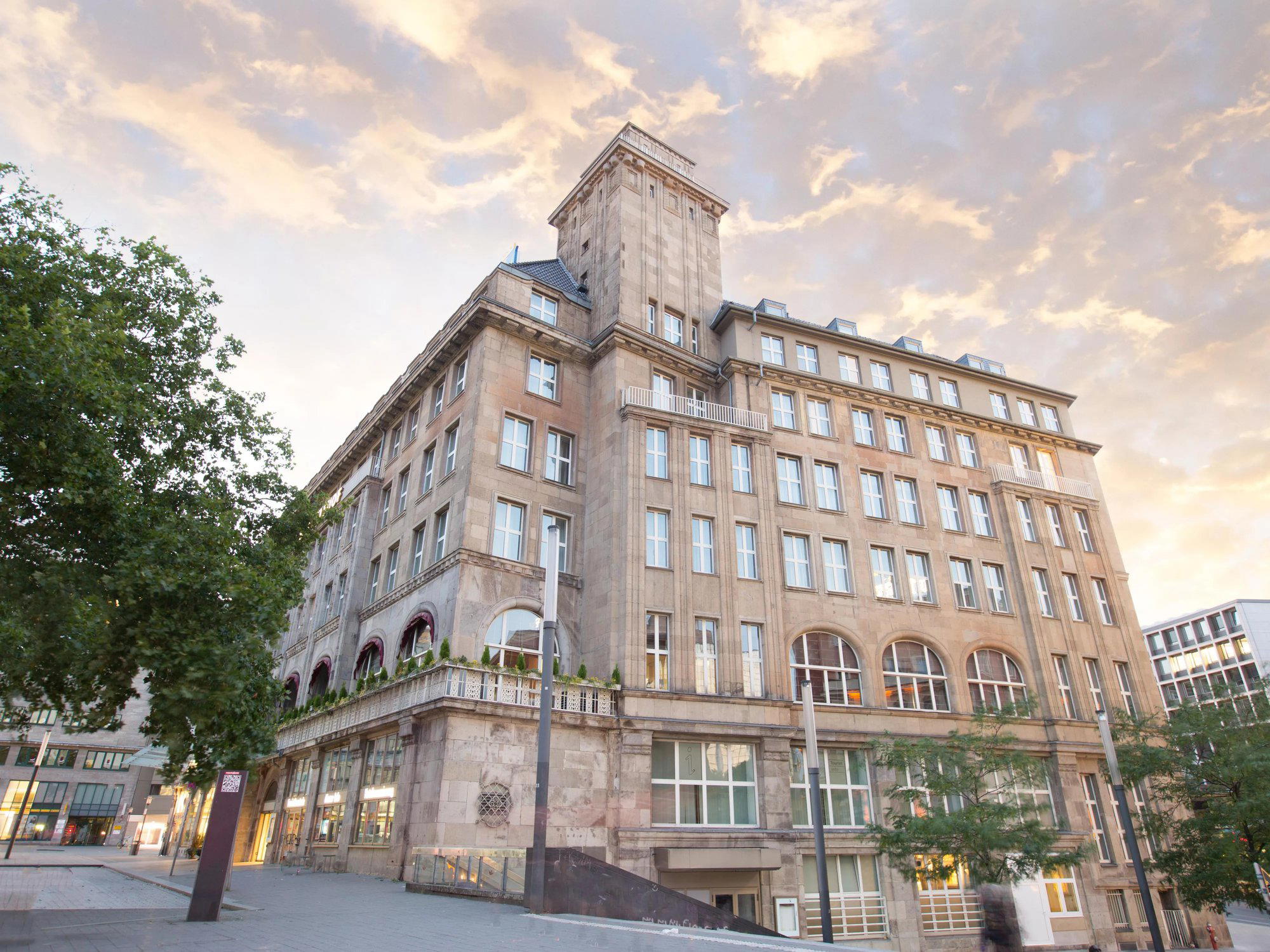
Wineries in Essen
Browse all →
Details
- Modern
- Trendy
- Elegant
- Cozy
- Date Night
- Group Dining
- Business Dinner
- Open Kitchen
- Terrace
- Craft Cocktails
- Small Plates
- A La Carte
- Vegetarian Friendly
- Vegan Options
Current opening hours
- Monday
- 5:30–11 PM
- Tuesday
- 5:30–11 PM
- Wednesday
- 5:30–11 PM
- Thursday
- 5:30–11 PM
- Friday
- 5:30–11 PM
- Saturday
- 5:30–11 PM
- Sunday
- Closed
Hours can change for holidays and private events. Hours as of .
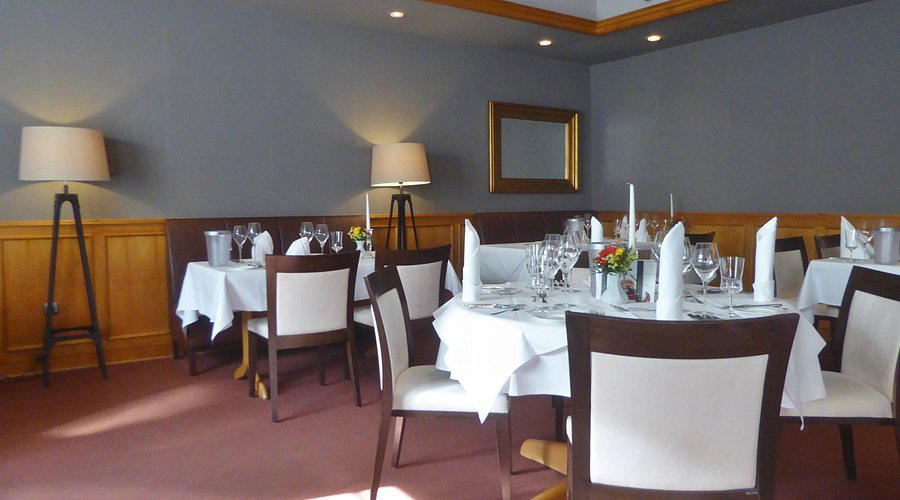
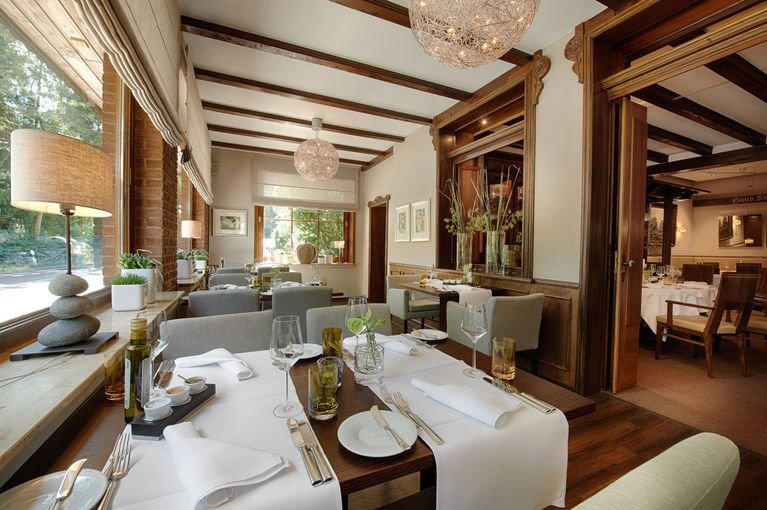
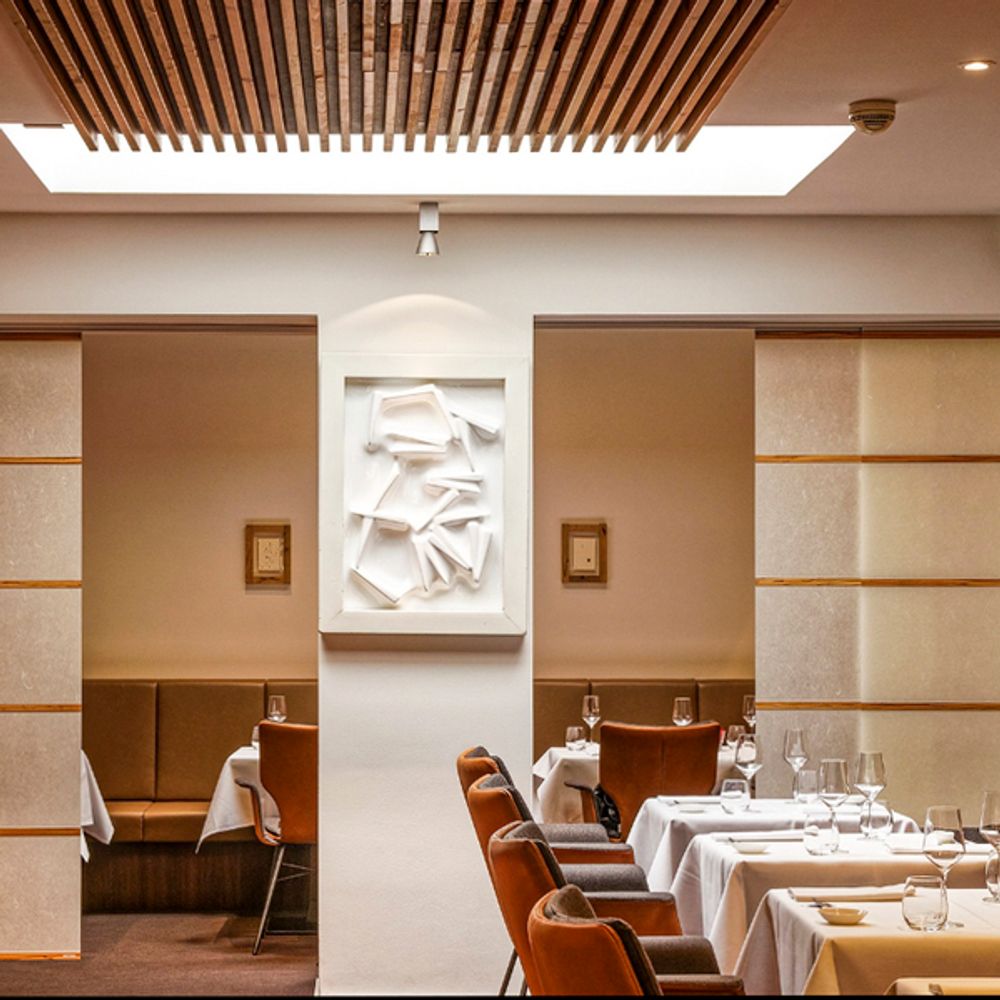
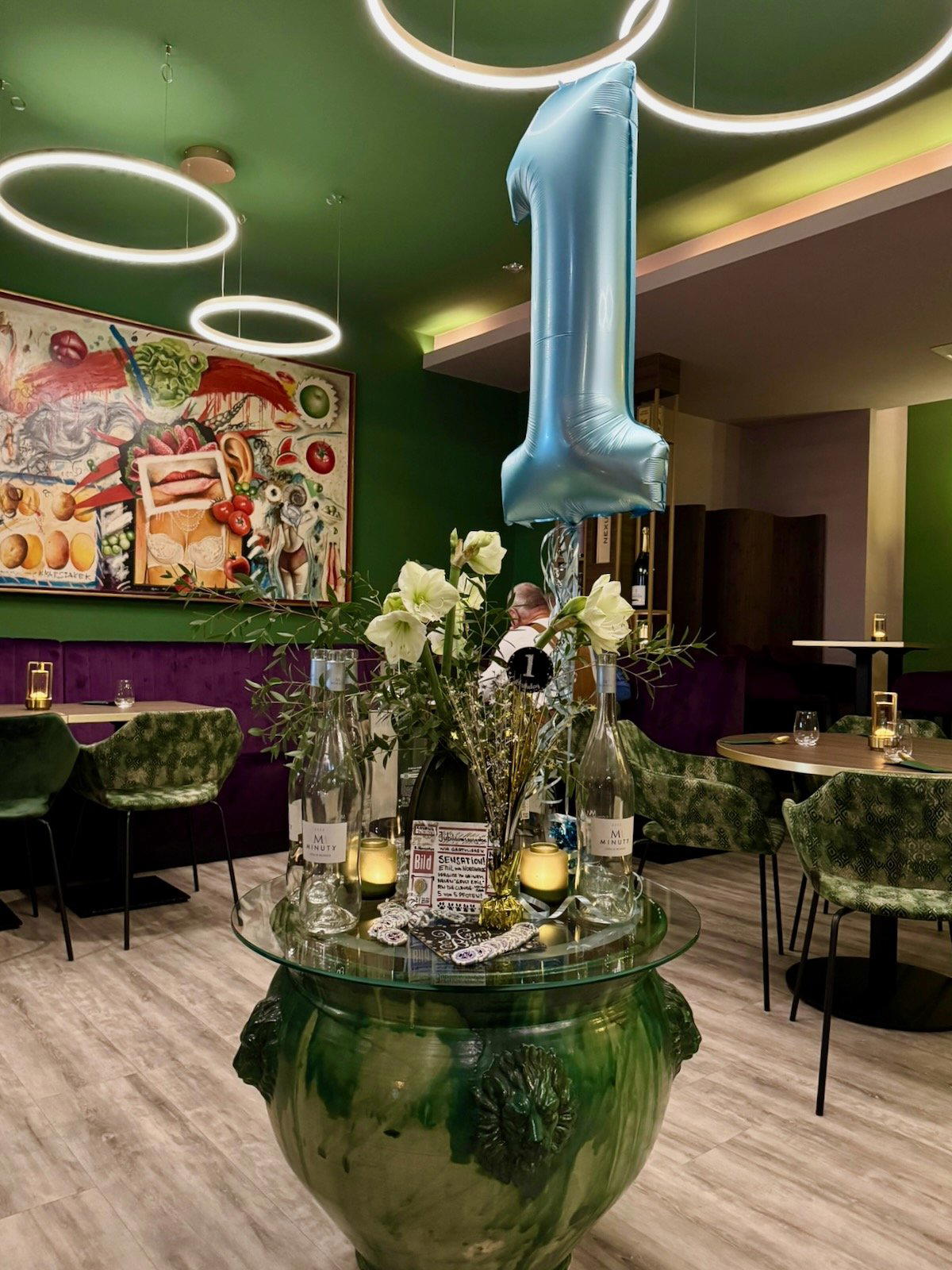
Discreetly elegant with loungy, cosy, modern atmosphere and energetic bar vibe.