

1 Michelin Star · We're Smart World 1 Radish
Our verdict
Tinèlle holds a Michelin star for the second consecutive year in 2025, placing it among Mechelen's serious French contemporary addresses. Chef Ken Verscheuren's kitchen shows a marked commitment to vegetable-forward plates within a format that draws diners from well beyond the city. At the €€€ price point, it represents one of the more considered options in a dining scene that has quietly grown in ambition.

Pearl is the En Primeur Club membership app, where members save venues, book tables and use the concierge.
The menu
What to order
- North Sea crab cannelloni
- Kamper lamb shoulder
Where Mechelen's Dining Scene Earns Its Attention
Goswin de Stassartstraat is not the most obvious address for a destination restaurant. The street sits in a residential quarter of Mechelen, a city that sits between Antwerp and Brussels on the rail line and tends to be passed through rather than sought out. Yet Tinèlle has changed the calculation for a measurable portion of Belgian diners: its Michelin star, awarded in 2024 and retained in 2025, signals the kind of consistency that turns a neighbourhood table into a reason to travel.
The broader context matters here. Belgium's French contemporary tier is genuinely competitive. Restaurants like Zilte in Antwerp and Boury in Roeselare set a high comparative bar, as do rural destinations such as Hof van Cleve in Kruishoutem and Willem Hiele in Oudenburg. Within that field, a first Michelin star in a mid-sized Flemish city is not a local curiosity, it is a credentialled entry into a competitive national set. Tinèlle earns its place in that conversation.
The Register: French Contemporary with a Vegetable Inflection
French contemporary cooking in Belgium has evolved well past the cream-and-reduction template. The tradition that produced the grand brasserie, formal service, classical architecture, long menus built around protein, has been steadily renegotiated by a generation of cooks who trained in those kitchens but chose to work differently. What Michelin's own commentary on Tinèlle flags is significant in this context: the reviewers explicitly note the quantity of vegetables in each dish as a point of distinction. That is a deliberate editorial signal, not a passing observation. In a cuisine category that still defaults to protein as the organising principle of a plate, a kitchen that commits to vegetable depth is making a structural choice about what French contemporary actually means in 2025.
It is closer to the approach being explored at addresses like Odette in Singapore and Amber in Hong Kong, restaurants where French technique remains the scaffolding but the sourcing and composition priorities have shifted. At Tinèlle, that shift is happening within the particular agricultural character of the Belgian interior, where seasonal produce cycles are short and distinct.
Ken Verscheuren and the Question of Contentment
Michelin's language about a restaurant is usually stripped of personality. The note attached to Tinèlle is an exception: the guide comments not just on the quality of the cooking but on the fact that chef Ken Verscheuren appears genuinely settled here. That kind of observation from a source as measured as Michelin is worth pausing on. It points to something the star count alone does not capture, a restaurant that has found its register and is not straining against it.
Verscheuren operates under the credited position of chef, with Siegfried Dick also named in association with the kitchen.
Tinèlle Among Mechelen's Current Restaurant Field
Mechelen's dining scene has grown more layered in recent years, and Tinèlle occupies a specific tier within it.Graspoort sits at the same €€€ price point with a creative French focus. Ember works a seasonal cuisine format at equivalent pricing. The Chick offers modern cuisine at the same bracket. For a different calibration, 't Gasthuis by InstroomArt pushes into the €€€€ range with a farm-to-table approach, while Cosma operates at a more accessible €€ level with a sharing format.
Within this field, Tinèlle's Michelin credential gives it a distinct position. It is the address in Mechelen that draws diners from outside the city specifically because of that credential, the Michelin commentary itself notes that people travel from a distance to eat here. That pattern is a more reliable indicator of a restaurant's standing than any in-house claim. A table at Tinèlle is, at its price point, a considered destination decision rather than a local convenience.
For context on what this tier looks like in comparable Belgian cities, Bozar Restaurant in Brussels and Bartholomeus in Heist sit in a broadly analogous register of serious, recognised cooking outside the top-end multi-star circuit.
The Brasserie Tradition and Where Tinèlle Diverges
The grand brasserie as an institution carries a specific set of expectations: generous space, a long menu, protein-anchored plates, a certain formality in service that nonetheless permits lingering. That tradition is more alive in France than in Belgium, but its influence on Flemish fine dining is traceable. The confidence to cook simply, to give a single vegetable preparation as much attention as a main protein, to resist the temptation of over-complexity, these are instincts that belong to the brasserie lineage even when the physical format is more intimate.
Tinèlle does not present itself as a brasserie in the classic sense. It is a contemporary restaurant with a specific kitchen identity. But the underlying seriousness about ingredients, about getting a dish right rather than getting it complicated, connects it to a longer French cooking tradition than its address and format might initially suggest. That grounding is part of what makes the Michelin recognition coherent: the guide rewards cooking that has a point of view, not just technical execution.
Planning a Visit
The practical arithmetic at Tinèlle is direct. The Michelin commentary is direct on one point: book early. The restaurant draws from well beyond Mechelen, which means table availability is not a local-demand question, it competes against a regional and national pool of diners who track the guide. The €€€ price point places Tinèlle in the middle tier of serious Belgian fine dining, above casual neighbourhood restaurants but below the multi-star circuit. Mechelen is thirty minutes from Brussels by train and fifteen minutes from Antwerp, making it a viable day-trip destination from either city for a lunch or dinner booking.
The address, Goswin de Stassartstraat 90, is in a residential quarter rather than the tourist centre, which means arriving by taxi or public transport from Mechelen station is the more practical approach than navigating to a central landmark. For those building a wider visit around the restaurant, the Mechelen hotels guide, bars guide, wineries guide, and experiences guide provide the fuller picture of what the city offers. The complete Mechelen restaurants guide covers the current dining field in detail.
Frequently asked questions
Is Tinèlle award-winning?
Tinèlle has received recognition including: Tinelle is an asset to the beautiful city of Mechelen. Ken Verscheuren has proven before that he can cook, but it is clear that he is happy here. The dishes are top notch, also as far as the quantity of vegetables in each dish is concerned.….
What do regulars order at Tinèlle?
Tinèlle operates in the French contemporary register under chef Siegfried Dick, and Michelin's published commentary singles out the vegetable content of the dishes as a defining characteristic, notable enough that the guide mentions it explicitly rather than treating it as background detail. The kitchen's approach places vegetables in a structural role across the menu rather than as garnish, which distinguishes it from protein-anchored French cooking more broadly.
What's the pricing like at Tinèlle?
Pricing at Tinèlle is listed as €€€.
What part of town is Tinèlle in?
Tinèlle is located at Goswin de Stassartstraat 90, 2800 Mechelen, Belgium, Mechelen.
Who is the chef at Tinèlle?
The chef associated with Tinèlle is Siegfried Dick.
| Venue | Cuisine | Price | Awards | Notes |
|---|---|---|---|---|
| TinèlleThis venue (the venue you are viewing) | Modern Franco-Belgian | Not listed | 1 Michelin Star · We're Smart World 1 Radish | Not listed |
| Graspoort | Creative Fusion with Asian Influences | $50–100 | Michelin Plate · We're Smart World 3 Radishes | Creative French |
| Ember | Modern Belgian Fire-Grilled Fine Dining | $100–150 | Michelin Plate · We're Smart World 4 Radishes | Seasonal Cuisine |
| 't Gasthuis by InstroomArt | Farm-to-Table International Fusion | Not listed | Michelin Plate | Farm to table |
| The Chick | Modern Belgian-European Tasting Menu | $50–100 | Michelin Plate | Modern Cuisine |
| Cosma | Modern European Tapas | $50–100 | Michelin Plate · We're Smart World 1 Radish | Sharing |
Recognition history
Dated appearances from independent guides and award organizations, with the underlying list record or original source where available.
Michelin 1 Star
Michelin
We're Smart World 1 Radish
We're Smart World
Full recognition history (4 entries)
Michelin 1 Star
Michelin
Michelin 1 Star
Michelin
Continue exploring
More in Mechelen
Restaurants in Mechelen
All restaurants in Mechelen →
Details
- Elegant
- Sophisticated
- Intimate
- Historic
- Modern
- Date Night
- Special Occasion
- Business Dinner
- Historic Building
- Extensive Wine List
- Local Sourcing
- A La Carte
- Vegetarian Friendly
Current opening hours
- Monday
- 11:45 AM–3:30 PM, 6:30–10 PM
- Tuesday
- 11:45 AM–3:30 PM, 6:30–10 PM
- Wednesday
- 11:45 AM–3:30 PM, 6:30–10 PM
- Thursday
- 11:45 AM–3:30 PM, 6:30–10 PM
- Friday
- 11:45 AM–3:30 PM, 6:30–10 PM
- Saturday
- Closed
- Sunday
- Closed
Hours can change for holidays and private events. Hours as of .
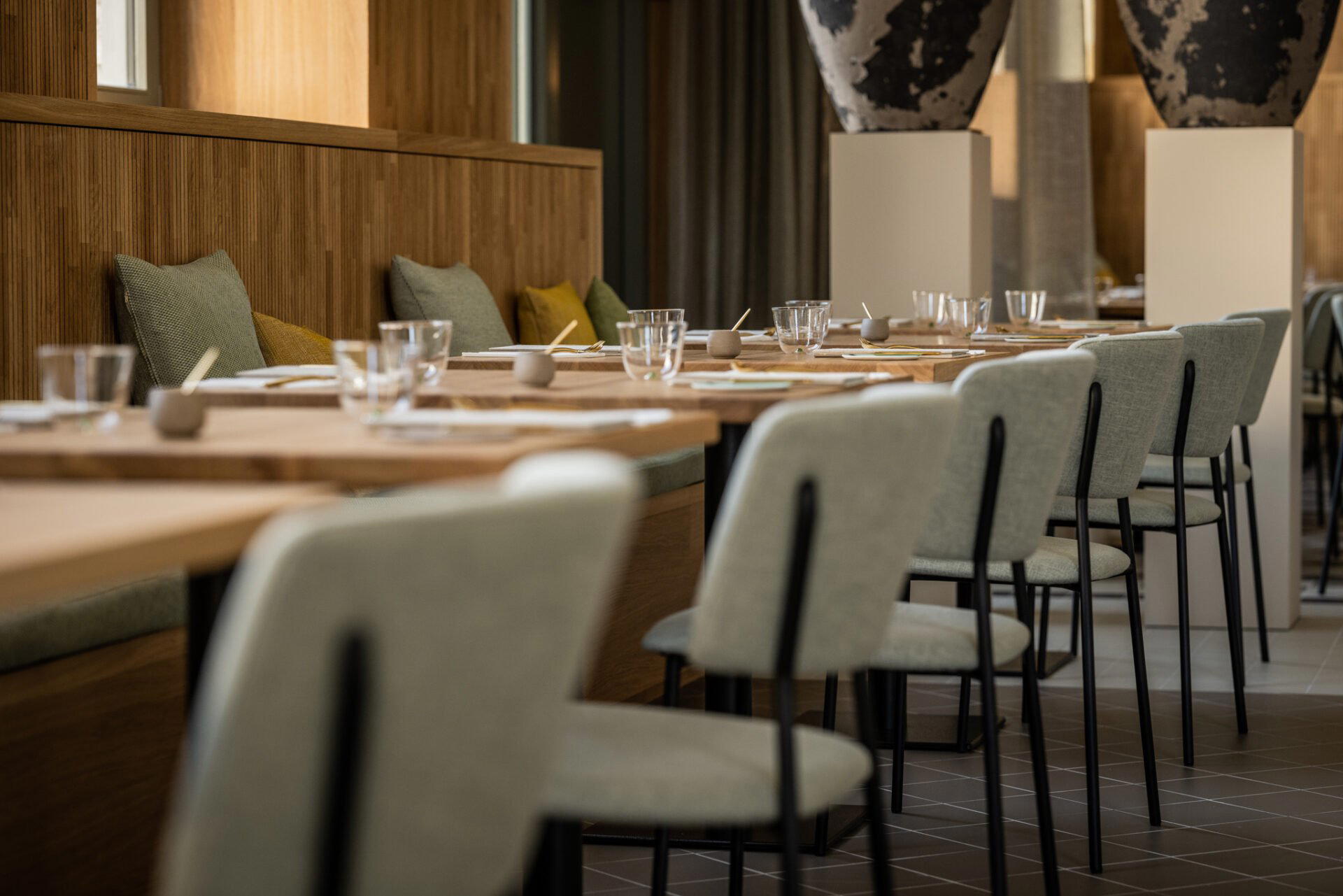
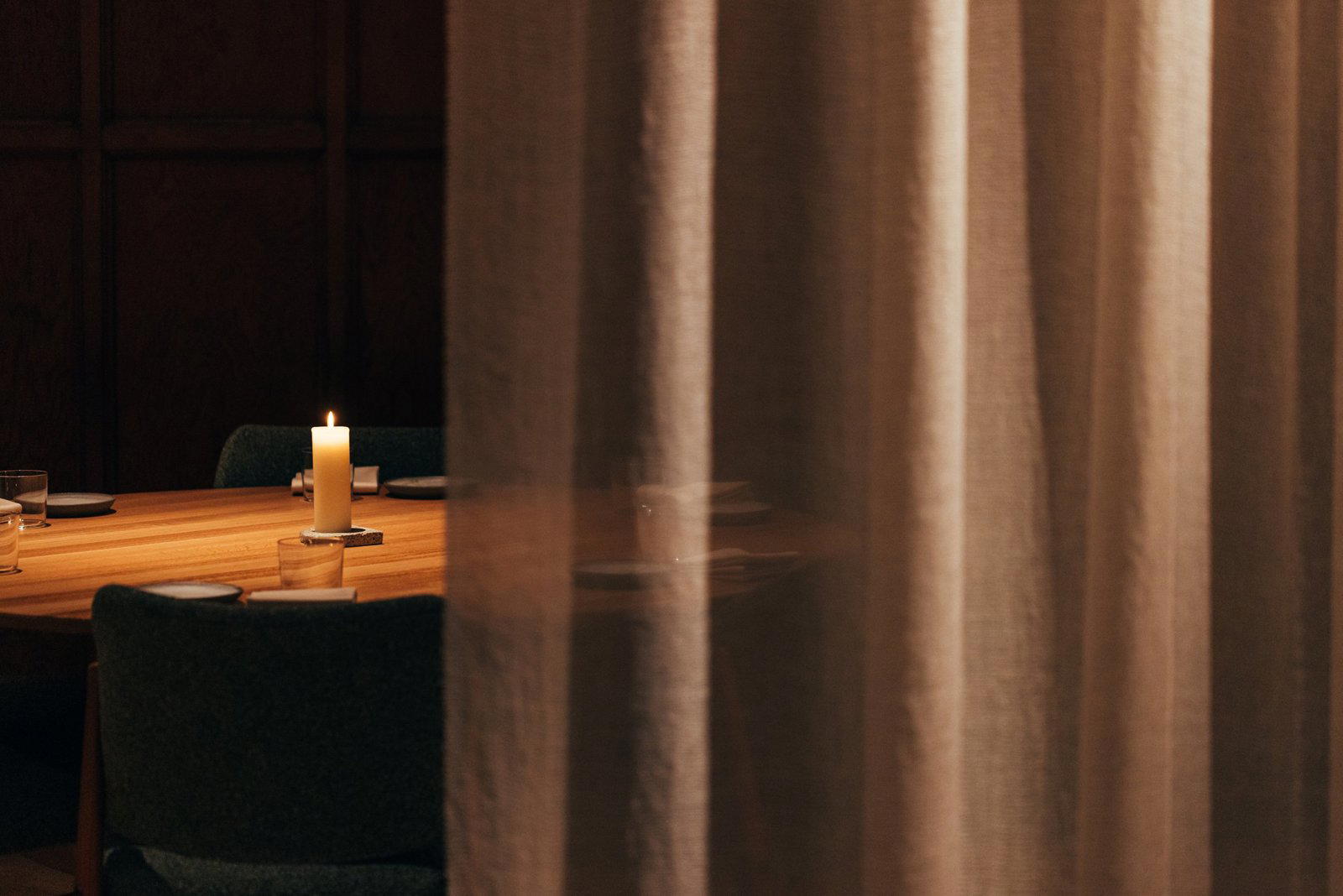
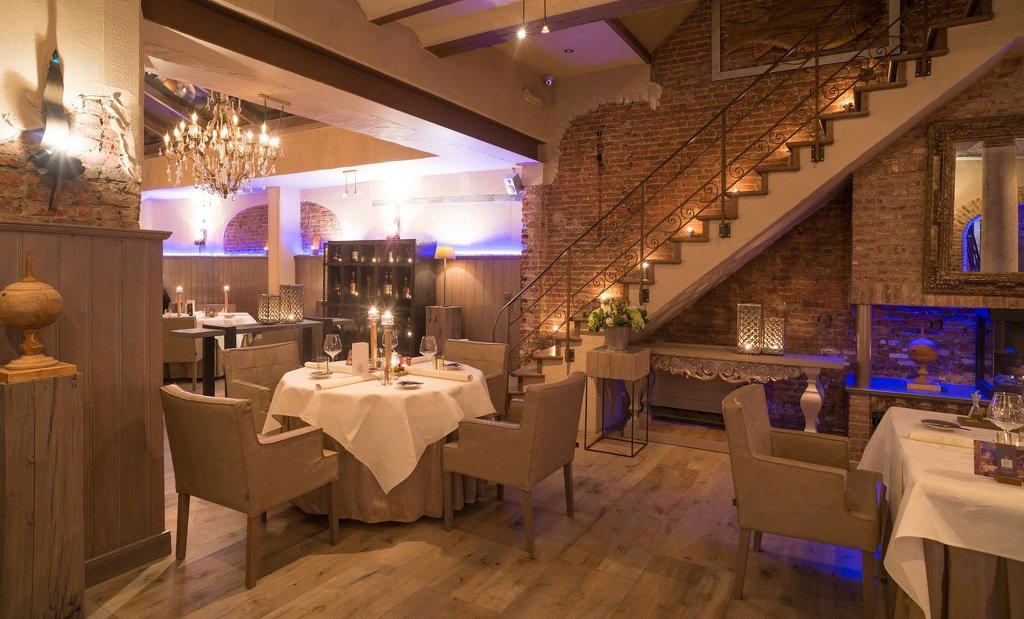
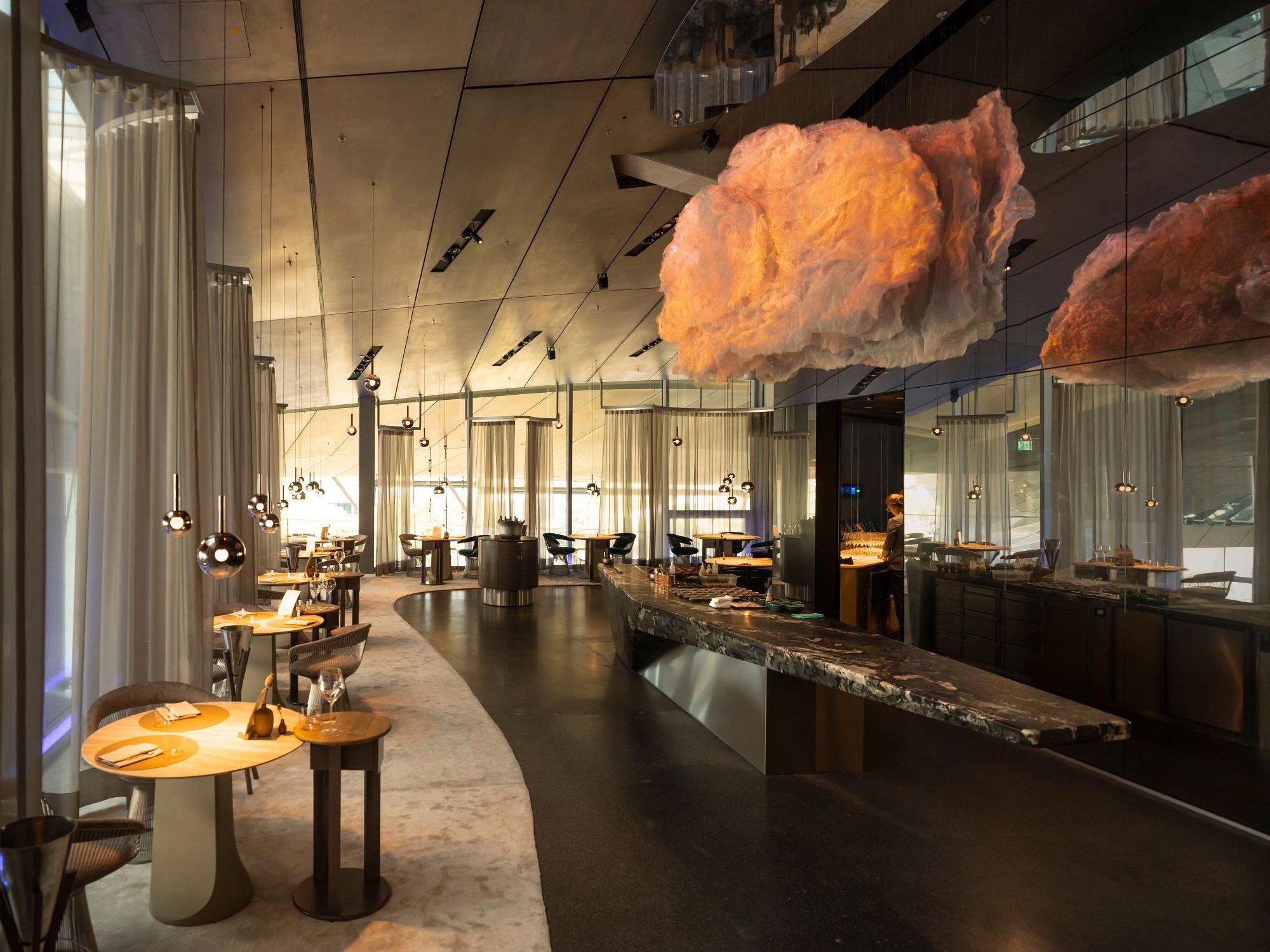
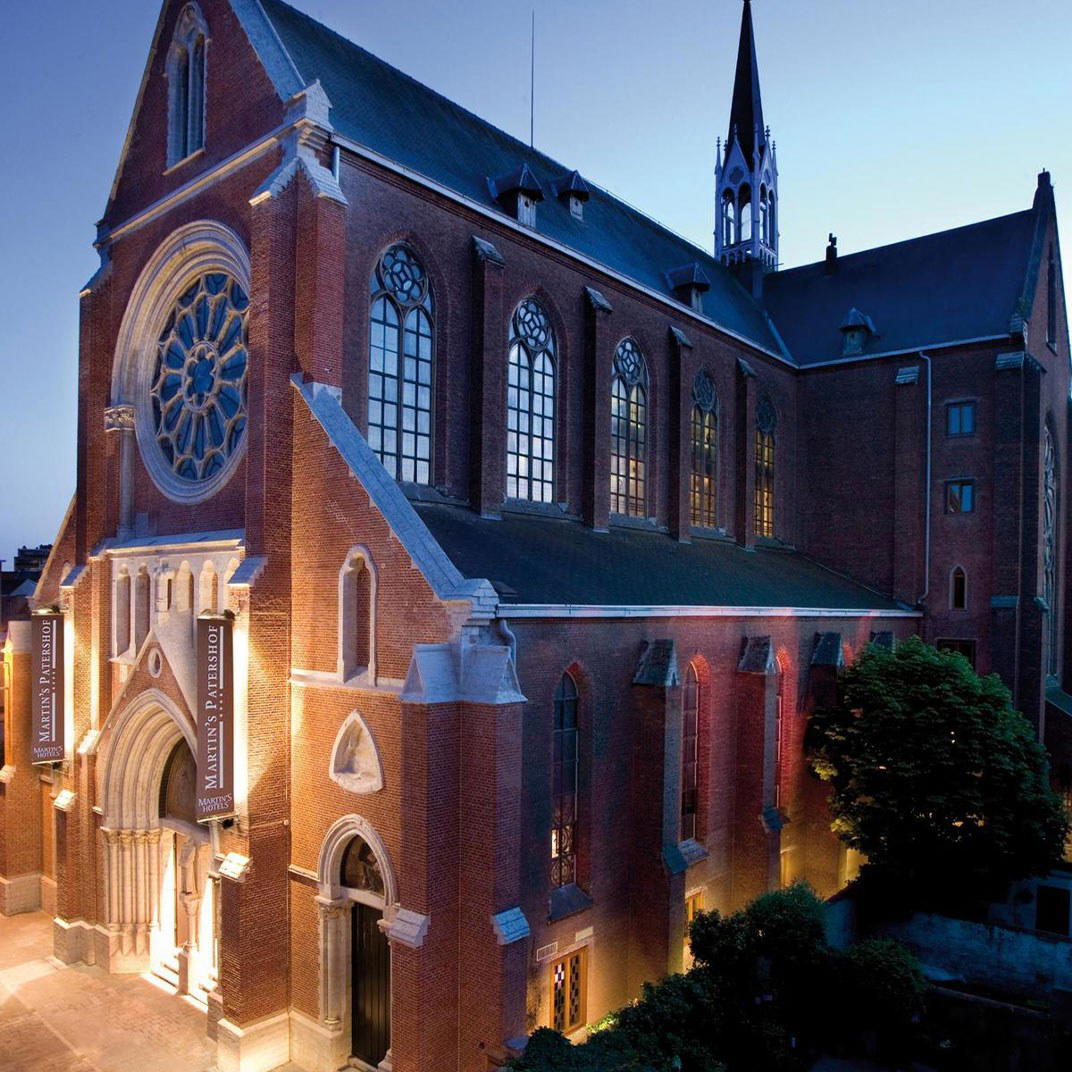
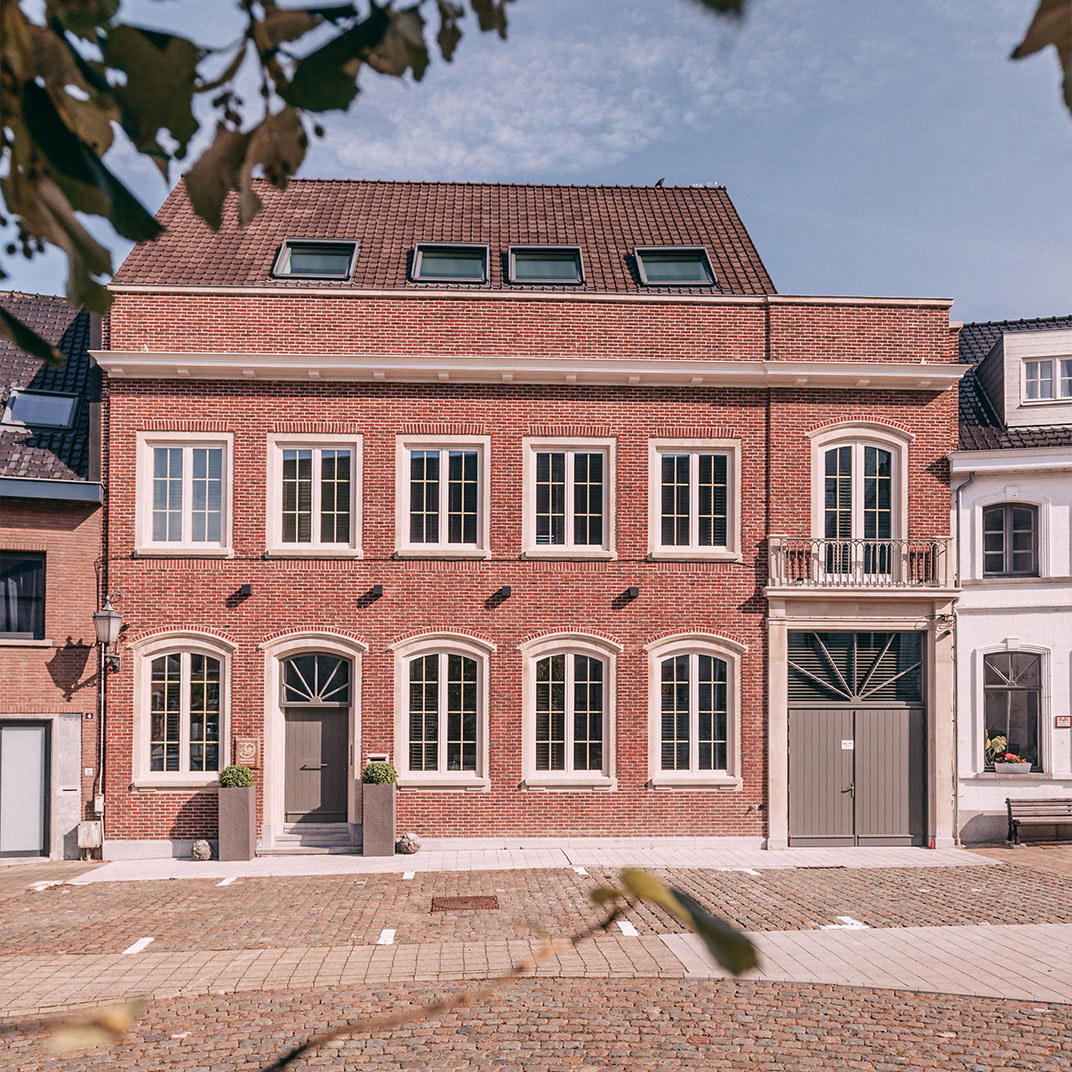
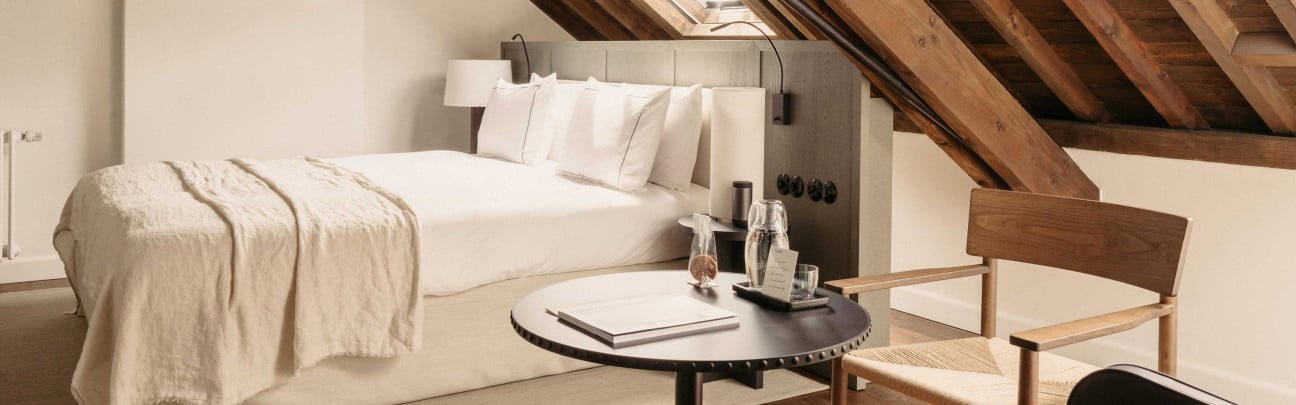
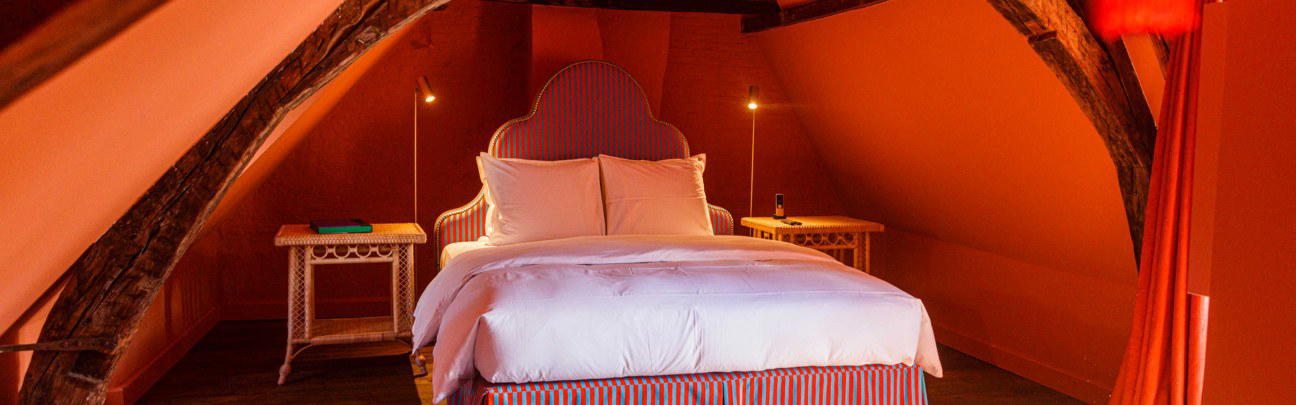
Contemporary design within historic Gothic monastery walls, unpretentious yet professional atmosphere with warm hospitality.