Tillsamman
Our verdict
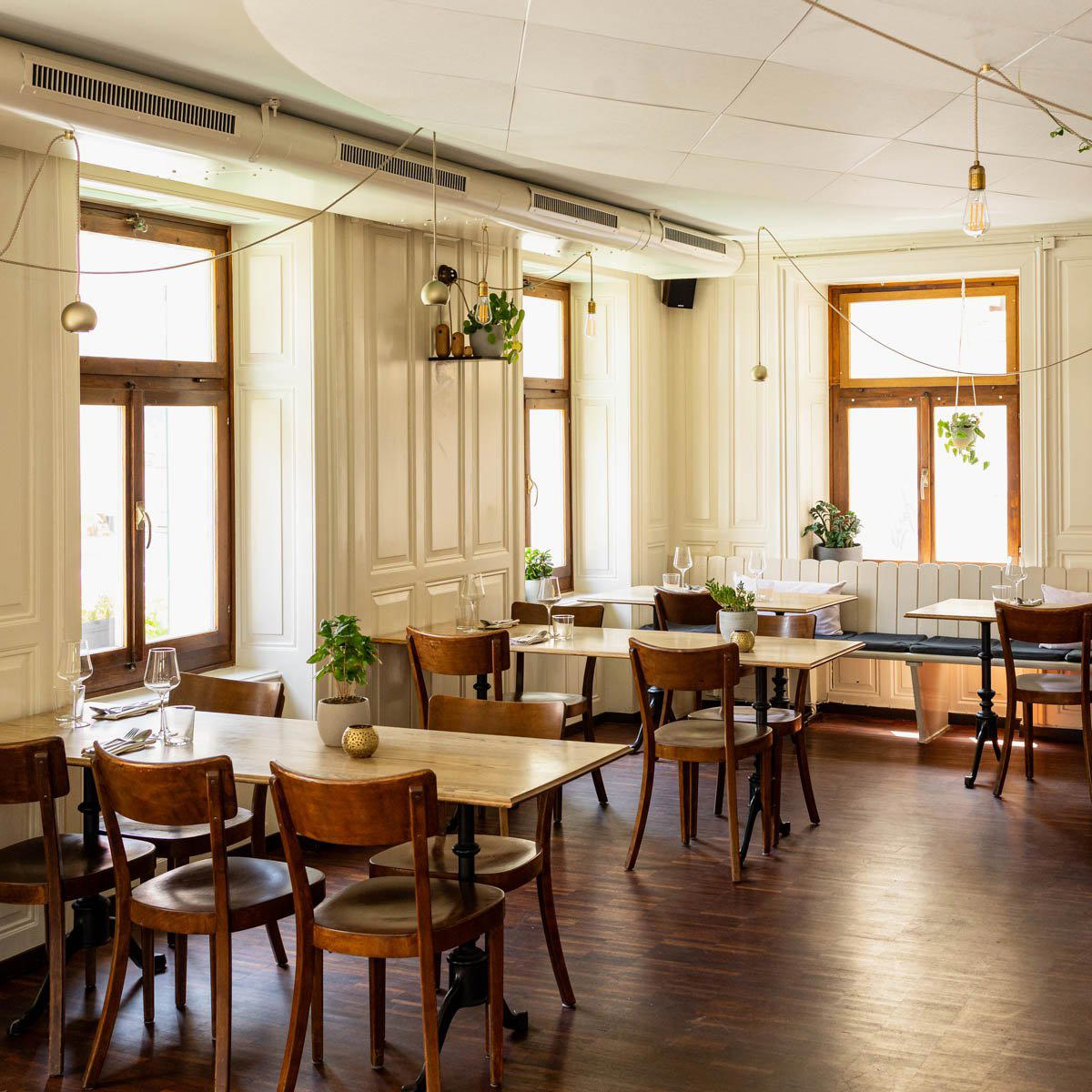
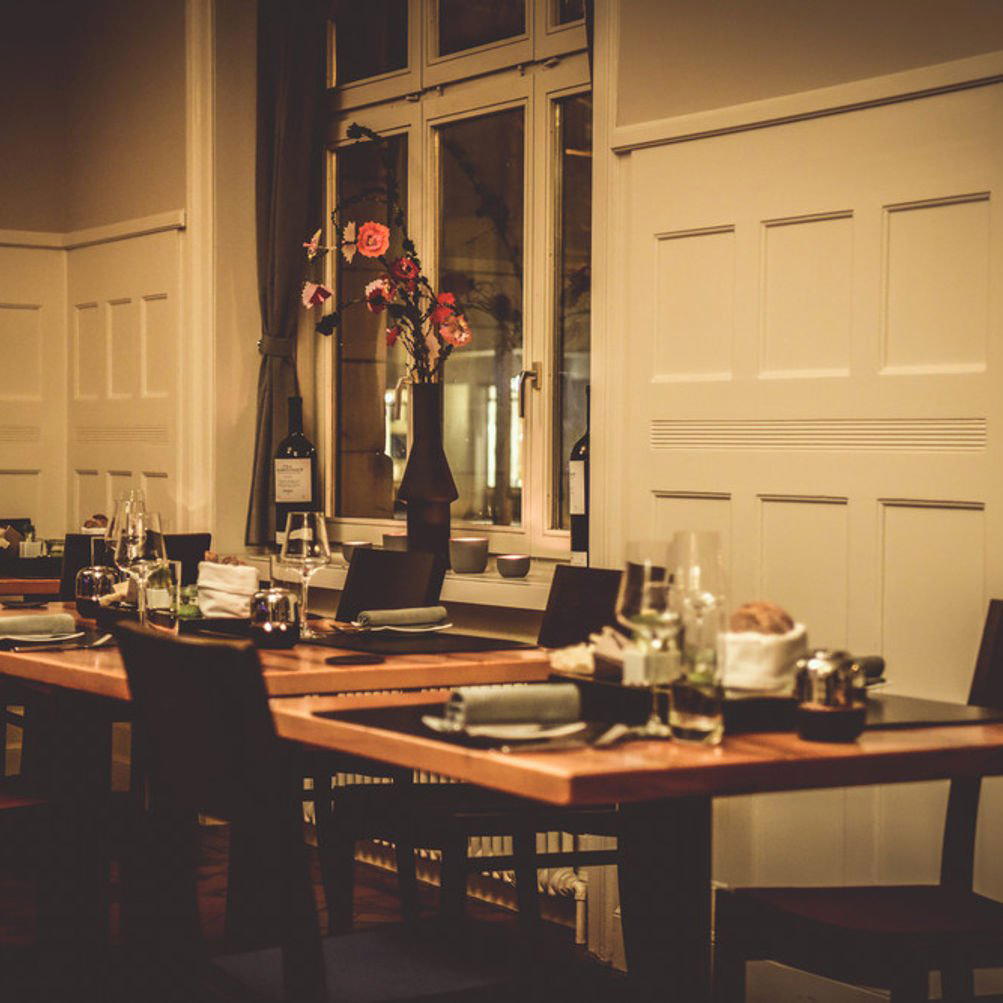
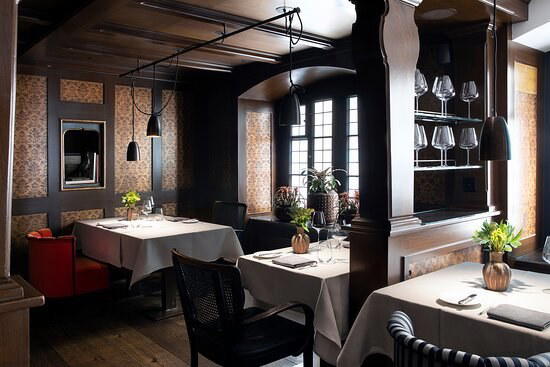
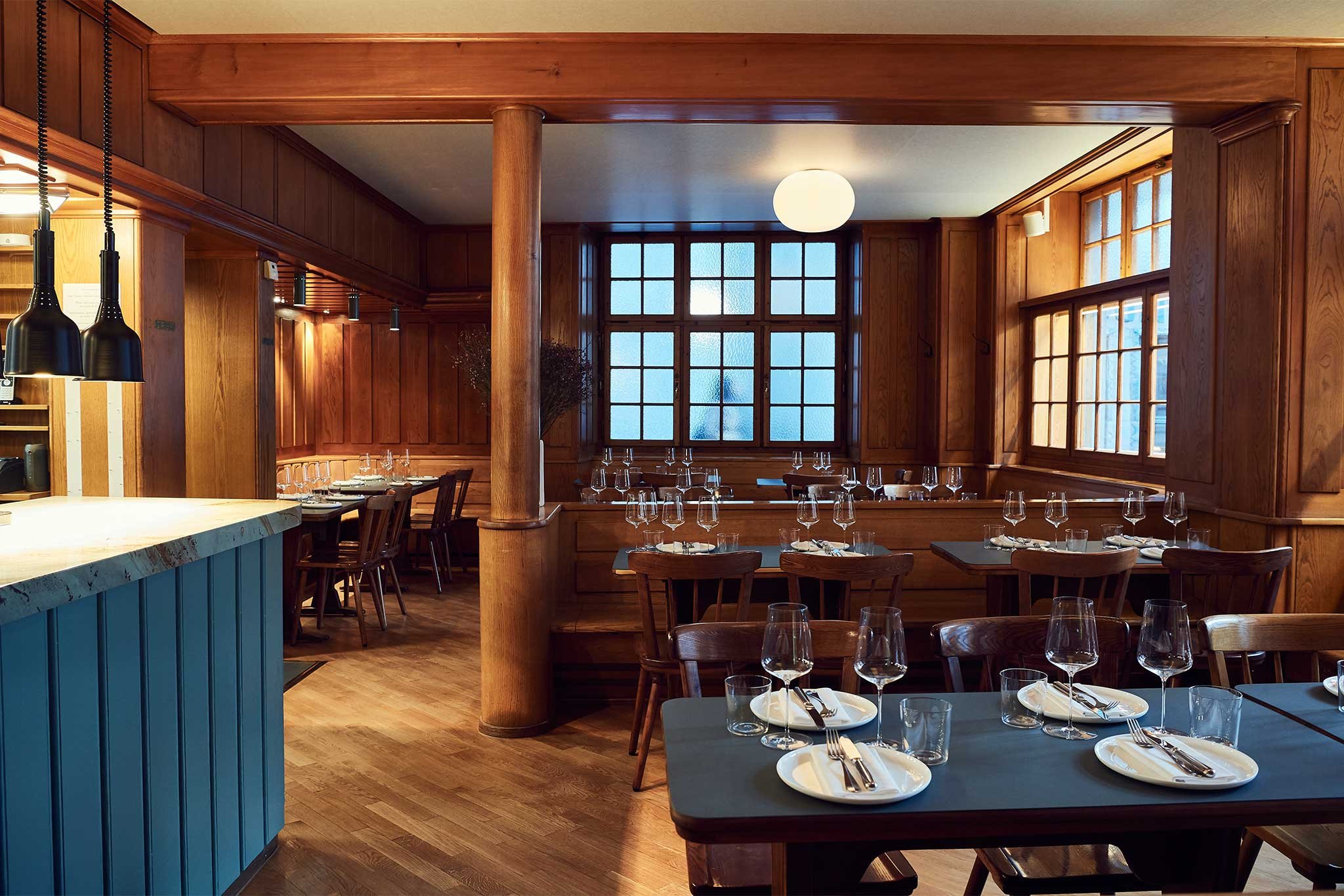
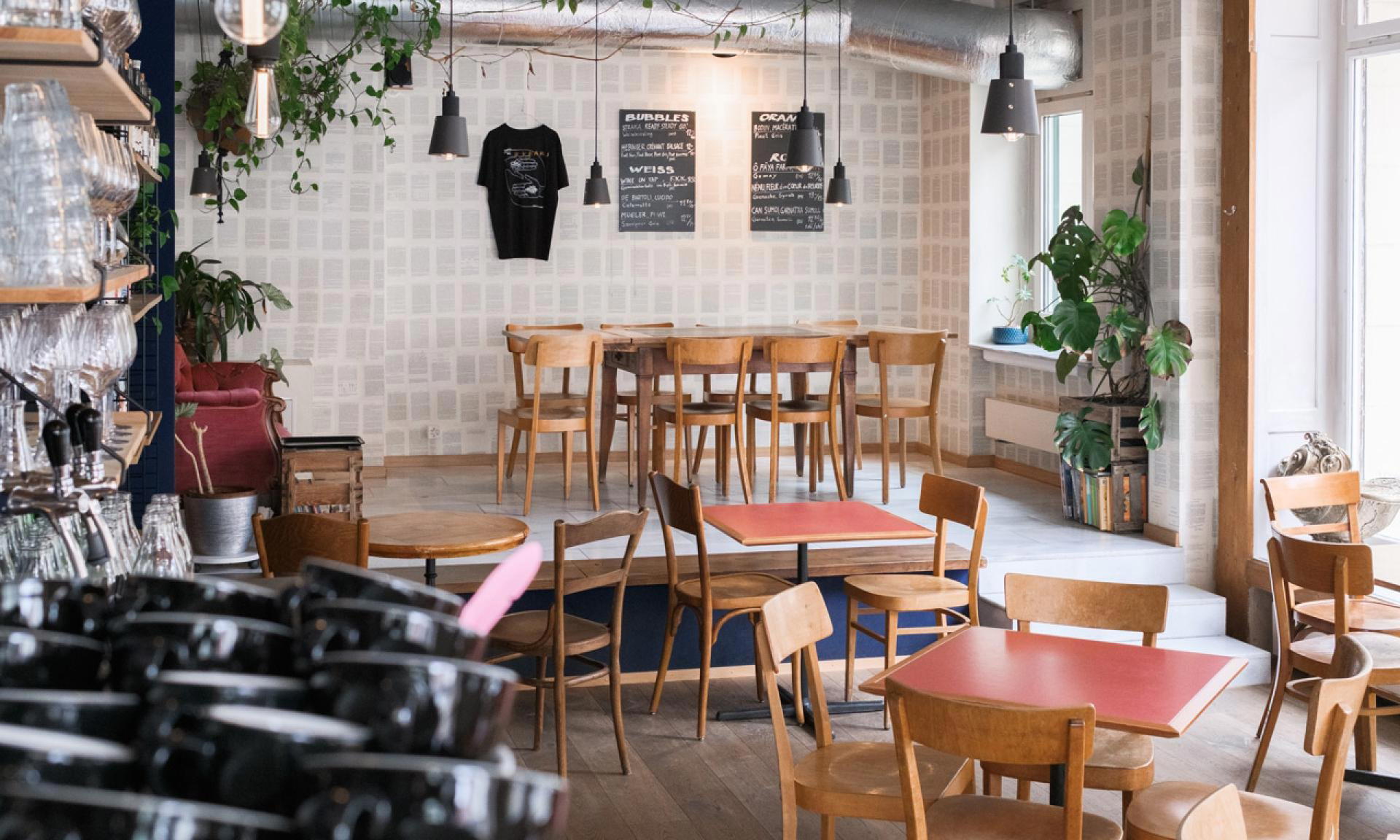
Tillsamman sits on Sihlfeldstrasse in Zurich's Kreis 4, a district where neighbourhood bistros and wine-forward rooms increasingly compete with the city's established fine-dining corridor. The name, Swedish for 'together,' signals a communal dining register that places it closer to convivial sharing formats than to the formal tasting-menu circuit. What draws repeat visitors is the cellar curation and the atmosphere it produces around the table.

Pearl is the En Primeur Club membership app — saves, bookings, and concierge access live there. Same editors, same standards.
Kreis 4 and the Shift in Zurich's Dining Geography
Zurich's serious restaurant scene has historically anchored itself in the Altstadt and along the lake, where white-tablecloth institutions and hotel dining rooms set the reference point for the city's culinary ambitions. Over the past decade, that gravity has shifted. Kreis 4, the district centred on Langstrasse and its surrounding streets, has accumulated enough credible kitchens and wine-focused rooms to function as a genuine alternative circuit. Tillsamman, at Sihlfeldstrasse 10, sits inside that shift. The address places it in a neighbourhood where the format tends toward informality and the cooking tends toward honesty — a combination that appeals to the Zurich diner who has grown tired of ceremony without substance.
The name, Swedish for 'together,' is a signal about register. Dining in a communal or convivial format has become one of the dominant moves in European restaurant culture over the past several years, and Zurich is no exception. Where IGNIV Zürich by Andreas Caminada operates a sharing format at the highest price tier, Tillsamman addresses a different point in the market: convivial without the production budget. That positioning, between neighbourhood casualness and deliberate curation, is where the most interesting rooms in most European cities currently operate.
The Wine Angle: What Cellar Curation Means in This Context
In Zurich, the wine list is increasingly where a room makes its argument. The city's diners are well-travelled and well-educated on the subject, and the standard hotel-cellar model — broad geography, heavy on Bordeaux and Burgundy staples, priced at multiples that reflect real estate rather than selection, no longer carries the authority it once did. A smaller, more considered list, built around a point of view rather than comprehensiveness, is now a credible alternative signal.
Tillsamman's Swedish framing opens an interesting editorial possibility in this context. Scandinavian wine culture has moved hard toward natural and low-intervention producers over the past decade, and restaurants operating in that idiom tend to build their cellars accordingly: shorter lists, higher turnover, producers chosen for narrative coherence rather than appellation prestige. Whether Tillsamman's list follows that logic or departs from it, the name and the neighbourhood together position it against rooms where the sommelier's perspective is the offer, not just the service layer.
This matters for how a visitor approaches the booking. Rooms built around wine curation reward engagement: asking what's open, what arrived recently, what the team is excited about. The list itself is rarely the story in isolation; the conversation around it is where the value sits. That is a different kind of dining intelligence than consulting a wine bible in advance, and it is the mode that Kreis 4's better rooms tend to reward.
For a comparison across Switzerland's wine-forward fine-dining rooms, the reference points include Schloss Schauenstein in Fürstenau and Cheval Blanc by Peter Knogl in Basel, both of which operate deep, formally managed cellars at the three-Michelin-star level. Tillsamman functions at a different scale and with a different intent, but the city's appetite for serious wine programming is consistent across the tiers.
The Neighbourhood as Context
Sihlfeldstrasse runs through the western edge of Kreis 4, away from the densest stretch of Langstrasse bars and closer to the residential fabric of the district. That placement is relevant to the experience: arrivals are typically on foot or by tram, the street-level approach is low-key, and the transition from neighbourhood street to dining room carries more weight as a result. Rooms that rely on theatrical entrances or impressive facades have a different relationship with their guests than rooms that require a small act of intention to find and enter.
The surrounding area draws a Zurich demographic that skews younger and more internationally mobile than the Altstadt clientele, which has consequences for what works at the table. Cooking that references external traditions, wine lists that include producers outside the Franco-Italian mainstream, and service that reads the room rather than executing a protocol, these are the signals that land with this audience. The Counter and The Restaurant operate in the creative-cooking tier with broader recognition; Tillsamman occupies a different register, closer to the neighbourhood room that earns loyalty through consistency rather than spectacle.
Zurich's Broader Restaurant Map
Understanding where Tillsamman sits requires a working sense of the city's overall dining structure. At the formal end, Zurich has a cluster of Michelin-recognised tables that compete within a Swiss fine-dining circuit extending to Hotel de Ville Crissier, Memories in Bad Ragaz, Einstein Gourmet in Sankt Gallen, and focus ATELIER in Vitznau. Further afield, Da Vittorio in St. Moritz, 7132 Silver in Vals, and Colonnade in Lucerne represent the country's breadth. Even internationally, rooms like L'Atelier Robuchon in Geneva, Le Bernardin in New York City, and Atomix in New York City set the international reference for what serious restaurants are doing at the highest tier.
Tillsamman does not compete in that formal circuit. It operates in the register below it, where the measure of success is repeat visitors, a coherent point of view, and a room that feels inhabited rather than managed. In Zurich, where dining costs at any level are high, that register still commands meaningful price points. Widder and Eden Kitchen and Bar anchor different ends of the mid-to-upper spectrum; Tillsamman's Swedish-inflected identity marks a distinct lane within it.
For anyone planning time in Zurich across multiple meals, our full Zurich restaurants guide maps the city's dining options by neighbourhood, format, and price tier.
Planning Your Visit
| Venue | Cuisine Register | Price Tier | Format | Booking Approach |
|---|---|---|---|---|
| Tillsamman | Nordic-inflected, neighbourhood | Mid-upper (est.) | Convivial, wine-forward | |
| IGNIV Zürich by Andreas Caminada | Sharing / fine dining | €€€€ | Sharing plates | Advance reservation advised |
| The Counter | Creative | €€€€ | Tasting menu | Advance reservation required |
| Eden Kitchen and Bar | Italian | €€€€ | À la carte | Reservations available |
Tillsamman's Kreis 4 address is accessible by tram from central Zurich. Specific hours, booking method, and current pricing are best confirmed directly with the venue, as this information was not available at time of publication.
Frequently asked questions
Where is Tillsamman in Zurich?
Tillsamman is located at Sihlfeldstrasse 10, 8003 Zürich, Switzerland, Zurich.
How does Tillsamman fit into Zurich's wider restaurant scene?
Tillsamman sits outside the formal tier anchored by Zurich's Michelin-recognised addresses and hotel dining rooms. At Sihlfeldstrasse 10 in the 8003 postal district, it occupies the growing mid-register of Kreis 4 where the city's dining geography has been shifting — rooms that compete on cooking focus and wine curation rather than white-tablecloth ceremony. For visitors mapping Zurich beyond the obvious, that western neighbourhood stretch is where the more considered independent openings have been landing.
What dish is Tillsamman famous for?
The body editorial positions the kitchen within Zurich's Kreis 4 dining shift, where the cooking tends to reflect neighbourhood-led sensibility rather than a single showpiece plate. Checking directly via the Sihlfeldstrasse 10 address on arrival will give the clearest picture of the current menu focus.
Is Tillsamman reservation-only?
Given its location on Sihlfeldstrasse in the residential western stretch of Kreis 4, demand at this type of room in Zurich can outpace walk-in availability on weekend evenings. Contacting the venue directly before visiting is the practical approach.
What is Tillsamman known for?
Tillsamman is associated with the broader repositioning of Zurich's serious dining scene away from the Altstadt and lake-facing institutions toward the Kreis 4 neighbourhood. Sihlfeldstrasse 10 places it on the quieter, more residential edge of that district, removed from the Langstrasse bar corridor. The editorial context also points to wine curation as a meaningful part of the room's identity, in keeping with how well-travelled Zurich diners currently read a list.
Comparable Options
Comparable venues nearby, for context on price, style, and recognition.
| Venue | Cuisine | Price | Notes |
|---|---|---|---|
| TillsammanThis venue — the venue you are viewing | Modern Swedish | $30–50 | Not listed |
| De Koreaner 59 | Korean Street Food | $20–30 | Aussersihl |
| Hive | Swiss-Italian Cafe | $20–30 | Industriequartier |
| The Bagel Shop | Sourdough Bagels | $10–20 | Aussersihl |
| Filo Pizza | Italian Pizza | $20–30 | Wipkingen |
| Weisser Wind | Traditional Swiss | $30–50 | Fluntern |