Filo Pizza
On Nordstrasse in Zurich's Kreis 5 district, Filo Pizza occupies the casual end of a city whose Italian dining scene runs from neighbourhood trattorias to formal white-tablecloth rooms. The kitchen focuses on pizza, placing it in a category where ingredient provenance and dough discipline separate the serious operators from the perfunctory. A practical choice for the area's creative and residential crowd.
Pearl is the En Primeur Club membership app — saves, bookings, and concierge access live there. Same editors, same standards.
- Address
- Nordstrasse 245, 8037 Zürich, Switzerland
- Phone
- +41444403232
- Website
- filopizza.ch
- Directions
- Get directions
 Saves & bookings on Pearl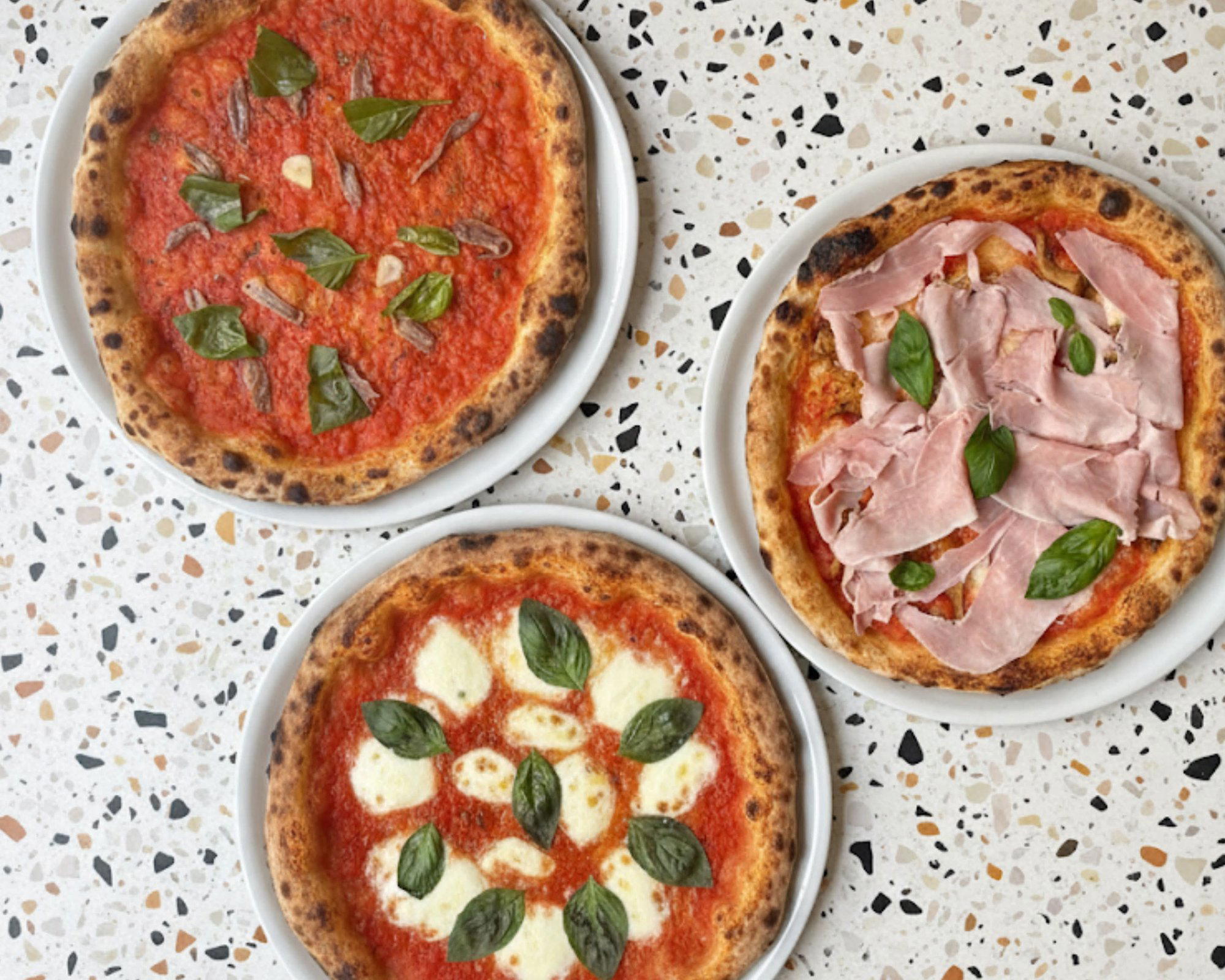
Kreis 5 and the Case for Serious Pizza
Nordstrasse runs through Zurich's fifth district like a spine connecting the old industrial quarter to the residential blocks that replaced it. The street draws a mixed crowd: studio workers, long-term residents, younger professionals who moved in when rents were still manageable. It is not a destination dining strip in the way that Langstrasse is, but it supports a dense collection of neighbourhood operators for whom consistency matters more than occasion. Filo Pizza, at number 245, belongs to that category of place: a room built around a specific product rather than a broad menu, in a part of the city where that kind of focus tends to find a loyal return audience.
Pizza in Zurich occupies an interesting middle position. The city has enough Italian-origin residents and enough Swiss appetite for quality ingredients that the category rewards operators who take the sourcing and technique seriously. At the same time, Zurich's premium dining attention tends to collect around fine-dining addresses: IGNIV Zürich by Andreas Caminada in the sharing-format upper bracket, The Counter and The Restaurant in the creative tier, and Widder anchoring the Swiss-heritage end of the spectrum. A neighbourhood pizza operation is playing a different game: the comparison set is local, the margins are tighter, and the product has to do most of the talking.
What Ingredient Sourcing Actually Means in This Category
Pizza is often discussed as a technique story, fermentation time, hydration ratios, oven temperature. Those things matter. But the sourcing question is equally determinative, and it is where serious operators in this category separate themselves from the rest. Flour origin and variety affect dough extensibility and flavour in ways that are perceptible even to casual diners. San Marzano tomatoes, grown in volcanic soil in Campania, carry an acidity and sweetness that generic tinned alternatives cannot replicate. Fior di latte versus industrial mozzarella produces measurably different melt behaviour and a cleaner, milkier flavour profile on the finished pie.
Swiss operators in the pizza category face a specific structural situation: premium Italian ingredients are readily importable, Switzerland's strict food-safety standards ensure supply chain quality, but the cost base is higher than in almost any comparable European city. An operator choosing to source correctly in Zurich is making a genuine financial commitment. For the diner, that commitment is visible, and it is one reliable signal of intent available before you order. Zurich's Eden Kitchen and Bar operates at the premium end of the Italian category in the city, and the gap between that kind of room and a neighbourhood pizza counter reflects not just format and setting, but a fundamentally different relationship to ingredient cost and margin.
The broader Swiss fine-dining scene, anchored by addresses like Hotel de Ville Crissier, Schloss Schauenstein in Fürstenau, and Memories in Bad Ragaz, tends to emphasise hyper-local Swiss sourcing as a philosophical position. That posture makes less obvious sense in a pizza format, where the defining ingredients are regional to southern Italy by definition. The more defensible sourcing logic for a serious pizza kitchen in Switzerland is fidelity to the Italian originals, not substitution with local alternatives.
The Nordstrasse Setting
Arriving at Nordstrasse 245, the neighbourhood context does most of the work. Kreis 5 is Zurich's post-industrial quarter: converted warehouses, architecture studios, small creative businesses operating out of ground-floor premises that would be retail in other districts. The rhythm of the street is unhurried on weeknights and more compressed at weekends, when the residential population fills the terrace seating and the noise level rises proportionally. A pizza counter in this setting functions as a community anchor as much as a dining destination, which affects what a visit feels like in practice.
The format, a focused menu, a single product category, a neighbourhood address rather than a central-city location, places Filo at some distance from the occasion-dining market that drives bookings at Zurich's Michelin-level addresses. The comparison is not with Cheval Blanc by Peter Knogl in Basel or Einstein Gourmet in Sankt Gallen. It is with the other casual Italian operators in the district, and the question is whether the dough and the toppings justify the walk from the tram stop.
How Filo Sits in the Zurich Casual-Dining Map
Zurich's casual dining market is well-supplied but not uniform in quality. The city's price floor is high across all categories, which means that even neighbourhood-level operators charge prices that would position them as mid-range in most other European cities. For a diner used to Neapolitan pizza at source, or even at the better London or New York addresses like Le Bernardin's end of the serious Italian spectrum in New York, the Zurich casual market can feel inconsistent. Some operators have invested in the technique and the sourcing. Others are coasting on the city's general willingness to pay.
Filo's position on Nordstrasse, away from the tourist circuits and the expense-account dining strips, suggests an operator oriented toward the former group. Neighbourhood locations in Zurich typically survive on return visits rather than walk-in traffic, which creates a different kind of accountability than a central-city address. Filo sits at the accessible end of that spectrum, in a district that rewards operators who take the product seriously. Other Swiss destinations with strong regional food identities, Mammertsberg in Freidorf, La Table du Valrose in Rougemont, focus ATELIER in Vitznau, are making different arguments about Swiss cuisine. Filo is making a narrower, more specific one: that a well-made pizza, sourced correctly, is worth finding on a residential street in the fifth district.
For international visitors whose primary Zurich dining reference points are the fine-dining tier, Filo represents a different register entirely. It is a neighbourhood operation with a specific product focus, in a city where that kind of restraint tends to be either a sign of genuine commitment or an absence of ambition. The sourcing question is, in the end, how you tell the difference.
Planning a Visit
Logistics at a Glance
| Venue | Category | Price Tier | District | Booking |
|---|---|---|---|---|
| Filo Pizza | Pizza / Casual Italian | Not confirmed | Kreis 5 (Nordstrasse) | Not confirmed |
| Eden Kitchen and Bar | Italian | €€€€ | Central Zurich | Advance recommended |
| IGNIV Zürich by Andreas Caminada | Sharing / Fine Dining | €€€€ | Central Zurich | Book well ahead |
Comparable Venues
Comparable venues nearby, for context on price, style, and recognition.
| Venue | Cuisine | Price | Notes |
|---|---|---|---|
| Filo PizzaThis venue — the venue you are viewing | Italian Pizza | $$ | Not listed |
| San Gennaro | Traditional Neapolitan Pizzeria | $$ | Kreis 10 |
| Pizza Derby | Neapolitan Pizza | $$ | Aussersihl |
| Basilikum | Italian Pizzeria | $$ | Oberstrass |
| Con Gusto | Authentic Neapolitan Pizza & Southern Italian | $$ | Unterstrass |
| Cucina Bernoulli | Italian Pizza and Pasta | $$ | Industriequartier |
At a Glance
- Casual
- Cozy
- Casual Hangout
- Family
Current opening hours
- Monday
- 5–10 PM
- Tuesday
- 11 AM–1:30 PM, 5–10 PM
- Wednesday
- 11 AM–1:30 PM, 5–10 PM
- Thursday
- 11 AM–1:30 PM, 5–10 PM
- Friday
- 11 AM–1:30 PM, 5–10 PM
- Saturday
- 5–10 PM
- Sunday
- 5–10 PM
Hours can change for holidays and private events. Last verified .
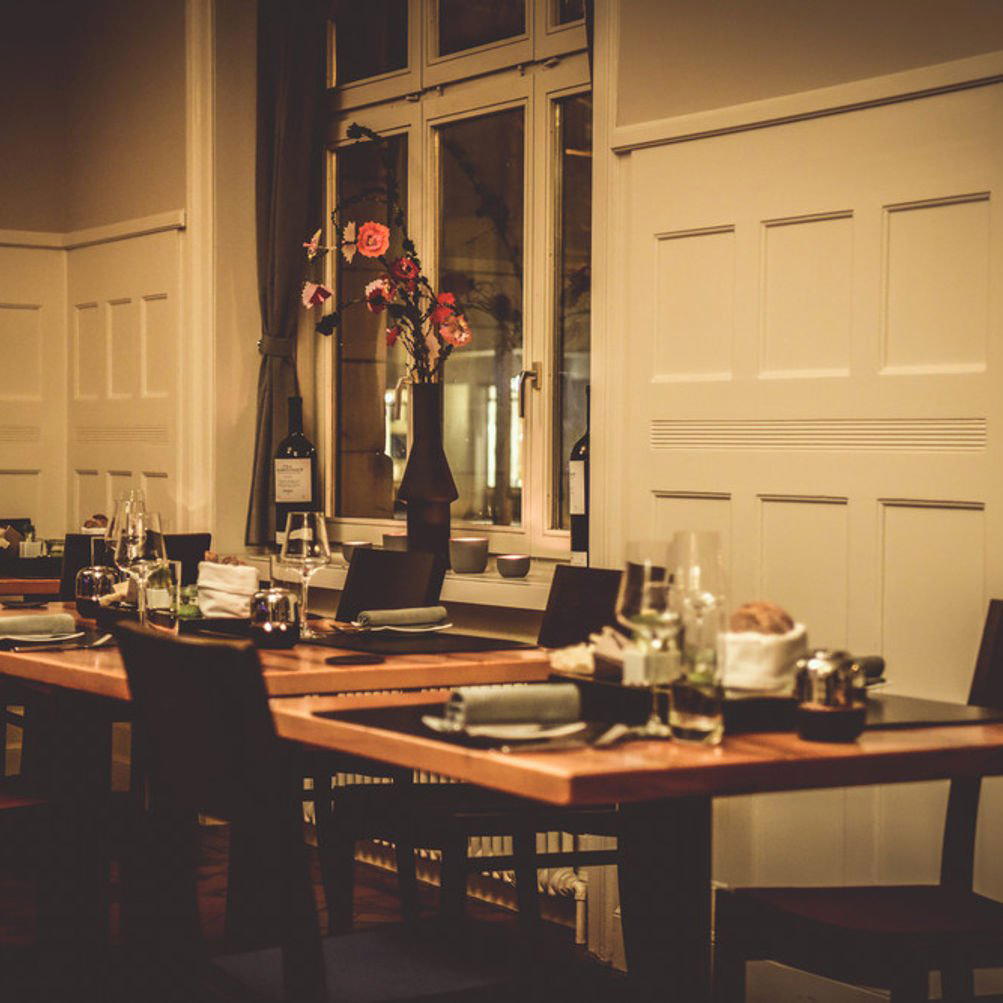
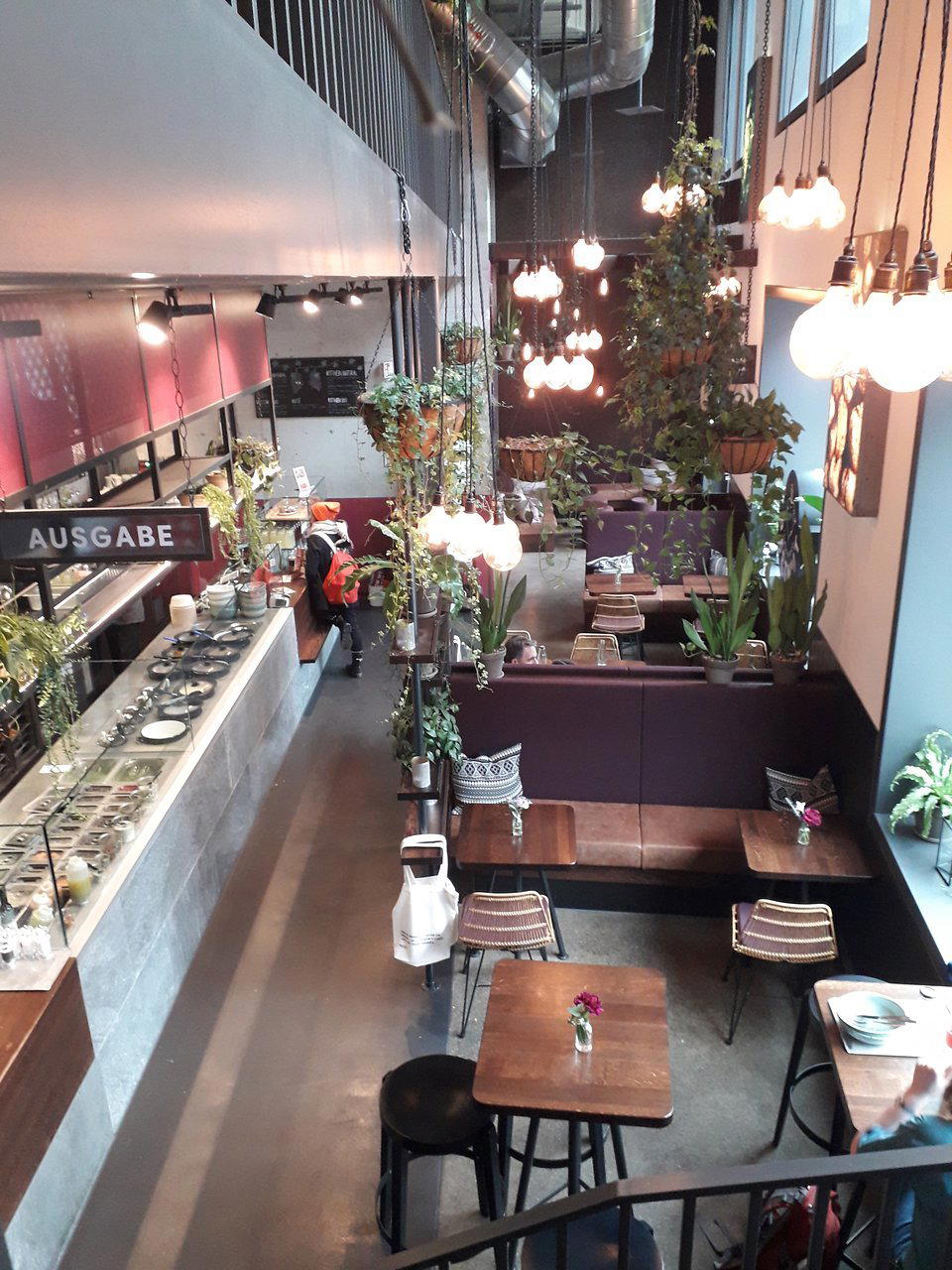
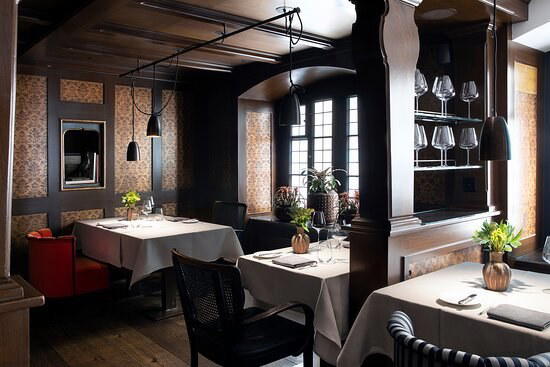
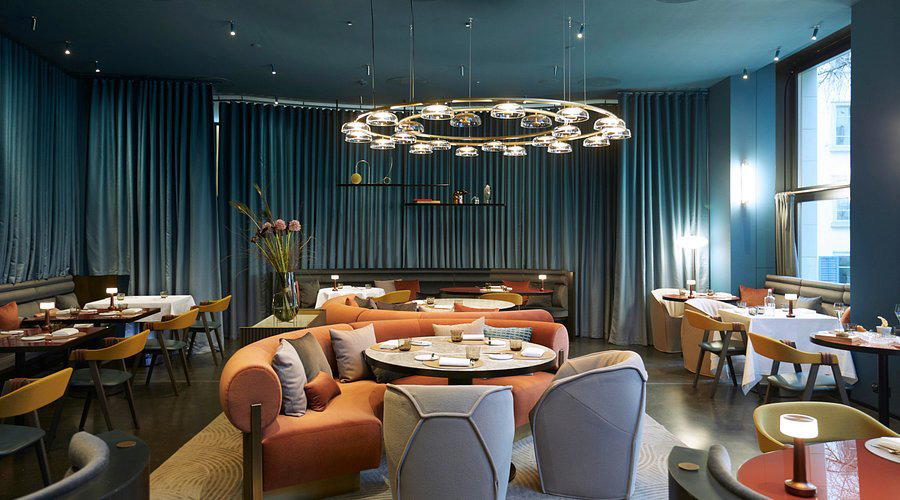
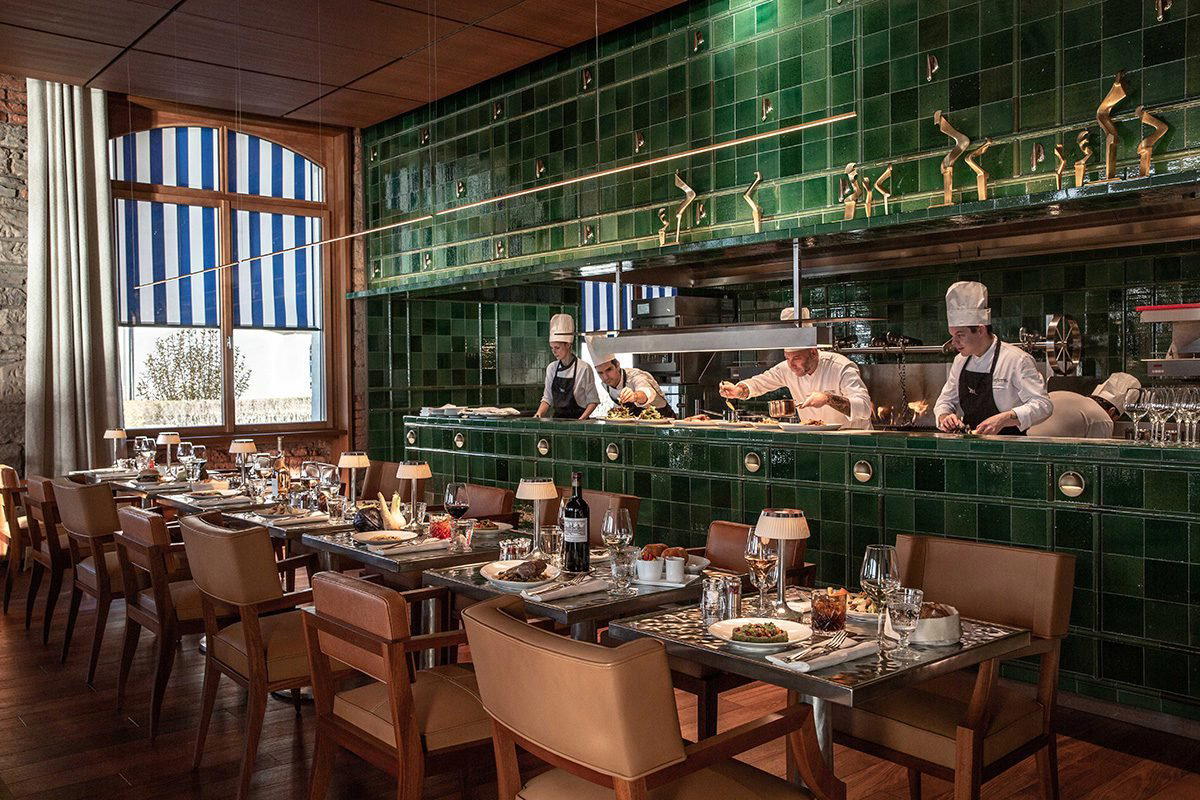
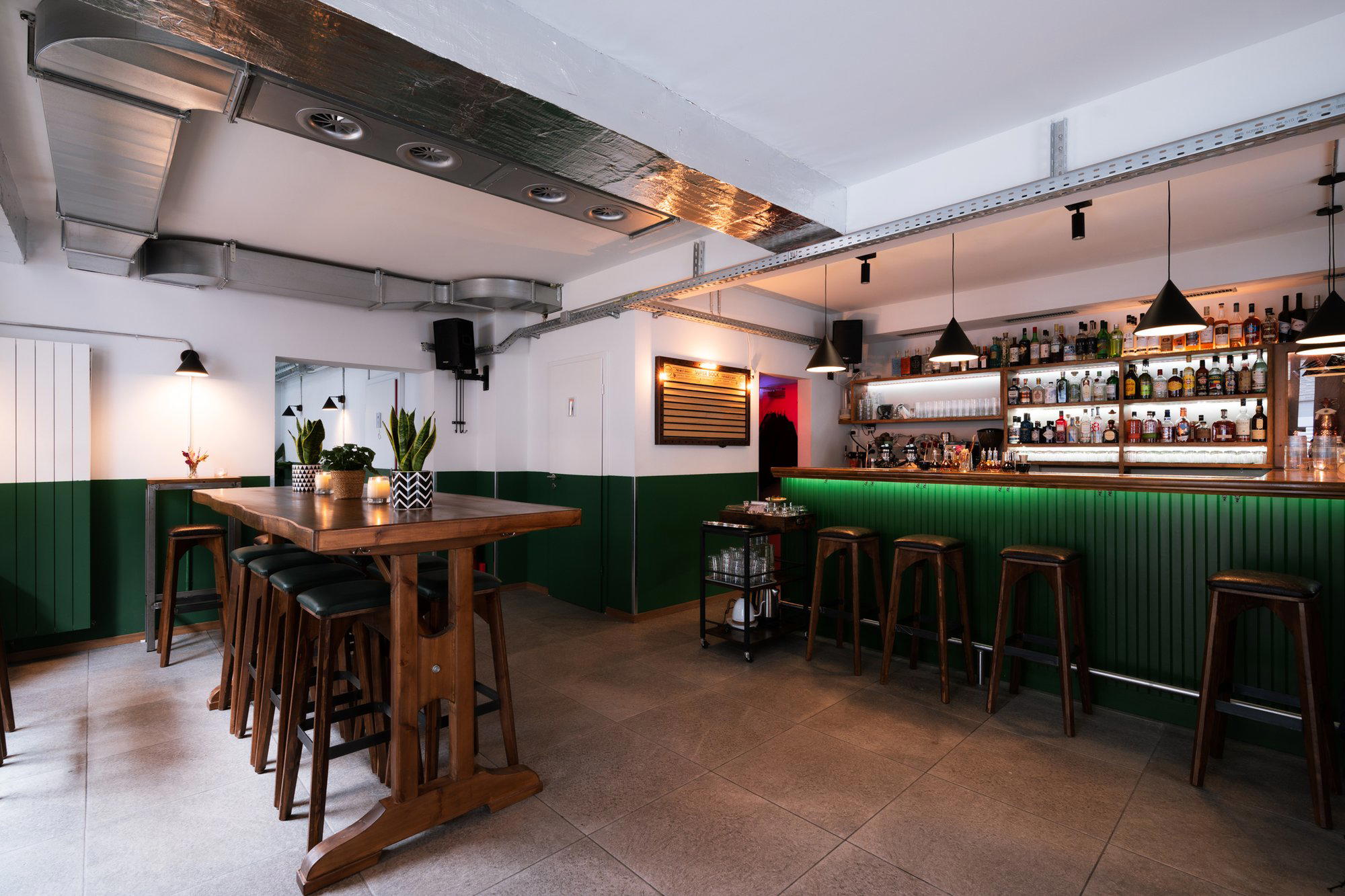
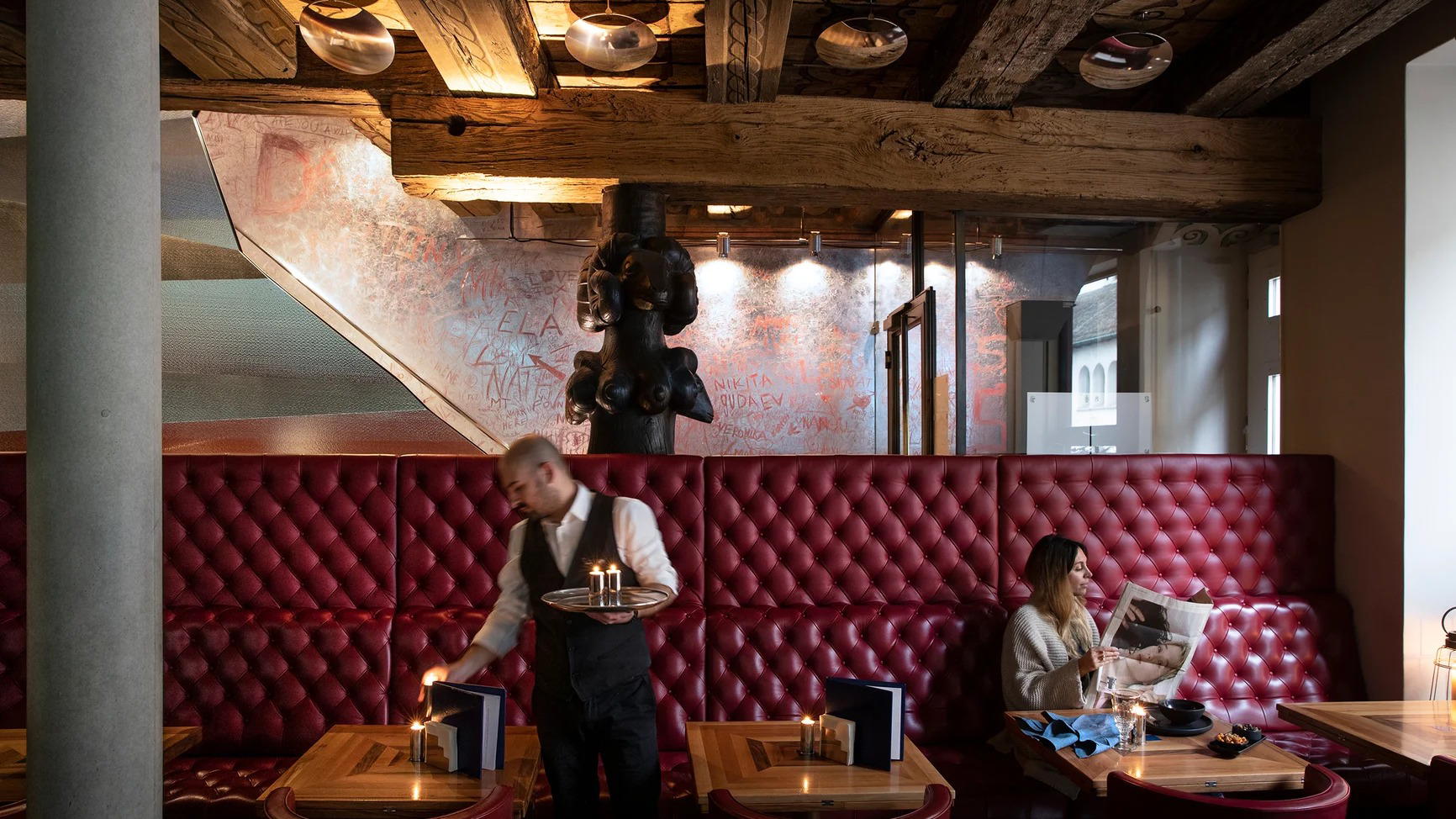
Cozy neighborhood pizza joint with friendly service and casual atmosphere.