De Koreaner 59
Our verdict
A Korean restaurant on Meinrad-Lienert-Strasse in Zurich's Kreis 3, De Koreaner 59 sits in a district where independent neighbourhood dining has quietly built credibility alongside the city's more decorated fine-dining addresses. The address places it squarely in everyday Zurich rather than the tourist circuit, making it a reference point for those tracking the city's broader appetite for Asian cuisine outside the hotel-restaurant tier.

Pearl is the En Primeur Club membership app — saves, bookings, and concierge access live there. Same editors, same standards.
- Address
- Meinrad-Lienert-Strasse 27, 8003 Zürich, Switzerland
- Phone
- +41449919959
- Hours
- Mon 12–2:30 PM, 6–9:30 PMTue–Fri 12–2:30 PM, 6–10:30 PMSat 12–3 PM, 5–10:30 PMSun 3–9:30 PM
- Website
- dekoreaner59.ch
- Directions
- Get directions
The menu
What to order
- Korean Cheese Corndog
- Kimchi Pancakes
- Fried Chicken
- K-Dog
Kreis 3 and the Quiet Rise of Neighbourhood Korean in Zurich
Zurich's dining conversation tends to get pulled toward its Michelin-starred upper tier, where addresses like IGNIV Zürich by Andreas Caminada and The Counter set the critical agenda. But the city's most useful barometer for how international food culture is actually landing with residents sits further out, in districts like Kreis 3, where restaurants survive on repeat local custom rather than destination bookings. De Koreaner 59, on Meinrad-Lienert-Strasse 27, occupies precisely that position: a Korean address in a mixed residential and commercial stretch that has no particular obligation to perform for tourists.
Korean cuisine's expansion across European cities over the past decade has followed a recognisable pattern. It begins with a handful of student-budget operations, migrates toward mid-market casual formats as the cuisine gains broader recognition, and eventually produces a tier of more considered restaurants where technique and sourcing become selling points. Zurich, with its high per-capita spending power and internationally mobile population, has moved through that cycle faster than most comparable Swiss cities. De Koreaner 59 sits within that trajectory, representing the kind of neighbourhood-level Korean presence that signals a cuisine has moved past novelty status in a given market.
What the Address Tells You About the Room
Kreis 3 is not a glamour district. It runs from Wiedikon toward Sihlfeld and attracts a resident population that tends to value consistency over spectacle. Restaurants that last here do so by delivering reliable value in formats that suit weeknight eating as much as weekend occasions. That context shapes expectations at De Koreaner 59 before you arrive: this is not a destination in the sense that The Restaurant or Widder are destinations. The neighbourhood itself is the frame, and within that frame, a Korean restaurant at this address signals a particular kind of confidence in the local appetite for the cuisine.
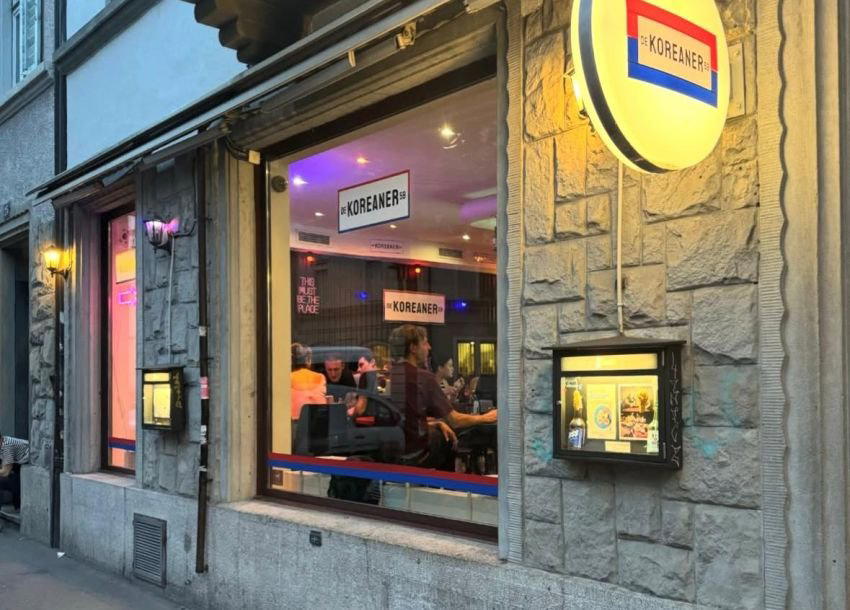
The physical environment on Meinrad-Lienert-Strasse carries the low-key character of the district. Approaching from the street, the restaurant reads as part of a working neighbourhood rather than a curated dining strip. That positioning is neither a weakness nor a strength in isolation; it simply locates the experience within a specific tier of Zurich's food culture, one where the interaction between kitchen, floor, and returning guest matters more than design investment or press attention.
The Team Dynamic in a Neighbourhood Korean Format
Korean restaurant formats in Europe have developed their own front-of-house conventions, and those conventions shape the dining experience as much as anything coming out of the kitchen. The cuisine's social architecture, built around shared plates, table grills, and a rhythm of small dishes arriving in sequence, demands a floor team that can calibrate pacing and portion guidance for guests who may be encountering the format for the first time alongside regulars who need no instruction at all. That dual audience is a daily challenge in any neighbourhood Korean restaurant operating in a non-Korean market.
At De Koreaner 59, the team dynamic between kitchen output and front-of-house communication is the operative variable. Across Korean restaurants in cities like London, Amsterdam, and Berlin, the more successful neighbourhood-tier operations have distinguished themselves not through any single signature dish but through service consistency: a floor team that reads the table quickly, adjusts the pace of ordering accordingly, and maintains the quality of the banchan rotation that forms the structural backbone of most Korean meals. Whether a Korean restaurant lands as a serious reference point or a passing novelty in any European city typically comes down to exactly that operational coherence.
For context on what coordinated kitchen-and-floor execution can achieve at the upper end of the Swiss dining spectrum, addresses like Hotel de Ville Crissier, Schloss Schauenstein, and Memories in Bad Ragaz define the ceiling. De Koreaner 59 operates in a different register, but the underlying principle, that team coordination is the determinant of a restaurant's repeatability, applies across price tiers.
Korean Cuisine in the Zurich Context
Zurich's restaurant market is notably price-compressed at the upper end. The city's cost base pushes even mid-market international restaurants into price brackets that would read as fine dining in most European capitals. That compression means Korean restaurants here occupy a different competitive position than their equivalents in London or Paris. They are not the cheap alternative to French or Swiss formal dining; they are simply another option in a market where eating out at any level carries significant cost.
That context matters for understanding where De Koreaner 59 sits relative to the broader Zurich offering. Compared to the tasting-menu formats at focus ATELIER in Vitznau or the regional Italian ambition of Eden Kitchen and Bar, a neighbourhood Korean address in Kreis 3 represents a different kind of value proposition. It is closer in spirit to the casualty-resistant neighbourhood restaurants that anchor city food cultures in places like San Francisco, where addresses such as Lazy Bear coexist with a dense ecosystem of less decorated but equally serious smaller operations, than it is to the destination-dining tier that dominates Zurich's critical coverage.
Across Switzerland, the serious dining conversation gravitates toward a relatively small number of highly credentialled addresses: Cheval Blanc by Peter Knogl in Basel, Maison Wenger in Le Noirmont, Einstein Gourmet in Sankt Gallen, Da Vittorio in St. Moritz, Mammertsberg in Freidorf, and La Table du Valrose in Rougemont. The neighbourhood Korean tier operates in a parallel register, answering a different question entirely. See our full Zurich restaurants guide for the complete picture across price points and formats.
Know Before You Go
Planning Details
- Address: Meinrad-Lienert-Strasse 27, 8003 Zürich, Switzerland
- District: Kreis 3 (Wiedikon), Zurich
- Cuisine: Korean
- Website: Not currently available — verify operating hours directly before visiting
- Booking: Walk-in availability unknown; confirm in advance during peak dinner hours
- Dress code: No formal dress code indicated; neighbourhood casual is appropriate for the district
Frequently asked questions
What is the must-try dish at De Koreaner 59?
Do they take walk-ins at De Koreaner 59?
What is De Koreaner 59 best at?
Is De Koreaner 59 allergy-friendly?
How does De Koreaner 59 fit into Zurich's broader Korean dining scene?
Cuisine-First Comparison
Comparable venues nearby, for context on price, style, and recognition.
| Venue | Cuisine | Price | Notes |
|---|---|---|---|
| De Koreaner 59This venue — the venue you are viewing | Korean Street Food | $20–30 | Not listed |
| Tenz Momo Lochergut | Tibetan Momo Specialists | $20–30 | Aussersihl |
| Restaurant Beke | Contemporary Swiss | $30–50 | Aussersihl |
| Cantina | Modern Peruvian | $30–50 | Aussersihl |
| Italia | Authentic Italian | Not listed | Aussersihl |
| Josefstrasse | Neapolitan Pizza | Not listed | Industriequartier |
Continue exploring
More in Zürich
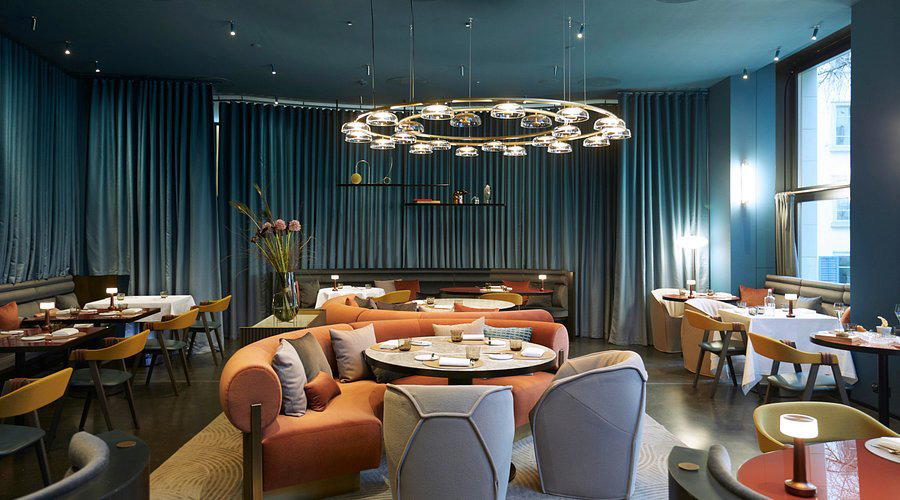
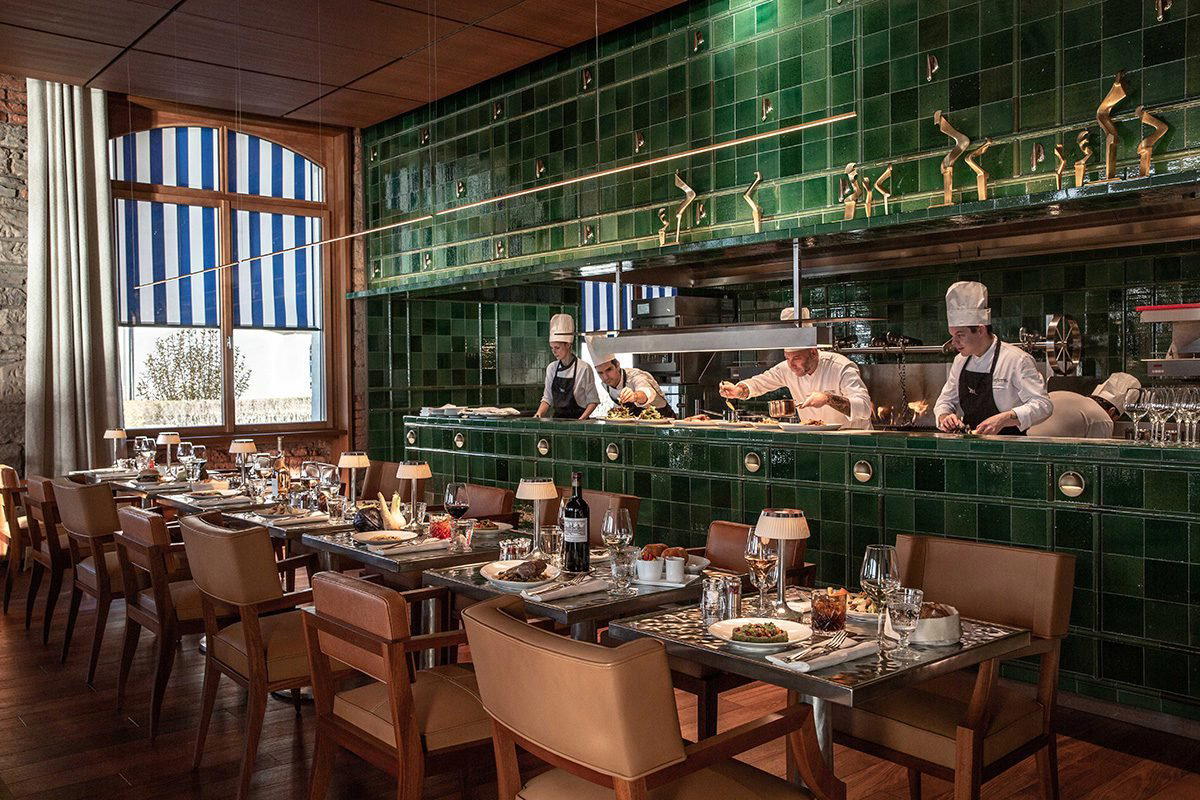
Restaurants in Zürich
Browse all →
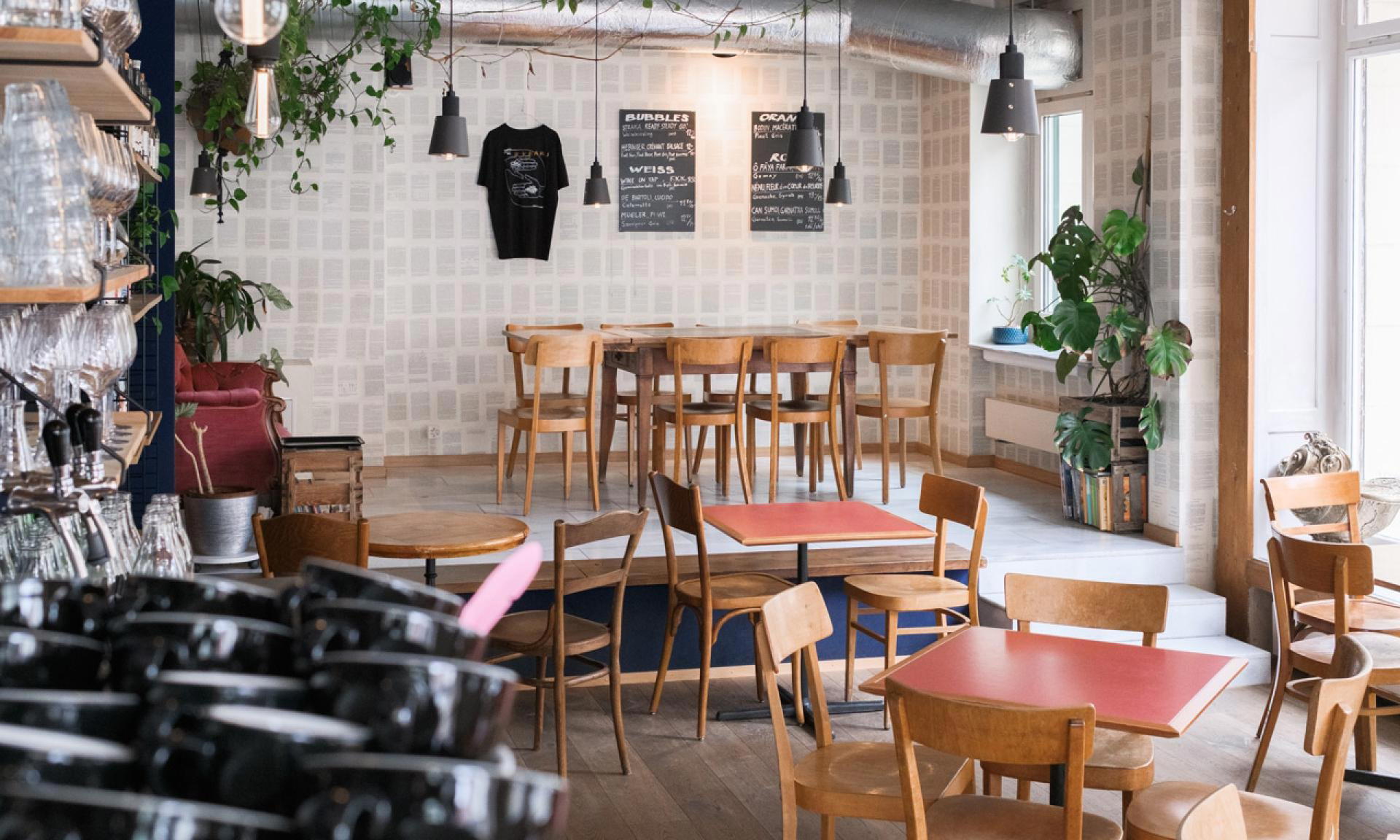
Bars in Zürich
Browse all →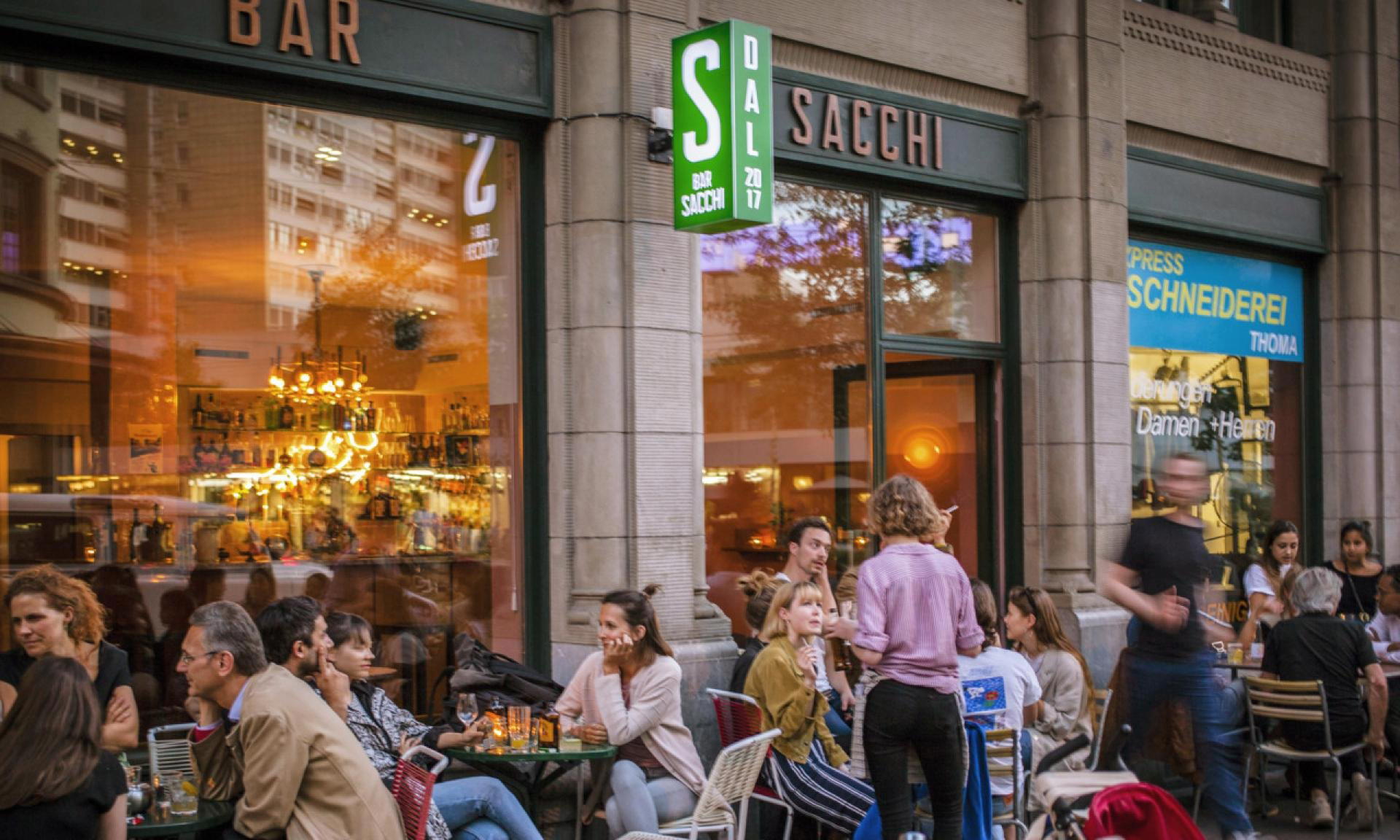

Hotels in Zürich
Browse all →

Details
- Trendy
- Lively
- Cozy
- Casual Hangout
- Group Dining
- Standalone
- A La Carte
- Small Plates
- Gluten Free Options
Current opening hours
- Monday
- 12–2:30 PM, 6–9:30 PM
- Tuesday
- 12–2:30 PM, 6–10:30 PM
- Wednesday
- 12–2:30 PM, 6–10:30 PM
- Thursday
- 12–2:30 PM, 6–10:30 PM
- Friday
- 12–2:30 PM, 6–10:30 PM
- Saturday
- 12–3 PM, 5–10:30 PM
- Sunday
- 3–9:30 PM
Hours can change for holidays and private events. Last verified .
Uncomplicated and casual atmosphere well-suited for enjoying comfort Korean dishes in a laid-back setting.