Hive
On Geroldstrasse 5 in Zurich's District 5, Hive occupies a creative pocket of the city where industrial heritage and considered hospitality converge. The address places it within one of Zurich's more architecturally interesting corridors, where former factory spaces have given way to a concentrated dining and cultural scene that rewards those willing to move beyond the Altstadt.
Pearl is the En Primeur Club membership app — saves, bookings, and concierge access live there. Same editors, same standards.
- Address
- Geroldstrasse 5, 8005 Zürich, Switzerland
- Phone
- +41442711210
- Website
- hiveclub.ch
- Directions
- Get directions
 Saves & bookings on Pearl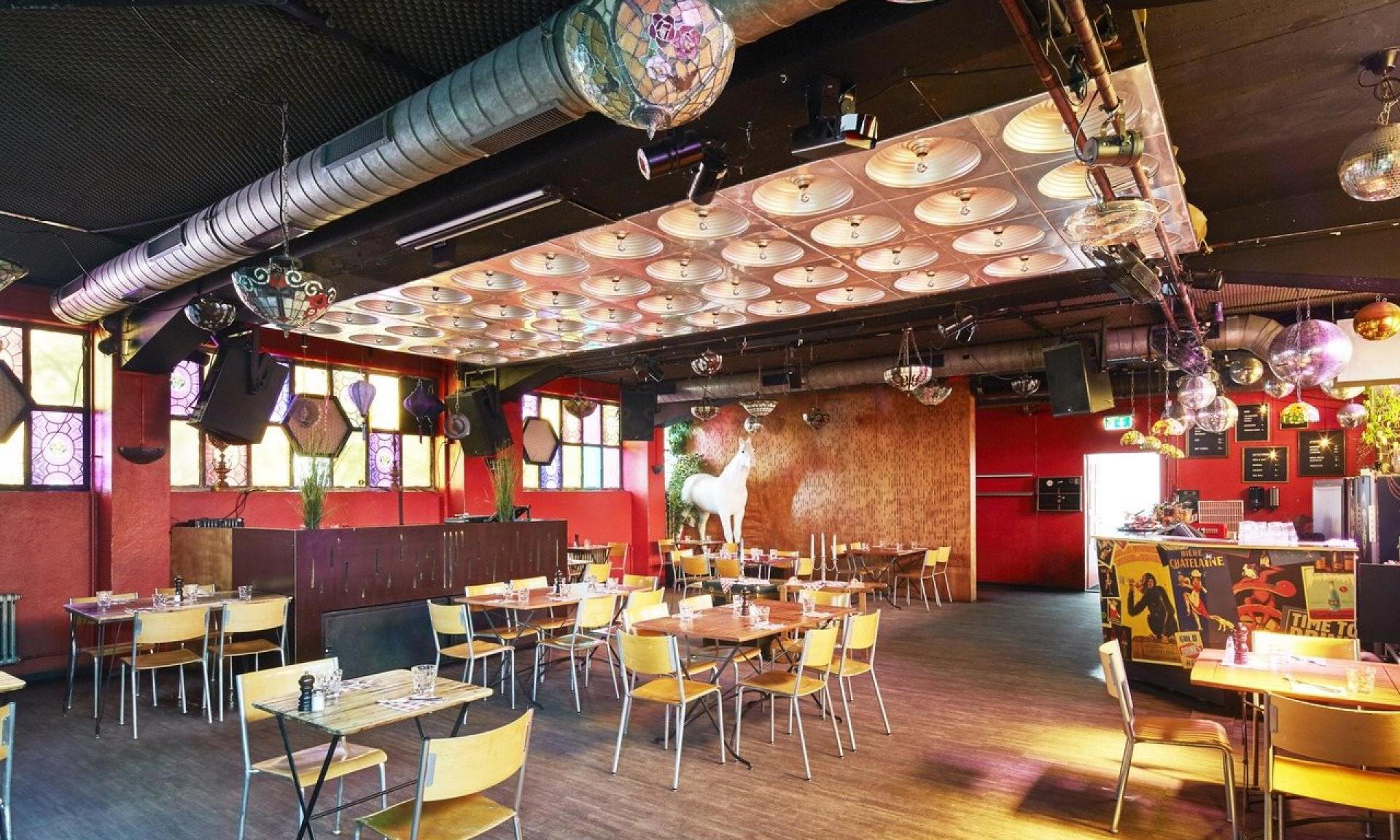
Geroldstrasse and the District 5 Shift
Zurich's fifth district has undergone a steady transformation over the past decade, from a post-industrial stretch of railway infrastructure and repurposed workshops into one of the city's more genuinely interesting places to eat and drink. Geroldstrasse sits at the centre of that shift. The street runs parallel to the Hardbrücke overpass, and the venues along it operate in converted and purpose-built spaces that carry the material character of the neighbourhood rather than erasing it. Hive is a Swiss-Italian Cafe at Geroldstrasse 5 in Zürich.
The approach matters here. Unlike the Altstadt or Seefeld, where dining rooms are designed to signal permanence and formality, Geroldstrasse tends toward spaces that feel assembled rather than installed. That quality gives the area a different energy from Zurich's more established restaurant corridors, and it shapes what visitors expect when they arrive. For the city's dining scene more broadly, this kind of neighbourhood is where format experimentation tends to cluster, offering alternatives to the tasting-menu orthodoxy that dominates Zurich's higher price tiers.
Ingredient Sourcing as the Central Argument
Across European dining, the sourcing conversation has split into two camps. One treats provenance as a marketing claim, listing farm names without meaningful integration into the cooking. The other treats it as a structural decision, where what arrives in the kitchen determines what goes on the plate, rather than the reverse. The Geroldstrasse corridor in Zurich has historically attracted venues that lean toward the latter approach, partly because the neighbourhood's character rewards venues willing to build around process rather than prestige.
Switzerland's geography makes ingredient sourcing a particularly pointed subject. Alpine dairy, lake fish, and highland producers operate within relatively short supply chains, and Swiss regulations on food standards are among the tightest in Europe. A venue working with regional Swiss sourcing in this context is not making a marketing gesture; it is engaging with a supply network that already prioritises quality control at the producer level. How a kitchen chooses to use or depart from that network says something specific about its culinary position. For context on how that conversation plays out at the highest tier of Swiss dining, Schloss Schauenstein in Fürstenau has long been the reference point for estate-led, regionally anchored cooking in Switzerland, while Hotel de Ville Crissier in Crissier represents the classically French-inflected end of Swiss fine dining.
Zurich's Mid-to-Upper Tier and Where Hive Sits
Zurich's restaurant scene is expensive by most European standards. The city's cost structure means that even mid-range venues operate at price points that would read as high-end in Berlin or Amsterdam. Within that context, the dining scene has stratified into a recognisable set of tiers: the Michelin-anchored tasting-menu rooms, the neighbourhood bistros running tight menus with Swiss-French influences, and a growing cluster of more format-fluid venues that resist easy categorisation.
Geroldstrasse 5 places Hive in proximity to that third category. Nearby on the same street, venues like The Counter have established a creative approach to Zurich dining that prioritises format flexibility alongside serious kitchen ambition. Across Zurich's broader comparable set, IGNIV Zürich by Andreas Caminada has defined the sharing-format end of the premium tier, while The Restaurant and Widder operate within more conventional fine-dining structures. Eden Kitchen and Bar anchors the Italian end of Zurich's upscale mid-tier. Understanding where Hive positions against these peers requires knowing the neighbourhood it occupies: Geroldstrasse venues tend to run at a different register than the Bahnhofstrasse or lake-facing dining rooms, even when the kitchen ambition is comparable.
For anyone building a wider picture of Swiss dining at the leading end, the country offers a geographically dispersed set of high-performing rooms. Memories in Bad Ragaz, Cheval Blanc by Peter Knogl in Basel, Einstein Gourmet in Sankt Gallen, focus ATELIER in Vitznau, Colonnade in Lucerne, 7132 Silver in Vals, and Da Vittorio in St. Moritz each represent a distinct strand of Swiss fine dining, from alpine-modern to Italian-imported formats. The full picture of what Zurich offers sits in our Zurich restaurants guide.
The Geroldstrasse Experience on the Ground
Arriving at Geroldstrasse in the evening, the street's character is immediately distinct from Zurich's more polished dining corridors. The Hardbrücke overpass creates a structural backdrop that the area's venues work with rather than against. The texture of the neighbourhood, with its mix of creative industry tenants, design studios, and food-and-drink venues, produces an atmosphere that Zurich's older dining districts don't replicate. For visitors accustomed to the lake-facing formality of Zurich's grand hotel dining rooms, Geroldstrasse reads as a deliberate counterpoint.
That counterpoint has international analogues. The pattern of creative-industry districts generating distinctive dining clusters appears across European cities: Prenzlauer Berg in Berlin, Shoreditch in London, the Marais in Paris before it became fully tourist-facing. Zurich's District 5 follows a compressed version of that logic, with Geroldstrasse functioning as one concentrated expression of it. For comparison on how this pattern plays out in terms of technical ambition at the upper tier globally, Le Bernardin in New York and Atomix in New York represent how sourcing-led kitchens can anchor neighbourhood identity even in dense urban contexts. Similarly, L'Atelier Robuchon in Geneva shows how the counter-format dining room has translated into Swiss urban dining at the upper price tier.
What It’s Closest To
Comparable venues nearby, for context on price, style, and recognition.
| Venue | Cuisine | Price | Notes |
|---|---|---|---|
| HiveThis venue — the venue you are viewing | Swiss-Italian Cafe | $$ | Not listed |
| Milchbar | European Cafe with Market-Fresh Delicacies | $$ | Enge |
| Giesserei | European Grill with Seasonal Market Cuisine | $$ | Oerlikon |
| Restaurant Beke | Contemporary Swiss | $$ | Aussersihl |
| Osso | Modern Fire-Cooked European | $$$ | Aussersihl |
| Casi Casa | Latin American | $$ | Aussersihl |
Continue exploring
More in Zürich
Restaurants in Zürich
Browse all →
Bars in Zürich
Browse all →

Hotels in Zürich
Browse all →

At a Glance
- Modern
- Lively
- Casual Hangout
- After Work
- Open Kitchen
- Craft Cocktails
- Local Sourcing
Current opening hours
- Monday
- Closed
- Tuesday
- Closed
- Wednesday
- Closed
- Thursday
- 11 PM–12 AM
- Friday
- 12–4 AM, 11 PM–12 AM
- Saturday
- 12–7 AM, 11 PM–12 AM
- Sunday
- 12–9 AM
Hours can change for holidays and private events. Last verified .
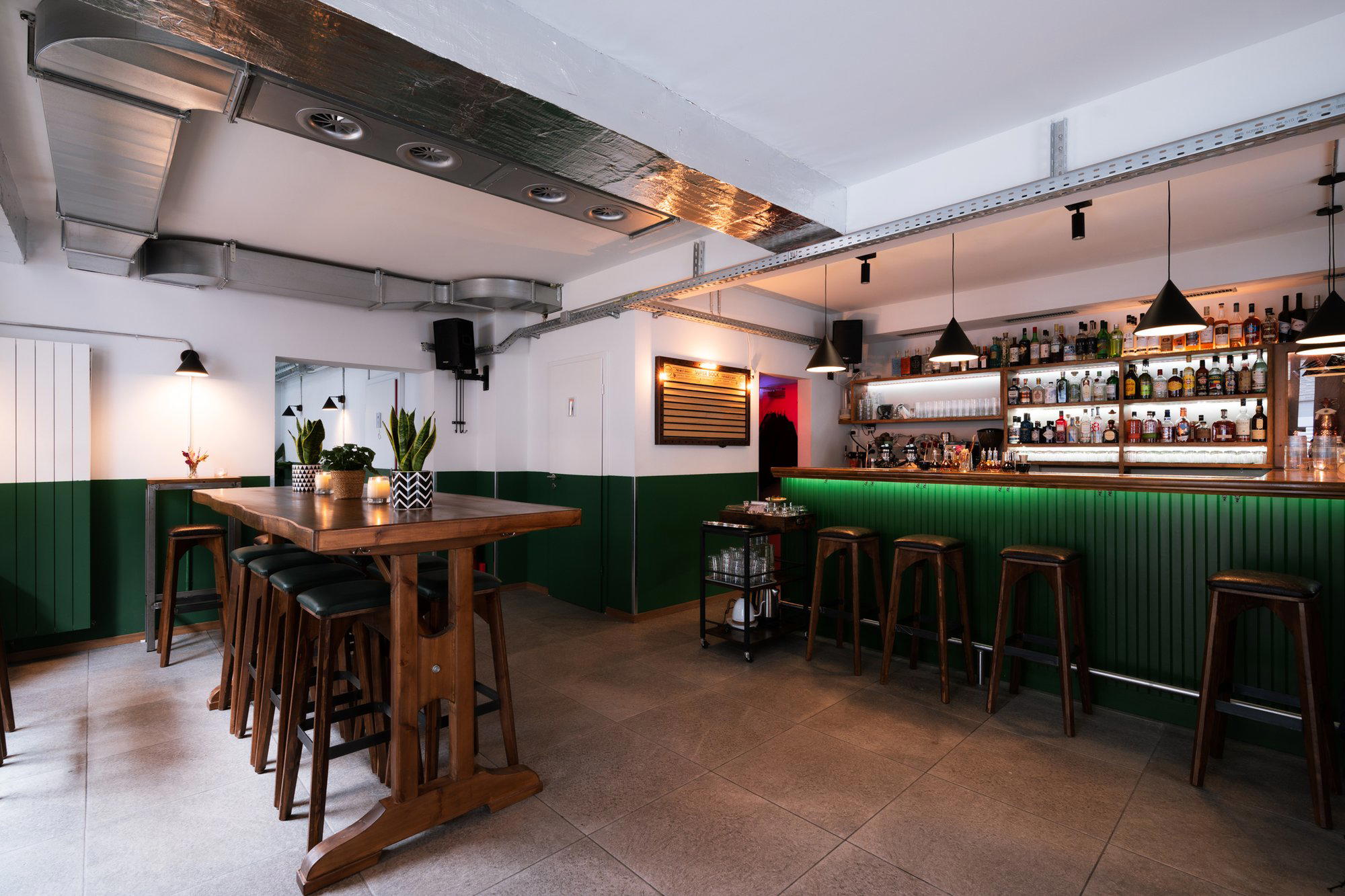
Bright lounge atmosphere with a beautiful outdoor spot, transforming into a cozy apero venue on select evenings.