Tia's Pizza sits in the Črnuče district of Ljubljana, placing it squarely in the city's neighbourhood-restaurant tier rather than the tourist-facing centre. Ljubljana's pizza scene has matured considerably alongside its broader dining identity, and spots in the outer districts often reflect a more locally anchored approach. For visitors and residents tracking the full spread of the city's casual dining options, Črnuče is worth the short detour north.
Pearl is the En Primeur Club membership app — saves, bookings, and concierge access live there. Same editors, same standards.
- Address
- C. 24. Junija 25, 1231 Ljubljana - Črnuče, Slovenia
- Phone
- +38670776601
- Website
- tiaspizza.si
- Directions
- Get directions
 Saves & bookings on Pearl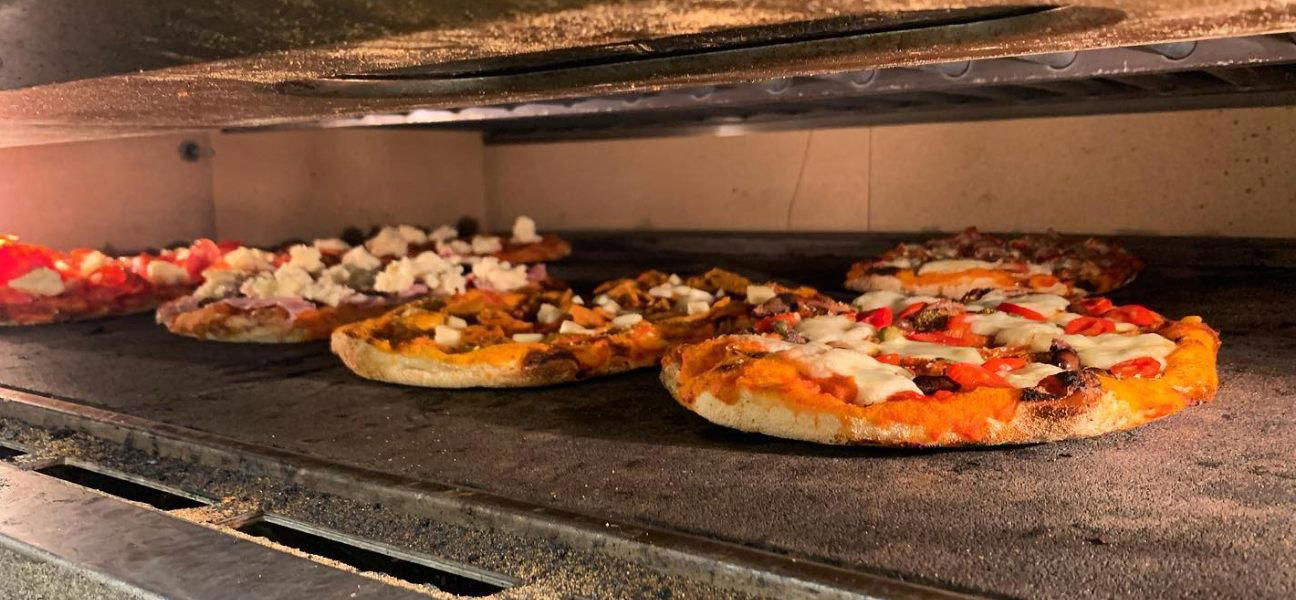
Pizza in Ljubljana's Northern Districts: Where the City Eats for Itself
The further you travel from Ljubljana's Old Town and the Ljubljanica riverfront, the more the dining scene shifts from performance to function. Črnuče, the residential district where Tia's Pizza operates on Cesta 24. Junija, sits well north of the centre, and that geography shapes everything about what a pizzeria in this location is and who it serves. That conversation tends to centre on tasting-menu operations like Restavracija Strelec in the castle district, or the ambitious mid-market modernism of AFTR. Tia's Pizza is a casual Roman Pinsa Pizza restaurant in Črnuče, Ljubljana, priced at about $12 per person and suited to walk-in dining.
That distinction matters when you consider how Ljubljana's casual dining tier has developed. The city's food culture has long balanced a Central European comfort-food inheritance with Adriatic and Mediterranean influences that arrive through Slovenia's short but consequential coastline and its proximity to Trieste and the Friulian plains. Pizza is not foreign here; it is woven into the fabric of how Slovenians eat informally, and the pizzerias that anchor residential districts tend to reflect local preference rather than imported trend cycles.
The Črnuče Context: Neighbourhood Dining North of the Centre
Ljubljana's restaurant geography divides fairly cleanly into concentric zones. The innermost ring, around Mestni trg and the Triple Bridge, concentrates heritage venues and tourist-facing menus. A second ring, covering districts like Šiška and Bežigrad, supports a more mixed population of workers, students, and long-term residents. Črnuče, further north still, sits at the edge of this second ring, bordering green and semi-rural land. Pizzerias here do not compete with the city-centre options on presentation or price signalling; they compete on familiarity, consistency, and value for a community that returns weekly rather than once per trip.
This is the tier of Ljubljana's dining culture that rarely makes the guides but often reflects the honest snapshot of how a city actually eats. For comparison, the neighbourhood dining category across Ljubljana runs from fast-casual falafel operations like Abi Falafel through to sit-down regional spots such as Altrokè, which leans into Slovenian regional cuisine at accessible price points. Tia's Pizza occupies its own lane within that spread, defined by format and location rather than cuisine complexity.
Local Ingredients, Imported Form: Pizza as a Slovenian Proposition
The editorial angle worth pressing on here is the one that defines how pizza in Slovenia differs from its Italian antecedent and from the international fast-food version that dominates urban delivery markets. Slovenia's agricultural identity, particularly in the regions surrounding Ljubljana, centres on dairy, cured meats, and produce with strong local provenance. The Karst plateau to the southwest produces the prosciutto variant known as kraški pršut; the Alpine valleys yield cheeses that bear no direct Italian equivalent; the Ljubljana basin itself supports market-garden agriculture that keeps seasonal vegetables in consistent local supply.
When those ingredients move into a pizza format, something specific happens. The dish remains structurally Italian, a dough base with toppings and heat, but the ingredient vocabulary shifts toward what Slovenia produces rather than what a strict Neapolitan tradition would specify. This is the same logic that operates at a much higher price point and with far greater critical attention in venues like Hiša Franko in Kobarid, where globally recognised technique meets the Soča Valley's specific larder. At a neighbourhood pizzeria, the mechanism is less formal but the underlying dynamic, local product expressed through an imported culinary form, is recognisably similar.
Slovenia's fine-dining tier has received sustained international coverage in recent years, with Michelin recognition extending to properties like Gostilna Pri Lojzetu in Vipava and Hiša Denk in Zgornja Kungota, alongside newer entrants such as Grič in Šentjošt nad Horjulom and Hiša Linhart in Radovljica. That recognition has helped raise the profile of Slovenian ingredients across the country's dining tier as a whole. Whether that trickles into the sourcing decisions of neighbourhood pizzerias is difficult to assess without verified menu data, but the structural conditions, good local produce at accessible prices, are present.
Positioning Within Ljubljana's Pizza and Casual Dining Tier
Ljubljana's casual dining scene has broadened significantly over the past decade, moving from a fairly narrow set of traditional gostilna formats toward a more varied mid-market built around international cuisines adapted for local palates. Italian-inflected food, pasta and pizza in particular, has held consistent popularity throughout that shift. The city now supports a range of pizzeria formats: delivery-first operations, sit-down neighbourhood restaurants, and a small number of wood-fired artisan producers who position against the city's more ambitious casual venues.
Within that tier, the outer-district pizzeria model that Tia's Pizza represents serves a function that city-centre venues cannot: walkable, repeat-visit, community-anchored. This is a different competitive set from Allegria or the established mid-market options closer to the centre. The relevant comparison is not price-per-cover against white-tablecloth venues but consistency and local loyalty within a residential catchment. Slovenia's broader food scene, traceable through venues like Milka in Kranjska Gora, Dam in Nova Gorica, Pavus in Lasko, and Gostilna Mlinar in Idrija, shows a country that takes its food seriously across price tiers, not only at the fine-dining end. A neighbourhood pizzeria in Črnuče sits within that broader commitment even when it operates at one casual end of the spectrum.
For travellers tracking a wider picture of how Slovenian communities eat, the outer-district restaurant model repays attention. The full Ljubljana restaurants guide maps the city's dining options across neighbourhoods and price tiers, providing the context to calibrate any individual venue against its actual comparable set. Ljubljana rewards this kind of structured approach: the city's dining culture is rich enough that casual and neighbourhood-tier options carry as much local character as the Michelin-watched headlines. Visitors who restrict themselves to the riverfront miss a more textured read of how the city eats.
Planning a Visit
The restaurant is located at Cesta 24. Junija 25 in Črnuče, Ljubljana's northern residential district. The address places it outside the standard tourist circuit, reachable by bus from the city centre in under twenty minutes. The restaurant is walk-in friendly. Visitors coming specifically from the centre should factor in travel time and Current hours are Mon to Thu 11 AM to 9 PM, Fri 11 AM to 9:30 PM, Sat 1 PM to 9:30 PM, and Sun closed. Those specifically interested in how casual formats compare against New York's own neighbourhood restaurant benchmarks can reference Le Bernardin and Atomix for context on how different cities anchor their dining tiers. Similarly, the broader Slovenian dining scene, tracked through properties like Gostišče Karavla 297 in Trzic, illustrates how far the country's food culture extends beyond Ljubljana itself.
Compact Comparison
Comparable venues nearby, for context on price, style, and recognition.
| Venue | Cuisine | Price | Notes |
|---|---|---|---|
| Tia's PizzaThis venue — the venue you are viewing | Črnuče, Roman Pinsa Pizza | $$ | Not listed |
| Italian restaurant Mirje | Mirje, Authentic Italian Pizza and Pasta | $$ | Not listed |
| Kaval Restaurant | Tacen, Italian Pizza and Tuscan | $$ | Not listed |
| Piazza | Not listed | $$ | Central Ljubljana, Classic Italian Pizzeria |
| Verace | Center, Authentic Neapolitan Pizza | $$ | Not listed |
| Ljubljanski dvor | Center, Wood-Fired Italian Pizzeria | $ | Not listed |
Continue exploring
More in Ljubljana
Restaurants in Ljubljana
Browse all →
Bars in Ljubljana
Browse all →
Hotels in Ljubljana
Browse all →

Wineries in Ljubljana
Browse all →
At a Glance
- Casual
- Cozy
- Casual Hangout
- Family
- Open Kitchen
- Beer Program
Current opening hours
- Monday
- 11 AM–9 PM
- Tuesday
- 11 AM–9 PM
- Wednesday
- 11 AM–9 PM
- Thursday
- 11 AM–9 PM
- Friday
- 11 AM–9:30 PM
- Saturday
- 1–9:30 PM
- Sunday
- Closed
Hours can change for holidays and private events. Last verified .
Casual pizzeria atmosphere with focus on authentic Italian pizza experience and craft beers.