Our verdict
Stew Cook at 48 Rue Charles III sits within Nancy's mid-range dining circuit, where Lorraine's tradition of slow-cooked, hearty preparations meets a city increasingly drawn to modern French technique. The address places it close to the historic centre, making it a practical choice whether you're moving between the Place Stanislas quarter and the newer dining strips to its east. Nancy's restaurant scene rewards those who look beyond the grand squares.

Pearl is the En Primeur Club membership app, where members save venues, book tables and use the concierge.
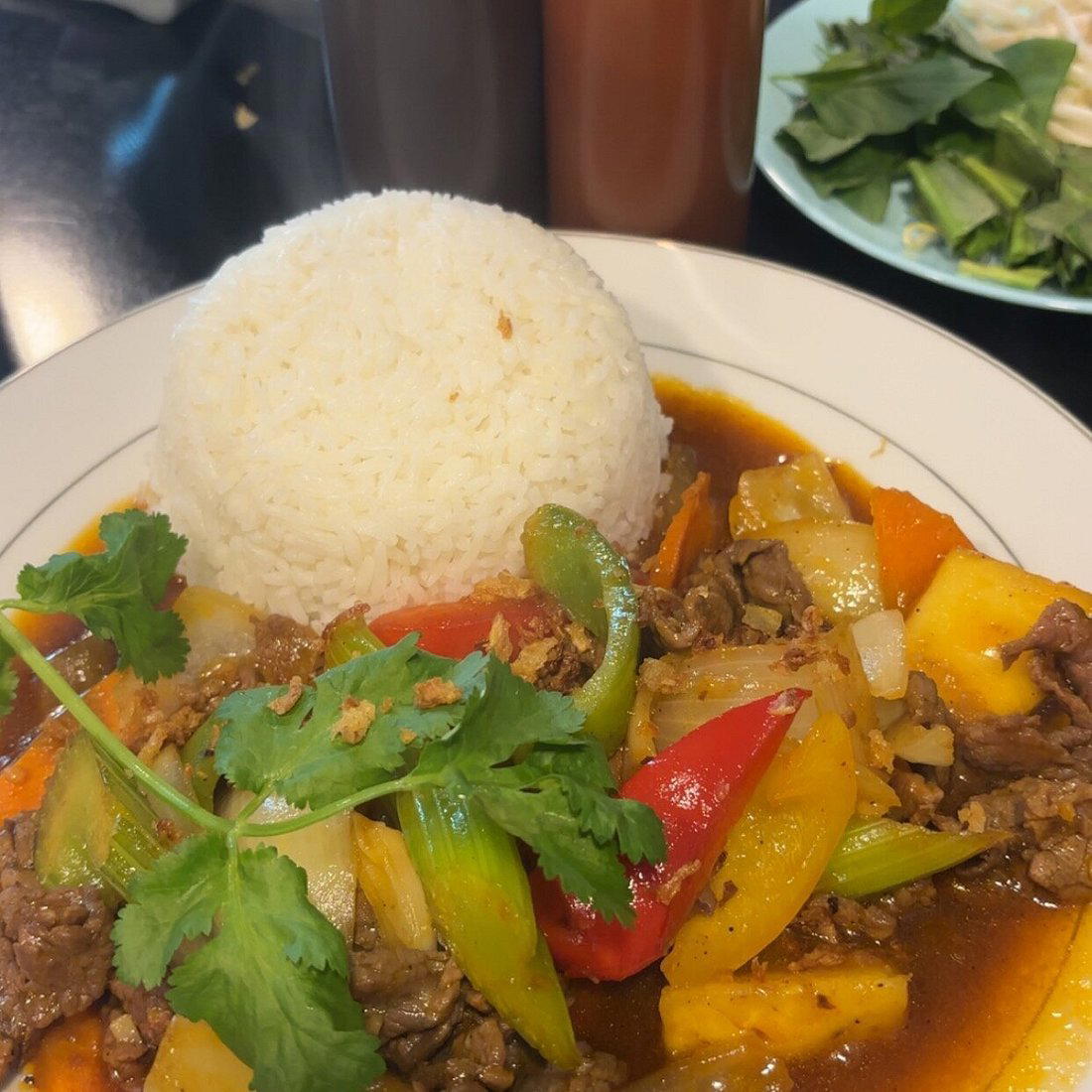
The menu
What to order
- Pho Bo
- Bo Bun
- Nems
- Rouleaux de printemps
Where Nancy's Slow-Cooking Tradition Meets the Lunch Counter
Nancy occupies a particular position in the French dining conversation. The city sits at the intersection of Lorraine's agricultural identity and a regional culinary tradition built on long cooking times, preserved meats, and the kind of warming preparations that weather like this, wet, cold winters, unpredictable springs, demands. The slow-cooked stew format, in various guises, has anchored Lorraine kitchens for centuries, and the city's leading neighbourhood addresses continue to treat it as a serious form rather than a concession to comfort. Stew Cook, at 48 Rue Charles III, positions itself within that tradition rather than against it.
The street itself runs south from the city's administrative core toward quieter residential blocks, placing the address at a useful midpoint, accessible from the Place Stanislas area without sitting in the tourist-facing strip that runs directly around the square. That positioning matters in a city where the dining crowd splits fairly clearly between visitors chasing the grand architecture and locals who eat closer to home. A restaurant on Rue Charles III draws from both groups without depending on either.
The Lunch-Dinner Divide in Nancy's Mid-Range Circuit
In Nancy, as in most French provincial cities of similar size, the lunch and dinner services at a neighbourhood restaurant operate as functionally different experiences. Lunch in this tier of the market tends to compress format and sharpen value: a two- or three-course formule, faster pacing, a room that fills with office workers and local professionals rather than visitors with an evening to spend. The stew format serves lunch especially well. A slow-cooked preparation that has been on the heat since morning arrives at midday at its most coherent, collagen-rich, deeply seasoned, requiring no last-minute technique. This is the structural logic behind why Lorraine's braising and cassoulet-adjacent traditions remain lunchtime staples across the region's neighbourhood restaurants.
Evening service shifts the register. Tables turn more slowly, the wine selection gets more attention, and the preparation that was a workmanlike formule at noon becomes something more considered by candlelight. For visitors working through Nancy's dining options, the strategic move is often lunch at a neighbourhood address like this one and dinner at one of the city's more ambitious modern kitchens. La Maison dans le Parc operates at the top of the local modern-cuisine tier, while Au Grand Sérieux and Cadet represent the more casual modern end of the spectrum. The mid-range comfort address fills a different slot in that itinerary.
Lorraine's Braising Heritage in Context
The stew as a culinary form carries more structural complexity than its domestic familiarity suggests. In the French northeast, the tradition draws on several overlapping influences: Germanic patience with long cooking and preserved meats, the agricultural character of the Moselle and Meuse valleys, and the practical economics of a region whose cuisine developed around working rather than aristocratic households. Lorraine's potée, a slow-cooked pot of pork, cabbage, and root vegetables, and its various offshoots represent a distinct culinary register from the butter-and-cream Burgundian tradition to the south, even when both involve extended braising. A restaurant that grounds itself in this format is making a specific regional argument, not simply offering generic French comfort food.
That argument has more weight in Nancy than it might elsewhere. The city's food culture has historically been shaped by its position as a regional capital, formal enough to support classical technique, grounded enough to keep the Lorraine larder central. Newer addresses like Bastion and Bistrot Gros are working that same regional identity through a modern lens. The neighbourhood comfort address works the other end of that spectrum, staying closer to the source material.
Nancy Inside the Broader French Restaurant Conversation
France's regional dining scene has never been more internally varied. At the benchmark end, addresses like Mirazur in Menton, Troisgros in Ouches, and Bras in Laguiole define what high-commitment regional cooking looks like when it reaches international recognition. Closer to Nancy's geographic and cultural orbit, Auberge de l'Ill in Illhaeusern and Au Crocodile in Strasbourg represent the Alsace-Lorraine corridor's formal dining tradition at its most established. Assiette Champenoise in Reims anchors the Champagne end of the northeast French dining arc.
Nancy sits within this corridor but has developed a restaurant identity that is quieter and less internationally profiled than Strasbourg or Reims. That relative quietness works in its favour for a particular kind of visitor: one who wants serious French provincial cooking without the added friction of destination-restaurant booking windows. The neighbourhood mid-range addresses here, of which a comfort-cooking focused room on Rue Charles III is a representative example, operate on a more accessible timeline than the formal flagships. See our full Nancy restaurants guide for the complete picture across price tiers and styles.
For reference on how ambitious French cooking operates at the highest level outside the region, Alléno Paris au Pavillon Ledoyen, Paul Bocuse in Collonges-au-Mont-d'Or, and AM par Alexandre Mazzia in Marseille set the poles of the conversation. Internationally, addresses like Le Bernardin in New York and Atomix in New York show how French-influenced technique travels. Flocons de Sel in Megève offers a useful mountain-region counterpoint to Lorraine's lowland cold-weather cooking tradition.
Planning Your Visit
Frequently asked questions
How do I find Stew Cook?
Stew Cook is located at 48 Rue Charles III, 54000 Nancy, France, Nancy.
Is Stew Cook a good option for visitors exploring Nancy's Place Stanislas area?
The 48 Rue Charles III address sits within walking distance of Place Stanislas, Nancy's UNESCO-listed central square, making Stew Cook a practical meal stop during a day spent in that part of the city. The kitchen's grounding in Lorraine's braising tradition also makes it a more locally rooted alternative to the tourist-adjacent options clustered directly around the square. For visitors wanting to understand Nancy's culinary identity beyond Lorraine quiche, this neighbourhood tier is where that conversation starts.
What's the must-try dish at Stew Cook?
The kitchen's focus aligns with Lorraine's deepest culinary tradition: slow-cooked, braised preparations built on long cooking times and regional produce. A slow-cooked stew or pot-prepared dish is the logical order at a restaurant whose name and positioning both point in that direction. The address at 48 Rue Charles III places it squarely in Nancy's mid-range neighbourhood circuit, where kitchens at this tier tend to anchor their menus around one or two technically demanding preparations done consistently.
What has Stew Cook built its reputation on?
Stew Cook's positioning within Nancy's dining circuit reflects the city's connection to Lorraine's slow-cooking and braising tradition, a culinary form that draws on centuries of agricultural practice in the French northeast. The 48 Rue Charles III address places it in a part of Nancy where neighbourhood restaurants serve a local lunch clientele rather than a tourist-facing crowd, which tends to sharpen a kitchen's focus on repeatable, technique-dependent dishes. That combination, regional culinary identity and a functionally local audience, is typically where this kind of reputation is built.
Category Peers
Comparable venues nearby, for context on price, style, and recognition.
| Venue | Cuisine | Price | Notes |
|---|---|---|---|
| Stew CookThis venue (the venue you are viewing) | Traditional Vietnamese Street Food | $10–20 | Not listed |
| La Petite Cuillère | French Bistro with Seasonal Fusion | $30–50 | Vieille Ville |
| TT Histoire | Modern French-Armenian Fusion Bistronomie | $30–50 | Place Stanislas |
| POTCHA STREET | Korean Street Food | $10–20 | Marché Central |
| Vins et Tartines | French Tartine Bistro & Wine Cave | $20–30 | centre-ville |
| Retrogusto | Authentic Italian | $20–30 | Place Stanislas |
Continue exploring
More in Nancy
Restaurants in Nancy
All restaurants in Nancy →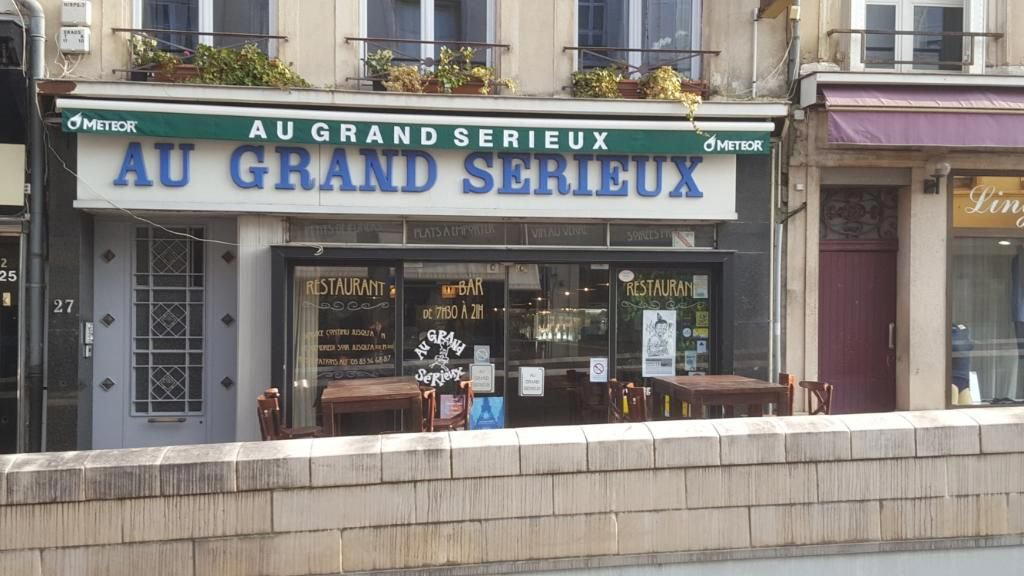
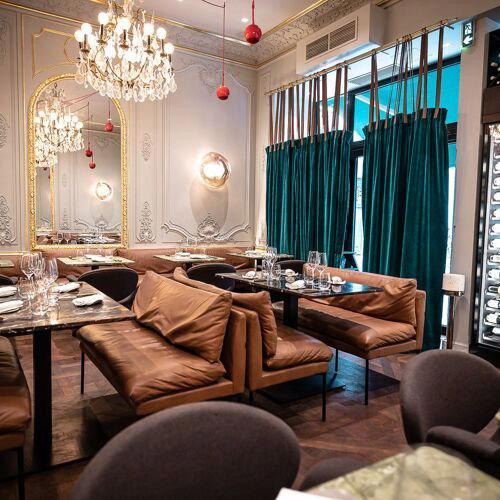
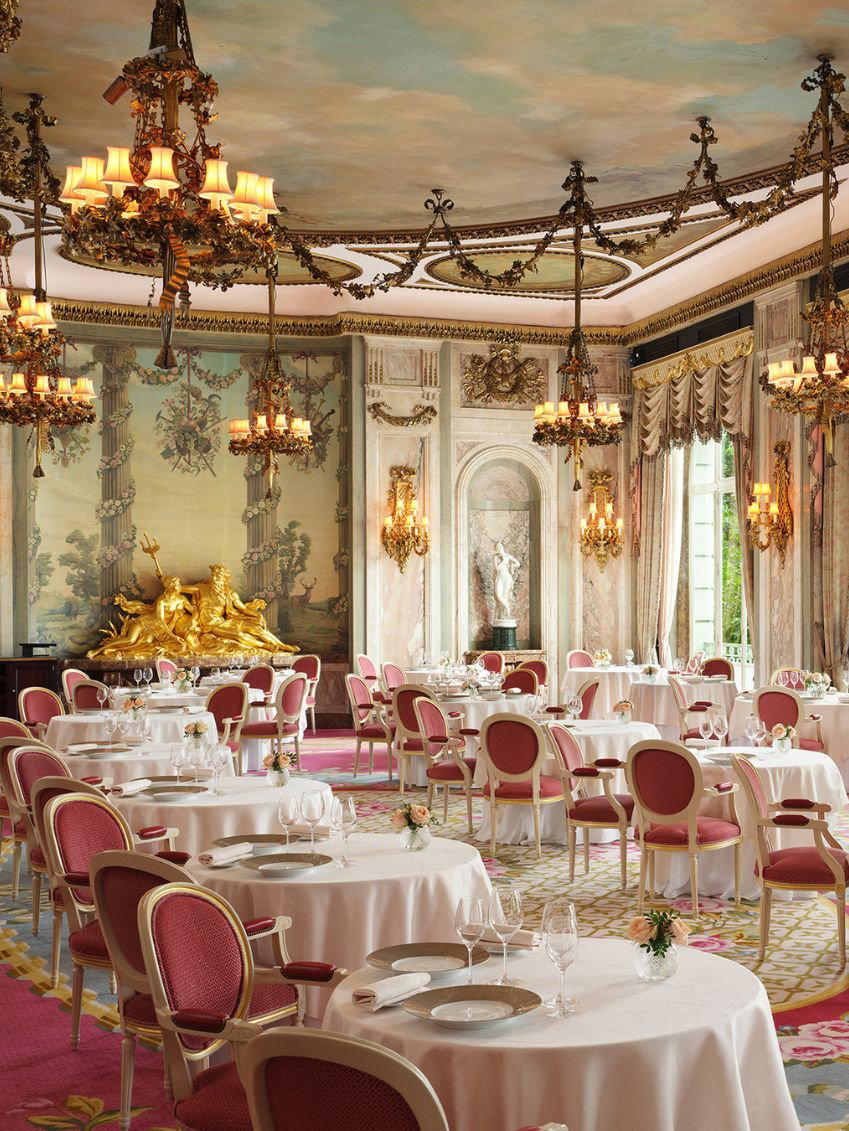
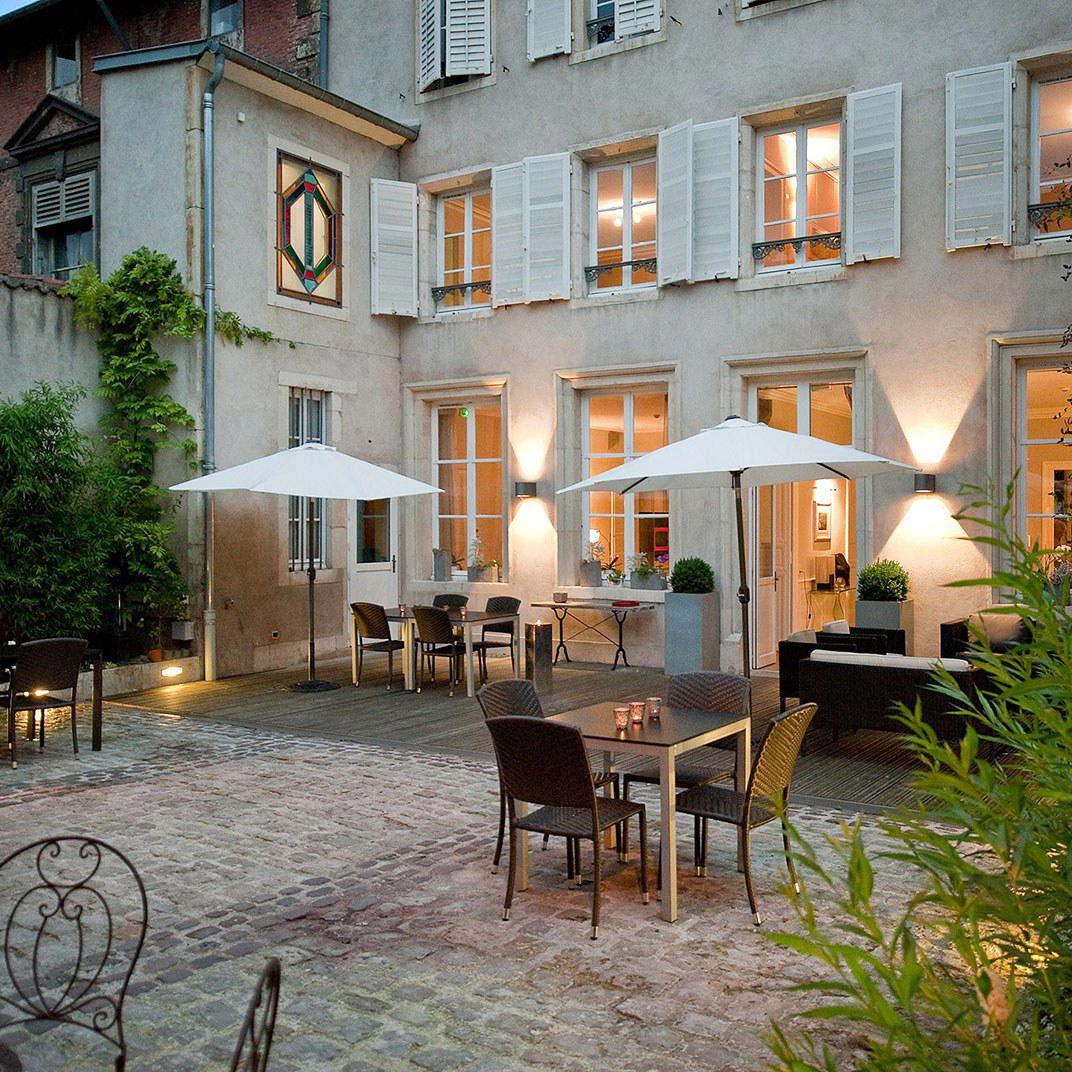
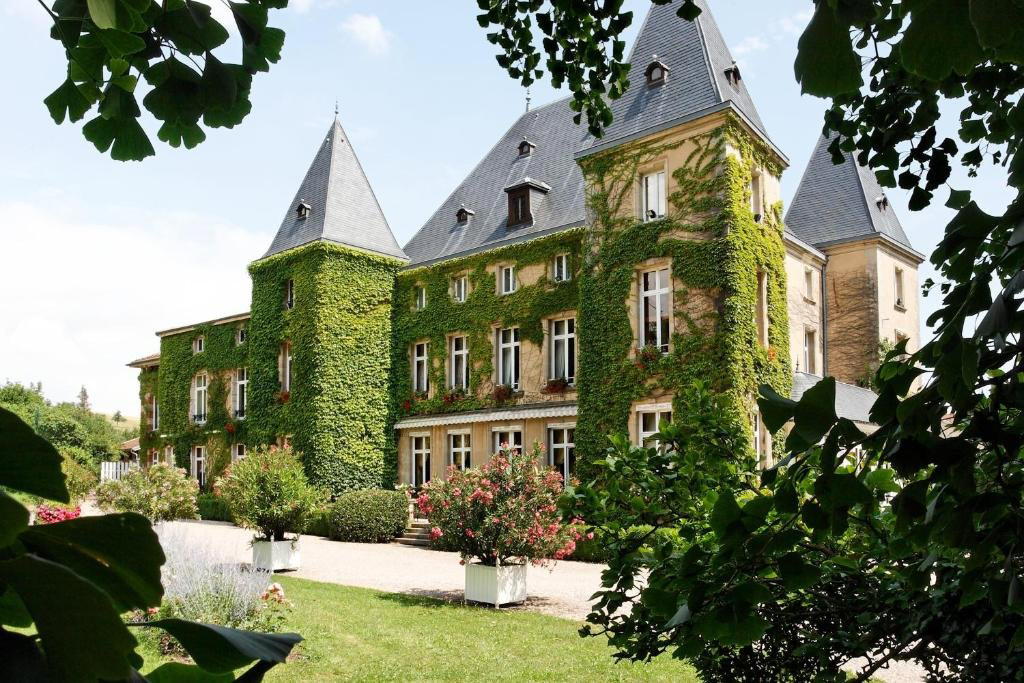
Details
- Cozy
- Casual Hangout
- Standalone
- A La Carte
- Vegetarian Friendly
Current opening hours
- Monday
- 6:30–9:30 PM
- Tuesday
- 6:30–9:30 PM
- Wednesday
- 6:30–9:30 PM
- Thursday
- 6:30–9:30 PM
- Friday
- 6:30–9:30 PM
- Saturday
- Closed
- Sunday
- 6:30–9:30 PM
Hours can change for holidays and private events. Hours as of .
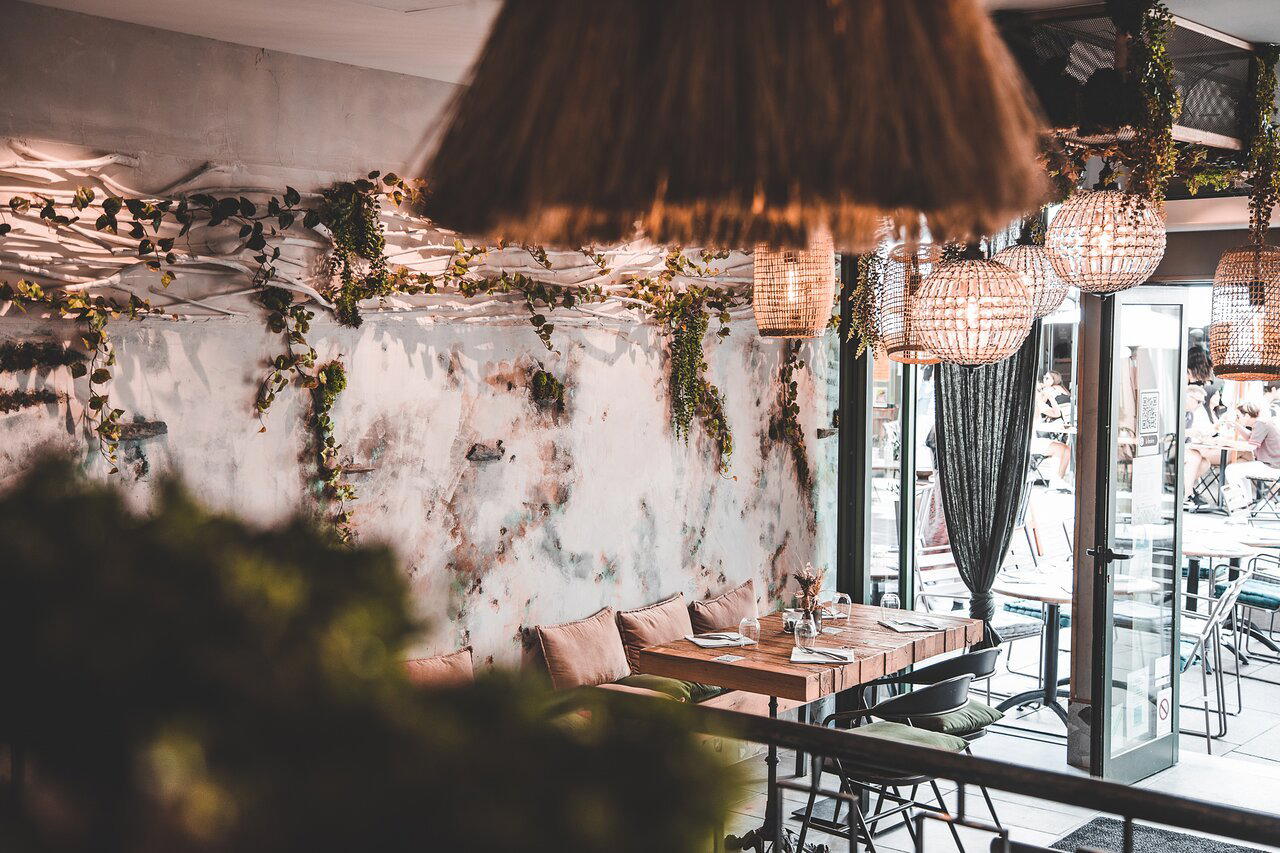
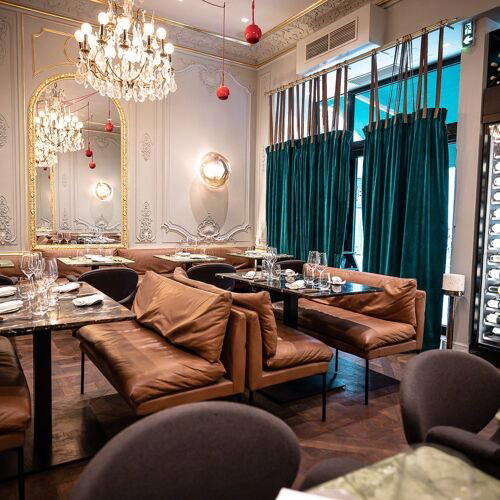
Conviviale et authentique ambiance.