Thornbury Castle

AA Rosettes 3 Rosettes · Relais Chateaux Award
Our verdict
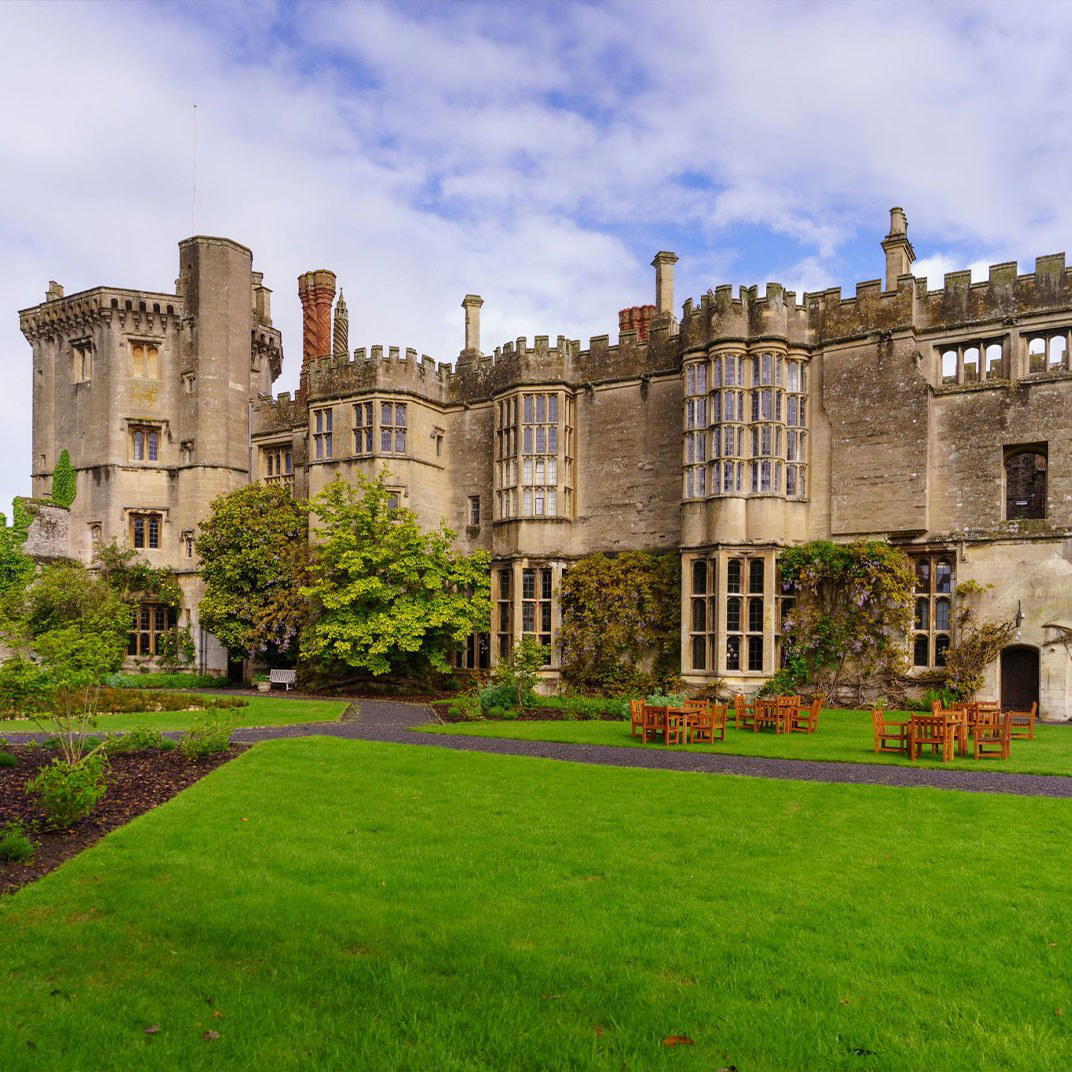
England's only Tudor castle hotel still open to guests, Thornbury Castle sits fourteen miles north of Bristol and carries a dining room that matches its walls: serious garden-to-table British cooking under chef David Campbell within a Relais and Châteaux property that held Henry VIII himself.

Pearl is the En Primeur Club membership app, where members save venues, book tables and use the concierge.
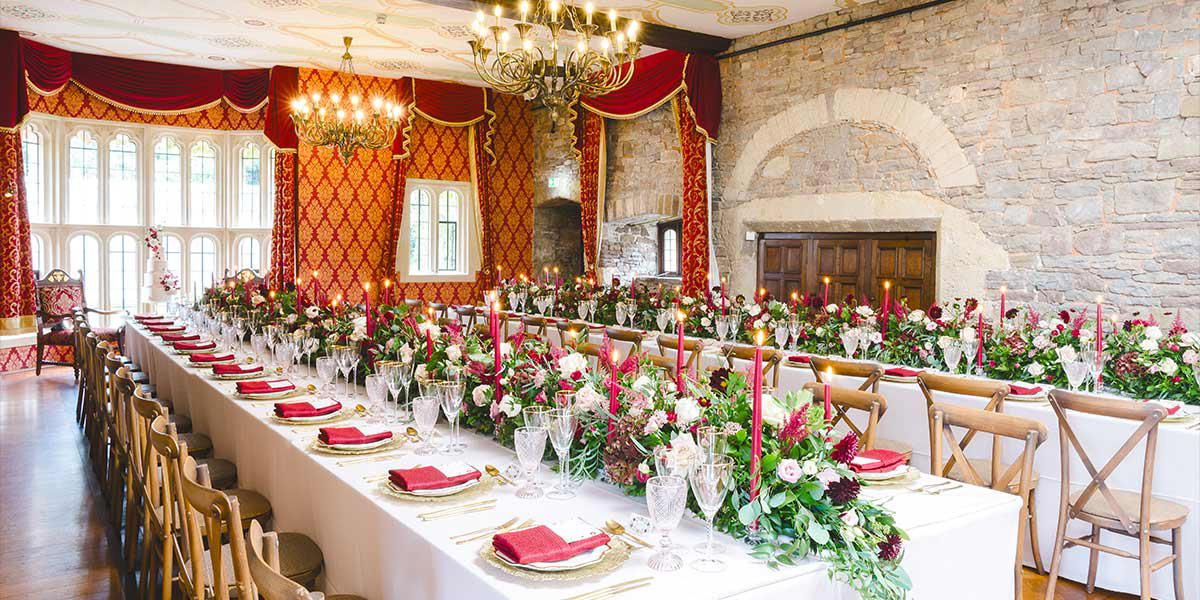
Stone Walls, Living Gardens: The Case for Thornbury Castle
Arriving at Thornbury Castle involves a particular recalibration. The approach along Castle Street in Thornbury, a market town roughly fourteen miles north of Bristol, deposits you in front of battlements and mullioned windows that predate the reign of Henry VIII by the time he made the building his own in the sixteenth century. The physical weight of the place is not decorative. This is England's only Tudor castle to have operated continuously as a hotel, and the dining room sits within that history rather than performing it. That distinction matters for anyone making the journey out from Bristol or arriving from the M4 corridor: the setting is load-bearing, not stage-dressing.
Within the broader conversation about how British country-house restaurants position themselves, Thornbury occupies an instructive tier. The gastropub revolution of the late 1990s and 2000s taught British chefs that provenance and technique could coexist with relaxed, accessible formats, a lesson absorbed even at the formal end of the market. Properties like Thornbury, aligned with Relais and Châteaux's exacting membership criteria, now operate in a different register to the early country-house dining model, where the room often carried more weight than the plate. Garden-to-table sourcing, the kind that grounds Thornbury's kitchen in its own walled garden, has become the credible shorthand for that shift: local, seasonal, and traceable in a way that Michelin-era Britain once reserved for a handful of addresses. For context on how that philosophy scales to a two-star setting, L'Enclume in Cartmel and Moor Hall in Aughton represent what garden-driven British cooking looks like at its most technically demanding end.
The Kitchen and What It Signals
Chef David Campbell leads a kitchen working with garden produce grown on the castle grounds, a structural advantage that few British restaurant operations can replicate without significant investment. Walled kitchen gardens of this scale and age produce variety and volume that purchasing from even well-regarded suppliers cannot match for freshness or traceability. The menu framework is British, drawing on the tradition that connects country-house cooking to its landscape rather than to continental fine-dining templates. That approach places Thornbury in a recognisable peer group: Gidleigh Park in Chagford, Le Manoir aux Quat' Saisons in Great Milton, and Buckland Manor in Buckland all operate at the intersection of historic property and serious British cookery, each using their grounds or regional position as a defining asset.
At that volume, a rating in this range reflects distribution: a consistent majority of guests scoring high, not a handful of enthusiastic outliers. For a hotel restaurant, a format that attracts a more varied guest profile than a destination-only dining room, sustaining that average is genuinely informative about delivery quality across service styles and occasions.
Where Thornbury Sits in the British Country-House Canon
The gastropub revolution mattered not because pubs started serving better chips but because it repositioned British culinary ambition: serious cooking no longer required formal staging to be legitimate. That logic eventually permeated the country-house tier, where the pressure on rooms and grounds to carry the experience began to shift toward the plate. Thornbury's Relais and Châteaux membership places it within an international framework that demands quality across accommodation, service, and food in equal measure, a harder brief than operating a standalone restaurant, and one that explains why the castle's dining programme reads as genuinely integrated rather than ancillary.
For comparison, The Hand and Flowers in Marlow represents the pub end of that spectrum: two Michelin stars earned in a genuinely pubby setting, where the format's informality became part of the proposition. Thornbury takes the opposite structural position, formal setting, historic fabric, but the underlying commitment to British produce and technique sits in the same conversation. Both premises argue, in different registers, that the quality of the cooking matters more than the category of the building.
Further afield in the British fine-dining map, Midsummer House in Cambridge and hide and fox in Saltwood offer regional anchor points for understanding how British dining outside London now operates: local identity strong, London less dominant as a reference point than it was a decade ago. Opheem in Birmingham and The Merchant House in London extend that picture into different idioms, while Restaurant Andrew Fairlie in Auchterarder demonstrates what a hotel restaurant embedded in a resort property can achieve at the summit of the Scottish fine-dining tier. Thornbury occupies a distinct position in this geography: not a destination restaurant that happens to have rooms, but a castle hotel where the dining room's ambitions are calibrated to the building's weight.
Planning a Visit
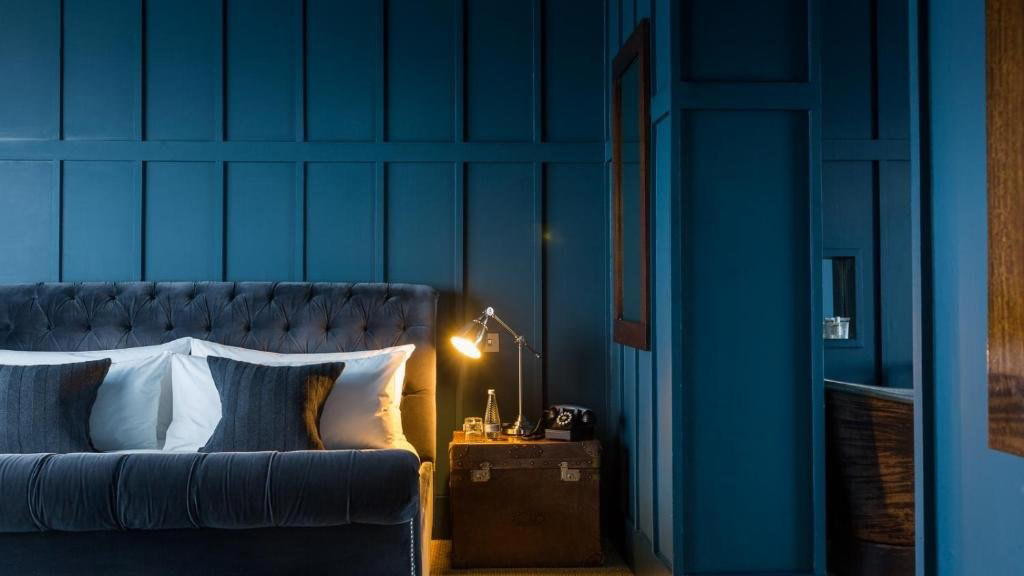
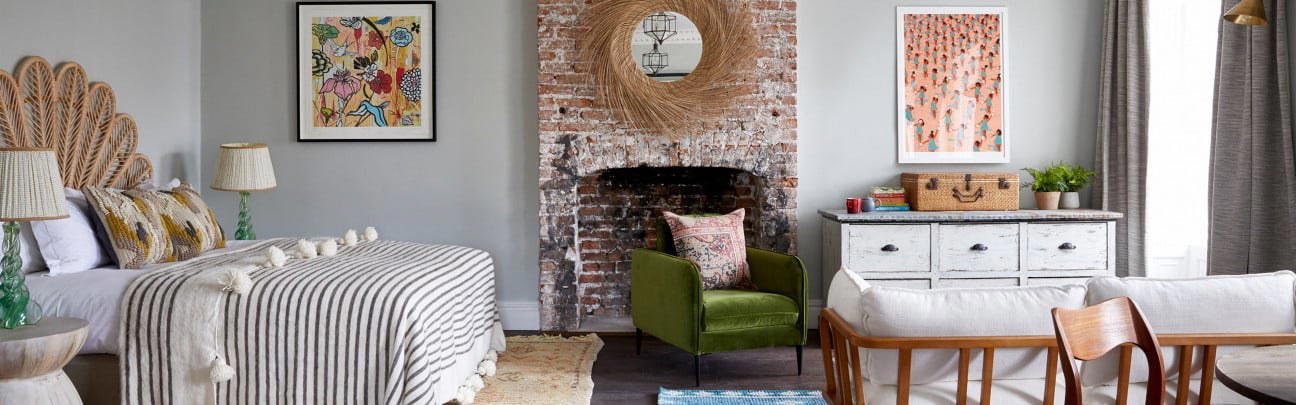
Thornbury Castle is operated as a Relais and Châteaux hotel and restaurant, contactable via thornbury@relaischateaux.com or by telephone on +44 (0)1454 506 181, with full details at thornburycastle.co.uk. The property sits in Thornbury, South Gloucestershire, BS35 1HH, approximately fourteen miles north of Bristol city centre and accessible from Junction 14 of the M5, a practical staging point for guests travelling from London via the M4 or from the West Midlands. Staying overnight makes direct sense: the castle's bedrooms include the Henry VIII chamber, and arriving as a resident rather than a day visitor changes the tempo entirely. Dinner reservations for non-residents should be secured well in advance, particularly for weekend evenings when the dining room is likely to be operating close to capacity.
For broader context on where to eat, drink, and stay in the area, our full Castle Street restaurants guide, Castle Street hotels guide, bars guide, wineries guide, and experiences guide cover the surrounding area in detail. For those building a longer British fine-dining itinerary, The Fat Duck in Bray and The Ledbury in London sit within reasonable reach for multi-day trips.
Frequently asked questions
Does Thornbury Castle work for a family meal?
Thornbury Castle operates as a Relais & Châteaux property, which sets a formal tone in both service and setting. The Tudor architecture and heritage rooms create a memorable occasion for older children and teenagers, but the atmosphere is better suited to celebratory family gatherings than casual family dining. Contact the team directly at thornbury@relaischateaux.com or +44 (0)1454 506 181 to discuss suitability for your group.
Is Thornbury Castle better for a quiet night or a lively one?
Quiet, without question. Stone walls built in the early sixteenth century, a Relais & Châteaux designation, and a kitchen drawing produce from the castle's own grounds all point in the same direction: this is a property for unhurried evenings, not high-energy nights out. Guests seeking something loud or late will find Bristol's city centre a more practical choice.
What distinctions does Thornbury Castle have?
Thornbury Castle has received recognition including: rnbury@relaischateaux.com.
What's the signature dish at Thornbury Castle?
The kitchen's defining characteristic is structural rather than tied to a single plate: Chef David Campbell works with produce grown in the castle's own gardens, which shapes the British menu seasonally from the ground up. Specific dish details are best confirmed directly with the restaurant at thornbury@relaischateaux.com, where the current menu can be discussed ahead of a visit.
Comparable Spots, Quickly
| Venue | Cuisine | Price | Awards | Notes |
|---|---|---|---|---|
| Thornbury CastleThis venue (the venue you are viewing) | Modern British Fine Dining | $100–150 | AA Rosettes 3 Rosettes · Relais Chateaux Award | Not listed |
| The Ledbury | Modern British Fine Dining | $300–500 | 3 Michelin Stars · World's 50 Best #42 | Modern European, Modern Cuisine |
| Sketch, The Lecture Room and Library | Modern French Fine Dining | $200–300 | 3 Michelin Stars · World's 50 Best #18 | Modern French |
| CORE by Clare Smyth | Modern British Fine Dining | $150–200 | 3 Michelin Stars · World's 50 Best #97 | Modern British |
| Restaurant Gordon Ramsay | French Fine Dining | $200–300 | 3 Michelin Stars · World's 50 Best #13 | Contemporary European, French |
| Dinner by Heston Blumenthal | Modern British, Traditional British | Not listed | Michelin 2 Star | Not listed |
Recognition history
Dated appearances from independent guides and award organizations, with the underlying list record or original source where available.
AA Rosettes 3 Rosettes
AA Rosettes
Relais Chateaux Award
Relais Chateaux
Continue exploring
More in Thornbury
Restaurants in Thornbury
All restaurants in Thornbury →
Bars in Thornbury
Browse all →
Details
- Romantic
- Elegant
- Historic
- Intimate
- Sophisticated
- Date Night
- Special Occasion
- Celebration
- Historic Building
- Hotel Restaurant
- Extensive Wine List
- Local Sourcing
- Garden
- Tasting Menu
- A La Carte
- Set Menu
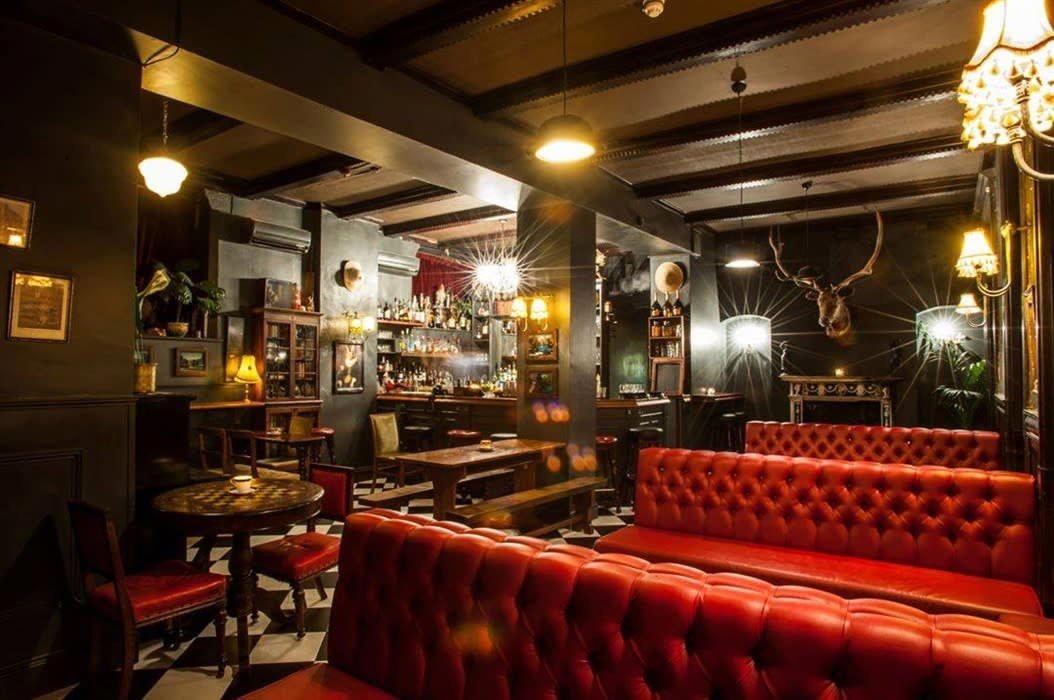
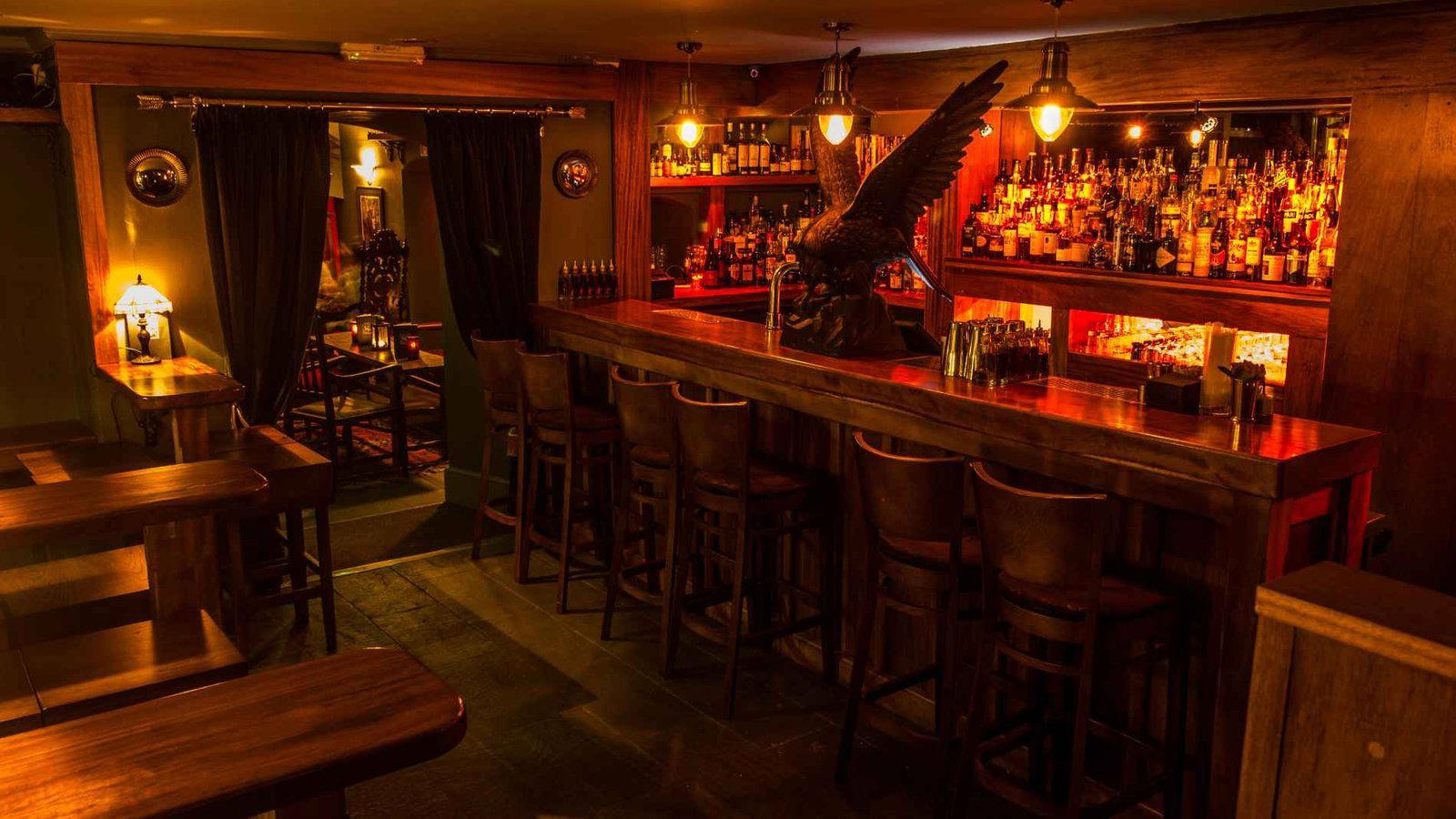
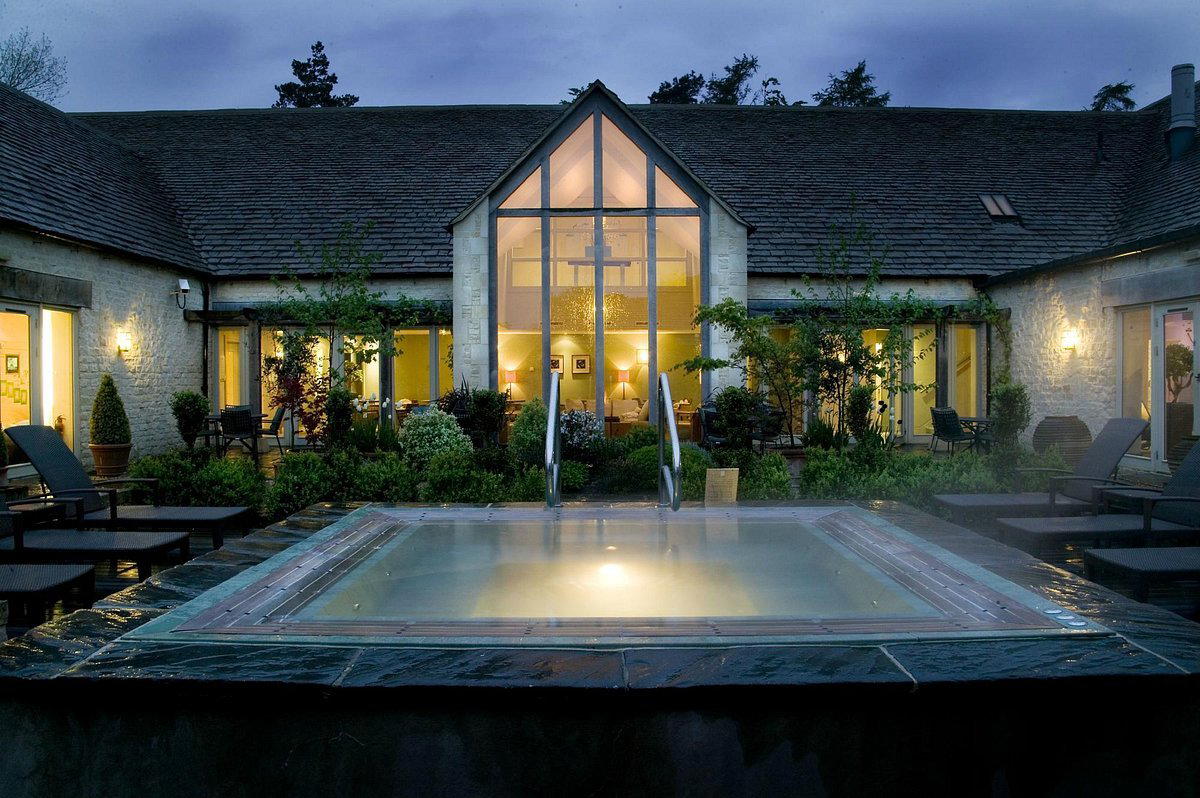
Elegant and restrained atmosphere contrasting modern food with ancient castle stones, featuring historic interiors and a sophisticated, kingly dining experience.