Thirty Bales
Thirty Bales occupies a Mainstreet address in Hopkins, Minnesota, where the suburb's low-key dining scene rewards those who look past the Twin Cities proper. The name signals something agricultural, a deliberate nod to sourcing and provenance that frames the kitchen's direction. For Hopkins residents and Minneapolis-area visitors, it reads as a neighborhood anchor rather than a destination detour.
Pearl is the En Primeur Club membership app — saves, bookings, and concierge access live there. Same editors, same standards.
- Address
- 1106 Mainstreet, Hopkins, MN 55343
- Phone
- +19529300369
- Website
- thirtybales.com
- Directions
- Get directions
 Saves & bookings on Pearl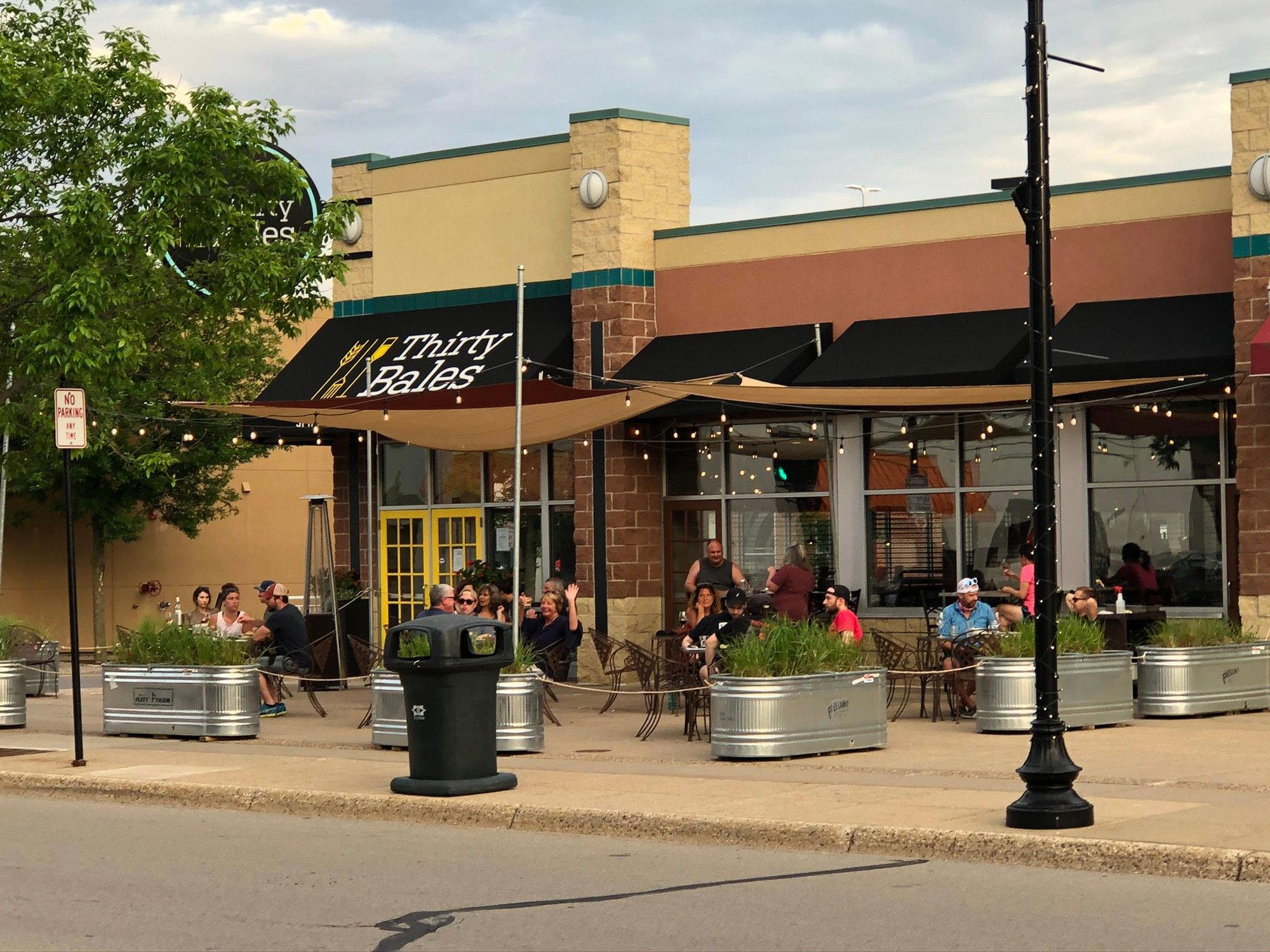
Mainstreet Hopkins and the Case for Sourced Cooking
Hopkins sits about eight miles southwest of Minneapolis, close enough to draw from the city's dining culture, far enough that its Mainstreet corridor operates on its own terms. The suburb has produced a handful of addresses worth tracking, including Tina's Kitchen, and the broader pattern in Hopkins points toward approachable, neighborhood-anchored restaurants rather than destination-dining theatrics. Thirty Bales, at 1106 Mainstreet, fits that character: a street-level presence on a walkable block, the kind of address you encounter rather than plan a flight around.
The name itself carries agricultural weight. "Thirty Bales" signals hay, harvest, field counts, the language of farming rather than fine dining. In an era when ingredient sourcing has become one of the central arguments any serious kitchen makes, a name like that functions as a positioning statement before a single dish arrives. The intent reads clearly: this is a restaurant that wants you to think about where things come from.
Ingredient Sourcing as Editorial Argument
Across American dining, the sourcing conversation has split into two lanes. One is performance: menus that list farm names as decoration, a kind of provenance theater where the words matter more than the supply chain behind them. The other is structural: kitchens that build their menus around what regional producers can actually deliver, adjusting dishes when supply shifts and treating the farm relationship as a genuine constraint rather than a marketing footnote.
The Minnesota region supports the second approach in ways that are underappreciated outside the Upper Midwest. The state has a functional network of small-scale vegetable farms, grain producers, and livestock operations that supply Twin Cities restaurants, and that infrastructure extends into the western suburbs. A Hopkins address, rather than limiting a kitchen's sourcing options, can place it closer to some of those producer networks than a downtown Minneapolis restaurant would be.
Nationally, the restaurants that have made ingredient sourcing their central editorial argument tend to sit at higher price points: Blue Hill at Stone Barns in Tarrytown operates its own farm, Single Thread Farm in Healdsburg grows produce on a dedicated property, and The French Laundry in Napa maintains kitchen gardens across the road. These are among the more formally structured expressions of farm-to-table philosophy in the country. Thirty Bales operates in a different register, a neighborhood setting rather than a destination resort, but the underlying argument about sourcing connects it to that broader American dining conversation.
The Hopkins Context: What a Suburban Address Changes
For visitors coming from Minneapolis or arriving via the Twin Cities airport, Hopkins is a direct drive west along Highway 7 or accessible via the METRO Green Line extension that reaches the area. The Mainstreet corridor itself is pedestrian-scaled, with parking available on the street and in nearby lots, which removes the friction that downtown Minneapolis dining sometimes involves.
The suburb's dining scene tends toward the mid-range: restaurants that take the food seriously without requiring formal-dining protocols. That positioning makes Hopkins a different competitive environment than, say, the restaurant rows in Uptown or the North Loop, where $$$$ tasting menus and cocktail-forward concepts set the tone. A Hopkins kitchen competes on value, consistency, and neighborhood loyalty rather than on destination cachet.
That context shapes how to read the restaurant. It is a neighborhood restaurant, with success measured by whether Hopkins residents return rather than whether it draws a passing food journalist.
Farm-Forward Kitchens Across the Country: Where Thirty Bales Fits
The broader category of sourcing-led American restaurants spans an enormous range of formats and price points. At the high end, Addison in San Diego, Providence in Los Angeles, and Bacchanalia in Atlanta have built sustained reputations around sourcing discipline combined with technical ambition. In the middle tier, kitchens like Brutø in Denver and Frasca Food & Wine in Boulder demonstrate that the sourcing argument works outside major coastal markets.
What those kitchens share is a willingness to let supply-chain reality shape the menu, rather than the reverse. Dishes change when producers' seasons shift. Proteins rotate based on what a specific farm is running at a given moment. The menu reads as a document of a place and a time, not a static brand identity. That is the standard it is implicitly measuring itself against.
For the Minnesota market, the comparison might land closer to Causa in Washington, D.C. or The Inn at Little Washington in terms of the underlying philosophy, kitchens that take geography and season as their primary inputs, even if the scale and formality differ considerably. The farm-forward argument is not the exclusive property of $350-per-head tasting menus. It works at neighborhood price points too, and that is precisely where the restaurant appears to operate.
Planning a Visit
The restaurant sits at 1106 Mainstreet in Hopkins, MN 55343, on a block that functions as the commercial heart of the suburb. Reservations are recommended, particularly on weekends when neighborhood restaurants in the Twin Cities western suburbs tend to fill earlier than their downtown counterparts. Hopkins dining tends to draw regulars, so first-time visitors benefit from arriving at the start of service rather than mid-evening. The Mainstreet location makes a pre- or post-dinner walk along the corridor a natural addition to the outing.
Visitors combining the restaurant with a broader Twin Cities food itinerary should note that the suburb sits between the airport and Minneapolis proper, which makes it a practical first or last stop. For context on the full range of what Hopkins offers, the EP Club Hopkins guide covers the neighborhood's dining options with the same critical framing applied here.
Comparable Spots, Quickly
Comparable venues nearby, for context on price, style, and recognition.
| Venue | Cuisine | Price | Notes |
|---|---|---|---|
| Thirty BalesThis venue — the venue you are viewing | Midwestern American Gastropub | $$$ | Not listed |
| Hazelwood Bloomington | Modern American Comfort Food | $$$ | Near Mall of America |
| Parlour Excelsior | American Gastropub | $$$ | Excelsior |
| Breva | New American Bar & Grill | $$$ | WeDo |
| The Nook | Modern American Fine Dining | $$$ | Beverly Hills |
| Mallards Restaurant | Southern Comfort with Cajun & Seafood | $$$ | Downtown Shakopee |



At a Glance
- Cozy
- Modern
- Brunch
- Casual Hangout
- Group Dining
- Open Kitchen
- Craft Cocktails
- Local Sourcing
Current opening hours
- Monday
- Closed
- Tuesday
- 11 AM–9 PM
- Wednesday
- 11 AM–9 PM
- Thursday
- 11 AM–9 PM
- Friday
- 11 AM–9:30 PM
- Saturday
- 10 AM–9:30 PM
- Sunday
- 10 AM–2 PM
Hours can change for holidays and private events. Last verified .
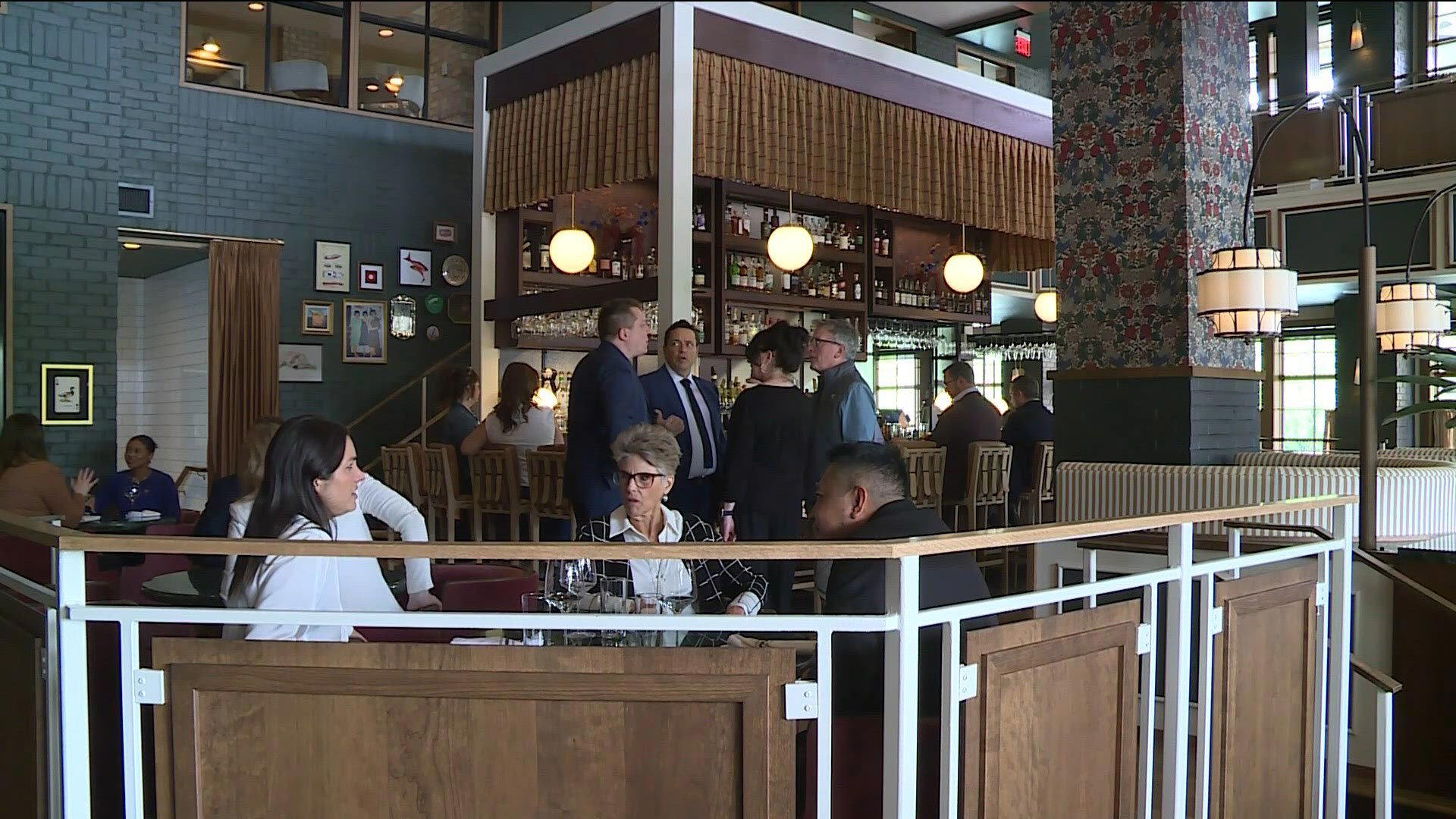
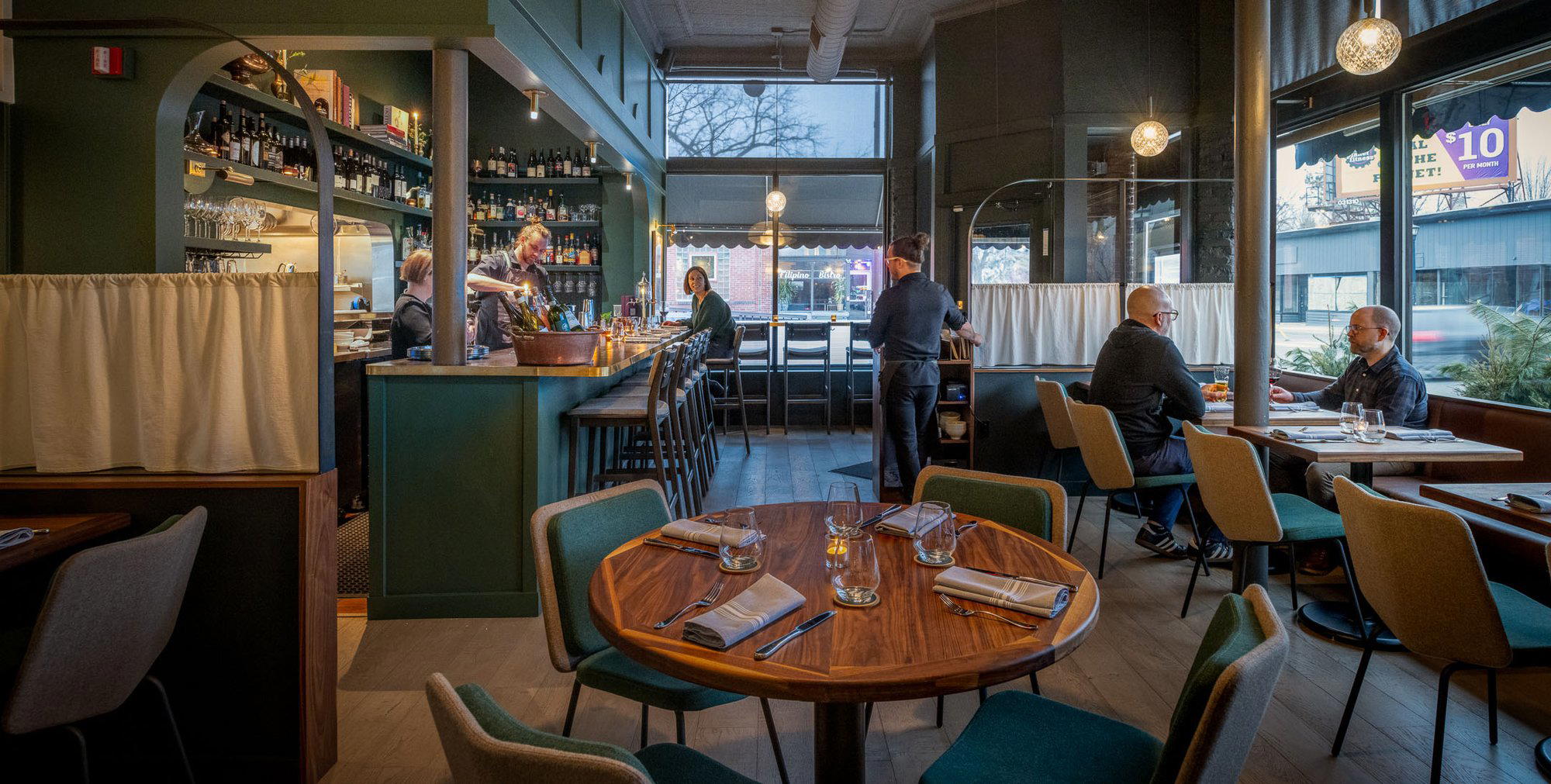
Upbeat neighborhood atmosphere with bright personalities and clean, bold flavors.