The Wolf
On Piedmont Avenue in Oakland's mid-hills corridor, The Wolf occupies a position in the neighborhood's tighter, more local-facing dining tier, the kind of address that regulars treat as their own and visitors discover through word of mouth rather than press lists. Its draw is less about spectacle and more about consistency, the quality that keeps the same faces returning week after week.
Pearl is the En Primeur Club membership app — saves, bookings, and concierge access live there. Same editors, same standards.
- Address
- 3853 Piedmont Ave, Oakland, CA 94611
- Phone
- (510) 879-7953
- Website
- thewolfoakland.com
- Directions
- Get directions
 Saves & bookings on Pearl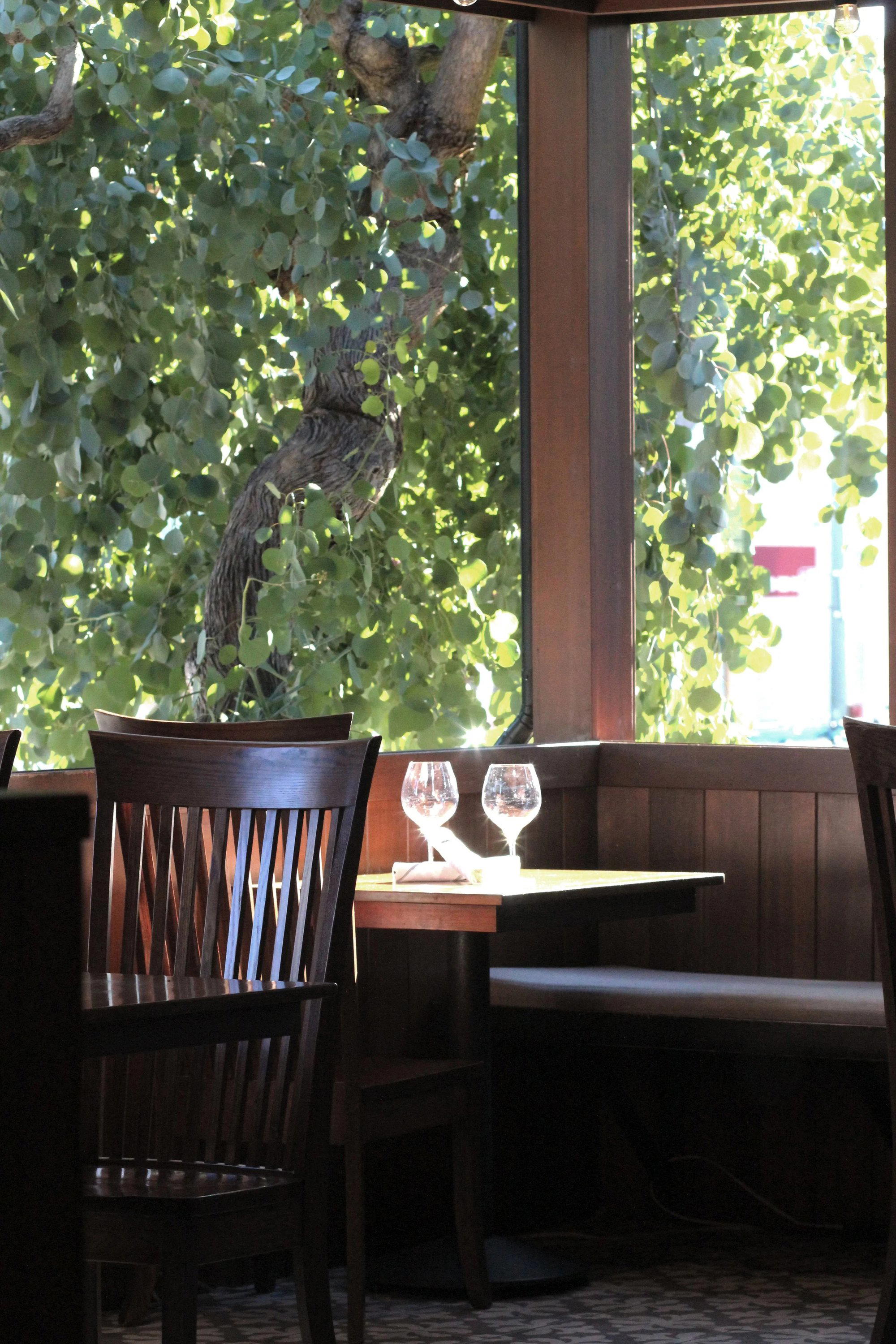
Piedmont Avenue and the Case for the Neighborhood Anchor
Oakland's dining conversation tends to concentrate on Temescal, Uptown, and the Fruitvale corridor. Piedmont Avenue operates at a different frequency. The strip running north from Broadway toward the Oakland hills has long sustained a cohort of neighborhood-scale restaurants that rely less on opening buzz and more on accumulated trust with a local clientele. The Wolf, at 3853 Piedmont Ave, is a modern California-American restaurant in Oakland. It is the kind of address where the Thursday-evening crowd looks like the Saturday-evening crowd because the same people are in both.
That pattern, the reliable return visit, is the clearest signal of what a restaurant actually delivers over time. Newcomers to a neighborhood follow press; regulars follow performance. When a place on a residential-facing stretch like Piedmont Ave sustains foot traffic on the strength of repeat visits rather than discovery traffic, it has usually solved something that more ambitious or trend-responsive concepts often get wrong: consistency at the scale that matters to the person eating there twice a month.
The Piedmont Ave comparable set
Understanding where The Wolf sits requires mapping the broader Piedmont Ave dining range. The street supports several registers: coffee and casual daytime trade, mid-tier neighborhood dining, and a handful of places with more deliberate culinary ambitions. Oakland's wider dining scene places the neighborhood anchor category in instructive contrast to the tasting-menu or highly conceptual end of the Bay Area spectrum. Formats like Lazy Bear in San Francisco or farm-integrated operations like Single Thread Farm in Healdsburg occupy a different register entirely, where the visit is a planned event with advance booking windows measured in months. The Wolf's register is the opposite: proximity, recurrence, and the absence of friction.
Within Oakland itself, the comparison points are varied. alaMar Dominican Kitchen has built a similar kind of neighborhood loyalty through a specific cultural culinary identity. Agave Uptown anchors a different stretch with regional Mexican positioning. The thread connecting these places is that they all exist in relation to a community rather than a dining occasion category, they are where people eat, not where people go to have a dining experience. That distinction matters more than it sounds.
What Regulars Are Actually Returning For
The regulars' perspective is one reliable editorial lens for a place like The Wolf because the venue's public profile is sparse enough that the pattern of repeat visitation becomes the primary evidence. In Oakland's mid-price neighborhood dining tier, repeat customers are not returning for novelty. They are returning because the kitchen handles something consistently, a protein preparation, a particular sauce weight, a bread program, that they have calibrated against and trust. The unwritten menu at this kind of address is made up of defaults: the thing you always order because it has never disappointed, the off-menu adjustment a server has already memorized for you.
Piedmont Ave's proximity to the residential hills above Temescal means its regulars skew toward a demographic with options. This is not a captive audience eating nearby because there is nowhere else. The Oakland hills corridor has access to the full Bay Area dining range. When those residents choose a neighborhood anchor over a Michelin-recognized room in San Francisco, places like Le Bernardin in New York City represent the opposite end of the ambition scale, they are making a considered trade. Convenience is part of it, but the kitchen has to hold up its end.
Oakland as Context
Oakland's dining identity has been shaped by proximity to San Francisco while developing a distinct set of priorities. The Bay Area's concentration of high-end dining, from The French Laundry in Napa to Providence in Los Angeles (on the broader West Coast tier), has not crowded out Oakland's neighborhood-facing operators. If anything, the concentration of event dining across the bay has made the low-friction neighborhood anchor more valuable in Oakland's own ecosystem. Residents who occasionally travel to Napa or cross the Bay Bridge for a tasting menu are precisely the audience for a reliable local table the rest of the time.
The city also supports a range of dining cultural registers that reflect its demographic complexity. 8th St Cafe 文記茶餐廳 holds a different kind of neighborhood loyalty in the Chinatown adjacent zone. 3 Bottled Fish represents another niche. Alem's Coffee anchors a different hour of the day for a different segment of the same community. Mapping the restaurant against these places clarifies its position: it occupies the dinner-and-drinks slot on the residential strip, not the ethnic specialty niche or the daytime trade.
Where It Sits in the Wider Critical Conversation
That cohort includes places like Alinea in Chicago, Atomix in New York City, Blue Hill at Stone Barns in Tarrytown, Addison in San Diego, and The Inn at Little Washington, all of which compete for a different visitor profile. The restaurant's competitive set is local. It competes for the Tuesday-night decision, not the anniversary-dinner booking made six weeks in advance.
That is not a limitation; it is a category. Particularly durably successful restaurants in American cities occupy exactly this position: known to everyone in a twenty-block radius, largely invisible to the press, and fully booked on weeknights by virtue of phones in contacts lists rather than OpenTable rankings. The longevity signal on Piedmont Ave tends to favor operators who understand this.
Know Before You Go
- Address: 3853 Piedmont Ave, Oakland, CA 94611
- Neighborhood: Piedmont Avenue corridor, Oakland
- Reservations: Recommended
- Hours: Mon: 4–9 PM; Tue: 11:30 AM–9 PM; Wed: 11:30 AM–9 PM; Thu: 11:30 AM–9 PM; Fri: 11:30 AM–9 PM; Sat: 11:30 AM–9 PM; Sun: Closed
- Dietary needs: Contact venue in advance
The Quick Read
Comparable venues nearby, for context on price, style, and recognition.
| Venue | Cuisine | Price | Notes |
|---|---|---|---|
| The WolfThis venue — the venue you are viewing | Not listed | $$ | Not listed |
| Plank | Not listed | $$ | Jack London Square, Polished American Gastro Pub |
| Friends & Family | Northgate, Modern American Bar Food | $$ | Not listed |
| Homestead | Not listed | $$ | Piedmont Avenue, Seasonal California Bistro |
| Mua | Not listed | $$ | Broadway Auto Row, Modern New American Small Plates |
| The Peach | Not listed | $$ | Lakeshore, American Brunch with Asian Fusion |
Continue exploring
More in Oakland
Restaurants in Oakland
Browse all →
Bars in Oakland
Browse all →

Hotels in Oakland
Browse all →

At a Glance
- Modern
- Cozy
- Sophisticated
- Date Night
- Special Occasion
- Historic Building
- Craft Cocktails
Current opening hours
- Monday
- 4–9 PM
- Tuesday
- 11:30 AM–9 PM
- Wednesday
- 11:30 AM–9 PM
- Thursday
- 11:30 AM–9 PM
- Friday
- 11:30 AM–9 PM
- Saturday
- 11:30 AM–9 PM
- Sunday
- Closed
Hours can change for holidays and private events. Last verified .
Cozy historic Craftsman space with lively local murals and seasonal gourmet atmosphere.