The Wee Restaurant

A Michelin Plate-recognised restaurant in North Queensferry, The Wee Restaurant sits in the shadow of the Forth Rail Bridge and serves fresh Scottish ingredients in classic, well-constructed combinations. The grey-brick dining room, enlivened by bold artwork, seats a small number of covers in relaxed surroundings.
Pearl is the En Primeur Club membership app — saves, bookings, and concierge access live there. Same editors, same standards.
- Address
- 17 Main St, North Queensferry, Inverkeithing KY11 1JG, United Kingdom
- Phone
- +44 1383 616263
- Website
- theweerestaurant.co.uk
- Directions
- Get directions
 Saves & bookings on Pearl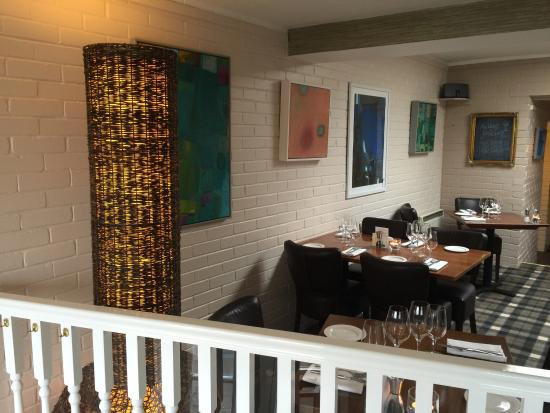
Dining in the shadow of the Forth Rail Bridge
Arriving in North Queensferry, the Forth Rail Bridge is simply unavoidable, it dominates the skyline, frames every view, and sets a particular register for the village beneath it. The Wee Restaurant sits on Main Street in that same shadow, occupying a compact grey-brick space where boldly coloured artwork offsets the stonework and the room retains the particular intimacy of a genuinely small dining room. This is not a venue trying to compress a large concept into a small space; the scale is the point. The cosy format reinforces a neighbourhood sincerity that is increasingly scarce in the Michelin Plate tier.
Scotland's larder and why sourcing is the argument
Scotland's position as a supplier to its own fine-dining circuit has strengthened considerably over the past decade. The country's cold-water coastline, temperate growing regions, and short farm-to-table chains have given restaurants at every price tier a compelling case for hyperlocal sourcing. At the £££ price point, where margins require discipline and menus cannot afford to carry weak components, the sourcing argument becomes structural rather than decorative.
The Wee Restaurant operates squarely within that tradition, and it is a modern Scottish bistro in North Queensferry. Classic Scottish ingredients appear in clean, neatly assembled combinations, where the quality of the raw material carries the dish rather than being obscured by technique. Shetland mussels are cited in the venue's own materials as the kind of ingredient that defines the menu's approach: naturally sweet, plump shellfish from Scotland's northern waters, served here with bacon, basil, and parmesan in a combination that complements without overwhelming. Shetland mussels are not a fashionable shorthand, they are among the country's most consistent shellfish, farmed in clean waters at temperatures that slow growth and deepen flavour. The decision to present them in a relatively restrained format reflects a kitchen confident in its sourcing rather than one dressing up inferior product.
This approach places The Wee Restaurant in a recognisable Scottish culinary tradition, one that prizes provenance and seasonal integrity over complexity for its own sake. The same ethos is present at Michelin-starred addresses such as Restaurant Andrew Fairlie in Auchterarder, though at a considerably higher price point and formality level. The restaurant operates a tier below in both, which makes its Michelin Plate recognition, awarded in both 2024 and 2025, a meaningful signal that ingredient quality and kitchen discipline are being applied consistently regardless of format.
Where this sits in the British Michelin Plate tier
The Michelin Plate designation, introduced to mark restaurants where inspectors find good cooking even in the absence of star-level complexity, has become a useful map of mid-market seriousness across Britain. It separates kitchens that are genuinely ingredient-led from those that rely on presentation alone. The restaurant's recognition confirms that the kitchen's standards are not occasional, they are repeatable.
In the context of British fine dining more broadly, Plate-level recognition in a village setting carries different weight than the same designation in a city. For a small restaurant in North Queensferry, the logistics of consistent sourcing are more demanding, and the audience is drawn by destination intent rather than passing footfall. Venues at the other end of Britain's Michelin-recognised spectrum, from The Fat Duck in Bray and The Ledbury in London to L'Enclume in Cartmel and Moor Hall in Aughton, operate in markets with different competitive pressures. The restaurant's position is closer to destination village restaurants like hide and fox in Saltwood or Gidleigh Park in Chagford, where the setting is part of the draw and kitchen quality must justify the trip..
Within Scotland's own Michelin-recognised circuit, the Plate tier is a meaningful entry point. The country's starred addresses, including Restaurant Andrew Fairlie, operate at £££££ price levels with formal service structures that are distinct from the friendly, accessible register the restaurant occupies. The gap between star and Plate level here is not simply one of execution; it reflects deliberately different formats serving different reader intentions.
The case for traditional cuisine at this price point
Traditional cuisine at the £££ tier occupies a sometimes undervalued position in British dining. The category sits between gastropub cooking and the contemporary tasting-menu format, and it tends to attract less critical attention than either extreme. Yet the discipline required to execute classic combinations with fresh, high-quality Scottish ingredients consistently is not trivial. The restaurant's menu structure, fresh ingredients, classic presentations, restrained accompaniments, is the kind of cooking that relies almost entirely on sourcing and timing rather than technique as spectacle.
For comparison, traditional cuisine at similar price points elsewhere in Europe tends to build its identity around a single regional larder. Auberge Grand'Maison in Mûr-de-Bretagne and Auga in Gijón both operate on that logic, where the coastal or agricultural environment is the organising principle of the menu. The restaurant follows the same structure, with Scotland's northern waters providing the backbone.
Planning a visit
North Queensferry sits on the south shore of the Firth of Forth in Fife, accessible by rail on the Edinburgh to Dundee line, which stops at North Queensferry station a short walk from Main Street. The Forth Rail Bridge, a UNESCO World Heritage Site, is directly overhead as you enter the village, and the setting rewards arriving by train rather than car for that reason alone. Booking ahead is essential. The £££ price range positions the meal firmly in the destination-dining bracket without requiring the financial commitment of starred-level addresses. Elsewhere in Britain's Michelin Plate and starred circuit, Midsummer House in Cambridge, Hand and Flowers in Marlow, Le Manoir aux Quat' Saisons in Great Milton, and Opheem in Birmingham offer points of comparison for readers calibrating where this kind of destination dining sits.
Comparable Spots, Quickly
Comparable venues nearby, for context on price, style, and recognition.
| Venue | Cuisine | Price | Awards | Notes |
|---|---|---|---|---|
| The Wee RestaurantThis venue — the venue you are viewing | Modern Scottish Bistro | $$$ | Michelin Plate | Not listed |
| eleanore | Modern Scottish Fine Dining | $$$ | Michelin Plate | Pilrig |
| The Broughton | Modern British Gastropub | $$$ | Michelin Plate | Greenside |
| The Free Company | Modern Scottish Farm-to-Table | $$$ | Michelin Plate | Balerno |
| North Port | Modern Scottish | $$$ | Michelin Plate | Perth City Centre |
| The Grandtully Hotel by Ballintaggart | Modern Scottish Seasonal | $$$ | Michelin Plate | Grandtully |
Recognition history
Dated appearances from independent guides and award organizations, with the underlying list record or original source where available.
Michelin Plate
Michelin
Michelin Plate
Michelin
Michelin Plate
Michelin
Continue exploring
More in North Queensferry
Restaurants in North Queensferry
Browse all →
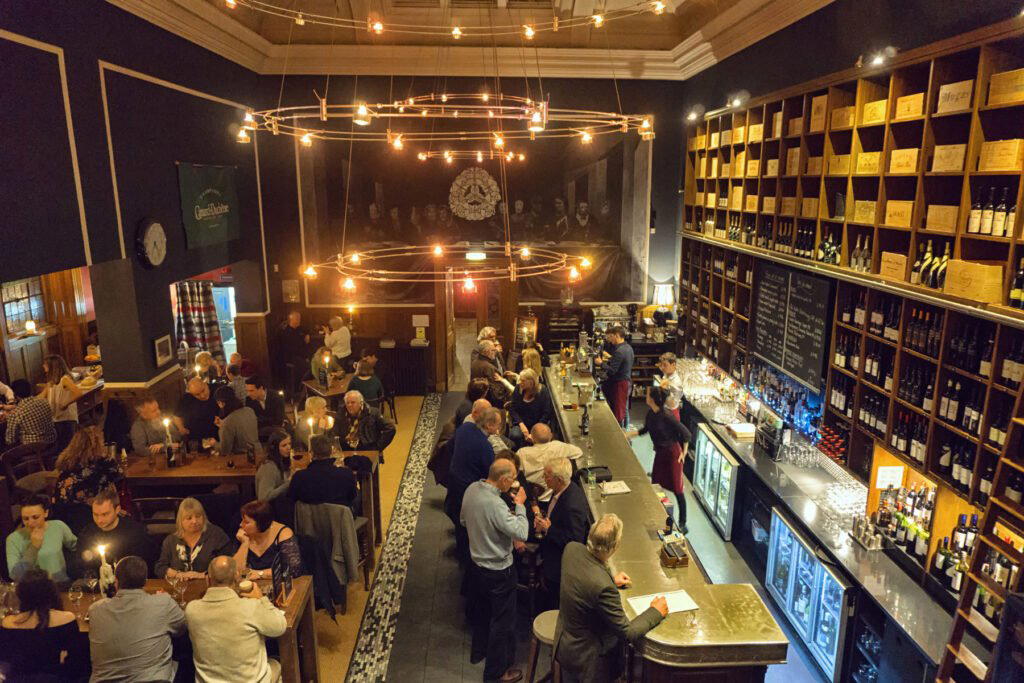
Bars in North Queensferry
Browse all →
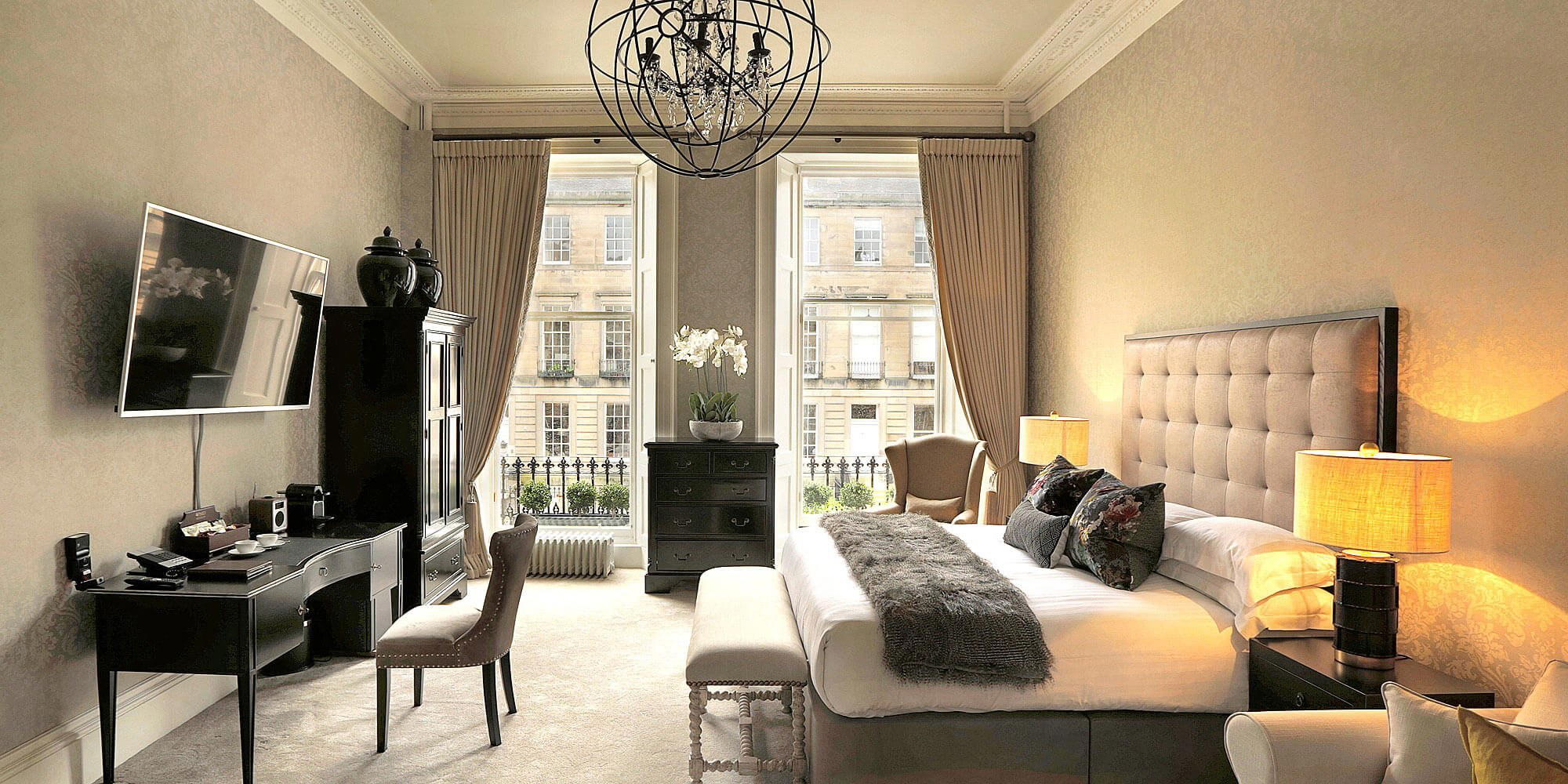
Hotels in North Queensferry
Browse all →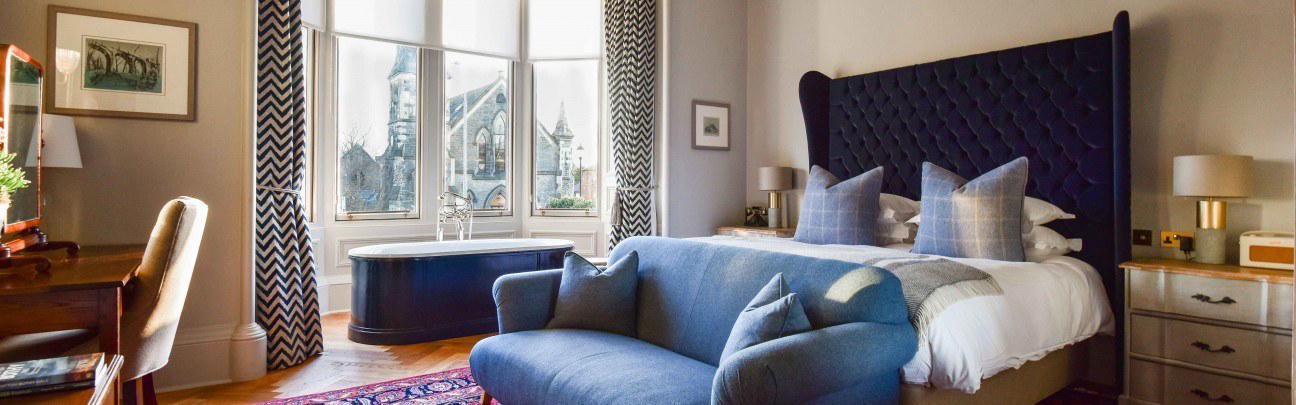
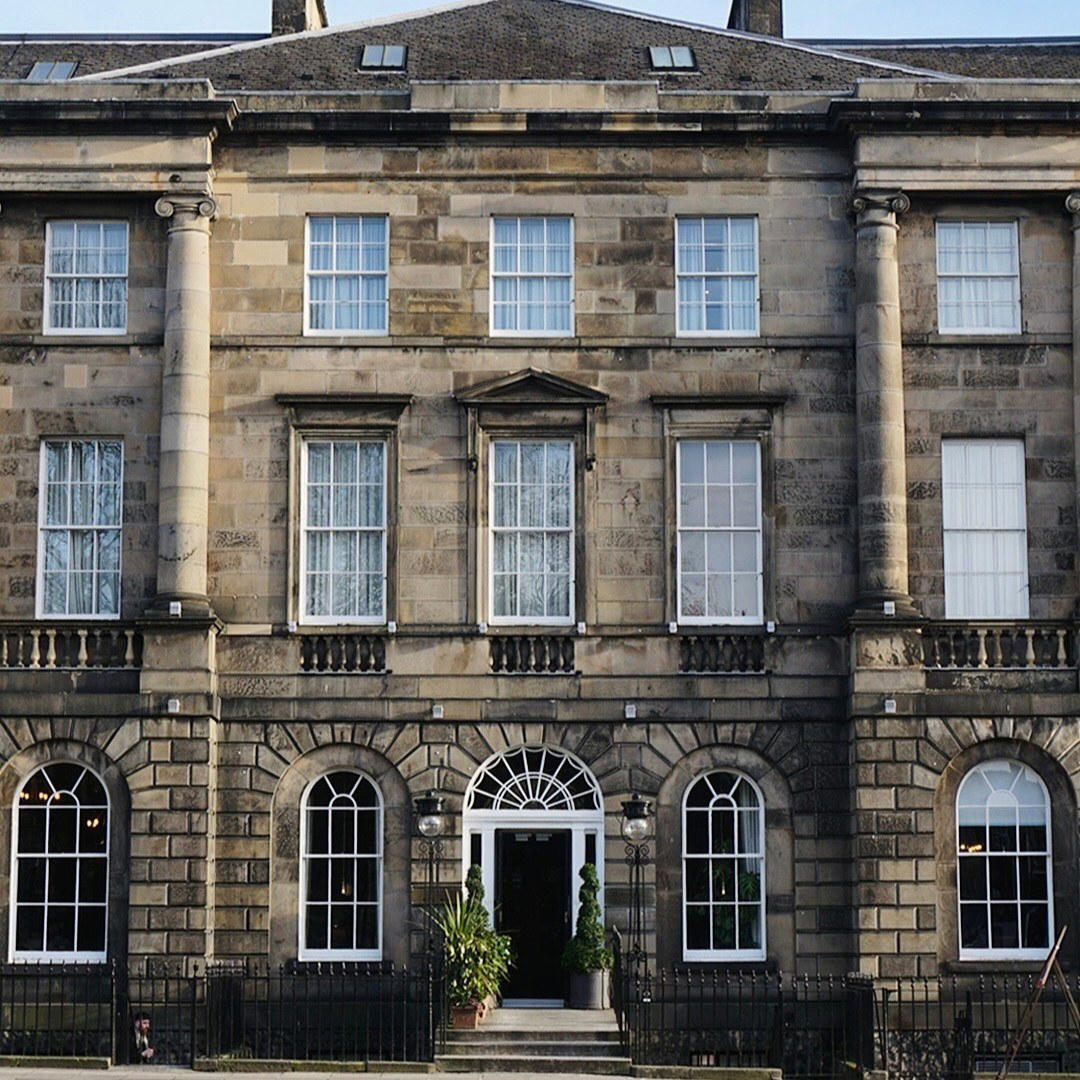
Wineries in North Queensferry
Browse all →
At a Glance
- Cozy
- Intimate
- Elegant
- Date Night
- Special Occasion
- Celebration
- Historic Building
- Waterfront
- Craft Cocktails
- Local Sourcing
- Waterfront
Cozy and charming with comfortable seating, colorful artwork on grey brick walls, window views of the bridges, and a relaxed, welcoming atmosphere.