The Slamwich Club
On Piccadilly in Hanley, The Slamwich Club occupies a corner of Stoke-on-Trent's city centre where casual dining is increasingly doing serious work. The name signals the format: sandwiches taken seriously, in a city that has historically punched below its weight in destination eating. For Stoke, that's a meaningful intervention in a scene still finding its footing.
Pearl is the En Primeur Club membership app — saves, bookings, and concierge access live there. Same editors, same standards.
- Address
- No.63, 63 Piccadilly, Hanley, Stoke-on-Trent ST1 1HR, United Kingdom
- Phone
- +441782855032
- Website
- theslamwichclub.com
- Directions
- Get directions
 Saves & bookings on Pearl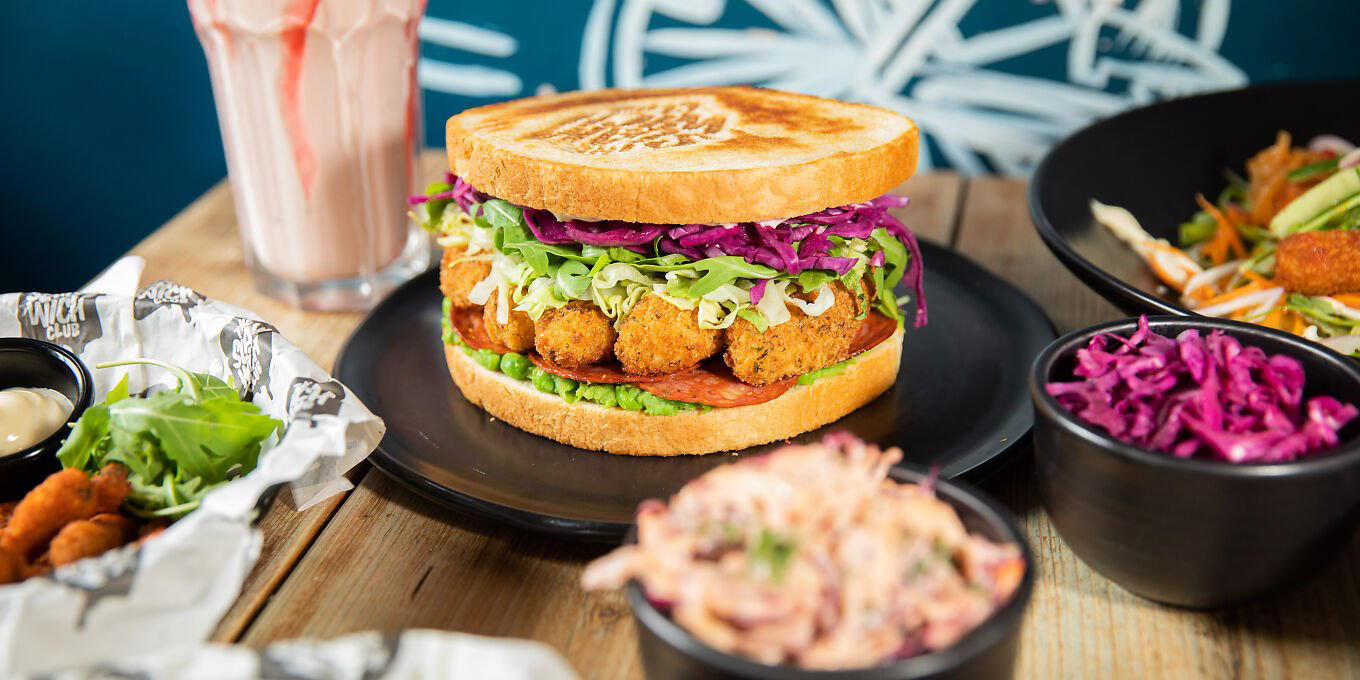
Hanley's Casual Counter, Stoke's Wider Dining Shift
Piccadilly in Hanley is not a street that appears in many food critics' notebooks, but that is precisely the point. Stoke-on-Trent's city centre has spent the better part of a decade in quiet, incremental reinvention, with a cluster of independent operators choosing streets like this one over the easier anonymity of retail parks and chains. The Slamwich Club, at number 63, fits that pattern: a sandwich-focused operation in a post-industrial city. The address is modest. The ambition, at least in format terms, is not.
Across the United Kingdom, the sandwich has undergone a sustained critical rehabilitation. What was once positioned as a lunch-desk default has, over the last several years, attracted the same ingredient-led thinking that reshaped casual pizza and ramen before it. Operations in London, Manchester, and Bristol have demonstrated that a focused, well-sourced sandwich programme can generate genuine demand and sustained coverage. Stoke has been slower to absorb that shift, which makes an operation like The Slamwich Club legible as a marker of the city's direction rather than just a meal option. For those tracking the broader pattern of British casual dining, the geography matters as much as the food.
What Ingredient-Led Sandwich Culture Means in Practice
The editorial angle on any serious sandwich operation is sourcing, because the format offers almost nowhere to hide. A tasting menu at somewhere like L'Enclume in Cartmel or Moor Hall in Aughton can layer technique over an ingredient's weaknesses. A sandwich cannot. The bread, the filling, the fat, the acid: each element is exposed. Operations that have earned genuine followings in this format tend to share a preoccupation with provenance that rivals far more formally structured kitchens. The sourcing decisions are the menu.
In the British Midlands, supply chains for this kind of operation are neither as developed nor as celebrated as those serving kitchens in London or the rural north, where proximity to heritage farms and artisan producers is built into the cost model. Stoke sits in a middle geography: close enough to the Peak District's agricultural edge to draw on regional produce, but without the established network of supplier relationships that a city like Birmingham has developed through operations such as Opheem. What this means, practically, is that any Stoke operation serious about sourcing has to build those relationships deliberately rather than inherit them.
The name itself, The Slamwich Club, carries a deliberate informality that positions it outside both the craft-sandwich earnestness of some London operators and the direct caff tradition that still dominates much of the Potteries. That positioning, casual in register but implicitly serious in intent, is a format that has proven commercially durable in British cities undergoing the same kind of independent food scene development Stoke is currently experiencing.
Stoke-on-Trent's Dining Scene: Context Before Criticism
To assess any individual operation in Stoke fairly, you need to understand the city it inhabits. Stoke-on-Trent is not a dining destination in the way that cities with a comparable population in continental Europe might be. Its hospitality culture was shaped by industrial working patterns, not by a tradition of civic restaurant-going. That history is not a criticism; it is context. The city's emerging independent food scene is building against that grain, and the venues doing interesting work deserve to be read in that light.
Nearby on the same independent circuit, Anasma Greek Eatery represents one strand of that development, bringing regional cuisine specificity to a city that has historically defaulted to generalist menus. Little Dumpling King represents another: format discipline and ingredient focus in a category that rewards both. The restaurant operates in parallel, in a different format tier but with a similar underlying logic. Taken together, these operations suggest a city scene that is differentiating by cuisine type and format rather than simply adding more cover capacity. That is an encouraging signal.
Where This Sits in the UK Casual Dining Spectrum
It is worth being explicit about the comparable set here, because the instinct to compare a Hanley sandwich spot against the UK's formal dining tier is a category error. The operations at the summit of British restaurant culture, CORE by Clare Smyth, Waterside Inn in Bray, Le Manoir aux Quat'Saisons, or further afield operations like Restaurant Andrew Fairlie and The Glenturret Lalique, are not the restaurant's competition. Nor, frankly, are technically demanding tasting-menu rooms like Restaurant Sat Bains in Nottingham or Midsummer House in Cambridge.
The relevant comparison for the restaurant is the UK's wider casual-but-considered food culture: the operations in mid-sized cities that have built followings through format consistency, sourcing rigour, and a clear point of view on a specific food type. In global terms, that same dynamic plays out in cities from New York, where focused casual operations compete in an entirely different register to destination fine dining like Le Bernardin or Atomix, to the regional cities of the UK, where interesting food movement right now is happening below the Michelin line. Venues like Hand and Flowers in Marlow and hide and fox in Saltwood and Gidleigh Park in Chagford occupy a different register of British dining entirely, one built on formal structure and accumulating critical recognition over years.
Planning a Visit
The restaurant is located at 63 Piccadilly, Hanley, Stoke-on-Trent, ST1 1HR, in the commercial core of the city centre. Hanley is the principal shopping and commercial district of the Stoke-on-Trent conurbation, with public transport links from the wider Potteries area and rail connections through Stoke-on-Trent station, which sits roughly ten to fifteen minutes away by bus or a manageable walk depending on your starting point in the centre. As with most independent casual operations of this format, arriving at off-peak times typically means shorter waits and more room to assess the menu without pressure. The restaurant is casual, reservations are recommended, and a meal averages about $28 per person.
Fast Comparison
Comparable venues nearby, for context on price, style, and recognition.
| Venue | Cuisine | Price | Awards | Notes |
|---|---|---|---|---|
| The Slamwich ClubThis venue — the venue you are viewing | Gourmet Grilled Sandwiches & Bar | $$ | Not listed | Not listed |
| Little Dumpling King | Asian Fusion Dumplings | $$ | Not listed | Hanley |
| Anasma Greek Eatery | Authentic Greek Eatery | $$ | Not listed | Trentham |
| Lunar | Modern British Fine Dining | $$$ | Michelin Plate | Barlaston |
| BURGERHAIN [ORIGINAL] TM | Smash Burgers | $$ | Not listed | Blackpool Central |
| Roganic v2 | Dining | Not listed | Not listed | London |
Continue exploring
More in Stoke-on-Trent
Restaurants in Stoke-on-Trent
Browse all →
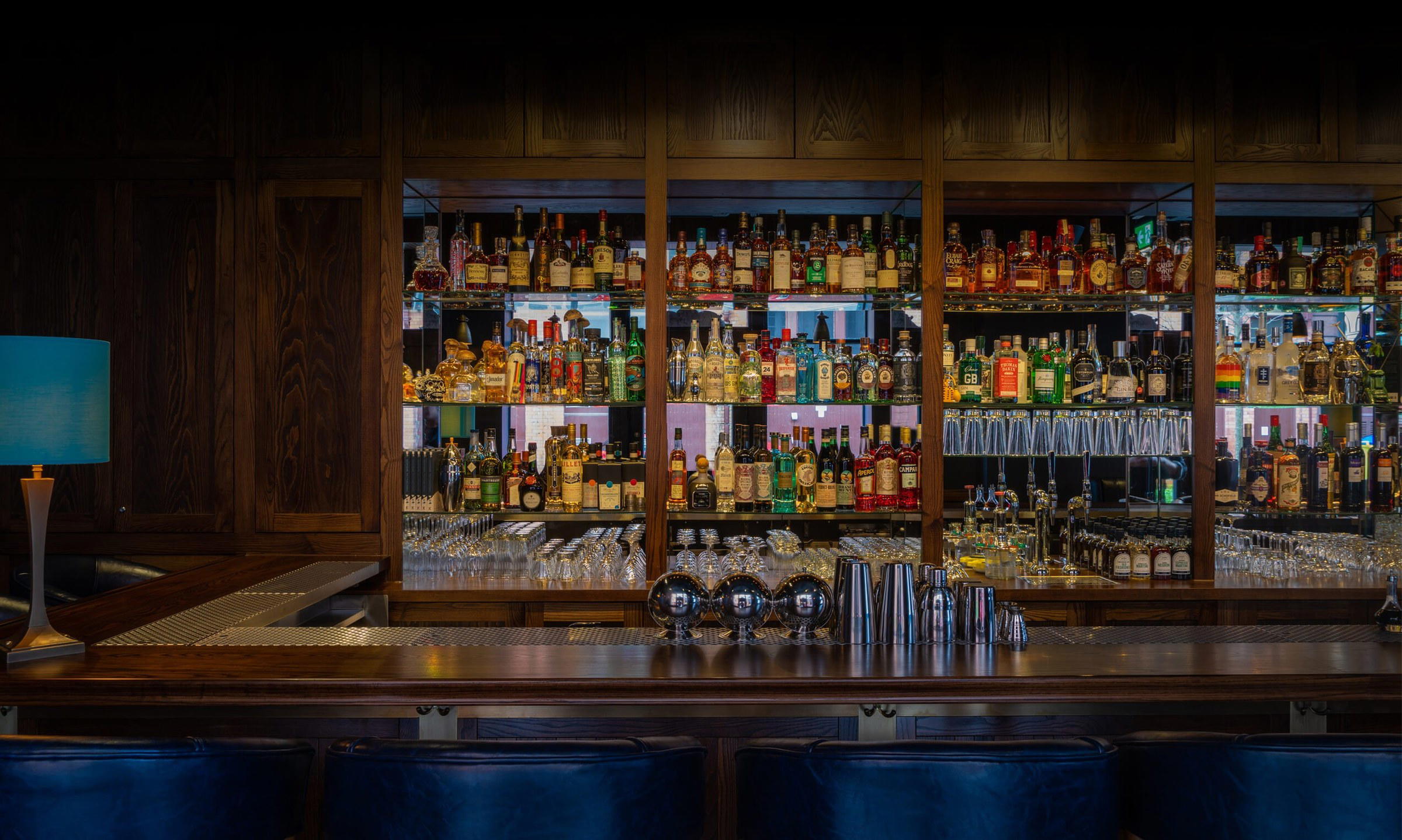
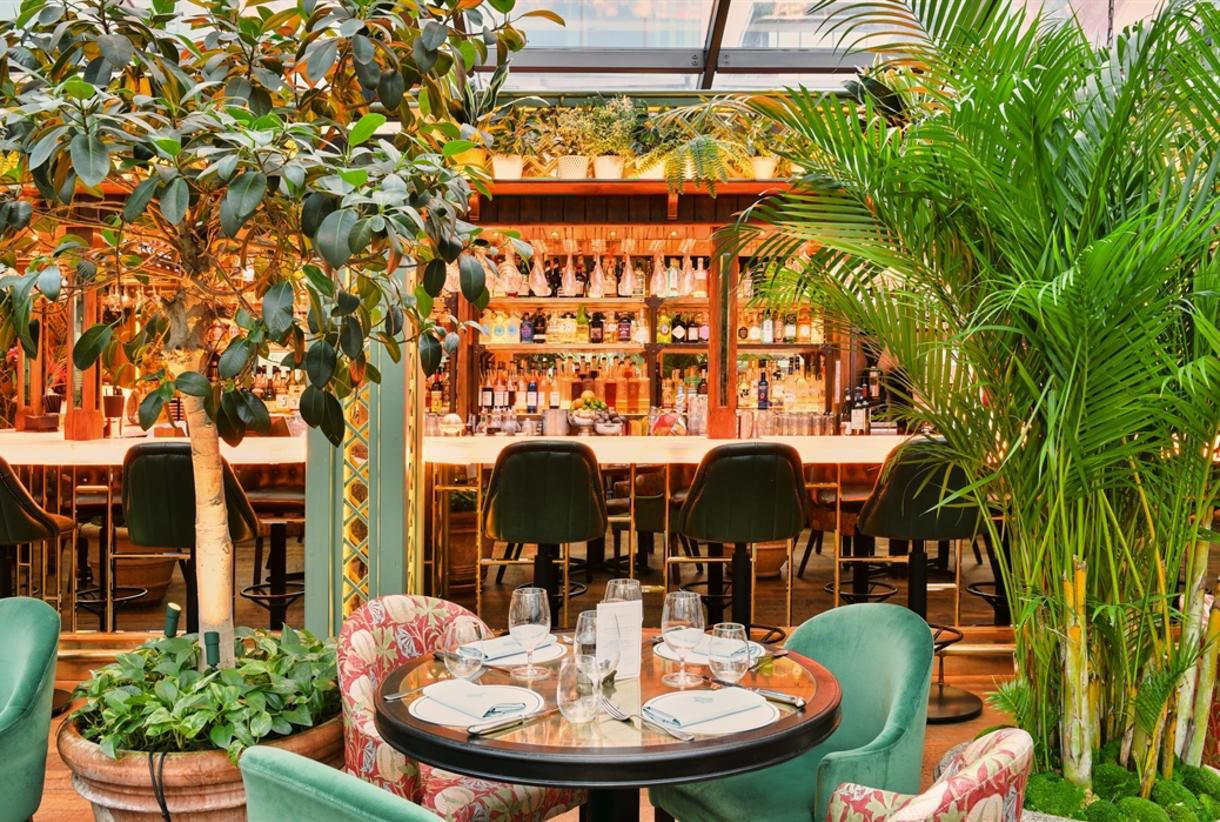
Bars in Stoke-on-Trent
Browse all →
Hotels in Stoke-on-Trent
Browse all →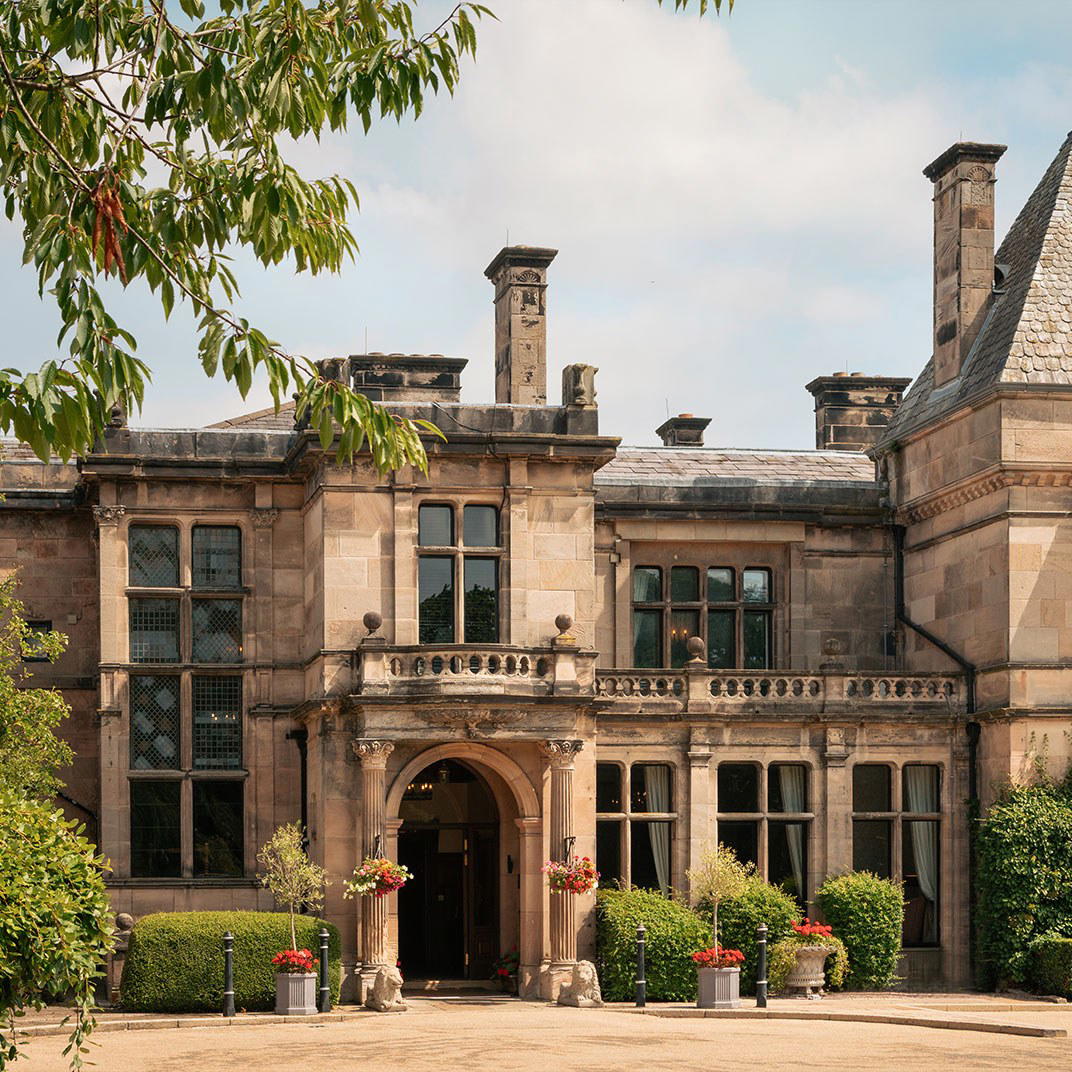
Wineries in Stoke-on-Trent
Browse all →
At a Glance
- Lively
- Trendy
- Whimsical
- Cozy
- Casual Hangout
- Group Dining
- Family
- After Work
- Late Night
- Live Music
- Open Kitchen
- Standalone
- Craft Cocktails
- Beer Program
Current opening hours
- Monday
- Closed
- Tuesday
- 12–8:30 PM
- Wednesday
- 12–8:30 PM
- Thursday
- 12–8:30 PM
- Friday
- 12–10 PM
- Saturday
- 11 AM–10 PM
- Sunday
- Closed
Hours can change for holidays and private events. Last verified .
Fun and welcoming with locally curated murals, soft furnishings, and upbeat music; described as blending cosy and casual with quality and quirkiness.