The Flintlock

Michelin Plate · AA Rosettes 3 Rosettes
Our verdict
Inside a stone building on the Caldon Canal in the Staffordshire Moorlands, The Flintlock has held a Michelin Plate for two consecutive years, signalling consistent quality at this £££-tier address. The self-taught chef works across two dining rooms with a modern approach, drawing on seasonal produce for dishes such as hake with fermented lettuce.

Pearl is the En Primeur Club membership app, where members save venues, book tables and use the concierge.
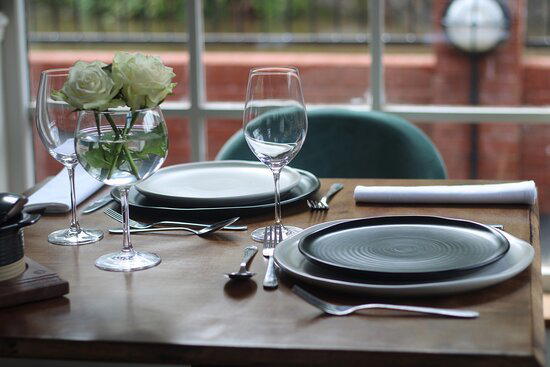
The menu
What to order
- Hake with fermented lettuce
- Parker House rolls
Stone, Canal, and a Kitchen That Earns Attention
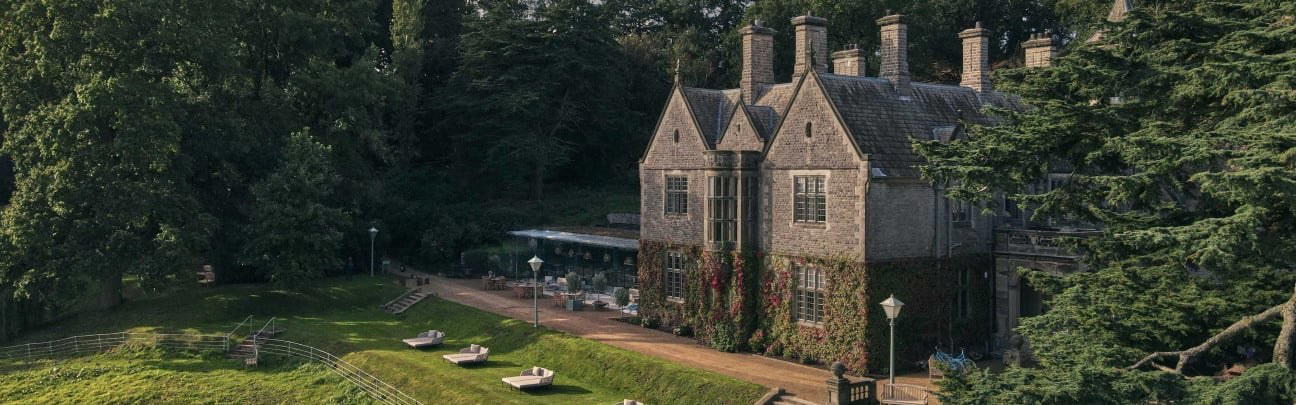
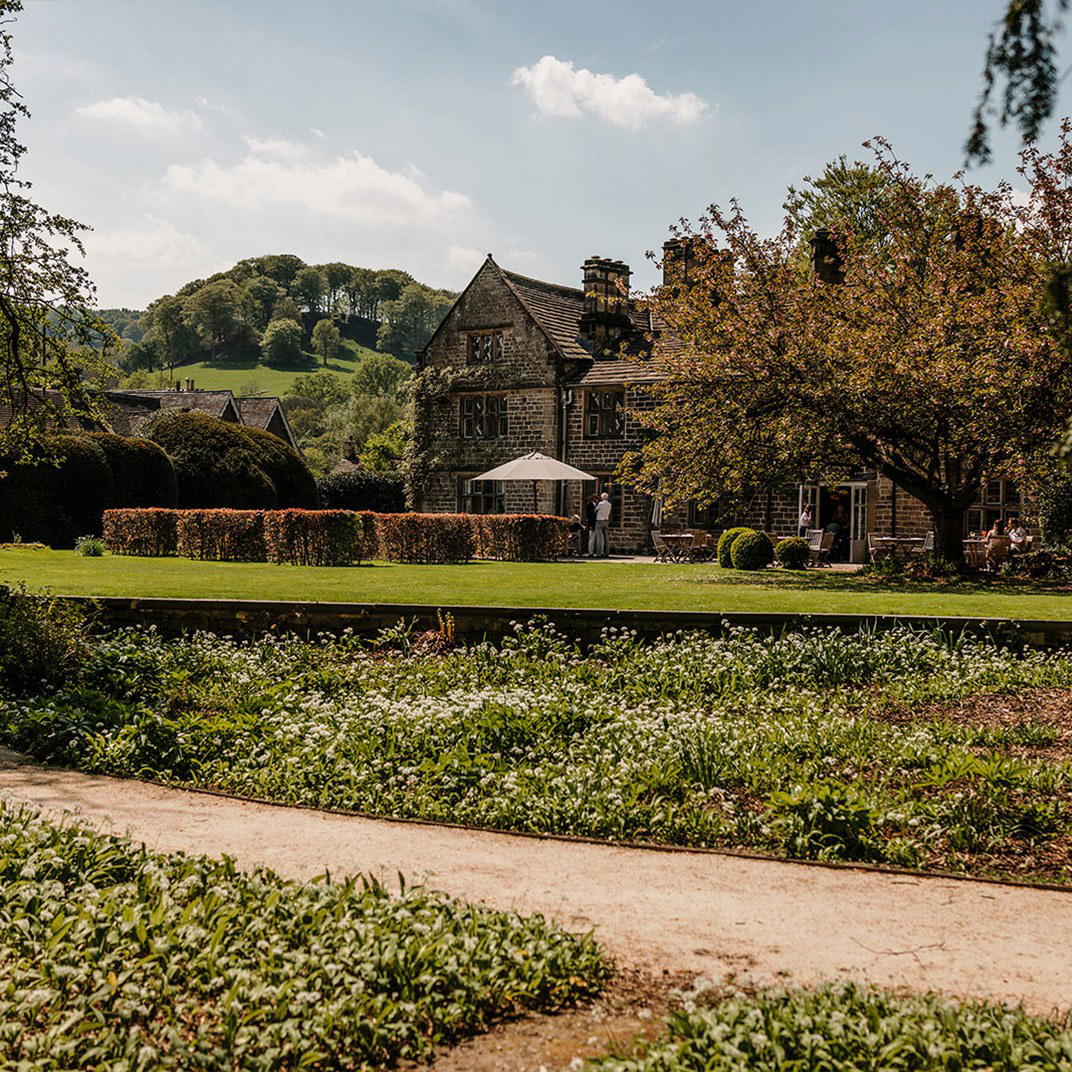
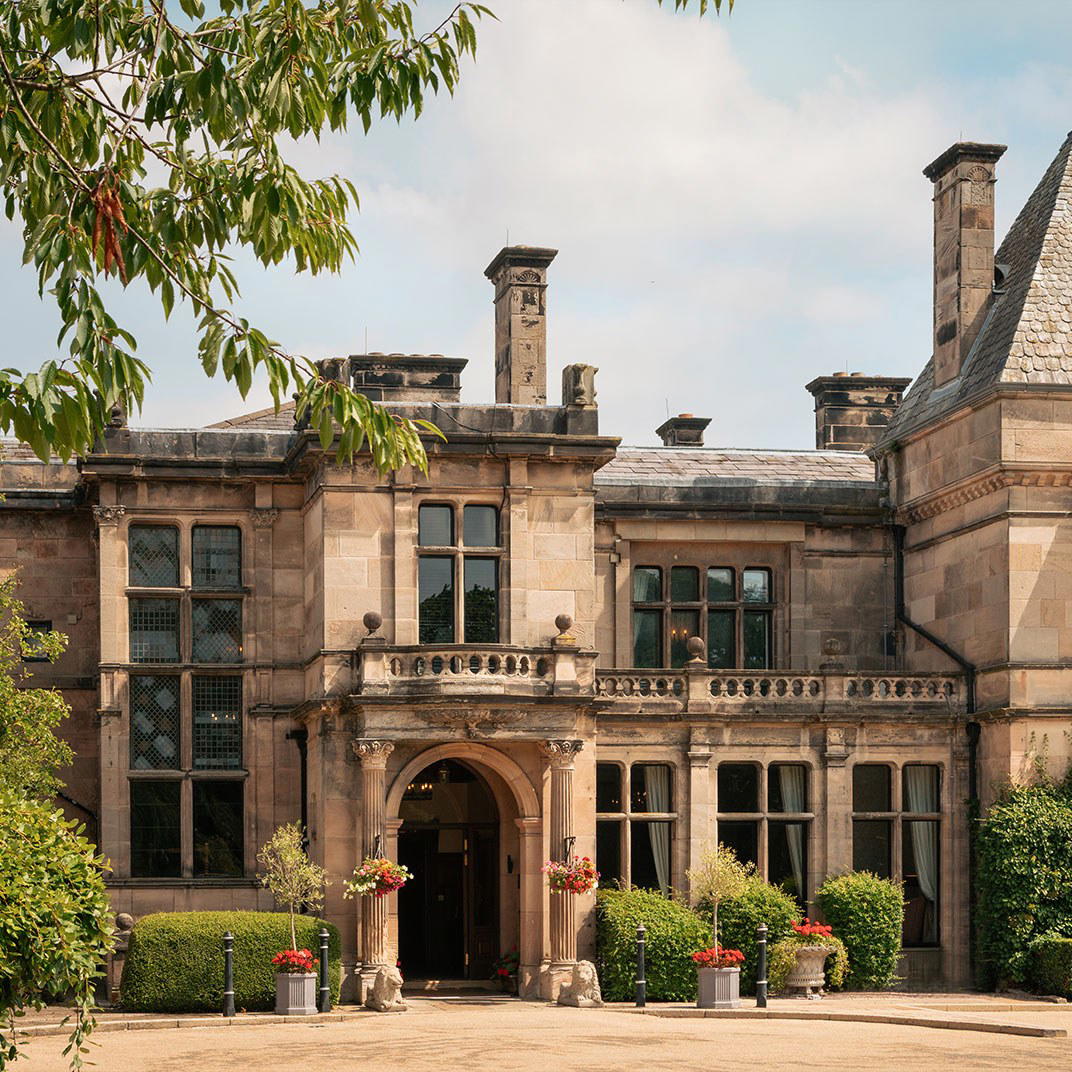
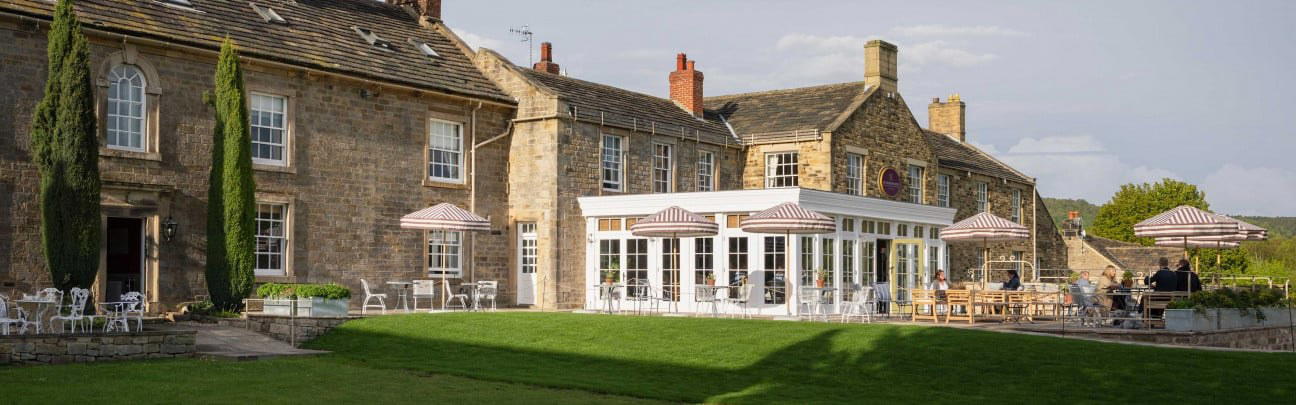
The Caldon Canal does not attract day-trippers in the way that, say, the waterways of Bath or Chester do. Cheddleton is a quiet Staffordshire Moorlands village, and the canal path alongside it sees walkers and narrowboat enthusiasts rather than tourist crowds. It is in this low-key setting that The Flintlock occupies a fine stone building at 11 Cheadle Road, period features intact, two dining rooms dressed without fuss, and a sitting area that encourages a drink before the meal rather than a hurried transition to the table. That pre-dinner stroll along the towpath is not incidental; it sets the pace for an evening that rewards unhurried attention.
The restaurant holds a Michelin Plate for 2024 and 2025, a designation that denotes consistent quality cooking without the full-star apparatus of, say, L'Enclume in Cartmel or Moor Hall in Aughton. Within the broader pattern of British regional dining, the Plate tier covers a meaningful range: it can signal a kitchen on its way to a star, or one that has found a calibration point it intends to hold. For context, properties operating at the starred end of the national spectrum, from hide and fox in Saltwood to Midsummer House in Cambridge, carry the full weight of that assessment framework.
A Modern Approach in an Unhurried Setting
Modern British cooking at the regional level has moved steadily toward a model where provenance and technique share equal billing. The kitchen at The Flintlock is run by a self-taught chef, a detail that places this restaurant in a tradition with its own credibility in Britain, one that runs from the gastropub movement through to contemporary venues where formal training is less important than palate, discipline, and sourcing instincts. The broader national dining culture has, over the past two decades, produced a number of self-taught cooks operating at high levels, and the Michelin Plate recognition here adds a verifiable marker to that observation.
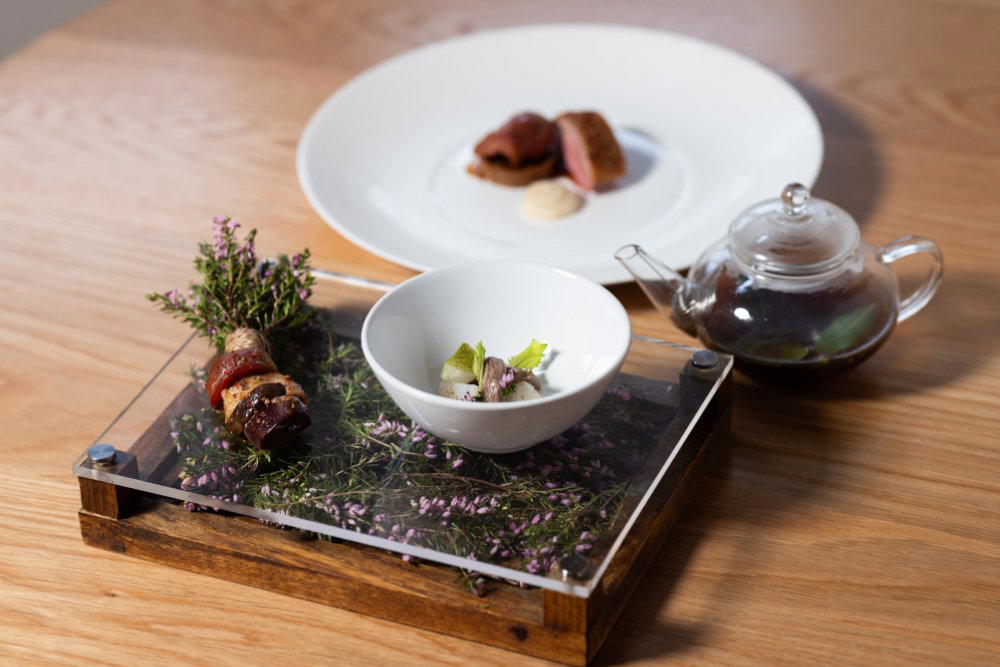
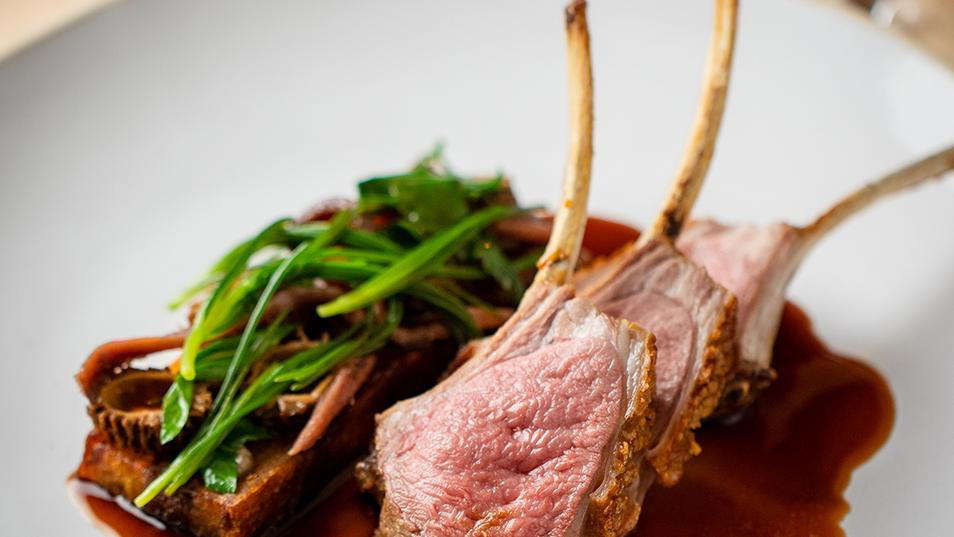
The menu takes a modern approach to Staffordshire's position within the English Midlands and the broader North West food corridor, a region with access to good freshwater fish via its canal and river systems, seasonal game from the moorlands, and dairy produce from surrounding farms. Hake with fermented lettuce is noted as a kitchen favourite, and it illustrates a specific strand of contemporary British cooking: the willingness to apply fermentation and preservation techniques to familiar proteins rather than reserving those methods for more fashionable ingredients. Fermented lettuce in particular signals a kitchen that is thinking about acidity and texture as structural tools rather than garnish. The Parker House rolls, described as a highlight, point to an attention to bread that has become a credible signal of kitchen seriousness across British restaurants of this tier; at venues from The Ledbury in London to Gidleigh Park in Chagford, the bread course functions as an early trust signal. Puddings, noted as a particular strength, align with a regional dining culture in the Midlands and North that has retained a serious commitment to dessert, a contrast with some metropolitan tasting menus where the sweet course is compressed.
The Sourcing Frame: Why Location Matters for This Kitchen
The editorial angle on a restaurant like this has to start with where the food comes from, because the Staffordshire Moorlands is not a neutral landscape for a kitchen with sourcing ambitions. The area sits between the Peak District to the north-east and the Cheshire Plain to the west, giving a kitchen in Cheddleton access to upland game, pasture-raised livestock, and the kind of small-scale vegetable growers that survive in areas where land is not dominated by intensive arable farming. The canal itself is not a sourcing route in the modern era, but its presence is a reminder of a pre-industrial food geography that shaped what this part of England grew, reared, and ate.
Modern British cooking at the regional level, as practised at smaller venues operating in this price tier, tends to depend more heavily on direct supplier relationships than the high-volume urban kitchens it stylistically references. A kitchen of this scale, in a village of this size, is likely sourcing within a tight radius not only for philosophical reasons but practical ones: the logistics of long-distance premium supply become harder to justify at £££ pricing. That constraint, when embraced rather than circumvented, often produces more coherent food. The fermentation techniques visible in the hake dish are consistent with a kitchen that thinks about preservation and seasonality as part of the same consideration, a strand visible across the wider modern British movement, from The Fat Duck in Bray to smaller regional operators who have absorbed those methodological influences without the same budget or profile.
Where The Flintlock Sits in the Regional Picture
The Staffordshire Moorlands does not carry the culinary reputation of, say, Cartmel or the Wye Valley, but that is partly a matter of critical attention rather than ingredient quality or kitchen talent. British food media concentrates coverage on a relatively small number of destination-dining corridors; serious kitchens operating outside those corridors accumulate Michelin recognition and strong local followings without the same editorial volume. Opheem in Birmingham represents one model of how Midlands-adjacent cooking builds national profile; smaller regional operators like The Flintlock represent a different trajectory, where the ambition is focused rather than expansive.
For a reader planning a visit, the practical parameters are these: the restaurant sits at a £££ price point, which positions it above gastropub-level spending and below the tasting-menu tier occupied by starred operations such as Restaurant Andrew Fairlie in Auchterarder or Le Manoir aux Quat' Saisons in Great Milton. At this tier, the expectation is cooking that reflects genuine skill and sourcing care rather than the full production of a destination-dining experience. Cheddleton itself is accessible from Leek and the A520, and the combination of a canal walk and a dinner here makes for a coherent afternoon-into-evening itinerary. For wider planning in the area, see our full Cheddleton restaurants guide, our Cheddleton hotels guide, our Cheddleton bars guide, our Cheddleton wineries guide, and our Cheddleton experiences guide.
For those tracking the broader modern cuisine conversation internationally, the same sourcing-led methodology that defines The Flintlock's approach appears at very different scales, from Frantzén in Stockholm to FZN by Björn Frantzén in Dubai and Hand and Flowers in Marlow. The ambition and the budget differ; the underlying logic of cooking carefully with good ingredients does not.
Frequently asked questions
Is The Flintlock a family-friendly restaurant?
At a £££ price point in a spacious, elegant stone building, The Flintlock is positioned as a considered adult dining experience. The calm, period-interior setting and canal outlook set a tone that suits a longer, unhurried meal rather than an informal family outing. In Cheddleton, it sits among limited alternatives, making it a destination rather than a casual drop-in.
What's the overall feel of The Flintlock?
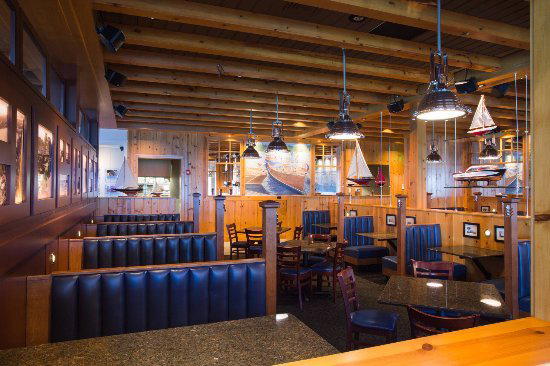
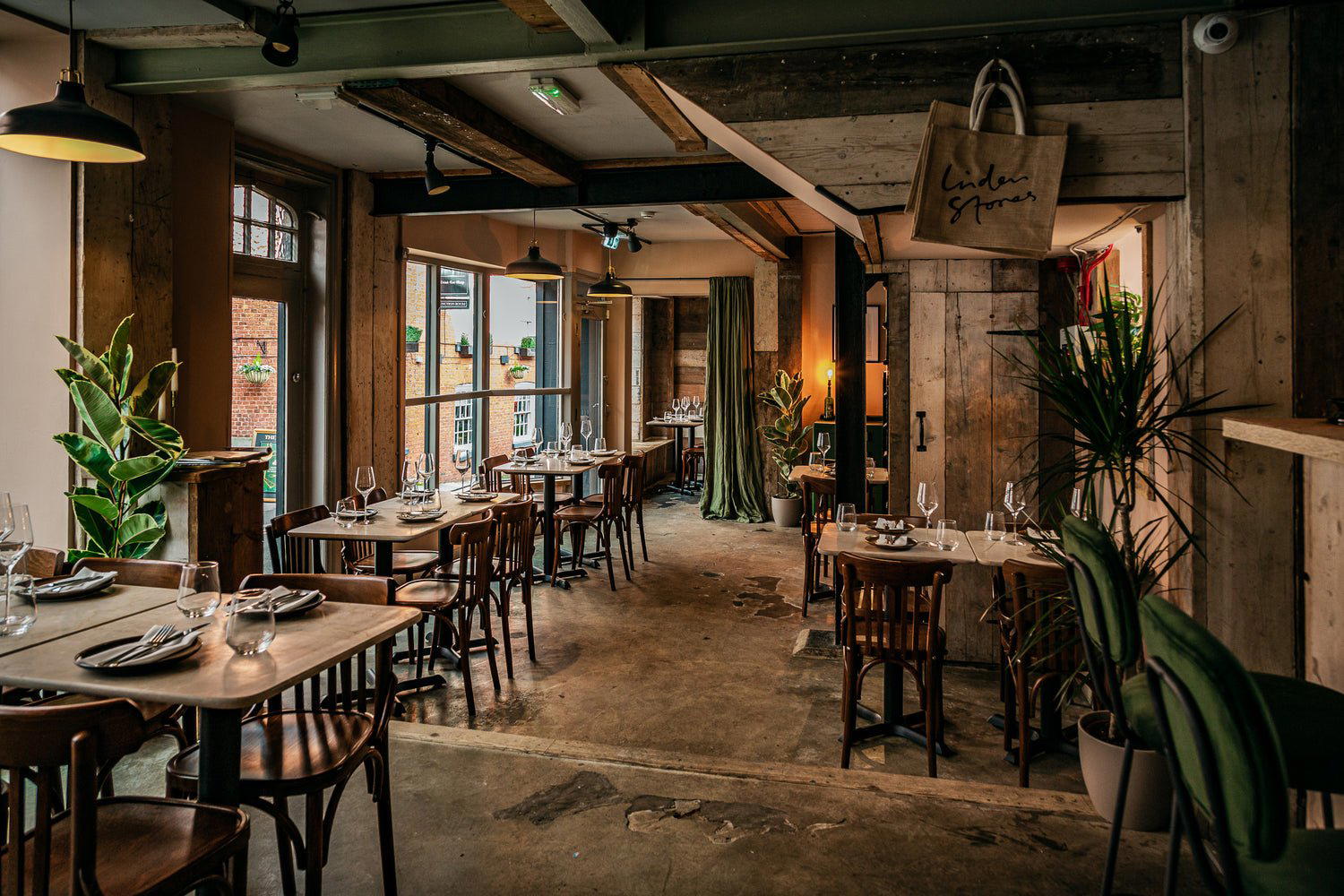
The Flintlock occupies a fine stone building with views over the Caldon Canal, and the interior carries period features across two dining rooms and a sitting area. The atmosphere is calm and measured: service is described as sweet and engaging, and the Michelin Plate recognition since 2024 reflects a kitchen that takes the cooking seriously without tipping into formality.
Is The Flintlock Michelin-listed?
The Flintlock has received recognition including: Set inside a fine stone building overlooking a peaceful canal, this spacious, elegant restaurant is packed with charm. There are period features aplenty across the sitting area and the two dining rooms, where the self-taught chef serves dis….
What's the signature dish at The Flintlock?
Hake with fermented lettuce is the kitchen's noted favourite and the clearest signal of the self-taught chef's modern approach: a familiar protein treated with a technique, fermentation, that demands both precision and patience. The Parker House rolls and puddings are also flagged as highlights worth factoring into how you pace the meal.
In Context: Similar Options
| Venue | Cuisine | Price | Awards | Notes |
|---|---|---|---|---|
| The FlintlockThis venue (the venue you are viewing) | Modern British Fine Dining | $50–100 | Michelin Plate · AA Rosettes 3 Rosettes | Not listed |
| The Ledbury | Modern British Fine Dining | $300–500 | 3 Michelin Stars · World's 50 Best #42 | Modern European, Modern Cuisine |
| Sketch, The Lecture Room and Library | Modern French Fine Dining | $200–300 | 3 Michelin Stars · World's 50 Best #18 | Modern French |
| CORE by Clare Smyth | Modern British Fine Dining | $150–200 | 3 Michelin Stars · World's 50 Best #97 | Modern British |
| Restaurant Gordon Ramsay | French Fine Dining | $200–300 | 3 Michelin Stars · World's 50 Best #13 | Contemporary European, French |
| Dinner by Heston Blumenthal | Modern British, Traditional British | Not listed | Michelin 2 Star | Not listed |
Recognition history
Dated appearances from independent guides and award organizations, with the underlying list record or original source where available.
Michelin Plate
Michelin
AA Rosettes 3 Rosettes
AA Rosettes
Full recognition history (4 entries)
Michelin Plate
Michelin
Michelin Plate
Michelin
Continue exploring
More in Cheddleton
Restaurants in Cheddleton
All restaurants in Cheddleton →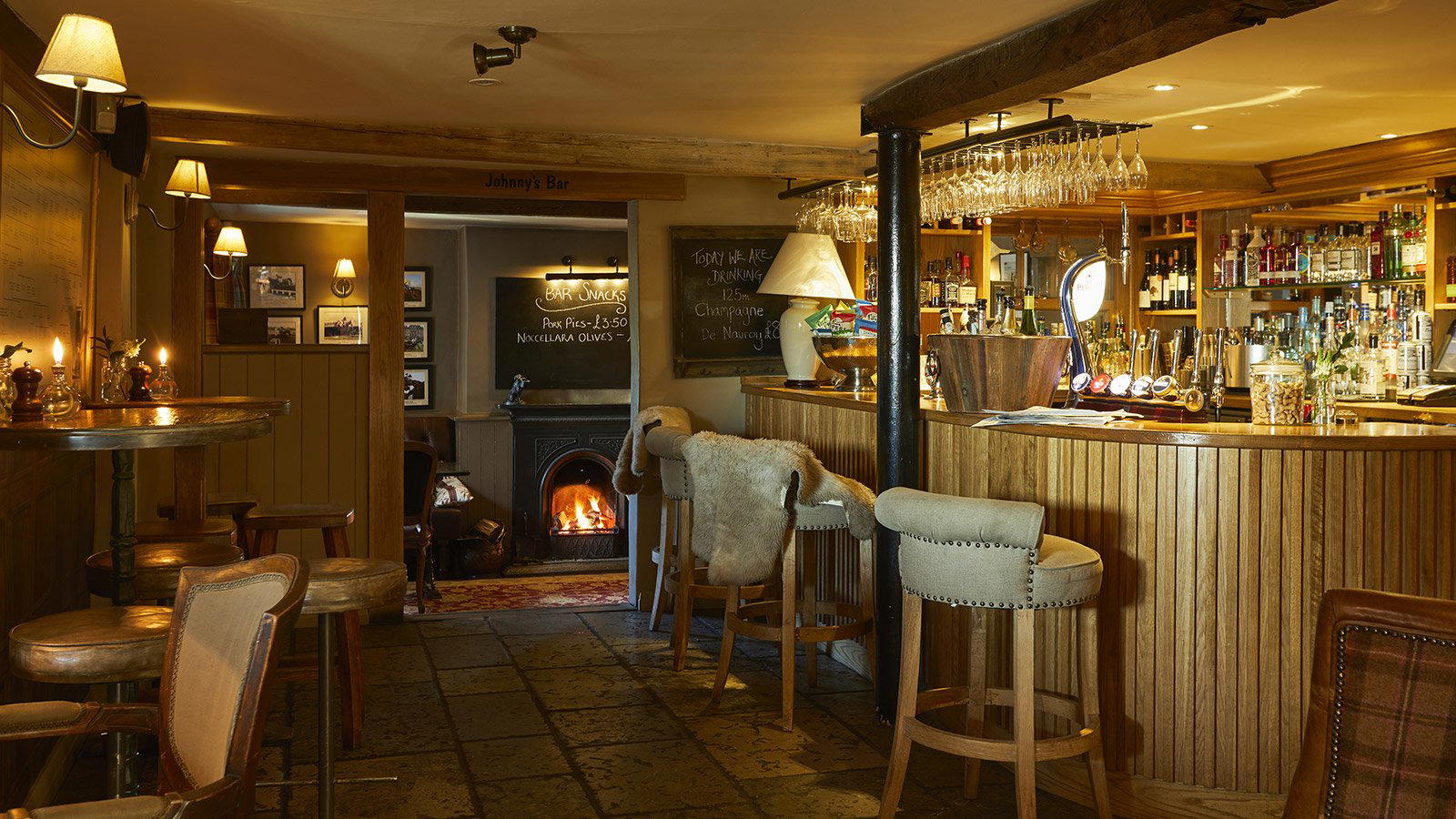
Details
- Elegant
- Cozy
- Romantic
- Rustic
- Date Night
- Special Occasion
- Open Kitchen
- Extensive Wine List
- Local Sourcing
- Waterfront
- Tasting Menu
- A La Carte
- Set Menu
- Vegetarian Friendly
Current opening hours
- Monday
- Closed
- Tuesday
- Closed
- Wednesday
- 6–11 PM
- Thursday
- 12–3 PM, 6–11 PM
- Friday
- 12–3 PM, 5:30–11 PM
- Saturday
- 9:30 AM–3 PM, 5:30–11 PM
- Sunday
- 10 AM–4 PM
Hours can change for holidays and private events. Hours as of .
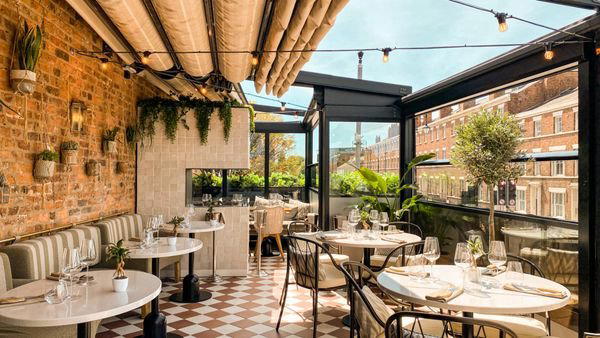
Spacious and elegant with period features, warm lighting, relaxed romantic atmosphere praised for being cozy yet allowing conversation.