The Pack Horse



Michelin Plate · The Good Food Guide GFG Good
Our verdict
The Pack Horse puts Hayfield’s village-pub tradition into the modern gastropub conversation: real ales, open fires, quiz-night localism and Modern British cooking with enough polish to earn a Michelin Plate in 2025. It is a useful Peak District address for travellers who want the pub to remain a pub, rather than a dining room wearing rural costume.

Pearl is the En Primeur Club membership app, where members save venues, book tables and use the concierge.
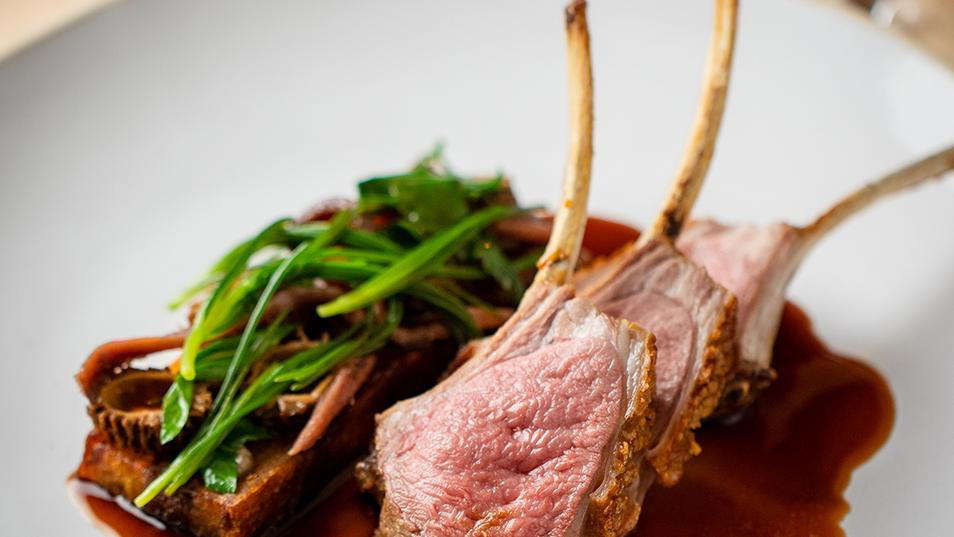
Stone, fire, ale and a village room still matter in the British gastropub. In Hayfield, the countryside draws walkers, weekenders and escapees, but scenery is not enough. The Pack Horse belongs to modern pub dining that keeps democratic codes intact while sharpening the food enough to plan around.
The Michelin Plate awarded in 2025 signals not a temple conversion, but a British shift. Over two decades, the gastropub has moved from novelty to national format with regional accents: real ale at the bar, village regulars in the room, and kitchens borrowing restaurant precision without losing pub ease. Hayfield tests that model: a room can fill with locals for quiz night and still serve hearty pub dishes with a refined edge.
Modern British pub cooking, kept close to the bar
The better gastropub kitchens do not erase the pub; they improve its grammar. Hearty dishes remain part of the promise, but technique, sourcing and plating matter more than volume. The Pack Horse fits that pattern, with real ales and a repertoire including the Manchester (Scotch) Egg as a named signature, placing the food in a northern pub idiom rather than a generic tasting-menu register.
Format works when bar and kitchen feel mutually dependent: ale drinkers are not scenery, and diners are not asked to pretend they are in a formal restaurant. Compared with peers such as Deacon's Bank, The White Hart and Higher Ground, the Hayfield address reads less as a city dining room and more as a village local disciplined by contemporary cooking. Lovage and Lamb Inn help frame the wider field, but The Pack Horse holds the middle ground where polish must justify itself without breaking the pub contract.
For readers mapping Britain, that middle ground is often more revealing than grander dining. Formal restaurants can pursue theatre, tasting structures and chef-led authorship. The pub has tighter rules: it must work before and after the main meal, hold a mixed-age crowd, and make sense to someone ordering a pint as much as to someone reading the menu closely. That pressure encourages judgement: fewer flourishes, more clarity, less dining-room vanity.
EP Club readers building a northern food route can place this alongside wider UK references without confusing categories. Chef-led destination dining and more authored urban formats operate by different rules. The Pack Horse is not playing that game. Its interest is how far a village pub can raise its cooking while keeping pub culture legible.
A village room with open fires, ales and regulars
Atmosphere is part of the value. Open fires and contemporary décor give the room its split identity: old enough to feel local, edited enough to avoid nostalgia theatre. Real ales and regular quiz nights anchor it to Hayfield rather than turning it into a countryside restaurant in a pub shell.
That local function is a serious distinction in British dining. In metropolitan restaurants, recognition can detach a room from its neighbourhood. In village pubs, recognition is fragile: food improves, outside attention follows, and regulars can feel displaced. Stronger gastropubs resist by keeping multiple uses alive: a pint, a family table, a Sunday meal, a midweek quiz, a more considered dinner.
The Michelin Plate confirms professional attention, but sits beside humbler evidence: real ales, quiz nights, fires, a friendly team and hearty food with a refined edge. Together, they form the credible picture. This is not a high-concept rural restaurant or formal tasting-menu room. It belongs to the better British pub lineage, where comfort and competence arrive together.
Travellers comparing Hayfield with larger city stops should use the category carefully. Bigger urban centres offer denser choice and more late-night energy, with restaurants operating in a different rhythm. Hayfield’s appeal is narrower and more grounded: a village setting, functioning pub rituals, and enough kitchen ambition to warrant attention beyond the village.
How to place it on a Hayfield itinerary
The Pack Horse works well as part of a Hayfield day rather than an isolated trophy booking. The village’s appeal is compact: arrive for the countryside, stay for the pub culture, and treat dinner as a continuation of place rather than a separate performance. For a fuller local plan, start with our full Hayfield restaurants guide, then widen the trip through our full Hayfield hotels guide, our full Hayfield bars guide, our full Hayfield wineries guide and our full Hayfield experiences guide.
The broader UK comparison clarifies expectations. City-specific casual formats, regional dining rooms and small-town restaurants all speak to different parts of British food culture rather than village-pub continuity. British dining now fragments by setting as much as by menu style. The Pack Horse’s lane is specific: hearty pub food with a refined edge, village social life and Michelin-recognised competence.
That specificity is the reason to go. A meal here is not about grandeur; it is the gastropub idea where it has purpose. The better comparison may be with rural or small-town dining rooms, though each has its own local ecology. Other addresses also remind us that place, audience and format shape the meal as much as the food itself.
The critical read is simple: Hayfield does not need a pub pretending to be a metropolitan dining room. It needs a serious local with bar culture, a warm room and food that carries scrutiny. The Pack Horse fits, and the 2025 Michelin Plate confirms what the format suggests: the British gastropub is strongest when the village local is improved, not replaced.
Frequently asked questions
Does The Pack Horse work for a family meal?
Yes, if the group wants a pub rather than a formal dining room. The Pack Horse serves hearty pub dishes with a refined edge in Hayfield.
What is the atmosphere like at The Pack Horse?
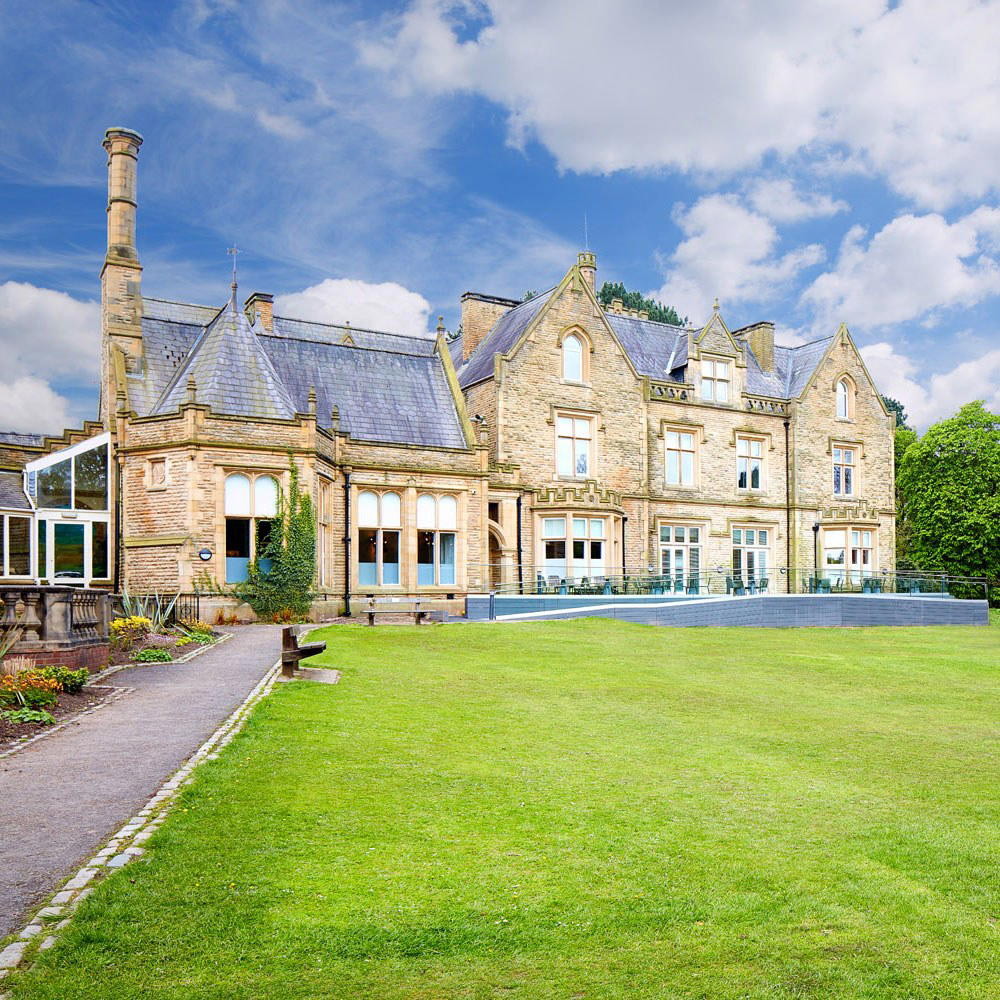
Expect a traditional stone pub with open fires and warm, contemporary décor. Real ales and weekly quiz nights give it the feel of a proper village local in Hayfield, rather than a staged dining room.
Has The Pack Horse won any awards?
The Pack Horse has received a Michelin Plate for 2025. It is also recognised for real ales, weekly quiz nights, hearty pub dishes with a refined edge, the Manchester (Scotch) Egg as a signature, open fires, warm contemporary décor and a friendly team.
What cuisine category does The Pack Horse fall under?
The Pack Horse is best described as a traditional village pub serving hearty pub dishes with a refined edge.
Quick Comparison
Comparable venues by cuisine and price in the same metro.
| Venue | Cuisine | Price | Awards | Notes |
|---|---|---|---|---|
| The Pack HorseThis venue (the venue you are viewing) | Modern British Gastropub | $30–50 | Michelin Plate · The Good Food Guide GFG Good | Not listed |
| Deacon's Bank | Modern British | $30–50 | Michelin Plate | Not listed |
| Lovage | Modern British | Not listed | Not listed | Not listed |
| Lamb Inn | Modern British Gastropub | $30–50 | Michelin Plate · The Good Food Guide GFG Good | Modern British |
| The White Hart | British Gastro Pub | $30–50 | Michelin Plate | Modern British |
| Higher Ground | Modern British | $50–100 | Michelin Bib Gourmand · Star Wine List | Not listed |
Recognition history
Dated appearances from independent guides and award organizations, with the underlying list record or original source where available.
Michelin Plate
Michelin
Top 50 Gastropubs 2026 Estrella Damm Top 100 Gastropubs #66
Top 50 Gastropubs
The Good Food Guide GFG Good
The Good Food Guide
Full recognition history (5 entries)
Michelin Plate
Michelin
Michelin Plate
Michelin
Continue exploring
More in Hayfield
Restaurants in Hayfield
All restaurants in Hayfield →
Details
- Rustic
- Cozy
- Classic
- Casual Hangout
- Family
- Open Kitchen
- Beer Program
- Local Sourcing
- A La Carte
- Beer Program
Current opening hours
- Monday
- Closed
- Tuesday
- Closed
- Wednesday
- 12–11 PM
- Thursday
- 12–11 PM
- Friday
- 12–11 PM
- Saturday
- 12–11 PM
- Sunday
- 12–11 PM
Hours can change for holidays and private events. Hours as of .
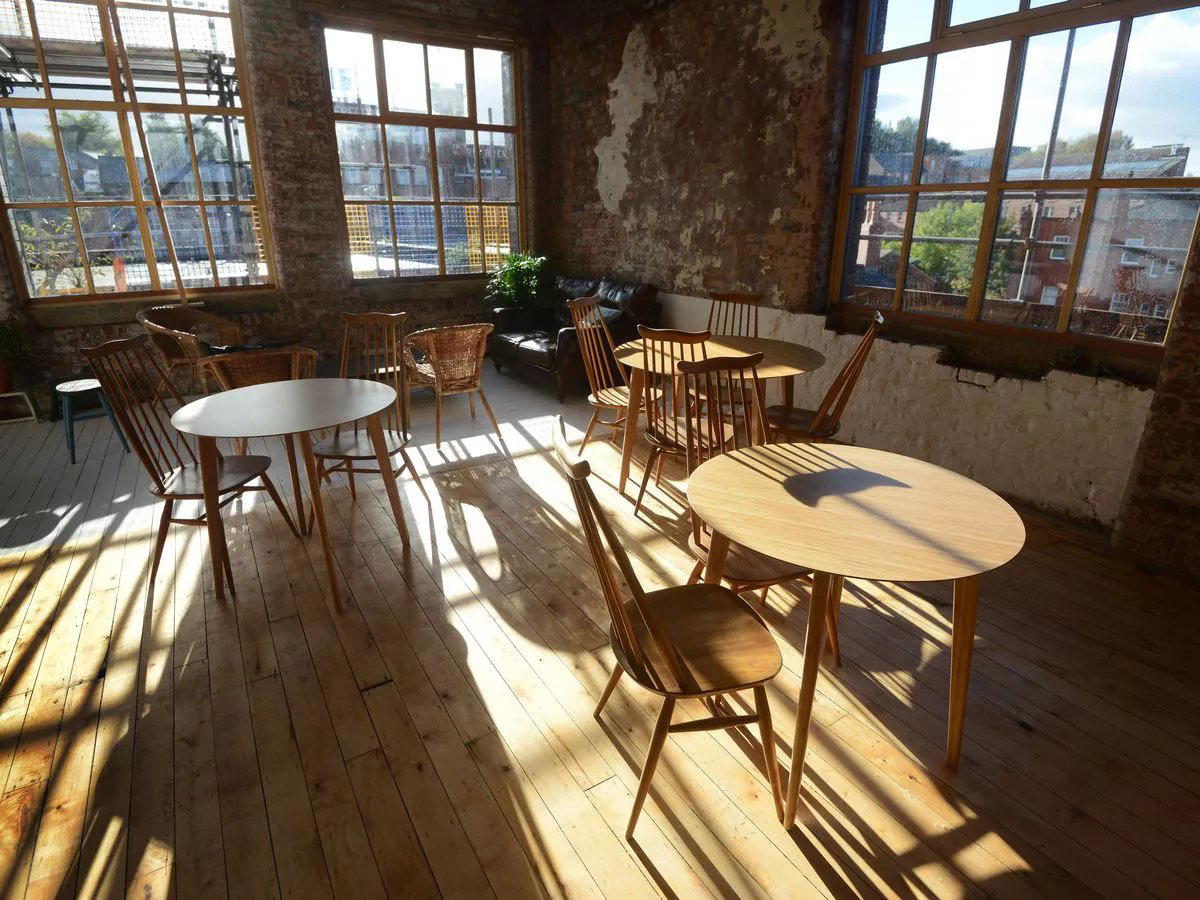
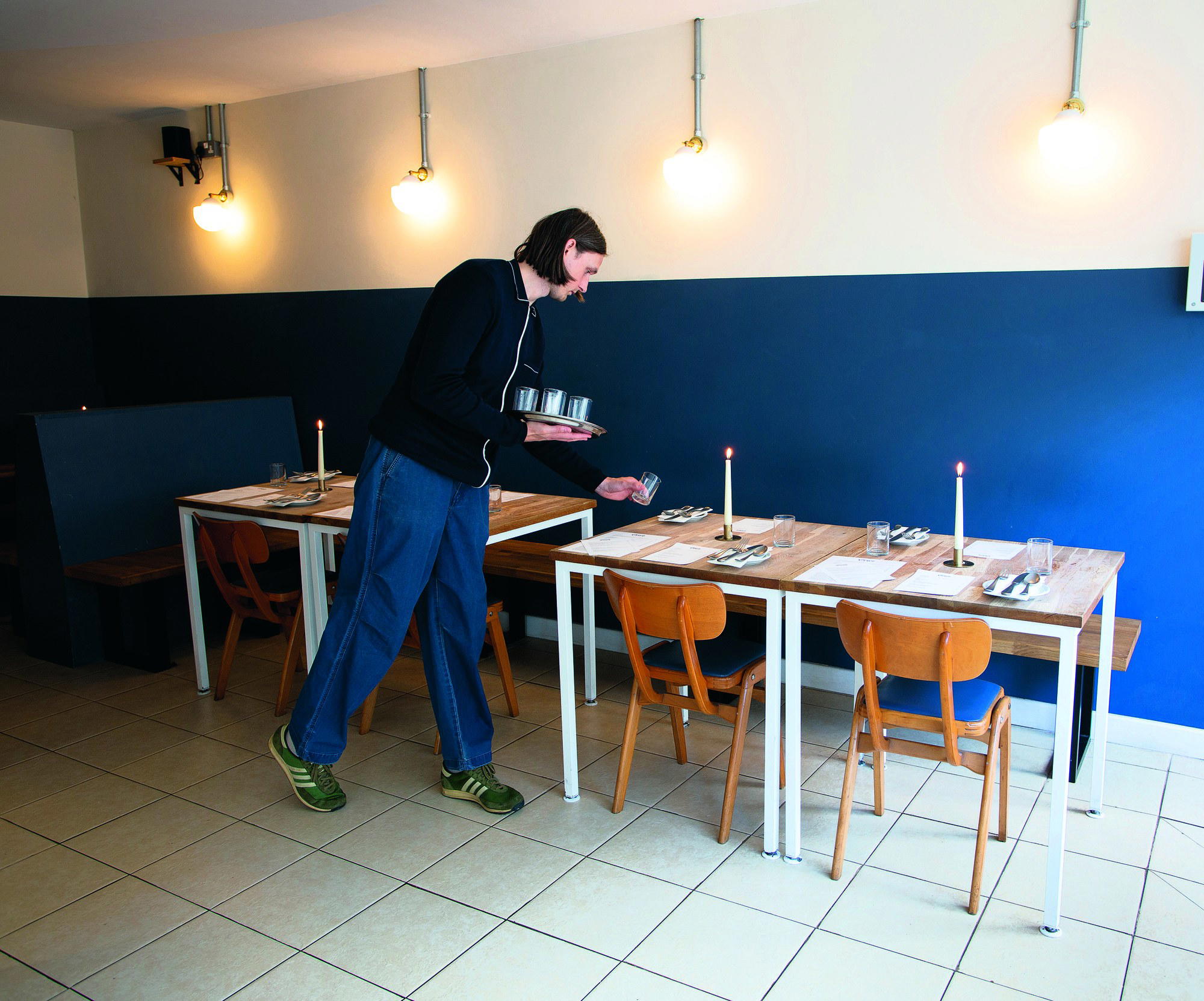
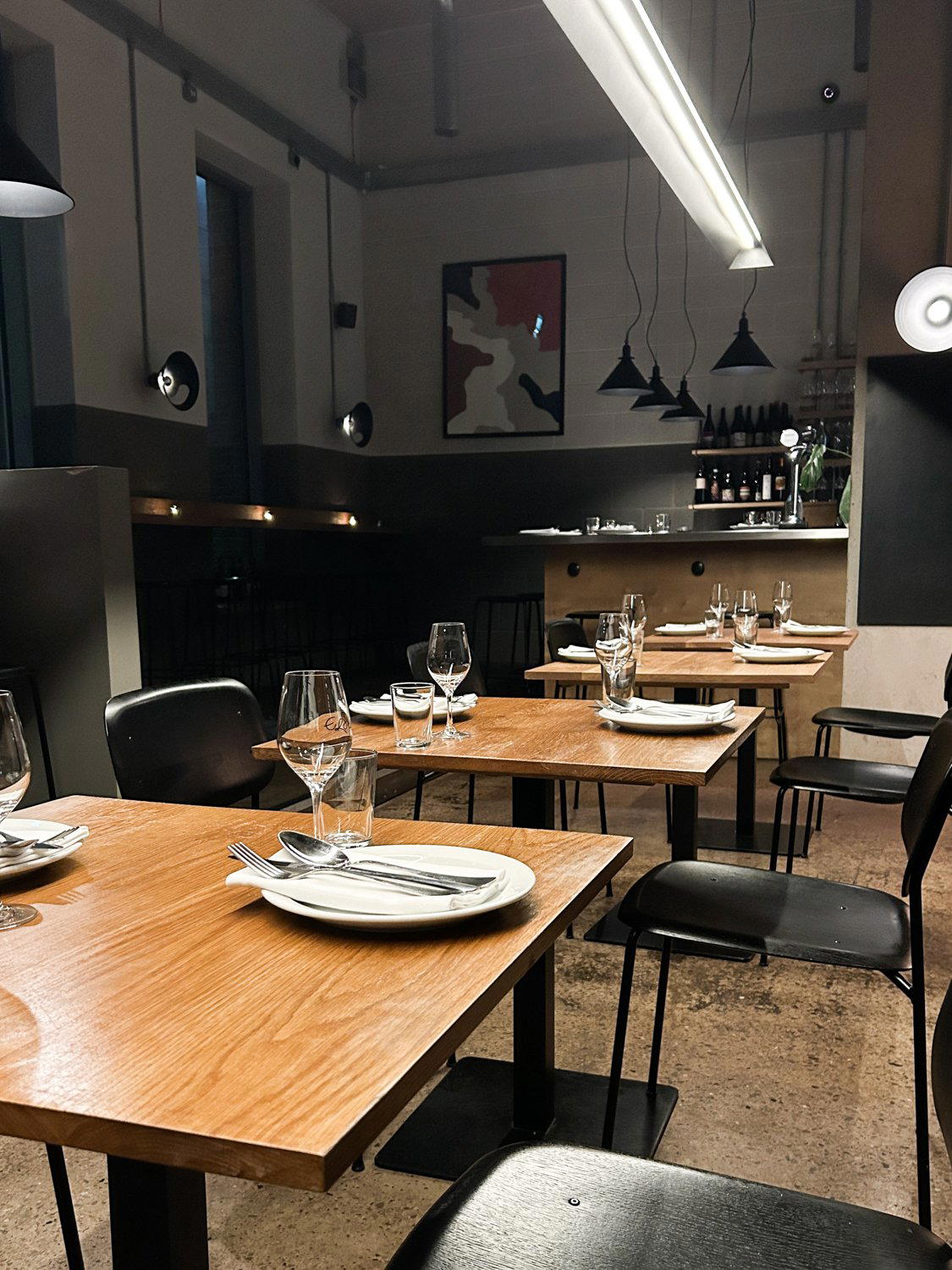
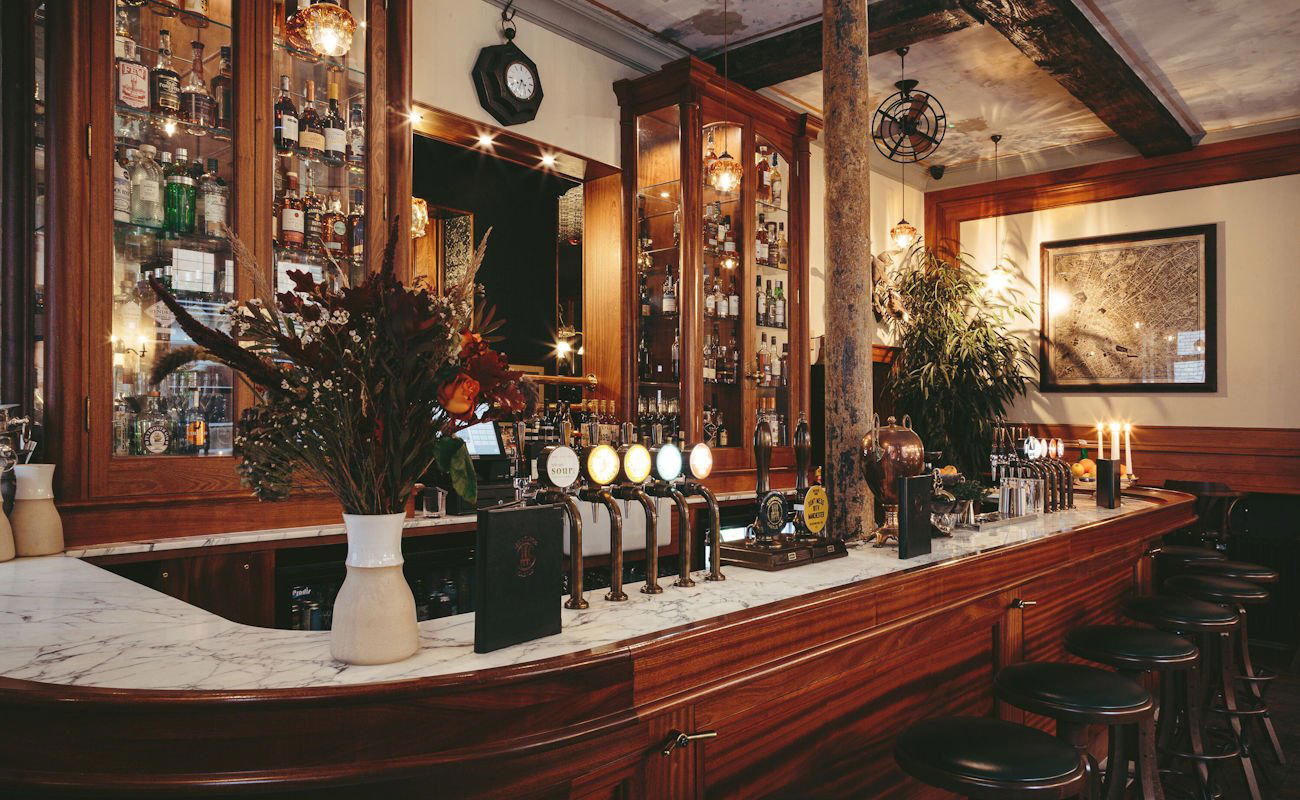
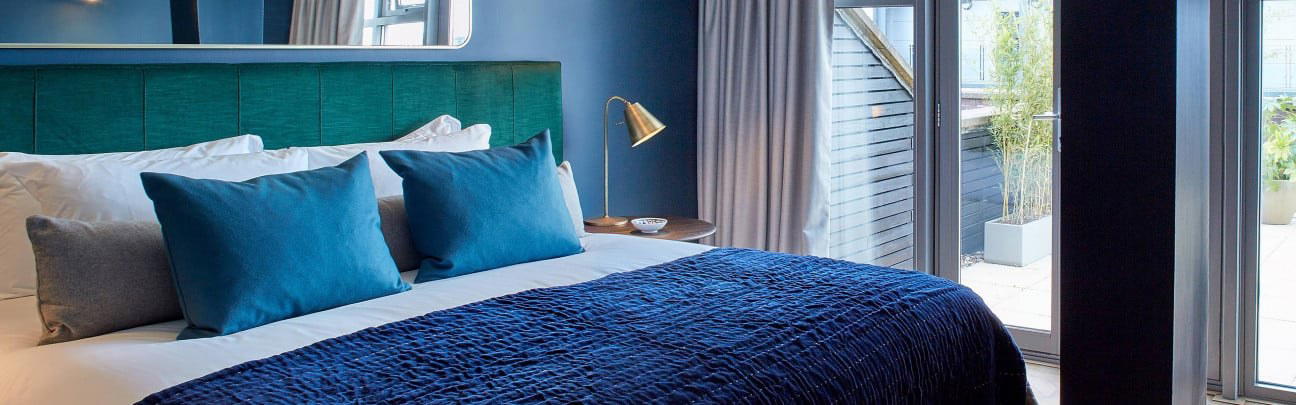
Warm contemporary decor with light wooden floors, art-covered walls, open fires, and a modern refurb in a traditional stone Pennine pub.