The Rusty Pelican
Positioned along the Rickenbacker Causeway with Biscayne Bay as its backdrop, The Rusty Pelican has anchored Key Biscayne's waterfront dining scene for decades. The restaurant draws on South Florida's coastal pantry and frames it through a lens shaped by the same global technique that defines Miami's broader culinary ambitions. It remains one of the city's most recognizable addresses for water-facing dining at a serious scale.
Pearl is the En Primeur Club membership app — saves, bookings, and concierge access live there. Same editors, same standards.
- Address
- 3201 Rickenbacker Cwy, Key Biscayne, FL 33149
- Phone
- +13053613818
- Website
- therustypelican.com
- Directions
- Get directions
 Saves & bookings on Pearl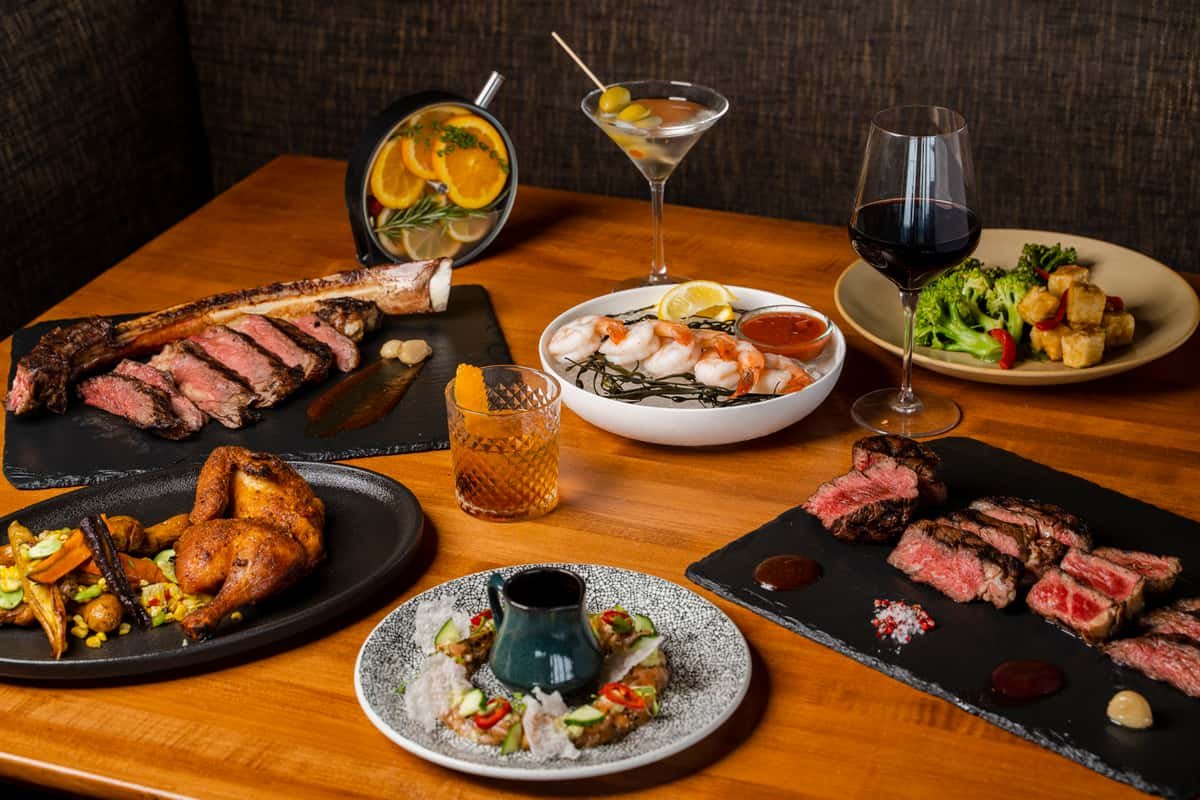
Where the Bay Does the Work
Drive the Rickenbacker Causeway out toward Key Biscayne and the Miami skyline recedes behind you in a way that few other routes in the city allow. By the time you reach The Rusty Pelican at 3201 Rickenbacker Causeway, the water is on both sides and the downtown towers have shrunk to a postcard silhouette. That view is central to the experience here, shaping everything else around it. Miami has many waterfront restaurants, but most of them trade on proximity to a canal or a marina slip. This one faces the full open bay, and the scale of that setting changes the register of the meal before a single plate arrives.
South Florida's dining culture has always had to reconcile two things: the extraordinary quality of what the surrounding waters and subtropical climate produce, and the ambitions of a city that measures itself against global culinary capitals. That tension plays out differently across Miami's neighborhoods. In Coconut Grove, it tends toward the casual and the local. In the Design District, it resolves into European formalism. Along Brickell, it courts the international finance crowd. At The Rusty Pelican, the resolution is coastal American with the kind of scope that the waterfront setting seems to demand, a room that reads as celebratory without tipping into occasion-only stiffness.
South Florida's Pantry, Applied with Precision
The editorial angle that matters most for understanding The Rusty Pelican is not the view, even though the view is what most people remember. It is the relationship between the ingredients available within close range, Gulf and Atlantic seafood, Florida stone crab, local citrus, the herbs and produce that the subtropical climate makes available year-round, and the techniques that a kitchen operating at this scale applies to them. This is a pattern visible across Miami's dining addresses: local product handled with methods that draw on European and Latin American training traditions as much as on any regional American vernacular.
Compare this approach to what is happening at venues like ITAMAE, where Peruvian technique meets South Florida fish in a format built around crudo and tiradito, or at Ariete in Coconut Grove, where the Modern American framework absorbs Cuban-American influence at the level of ingredient and memory rather than decoration. The restaurant operates in a different register, larger, more classically oriented, but the underlying logic is similar: Florida's coastal abundance filtered through a global technical vocabulary.
This intersection of local ingredient and imported method is not distinctive to Miami, but Miami executes it with particular intensity. The same dynamic appears at the waterfront-adjacent level in cities like San Francisco, where Lazy Bear applies high technique to California-sourced product, or in Los Angeles at Providence, where the Pacific pantry meets a kitchen built on classical French discipline. What Miami adds to that equation is the specific character of its subtropical environment, stone crab season running October through May, snapper and grouper from Keys waters, Florida lobster that differs texturally and in flavor profile from its Maine counterpart. A kitchen that knows how to use those ingredients at their seasonal peak, rather than defaulting to imported product, is working with a genuine competitive advantage.
Where The Rusty Pelican Sits in Miami's Dining Tier
Miami's restaurant scene has stratified considerably over the past fifteen years. At the upper end, you have venues like L'Atelier de Joël Robuchon Miami, operating within a globally recognized framework, and Boia De, which has accumulated critical attention for its compressed, precise Italian-American format. At the Korean steakhouse tier, Cote Miami has established a strong foothold. The restaurant occupies a different position: it is a large-format, waterfront-anchored dining room with a long operational history in a city that tends to cycle through restaurant concepts quickly. That longevity in the Miami market is notable in a city that often cycles through restaurant concepts quickly.
Long-running waterfront restaurants at this scale succeed by doing something that the market genuinely wants and cannot easily replicate elsewhere. In the restaurant's case, that is the combination of the bay view, a dining room that accommodates both private events and walk-in table dining, and a menu that holds its ground as seafood-focused without narrowing into a specialist format. For visitors comparing notes with other American coastal dining experiences, say, Le Bernardin in New York City or Addison in San Diego, the restaurant reads as the local, place-rooted option rather than the technically ambitious destination. That is a distinction, not a criticism.
The Causeway Factor: Getting There and Timing It Right
Arriving by car along the Rickenbacker Causeway is the standard approach, and it works well in the late afternoon when the light on the bay runs gold and the downtown skyline behind you is at its most photogenic. Weekend evenings draw the densest crowds, and the combination of private events and regular dining service can create waits even with a reservation. Midweek dinners and weekend lunches tend to move more smoothly. The restaurant's Key Biscayne address puts it outside the traffic patterns of South Beach and Brickell, which means the drive from central Miami is relatively direct at off-peak hours but can extend on Friday and Saturday evenings when Rickenbacker Causeway traffic backs up.
Know Before You Go
- Address: 3201 Rickenbacker Causeway, Key Biscayne, FL 33149
- Getting there: Car is the primary option; the Rickenbacker Causeway connects to the mainland from Brickell. Allow extra time Friday and Saturday evenings when causeway traffic is heaviest.
- Leading timing: Late afternoon arrivals capture the bay light at its most favorable. Midweek dinners typically move with less friction than weekend service.
- Private events: The restaurant handles large-format private events alongside regular dining, which affects room availability and service pace on busy nights.
- Nearby context: Key Biscayne is a short drive from Coconut Grove and Brickell; combining a Rusty Pelican visit with a Coconut Grove dinner or Brickell bar stop makes logistical sense.
Quick Comparison
Comparable venues nearby, for context on price, style, and recognition.
| Venue | Cuisine | Price | Notes |
|---|---|---|---|
| The Rusty PelicanThis venue — the venue you are viewing | Seafood with Latin Influences | $$$ | Not listed |
| The River Oyster Bar | Fresh Seafood & Oyster Bar | $$$ | Miami Riverwalk |
| Area 31 | Sustainable Mediterranean Seafood | $$$$ | Miami Riverwalk |
| Gold Coast Kitchen and Cocktails | Modern Coastal Seafood | $$$ | Media and Entertainment District |
| R House Wynwood | Latin American Fusion | $$$ | Wynwood Art District |
| Paperfish Sushi | Contemporary Nikkei Sushi | $$$ | Miami Financial District |
At a Glance
- Scenic
- Elegant
- Sophisticated
- Well Known
- Date Night
- Celebration
- Group Dining
- Special Occasion
- Waterfront
- Live Music
- Private Dining
- Terrace
- Panoramic View
- Craft Cocktails
- Extensive Wine List
- Waterfront
- Skyline
Current opening hours
- Monday
- 12–10 PM
- Tuesday
- 12–10 PM
- Wednesday
- 12–10 PM
- Thursday
- 12–10 PM
- Friday
- 12–11 PM
- Saturday
- 11 AM–11 PM
- Sunday
- 11 AM–10 PM
Hours can change for holidays and private events. Last verified .
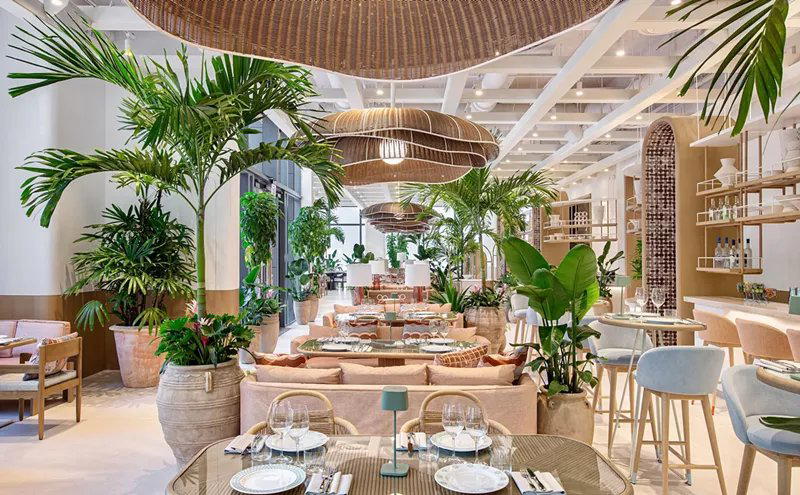
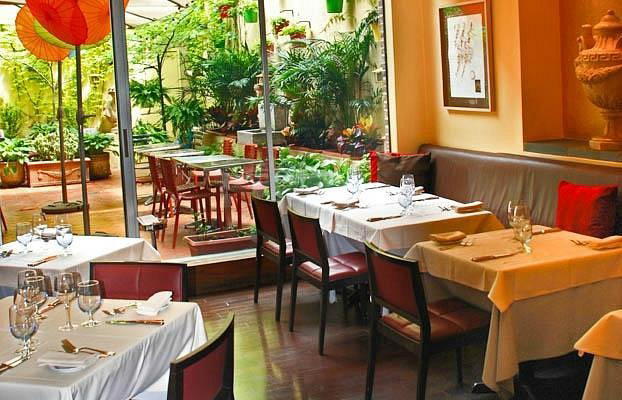
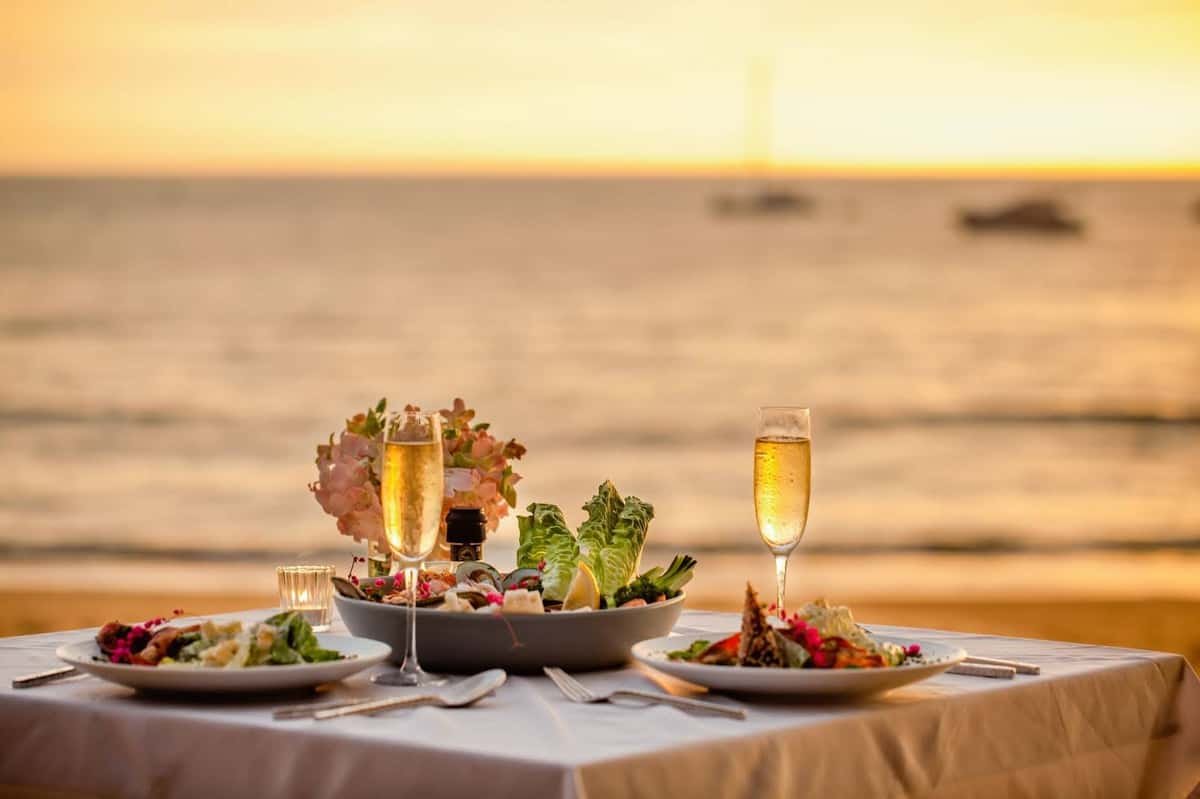
Seaside sophistication with dramatic bay and skyline views, lively outdoor patio atmosphere enhanced by table-side cocktail service.