The Rustic - San Francisco
The Rustic occupies a Church Street address in San Francisco's Castro district, positioning itself within a neighbourhood that has long supported casual, community-anchored dining alongside the city's more formal restaurant culture. With sparse public data and no headline awards on record, it functions closer to the neighbourhood staple tier than to the city's marquee tasting-menu circuit, a distinction that shapes both expectations and the experience itself.
Pearl is the En Primeur Club membership app — saves, bookings, and concierge access live there. Same editors, same standards.
- Address
- 215 Church St, San Francisco, CA 94114
- Phone
- +14158727123
- Website
- therusticsf.com
- Directions
- Get directions
 Saves & bookings on Pearl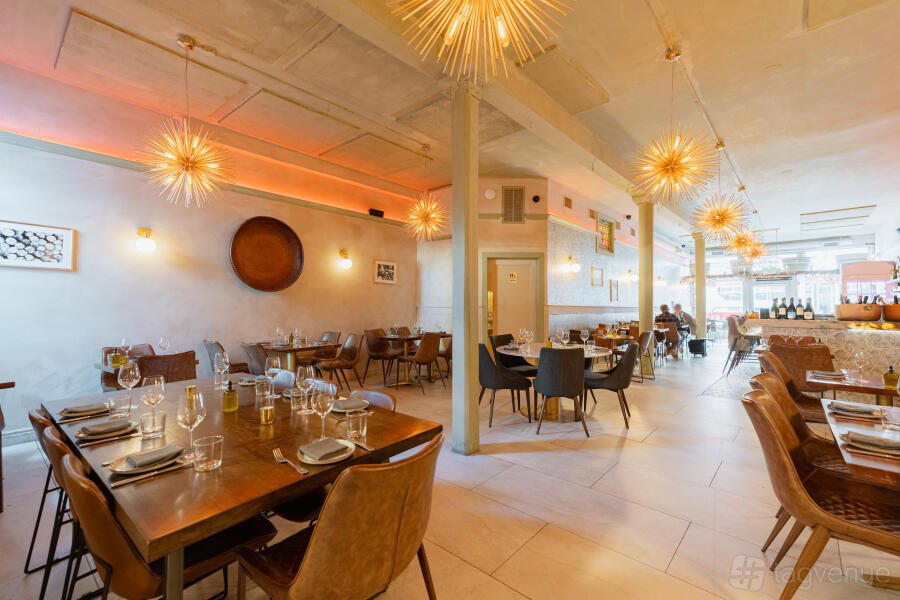
Church Street and the Case for the Neighbourhood Table
San Francisco's dining culture is frequently framed through its Michelin-starred tier: the omakase counters, the progressive tasting menus, the fire-forward Californian programs that attract international press. Venues like Lazy Bear, Atelier Crenn, and Benu define a particular version of the city's ambition. But that tier accounts for a small fraction of where San Franciscans actually eat with regularity. The Castro's Church Street corridor represents a different register entirely: neighbourhood-anchored, weeknight-compatible, and shaped less by critical recognition than by proximity and repetition.
The Rustic, at 215 Church Street, sits squarely in that register. No Michelin stars are listed in its public record, and no marquee chef name is attached to the kitchen. What positions it within the broader dining picture is precisely this absence of formal apparatus, the kind of restaurant that earns its place through routine use rather than destination dining logic.
The Ritual of the Casual Meal
There is a dining ritual specific to neighbourhood restaurants that rarely gets examined as seriously as the tasting-menu format, but which shapes more people's relationship with food: the return visit. The guest who knows which table catches afternoon light, who has a standing order, who arrives without consulting a menu. This pattern of familiarity, rather than discovery, defines how most neighbourhood restaurants in cities like San Francisco actually function.
At the casual end of the market, the pacing of a meal is looser than at, say, Quince or Saison, where courses arrive on the kitchen's schedule and the guest submits to a pre-determined arc. Here, the diner controls the tempo. Dishes arrive when they're ready, conversation isn't structured around a service choreography, and the exit doesn't feel engineered. That informality is not a concession, it is the point.
Across the United States, this type of restaurant forms the backbone of neighbourhood identity in ways that fine-dining institutions simply cannot. Blue Hill at Stone Barns and The Inn at Little Washington are important cultural markers, but they are not places anyone walks to on a Wednesday because they don't feel like cooking. The Rustic serves a different function, one that is less photogenic but more embedded.
The Castro's Dining Character
The Castro has historically supported a dining culture shaped by community density and a preference for accessibility over ceremony. The neighbourhood's restaurants tend to skew toward approachable price points, casual formats, and an atmosphere that prioritises ease of conversation over tableside spectacle. This is not the environment that produces the next generation of Michelin contenders, it is the environment that produces restaurants people return to for years without necessarily being able to explain exactly why.
Church Street, specifically, sits at the commercial heart of that character. The foot traffic is local rather than tourist-driven, which means restaurants here succeed or fail on the strength of repeat custom rather than on their ability to convert first-time visitors. That dynamic produces a different kind of hospitality attentiveness: one calibrated to recognition rather than impression.
For comparison, San Francisco's more formal dining tier, the venues that draw visitors from across the country and internationally, in the way The French Laundry draws from Napa or Le Bernardin draws to New York, operates on a fundamentally different economy of attention and expectation. The Rustic is not competing in that space, and the comparison is useful only insofar as it clarifies what kind of restaurant this is and what it is not trying to be.
Where The Rustic Fits the Broader American Casual Tier
Across American cities, there is a broad middle tier of restaurants that sit below the headline fine-dining category but above fast-casual: community anchors with some culinary identity, operating without the formal structures of tasting menus or sommelier programs. Bacchanalia in Atlanta and Emeril's in New Orleans both represent named, award-bearing versions of this mid-to-upper casual tier. The Rustic operates without that kind of institutional recognition, which places it further down that spectrum, closer to the anonymous neighbourhood staple end than to the chef-driven casual category.
That positioning is neither a criticism nor an endorsement. It is simply a useful orientation. Restaurants like Addison in San Diego or Providence in Los Angeles attract guests on the strength of documented culinary programs and critical track records. The Rustic attracts guests on the strength of convenience, familiarity, and the particular comfort of a place that does not demand much in return for the meal.
Planning a Visit
215 Church Street is accessible by Muni's J-Church line, which runs along the street's length and makes the address direct to reach from most central San Francisco neighbourhoods without a car. The Castro's dining options are dense enough that the area rewards a broader evening: an aperitif elsewhere before dinner, or a walk through the neighbourhood's commercial strip after. Reservations are recommended.
Visitors arriving from a broader tour of the city's dining culture, having already worked through Atomix-tier tasting menus in other cities or Alinea-level progressive formats in Chicago, will find this register a deliberate step down in formality and expectation. That step down is sometimes exactly what is needed.
Recognition, Side-by-Side
Comparable venues nearby, for context on price, style, and recognition.
| Venue | Cuisine | Price | Notes |
|---|---|---|---|
| The Rustic - San FranciscoThis venue — the venue you are viewing | Cal-Italian Pizza & Handmade Pasta | $$ | Not listed |
| La Copa Loca | Italian Gelato & Crepes with Mexican-Inspired Flavors | $$ | Mission |
| Fiorella Noe | Italian Pizzeria | $$ | Noe Valley |
| Bella | Southern Italian Trattoria | $$ | Tenderloin |
| Bruno's | Italian Pizza and Grill | $$ | Financial District/South Beach |
| Bella Trattoria | Southern Italian Trattoria | $$ | Inner Richmond |
Continue exploring
More in San Francisco
Restaurants in San Francisco
Browse all →
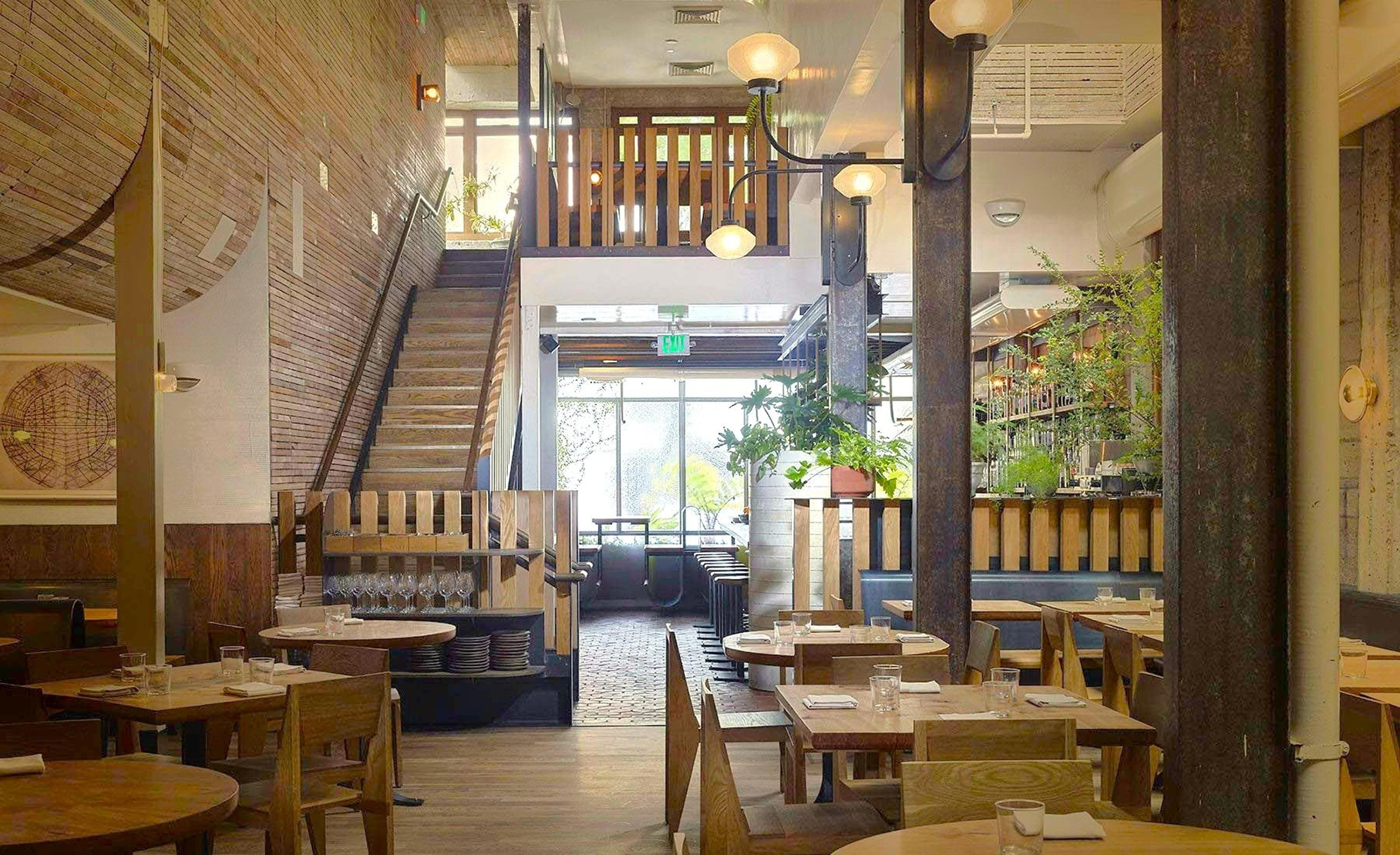
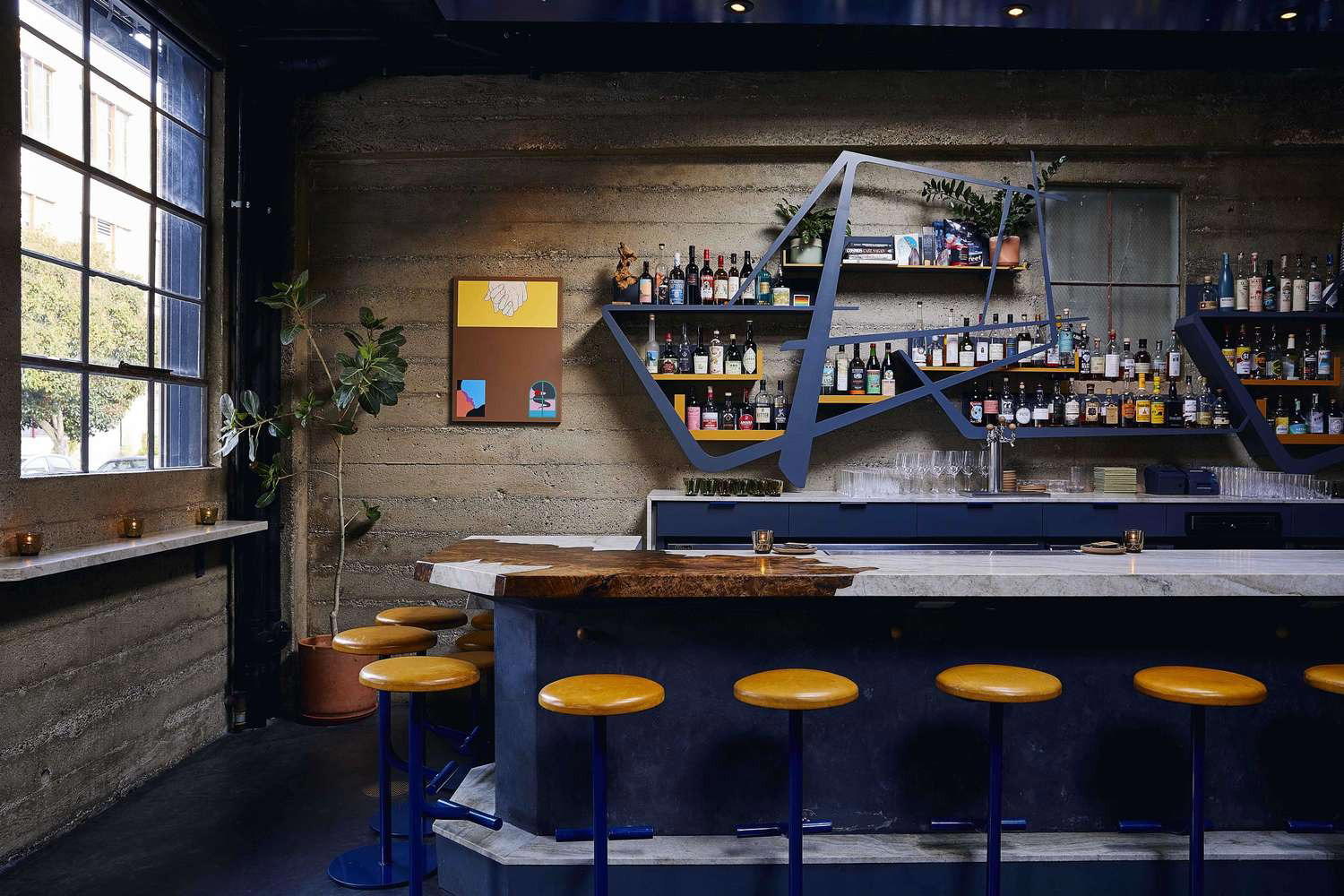
Bars in San Francisco
Browse all →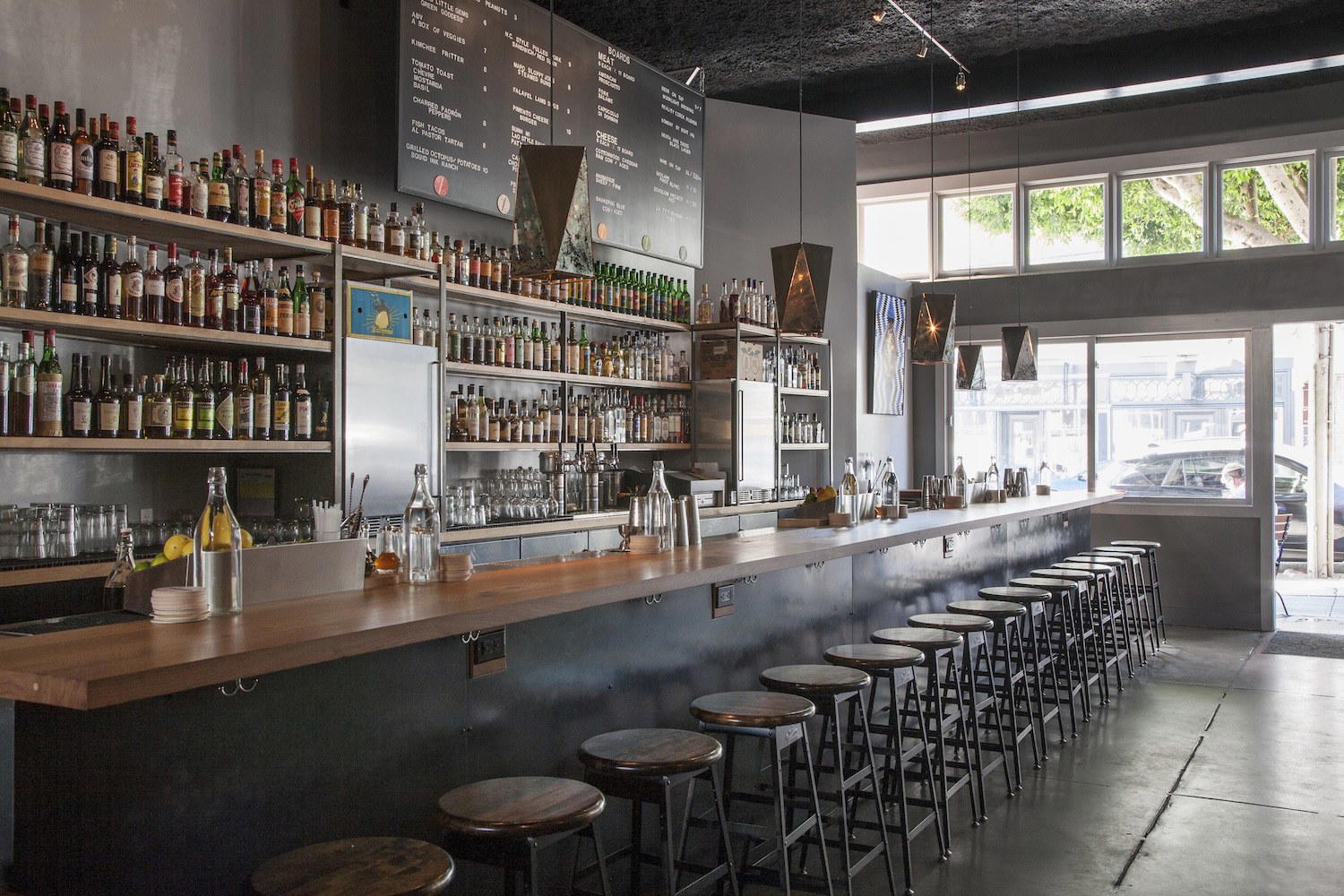
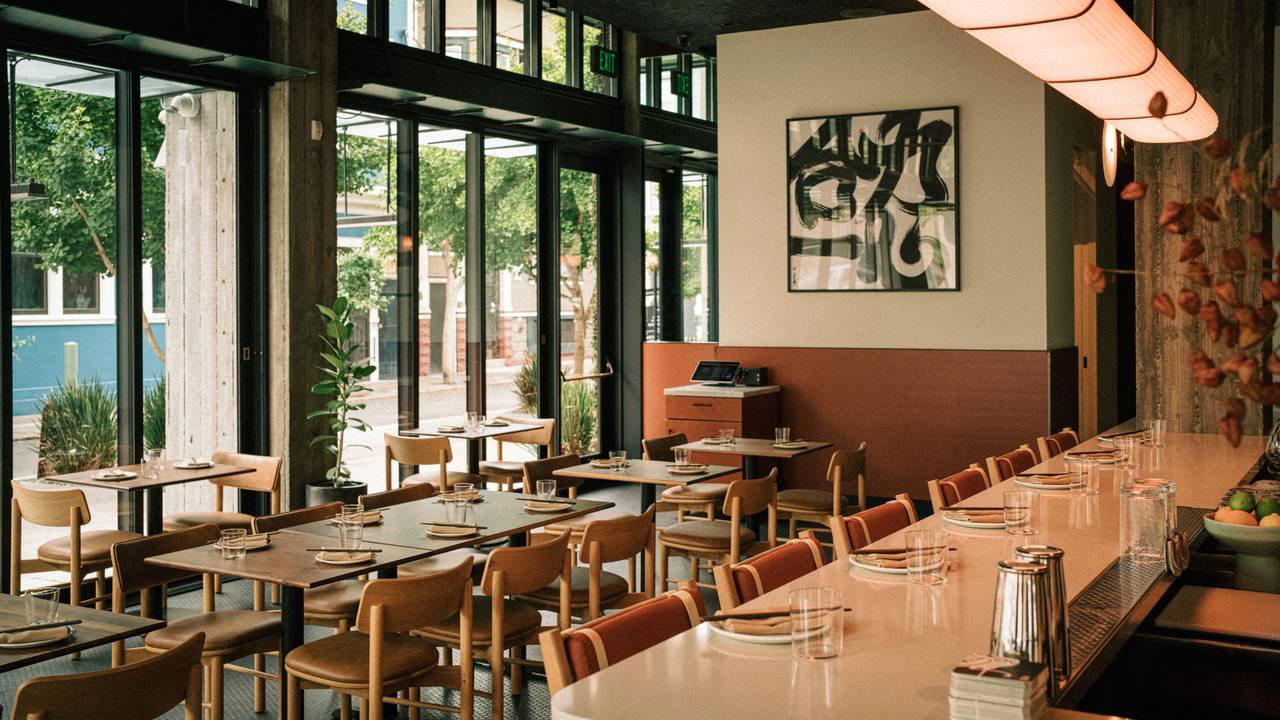
Hotels in San Francisco
Browse all →
At a Glance
- Rustic
- Cozy
- Lively
- Casual Hangout
- Group Dining
- Family
- Celebration
- Open Kitchen
- Extensive Wine List
- Local Sourcing
- Organic
Current opening hours
- Monday
- 4–9 PM
- Tuesday
- 4–9 PM
- Wednesday
- 4–9 PM
- Thursday
- 4–9 PM
- Friday
- 11 AM–10 PM
- Saturday
- 11 AM–10 PM
- Sunday
- 11 AM–9 PM
Hours can change for holidays and private events. Last verified .
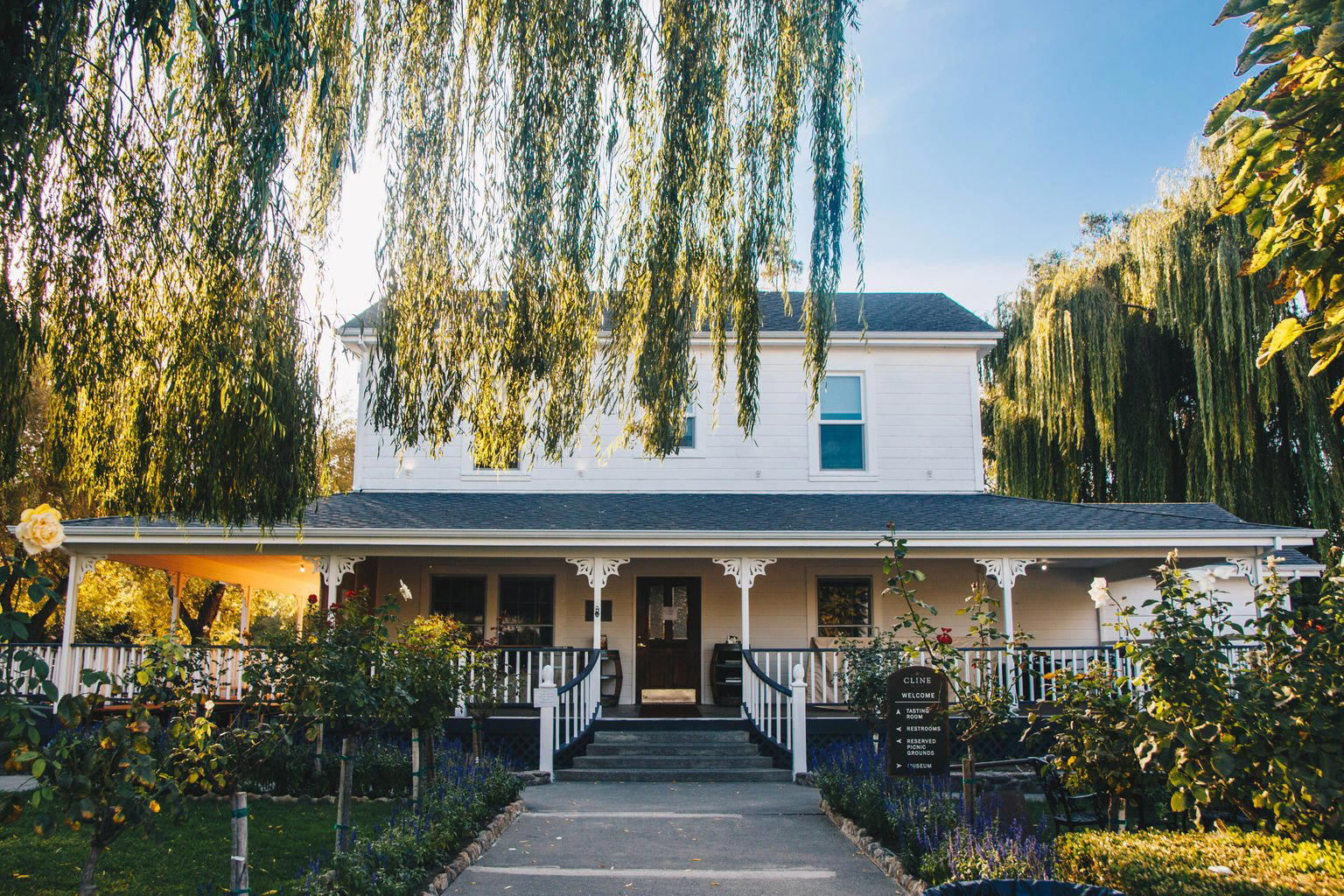
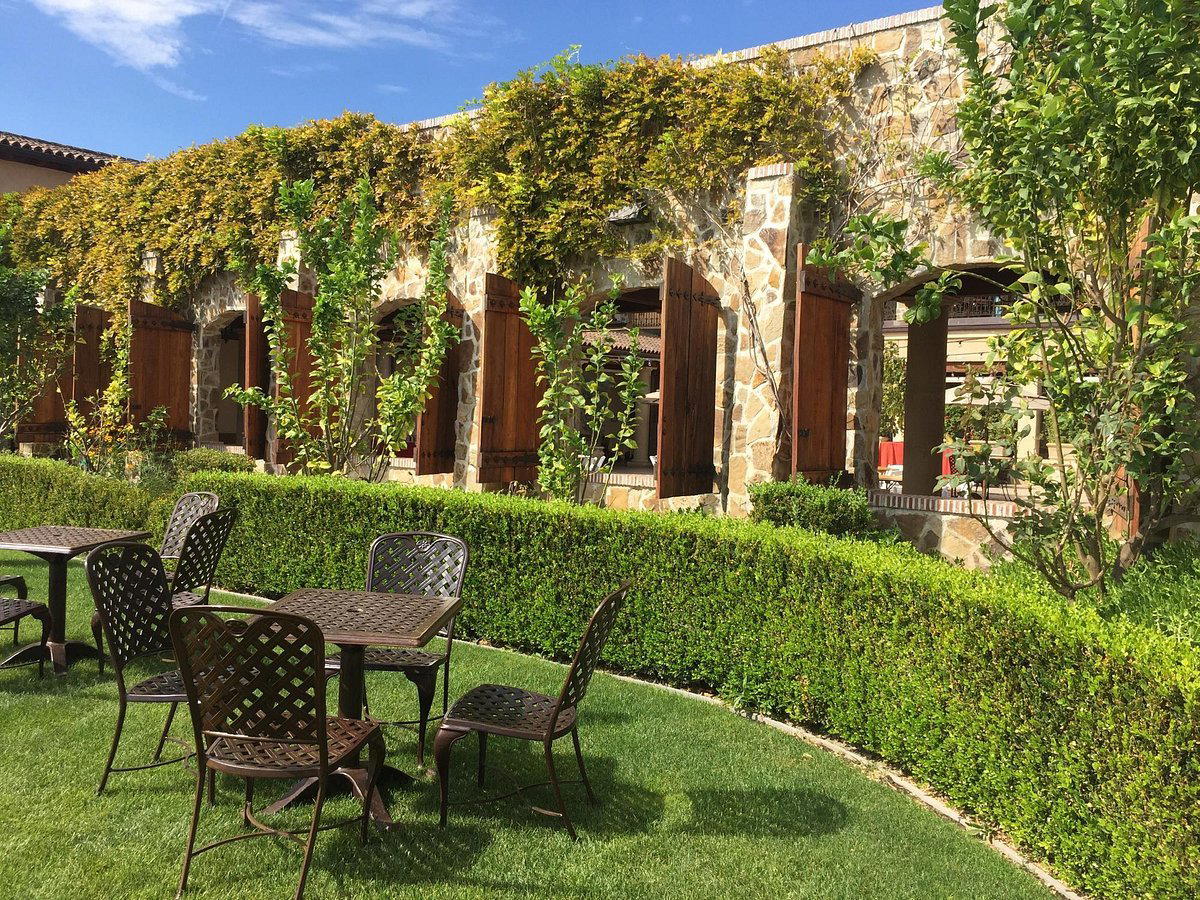
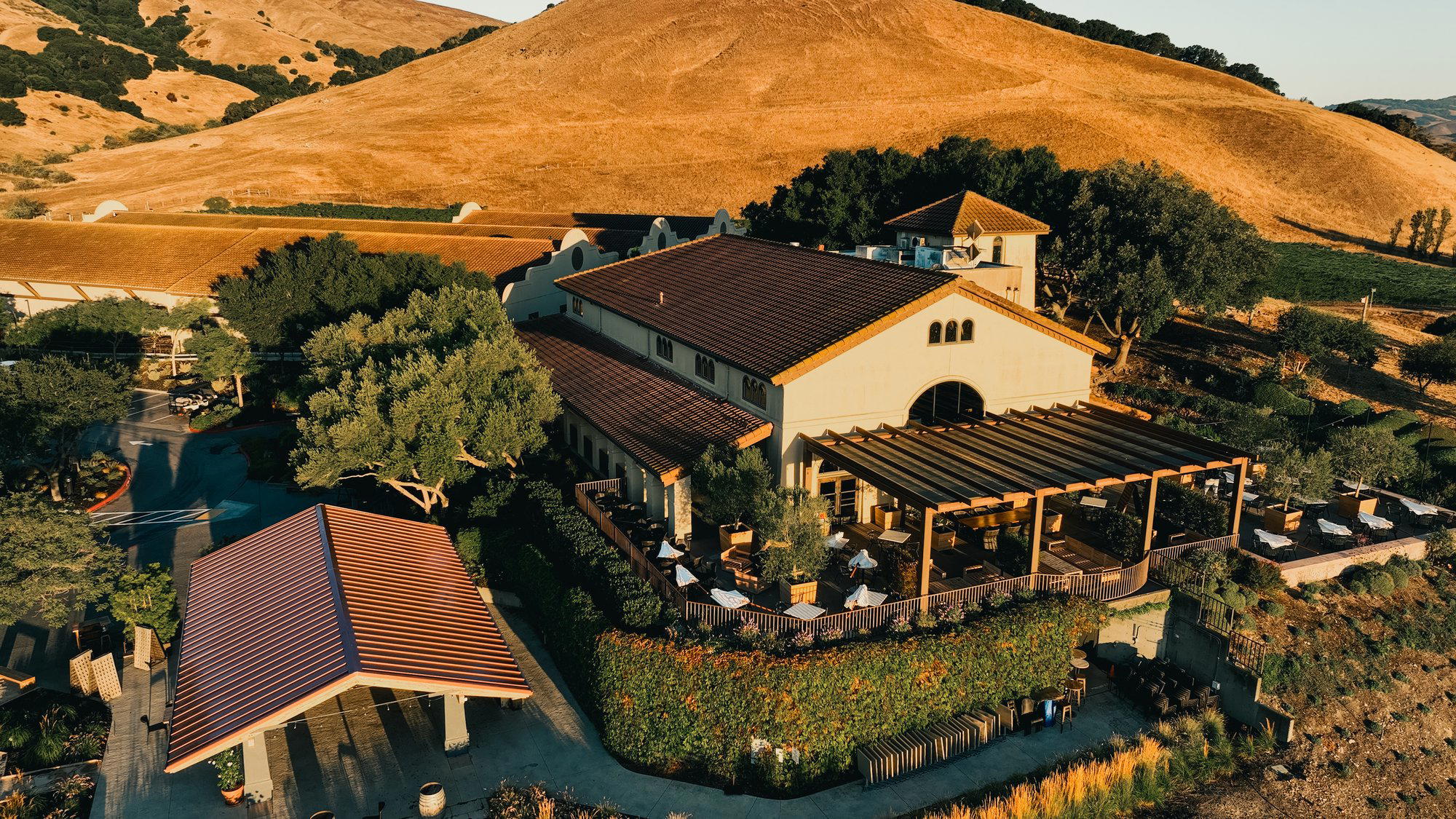
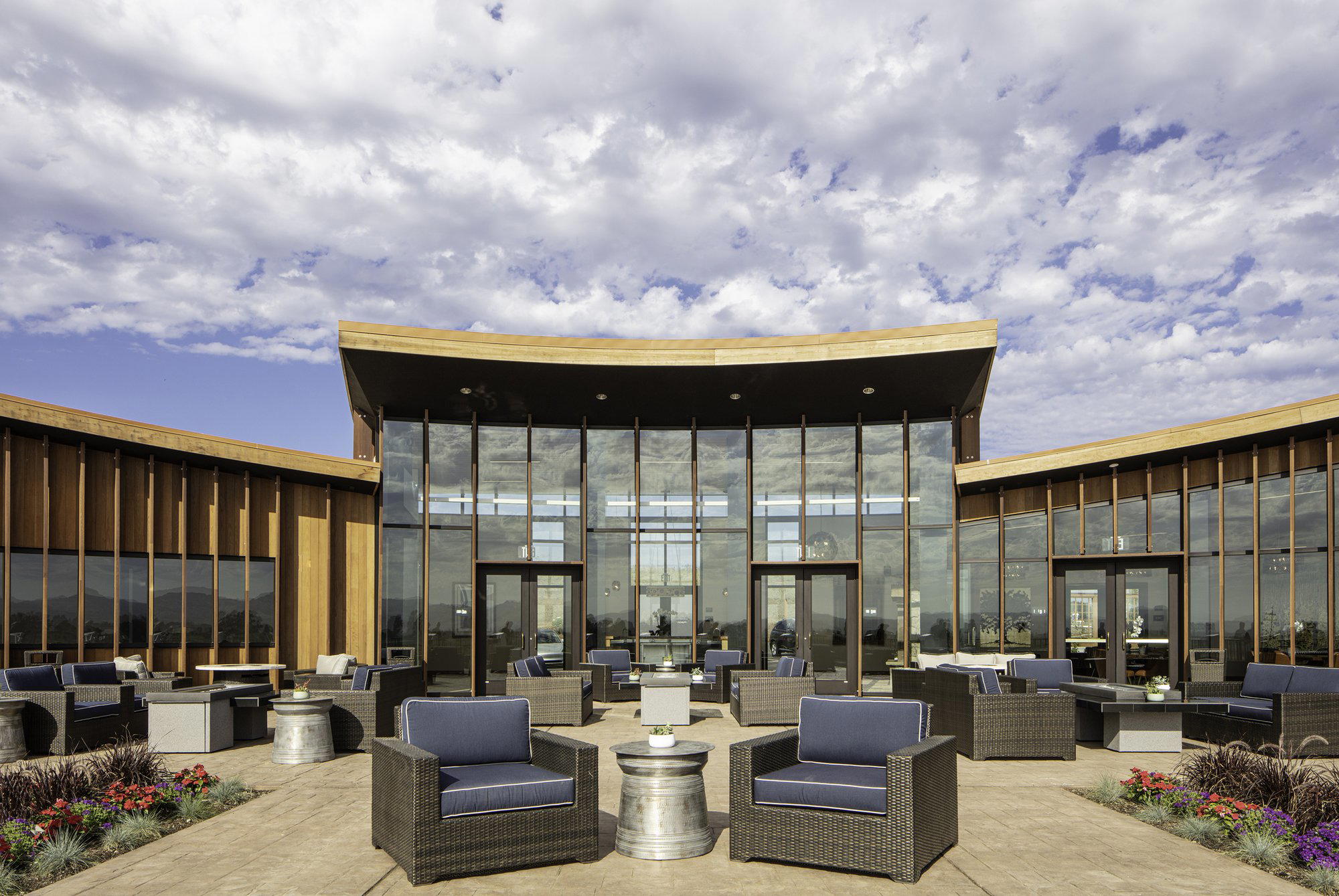
Charming and comfortable atmosphere ideal for casual gatherings from family birthdays to late-night parties with friends.