The Rathskeller
The Rathskeller serves Authentic German Beer Hall fare in a historic building at 401 E Michigan St, with beer program support for lunch, dinner, or late night.
Pearl is the En Primeur Club membership app — saves, bookings, and concierge access live there. Same editors, same standards.
- Address
- 401 E Michigan St, Indianapolis, IN 46204
- Phone
- +13176360396
- Website
- rathskeller.com
- Directions
- Get directions
 Saves & bookings on Pearl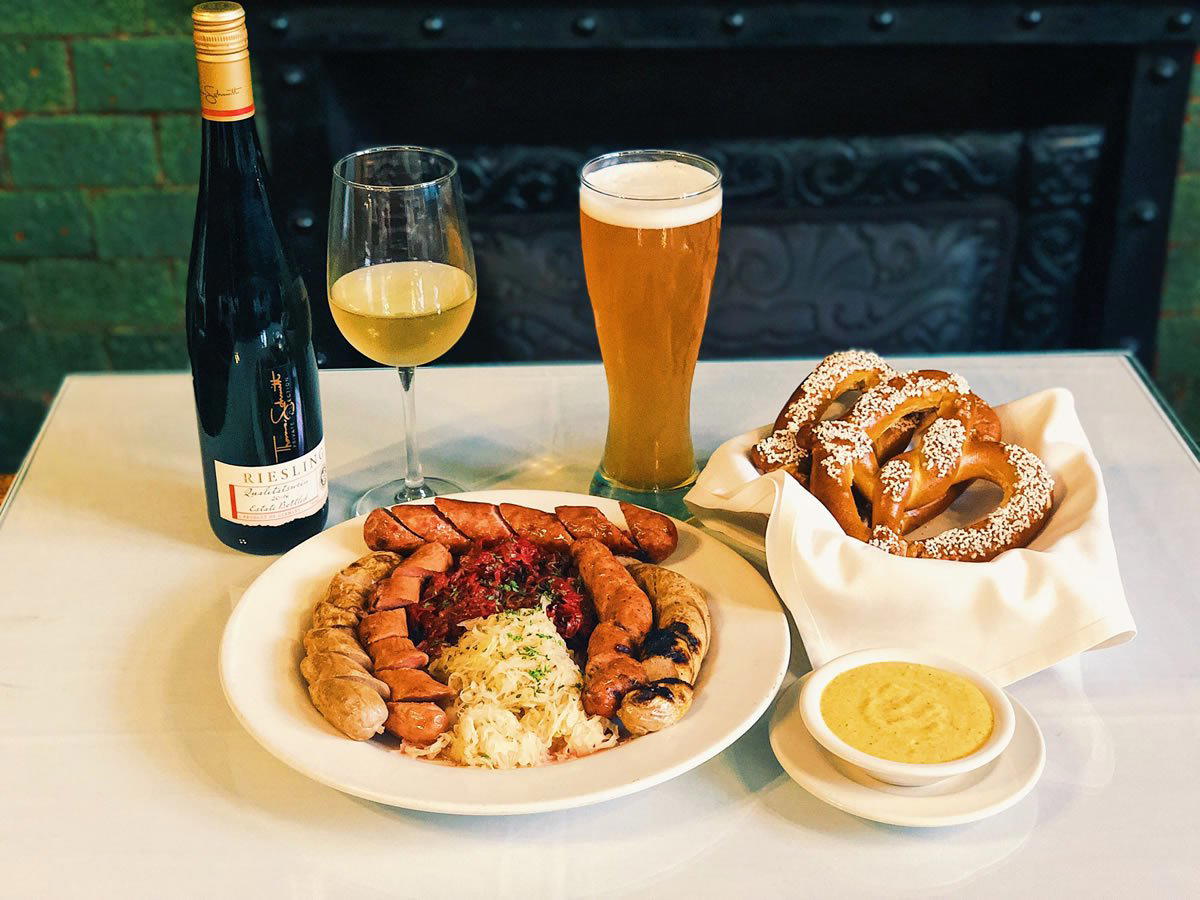
A Bavarian Hall in the Midwest: What The Rathskeller Represents in Indianapolis
The Rathskeller at 401 E Michigan Street occupies a basement-level space inside the Athenaeum, a late-nineteenth-century Germanic civic building that has outlasted most of the cultural institutions it once housed. The room itself does the framing before any food arrives: vaulted ceilings, dark timber, and the kind of physical permanence that newer restaurants spend considerable sums trying to manufacture. This is what an old European bierhalle looks like when it has actually aged in place rather than been assembled from salvage.
The Rathskeller sits outside all of those competitive brackets. Its comparable set is not defined by cuisine trend or chef pedigree but by the rarer category of historically embedded dining rooms with a functioning identity tied to architecture and tradition.
The Room as Primary Argument
German-American bierhalle culture peaked in the Midwest during the late nineteenth and early twentieth centuries, driven by large immigrant populations in cities like Cincinnati, Milwaukee, St. Louis, and Indianapolis. Most of those institutions either closed or converted during Prohibition and never recovered their original character. The Athenaeum survived, and the restaurant with it, making the physical space itself a kind of argument about continuity. The room is not a reconstruction or a themed approximation. It is a working dining space inside a building that has been in continuous civic use since the 1890s.
That context shapes the experience before any menu consideration enters the picture. Dining in a space with genuine historical depth operates differently from dining in a room designed to evoke history. The proportions, the materials, and even the acoustics carry information that no interior design budget can replicate. The distinction is different rather than lesser: those venues trade on culinary achievement; the restaurant trades on civic and architectural history.
The Drinks Program in Its Historical Frame
The editorial angle most relevant to a venue with Germanic roots and a bierhalle format is, predictably, the drinks side of the program. German dining culture organized itself around beer in a way that French and Italian traditions organized around wine, and a rathskeller format carries that expectation structurally. The question for any venue operating in this tradition is whether the drinks list functions as a serious program or merely as genre decoration.
German and German-American beer culture distinguishes between venues that maintain a curated tap rotation anchored to lager traditions and those that simply pour whatever is commercially available. The Midwest has seen a significant craft brewery expansion over the past fifteen years, which has given venues with genuine bierhalle formats access to a broader local and regional selection than was possible even a decade ago. A historically grounded room like The Rathskeller's has the architectural credibility to support a serious German-style program in a way that purpose-built craft beer bars do not. The physical context lends weight to the drinks offering.
For comparison, venues operating in different traditions but with equivalently serious beverage programs include Le Bernardin in New York City on the wine side, or Alinea in Chicago where the pairing program is treated as structurally inseparable from the food. At the restaurant, the equivalent argument is that the beverage selection and the architecture should operate as a coherent unit, not as separate decisions.
Indianapolis Context: Where This Fits in the Broader Scene
Indianapolis has developed a more layered dining scene over the past decade than its national reputation has historically suggested. The Mass Ave corridor and the surrounding neighborhoods have generated a credible mix of formats, from accessible street-level options like Bakersfield Mass Ave to more considered Italian programming at Balena Cucina Italiana and Greek-leaning options at ATHENS ON 86th. Social formats like Aberdeen Social House and refined American at Ambrosia round out a scene that is more diverse than the city's midwestern-modesty reputation implies.
Within that mix, the restaurant occupies a position that none of those venues replicate: a room with pre-twentieth-century bones, a Germanic food and drink tradition, and an institutional identity tied to a specific immigrant community's contribution to the city. That combination does not appear elsewhere in Indianapolis, and it does not appear often in American dining more broadly. The comparison set for this kind of venue runs not to other Indianapolis restaurants but to a handful of equivalent spaces in Milwaukee, Cincinnati, and Chicago where similar bierhalle traditions have survived.
The restaurant fits into that picture as the venue most likely to deliver an experience that is impossible to replicate through any other format in the city.
Planning Your Visit
The restaurant sits inside the Athenaeum at 401 E Michigan Street, a short walk from the central downtown grid. The building itself is worth arriving early to examine; the exterior architecture establishes the context for everything that follows inside. The room handles larger groups and solo diners differently than a typical restaurant floor, and timing around any scheduled events at the Athenaeum will affect the character of an evening visit. The restaurant operates from a different premise entirely, one where the value proposition is historical and architectural rather than culinary and technical, but the underlying question is the same: does the experience justify the decision to be there? In this case, for the right kind of visitor, the answer is structural rather than gastronomic.
Reputation Context
Comparable venues nearby, for context on price, style, and recognition.
| Venue | Cuisine | Price | Notes |
|---|---|---|---|
| The RathskellerThis venue — the venue you are viewing | Authentic German Beer Hall | $$ | Not listed |
| Good Morning Mama's | Classic American Breakfast Cafe | $$ | Broad Ripple |
| Circle City Beer Garden | American Gastropub | $$ | Civic Plaza |
| Shin Dig | American Pizza and Wings | $$ | Old Northside |
| ClusterTruck - Broad Ripple | American Street Food Fusion | $$ | Dawnbury-Keystone |
| ClusterTruck | Eclectic Street Food Delivery | $$ | St Joseph |
Continue exploring
More in Indianapolis
Restaurants in Indianapolis
Browse all →
Bars in Indianapolis
Browse all →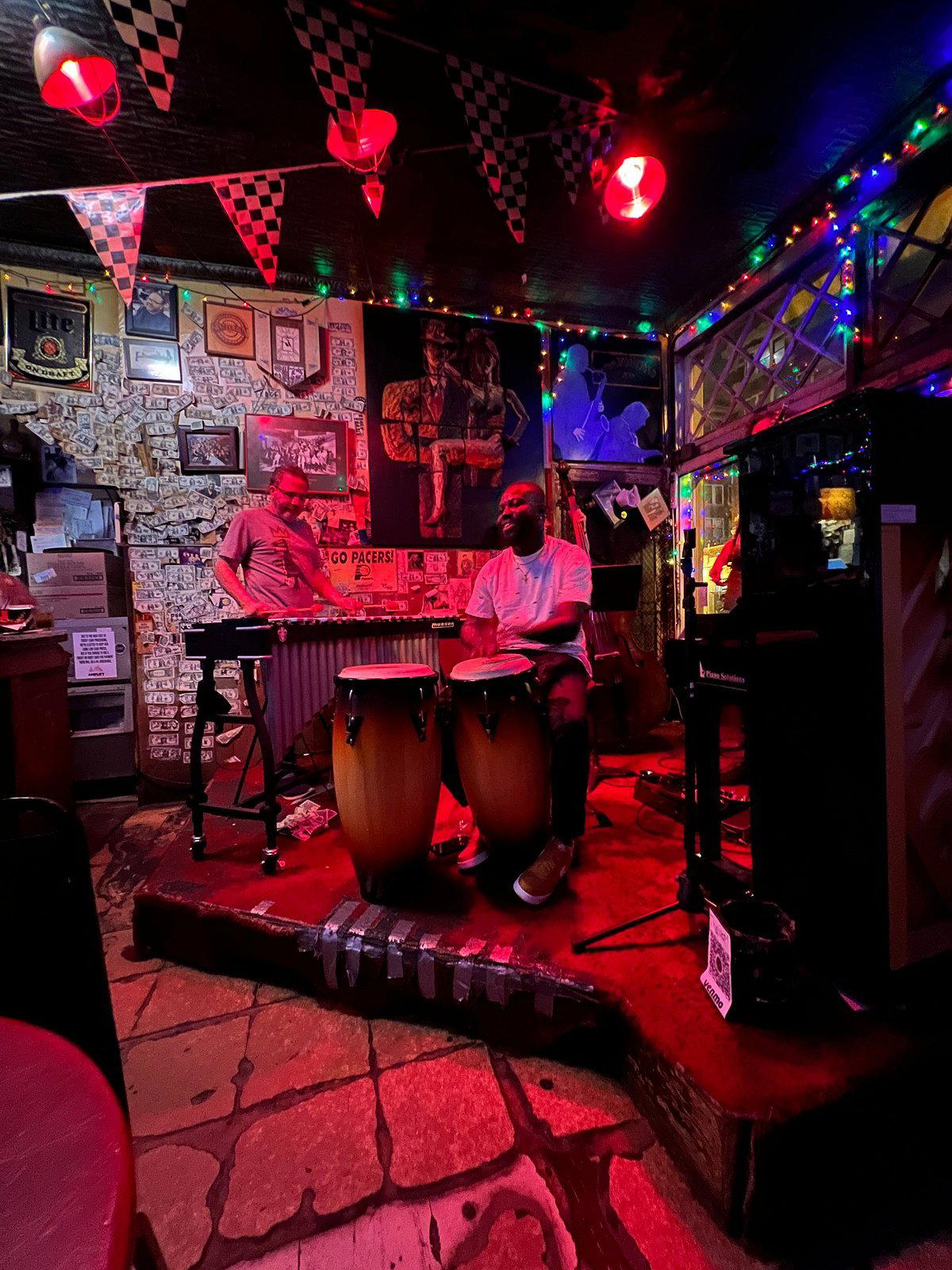
At a Glance
- Classic
- Lively
- Rustic
- Well Known
- Group Dining
- Casual Hangout
- Celebration
- Historic Building
- Open Kitchen
- Live Music
- Beer Program
Current opening hours
- Monday
- 11 AM–9 PM
- Tuesday
- 11 AM–9 PM
- Wednesday
- 11 AM–9 PM
- Thursday
- 11 AM–9 PM
- Friday
- 11 AM–10 PM
- Saturday
- 11 AM–10 PM
- Sunday
- 11 AM–9 PM
Hours can change for holidays and private events. Last verified .
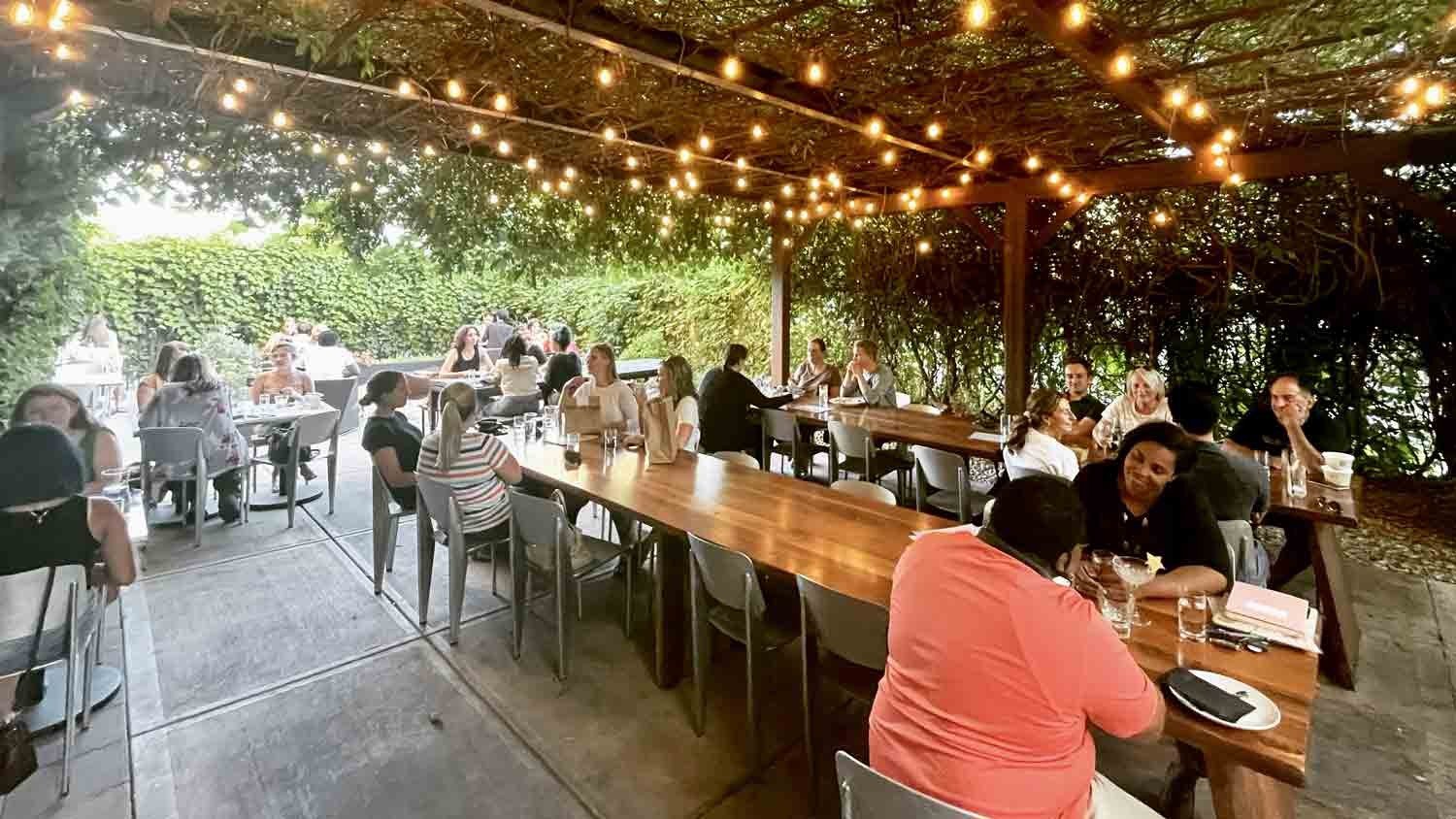
Traditional beer hall decor with lively energy from live music, especially in the biergarten and Kellerbar.