ClusterTruck
ClusterTruck operates at 729 N Pennsylvania St in Indianapolis, bringing a delivery-first fast-casual model to downtown's dining scene. The kitchen-to-door format sidesteps the traditional dining room entirely, positioning it within a growing category of tech-enabled food operations that blur the line between restaurant and logistics platform. For Indianapolis diners weighing convenience against sit-down alternatives, it occupies a distinct lane.
Pearl is the En Primeur Club membership app — saves, bookings, and concierge access live there. Same editors, same standards.
- Address
- 729 N Pennsylvania St, Indianapolis, IN 46204
- Phone
- +13177321084
- Directions
- Get directions
 Saves & bookings on Pearl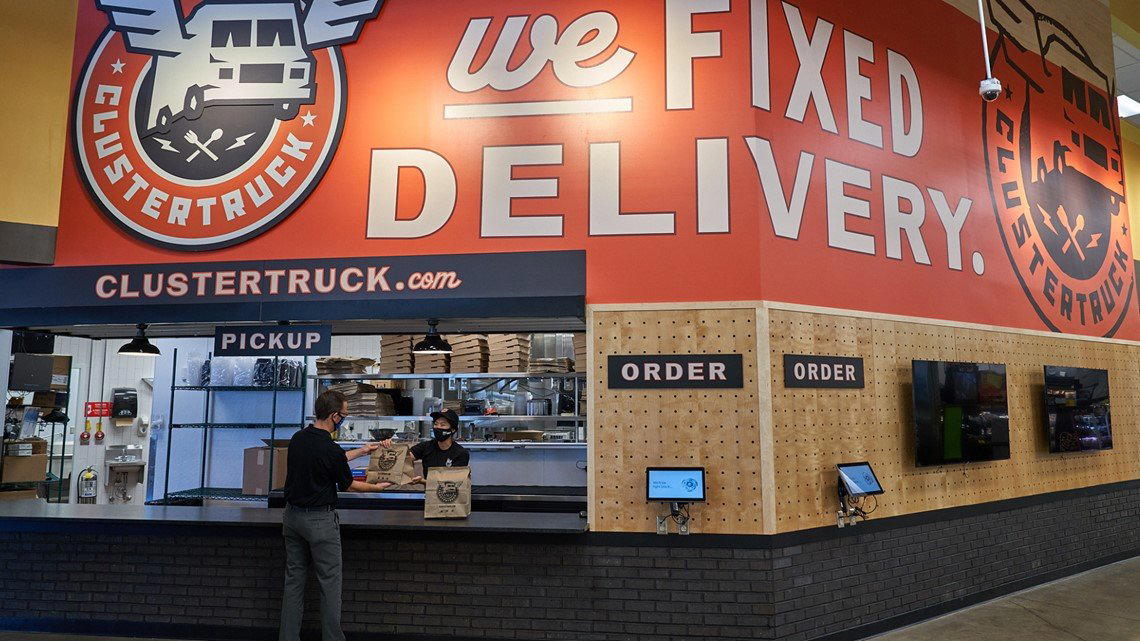
Downtown Indianapolis and the Rise of the Kitchen-Forward Format
Indianapolis's downtown dining corridor along Pennsylvania Street has, over the past decade, accumulated a range of formats that reflect how urban eaters actually move through their days. Sit-down lunch spots compete with counter-service operations, food halls, and, more recently, delivery-first kitchens that never built a dining room in the first place. ClusterTruck, at 729 N Pennsylvania St, belongs to that last category. It is not a restaurant with a delivery option — it is a delivery-first operation that uses technology to close the gap between kitchen production and doorstep arrival. That distinction matters when placing it in Indianapolis's broader food picture, because the value proposition shifts depending on whether you're comparing it to a white-tablecloth dinner or a lunch grabbed between meetings.
The format ClusterTruck operates within has grown significantly in American cities since the mid-2010s, when delivery infrastructure matured enough to allow kitchens to optimize entirely around order throughput rather than table turns. Unlike ghost kitchens that simply use third-party apps, the company built its own logistics system — drivers employed directly, routes calculated in real time, so that the food arrives at a temperature and condition closer to what leaves the pass. For Indianapolis, a city that does not have the delivery density of Chicago or New York, that kind of controlled logistics model is more significant than it might appear in a coastal market. Comparisons to the white-tablecloth tier, places like Le Bernardin in New York City, The French Laundry in Napa, or Atomix in New York City, are category mismatches. ClusterTruck is not competing with tasting-menu formats any more than Shapiro's Delicatessen competes with a prix-fixe counter.
The Lunch-to-Dinner Divide in a Delivery-First Model
The lunch-versus-dinner question is particularly interesting for a format like this. In a conventional restaurant, daytime and evening service differ in pacing, lighting, menu register, and average spend. At a delivery-first kitchen, those distinctions compress. The physical environment is irrelevant to the diner; what shifts is demand pattern and menu logic. Midday orders in a downtown office corridor like Pennsylvania Street skew toward speed, something that travels well, arrives quickly, and fits a 45-minute break. Evening orders, by contrast, often involve larger group sizes, more items per ticket, and a greater tolerance for complexity.
For a kitchen optimized around throughput, that shift in evening demand is worth noting. The operational model that makes a fast-casual delivery kitchen competitive at lunch, tight ticket times, limited SKUs, high-volume production, can either flex into dinner territory or remain anchored to a daytime identity. Indianapolis's downtown dinner scene includes options at different price and formality points: Balena Cucina Italiana for Italian, Ambrosia for a more intimate setting, and Aberdeen Social House for a social-dining format. Each of those venues has a physical dining room that shifts in character between lunch and dinner service. ClusterTruck's evening value lies elsewhere: in the ability to eat at home without sacrificing the quality gap that typically exists between restaurant-kitchen food and most delivery alternatives.
Positioning Within Indianapolis's Fast-Casual and Delivery Tier
Indianapolis has developed a respectable fast-casual and neighborhood-dining tier alongside its more celebrated sit-down spots. Bakersfield Mass Ave handles the Tex-Mex and street taco category on the Mass Ave corridor. ATHENS ON 86th covers Greek on the north side. Goose the Market has built a strong reputation on the near-north side for charcuterie and prepared foods. What these spots share is a physical address that functions as part of their identity. ClusterTruck's identity is constructed differently: the brand is the logistics promise, and the address at 729 N Pennsylvania St is a production node rather than a destination.
That is not a criticism. The delivery-first model serves a different reader decision than a neighborhood bistro. If you are in a downtown Indianapolis hotel, managing a working lunch, or looking for a family dinner without a reservation or a drive, the operational logic of a kitchen built around delivery is a genuine advantage. The question of whether the food itself clears the bar set by Indianapolis's better sit-down kitchens, places where Milktooth has reshaped how the city thinks about brunch, or where Ambrosia maintains a more traditional fine-dining posture, is harder to answer without verified menu and quality data. What the model promises is consistency across orders, because a kitchen without a dining room can direct all its operational energy toward production quality rather than service choreography.
How ClusterTruck Fits a Broader American Pattern
The kitchen-forward delivery model is not distinctive to Indianapolis, but Indianapolis is a useful city in which to watch it develop. The market is large enough to generate meaningful delivery demand, compact enough that logistics control is achievable, and underserved enough by third-party delivery infrastructure that a vertically integrated model has room to differentiate. Cities like Chicago have developed their own version of this story, Smyth in Chicago represents the high end of that city's restaurant culture, but Chicago's delivery tier is also more crowded and more competitive. In Indianapolis, the gap between high-end sit-down dining (think of the ambition evident in tasting formats across the country, from Lazy Bear in San Francisco to Blue Hill at Stone Barns in Tarrytown or Single Thread Farm in Healdsburg) and everyday delivery options is wide enough that a well-executed delivery kitchen can occupy genuinely useful middle ground.
The model also reflects a broader shift in how American diners think about the relationship between quality and format. A generation ago, quality food required a dining room, a reservation, and a bill that reflected the overhead of both. That assumption has eroded. Addison in San Diego, Providence in Los Angeles, and The Inn at Little Washington in Washington remain at one end of the format spectrum, where the room, the service, and the ritual are inseparable from the food. Atelier Moessmer Norbert Niederkofler in Brunico and Emeril's in New Orleans carry similar commitments to the full dining experience. ClusterTruck operates at the other end: format stripped to production and logistics, with the dining experience constructed entirely by the person placing the order, in whatever space they happen to occupy.
Planning Around ClusterTruck
ClusterTruck operates from 729 N Pennsylvania St in Indianapolis and is oriented around app or online ordering rather than walk-in or reservation-based dining. Because the model is delivery-first, the practical logistics differ from any venue in our full Indianapolis restaurants guide that requires a table booking. There is no dress code, no wait for a host, and no dining room to arrive at. The relevant planning variables are delivery radius, time of order, and whether the kitchen's operational hours align with your schedule. For downtown Indianapolis visitors, that makes ClusterTruck most relevant as a hotel-room or workspace option rather than an evening-out destination. Verified hours, current menu, and delivery zone information should be confirmed directly through the ClusterTruck platform before ordering.
Continue exploring
More in Indianapolis
Restaurants in Indianapolis
Browse all →

Bars in Indianapolis
Browse all →

At a Glance
- Casual Hangout
Current opening hours
- Monday
- 8 AM–10 PM
- Tuesday
- 8 AM–10 PM
- Wednesday
- 8 AM–10 PM
- Thursday
- 8 AM–10 PM
- Friday
- 8 AM–11 PM
- Saturday
- 10 AM–11 PM
- Sunday
- 10 AM–9 PM
Hours can change for holidays and private events. Last verified .
No dine-in atmosphere as it's a delivery-only operation.