ClusterTruck - Broad Ripple
ClusterTruck in Broad Ripple operates at the intersection of tech-driven delivery and neighborhood dining in one of Indianapolis's most walkable corridors. The kitchen-forward model prioritizes speed and consistency without the conventional dining room overhead, positioning it differently from the sit-down establishments along 62nd Street. For residents of Broad Ripple, it functions as a dependable local option rather than a destination draw.
Pearl is the En Primeur Club membership app — saves, bookings, and concierge access live there. Same editors, same standards.
- Address
- 2101 E 62nd St, Indianapolis, IN 46220
- Phone
- +13177519543
- Website
- clustertruck.com
- Directions
- Get directions
 Saves & bookings on Pearl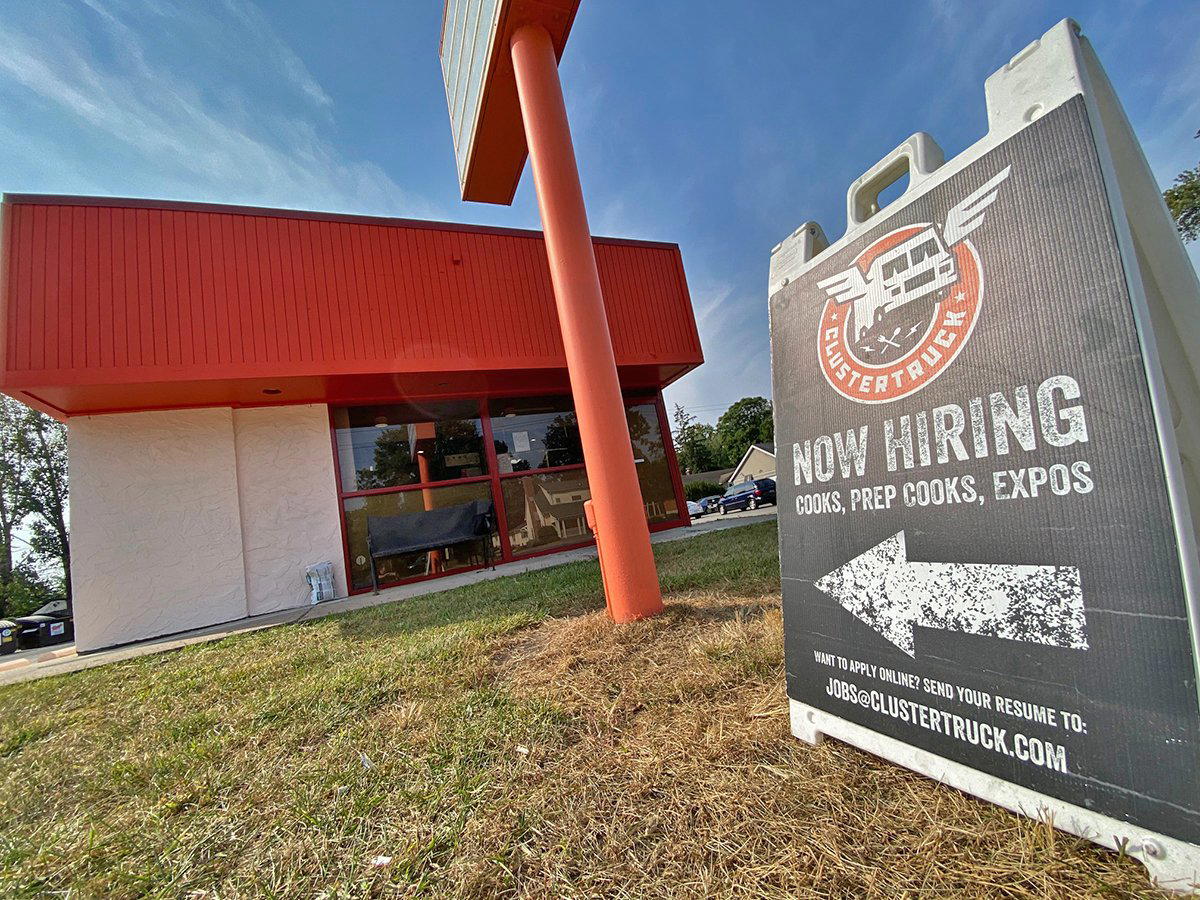
Delivery-Native Dining in Broad Ripple's Neighborhood Grid
Broad Ripple has always operated as Indianapolis's most pedestrian-scaled neighborhood, a corridor where independent coffee shops, casual bars, and sit-down restaurants cluster within a few walkable blocks. Against that backdrop, ClusterTruck at 2101 E 62nd St represents a different structural bet: a kitchen built primarily around digital ordering and delivery rather than table service, embedded in a neighborhood where foot traffic has traditionally rewarded conventional formats. That tension — between delivery-native infrastructure and a community that already has options like Aberdeen Social House and Ambrosia within reach — is what makes the Broad Ripple location an interesting case study in how American cities are absorbing a new category of food business.
The format ClusterTruck pioneered is sometimes called a "ghost kitchen" or "dark kitchen," though neither label quite captures what the company built. Rather than subletting underused restaurant space, ClusterTruck constructs dedicated production facilities optimized for order throughput and delivery radius. The sustainability case for this model is not incidental: by eliminating the front-of-house entirely, the kitchen reduces food waste tied to table turnover speculation, over-preparing for dining room covers that may or may not materialize. In a conventional restaurant, prep quantities are calculated against projected seat fills. In a delivery-native kitchen, production is triggered by confirmed orders, compressing the gap between demand and output. That operational shift has measurable environmental downstream effects, even if they are harder to publicize than, say, a farm-to-table sourcing narrative.
The Sustainability Case for Order-Driven Production
The broader American restaurant industry loses an estimated 30 to 40 percent of purchased food to waste across the supply chain, from over-ordering at the wholesale level to uneaten plates that leave the dining room. Delivery kitchens operating on confirmed-order triggers address one specific node of that problem without solving all of it. Packaging, for example, remains a significant tension point: the shift from ceramic plates to single-use containers moves the waste stream rather than eliminating it. Operators in this category who take environmental commitments seriously face a genuine challenge in reconciling operational efficiency gains against packaging footprint.
Concepts that have navigated this most credibly tend to invest in compostable packaging, regionalized sourcing to shorten supply chains, and menu designs that minimize ingredient redundancy, using the same proteins and produce across multiple dishes to reduce over-purchasing. Whether a specific kitchen has addressed these questions is a matter of operational detail that goes beyond what a single location address can confirm. For the wider context of sustainable dining in the United States, the delivery kitchen format is neither villain nor solution by default; it is a structural variable that depends entirely on what choices the operator makes within it. Venues like Blue Hill at Stone Barns in Tarrytown and Single Thread Farm in Healdsburg represent the high-investment, farm-integrated end of the sustainability spectrum; a neighborhood delivery kitchen in Broad Ripple represents a different access point in the same conversation.
Where ClusterTruck Sits in Indianapolis's Dining Spectrum
Indianapolis has developed a more varied restaurant culture over the past decade than its Midwestern reputation sometimes suggests. St. Elmo Steak House anchors the legacy fine-dining tier. Milktooth and Goose the Market built national reputations for ingredient-driven, chef-led cooking. Bakersfield Mass Ave and ATHENS ON 86th occupy a casual-but-considered middle band. ClusterTruck operates in a different register entirely: it is not competing for the same occasion as any of those. It competes for weeknight convenience, the decision made at 7pm when cooking feels unlikely and the nearest sit-down option requires a wait. That is a large and legitimate market segment, and the question is whether the product quality is consistent enough to hold it.
Nationally, the delivery kitchen category has been pressure-tested hard since its expansion during 2020 and 2021. Several operators discovered that removing the dining room also removed the ambient brand experience that made food taste better in context, the atmosphere, the service, the plating presentation that doesn't survive a 20-minute delivery ride. Operators who survived the correction generally did so by doubling down on food quality that held up in transit and by maintaining pricing discipline rather than chasing volume through discounting. For Indianapolis diners familiar with the full range of what the city offers, from Balena Cucina Italiana to the broader options catalogued in our full Indianapolis restaurants guide, ClusterTruck sits at the utility end of the spectrum rather than the occasion end.
That comparison is not a criticism. Utility dining done well is genuinely useful. The cities that have the healthiest food cultures tend to have strong offerings at every tier, not just at the end represented by Le Bernardin in New York City, The French Laundry in Napa, or Smyth in Chicago. Reliable, accessible food that people can order without friction is part of what makes a neighborhood livable.
Planning a Visit or Order
The Broad Ripple address at 2101 E 62nd St makes ClusterTruck accessible to residents of the northern Indianapolis neighborhoods, including Broad Ripple, Meridian-Kessler, and the areas surrounding Butler University. As a delivery-native concept, the primary engagement is through the ClusterTruck app or website rather than a walk-in format, though the physical address suggests some pickup capacity. For dining occasions that call for a table, a room, and a full service experience, the Broad Ripple corridor and wider Indianapolis have sufficient options across multiple price tiers.
A Lean Comparison
A quick peer reference to anchor this venue in its category.
| Venue | Cuisine |
|---|---|
| ClusterTruck - Broad RippleThis venue — the venue you are viewing | Not listed |
| St. Elmo Steak House | Steakhouse |
| Shapiro’s Delicatessen | Jewish Delicatessen |
| Goose the Market | Tapas Bar-Barbecue |
| Milktooth | American |
Continue exploring
More in Indianapolis
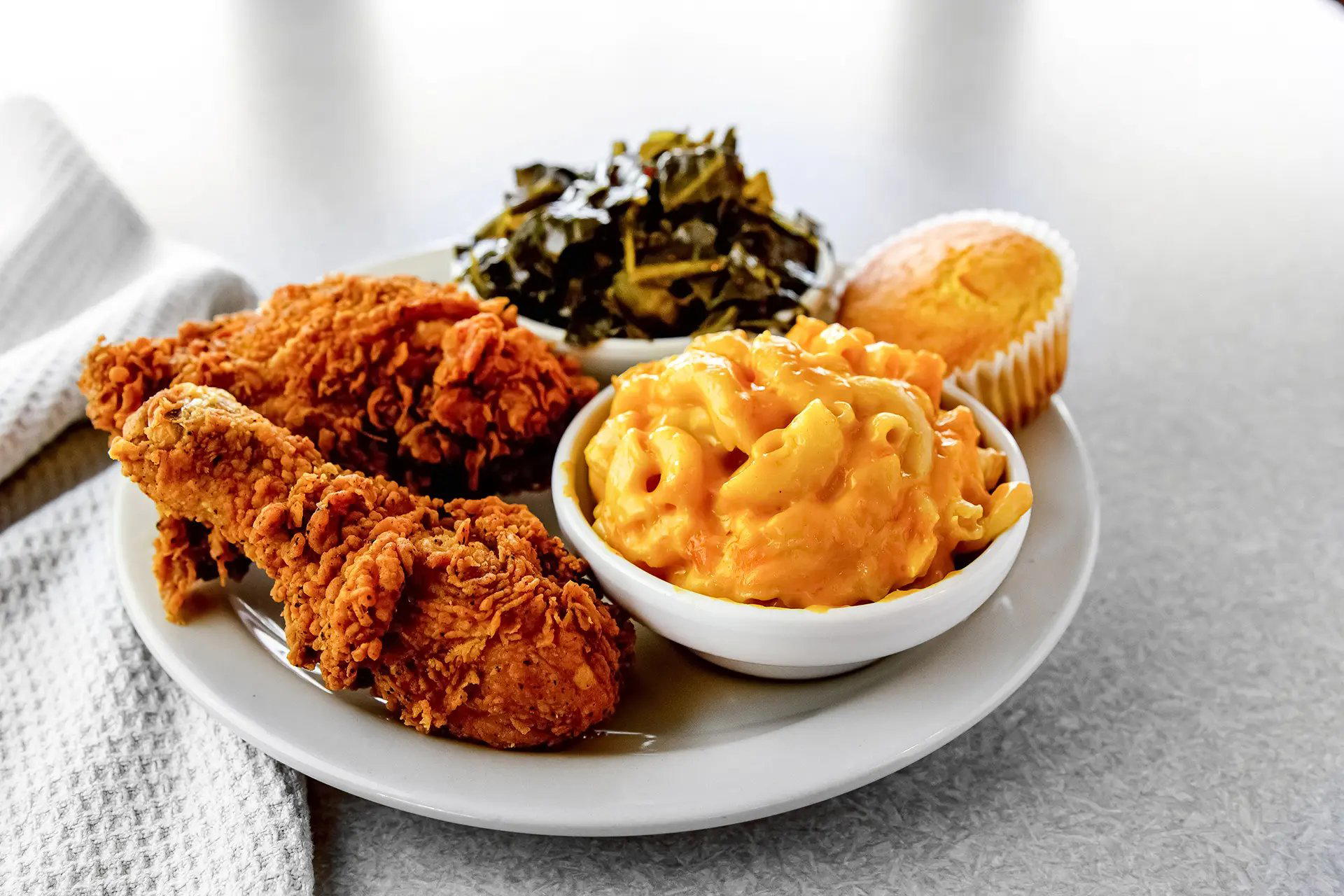
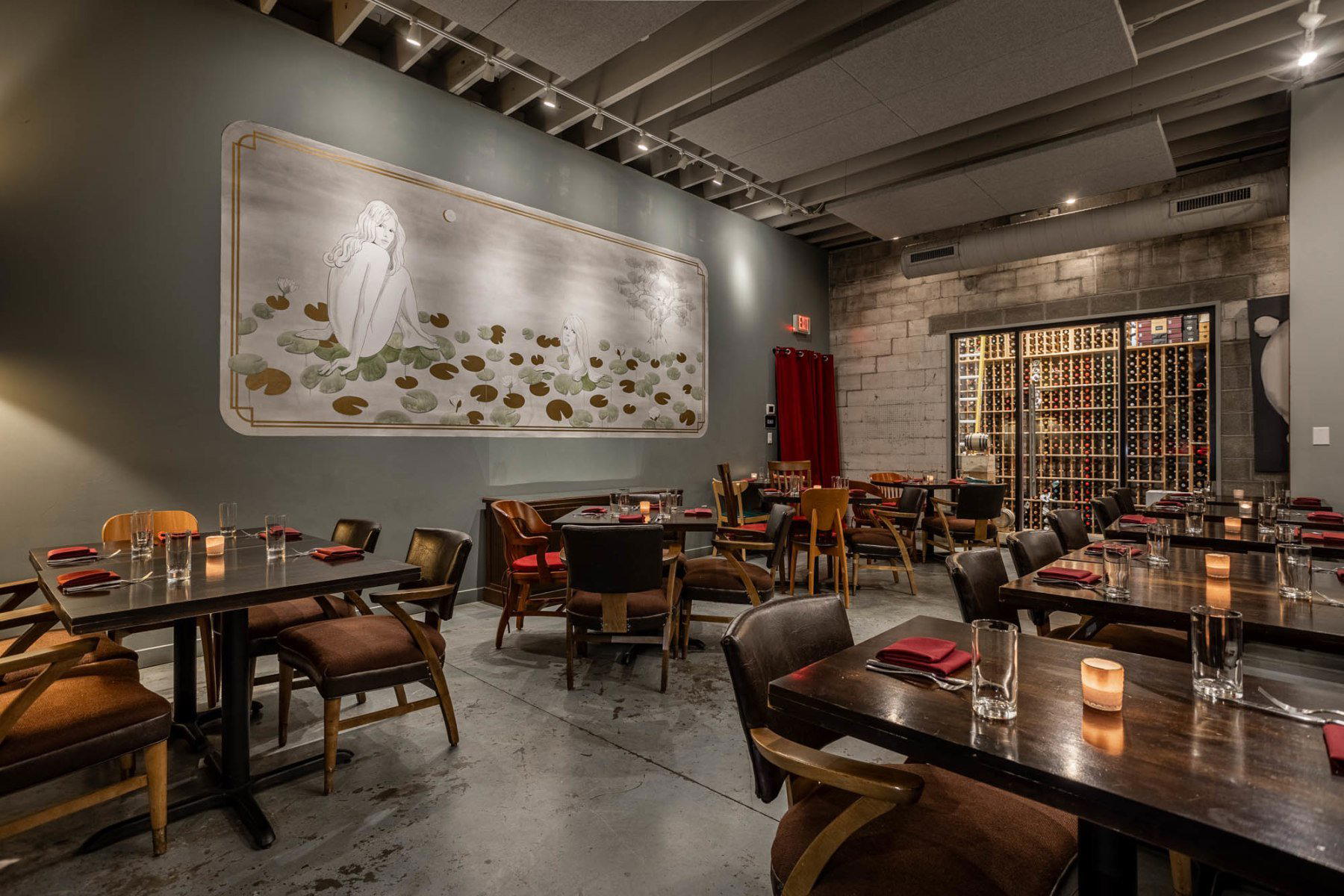
Restaurants in Indianapolis
Browse all →
Bars in Indianapolis
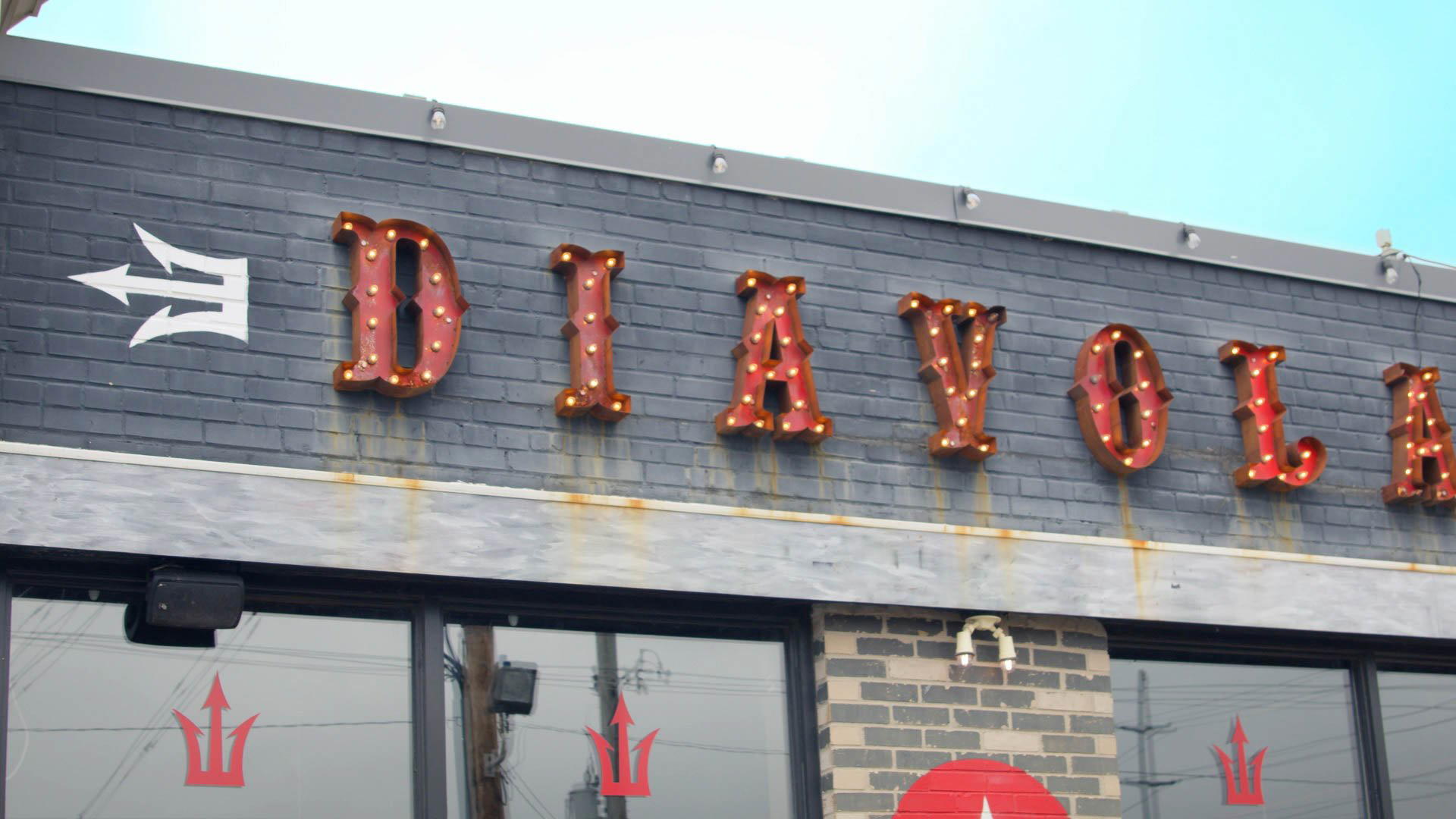
Browse all →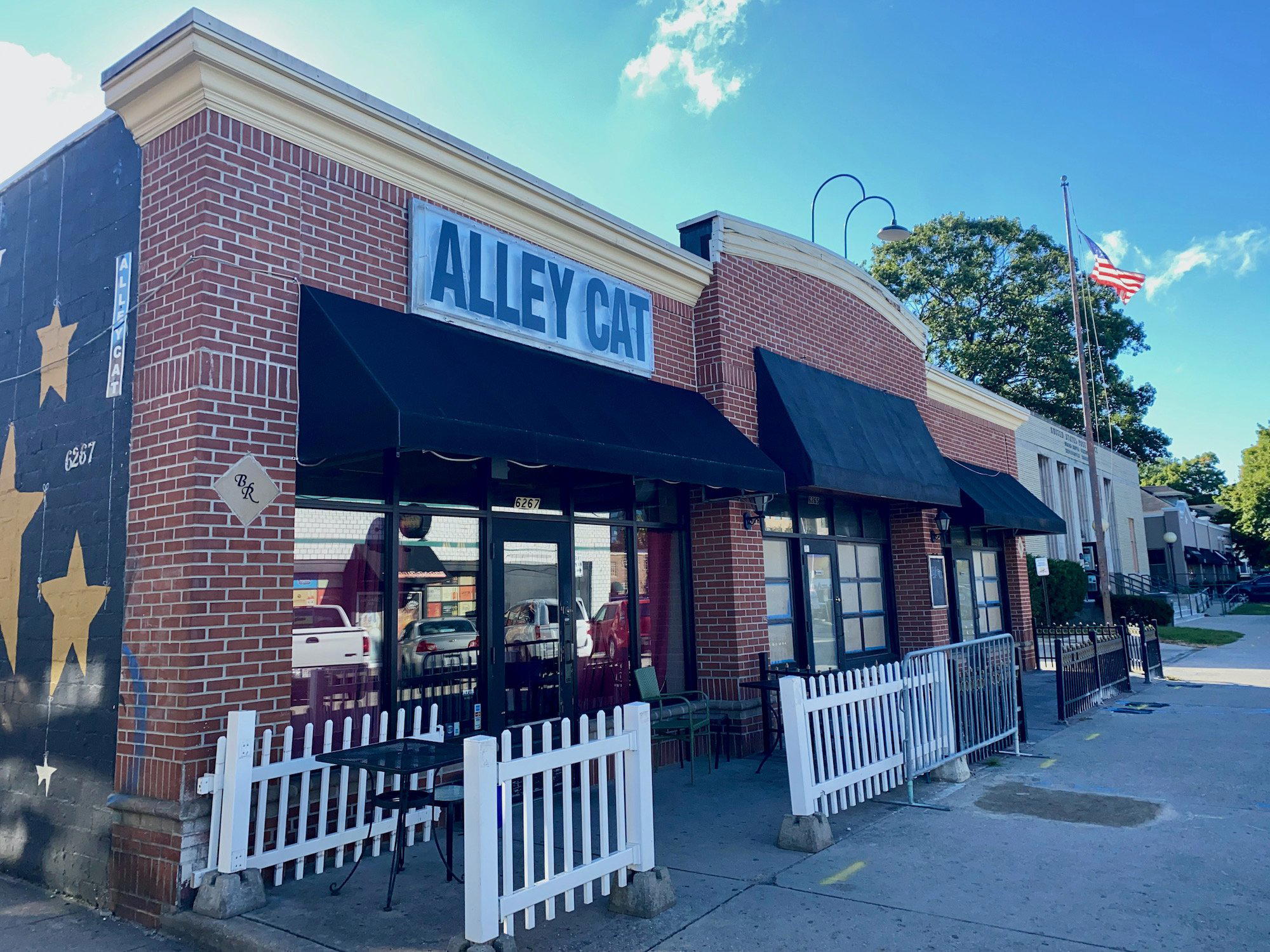

At a Glance
- Casual Hangout
Current opening hours
- Monday
- 10 AM–10 PM
- Tuesday
- 10 AM–10 PM
- Wednesday
- 10 AM–10 PM
- Thursday
- 10 AM–10 PM
- Friday
- 10 AM–11 PM
- Saturday
- 10 AM–11 PM
- Sunday
- 10 AM–9 PM
Hours can change for holidays and private events. Last verified .
No dine-in space; focused on hot, fresh delivery preparation.