The Post
Our verdict
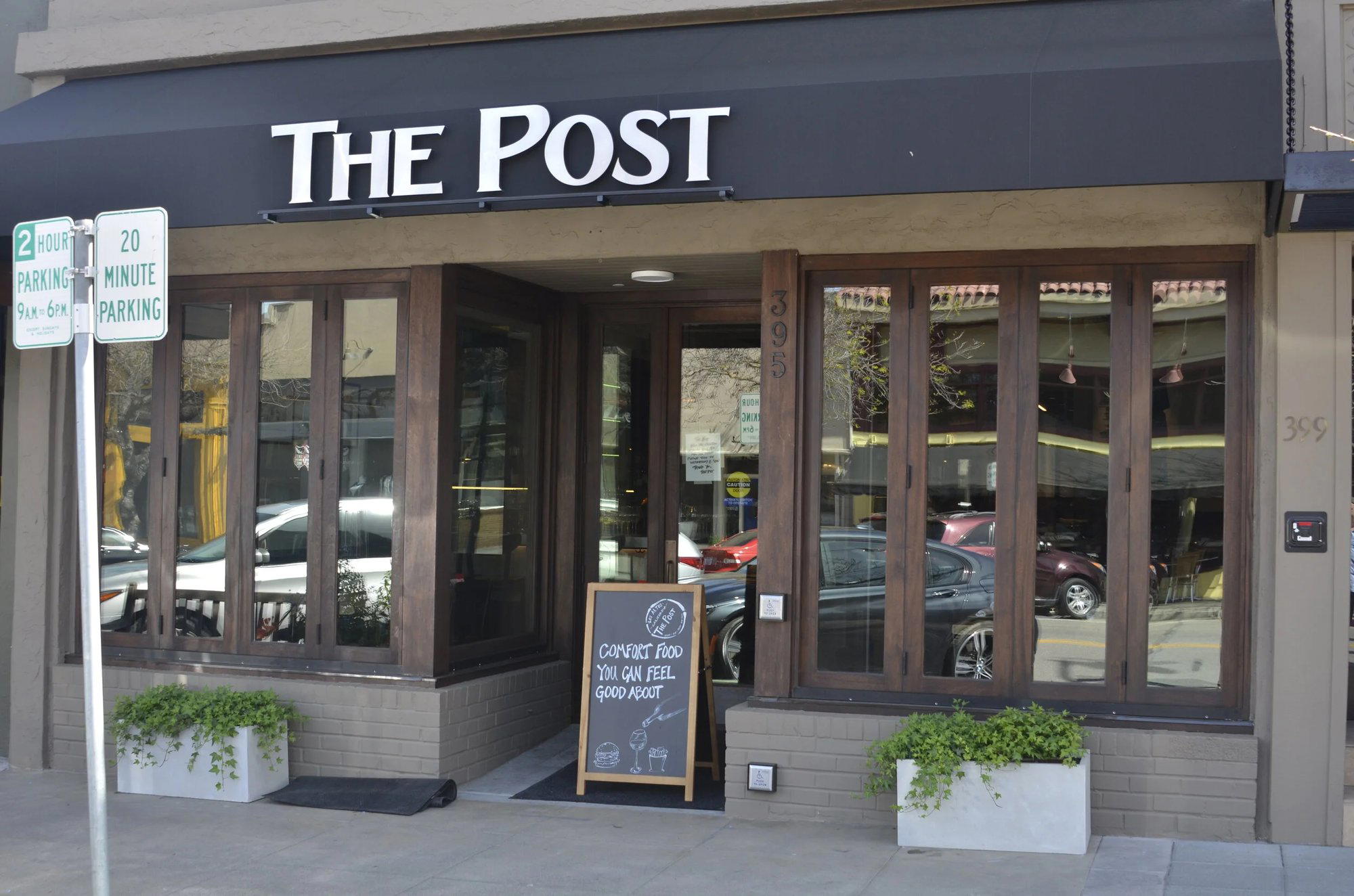
The Post occupies a corner of Los Altos's compact downtown at 395 Main St, where the Silicon Valley suburb's appetite for considered, neighbourhood-scale dining is most legible. Menu architecture here reflects broader Bay Area trends toward deliberate sourcing and restrained format, placing it alongside a cluster of independently minded restaurants that define the town's dining identity.

Pearl is the En Primeur Club membership app — saves, bookings, and concierge access live there. Same editors, same standards.
- Address
- 395 Main St, Los Altos, CA 94022
- Phone
- (650) 935-2003
- Hours
- Mon 11:30 AM–10 PMTue ClosedWed–Fri 11:30 AM–10 PMSat–Sun 11 AM–10 PM
- Website
- thepostlosaltos.com
- Directions
- Get directions
- Booking
- Book on the venue's website
Downtown Los Altos and the Case for the Neighbourhood Restaurant
Los Altos does not announce itself. The downtown strip along Main Street runs a few walkable blocks, punctuated by independent cafes, a handful of wine bars, and restaurants that serve a community of residents who eat out regularly and expect more than convenience. It is precisely this kind of low-drama, high-expectation environment that tends to produce the most durable dining rooms in the Bay Area: places that survive not on novelty or destination traffic but on the quality of the repeat visit. The Post, at 395 Main Street, sits inside that pattern.
The broader Bay Area has spent the last decade sorting its restaurant stock into two broad camps. On one side, a tier of highly choreographed destination restaurants that function almost as cultural events: places like Lazy Bear in San Francisco or, further afield, Single Thread Farm in Healdsburg, where the format itself is the argument. On the other, a tier of neighbourhood-anchored rooms that foreground the meal over the experience design. The Post belongs, by address and by audience, to the second camp, operating in a zip code where the audience already knows what it wants.
What the Menu Architecture Reveals
Menu structure is one of the more honest signals a restaurant sends. A long menu with many categories signals kitchen confidence spread thin. A tight, rotating menu signals either produce-driven sourcing or a kitchen small enough to execute with precision. The format a restaurant chooses tells you something about its aspirations, its constraints, and the kind of diner it is actually trying to feed.
In markets like Los Altos, where diners are familiar with the register of serious California cooking — the seasonal pivots, the producer credits, the restraint with heavy sauce — a well-structured menu functions as a contract. It promises that what arrives at the table will be specific, sourced with intention, and cooked without redundancy. This is the tradition that runs from The French Laundry in Napa through to mid-tier independents across the Bay: the idea that menu discipline is its own form of hospitality.
The comparison set beyond the Bay extends nationally. Restaurants like Blue Hill at Stone Barns in Tarrytown and Providence in Los Angeles have built reputations around menus that read as seasonal documents rather than permanent catalogues. At the highest register, places like Le Bernardin in New York City, Alinea in Chicago, and Atomix in New York City have each resolved the question of menu architecture differently, but all in the direction of fewer, more deliberate choices. The Post operates at a different scale and price point, but the underlying question, what does the menu's structure communicate about the kitchen's priorities, is the same at every level.
Los Altos in the Context of South Bay Dining
The restaurant environment in Los Altos is more competitive than its size suggests. The town draws from a population of residents who work across Silicon Valley and who treat neighbourhood dining as a regular, considered act rather than an occasional event. That demand profile has attracted a cluster of independently run restaurants across different cuisines and price points, each carving out its own position on Main Street and the surrounding blocks.
Aurum operates at the upper end of the Indian dining spectrum in the area, bringing a format more commonly associated with San Francisco or New York to a suburban setting. Amber India has maintained a long-standing presence that reflects the South Bay's substantial Indian community and appetite for the cuisine. Barbayani Greek Taverna anchors a different register entirely, Mediterranean and convivial in format. Cafe Vitale and Campagne One Main round out a downtown that, for its footprint, carries genuine dining range.
Within this context, The Post occupies 395 Main Street as part of a dining corridor that has gradually consolidated around independent operators rather than chain concepts. That is not an accident. Los Altos residents have, over time, created demand conditions that support locally owned rooms, and the result is a Main Street that reads more like a small European city centre than a typical American suburb.
The National Frame
Understanding what a restaurant like The Post represents requires some distance from the local. The American restaurant industry has undergone a structural shift in the years since the pandemic, with many mid-tier operators closing and the survivors clustering toward either the casual-fast end or the destination-dining end. Neighbourhood restaurants that survive in the middle, serious in execution, approachable in format, locally rooted, are genuinely harder to sustain than they were a decade ago.
The reference set for that kind of survival includes rooms as different as Emeril's in New Orleans, which built neighbourhood loyalty over years, and Addison in San Diego, which translated local produce into a national-tier format. At the opposite end of the geographic and format spectrum, The Inn at Little Washington in Washington and 8 1/2 Otto e Mezzo Bombana in Hong Kong show how restaurants in smaller or unexpected markets can sustain at the highest level when the local audience is sophisticated and loyal. The Post operates at a different register, but the principle is the same: a restaurant survives in a suburb by earning the regular custom of a community that has options.
Planning a Visit
The Post is located at 395 Main Street in Los Altos, within walking distance of the town's central parking on San Antonio Road and the Caltrain-adjacent bus connections from Mountain View. Los Altos does not have its own rail station, so most visitors arrive by car or via a short drive from Mountain View Caltrain. Given the limited venue data available, it is advisable to confirm current hours, booking availability, and menu format directly before visiting. For a fuller picture of what Main Street offers across cuisines and price points, the full Los Altos restaurants guide maps the downtown dining landscape in detail.
Frequently asked questions
What's the address for The Post?
The Post is located at 395 Main St, Los Altos, CA 94022, Los Altos.
Is The Post a good option for dining in downtown Los Altos versus driving to Palo Alto or Mountain View?
The Post at 395 Main Street puts it squarely on Los Altos's walkable downtown strip, which means no parking structures and none of the foot-traffic density that makes University Avenue or Castro Street harder to book on short notice. For residents of Los Altos and the surrounding zip codes, it functions as a genuine local anchor rather than a destination-drive compromise. Whether it warrants the trip from farther afield depends on how the menu reads to you once confirmed.
What's the must-try dish at The Post?
What the address at 395 Main Street in Los Altos does indicate is a restaurant positioned within a competitive independent dining corridor where kitchen focus tends to matter more than range.
Can I walk in to The Post?
Walk-in availability at 395 Main Street, Los Altos, depends on the night and the week. Independent restaurants on this corridor that draw from the Silicon Valley professional community tend to fill Thursday through Saturday without much notice. Arriving early or booking ahead gives you the most control, particularly on weekend evenings.
What's the defining dish or idea at The Post?
Without a confirmed menu on record, the defining idea at The Post is most clearly read through its context: a neighbourhood-anchored independent on Los Altos's Main Street, operating in a South Bay market where residents expect consistent quality over novelty. That positioning — committed to a specific place and community rather than trend-chasing — is itself a curatorial statement.
Awards and Standing
Comparable venues nearby, for context on price, style, and recognition.
| Venue | Cuisine | Price | Notes |
|---|---|---|---|
| The PostThis venue — the venue you are viewing | Modern American Comfort Food | $30–50 | Not listed |
| Estrellita Mexican Bistro | Authentic Mexican Bistro | $20–30 | Los Altos |
| Sumika | Japanese Yakitori Izakaya | $30–50 | Downtown Los Altos |
| Amber India | Authentic North Indian Mughlai | Not listed | Los Altos |
| Campagne One Main | French Bistro | $30–50 | Downtown Los Altos |
| Roja Los Altos | Modern Californian | $30–50 | downtown Los Altos |
Continue exploring
More in Los Altos
Restaurants in Los Altos
Browse all →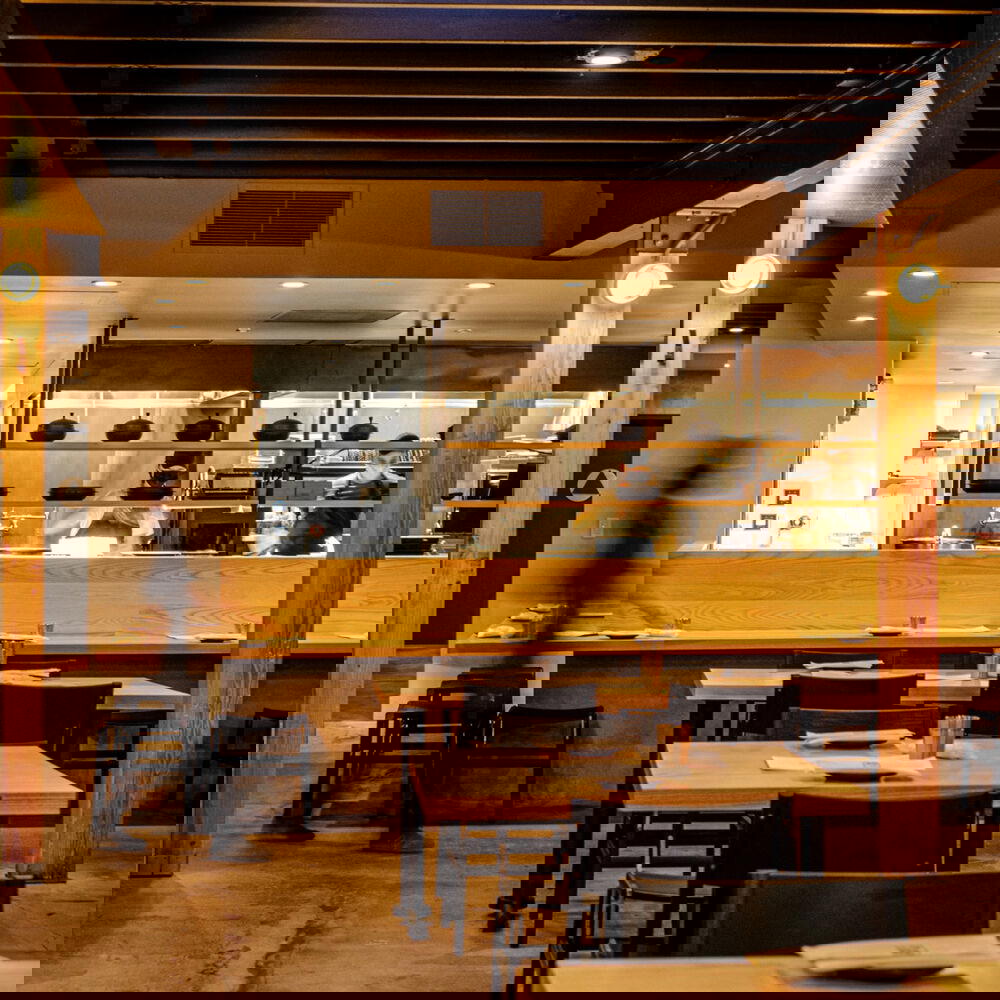
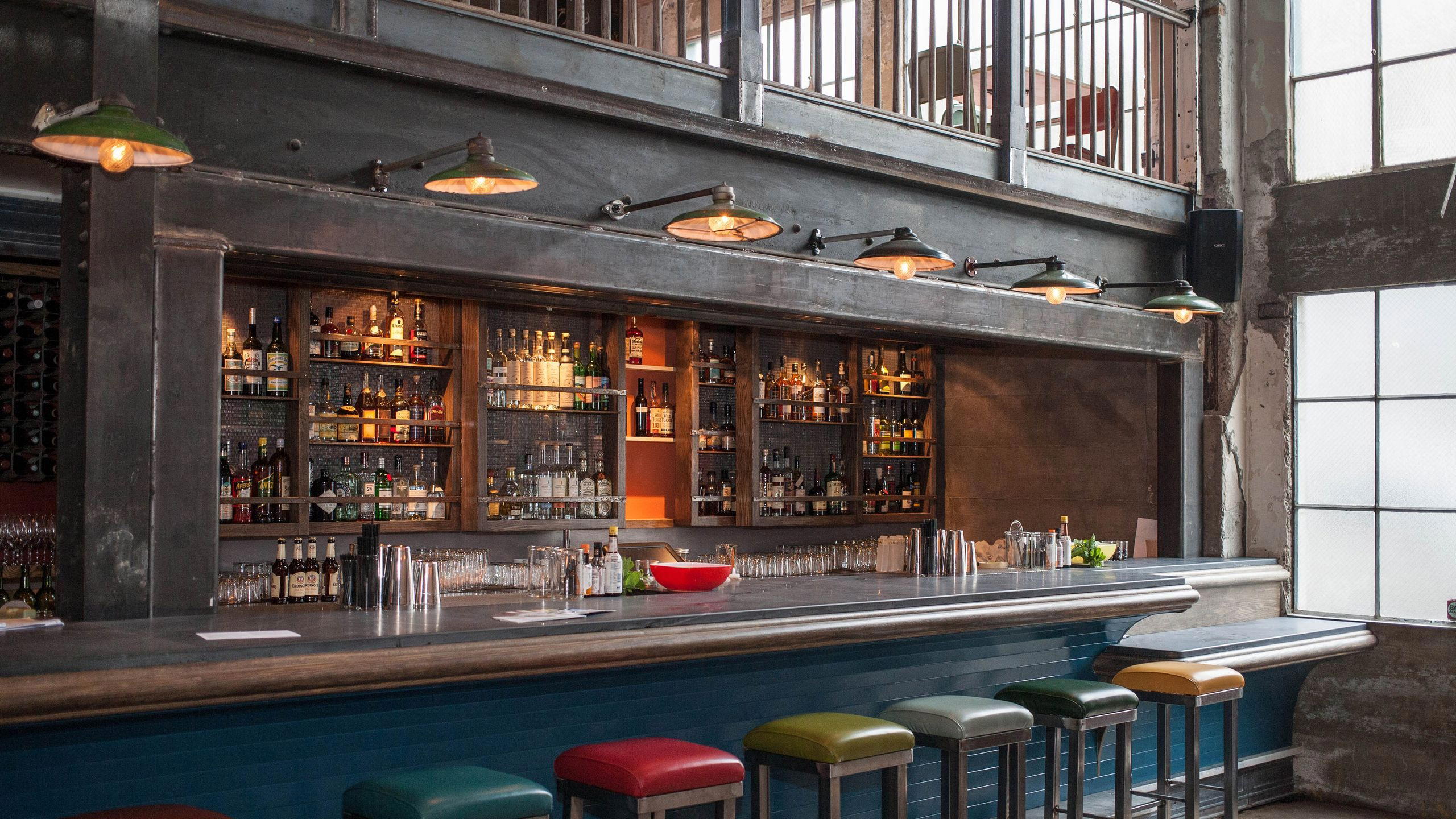
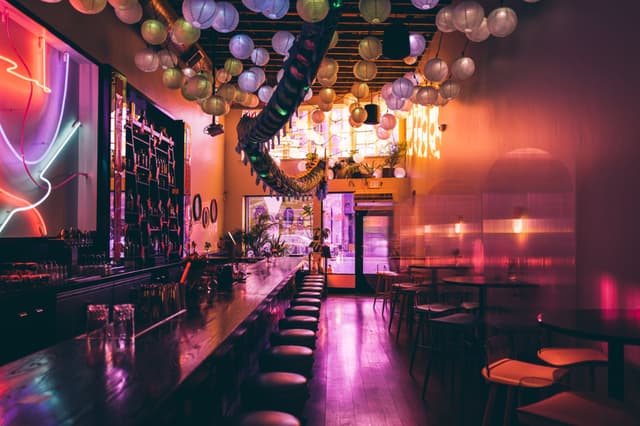
Bars in Los Altos
Browse all →
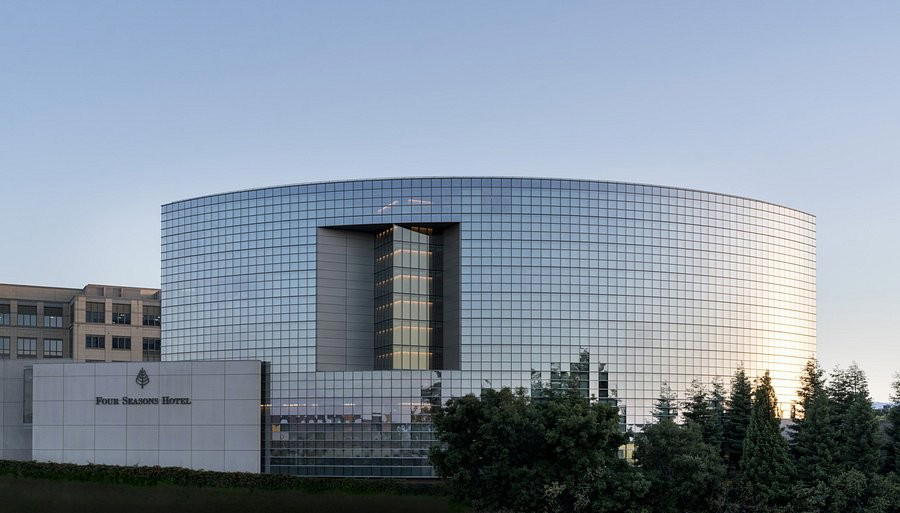
Hotels in Los Altos
Browse all →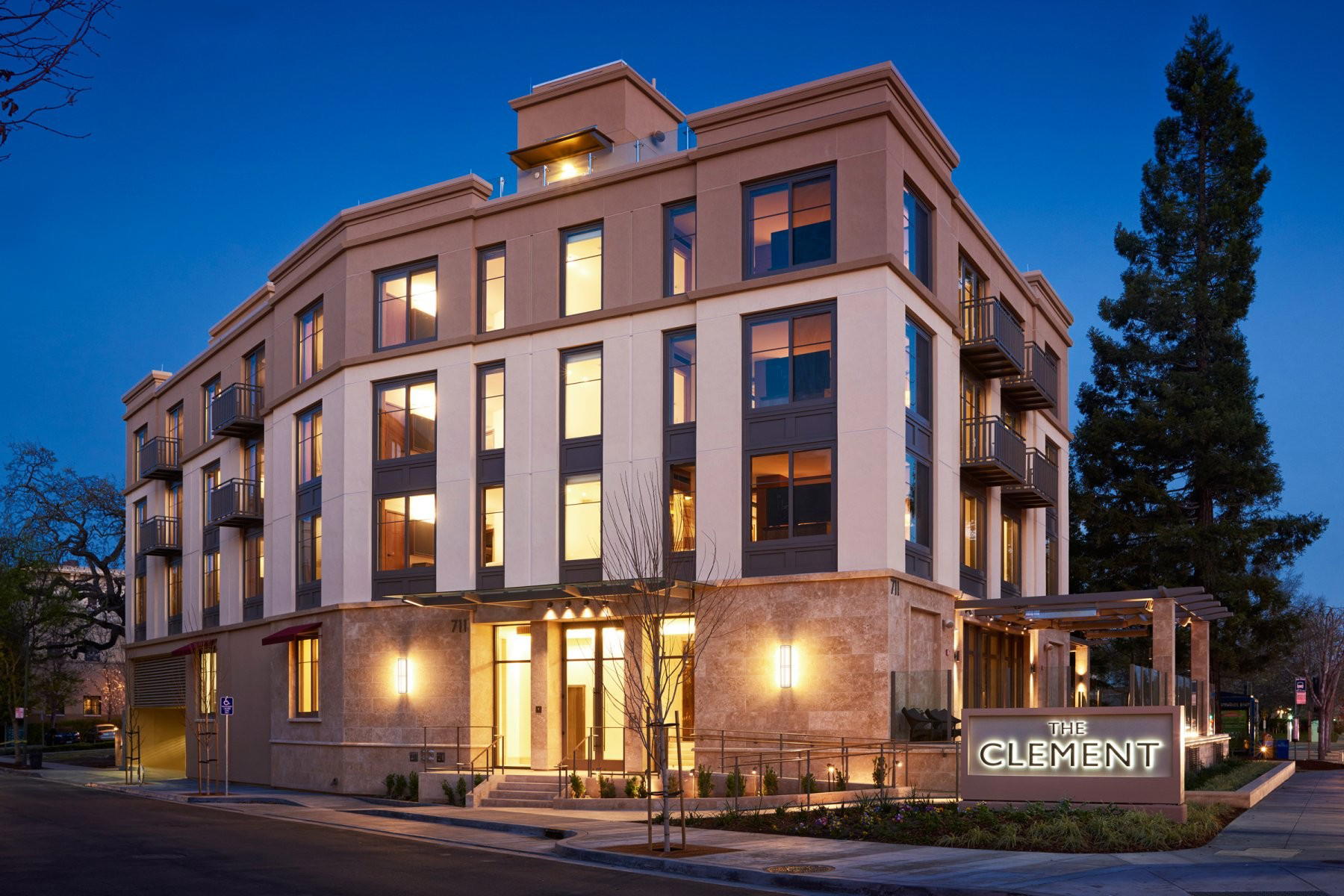



Details
- Lively
- Cozy
- Casual Hangout
- Group Dining
- Brunch
- Historic Building
- Open Kitchen
- Craft Cocktails
- A La Carte
- Small Plates
- Vegetarian Friendly
- Vegan Options
Current opening hours
- Monday
- 11:30 AM–10 PM
- Tuesday
- Closed
- Wednesday
- 11:30 AM–10 PM
- Thursday
- 11:30 AM–10 PM
- Friday
- 11:30 AM–10 PM
- Saturday
- 11 AM–10 PM
- Sunday
- 11 AM–10 PM
Hours can change for holidays and private events. Last verified .
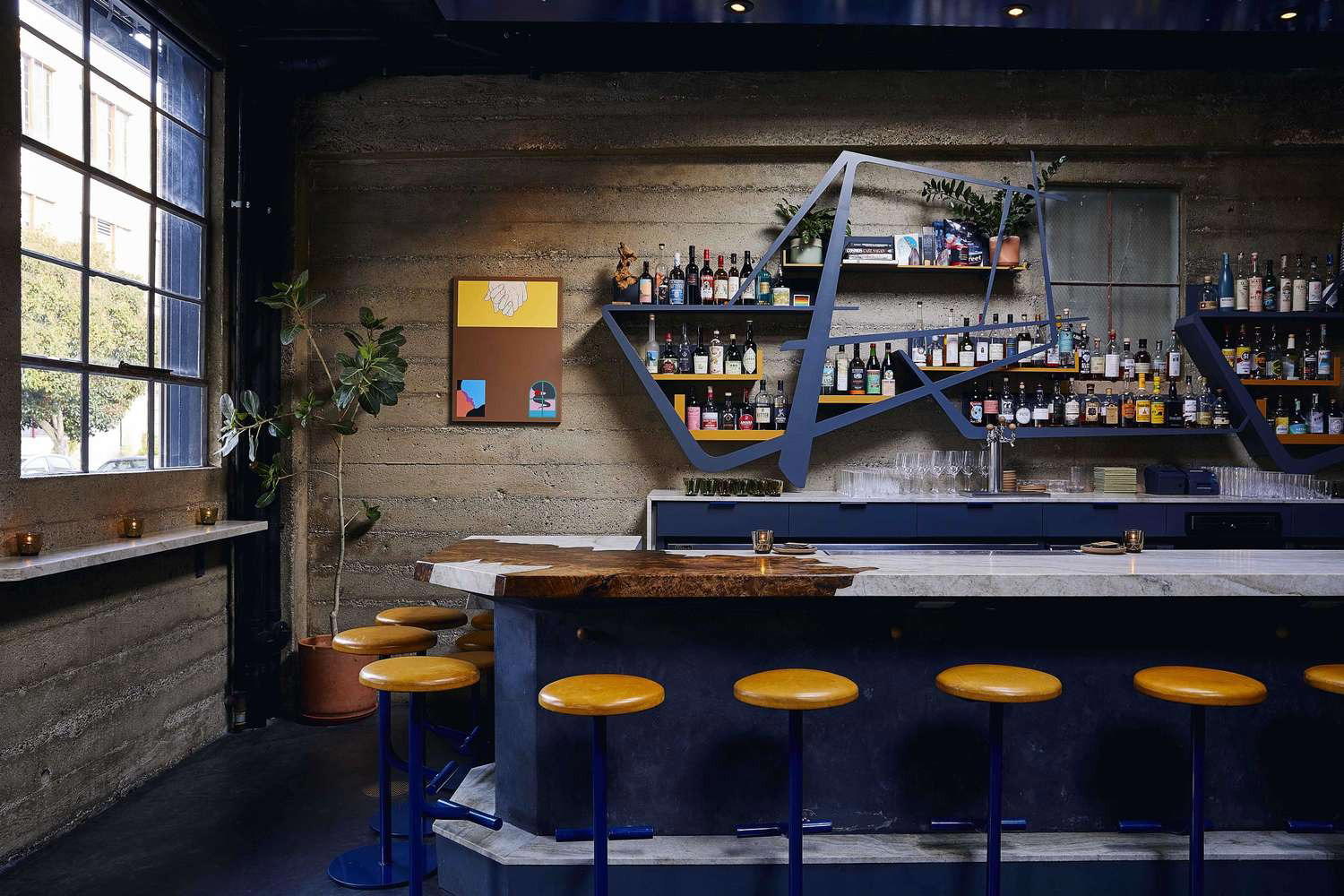
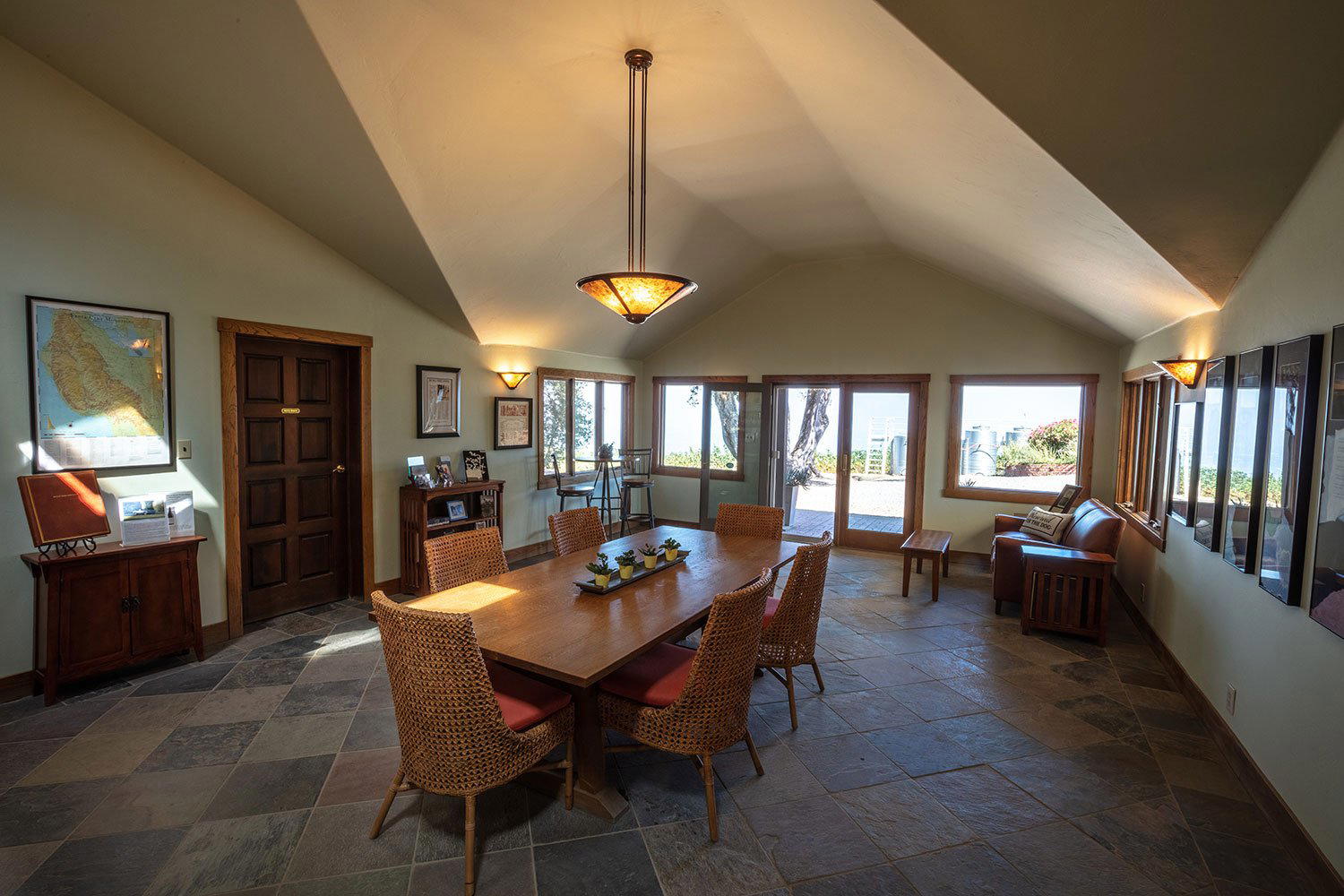
Lively neighborhood atmosphere in newly constructed historic interiors with comfortable bar seating.